Charquicán (Charquicán) — Chilean Beef and Vegetable Hash
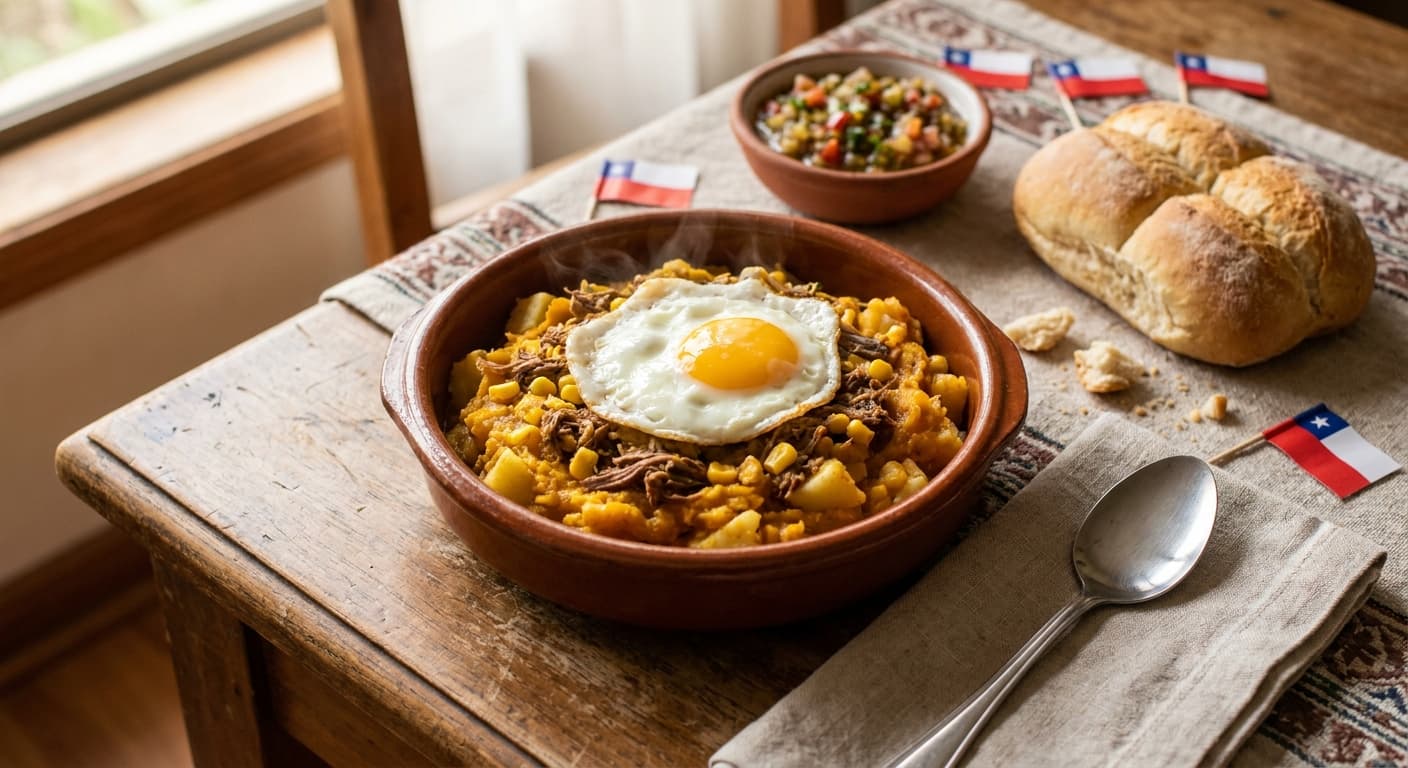
Charquicán is a home-style Chilean beef and vegetable hash with potatoes, zapallo squash, choclo, and the memory of charqui dried meat. It sits beside cazuela and porotos granados as everyday comfort food, often finished with pebre.
Printable Recipe Card
Servings: 6 · Total: 70 min · Difficulty: medium
Ingredients (quick list)
- 450 g lean beef chuck steak (trimmed and cut into 1 cm cubes)
- 60 g charqui or lean dried beef (rinsed, patted dry, and finely shredded)
- 30 ml olive oil
- 1 large yellow onion (finely diced)
- 3 clove garlic (minced)
- 1.5 tsp ground cumin
- 1.5 tsp dried oregano
- 2 tsp ají de color or sweet paprika
- 0.5 tsp merkén (Chilean smoked chile, optional but traditional in southern-style versions)
- 8 g fine sea salt
- 0.5 tsp ground black pepper
- 600 g waxy potatoes (peeled and cut into 2 cm cubes)
+ 9 more in the full ingredients section below.
Steps (summary)
- Prepare all vegetables before heating the pot, because charquicán cooks best when the potatoes, zapallo, carrots, green beans,…
- Heat 30 ml olive oil in a wide heavy pot over medium-high heat until it shimmers. Add the beef cubes and charqui, spread them i…
- Reduce the heat to medium and add the diced onion with 2 g of the measured salt. Cook for 8 minutes, scraping up browned bits,…
- Add the garlic, cumin, oregano, ají de color, merkén, black pepper, and the remaining 6 g salt. Stir for 60 seconds so the spic…
- Add the potatoes, zapallo squash, and carrots, then pour in 500 ml beef stock. Bring the pot to a firm simmer, cover it, and co…
- Add the green beans, choclo corn kernels, and peas, then cover again and simmer for 10 minutes. The mixture should resemble a t…
+ 3 more steps in the full instructions section below.
Cultural Background
Pilar Hernández’s work on Chilean home cooking presents dishes such as charquicán as practical, seasonal family food. Its name recalls charqui, while its vegetables reflect the same pantry logic seen in cazuela and porotos granados.
Equipment
💡 Tips
- Use waxy potatoes rather than floury baking potatoes so the dish thickens without turning gluey.
- Mash only part of the vegetables; authentic charquicán should have a rustic, uneven texture with recognizable pieces.
- If your charqui is intensely salty, soak it briefly and rely on the measured salt after tasting the cooked stew.
⚠️ Common Mistakes
❌ Adding too much stock and leaving the dish soupy.
✅ Fix: Use exactly 500 ml stock, simmer uncovered at the end, and mash part of the potatoes and zapallo to thicken the pot.
❌ Mashing all the vegetables into a puree.
✅ Fix: Crush only about half of the mixture so the finished charquicán keeps its characteristic rustic chunks.
❌ Over-salting when using charqui.
✅ Fix: Rinse or briefly soak salty charqui and reduce the measured salt by 2 g if the dried beef tastes very salty.
🧊 How to Store
Refrigerate leftovers in an airtight container for up to 3 days without the fried eggs. Reheat gently in a covered saucepan with 30 ml water or stock per serving, stirring until hot, then fry fresh eggs for serving.
📅 Make Ahead
Dice the potatoes, zapallo, carrots, and green beans up to 12 hours ahead and refrigerate them covered. The charquicán can be cooked 1 day ahead, but fry the eggs just before serving.
🍽️ Pairs Well With
- Pebre
- ensalada chilena
- marraqueta
- avocado slices
- ají verde.
Regional Variations
- In many Santiago households, fresh minced beef replaces charqui entirely for a quicker weeknight charquicán.
- Southern Chilean versions may include a clearer touch of merkén for smoke and gentle chile heat.
- Some cooks serve the hash without fried egg, while others add the egg as the defining final richness.
- Coastal or leaner family versions may use vegetable stock and extra choclo while keeping the same mashed vegetable texture.
Ingredients
- 450 glean beef chuck steak (trimmed and cut into 1 cm cubes)
- 60 gcharqui or lean dried beef (rinsed, patted dry, and finely shredded)
- 30 mlolive oil
- 1large yellow onion (finely diced)
- 3 clovegarlic (minced)
- 1.5 tspground cumin
- 1.5 tspdried oregano
- 2 tspají de color or sweet paprika
- 0.5 tspmerkén (Chilean smoked chile, optional but traditional in southern-style versions)
- 8 gfine sea salt
- 0.5 tspground black pepper
- 600 gwaxy potatoes (peeled and cut into 2 cm cubes)
- 500 gzapallo squash or kabocha squash (peeled, seeded, and cut into 2 cm cubes)
- 2medium carrots (cut into 1 cm dice)
- 180 ggreen beans (trimmed and cut into 2 cm lengths)
- 240 gchoclo corn kernels (fresh or frozen corn kernels)
- 150 ggreen peas (fresh or frozen)
- 500 mlgluten-free low-sodium beef stock
- 6large eggs
- 8 sprigcilantro (leaves chopped)
- 180 gpebre (for serving alongside the charquicán)
🔄 Substitutions
- charqui or lean dried beef→ 90 g finely chopped leftover roast beef
- zapallo squash→ kabocha squash
- merkén→ 0.25 tsp smoked paprika plus 0.25 tsp mild chile flakes
Instructions
- 1
Prepare all vegetables before heating the pot, because charquicán cooks best when the potatoes, zapallo, carrots, green beans, choclo, and peas are added in a steady sequence. If using very salty charqui, soak it in 250 ml cold water for 10 minutes, drain it well, and reduce the measured salt by 2 g.
- 2
Heat 30 ml olive oil in a wide heavy pot over medium-high heat until it shimmers. Add the beef cubes and charqui, spread them in one layer, and brown for 6 minutes, turning only after the first side has taken on color.
- 3
Reduce the heat to medium and add the diced onion with 2 g of the measured salt. Cook for 8 minutes, scraping up browned bits, until the onion is soft and lightly golden rather than dark brown.
- 4
Add the garlic, cumin, oregano, ají de color, merkén, black pepper, and the remaining 6 g salt. Stir for 60 seconds so the spices bloom in the fat and perfume the meat, but do not let the garlic scorch.
- 5
Add the potatoes, zapallo squash, and carrots, then pour in 500 ml beef stock. Bring the pot to a firm simmer, cover it, and cook for 18 minutes, stirring twice so the squash begins to soften without sticking.
- 6
Add the green beans, choclo corn kernels, and peas, then cover again and simmer for 10 minutes. The mixture should resemble a thick Chilean guiso rather than a soup, with a heartiness reminiscent of cazuela vegetables but mashed into a rustic hash.
- 7
Use a potato masher to crush about half of the potatoes and zapallo directly in the pot, leaving visible chunks of meat and vegetables. Simmer uncovered for 5 minutes, stirring often, until the charquicán is spoonable and cohesive but not dry.
- 8
While the hash thickens, fry the eggs in a nonstick skillet over medium heat for 3 to 4 minutes, using the residual fat from the pan or 5 ml additional oil if needed. The whites should be set and the yolks should remain soft enough to run into the charquicán.
- 9
Taste the finished charquicán and adjust only with the measured seasoning already in the pot by stirring thoroughly before serving. Spoon it into warm shallow bowls, top each portion with 1 fried egg, scatter with chopped cilantro, and serve with pebre on the side.
🪪 Recipe Passport
Cultural Background
Pilar Hernández’s work on Chilean home cooking presents dishes such as charquicán as practical, seasonal family food. Its name recalls charqui, while its vegetables reflect the same pantry logic seen in cazuela and porotos granados.
Regional Variations
Researched from multiple sources and validated by the Zaffaron editorial team. Every recipe is tested for accuracy, measurements, and cultural authenticity.
📚 Sources & Cultural References
- Pilar Hernández and Eileen Smith — The Chilean Kitchen — (2022)
- Maricel Presilla — Gran Cocina Latina — (2012)
Sources cited by the Zaffaron editorial team during recipe research. Cultural and culinary references supporting authenticity claims.
Nutrition per serving
Pairs well with
If you enjoyed this recipe, here are a few related Zaffaron recipes to try next.
- Chilean Corn Pie (Pastel de Choclo) — Sweet Corn-Topped Beef and Chicken Bake
- Chilean Pumpkin Sopaipillas (Sopaipillas Chilenas) — Fried Squash Breads with Pebre
- Chorrillana (Chorrillana) — Chilean Loaded Fries with Beef and Eggs
- Chilean Fresh Bean Stew (Porotos granados) — Summer Corn and Squash Bean Stew
Does your family make this differently?
Every family has their own version. Maybe your grandmother adds a secret ingredient, or your aunt has a completely different technique. Preserve your family's version — with their name on it, forever.
You Might Also Like
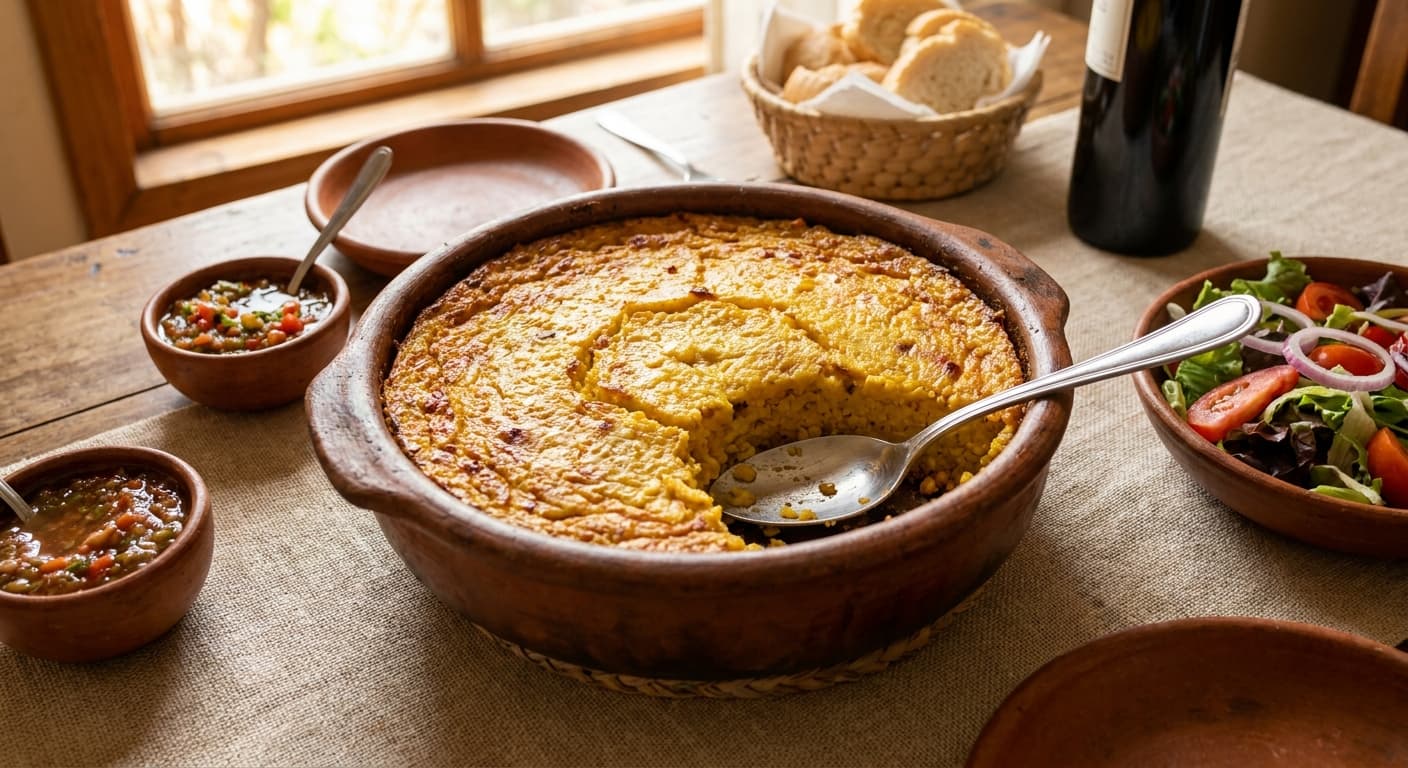
Chilean Corn Pie (Pastel de Choclo) — Sweet Corn-Topped Beef and Chicken Bake
Chilean · Main Courses · 105 min
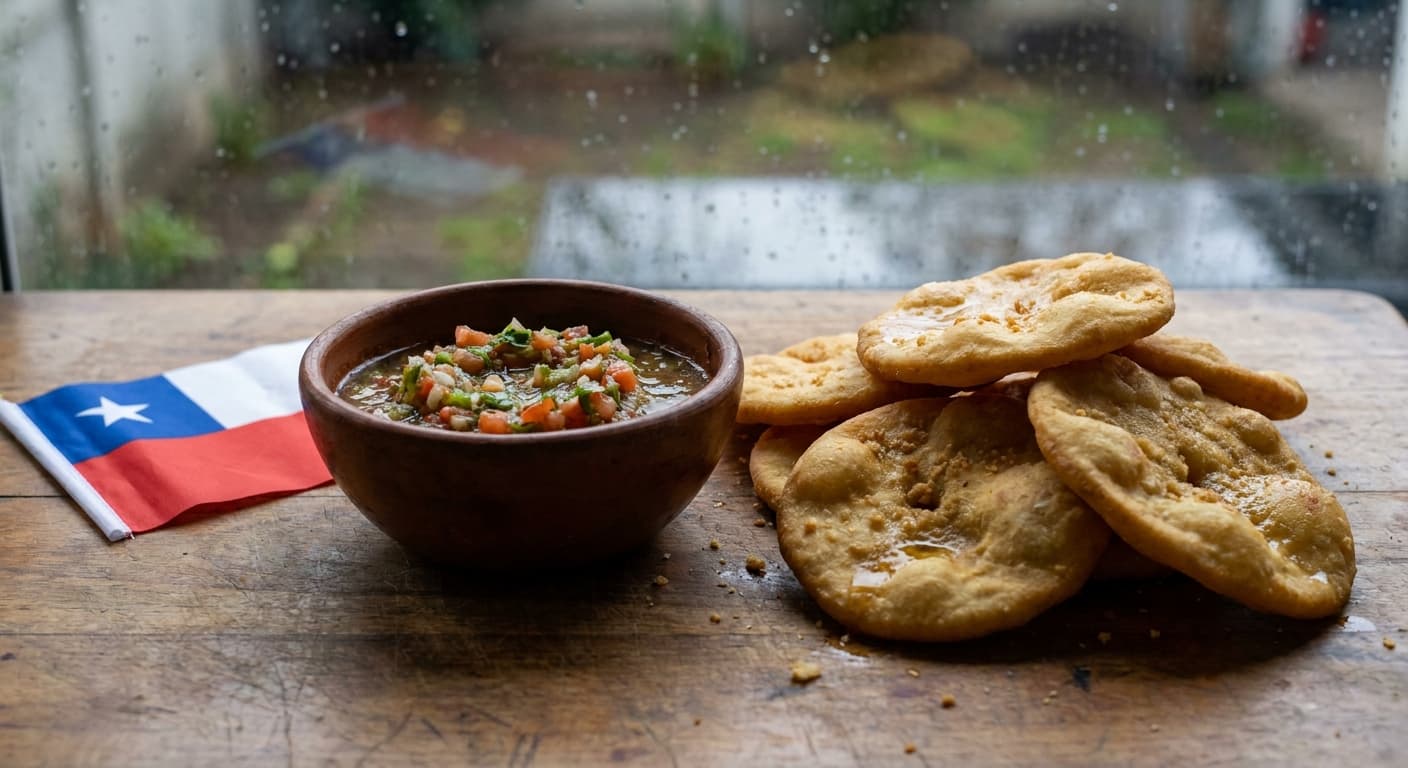
Chilean Pumpkin Sopaipillas (Sopaipillas Chilenas) — Fried Squash Breads with Pebre
Chilean · Breads · 60 min
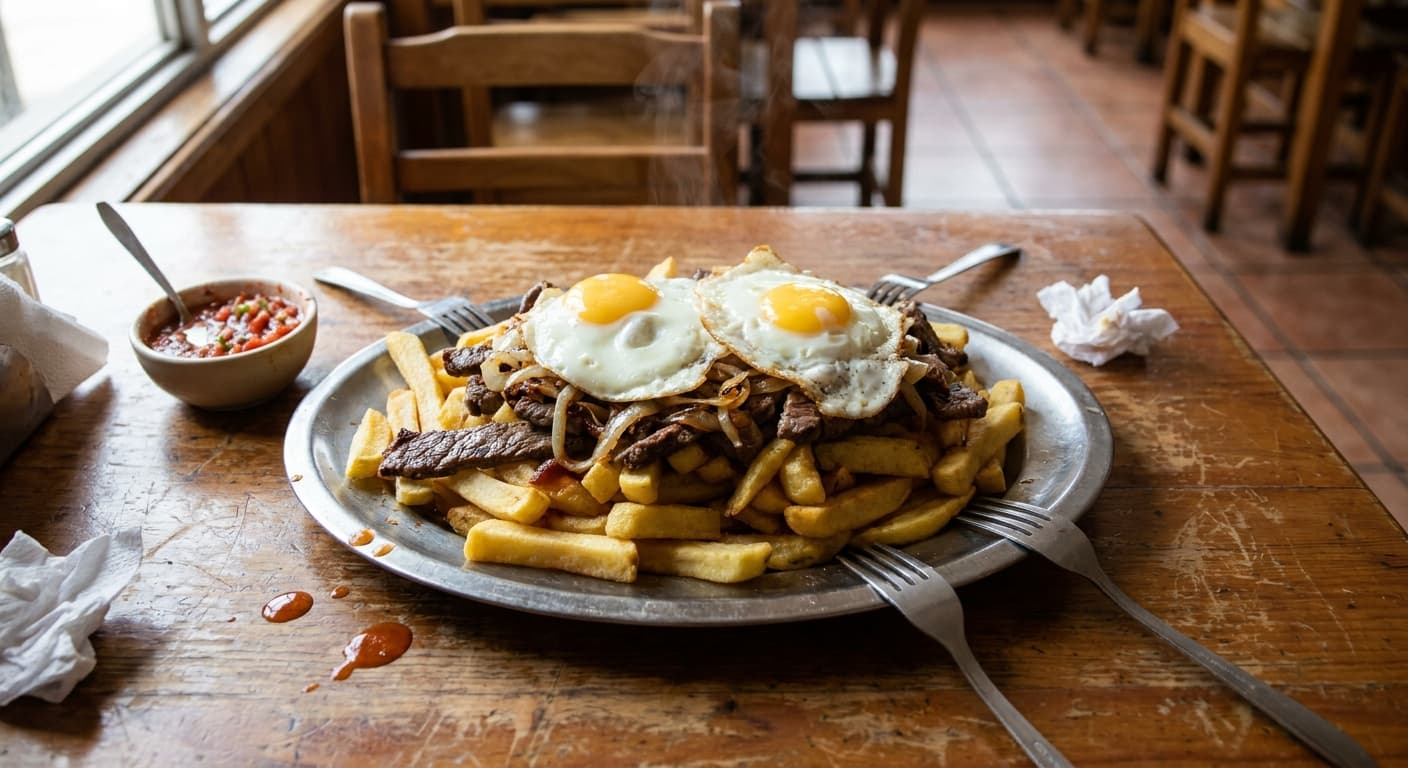
Chorrillana (Chorrillana) — Chilean Loaded Fries with Beef and Eggs
Chilean · Main Courses · 60 min
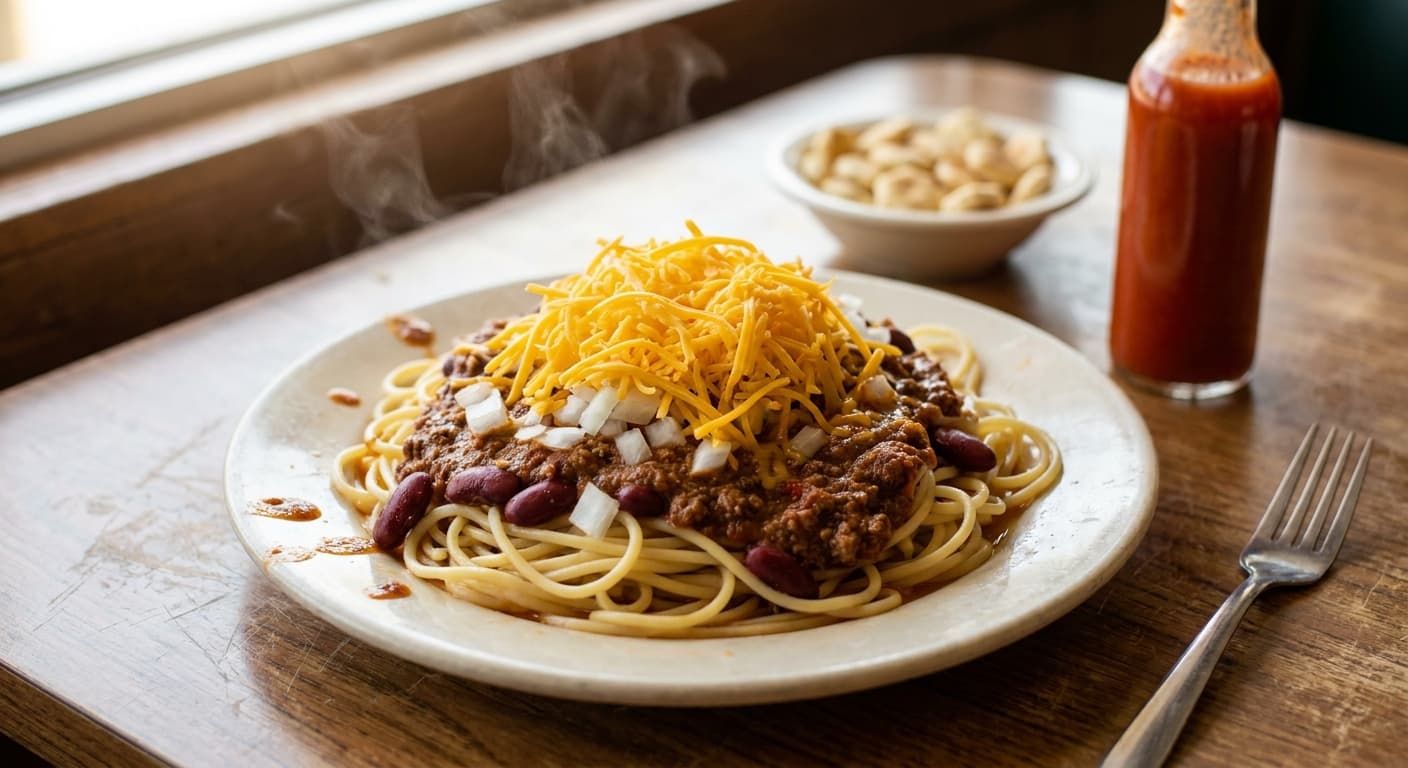
Cincinnati Chili (Cincinnati Chili) — Skyline-Style Spiced Chili over Spaghetti
American · Main Courses · 140 min
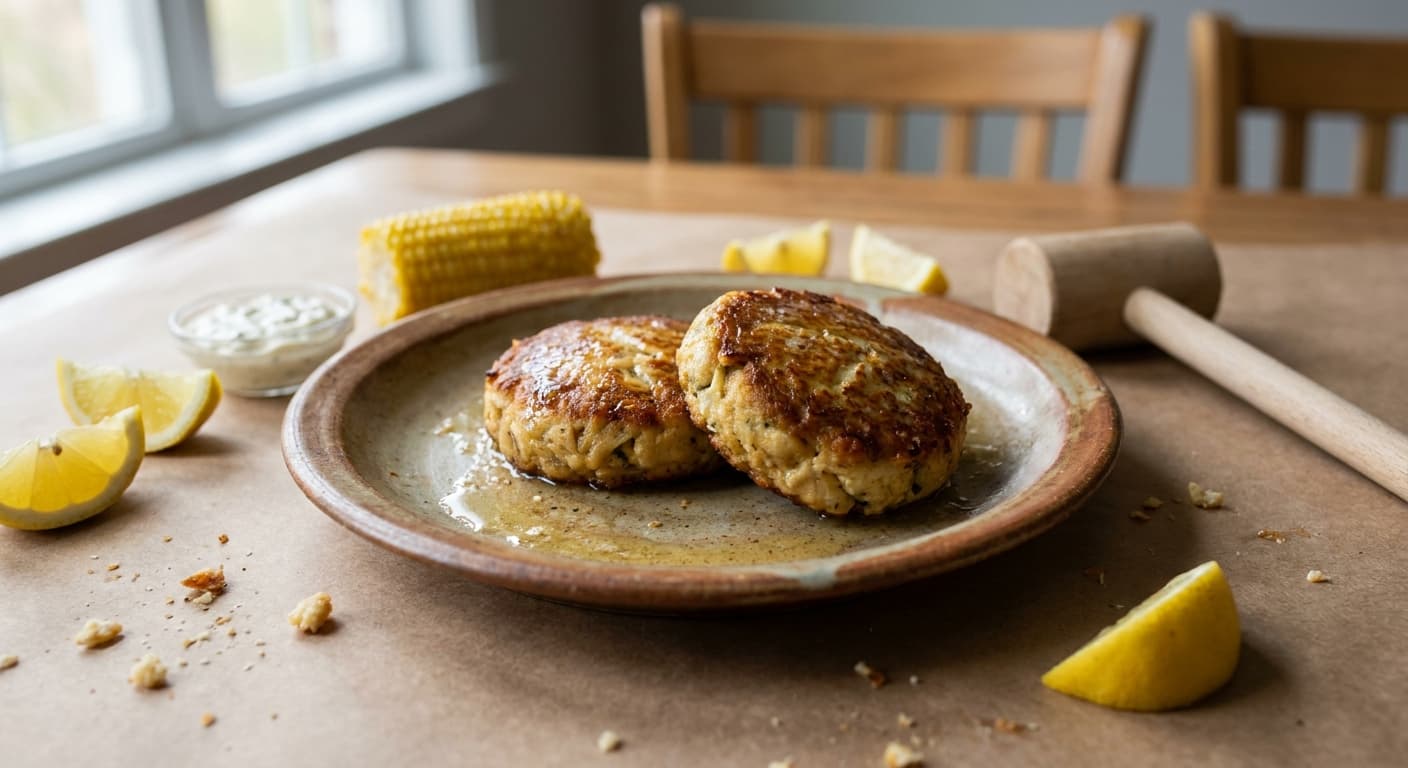
Maryland Crab Cakes (Maryland Crab Cakes) — Chesapeake Jumbo Lump Crab Patties
American · Main Courses · 35 min
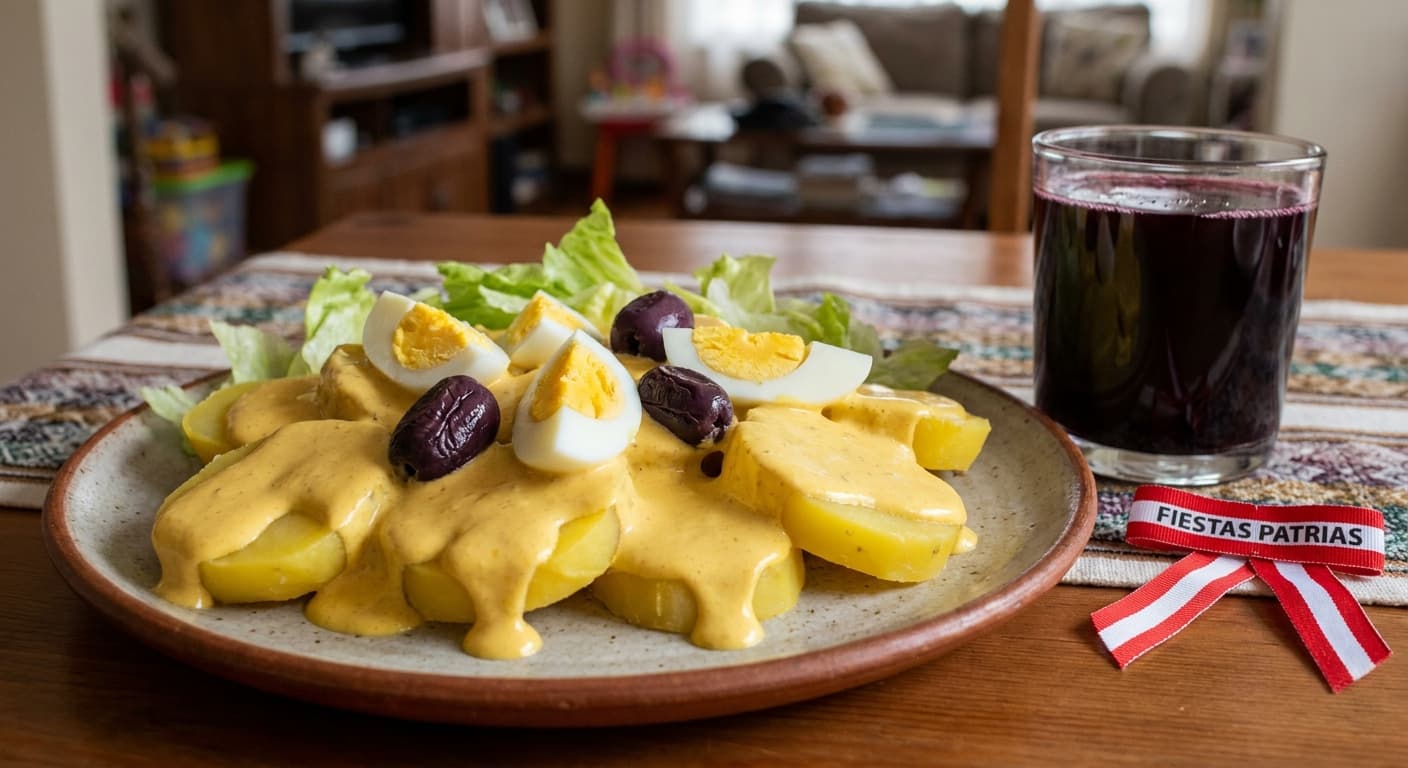
Huancayo-Style Potatoes (Papa a la Huancaína) — Peruvian Potatoes in Ají Amarillo Cheese Sauce
Peruvian · Appetizers · 45 min
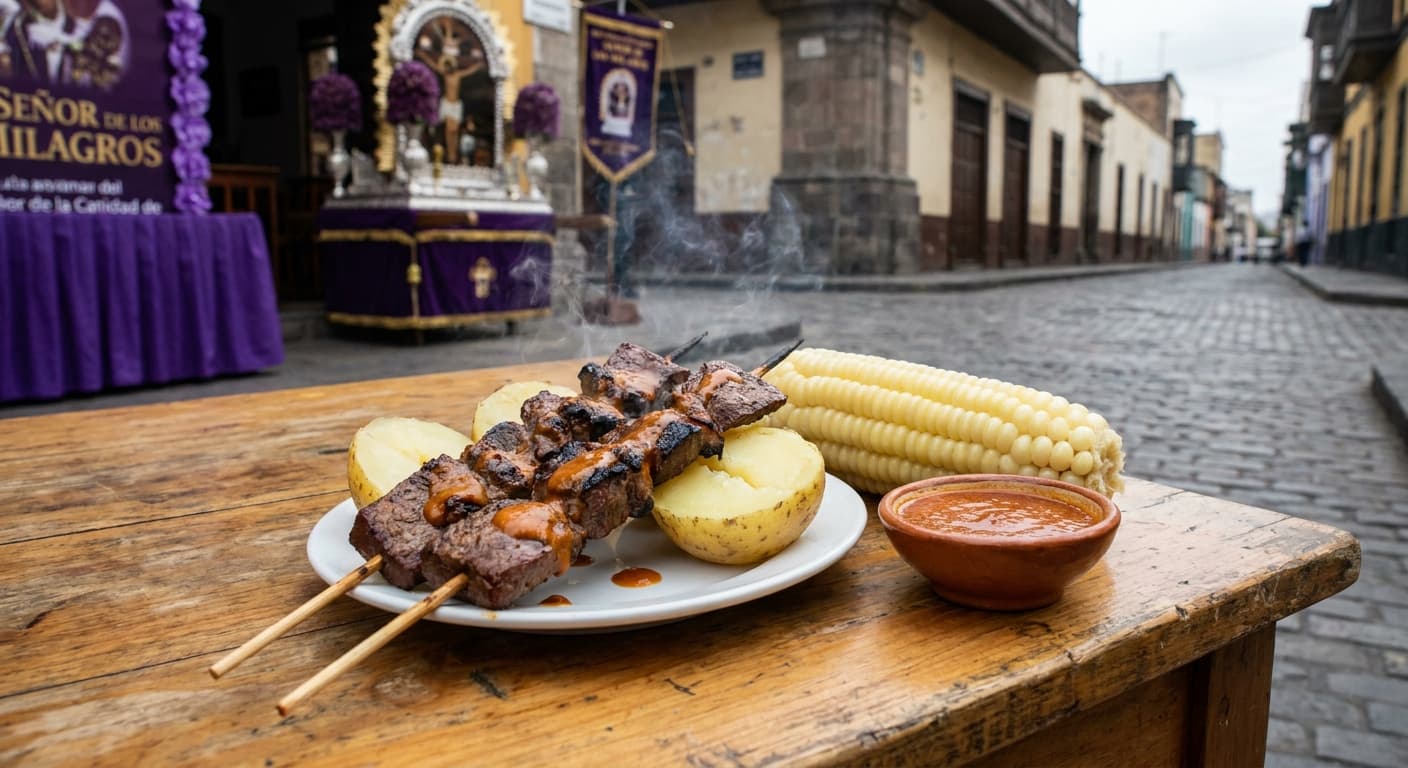
Peruvian Beef Heart Anticuchos (Anticuchos) — Smoky Chile-Marinated Skewers
Peruvian · Kebabs · 60 min
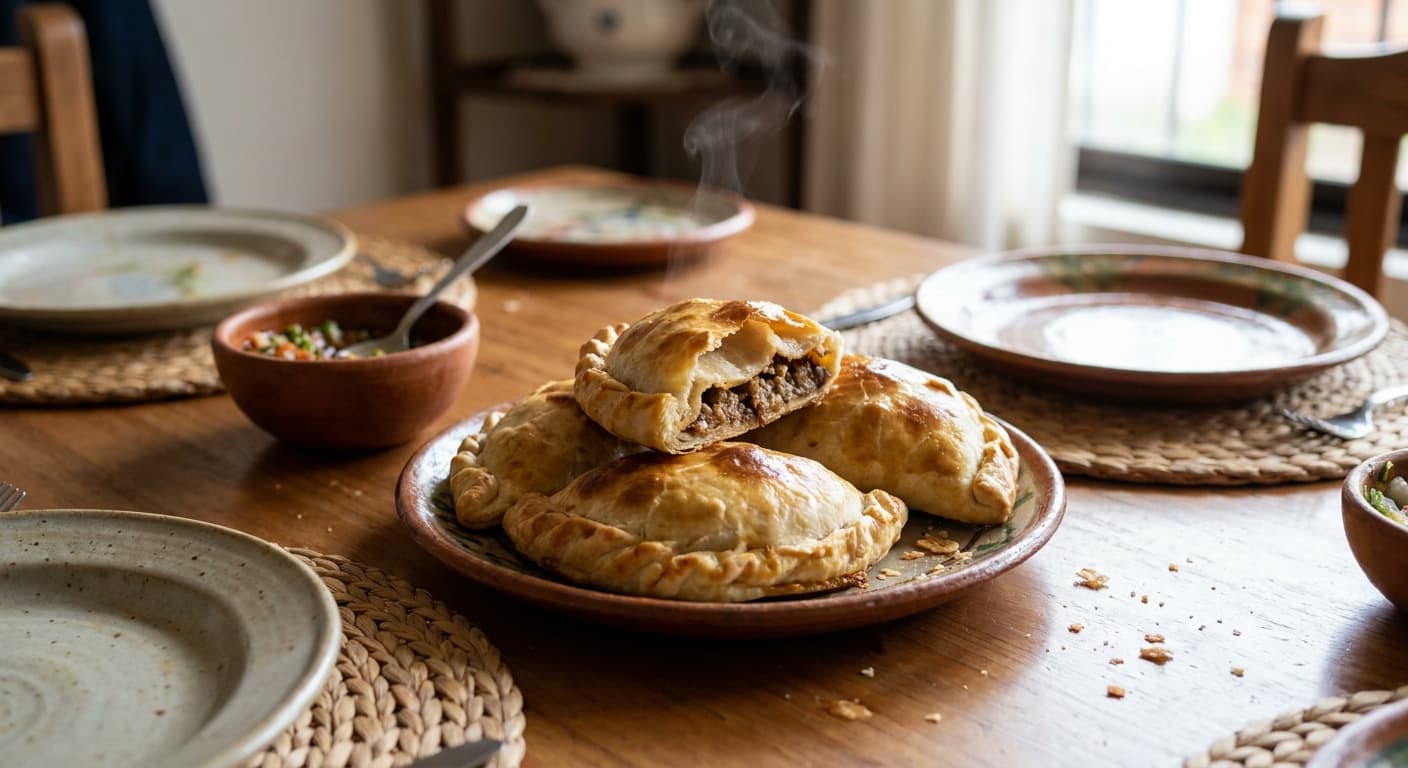
Chilean Beef Empanada (Empanada de pino) — Baked pastry filled with beef, onion, egg, olive, and raisins
Chilean · Main Courses · 125 min
Reviews
Cooked this recipe?
Tap the stars to rate it — that's all it takes. A few words are welcome but optional.
No ratings yet. Cooked this one? Be the first to rate it — it takes one tap.