Chilean Pumpkin Sopaipillas (Sopaipillas Chilenas) — Fried Squash Breads with Pebre
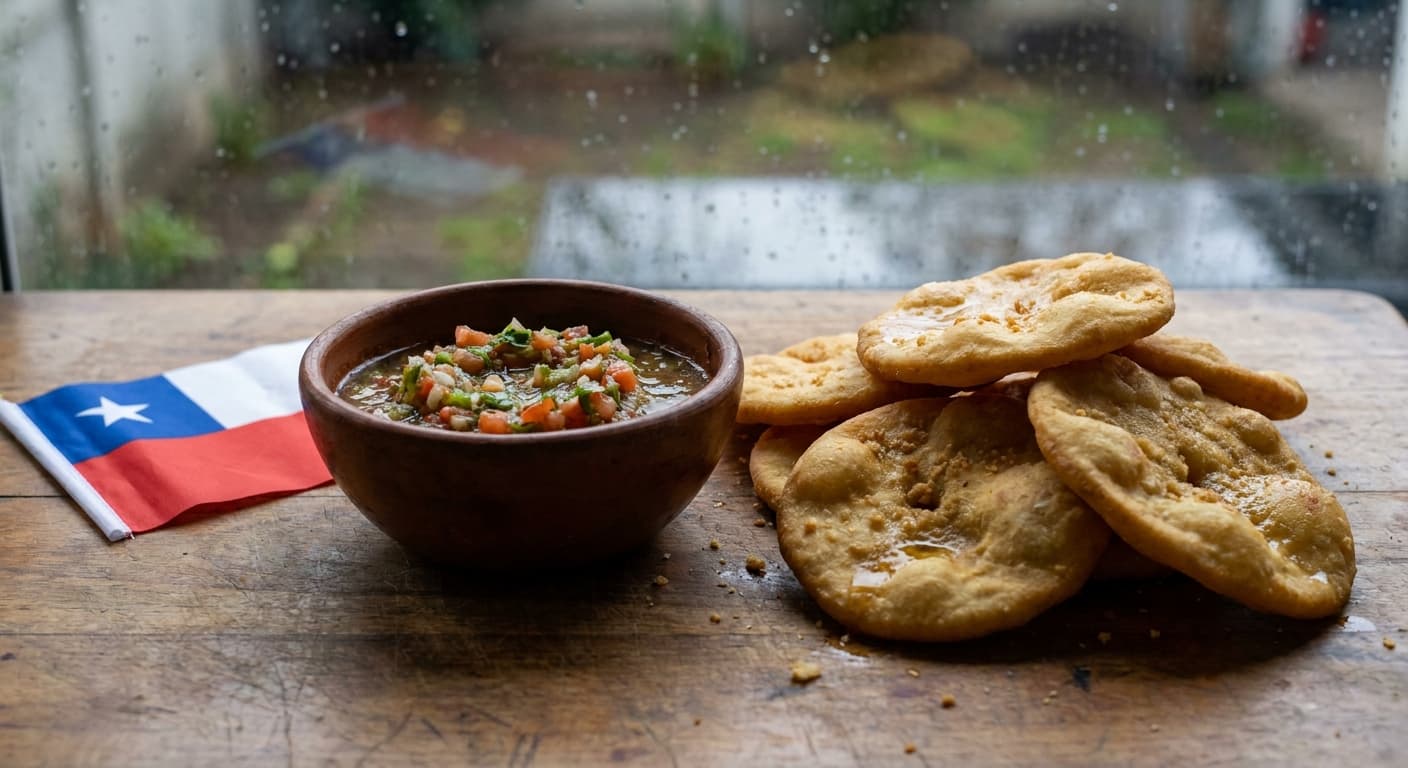
Chilean sopaipillas are golden fried breads enriched with zapallo camote, a firm orange squash. They are eaten on rainy afternoons and at Fiestas Patrias fondas, often beside pebre, merken, and empanada de pino.
Printable Recipe Card
Servings: 6 · Total: 60 min · Difficulty: medium
Ingredients (quick list)
- 300 g zapallo camote or kabocha squash, peeled and cubed
- 360 g all-purpose flour
- 8 g fine sea salt
- 8 g baking powder
- 30 g unsalted butter, melted
- 60 ml warm squash steaming liquid or warm water
- 1 l vegetable oil (for deep-frying; nutrition assumes about 75 ml is absorbed)
- 140 g ripe tomato, finely diced
- 80 g white onion, finely diced
- 20 g fresh cilantro, finely chopped
- 1 clove garlic
- 1 ají verde or serrano chile, minced
+ 4 more in the full ingredients section below.
Steps (summary)
- Steam the squash over simmering water for 15 to 18 minutes, until a fork passes through it with no resistance. Reserve 60 ml of…
- Whisk the flour, salt, and baking powder together in a wide bowl so the leavening is evenly distributed. Add 250 g of the mashe…
- Knead the dough on a lightly floured surface for 4 minutes, just until it becomes smooth and elastic rather than sticky. Cover…
- While the dough rests, make the pebre by combining the tomato, onion, cilantro, garlic, chile, vinegar, olive oil, lemon juice,…
- Roll the dough to a 6 mm thickness and cut it into 10 cm rounds with a cutter or the rim of a bowl. Prick each round twice with…
- Heat the vegetable oil in a heavy pot to 175 C, checking with a thermometer for accuracy. Fry 3 or 4 sopaipillas at a time for…
+ 1 more steps in the full instructions section below.
Cultural Background
Pilar Hernández presents sopaipillas as a familiar Chilean home and street food, especially beloved in rainy weather. Their squash dough, pebre pairing, and Fiestas Patrias presence make them a distinctly Chilean comfort.
Equipment
💡 Tips
- Use dense orange squash such as zapallo camote or kabocha; watery squash makes the dough heavy and requires extra flour.
- Keep the oil between 170 C and 180 C; cooler oil makes greasy sopaipillas, while hotter oil browns the outside before the center cooks.
- For uniform frying, roll the dough to an even 6 mm thickness and avoid re-rolling scraps more than once.
⚠️ Common Mistakes
❌ Adding too much flour because the dough feels slightly tacky at first.
✅ Fix: Rest the dough for 15 minutes before adjusting; the flour will absorb moisture from the squash and become easier to roll.
❌ Frying without controlling oil temperature.
✅ Fix: Use a thermometer and pause between batches if the oil drops below 170 C, because low heat makes the breads oily.
❌ Rolling the dough too thick.
✅ Fix: Keep the dough at 6 mm so the sopaipillas cook through before the exterior over-browns.
🧊 How to Store
Store cooled sopaipillas in an airtight container at room temperature for 1 day or refrigerate for 3 days. Reheat on a rack in a 190 C oven for 6 to 8 minutes until crisp; avoid microwaving because it softens the crust.
📅 Make Ahead
Steam and mash the squash up to 2 days ahead and refrigerate it in a covered container. The pebre can be mixed 4 hours ahead, but add the cilantro within 1 hour of serving for freshness.
🍽️ Pairs Well With
- Pebre
- chancaca syrup
- Chilean tea
- empanada de pino
- cazuela broth.
Regional Variations
- In central Chile, sopaipillas are commonly made with zapallo and served savory with pebre.
- Sopaipillas pasadas are simmered or soaked in a warm chancaca syrup scented with citrus peel, cinnamon, and clove.
- Some home cooks use lard or vegetable shortening instead of butter for a more savory, tender dough.
Ingredients
- 300 gzapallo camote or kabocha squash, peeled and cubed
- 360 gall-purpose flour
- 8 gfine sea salt
- 8 gbaking powder
- 30 gunsalted butter, melted
- 60 mlwarm squash steaming liquid or warm water
- 1 lvegetable oil (for deep-frying; nutrition assumes about 75 ml is absorbed)
- 140 gripe tomato, finely diced
- 80 gwhite onion, finely diced
- 20 gfresh cilantro, finely chopped
- 1 clovegarlic
- 1ají verde or serrano chile, minced
- 15 mlred wine vinegar
- 15 mlextra-virgin olive oil
- 10 mlfresh lemon juice
- 0.5 tspmerken
🔄 Substitutions
- zapallo camote→ kabocha squash or butternut squash
- unsalted butter→ vegetable shortening or rendered lard
- pebre→ warm chancaca syrup
Instructions
- 1
Steam the squash over simmering water for 15 to 18 minutes, until a fork passes through it with no resistance. Reserve 60 ml of the steaming liquid, then mash the squash while it is hot until very smooth and let it cool for 10 minutes.
- 2
Whisk the flour, salt, and baking powder together in a wide bowl so the leavening is evenly distributed. Add 250 g of the mashed squash, the melted butter, and the reserved warm liquid, then mix until a firm orange dough forms.
- 3
Knead the dough on a lightly floured surface for 4 minutes, just until it becomes smooth and elastic rather than sticky. Cover it with a kitchen towel and rest it for 15 minutes so the flour hydrates and the sopaipillas roll without shrinking.
- 4
While the dough rests, make the pebre by combining the tomato, onion, cilantro, garlic, chile, vinegar, olive oil, lemon juice, merken, and salt in a bowl. Stir for 30 seconds, then let it stand for at least 10 minutes so the onion softens and the Chilean flavors settle together.
- 5
Roll the dough to a 6 mm thickness and cut it into 10 cm rounds with a cutter or the rim of a bowl. Prick each round twice with a fork, which helps the sopaipillas fry evenly without ballooning like a hollow puff.
- 6
Heat the vegetable oil in a heavy pot to 175 C, checking with a thermometer for accuracy. Fry 3 or 4 sopaipillas at a time for 90 seconds per side, until they are deep golden, lightly blistered, and cooked through at the center.
- 7
Transfer the fried sopaipillas to a rack set over a tray and let them drain for 2 minutes before serving. Eat them hot with the pebre, and for a Chilean table they can sit comfortably near empanada de pino during Fiestas Patrias or a casual once.
🪪 Recipe Passport
Cultural Background
Pilar Hernández presents sopaipillas as a familiar Chilean home and street food, especially beloved in rainy weather. Their squash dough, pebre pairing, and Fiestas Patrias presence make them a distinctly Chilean comfort.
Regional Variations
Researched from multiple sources and validated by the Zaffaron editorial team. Every recipe is tested for accuracy, measurements, and cultural authenticity.
📚 Sources & Cultural References
- Pilar Hernández and Eileen Smith — The Chilean Kitchen — (2021)
- Maricel Presilla — Gran Cocina Latina — (2012)
Sources cited by the Zaffaron editorial team during recipe research. Cultural and culinary references supporting authenticity claims.
Nutrition per serving
Pairs well with
If you enjoyed this recipe, here are a few related Zaffaron recipes to try next.
Does your family make this differently?
Every family has their own version. Maybe your grandmother adds a secret ingredient, or your aunt has a completely different technique. Preserve your family's version — with their name on it, forever.
You Might Also Like
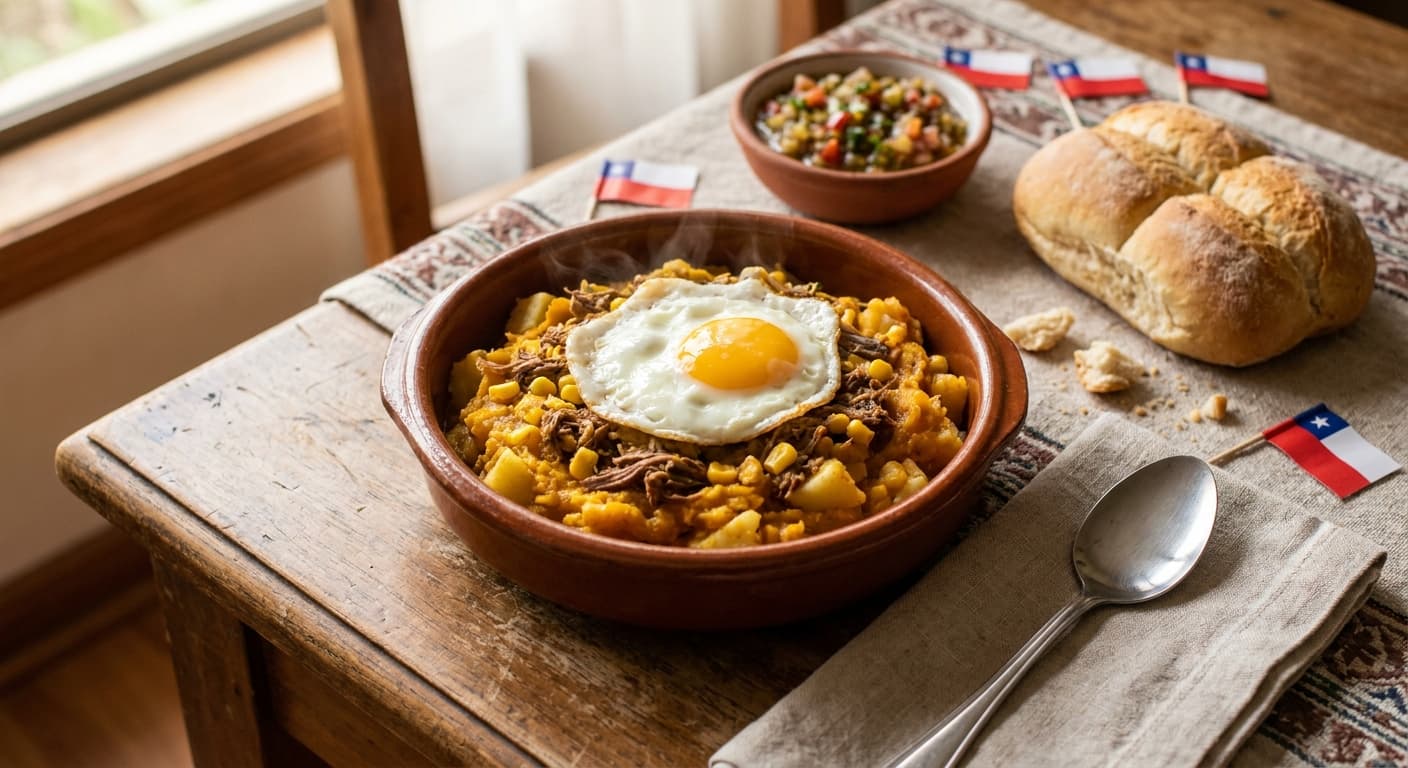
Charquicán (Charquicán) — Chilean Beef and Vegetable Hash
Chilean · Main Courses · 70 min
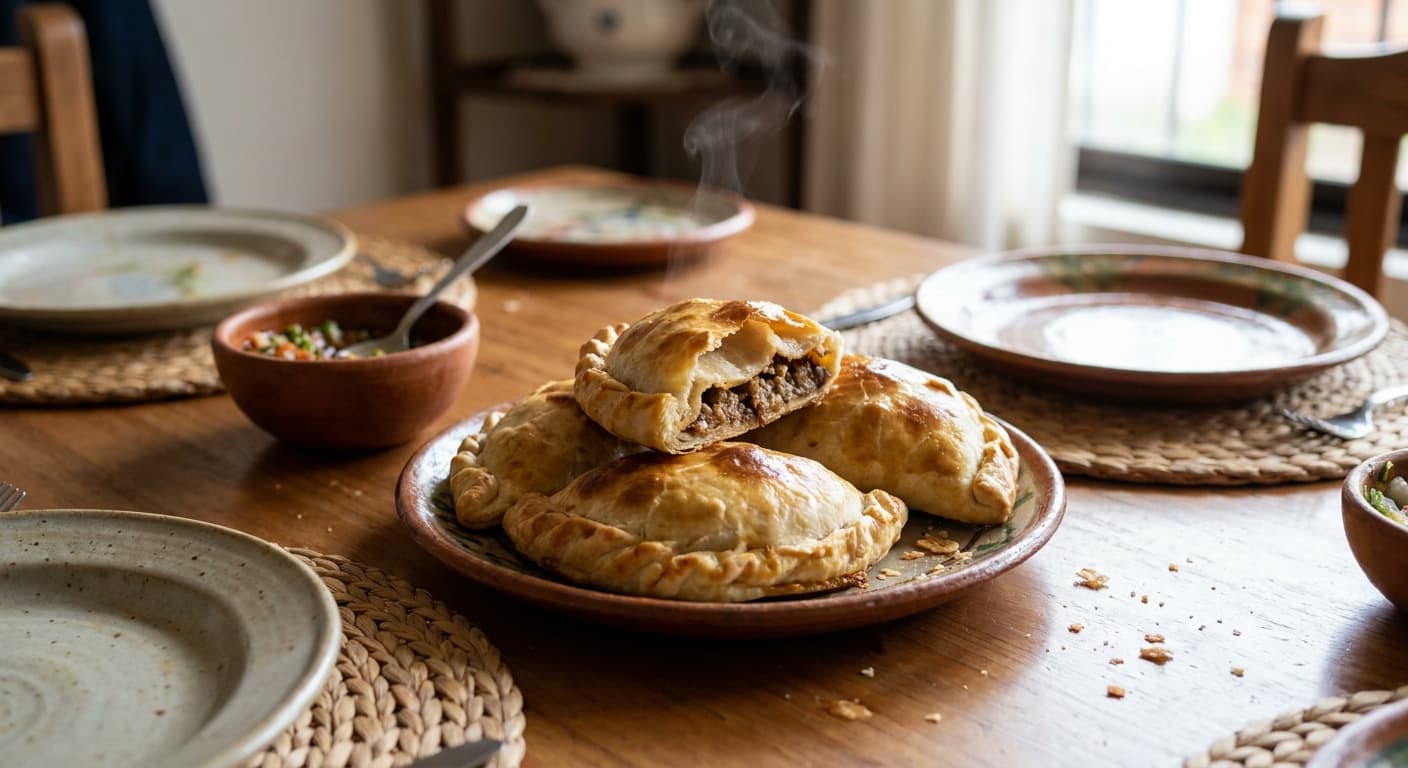
Chilean Beef Empanada (Empanada de pino) — Baked pastry filled with beef, onion, egg, olive, and raisins
Chilean · Main Courses · 125 min
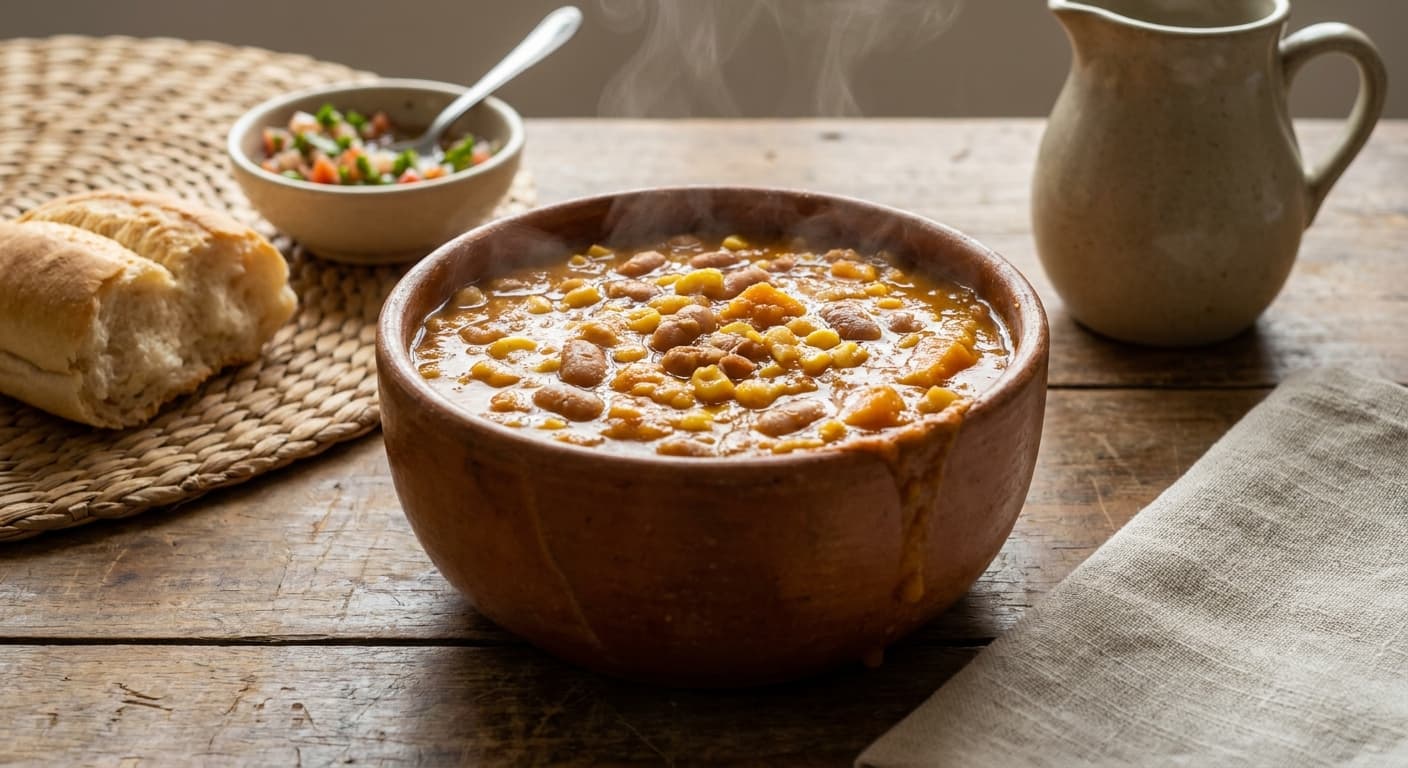
Chilean Fresh Bean Stew (Porotos granados) — Summer Corn and Squash Bean Stew
Chilean · Stews · 80 min
Kulcha-e Kandahari (کلچهٔ کندهاری) — Afghan Thick naan, Kandahar-style bakery bread
Afghan · Breads · 43 min
Sheermal (شیرمال) — Afghan Saffron Milk Bread with a Gentle Sweetness
Afghan · Breads · 43 min
Bolivian Spicy Chicken Stew (Sajta de Pollo) — Aji Amarillo Chicken with Chuño
Bolivian · Main Courses · 95 min
Tacu Tacu (Tacu Tacu) — Peruvian Rice and Bean Skillet Cake
Peruvian · Main Courses · 55 min
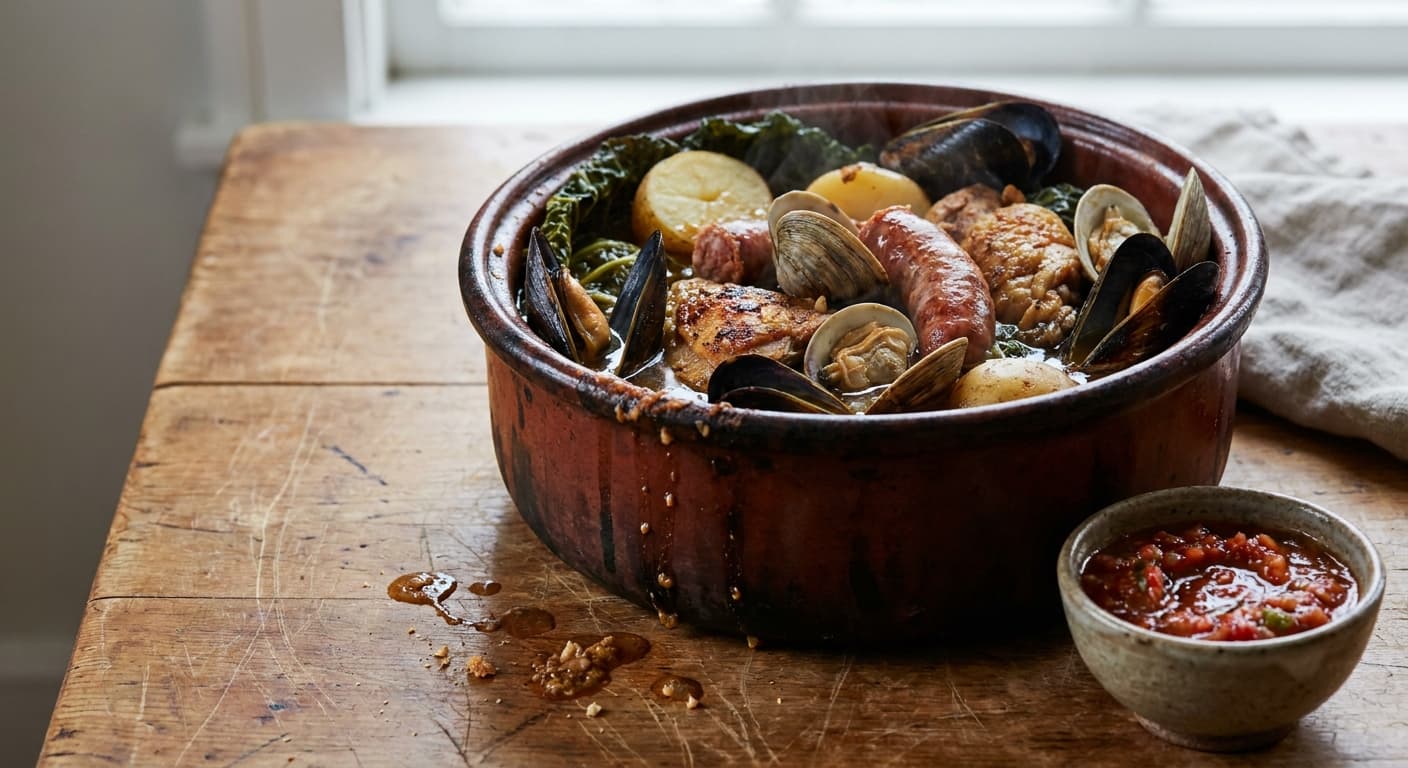
Chilean Curanto (Curanto) — Chiloé Seafood and Meat Feast
Chilean · Main Courses · 110 min
Reviews
Cooked this recipe?
Tap the stars to rate it — that's all it takes. A few words are welcome but optional.
No ratings yet. Cooked this one? Be the first to rate it — it takes one tap.