Danish Roast Pork with Crackling (Flæskesteg) — Crisp-Rinded Christmas Pork
Flæskesteg is Denmark’s beloved roast pork with shattering crackling, served for Christmas Eve dinners and Sunday meals. Leftovers are prized on smørrebrød with rugbrød, pickles, and red cabbage.
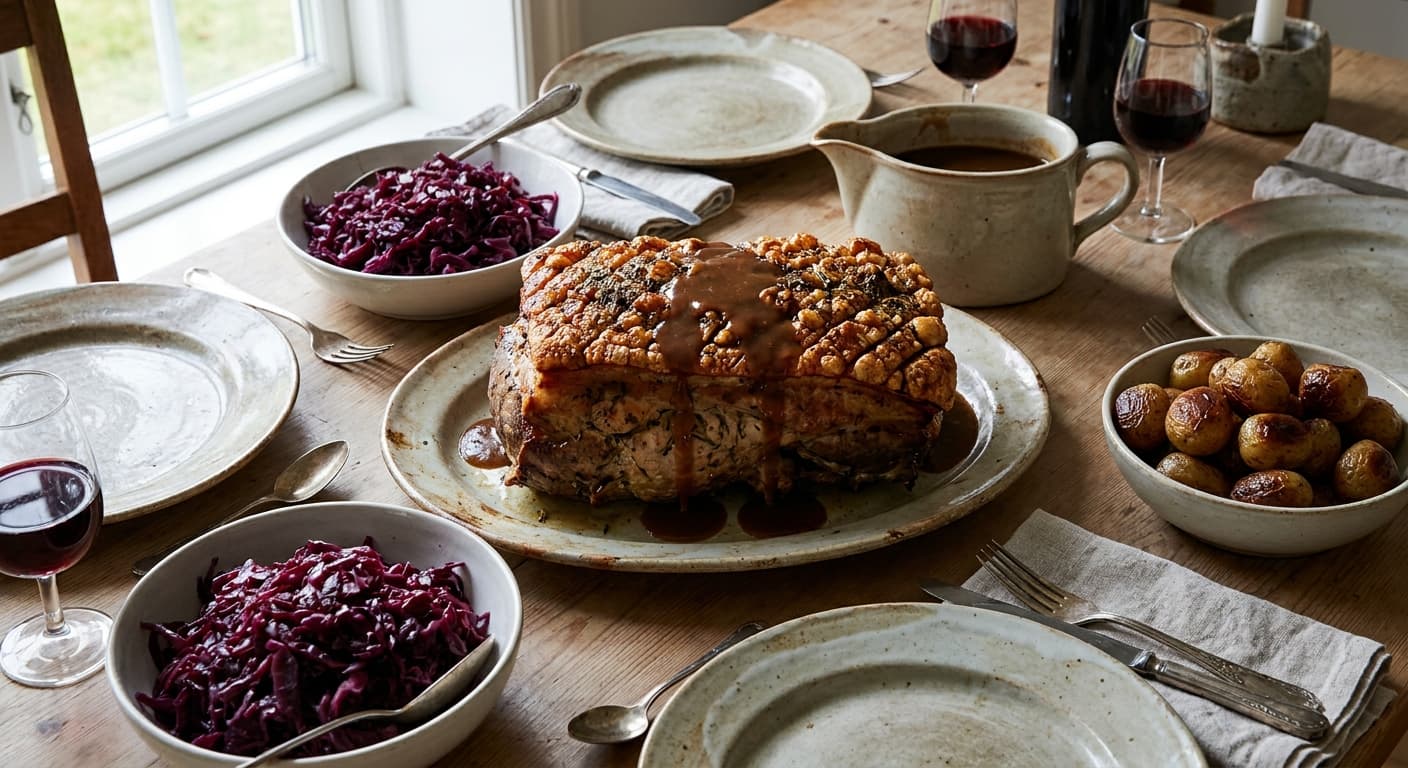
Printable Recipe Card
Servings: 6 · Total: 130 min · Difficulty: medium
Ingredients (quick list)
- 1.8 kg rind-on boneless pork loin roast (skin scored by the butcher if possible, 5 mm spacing)
- 24 g coarse sea salt
- 1 tsp freshly ground black pepper
- 6 leaf bay leaves
- 500 ml boiling water
- 1 yellow onion (quartered)
- 2 carrots (cut into 4 cm pieces)
- 25 g unsalted butter
- 25 g all-purpose flour
- 500 ml low-sodium pork or chicken stock
- 1 tbsp redcurrant jelly
- 1 tsp Danish gravy browning (optional, also called kulør, for traditional dark color)
Steps (summary)
- Preheat the oven to 220°C. Pat the pork completely dry, then check that the rind is scored in parallel cuts about 5 mm apart an…
- Rub the coarse sea salt firmly into every cut in the rind, using most of the salt on the skin side and the remainder on the mea…
- Put the onion, carrots, and boiling water in a roasting pan, then set a rack over the pan. Place the pork rind-side up on the r…
- Roast at 220°C for 25 minutes to start the crackling. Reduce the oven temperature to 180°C and continue roasting for 60 to 70 m…
- Increase the oven temperature to 250°C and roast for 8 to 12 minutes more, watching closely, until the rind is deeply blistered…
- Transfer the pork to a warm board and rest it uncovered for 15 minutes so the crackling stays dry. Do not tent the rind with fo…
+ 3 more steps in the full instructions section below.
Cultural Background
Flæskesteg is central to Danish Christmas Eve and Sunday cooking, and Magnus Nilsson documents it as a defining Nordic roast. Its leftovers often become smørrebrød on rugbrød the next day.
Equipment
💡 Tips
- Ask the butcher for a rind-on loin with an even fat cap, because uneven rind is the most common reason crackling cooks patchily.
- Salt must reach the bottom of the rind cuts; surface salt alone seasons the top but will not dry and blister the crackling properly.
- Rest the roast uncovered, not under foil, and carve with the rind facing up to avoid shattering the crackling before serving.
⚠️ Common Mistakes
❌ Cutting the rind into the meat
✅ Fix: Score only through the rind and fat, because cuts into the lean meat release juices that soften the crackling.
❌ Roasting the pork on a slant
✅ Fix: Keep the rind level on the rack so rendered fat drains evenly and every section can blister.
❌ Covering the roast while it rests
✅ Fix: Rest it uncovered so steam does not condense on the rind and turn the crackling rubbery.
🧊 How to Store
Refrigerate leftover pork and gravy separately in airtight containers for up to 3 days. Reheat slices at 180°C for 10 minutes, then crisp the rind under a hot grill for 1 to 2 minutes; warm gravy gently in a saucepan.
📅 Make Ahead
Score and salt the pork rind up to 12 hours ahead, then refrigerate it uncovered on a rack to dry the skin. Bring it out 45 minutes before roasting for more even cooking.
🍽️ Pairs Well With
- Rødkål
- brunede kartofler
- boiled potatoes
- cucumber salad
- rugbrød for leftover smørrebrød.
Regional Variations
- Some Danish cooks begin the roast rind-side down in shallow boiling water for 15 minutes, then turn it rind-side up before salting and roasting.
- For Christmas Eve, flæskesteg is commonly served with rødkål, caramelized brunede kartofler, and both white and brown potatoes.
- Leftover slices are used in flæskestegssandwich or open-faced smørrebrød with pickled cucumber and red cabbage.
Ingredients
- 1.8 kgrind-on boneless pork loin roast (skin scored by the butcher if possible, 5 mm spacing)
- 24 gcoarse sea salt
- 1 tspfreshly ground black pepper
- 6 leafbay leaves
- 500 mlboiling water
- 1yellow onion (quartered)
- 2carrots (cut into 4 cm pieces)
- 25 gunsalted butter
- 25 gall-purpose flour
- 500 mllow-sodium pork or chicken stock
- 1 tbspredcurrant jelly
- 1 tspDanish gravy browning (optional, also called kulør, for traditional dark color)
🔄 Substitutions
- boneless pork loin roast→ rind-on pork rib roast
- all-purpose flour→ cornstarch
- redcurrant jelly→ blackcurrant jelly
Instructions
- 1
Preheat the oven to 220°C. Pat the pork completely dry, then check that the rind is scored in parallel cuts about 5 mm apart and cut only through the rind and fat, not into the meat.
- 2
Rub the coarse sea salt firmly into every cut in the rind, using most of the salt on the skin side and the remainder on the meat side. Season the meat side with the black pepper, then tuck the bay leaves into several of the rind cuts so their aroma perfumes the flæskesteg as it roasts.
- 3
Put the onion, carrots, and boiling water in a roasting pan, then set a rack over the pan. Place the pork rind-side up on the rack and make sure the rind is level, because low spots collect fat and stay chewy instead of blistering.
- 4
Roast at 220°C for 25 minutes to start the crackling. Reduce the oven temperature to 180°C and continue roasting for 60 to 70 minutes, until an instant-read thermometer inserted into the center of the meat registers 60°C.
- 5
Increase the oven temperature to 250°C and roast for 8 to 12 minutes more, watching closely, until the rind is deeply blistered and crisp. If the meat reaches 63°C before the crackling is fully crisp, shield the meat loosely with foil and use the grill or broiler for 2 to 4 minutes, keeping the pork at least 12 cm from the heat.
- 6
Transfer the pork to a warm board and rest it uncovered for 15 minutes so the crackling stays dry. Do not tent the rind with foil, because trapped steam softens the crisp surface.
- 7
Strain the roasting pan liquid through a fine sieve and skim off excess fat, reserving 300 ml of the strained juices. Add enough stock to the strained juices to make 500 ml total liquid for the gravy.
- 8
Melt the butter in a saucepan over medium heat, whisk in the flour, and cook for 2 minutes until it smells nutty but has not browned deeply. Whisk in the 500 ml combined pan juices and stock in a slow stream, then simmer for 6 to 8 minutes until smooth and lightly thickened.
- 9
Whisk the redcurrant jelly and Danish gravy browning into the gravy, then simmer for 1 minute more. Carve the flæskesteg into slices by cutting between the crackling ridges with a sharp knife, and serve each portion with hot gravy.
🪪 Recipe Passport
Cultural Background
Flæskesteg is central to Danish Christmas Eve and Sunday cooking, and Magnus Nilsson documents it as a defining Nordic roast. Its leftovers often become smørrebrød on rugbrød the next day.
Regional Variations
Researched from multiple sources and validated by the Zaffaron editorial team. Every recipe is tested for accuracy, measurements, and cultural authenticity.
📚 Sources & Cultural References
- Magnus Nilsson — The Nordic Cookbook — (2015)
- Trine Hahnemann — The Scandinavian Cookbook — (2008)
Sources cited by the Zaffaron editorial team during recipe research. Cultural and culinary references supporting authenticity claims.
Nutrition per serving
Pairs well with
If you enjoyed this recipe, here are a few related Zaffaron recipes to try next.
Does your family make this differently?
Every family has their own version. Maybe your grandmother adds a secret ingredient, or your aunt has a completely different technique. Preserve your family's version — with their name on it, forever.
You Might Also Like
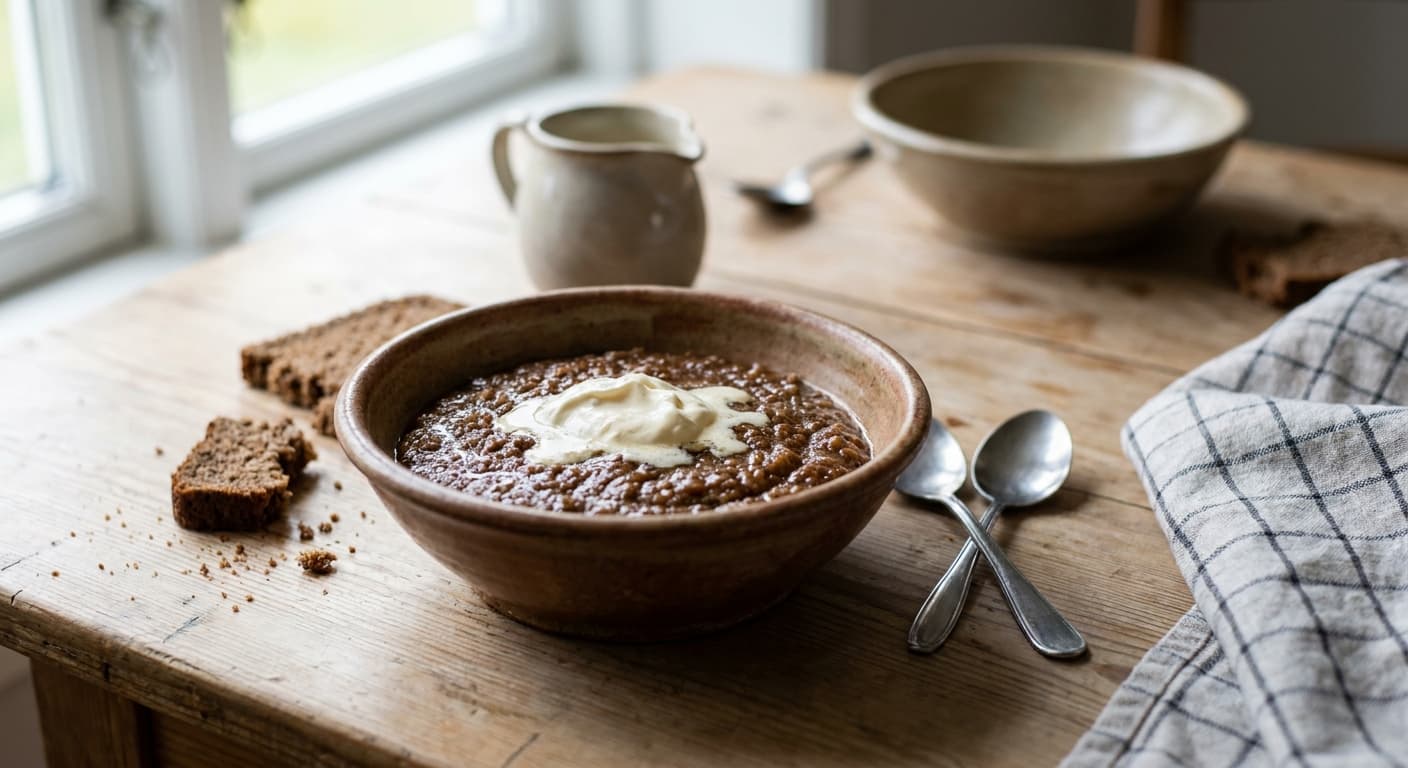
Rye Bread and Beer Porridge (Øllebrød) — Traditional Danish Breakfast
Danish · Main Courses · 65 min
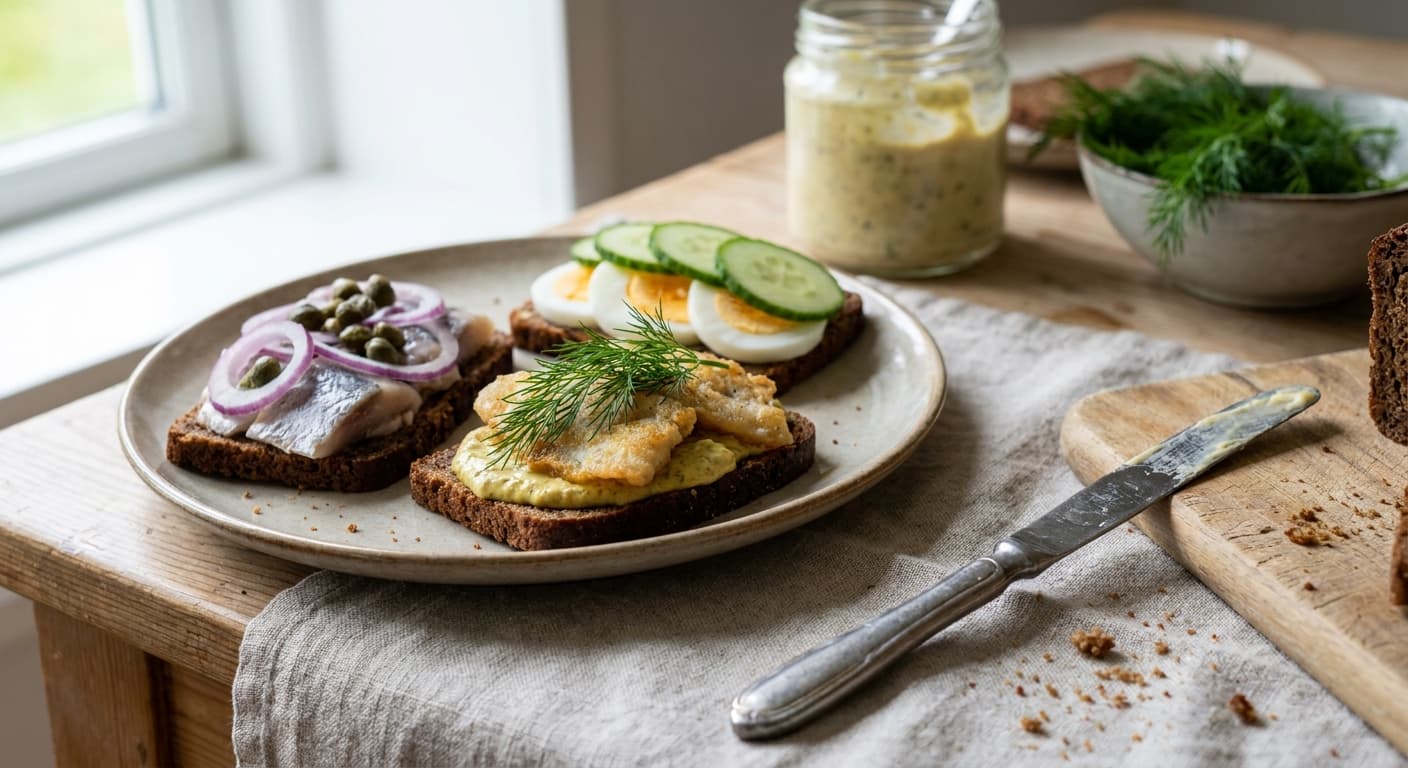
Smørrebrød (Smørrebrød) — Danish Open-Faced Rye Sandwiches
Danish · Main Courses · 47 min
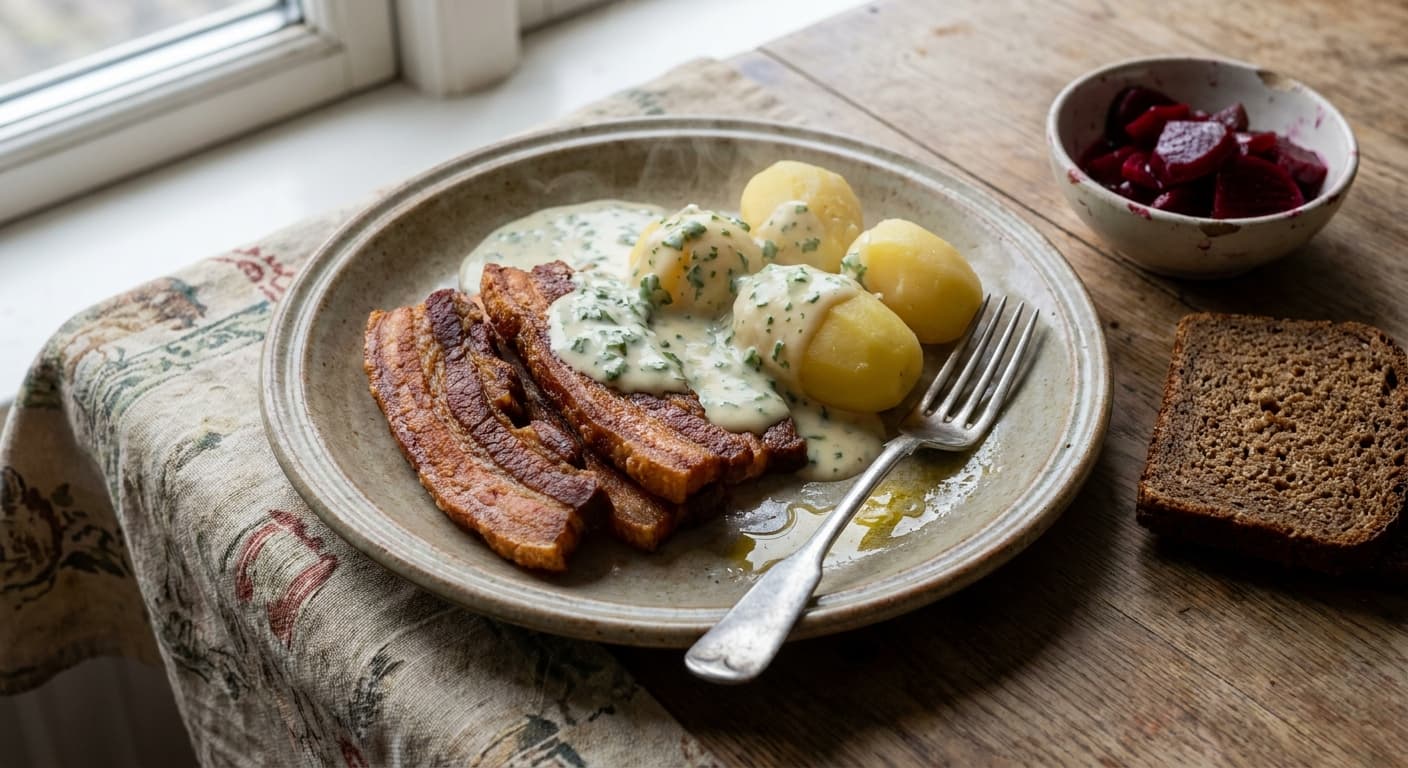
Danish Fried Pork Belly (Stegt flæsk med persillesovs) — Crisp Pork with Parsley Sauce
Danish · Main Courses · 60 min
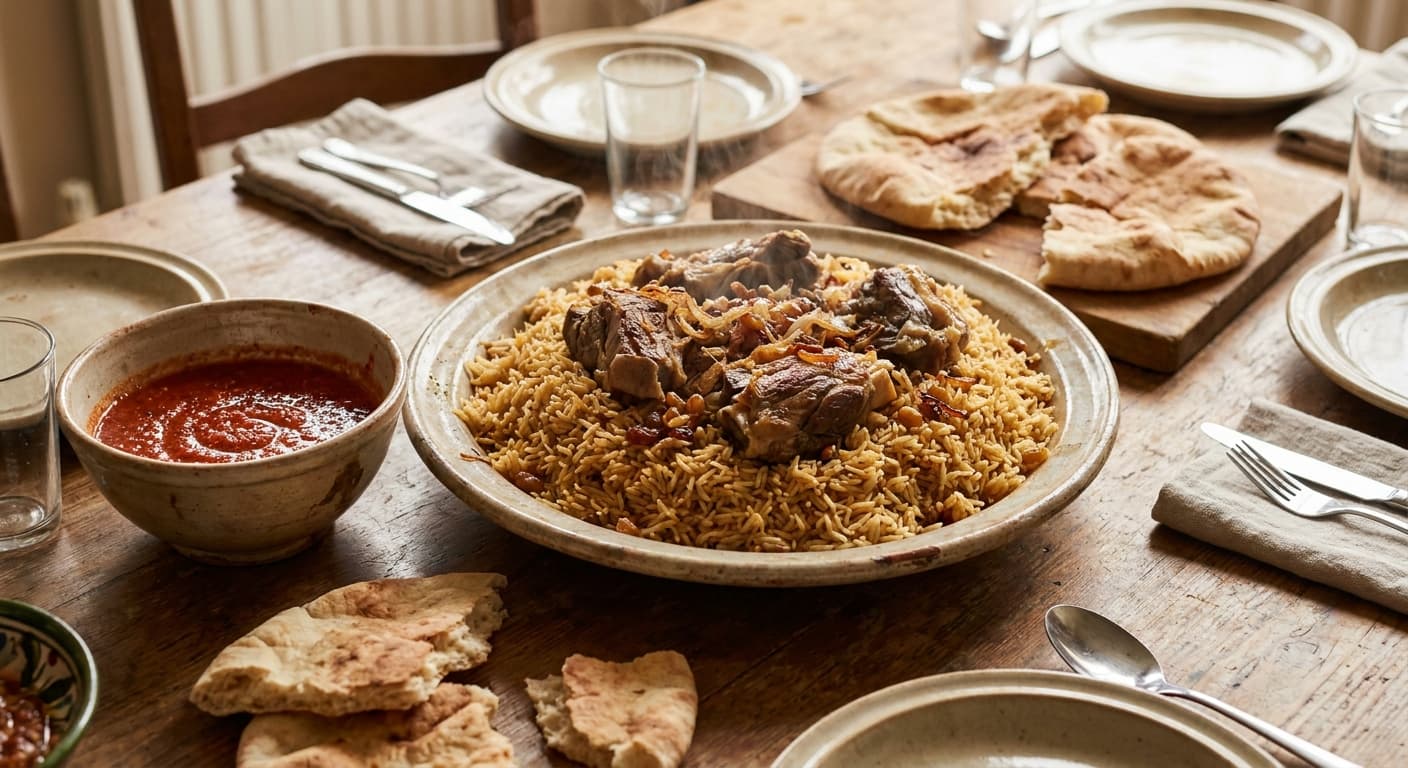
Yemeni Mandi (مندي) — Smoke-Scented Spiced Rice and Lamb
Yemeni · Main Courses · 170 min
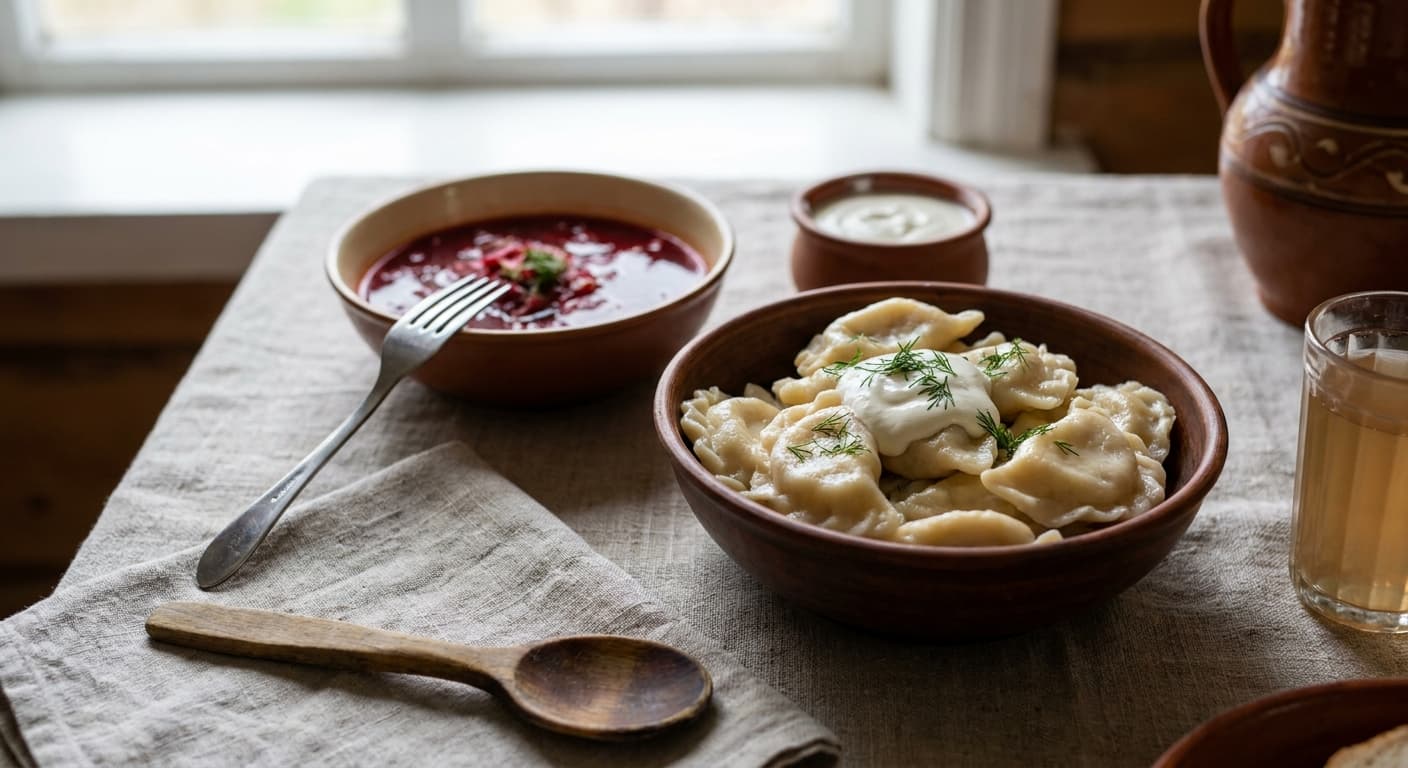
Varenyky (Вареники) — Ukrainian Potato-Cheese Dumplings
Ukrainian · Main Courses · 95 min
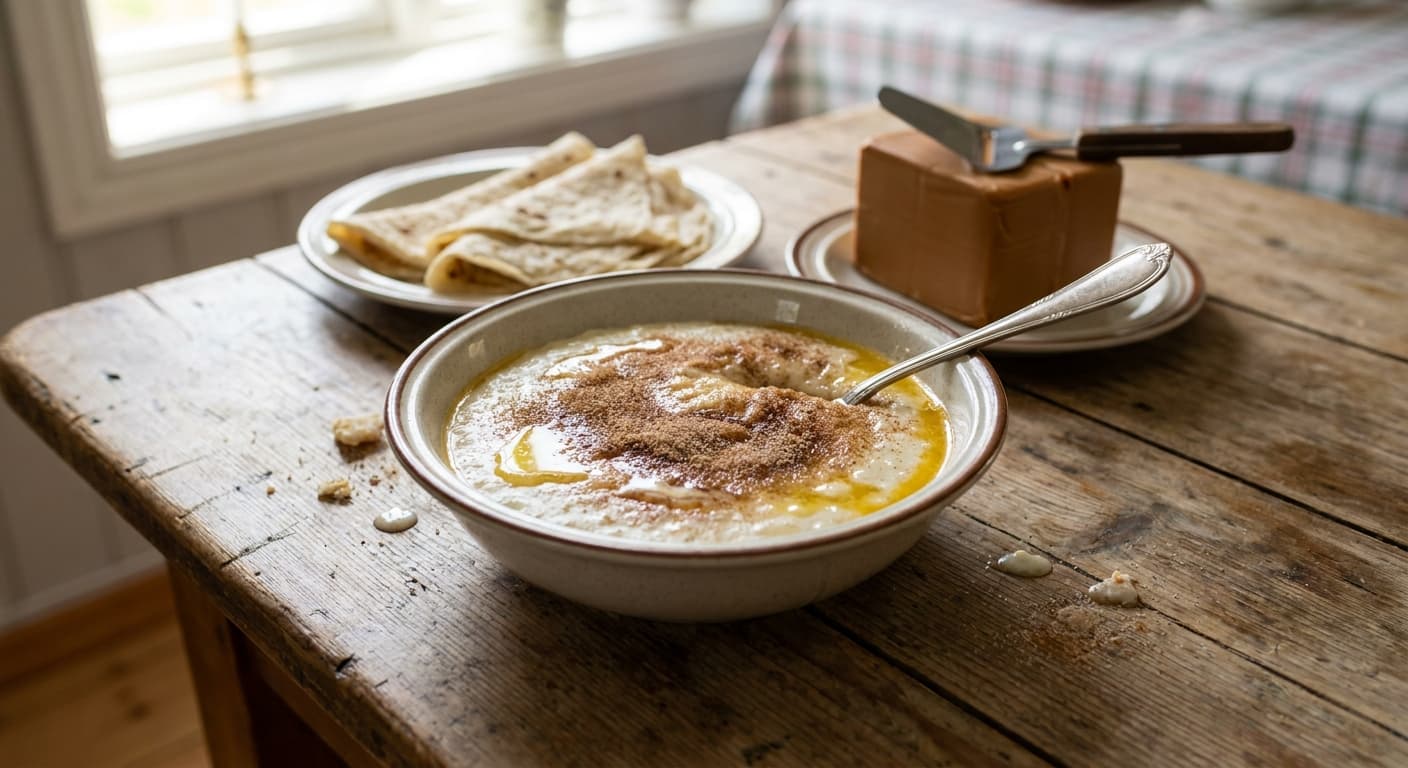
Norwegian Sour Cream Porridge (Rømmegrøt) — Festive Dairy Porridge with Cinnamon Sugar
Norwegian · Side Dishes · 35 min
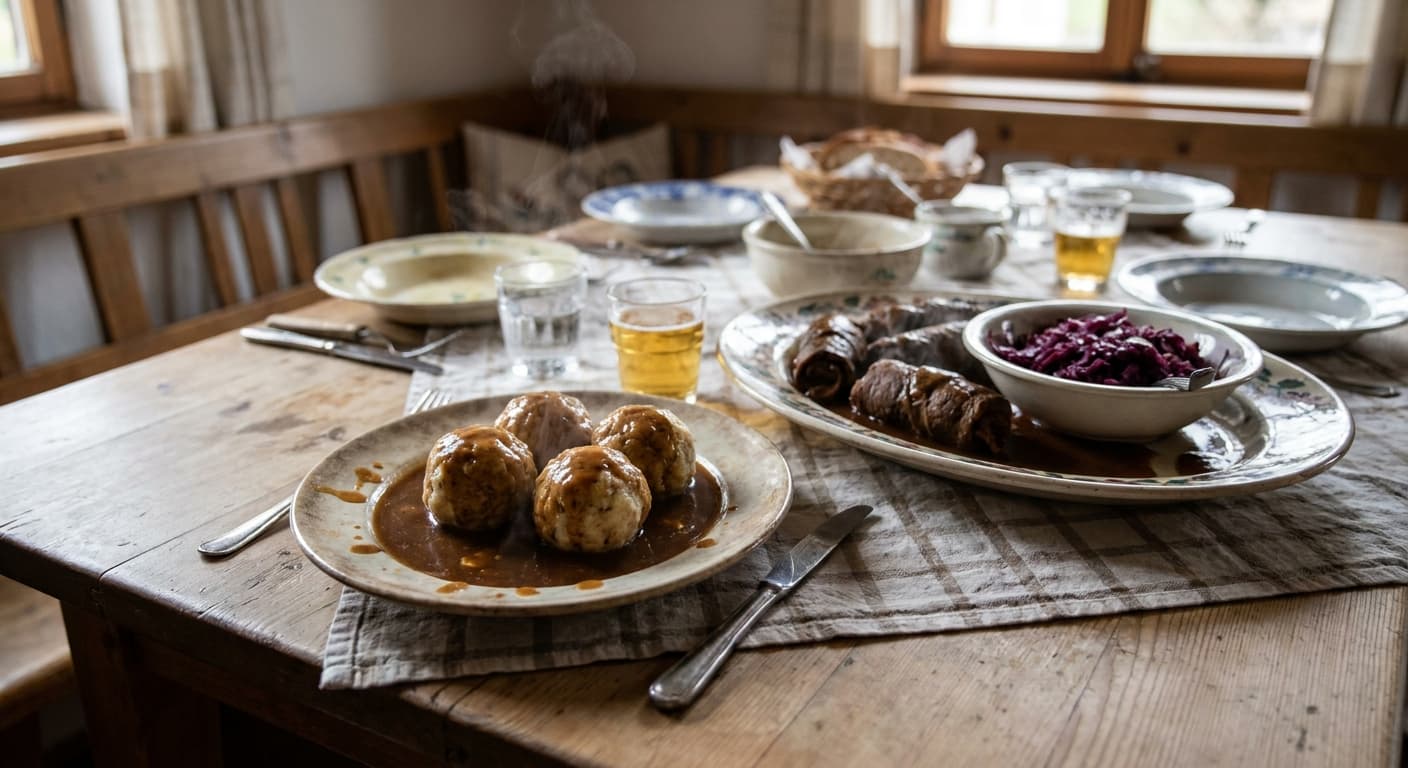
German Bread Dumplings (Semmelknödel) — Bavarian Bread Dumplings
German · Side Dishes · 50 min
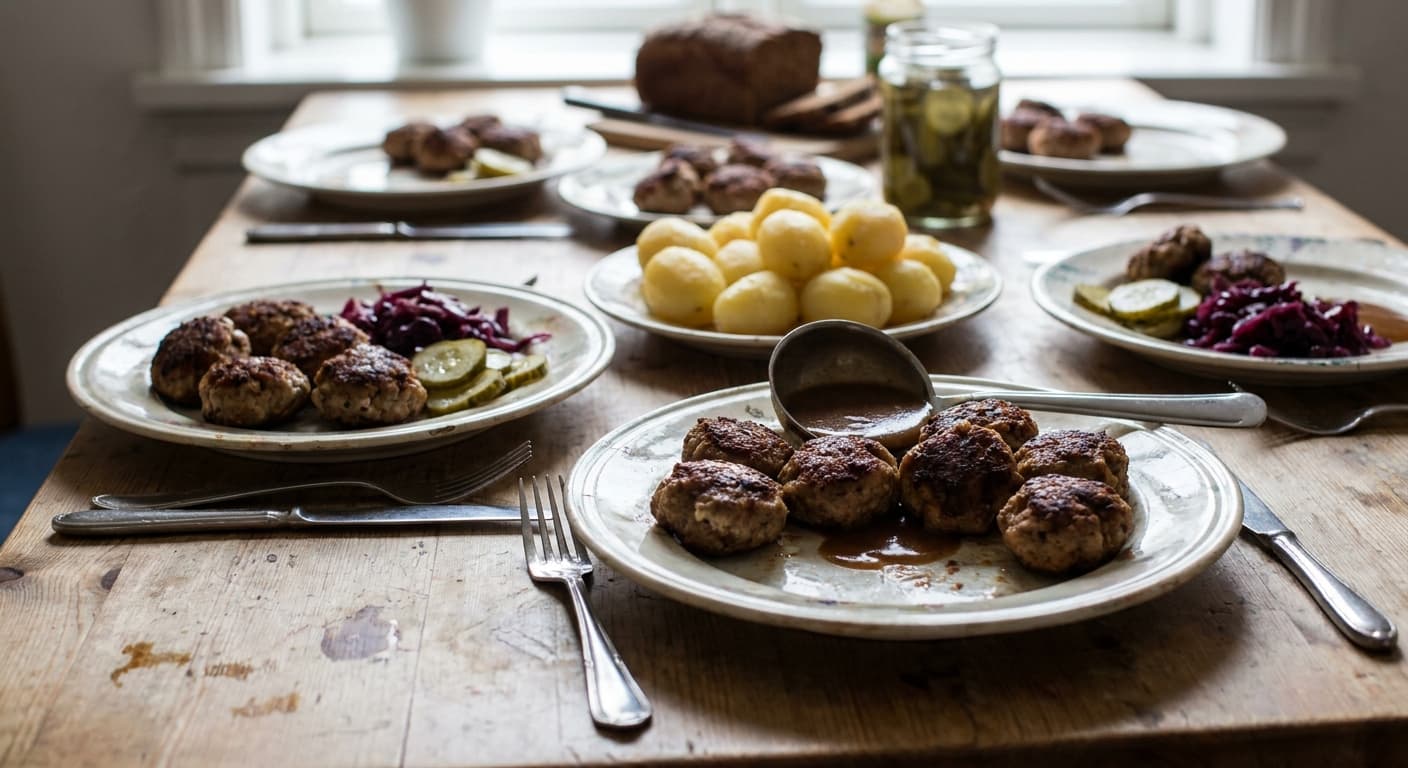
Danish Frikadeller (Frikadeller) — Pan-Fried Pork Meatballs
Danish · Main Courses · 50 min
Reviews
Cooked this recipe?
Tap the stars to rate it — that's all it takes. A few words are welcome but optional.
No ratings yet. Cooked this one? Be the first to rate it — it takes one tap.