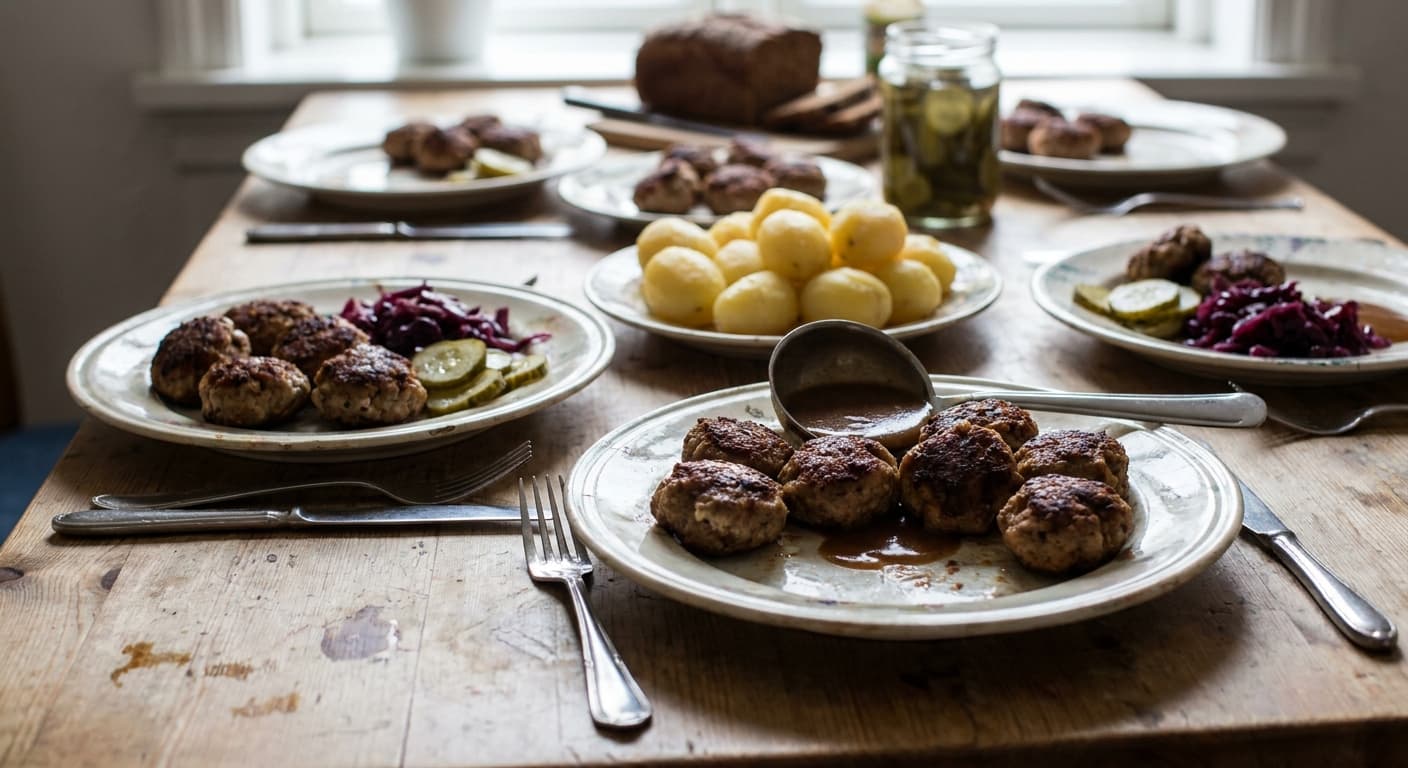
Danish Frikadeller (Frikadeller) — Pan-Fried Pork Meatballs
Frikadeller are Denmark’s beloved pan-fried meatballs, served at home lunches, weeknight dinners, and festive cold tables. A soft pork-and-veal mixture is seasoned simply, rested, then fried until browned and tender.
Printable Recipe Card
Servings: 4 · Total: 50 min · Difficulty: medium
Ingredients (quick list)
- 350 g ground pork (about 15 to 20 percent fat)
- 250 g ground veal
- 1 yellow onion (finely grated, about 120 g prepared weight)
- 1 eggs
- 160 ml whole milk (cold)
- 45 g all-purpose flour
- 8 g fine sea salt
- 0.75 tsp white pepper (freshly ground if possible)
- 0.125 tsp ground nutmeg
- 35 g unsalted butter
- 1 tbsp neutral rapeseed oil
- 2 tbsp cold water (for wetting the spoon and palm)
Steps (summary)
- Put the ground pork, ground veal, grated onion, salt, white pepper, and nutmeg in a large mixing bowl. Beat the mixture firmly…
- Add the egg and flour, then mix until fully absorbed into the meat. Pour in the cold milk in 3 additions, beating well after ea…
- Cover the bowl and refrigerate the mixture for 30 minutes to hydrate the flour and firm the texture. This rest is important bec…
- Heat a large heavy skillet over medium heat, then add the butter and rapeseed oil. When the butter foams but is not browned, di…
- Place the frikadeller in the skillet without crowding, leaving at least 2 cm between them. Fry for 4 to 5 minutes on the first…
- Turn the frikadeller with a thin spatula and fry for another 4 to 5 minutes on the second side. Continue turning once or twice…
+ 1 more steps in the full instructions section below.
Cultural Background
Frikadeller are a cornerstone of Danish home cooking, appearing hot with potatoes and gravy or cold on smorrebrod and buffet tables. Their simple seasoning reflects the Danish preference for comfort, thrift, and well-made everyday food.
Equipment
💡 Tips
- Beat the meat with the salt before adding milk; this develops the sticky protein structure that gives frikadeller their classic bounce.
- Keep the batter colder and softer than Italian-style meatball mixture, because Danish frikadeller are traditionally spoon-shaped rather than rolled dry.
- Fry a small test patty before shaping the whole batch, then adjust seasoning with exactly 1 g additional salt if the mixture tastes flat.
⚠️ Common Mistakes
❌ Mixing the meat only briefly
✅ Fix: Beat the salted meat until sticky before adding the milk, otherwise the frikadeller can crumble during frying.
❌ Making the batter too stiff
✅ Fix: Add the measured milk gradually and keep the mixture spoonable; a soft batter gives the traditional tender texture.
❌ Frying over high heat
✅ Fix: Use medium heat so the outside browns slowly while the center cooks through without scorching the butter.
🧊 How to Store
Refrigerate cooked frikadeller in an airtight container for up to 3 days. Reheat gently in a covered skillet with 2 tbsp water for 6 minutes, or serve cold on rye bread as Danish leftovers are often enjoyed.
📅 Make Ahead
The raw meat mixture can be mixed and refrigerated up to 12 hours ahead. Cooked frikadeller can also be fried 1 day ahead and reheated gently or served cold.
🍽️ Pairs Well With
- Boiled potatoes
- brown gravy
- pickled cucumber salad
- braised red cabbage
- rye bread.
Regional Variations
- Some Danish households use only pork, especially for everyday dinners.
- Older recipes may include sparkling water or beer for a lighter batter.
- Jutland-style versions are sometimes larger and served with potatoes, gravy, and preserved vegetables.
- Cold frikadeller are often sliced for open-faced rye sandwiches with pickles or red cabbage.
Ingredients
- 350 gground pork (about 15 to 20 percent fat)
- 250 gground veal
- 1yellow onion (finely grated, about 120 g prepared weight)
- 1eggs
- 160 mlwhole milk (cold)
- 45 gall-purpose flour
- 8 gfine sea salt
- 0.75 tspwhite pepper (freshly ground if possible)
- 0.13 tspground nutmeg
- 35 gunsalted butter
- 1 tbspneutral rapeseed oil
- 2 tbspcold water (for wetting the spoon and palm)
🔄 Substitutions
- ground veal→ ground pork
- whole milk→ unsweetened oat milk
- all-purpose flour→ fine dry breadcrumbs
Instructions
- 1
Put the ground pork, ground veal, grated onion, salt, white pepper, and nutmeg in a large mixing bowl. Beat the mixture firmly with a wooden spoon or stand mixer paddle for 2 minutes, until it turns sticky and cohesive rather than loose.
- 2
Add the egg and flour, then mix until fully absorbed into the meat. Pour in the cold milk in 3 additions, beating well after each addition so the fars, or meat batter, becomes soft, smooth, and spoonable.
- 3
Cover the bowl and refrigerate the mixture for 30 minutes to hydrate the flour and firm the texture. This rest is important because Danish frikadeller should hold their oval shape in the pan while staying tender inside.
- 4
Heat a large heavy skillet over medium heat, then add the butter and rapeseed oil. When the butter foams but is not browned, dip a tablespoon and your opposite palm in cold water and shape the meat mixture into oval patties of about 55 g each.
- 5
Place the frikadeller in the skillet without crowding, leaving at least 2 cm between them. Fry for 4 to 5 minutes on the first side, until the underside is deeply golden and releases easily from the pan.
- 6
Turn the frikadeller with a thin spatula and fry for another 4 to 5 minutes on the second side. Continue turning once or twice more if needed, until the centers reach 71°C and the exterior is evenly browned.
- 7
Transfer the cooked frikadeller to a warm plate and repeat with the remaining mixture, adding 10 g extra butter only if the pan becomes dry. Let the meatballs rest for 5 minutes before serving so their juices settle and the texture becomes springy but moist.
🪪 Recipe Passport
Cultural Background
Frikadeller are a cornerstone of Danish home cooking, appearing hot with potatoes and gravy or cold on smorrebrod and buffet tables. Their simple seasoning reflects the Danish preference for comfort, thrift, and well-made everyday food.
Regional Variations
Researched from multiple sources and validated by the Zaffaron editorial team. Every recipe is tested for accuracy, measurements, and cultural authenticity.
📚 Sources & Cultural References
- Trine Hahnemann — The Scandinavian Cookbook — (2008)
- Magnus Nilsson — The Nordic Cookbook — (2015)
Sources cited by the Zaffaron editorial team during recipe research. Cultural and culinary references supporting authenticity claims.
Nutrition per serving
Pairs well with
If you enjoyed this recipe, here are a few related Zaffaron recipes to try next.
Does your family make this differently?
Every family has their own version. Maybe your grandmother adds a secret ingredient, or your aunt has a completely different technique. Preserve your family's version — with their name on it, forever.
You Might Also Like
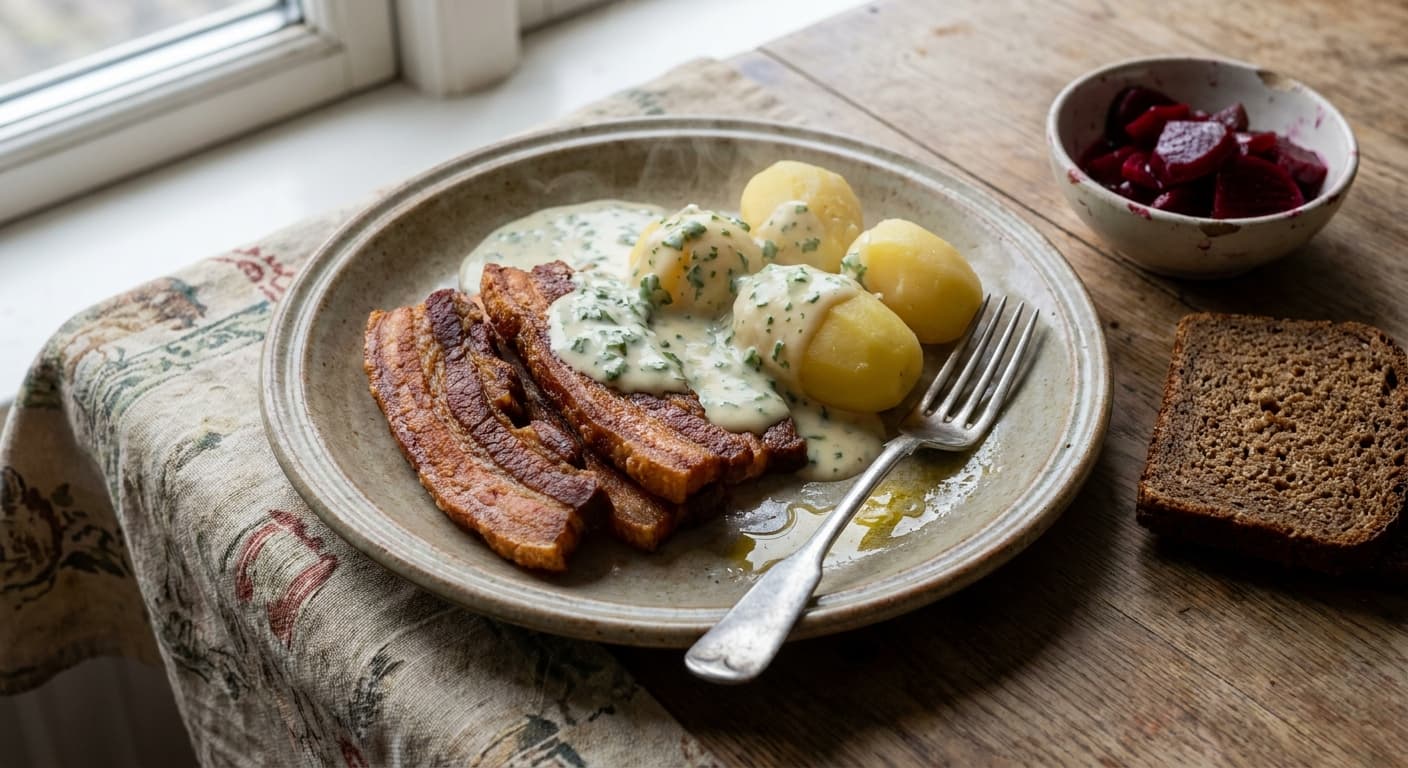
Danish Fried Pork Belly (Stegt flæsk med persillesovs) — Crisp Pork with Parsley Sauce
Danish · Main Courses · 60 min
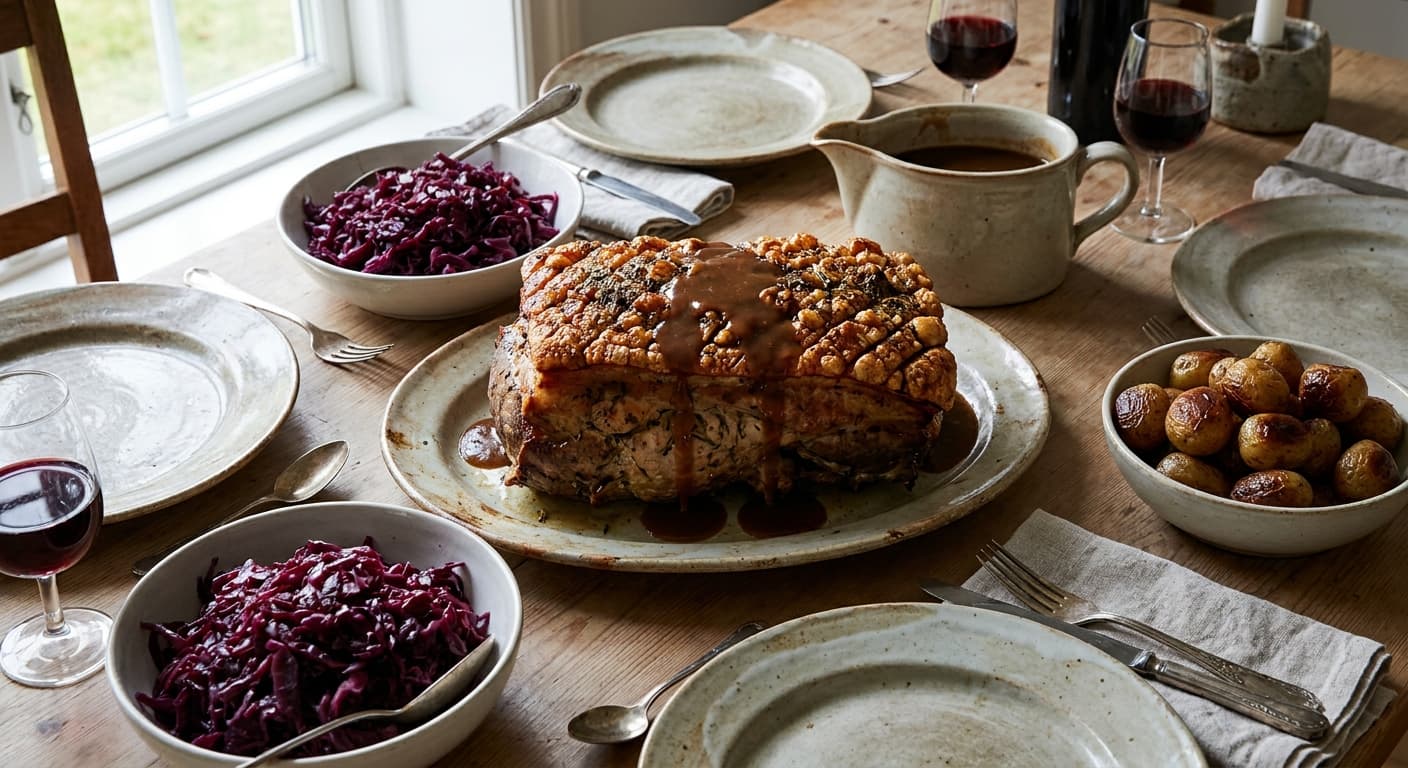
Danish Roast Pork with Crackling (Flæskesteg) — Crisp-Rinded Christmas Pork
Danish · Main Courses · 130 min
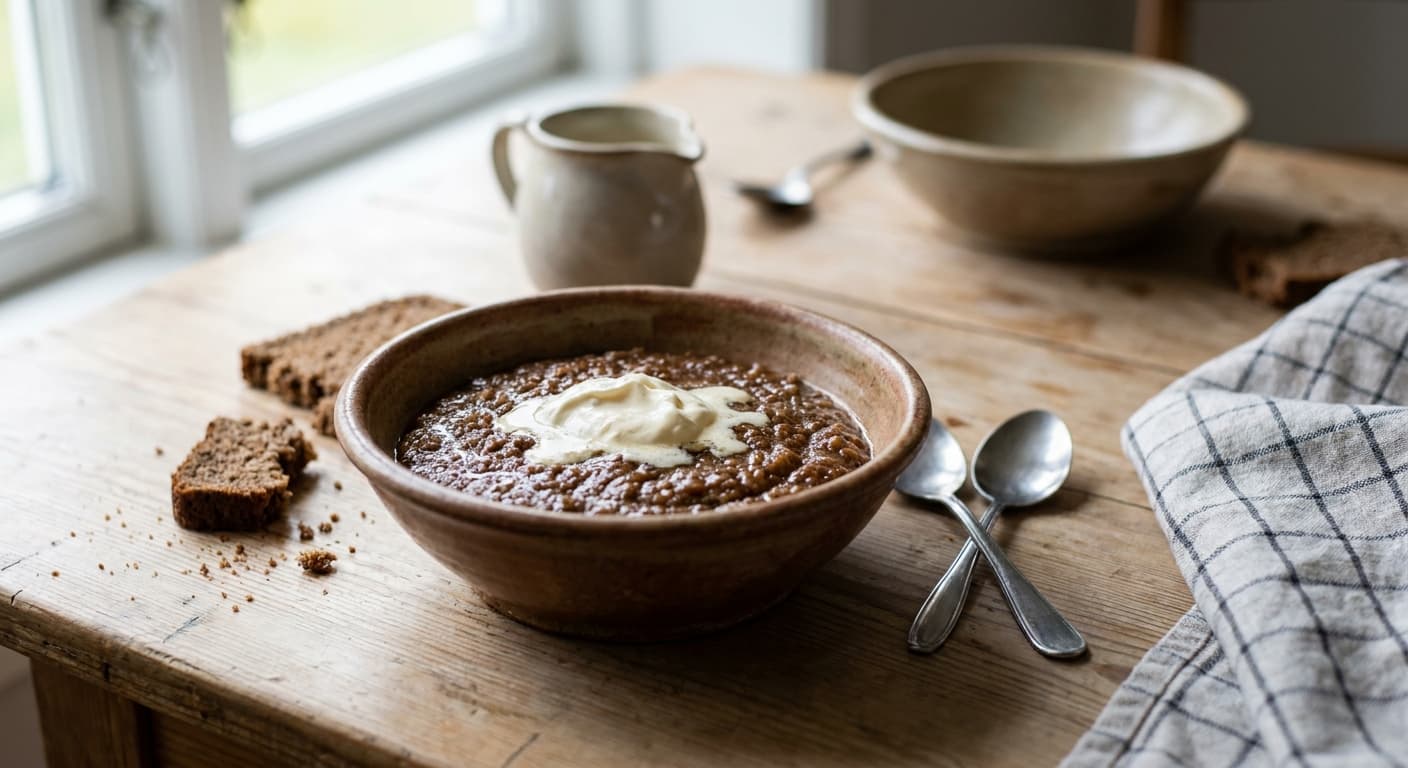
Rye Bread and Beer Porridge (Øllebrød) — Traditional Danish Breakfast
Danish · Main Courses · 65 min
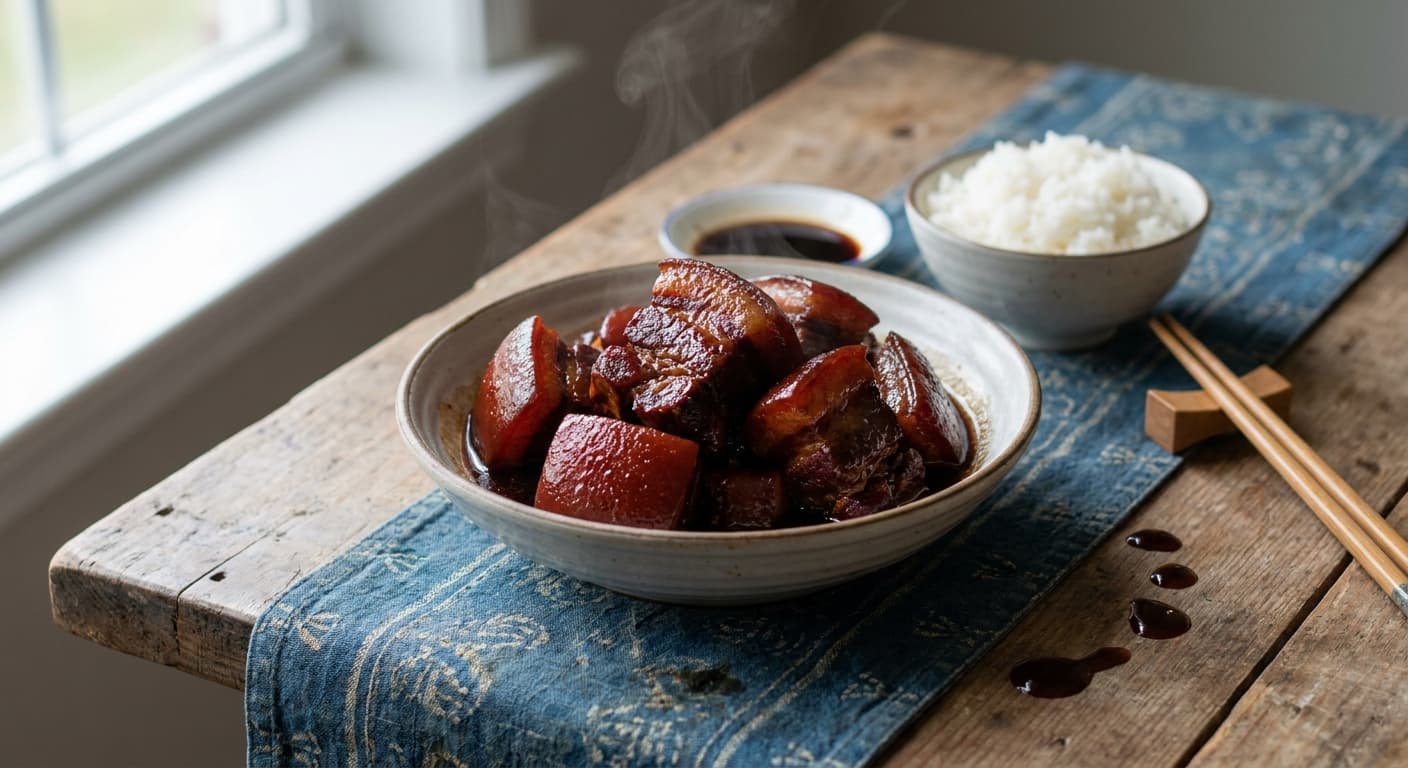
Dongpo Pork (东坡肉) — Hangzhou Red-Braised Pork Belly
Chinese · Main Courses · 205 min
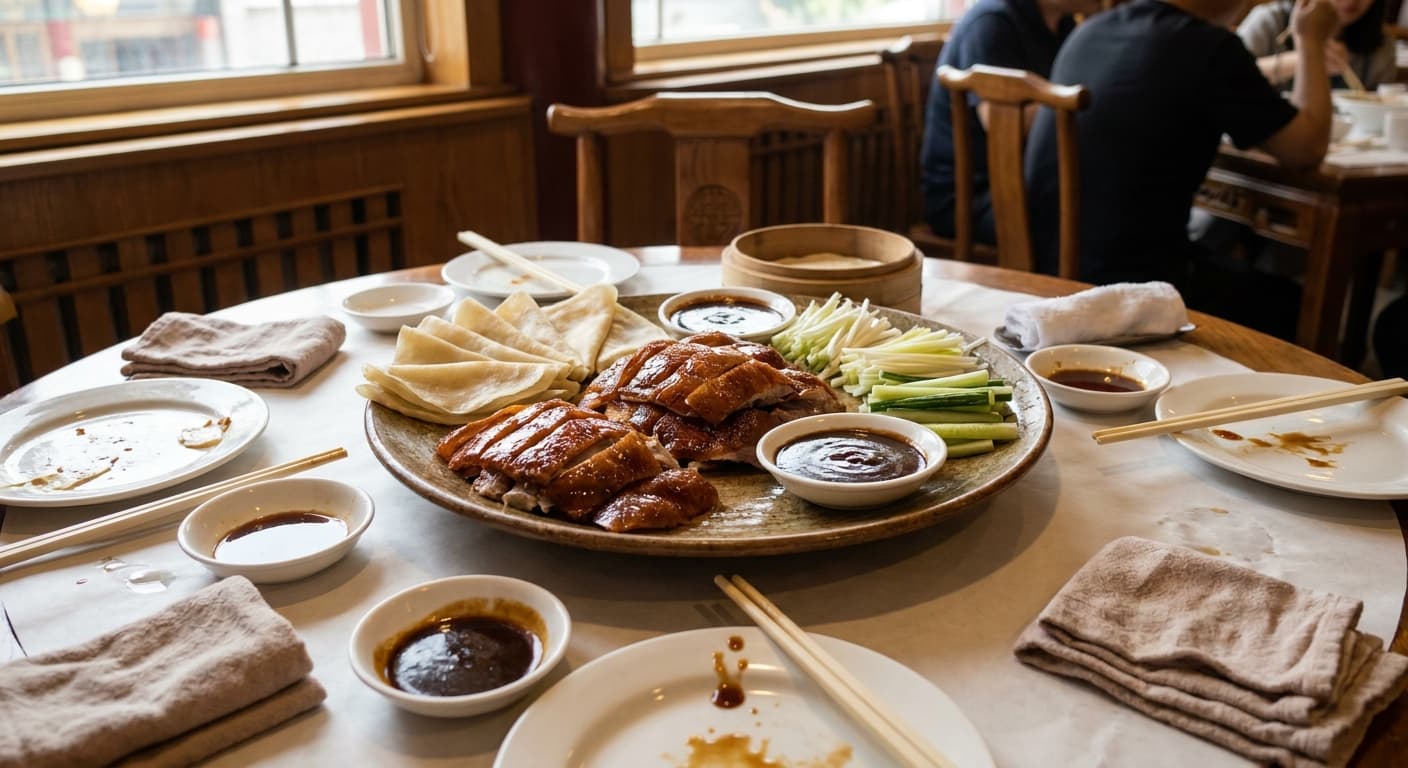
Peking Duck (北京烤鸭) — Crisp-Skinned Beijing Roast Duck
Chinese · Main Courses · 180 min
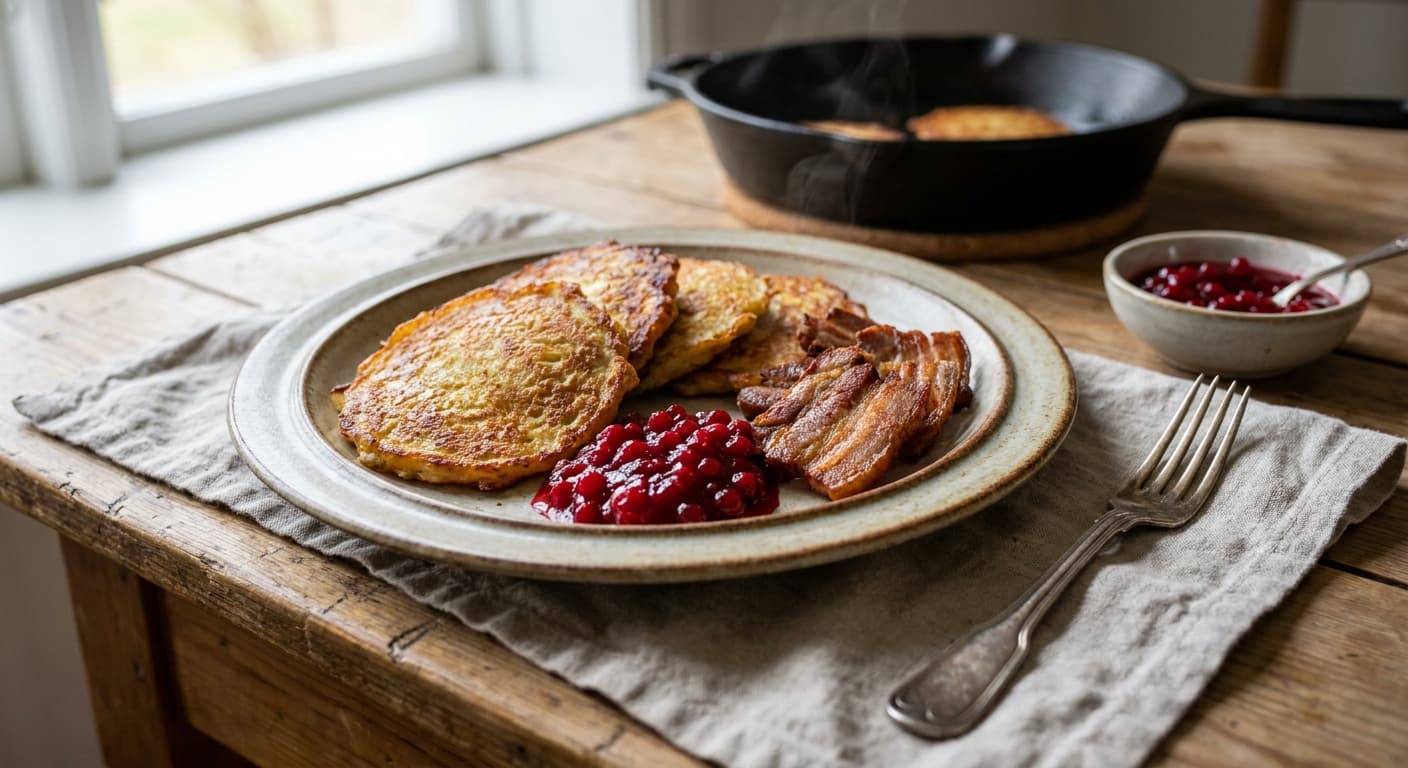
Swedish Potato Pancakes with Pork (Raggmunk med fläsk) — Crispy Husmanskost with Lingonberries
Swedish · Main Courses · 55 min
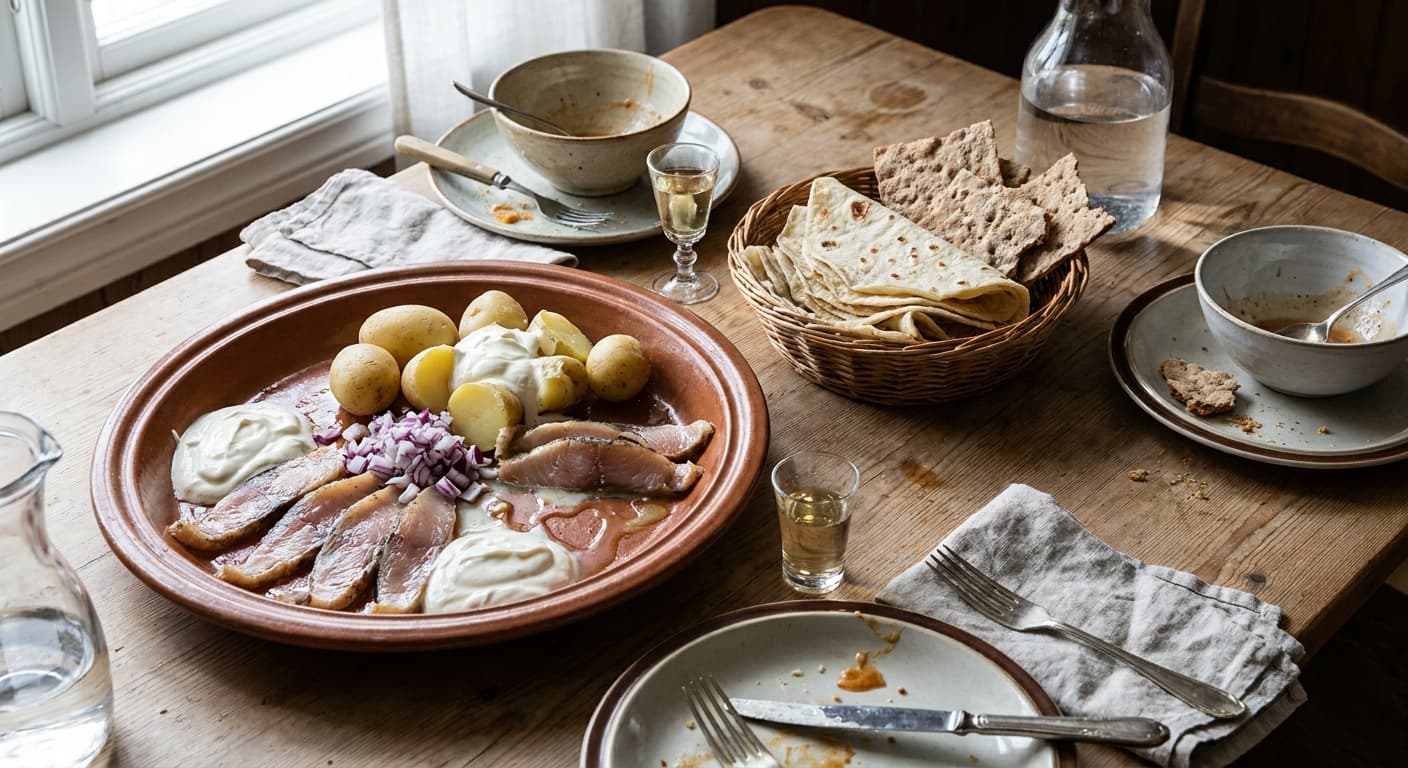
Rakfisk (Rakfisk) — Norwegian Fermented Trout with Lefse and Potatoes
Norwegian · Main Courses · 45 min
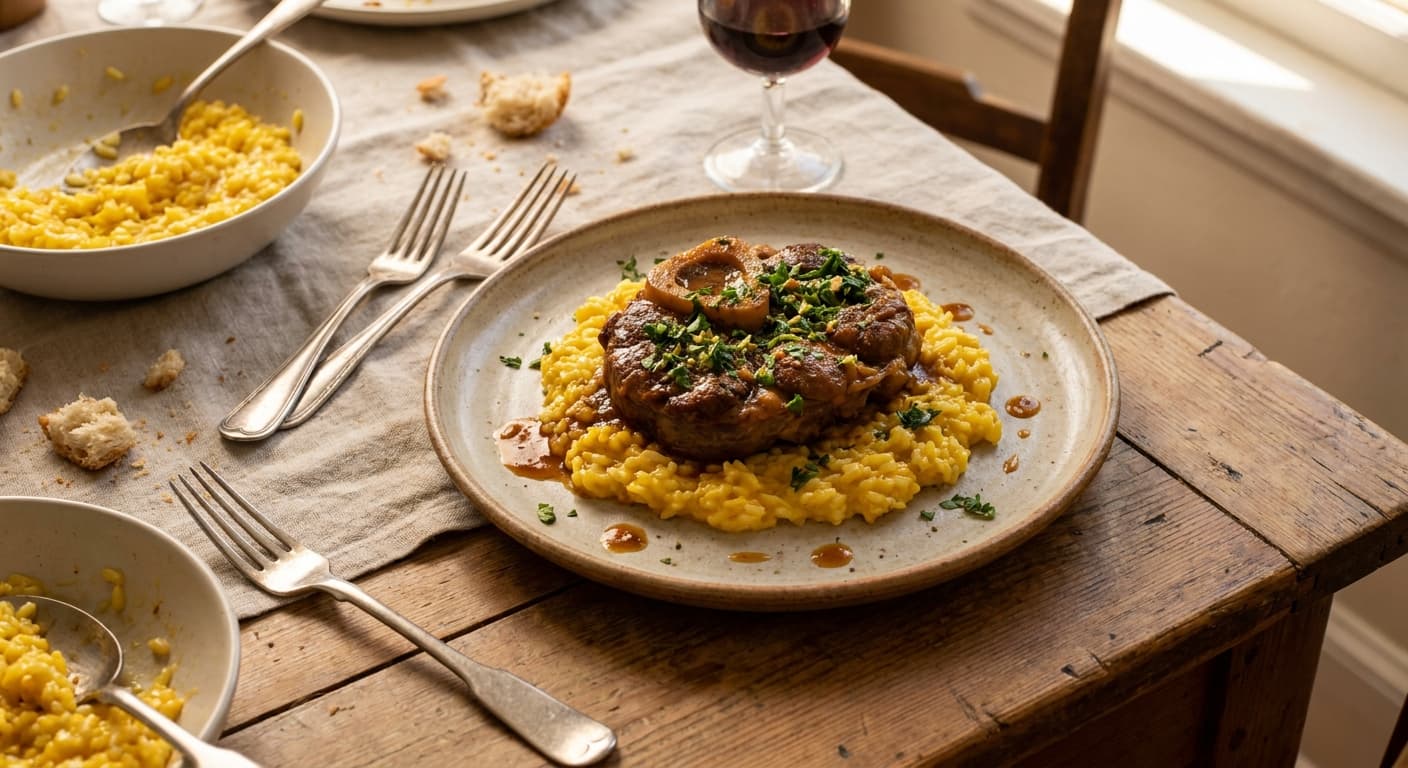
Osso Buco (Osso Buco alla Milanese) — Milanese Braised Veal Shanks
Italian · Main Courses · 145 min
Reviews
Cooked this recipe?
Tap the stars to rate it — that's all it takes. A few words are welcome but optional.
No ratings yet. Cooked this one? Be the first to rate it — it takes one tap.