Esfenaj Polo (اسفناج پلو) — Persian Spinach Rice
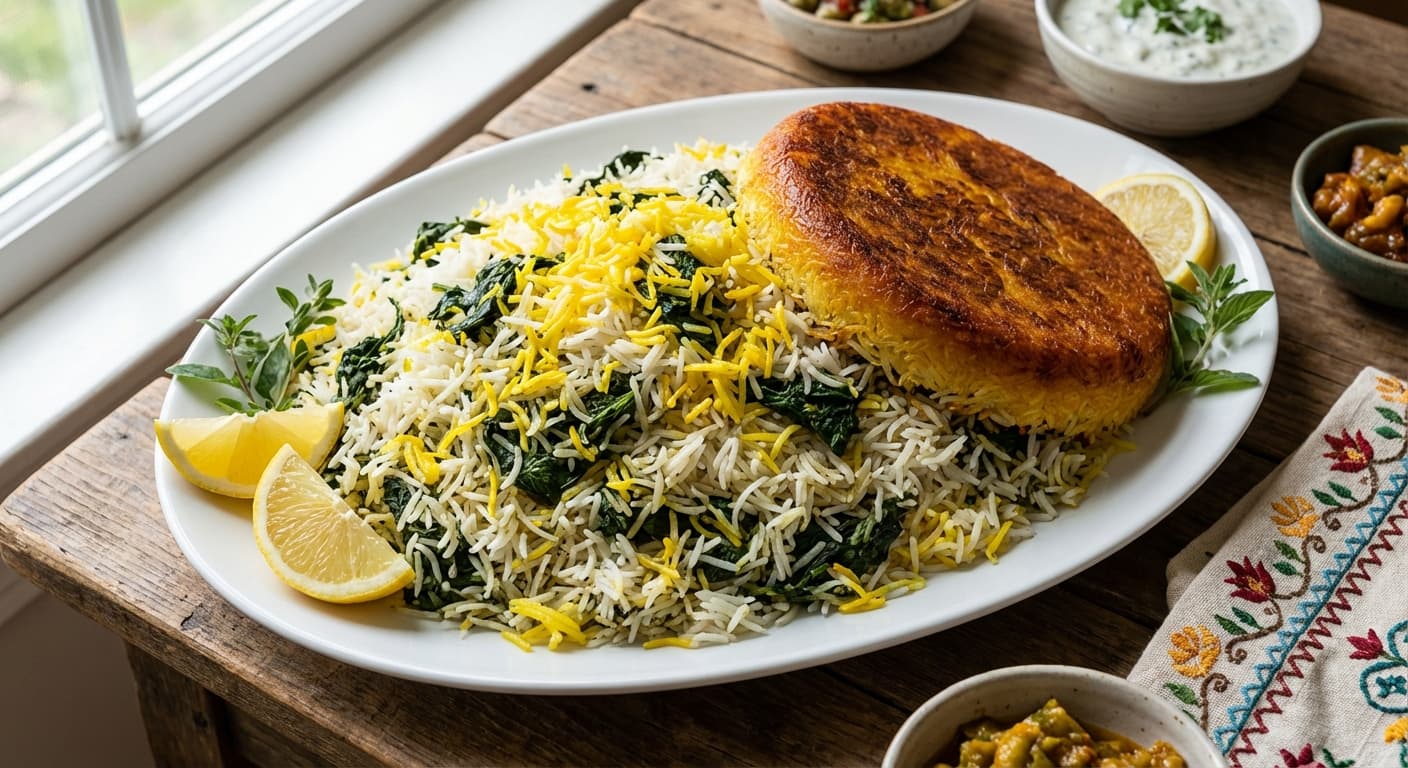
Esfenaj Polo is Persian basmati rice layered with sautéed spinach, onion, garlic, and turmeric, finished with saffron and a crisp tahdig. A little lemon brightens the earthy greens for a balanced, aromatic pilaf.
Printable Recipe Card
Servings: 4 · Total: 115 min · Difficulty: medium
Ingredients (quick list)
- 350 g Basmati rice (rinsed until water runs mostly clear)
- 2500 ml Water (for parboiling; plus extra for rinsing)
- 18 g Salt (10 g for soaking, 8 g for boiling water)
- 450 g Spinach leaves (washed, thick stems removed, roughly chopped)
- 220 g Onion (finely sliced)
- 12 g Garlic (minced (about 4 cloves))
- 30 ml Olive oil (for sautéing)
- 2 tsp Turmeric (ground)
- 1 tsp Black pepper (freshly ground)
- 55 g Unsalted butter (divided)
- 120 g Plain yogurt (full-fat for a sturdy tahdig)
- 1 large Egg yolk (helps bind tahdig (optional but recommended))
+ 3 more in the full ingredients section below.
Steps (summary)
- Rinse the basmati rice in several changes of cool water until it runs mostly clear. Soak the rice in 1 liter cool water mixed w…
- Meanwhile, make the saffron water: crush saffron threads to a powder, then stir into 30 ml hot water (not boiling) and cover. L…
- Cook the spinach mixture: heat 30 ml olive oil in a wide skillet over medium heat. Add sliced onion and sauté 10–12 minutes unt…
- Parboil the rice: bring 2500 ml water to a rolling boil in a large pot. Add 8 g salt. Drain the soaked rice and add it to the b…
- Prepare the tahdig base: in a bowl, whisk yogurt with the egg yolk (if using), 15 ml olive oil, 25 g of the butter (melted), an…
- Assemble and steam: in a heavy 24–26 cm nonstick or well-seasoned pot, spread the tahdig rice mixture evenly over the bottom. L…
+ 2 more steps in the full instructions section below.
Cultural Background
Spinach rice is part of a broader tradition of Persian layered rice dishes where aroma, texture, and a crisp tahdig are central. It is commonly cooked at home in cooler months when leafy greens are abundant, and it is served as a satisfying main or as a side alongside grilled or braised dishes.
Equipment
💡 Tips
- Dry the spinach well after washing; excess water makes the rice gummy and weakens the tahdig.
- If your stovetop runs hot, use a heat diffuser on low during the 40-minute steam to prevent scorching.
- For extra separation, rinse the parboiled rice very briefly (5–10 seconds) and drain thoroughly before layering.
- A towel-wrapped lid is key: it absorbs condensation so droplets do not fall back and soften the crust.
- If you prefer a lighter tahdig, omit the egg yolk and reduce yogurt to 90 g; the crust will be thinner and more delicate.
⚠️ Common Mistakes
❌ Overboiling the rice during parboil
💡 Why: Fully cooked grains break during steaming and turn sticky, preventing distinct, fluffy rice.
✅ Fix: Boil only until the outside is tender but the center is still firm (6–8 minutes), then drain immediately and cool briefly.
❌ Leaving too much moisture in the spinach mixture
💡 Why: Excess water steams into the rice, making it heavy and softening the tahdig.
✅ Fix: Cook spinach until the pan is nearly dry and no liquid pools when you push it aside; increase heat slightly at the end if needed.
❌ Heat too high during the long steam
💡 Why: The bottom burns before the rice finishes drying and setting, giving bitter tahdig.
✅ Fix: Use medium heat only for the first 8 minutes, then low for 40 minutes; add a diffuser if your burner runs strong.
❌ Skipping the towel-wrapped lid
💡 Why: Condensation drips back into the pot, wetting the top layer and weakening the crust.
✅ Fix: Wrap the lid with a clean towel and tie it up securely so it cannot touch the flame.
🧊 How to Store
Cool leftovers within 2 hours. Refrigerate in an airtight container for up to 3 days. Reheat covered in a pan over low heat with 1–2 tablespoons water, or microwave covered until hot. Tahdig is best fresh; re-crisp in a dry skillet over medium-low heat 4–6 minutes.
📅 Make Ahead
You can wash and chop spinach and slice onions up to 24 hours ahead; refrigerate separately in airtight containers. Bloom saffron up to 8 hours ahead and keep covered at room temperature. Parboiling rice is best done the same day; if needed, parboil up to 4 hours ahead, spread on a tray to cool, then cover and refrigerate.
🍽️ Pairs Well With
- Plain yogurt with cucumber and mint
- Shirazi-style tomato-cucumber salad
- Pickled vegetables
- Grilled chicken or pan-seared fish
- Fresh herbs and radishes
Regional Variations
- Tehran-style home cookingOften uses a yogurt-based tahdig with saffron for a thick, golden crust, and finishes with a small drizzle of lemon juice for brightness.
- Caspian-influenced kitchensMay include extra garlic and more olive oil, and sometimes mixes in fresh herbs such as dill for a greener aroma alongside the spinach.
Ingredients
- 350 gBasmati rice (rinsed until water runs mostly clear)
- 2500 mlWater (for parboiling; plus extra for rinsing)
- 18 gSalt (10 g for soaking, 8 g for boiling water)
- 450 gSpinach leaves (washed, thick stems removed, roughly chopped)
- 220 gOnion (finely sliced)
- 12 gGarlic (minced (about 4 cloves))
- 30 mlOlive oil (for sautéing)
- 2 tspTurmeric (ground)
- 1 tspBlack pepper (freshly ground)
- 55 gUnsalted butter (divided)
- 120 gPlain yogurt (full-fat for a sturdy tahdig)
- 1 largeEgg yolk (helps bind tahdig (optional but recommended))
- 0.25 tspSaffron threads (crushed)
- 30 mlHot water (for blooming saffron)
- 15 mlLemon juice (fresh (about 1 tablespoon))
🔄 Substitutions
- Plain yogurt (for tahdig)→ Sour cream
- Unsalted butter→ Ghee
- Spinach leaves→ Baby spinach
Instructions
- 1
Rinse the basmati rice in several changes of cool water until it runs mostly clear. Soak the rice in 1 liter cool water mixed with 10 g salt for 45 minutes at room temperature. This hydrates the grains for even parboiling and helps them stay long and separate during steaming.
- 2
Meanwhile, make the saffron water: crush saffron threads to a powder, then stir into 30 ml hot water (not boiling) and cover. Let bloom 15 minutes. The color should turn deep orange-red. Set aside at room temperature so it stays fragrant for finishing and for the tahdig mixture.
- 3
Cook the spinach mixture: heat 30 ml olive oil in a wide skillet over medium heat. Add sliced onion and sauté 10–12 minutes until soft and lightly golden. Add minced garlic and cook 45 seconds. Stir in turmeric and black pepper for 20 seconds, then add spinach and cook 6–8 minutes until wilted and most moisture evaporates.
- 4
Parboil the rice: bring 2500 ml water to a rolling boil in a large pot. Add 8 g salt. Drain the soaked rice and add it to the boiling water. Boil 6–8 minutes, stirring gently once or twice, until the grains are tender on the outside but still firm in the center. Drain immediately and rinse briefly with cool water to stop cooking.
- 5
Prepare the tahdig base: in a bowl, whisk yogurt with the egg yolk (if using), 15 ml olive oil, 25 g of the butter (melted), and 1 tablespoon of the bloomed saffron water. Fold in 120 g of the parboiled rice until evenly coated. This mixture forms a crisp, golden crust that releases cleanly when properly steamed.
- 6
Assemble and steam: in a heavy 24–26 cm nonstick or well-seasoned pot, spread the tahdig rice mixture evenly over the bottom. Layer half the remaining rice, then all the spinach mixture, then the rest of the rice. Use the handle of a spoon to poke 5–6 steam holes down to the bottom. Dot the top with the remaining 30 g butter.
- 7
Steam gently for a crisp tahdig: cover the lid with a clean kitchen towel and place it on the pot. Cook over medium heat for 8 minutes until you hear a gentle sizzle, then reduce to low and steam 40 minutes. Avoid lifting the lid; steady low heat dries the rice and crisps the crust without burning.
- 8
Finish and serve: turn off heat and rest, covered, 10 minutes to relax the steam. Drizzle the remaining saffron water over the rice and sprinkle lemon juice across the top for brightness. Fluff the rice gently, lifting spinach into the grains. To unmold tahdig, loosen edges, invert onto a plate, and serve alongside the rice.
🪪 Recipe Passport
Cultural Background
Spinach rice is part of a broader tradition of Persian layered rice dishes where aroma, texture, and a crisp tahdig are central. It is commonly cooked at home in cooler months when leafy greens are abundant, and it is served as a satisfying main or as a side alongside grilled or braised dishes.
Regional Variations
Researched from multiple sources and validated by the Zaffaron editorial team. Every recipe is tested for accuracy, measurements, and cultural authenticity.
Nutrition per serving
Pairs well with
If you enjoyed this recipe, here are a few related Zaffaron recipes to try next.
Does your family make this differently?
Every family has their own version. Maybe your grandmother adds a secret ingredient, or your aunt has a completely different technique. Preserve your family's version — with their name on it, forever.
You Might Also Like
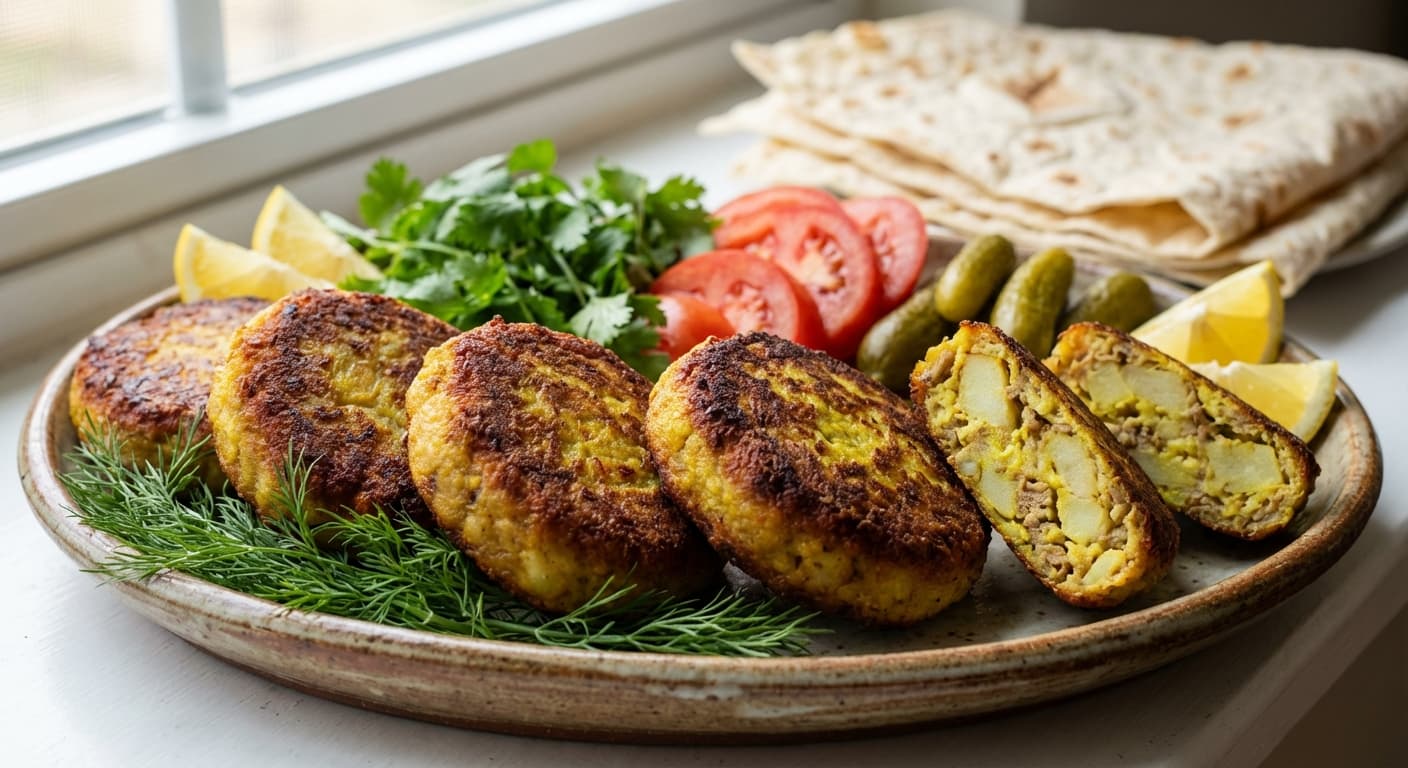
Persian Kotlet (کتلت) — Saffron-Infused Meat & Potato Patties
Persian · Main Courses · 55 min
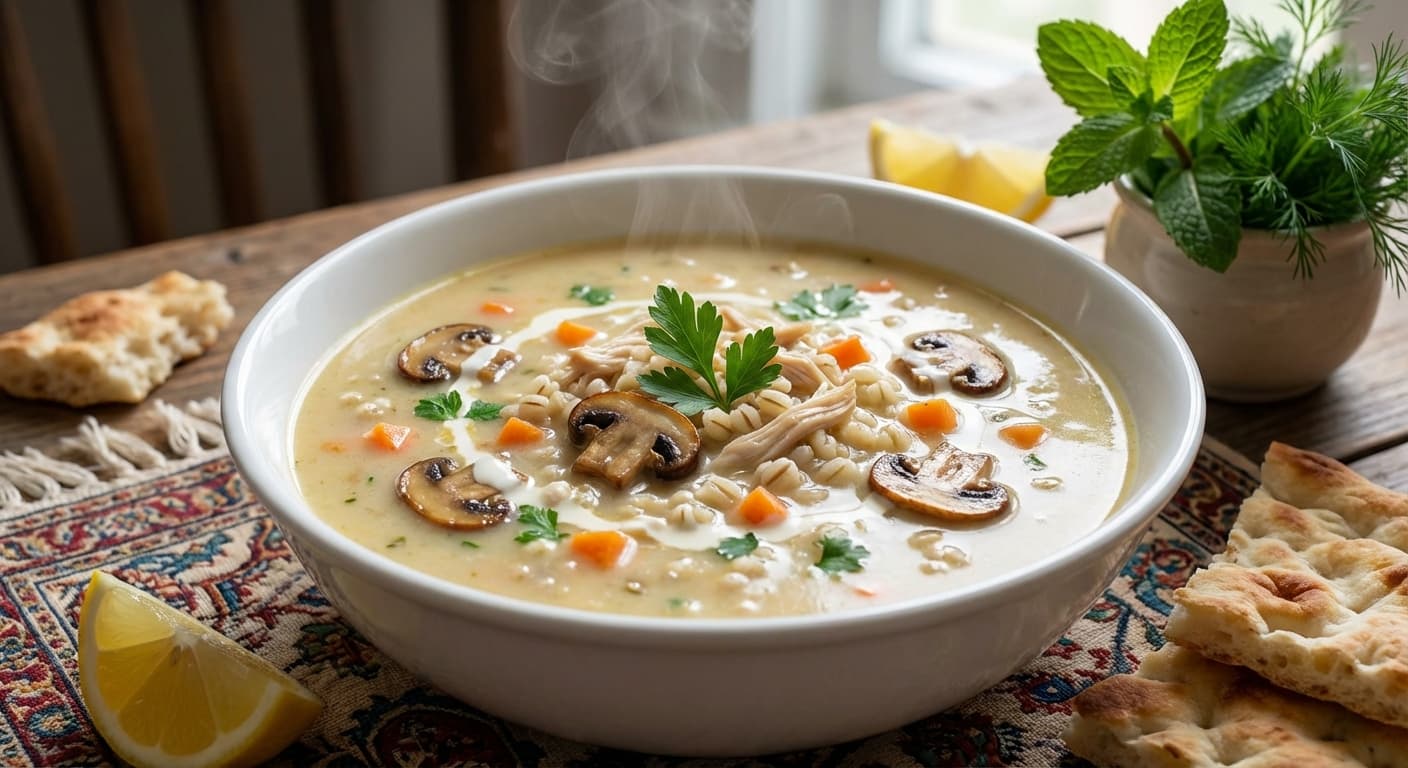
Soup-e Jo (سوپ جو) — Persian Creamy Barley Soup
Persian · Soups · 90 min
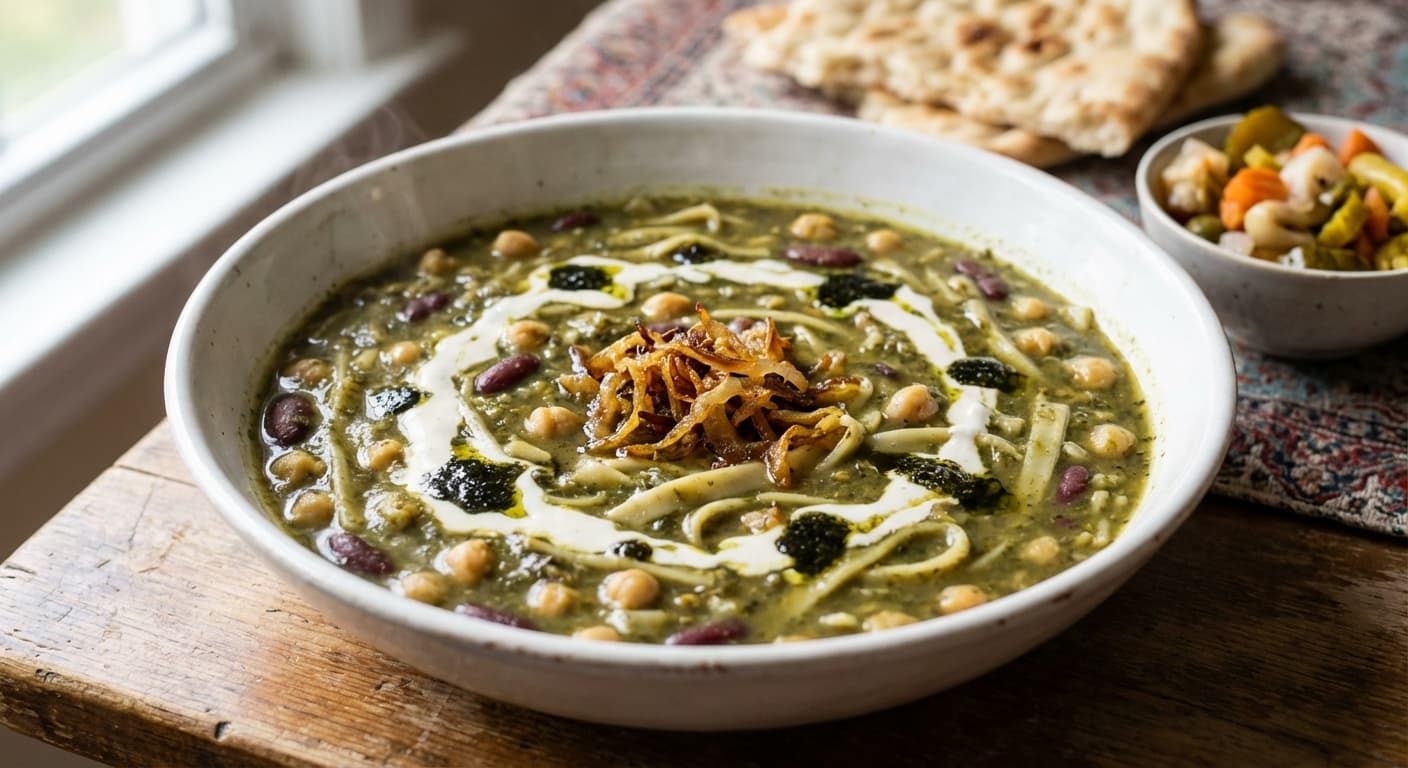
Ash Reshteh (آش رشته) — Persian Herb, Bean, and Noodle Soup
Persian · Soups · 145 min
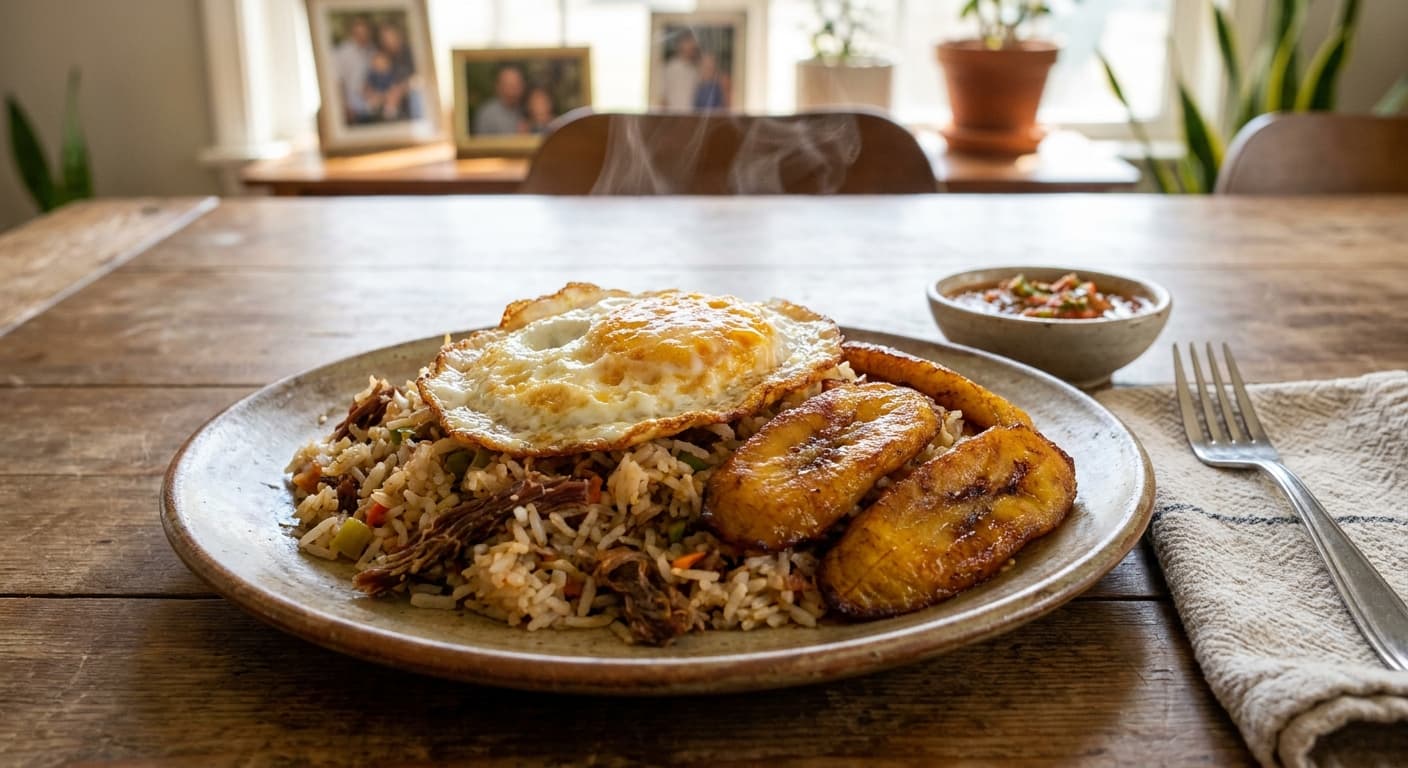
Majadito (Majadito) — Bolivian Rice with Charque and Fried Egg
Bolivian · Rice Dishes · 90 min
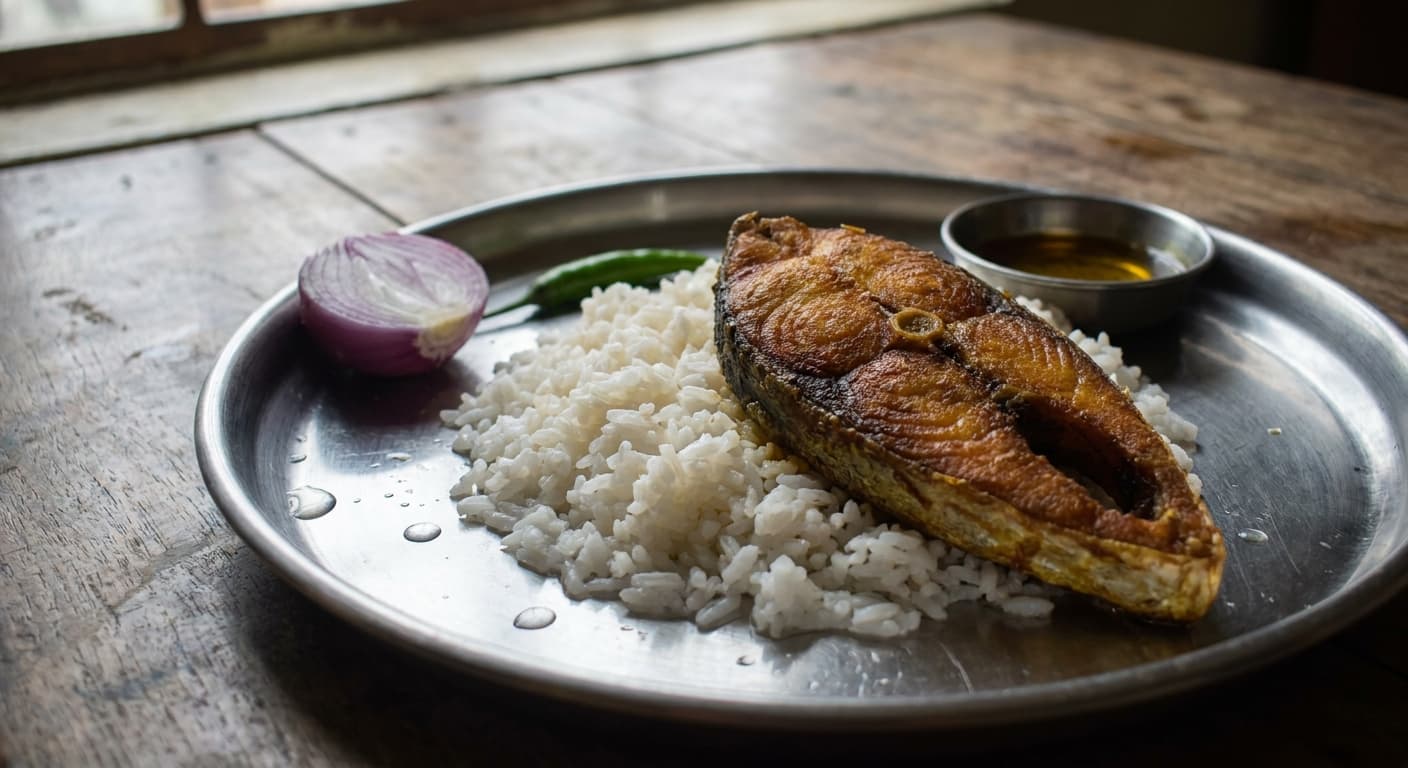
Panta Bhat (পান্তা ভাত) — Overnight Fermented Rice with Fried Ilish
Bangladeshi · Rice Dishes · 35 min
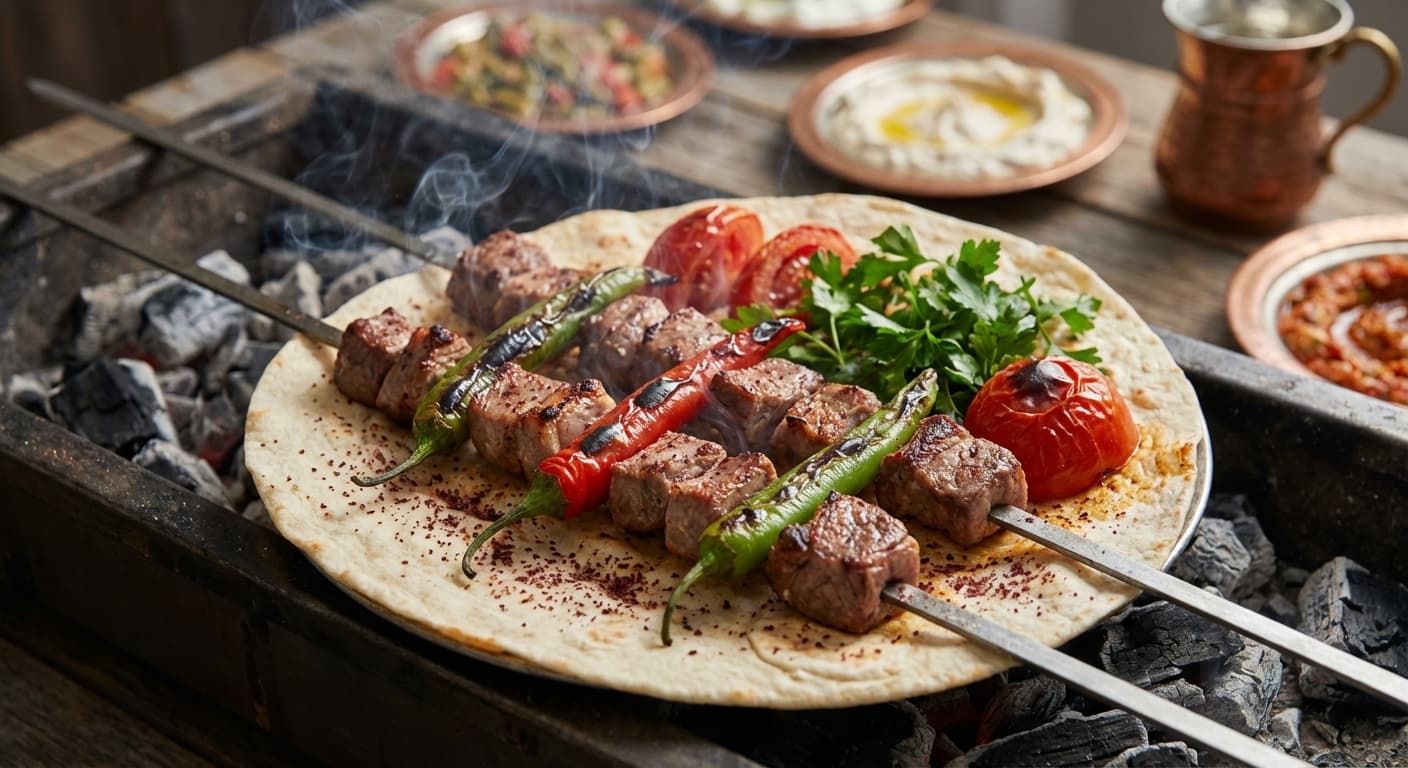
Turkish Shish Kebab (Şiş Kebap) — Charcoal-Grilled Marinated Lamb Skewers
Turkish · Kebabs · 37 min
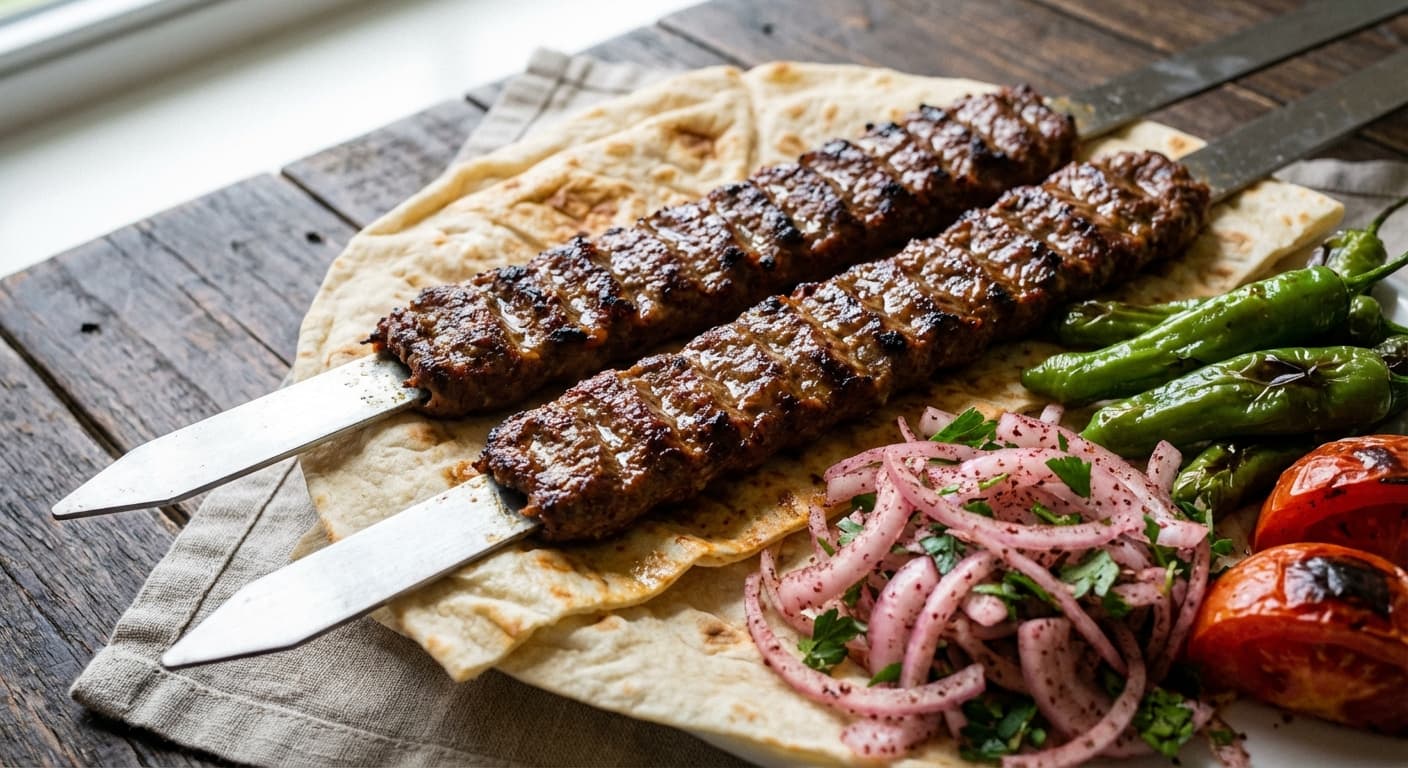
Urfa Kebab (اورفا کباب) — Mild Turkish minced skewer with sumac onions
Turkish · Kebabs · 37 min
Feseekh (فسيخ) — Egyptian Salt-Cured Mullet for Sham el-Nessim
Egyptian · Main Courses · 30 min
Reviews
Cooked this recipe?
Tap the stars to rate it — that's all it takes. A few words are welcome but optional.
No ratings yet. Cooked this one? Be the first to rate it — it takes one tap.