Dolmeh Bademjan (دلمه بادمجان) — | Persian Stuffed Eggplant
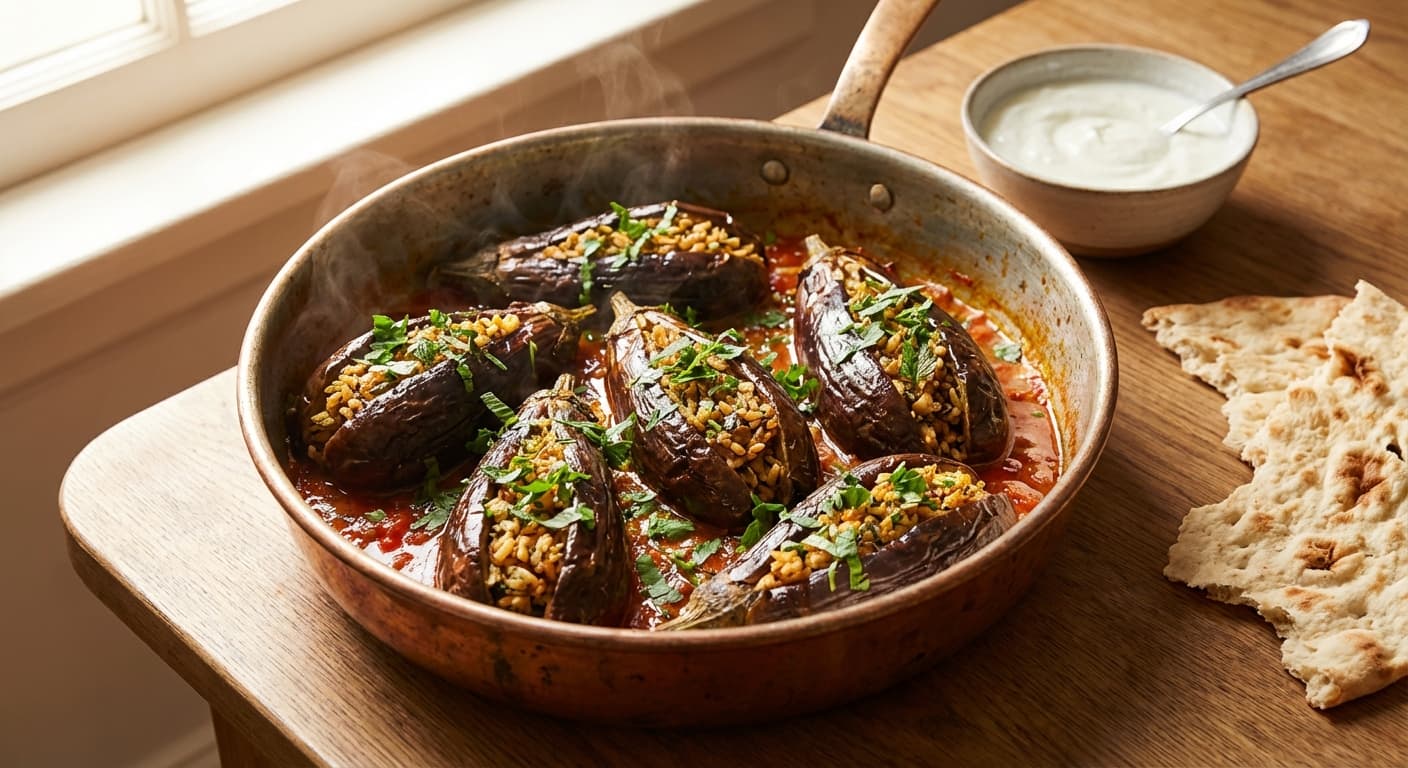
Dolmeh Bademjan is a classic Persian stuffed eggplant: tender, hollowed eggplants filled with herby rice, yellow split peas, and seasoned ground meat, then gently braised in a tomato sauce until silky and fragrant.
Printable Recipe Card
Servings: 6 · Total: 195 min · Difficulty: medium
Ingredients (quick list)
- 6 each Globe eggplants (medium, firm) (about 250–300 g each; choose straight ones for easier stuffing)
- 24 g Kosher salt (for salting eggplants and seasoning filling/sauce)
- 90 ml Vegetable oil (divided for searing eggplants and sautéing aromatics)
- 150 g Long-grain basmati rice (rinsed until water runs mostly clear)
- 120 g Yellow split peas (lapeh) (rinsed well; soak 45 minutes)
- 350 g Ground lamb (or beef 85/15) (halal; not too lean for a juicy filling)
- 200 g Yellow onion (finely diced)
- 60 g Fresh parsley (finely chopped, stems removed)
- 25 g Fresh dill (finely chopped)
- 15 g Fresh mint (finely chopped)
- 30 g Fresh cilantro (finely chopped)
- 2 g Ground black pepper (about 1 tsp)
+ 7 more in the full ingredients section below.
Steps (summary)
- Soak the yellow split peas in plenty of cool water for 45 minutes, then drain. Meanwhile, rinse basmati rice 4–5 times until th…
- Trim eggplant stems, leaving the caps attached. Cut a lengthwise slit on each eggplant (about 10–12 cm) and carefully hollow ou…
- Par-cook the split peas in simmering water for 18–22 minutes until just tender but not mushy; drain well. In another pot, parbo…
- Heat 45 ml vegetable oil in a wide skillet over medium-high (about 190°C surface temp). Sear eggplants 2–3 minutes per side unt…
- In a bowl, combine ground meat, diced onion, chopped parsley, dill, mint, and cilantro. Add turmeric, black pepper, and 6 g of…
- Heat the remaining 45 ml vegetable oil in a pot or deep sauté pan (28–30 cm) over medium heat. Add 60 g tomato paste (reserve 3…
+ 4 more steps in the full instructions section below.
Cultural Background
Dolmeh Bademjan is a beloved Persian dolmeh that showcases the art of stuffing—balancing herbs, legumes, and meat for depth without heaviness. Often served for gatherings, it reflects Iranian home cooking where patience and gentle simmering turn simple ingredients into a celebratory dish.
Equipment
💡 Tips
- Choose eggplants with smooth skin and a green, fresh cap; wrinkled skin often means spongy flesh that drinks oil.
- Keep split peas just-tender; overcooked peas break down and make the filling pasty.
- If herbs are wet, spin or pat dry before chopping to avoid a watery filling.
- A snug single layer in the pot prevents eggplants from tipping and losing stuffing during simmer.
⚠️ Common Mistakes
❌ Hollowing eggplants too thin
💡 Why: Thin walls collapse during searing and braising, causing tearing and leaking filling.
✅ Fix: Leave a consistent 1 cm wall; use a spoon and stop when you feel resistance near the skin.
❌ Skipping salting and drying the eggplants
💡 Why: Moisture causes oil splatter and eggplants absorb excess oil, making the dish heavy.
✅ Fix: Salt 30 minutes, rinse, and pat very dry before searing.
❌ Overcooking rice or split peas before stuffing
💡 Why: They continue cooking in the sauce and can turn mushy, making the filling dense.
✅ Fix: Parboil rice 6 minutes and peas until just tender; they should still have structure.
❌ Overstuffing with no expansion space
💡 Why: Rice swells and forces the seam open, spilling filling into the sauce.
✅ Fix: Leave 1 cm headspace and pack firmly but not tightly.
🧊 How to Store
Cool to room temperature within 2 hours, then refrigerate in an airtight container with sauce for up to 4 days. Reheat covered on the stovetop over low heat with 60–90 ml water for 15–20 minutes, or microwave covered until steaming hot. Freeze up to 2 months; thaw overnight in the fridge before reheating.
📅 Make Ahead
Prepare and par-cook rice and split peas up to 24 hours ahead; refrigerate separately. You can also stuff and arrange eggplants in the pot up to 12 hours ahead, refrigerate covered, then bring to room temperature 30 minutes before simmering; add 10 extra minutes to the covered cook time.
🍽️ Pairs Well With
- Persian flatbread (nan-e sangak or barbari)
- Plain yogurt or mast-o-khiar
- Shirazi salad
- Torshi (Persian pickles)
Regional Variations
- Azerbaijan (Northwest Iran)Often includes more fresh herbs and sometimes a touch of souring agent like lemon juice or grape sour; dolmeh may be served with extra thick tomato sauce.
- Shiraz (Fars)Tends to be slightly more tangy; cooks may increase lemon juice and keep the sauce brighter, serving with abundant sabzi khordan (fresh herb platter).
- Tehran (Central Iran)Commonly uses a balanced mix of herbs with a deeper tomato base; the dish is frequently served family-style with bread and yogurt.
Ingredients
- 6 eachGlobe eggplants (medium, firm) (about 250–300 g each; choose straight ones for easier stuffing)
- 24 gKosher salt (for salting eggplants and seasoning filling/sauce)
- 90 mlVegetable oil (divided for searing eggplants and sautéing aromatics)
- 150 gLong-grain basmati rice (rinsed until water runs mostly clear)
- 120 gYellow split peas (lapeh) (rinsed well; soak 45 minutes)
- 350 gGround lamb (or beef 85/15) (halal; not too lean for a juicy filling)
- 200 gYellow onion (finely diced)
- 60 gFresh parsley (finely chopped, stems removed)
- 25 gFresh dill (finely chopped)
- 15 gFresh mint (finely chopped)
- 30 gFresh cilantro (finely chopped)
- 2 gGround black pepper (about 1 tsp)
- 2 gGround turmeric (about 1 tsp)
- 90 gTomato paste (about 5 tbsp; divided for filling and sauce)
- 600 mlWater (for braising; add more if needed during simmer)
- 8 gGranulated sugar (about 2 tsp; balances tomato acidity)
- 30 mlFresh lemon juice (about 2 tbsp; adjust to taste at the end)
- 0.2 gSaffron threads (about 1/8 tsp; optional but traditional for aroma)
- 30 mlHot water (for blooming saffron) (just off the boil)
🔄 Substitutions
- Ground lamb→ Ground beef (85/15) or ground turkey (93/7)
- Fresh mixed herbs (parsley, dill, mint, cilantro)→ Dried herbs: 12 g dried parsley + 4 g dried dill + 2 g dried mint
- Yellow split peas (lapeh)→ Brown lentils
Instructions
- 1
Soak the yellow split peas in plenty of cool water for 45 minutes, then drain. Meanwhile, rinse basmati rice 4–5 times until the water is mostly clear; soak the rice in cool water for 20 minutes, then drain. This soaking shortens cooking time so the filling finishes perfectly during braising.
- 2
Trim eggplant stems, leaving the caps attached. Cut a lengthwise slit on each eggplant (about 10–12 cm) and carefully hollow out the center with a spoon, leaving a 1 cm wall. Rub the inside with 12 g salt total, set in a colander 30 minutes, then rinse and pat very dry to reduce bitterness and prevent oil splatter.
- 3
Par-cook the split peas in simmering water for 18–22 minutes until just tender but not mushy; drain well. In another pot, parboil the drained rice in lightly salted boiling water for 6 minutes, then drain and rinse briefly with warm water. Spread both on a tray 5 minutes to steam-dry so the filling won’t turn gummy.
- 4
Heat 45 ml vegetable oil in a wide skillet over medium-high (about 190°C surface temp). Sear eggplants 2–3 minutes per side until lightly golden and slightly softened; do not fully cook. Transfer to a plate. This step adds flavor and helps the eggplants hold shape during stuffing and simmering.
- 5
In a bowl, combine ground meat, diced onion, chopped parsley, dill, mint, and cilantro. Add turmeric, black pepper, and 6 g of the remaining salt. Mix for 60–90 seconds until cohesive. Fold in the par-cooked rice and split peas gently so grains stay intact and the herbs remain bright.
- 6
Heat the remaining 45 ml vegetable oil in a pot or deep sauté pan (28–30 cm) over medium heat. Add 60 g tomato paste (reserve 30 g for later) and cook 2–3 minutes, stirring, until darkened and fragrant. Whisk in 600 ml water, sugar, and 6 g salt; bring to a simmer for 5 minutes to smooth the sauce.
- 7
Stuff each eggplant through the slit, filling firmly but leaving about 1 cm headspace for rice expansion. Use the scooped eggplant flesh only if it’s not seedy: finely chop up to 120 g and mix into the filling before stuffing. Arrange eggplants seam-side up in the simmering sauce in a single snug layer.
- 8
Cover and simmer on low heat for 45 minutes, keeping the sauce at a gentle bubble (about 90–95°C). Halfway through, spoon sauce over the tops. If the pan looks dry, add 60–120 ml hot water. Eggplants are done when a knife slides in easily and the filling is fully cooked.
- 9
Bloom saffron by crushing threads and mixing with 30 ml hot water; steep 10 minutes. Stir the reserved 30 g tomato paste into 60 ml hot sauce from the pan, then return it to the pot for a deeper color. Add saffron water and lemon juice, simmer uncovered 8–10 minutes to slightly thicken the sauce.
- 10
Rest the dolmeh off heat, covered, for 15 minutes so the rice sets and flavors meld. Taste the sauce and adjust with up to 2 g more salt or 10 ml more lemon juice. Serve warm, spooning plenty of tomato-saffron sauce over each eggplant for a glossy, traditional finish.
🪪 Recipe Passport
Cultural Background
Dolmeh Bademjan is a beloved Persian dolmeh that showcases the art of stuffing—balancing herbs, legumes, and meat for depth without heaviness. Often served for gatherings, it reflects Iranian home cooking where patience and gentle simmering turn simple ingredients into a celebratory dish.
Regional Variations
Researched from multiple sources and validated by the Zaffaron editorial team. Every recipe is tested for accuracy, measurements, and cultural authenticity.
Nutrition per serving
Pairs well with
If you enjoyed this recipe, here are a few related Zaffaron recipes to try next.
Does your family make this differently?
Every family has their own version. Maybe your grandmother adds a secret ingredient, or your aunt has a completely different technique. Preserve your family's version — with their name on it, forever.
You Might Also Like
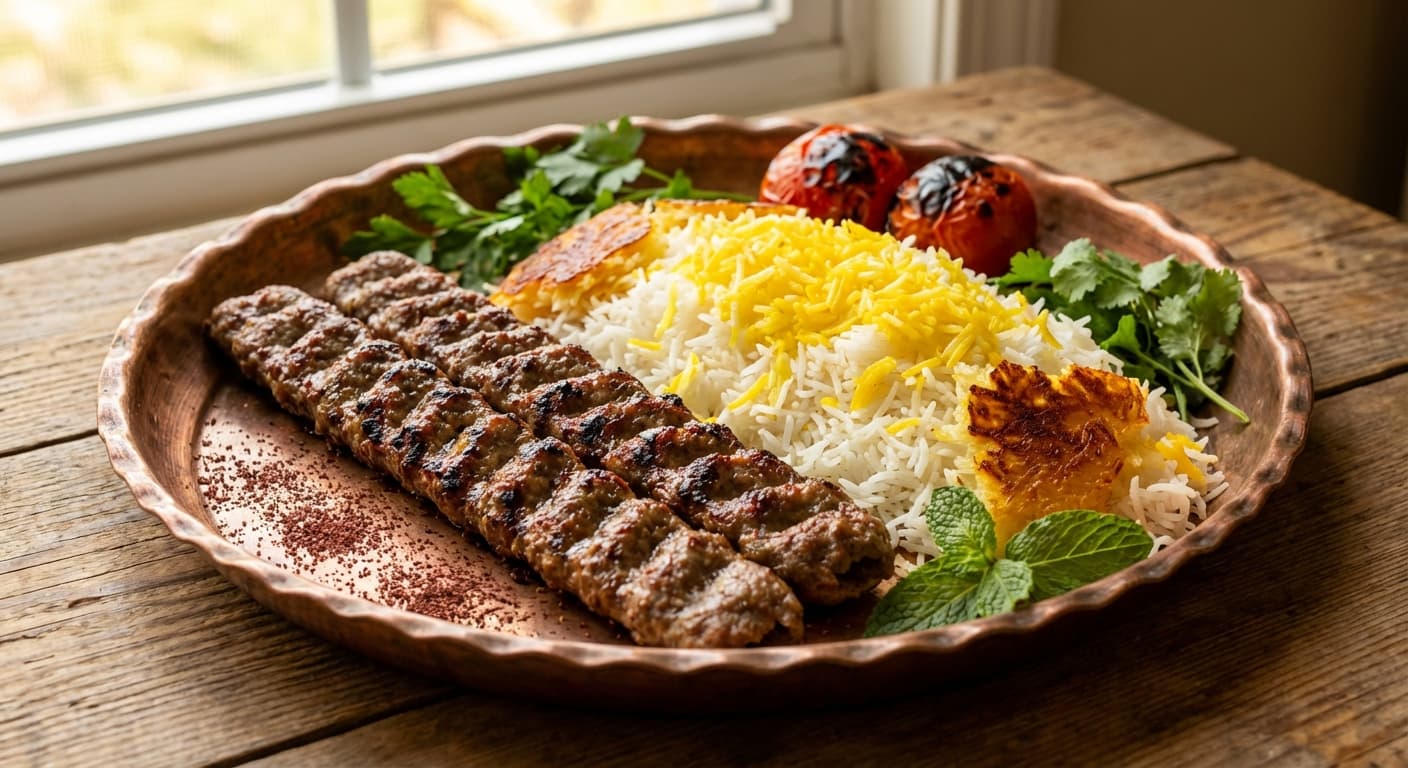
Chelo Kebab Koobideh (چلو کباب کوبیده) — Persian Minced Meat Skewers with Saffron Rice
Persian · Kebabs · 75 min
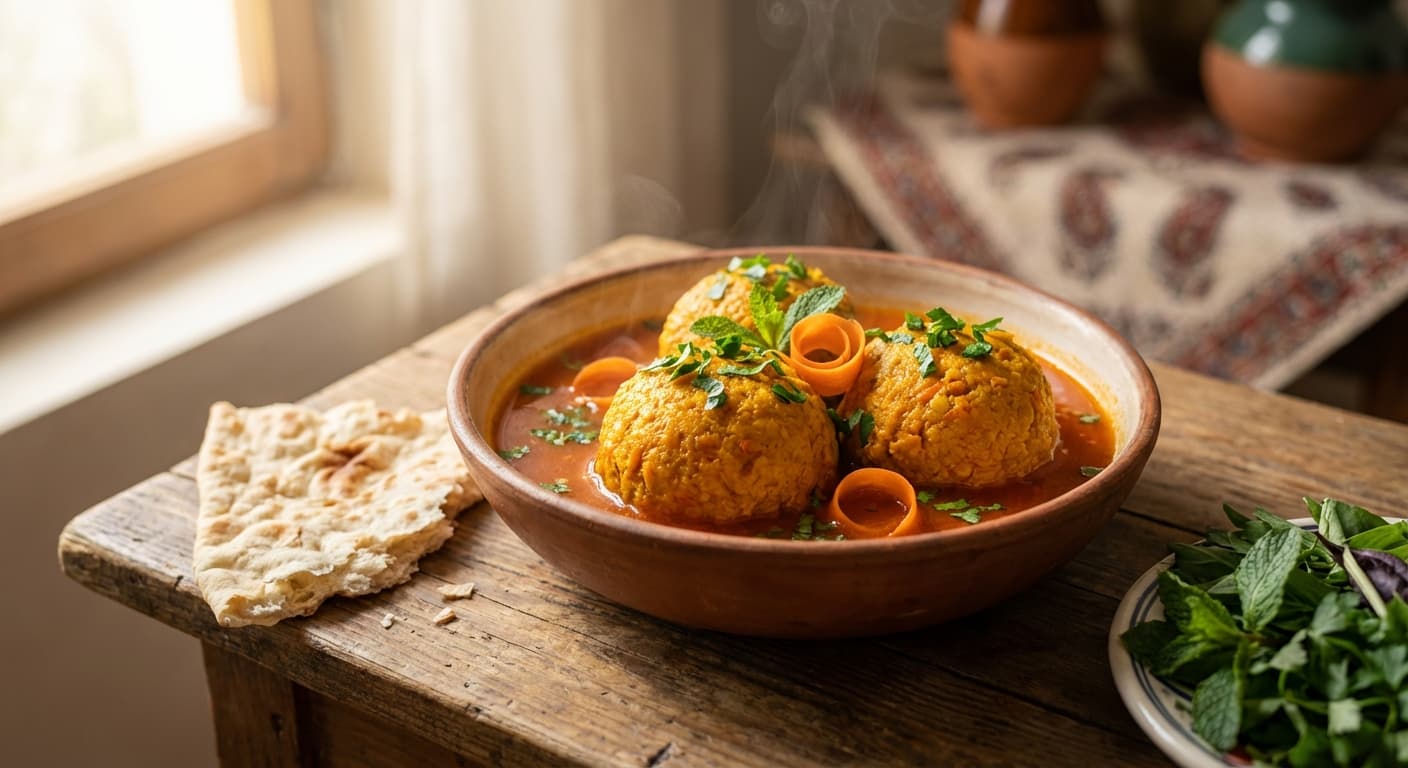
Koofteh Havij (کوفته هویج) — Persian Carrot Meatballs in Saffron-Tomato Broth
Persian · Main Courses · 120 min
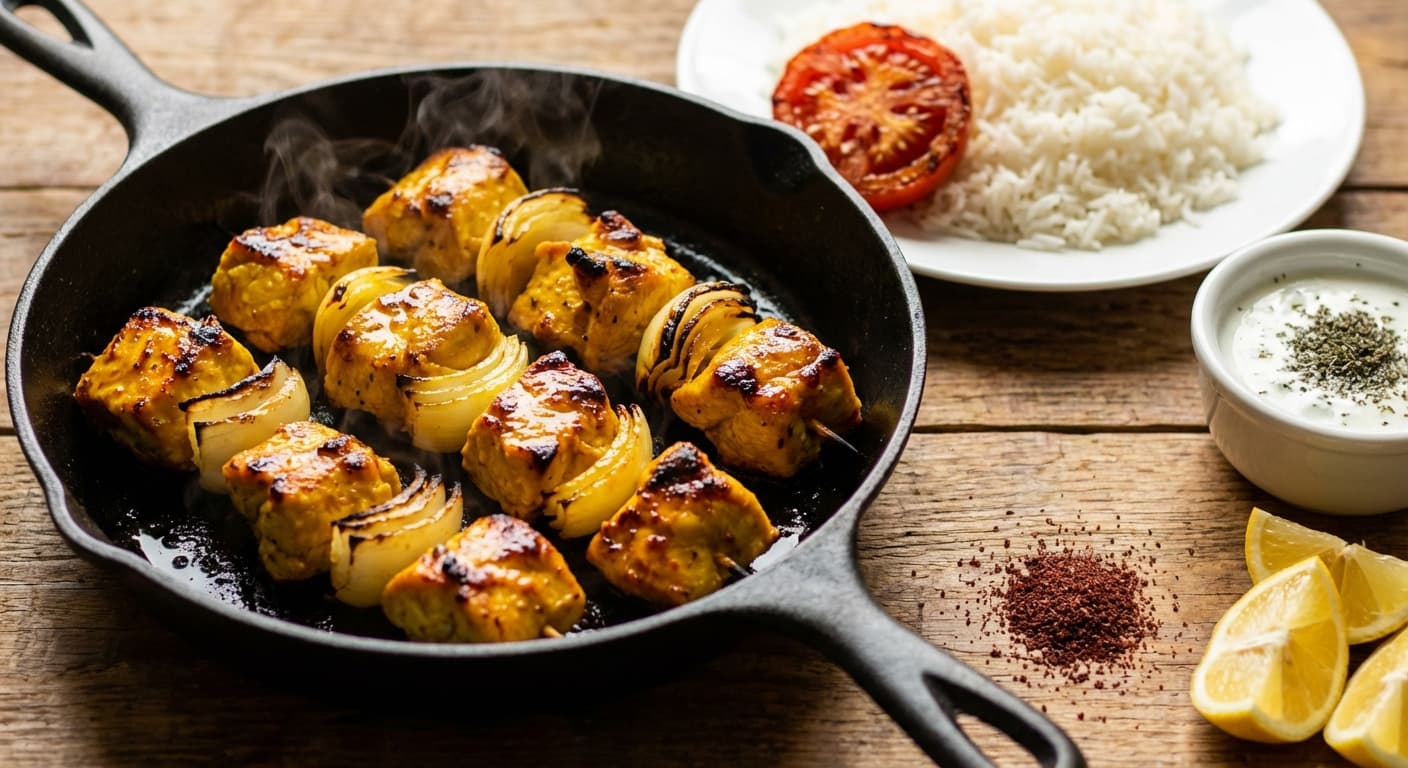
Pan-Seared Joojeh Kebab (جوجه کباب تابهای) — Persian Saffron Skillet Chicken
Persian · Kebabs · 34 min
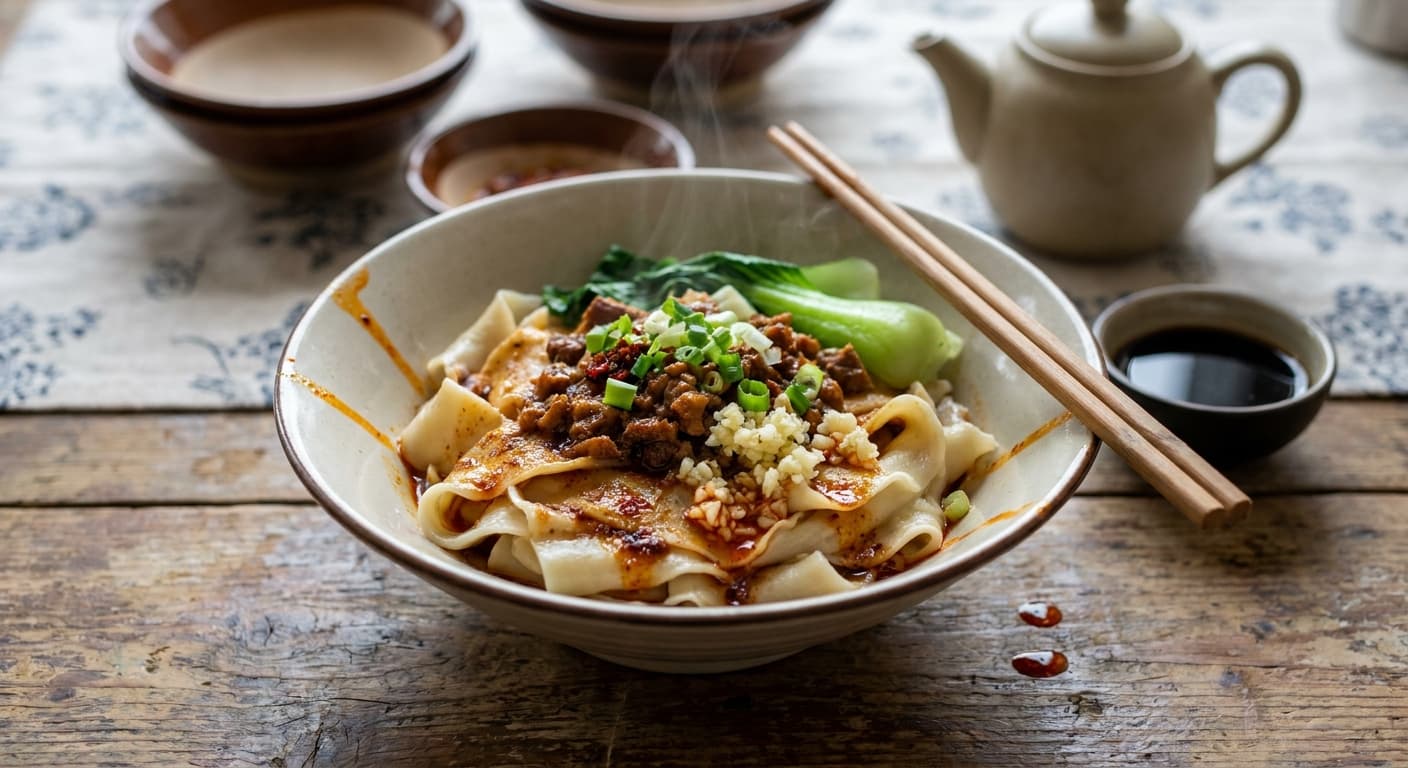
Biangbiang Noodles (油泼扯面) — Xi'an Hand-Pulled Belt Noodles
Chinese · Main Courses · 65 min
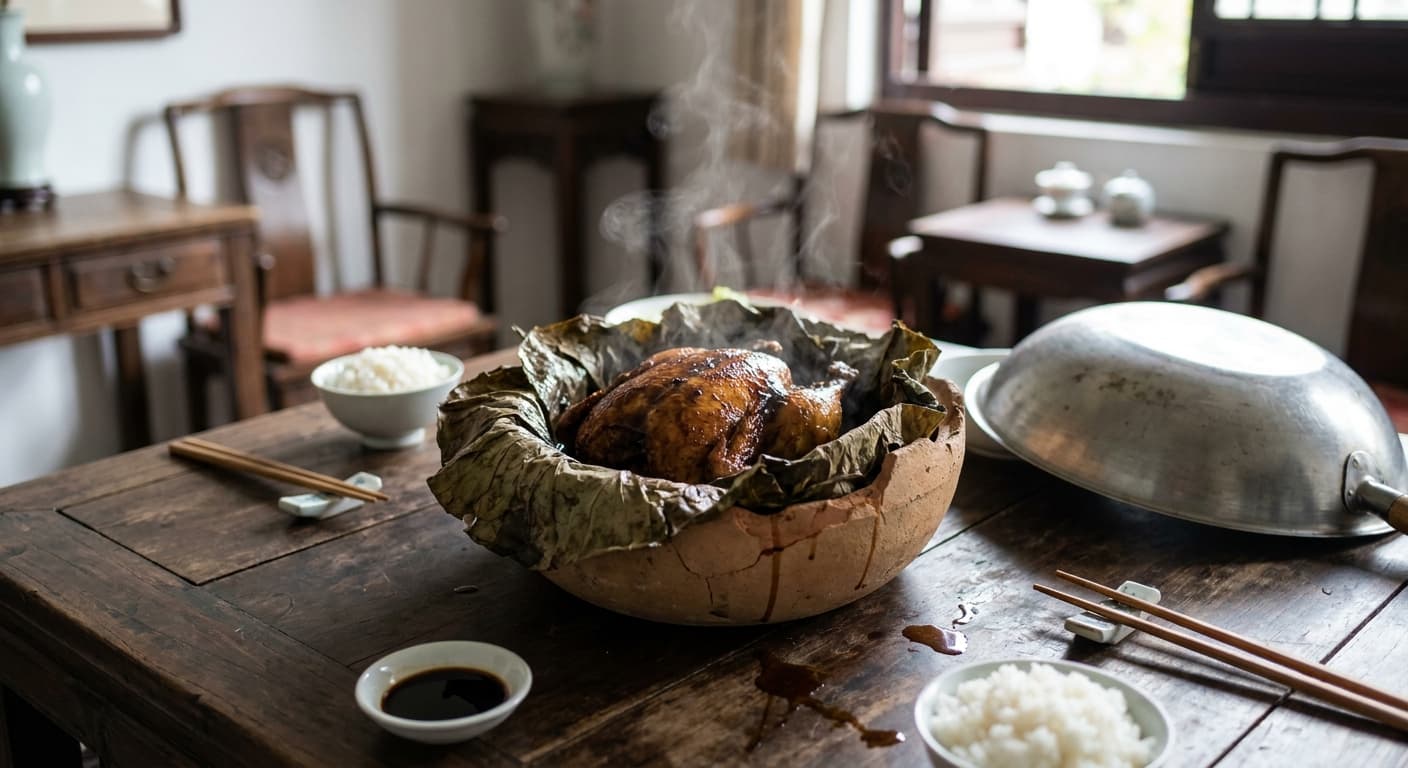
Beggar's Chicken (叫化鸡) — Lotus-Wrapped Clay-Baked Jiangnan Chicken
Chinese · Main Courses · 240 min
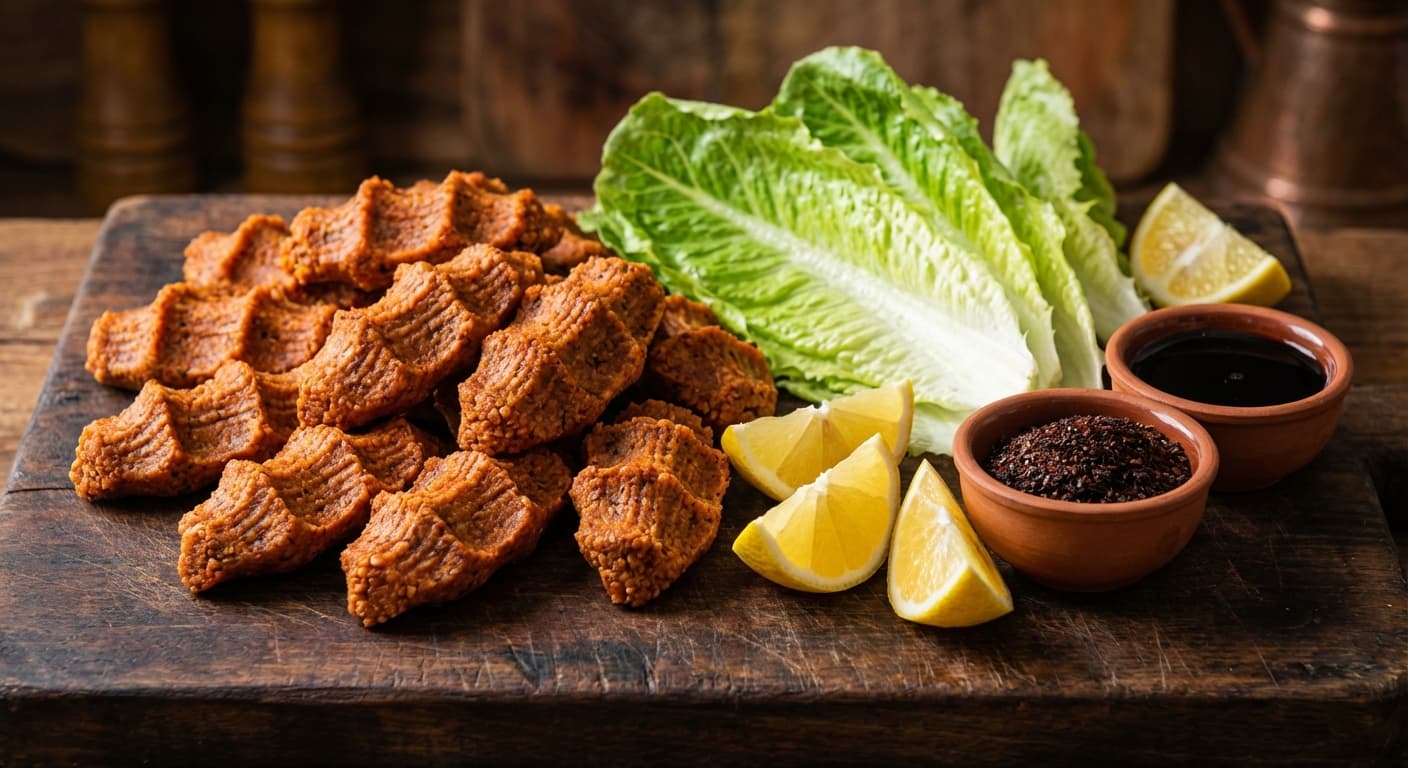
Cig Kofte (Çiğ Köfte) — Isot-kissed bulgur kneaded and served in lettuce
Turkish · Appetizers · 25 min
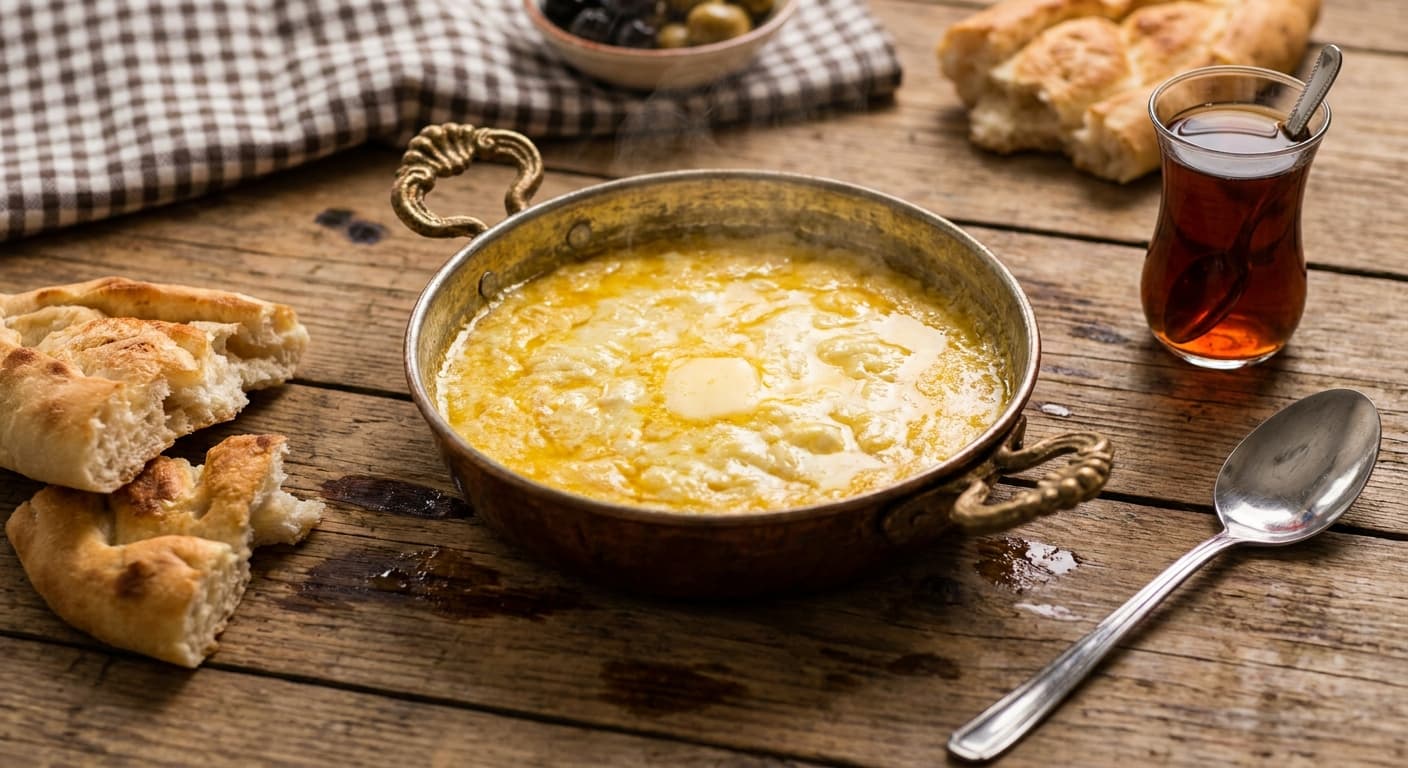
Mıhlama (Mıhlama) — Black Sea Cornmeal and Cheese Skillet
Turkish · Main Courses · 25 min
Or Lam (ເອາະຫຼາມ) — Luang Prabang Herb Stew
Laotian · Stews · 155 min
Reviews
Cooked this recipe?
Tap the stars to rate it — that's all it takes. A few words are welcome but optional.
No ratings yet. Cooked this one? Be the first to rate it — it takes one tap.