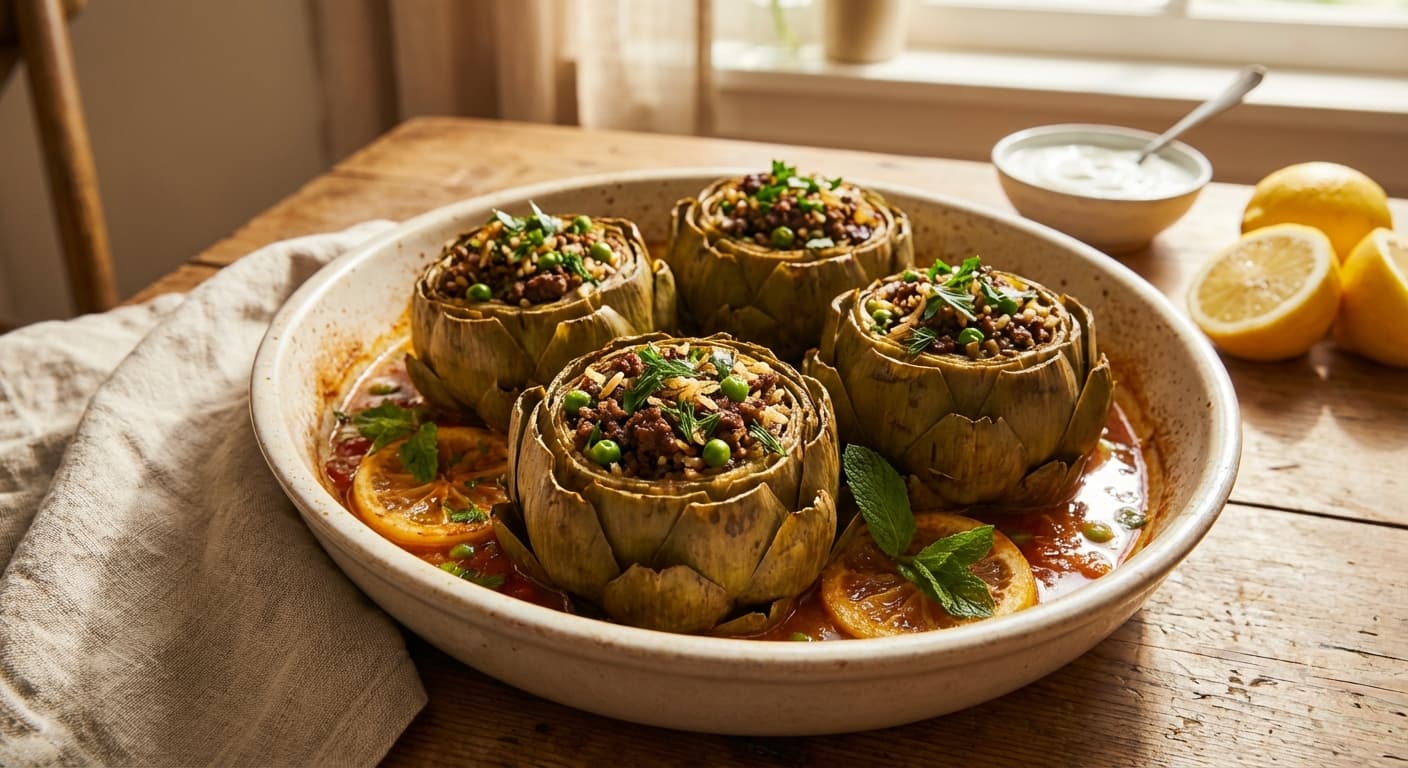
Dolmeh Artichoke (دلمه کنگر فرنگی) — Persian Stuffed Artichokes
Tender artichokes are filled with a fragrant Persian-style mixture of ground meat, basmati rice, peas, and fresh herbs, then gently braised in a lemony tomato sauce. A springtime dish with bright, savory balance.
Printable Recipe Card
Servings: 6 · Total: 135 min · Difficulty: hard
Ingredients (quick list)
- 6 large Fresh globe artichokes (about 350–450 g each)
- 120 ml Lemon juice (divided; plus extra for rubbing cut surfaces)
- 2000 ml Cold water (for acidulated holding water)
- 12 g Fine salt (divided)
- 45 ml Olive oil (divided)
- 150 g Basmati rice (rinsed well)
- 1500 ml Boiling water (for parboiling rice)
- 200 g Yellow onion (finely diced)
- 350 g Ground lamb (or ground beef with 15–20% fat)
- 150 g Frozen peas (thawed)
- 35 g Fresh parsley (finely chopped (leaves and tender stems))
- 20 g Fresh dill (finely chopped)
+ 8 more in the full ingredients section below.
Steps (summary)
- Prepare an acidulated bath to prevent browning: mix 2,000 ml cold water with 60 ml lemon juice and 4 g salt in a large bowl. Tr…
- Trim each artichoke: remove tough outer leaves until pale, tender leaves are exposed. Cut off the top 2–3 cm, trim the stem, an…
- Parboil the rice: bring 1,500 ml water to a boil, add 4 g salt, then add rinsed basmati rice. Boil 6 minutes until the grains a…
- Make the filling base: heat 15 ml olive oil in a wide skillet over medium heat. Add diced onion and cook 8–10 minutes until gol…
- Finish the filling: reduce heat to low and stir in peas, chopped parsley, dill, and mint. Cook 2 minutes just to warm and relea…
- Pre-cook the artichokes: drain them from the lemon bath. In a large pot, bring enough water to cover to a gentle boil, add 4 g…
+ 4 more steps in the full instructions section below.
Cultural Background
Stuffed vegetables are a long-standing part of Persian home cooking, especially in spring when tender produce is abundant. This artichoke version is often associated with special meals because trimming and stuffing artichokes is time-intensive and best enjoyed fresh and warm.
Equipment
💡 Tips
- Choose heavy artichokes with tight leaves; very open leaves can indicate older, tougher artichokes.
- Do not over-pack the filling—parboiled rice still expands during braising and can force the artichoke open.
- Frying the tomato paste briefly removes raw flavor and deepens color, giving a more rounded sauce.
- Keep the braise at a gentle simmer; a hard boil can break the artichokes and toughen the meat.
- If the sauce reduces too quickly, add 60–120 ml hot water and continue cooking covered.
⚠️ Common Mistakes
❌ Not acidulating the holding water while trimming
💡 Why: Artichokes oxidize quickly, turning brown and slightly bitter on cut surfaces.
✅ Fix: Keep a bowl of lemon water ready and submerge each trimmed artichoke immediately; rub cut edges with lemon juice as you go.
❌ Overcooking the rice during parboil
💡 Why: Fully cooked rice turns mushy after braising and can make the filling dense.
✅ Fix: Boil basmati only 6 minutes, drain well, and cool briefly so steam escapes before mixing into the filling.
❌ Pouring sauce directly over the stuffed tops
💡 Why: Wetting the filling can make it soggy and encourages it to spill out during simmering.
✅ Fix: Pour sauce around the artichokes so it rises about one-third up the sides; keep the lid tight to cook with steam.
❌ Braising at a rolling boil
💡 Why: Vigorous bubbling can tear leaves, toughen meat, and reduce sauce too fast.
✅ Fix: Bring to a simmer, then keep heat low; you should see only occasional gentle bubbles.
🧊 How to Store
Cool within 2 hours. Refrigerate in an airtight container with some sauce for up to 3 days. Reheat covered in a pot over low heat with a splash of water 15–20 minutes, or microwave covered 2–4 minutes, until hot throughout. Freezing is not ideal; artichokes can become watery and fibrous.
📅 Make Ahead
Trim and clean artichokes up to 6 hours ahead and keep submerged in lemon water in the refrigerator. The filling can be cooked and refrigerated up to 24 hours; bring to room temperature 30 minutes before stuffing. Braise the dish up to 1 day ahead and reheat gently covered with a splash of water.
🍽️ Pairs Well With
- Plain yogurt with cucumber and dried mint
- Herb platter (fresh basil
- mint
- radishes
- scallions)
- Flatbread or steamed basmati rice
- Pickled vegetables or torshi
Regional Variations
- Tehran-style home cookingOften uses a balanced mix of parsley and dill with a slightly more tomato-forward braising liquid, sometimes finished with a small knob of butter instead of extra olive oil.
- Northern Iran (Caspian-influenced)Leans more herbaceous and sour, increasing mint and lemon, and sometimes adding a spoonful of pomegranate molasses to the sauce for deeper tang and color.
- Diaspora kitchensCommonly made with frozen artichoke bottoms for convenience; the filling may include a little more rice and peas to stretch portions while keeping the herb profile prominent.
Ingredients
- 6 largeFresh globe artichokes (about 350–450 g each)
- 120 mlLemon juice (divided; plus extra for rubbing cut surfaces)
- 2000 mlCold water (for acidulated holding water)
- 12 gFine salt (divided)
- 45 mlOlive oil (divided)
- 150 gBasmati rice (rinsed well)
- 1500 mlBoiling water (for parboiling rice)
- 200 gYellow onion (finely diced)
- 350 gGround lamb (or ground beef with 15–20% fat)
- 150 gFrozen peas (thawed)
- 35 gFresh parsley (finely chopped (leaves and tender stems))
- 20 gFresh dill (finely chopped)
- 10 gFresh mint (finely chopped)
- 2 tspGround turmeric
- 1 tspBlack pepper (freshly ground)
- 0.5 tspGround cinnamon (optional but traditional with many Persian meat fillings)
- 60 gTomato paste (about 4 tbsp)
- 600 mlHot water (for sauce; add more if needed)
- 0.25 tspSaffron threads (optional; crush and bloom in 2 tbsp hot water)
- 6 gGranulated sugar (about 1 1/2 tsp, to balance acidity)
🔄 Substitutions
- Ground lamb→ Ground beef (15–20% fat) or ground turkey (dark meat preferred)
- Fresh globe artichokes→ Frozen artichoke bottoms or large artichoke hearts
- Fresh herbs (parsley, dill, mint)→ Dried herbs
Instructions
- 1
Prepare an acidulated bath to prevent browning: mix 2,000 ml cold water with 60 ml lemon juice and 4 g salt in a large bowl. Trim artichokes one at a time, rubbing cut surfaces with extra lemon juice, then keep them submerged in the bath while you work.
- 2
Trim each artichoke: remove tough outer leaves until pale, tender leaves are exposed. Cut off the top 2–3 cm, trim the stem, and peel the stem if keeping it. Open the center and scoop out the fuzzy choke with a spoon. Return cleaned artichokes to the lemon water.
- 3
Parboil the rice: bring 1,500 ml water to a boil, add 4 g salt, then add rinsed basmati rice. Boil 6 minutes until the grains are slightly softened but still firm in the center. Drain well and spread on a tray for 5 minutes to release steam.
- 4
Make the filling base: heat 15 ml olive oil in a wide skillet over medium heat. Add diced onion and cook 8–10 minutes until golden. Add ground meat and cook 6–8 minutes, breaking it up, until no longer pink. Stir in turmeric, black pepper, and cinnamon (if using).
- 5
Finish the filling: reduce heat to low and stir in peas, chopped parsley, dill, and mint. Cook 2 minutes just to warm and release aroma, then fold in the drained parboiled rice. Taste and adjust with 4 g salt. Let the mixture cool 10 minutes for easier stuffing.
- 6
Pre-cook the artichokes: drain them from the lemon bath. In a large pot, bring enough water to cover to a gentle boil, add 4 g salt and 15 ml olive oil. Simmer artichokes 10 minutes to soften slightly, then drain upside down for 5 minutes.
- 7
Stuff the artichokes: gently open the leaves and pack filling into the center cavity, pressing lightly but not tightly (rice will expand). Aim for about 140–170 g filling per artichoke. Set them upright in a heavy pot or deep sauté pan so they fit snugly.
- 8
Build the braising sauce: in a small pan over medium heat, warm 15 ml olive oil and fry tomato paste 2 minutes until darker and aromatic. Whisk in 600 ml hot water, remaining 60 ml lemon juice, sugar, and optional bloomed saffron. Bring to a simmer for 2 minutes.
- 9
Braise gently: pour sauce around (not over) the stuffed artichokes so the tops stay mostly dry; liquid should come about one-third up the sides. Cover with a tight lid, bring to a gentle simmer, then cook on low 45–55 minutes until leaves pull easily and rice is tender.
- 10
Rest and serve: turn off heat and rest, covered, 10 minutes to let juices settle. Spoon some sauce over each artichoke and drizzle with the remaining 15 ml olive oil if desired. Serve warm with lemon wedges and extra herbs, keeping each artichoke intact on the plate.
🪪 Recipe Passport
Cultural Background
Stuffed vegetables are a long-standing part of Persian home cooking, especially in spring when tender produce is abundant. This artichoke version is often associated with special meals because trimming and stuffing artichokes is time-intensive and best enjoyed fresh and warm.
Regional Variations
Researched from multiple sources and validated by the Zaffaron editorial team. Every recipe is tested for accuracy, measurements, and cultural authenticity.
Nutrition per serving
Pairs well with
If you enjoyed this recipe, here are a few related Zaffaron recipes to try next.
- Dolmeh Tokhm Morgh (دلمه تخم مرغ) — Persian Stuffed Eggs
- Dolmeh Bademjan Baqcheh’i (دلمه بادمجان باغچهای) — Persian Stuffed Eggplant Pouches
- Dolmeh Felfel va Bademjan (دلمه فلفل و بادمجان) — Persian Stuffed Peppers and Eggplants
- Dolmeh Lavash (دلمه لواش) — Persian Stuffed Flatbread Rolls with Mozzarella
Does your family make this differently?
Every family has their own version. Maybe your grandmother adds a secret ingredient, or your aunt has a completely different technique. Preserve your family's version — with their name on it, forever.
You Might Also Like
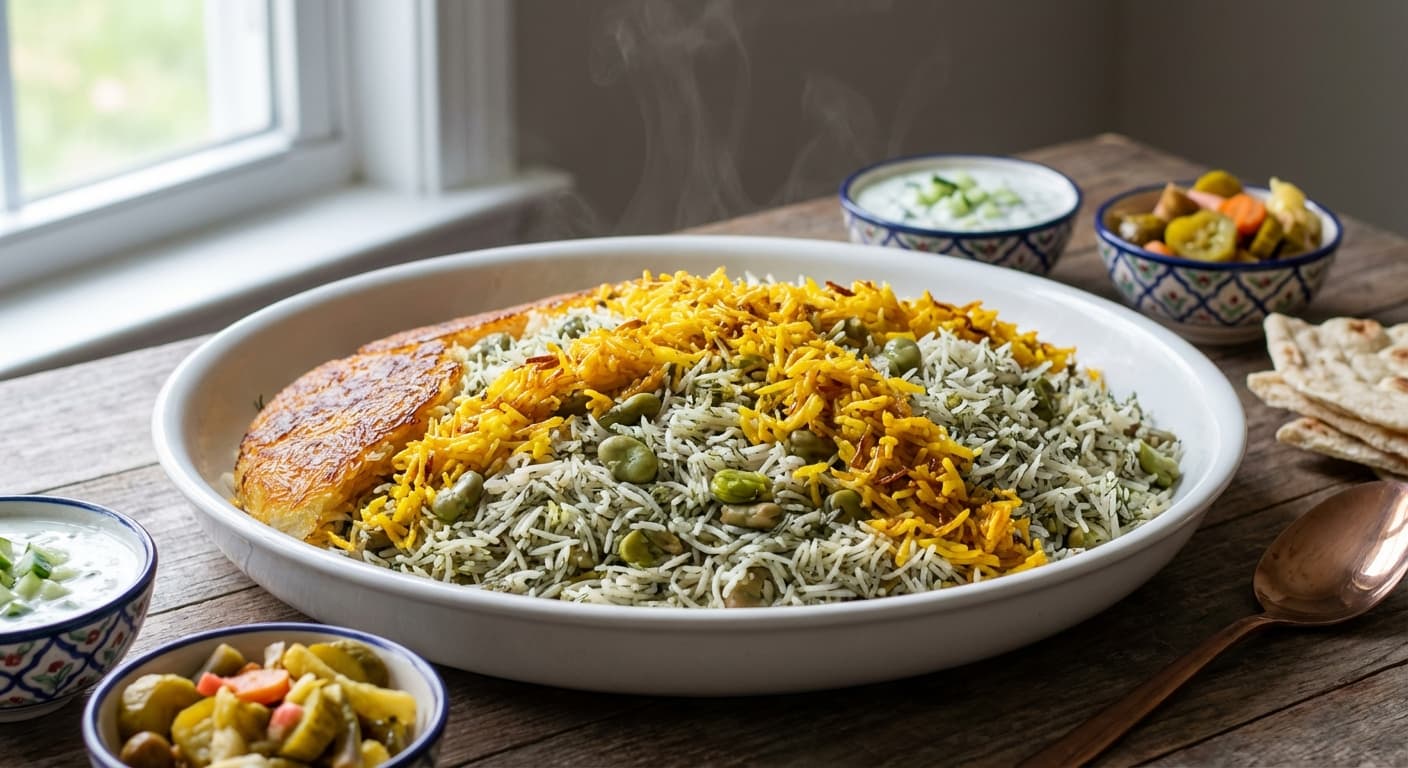
Baghali Polo (باقالی پلو) — Persian Dill and Fava Bean Rice with Saffron
Persian · Rice Dishes · 95 min
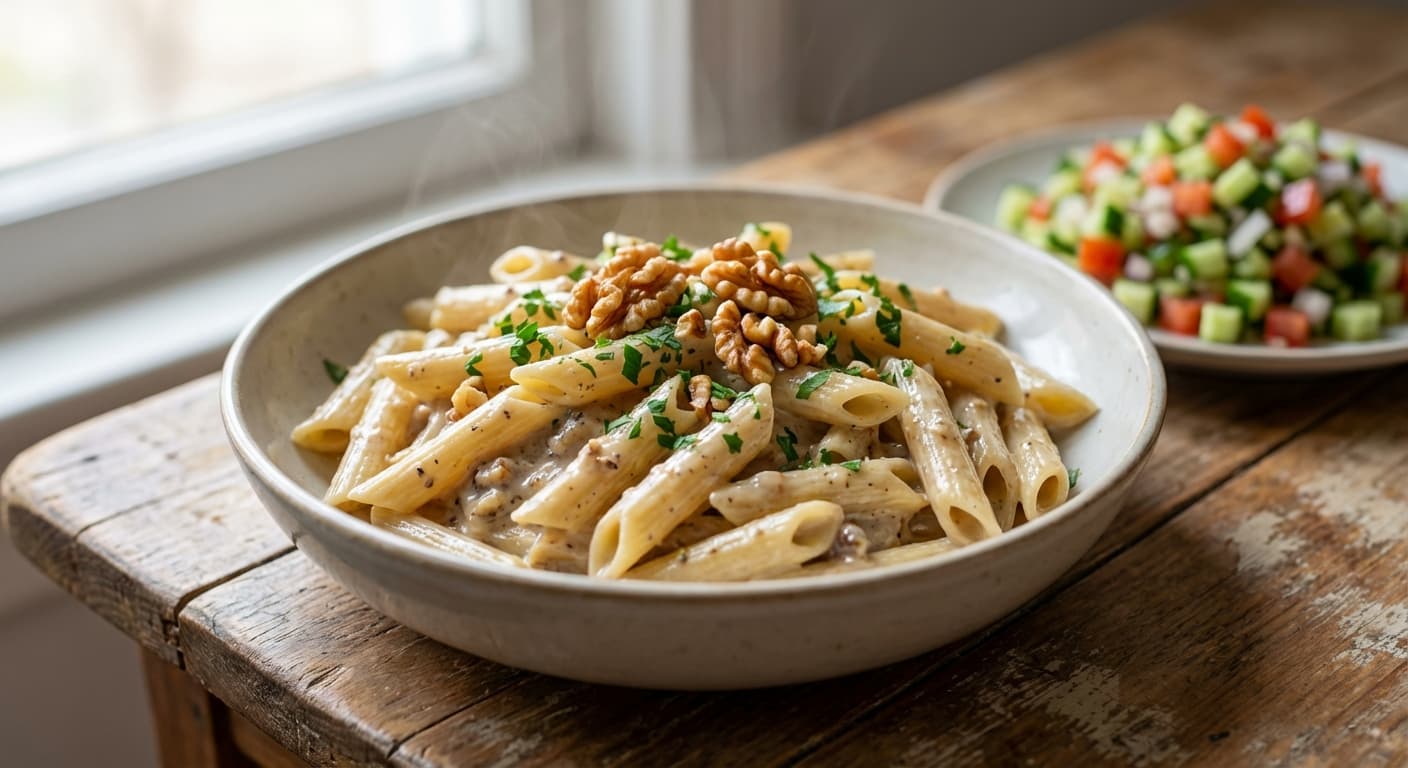
Pasta with Walnut Sauce (پاستا با سس گردو) — Creamy Persian Walnut-Yogurt Pasta
Persian · Main Courses · 35 min
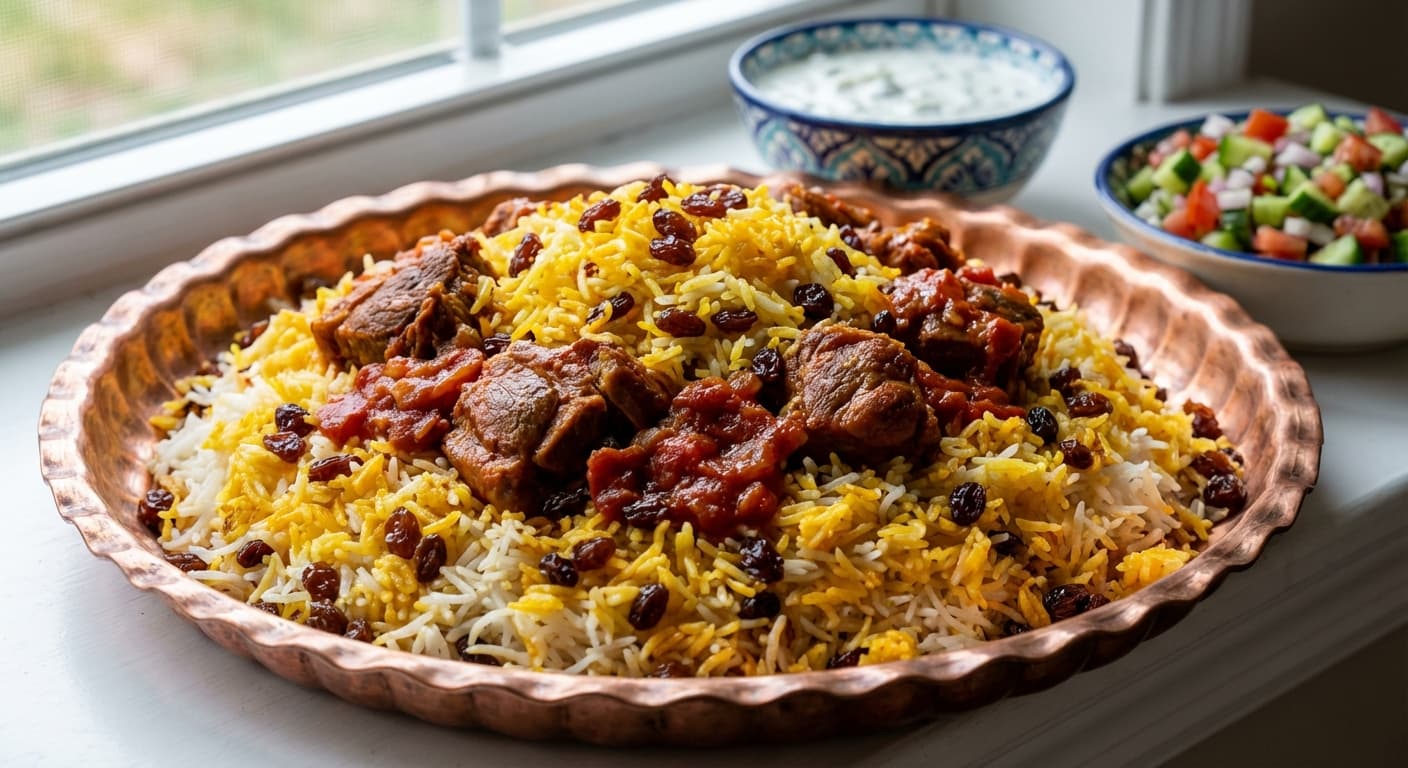
Kashmish Polow (کشمش پلو) — Persian Raisin Rice with Slow-Cooked Lamb
Persian · Rice Dishes · 155 min
Potato Dumplings with Smoked Meat (Strapačky s údeným mäsom) — Rustic Slovak Halušky with Sauerkraut
Slovak · Main Courses · 70 min
Makmoura (مكمورة) — Jordanian Layered Chicken Bread Pie
Jordanian · Main Courses · 185 min
Turkish Shish Kebab (Şiş Kebap) — Charcoal-Grilled Marinated Lamb Skewers
Turkish · Kebabs · 37 min
Urfa Kebab (اورفا کباب) — Mild Turkish minced skewer with sumac onions
Turkish · Kebabs · 37 min
Sernik (Sernik) — Polish Baked Twarog Cheesecake
Polish · Desserts · 105 min
Reviews
Cooked this recipe?
Tap the stars to rate it — that's all it takes. A few words are welcome but optional.
No ratings yet. Cooked this one? Be the first to rate it — it takes one tap.