Gyoza (餃子) — Japanese Pan-Fried Dumplings
Gyoza are Japanese-style pan-fried dumplings with juicy pork-vegetable filling, crisp seared bottoms, and tender steamed tops. They are beloved at home, in ramen shops, and as an izakaya snack.
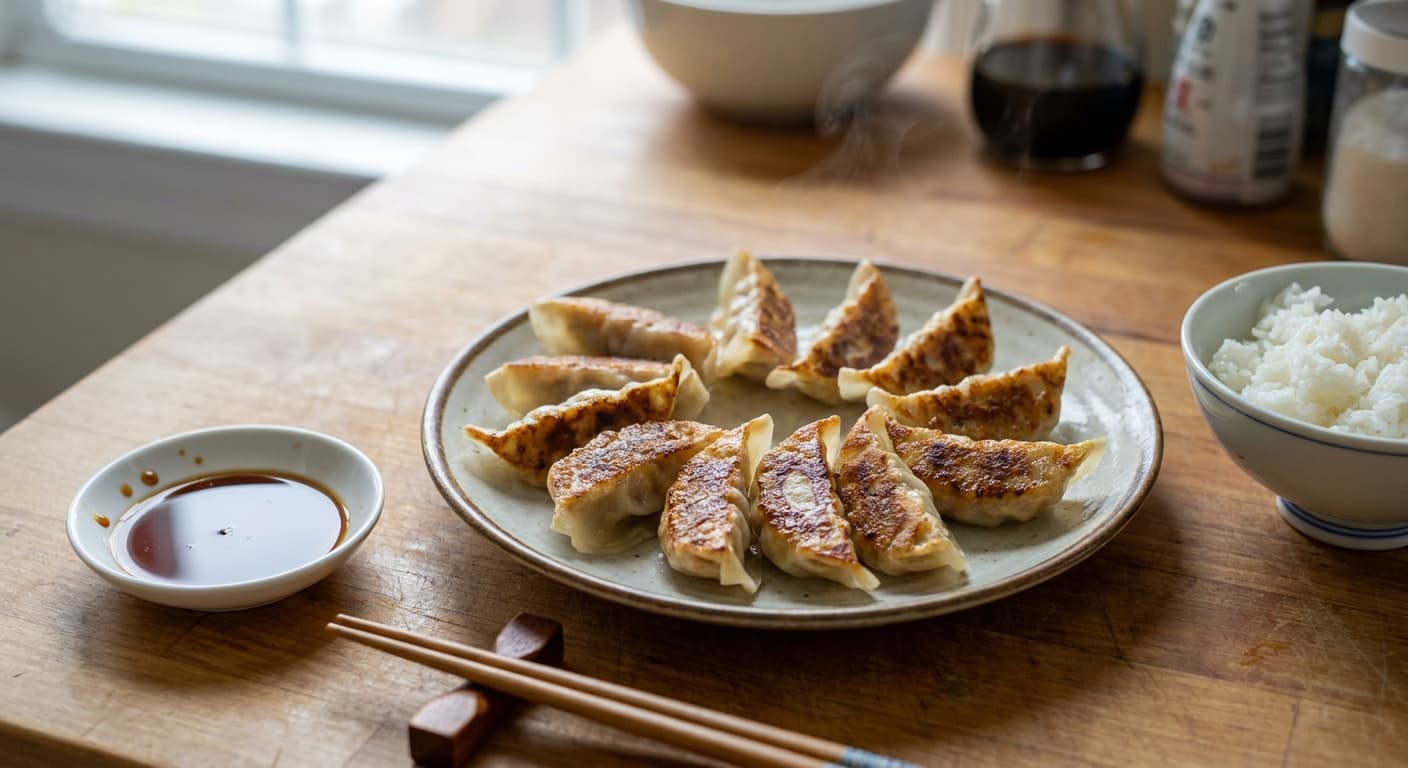
Printable Recipe Card
Servings: 6 · Total: 63 min · Difficulty: medium
Ingredients (quick list)
- 250 g green cabbage (finely chopped)
- 0.75 tsp fine sea salt (for drawing moisture from the cabbage)
- 300 g ground pork (20% fat gives the juiciest texture)
- 2 clove garlic (finely grated)
- 1 inch fresh ginger (peeled and finely grated)
- 60 g garlic chives (nira, finely sliced)
- 2 scallions (finely sliced)
- 1.5 tbsp soy sauce
- 1 tbsp sake
- 2 tsp toasted sesame oil
- 2 tsp potato starch
- 0.25 tsp ground white pepper
+ 6 more in the full ingredients section below.
Steps (summary)
- Place the chopped cabbage in a bowl and mix it with 0.75 tsp fine sea salt. Let it stand for 10 minutes, then squeeze it firmly…
- Put the ground pork in a mixing bowl and stir it vigorously in one direction for 2 minutes until sticky and slightly elastic. T…
- Add the squeezed cabbage, garlic, ginger, garlic chives, scallions, soy sauce, sake, sesame oil, potato starch, and white peppe…
- Set a wrapper on your palm and place 2 tsp of filling in the center. Moisten the edge with water, fold the wrapper in half, and…
- Stand each dumpling seam-side up on a tray lined with parchment paper, pressing lightly so the bottom is flat. Cover the shaped…
- Heat 1 tbsp neutral oil in a nonstick or well-seasoned carbon-steel skillet over medium-high heat. Arrange 15 gyoza flat-side d…
+ 3 more steps in the full instructions section below.
Cultural Background
Japanese gyoza evolved from Chinese jiaozi and became especially popular after the mid-20th century. Today they are an everyday comfort food, often served beside ramen or shared hot from a family skillet.
Equipment
💡 Tips
- Squeezing the salted cabbage thoroughly prevents watery filling and helps the dumplings brown instead of leak.
- Use boiling water for steaming because it keeps the pan temperature high and protects the crisping surface.
- Do not overcrowd the skillet beyond a single tight layer, as gyoza need direct contact with the pan for a proper seared bottom.
⚠️ Common Mistakes
❌ The filling turns wet and leaks during cooking.
✅ Fix: Salt the cabbage, rest it for 10 minutes, and squeeze it thoroughly before mixing it into the pork.
❌ The bottoms burn before the tops cook through.
✅ Fix: Brown only until golden, then add boiling water and cover promptly so steam cooks the wrappers and filling.
❌ The dumplings tear while folding.
✅ Fix: Use fresh wrappers, keep them covered, and moisten only the edge rather than soaking the whole wrapper.
🧊 How to Store
Refrigerate cooked gyoza in an airtight container for up to 3 days. Reheat in a covered skillet with 2 tbsp water for 2 minutes, then uncover and crisp the bottoms for 1 to 2 minutes.
📅 Make Ahead
Shape the gyoza up to 6 hours ahead and refrigerate them covered on a parchment-lined tray. For longer storage, freeze them raw in a single layer, then bag them for up to 1 month.
🍽️ Pairs Well With
- Soy-vinegar dipping sauce
- rayu chili oil
- ramen
- steamed Japanese rice
- cucumber sunomono
- miso soup.
Regional Variations
- Utsunomiya-style gyoza are often vegetable-forward and served with a simple vinegar-soy-chili dipping sauce.
- Hakata-style bite-size gyoza are smaller, crispier, and commonly cooked in large batches for sharing.
- Sui-gyoza are boiled rather than pan-fried, giving a softer wrapper and lighter finish.
Ingredients
- 250 ggreen cabbage (finely chopped)
- 0.75 tspfine sea salt (for drawing moisture from the cabbage)
- 300 gground pork (20% fat gives the juiciest texture)
- 2 clovegarlic (finely grated)
- 1 inchfresh ginger (peeled and finely grated)
- 60 ggarlic chives (nira, finely sliced)
- 2scallions (finely sliced)
- 1.5 tbspsoy sauce
- 1 tbspsake
- 2 tsptoasted sesame oil
- 2 tsppotato starch
- 0.25 tspground white pepper
- 30round gyoza wrappers (about 9 cm diameter)
- 60 mlwater (for sealing wrappers)
- 2 tbspneutral oil (divided between batches)
- 120 mlboiling water (60 ml per batch)
- 3 tbsprice vinegar
- 1 tsprayu chili oil
🔄 Substitutions
- ground pork→ ground chicken thigh
- garlic chives→ scallions plus 0.5 tsp grated garlic
- sake→ dry sherry
Instructions
- 1
Place the chopped cabbage in a bowl and mix it with 0.75 tsp fine sea salt. Let it stand for 10 minutes, then squeeze it firmly in a clean towel until the cabbage feels damp rather than wet.
- 2
Put the ground pork in a mixing bowl and stir it vigorously in one direction for 2 minutes until sticky and slightly elastic. This develops the protein structure that helps the filling hold together and stay juicy.
- 3
Add the squeezed cabbage, garlic, ginger, garlic chives, scallions, soy sauce, sake, sesame oil, potato starch, and white pepper to the pork. Mix in one direction for another 2 minutes, then refrigerate the filling for 15 minutes so it firms up for wrapping.
- 4
Set a wrapper on your palm and place 2 tsp of filling in the center. Moisten the edge with water, fold the wrapper in half, and pleat only the front edge 5 to 6 times while pressing it against the flat back edge to seal tightly.
- 5
Stand each dumpling seam-side up on a tray lined with parchment paper, pressing lightly so the bottom is flat. Cover the shaped gyoza with a barely damp kitchen towel while you finish the rest so the wrappers do not dry out.
- 6
Heat 1 tbsp neutral oil in a nonstick or well-seasoned carbon-steel skillet over medium-high heat. Arrange 15 gyoza flat-side down in a tight single layer and cook for 2 to 3 minutes, until the bottoms are clearly golden brown.
- 7
Carefully pour 60 ml boiling water around the dumplings, immediately cover the pan, and steam for 4 to 5 minutes. Remove the lid and continue cooking for 1 to 2 minutes until the water has evaporated and the bottoms sizzle again.
- 8
Drizzle 0.5 tsp toasted sesame oil around the edge of the pan and cook for 30 seconds to re-crisp the bases. Invert the gyoza onto a plate or lift them out with a spatula, then repeat the same sear-steam-crisp method with the second batch.
- 9
Stir together 3 tbsp soy sauce, 3 tbsp rice vinegar, and 1 tsp rayu chili oil in a small bowl. Serve the gyoza immediately while the bottoms are crisp and the tops are still tender and steamy.
🪪 Recipe Passport
Cultural Background
Japanese gyoza evolved from Chinese jiaozi and became especially popular after the mid-20th century. Today they are an everyday comfort food, often served beside ramen or shared hot from a family skillet.
Regional Variations
Researched from multiple sources and validated by the Zaffaron editorial team. Every recipe is tested for accuracy, measurements, and cultural authenticity.
📚 Sources & Cultural References
- Tadashi Ono and Harris Salat — Japanese Soul Cooking — (2013)
- Hiroko Shimbo — The Japanese Kitchen — (2000)
Sources cited by the Zaffaron editorial team during recipe research. Cultural and culinary references supporting authenticity claims.
Nutrition per serving
Pairs well with
If you enjoyed this recipe, here are a few related Zaffaron recipes to try next.
Does your family make this differently?
Every family has their own version. Maybe your grandmother adds a secret ingredient, or your aunt has a completely different technique. Preserve your family's version — with their name on it, forever.
You Might Also Like
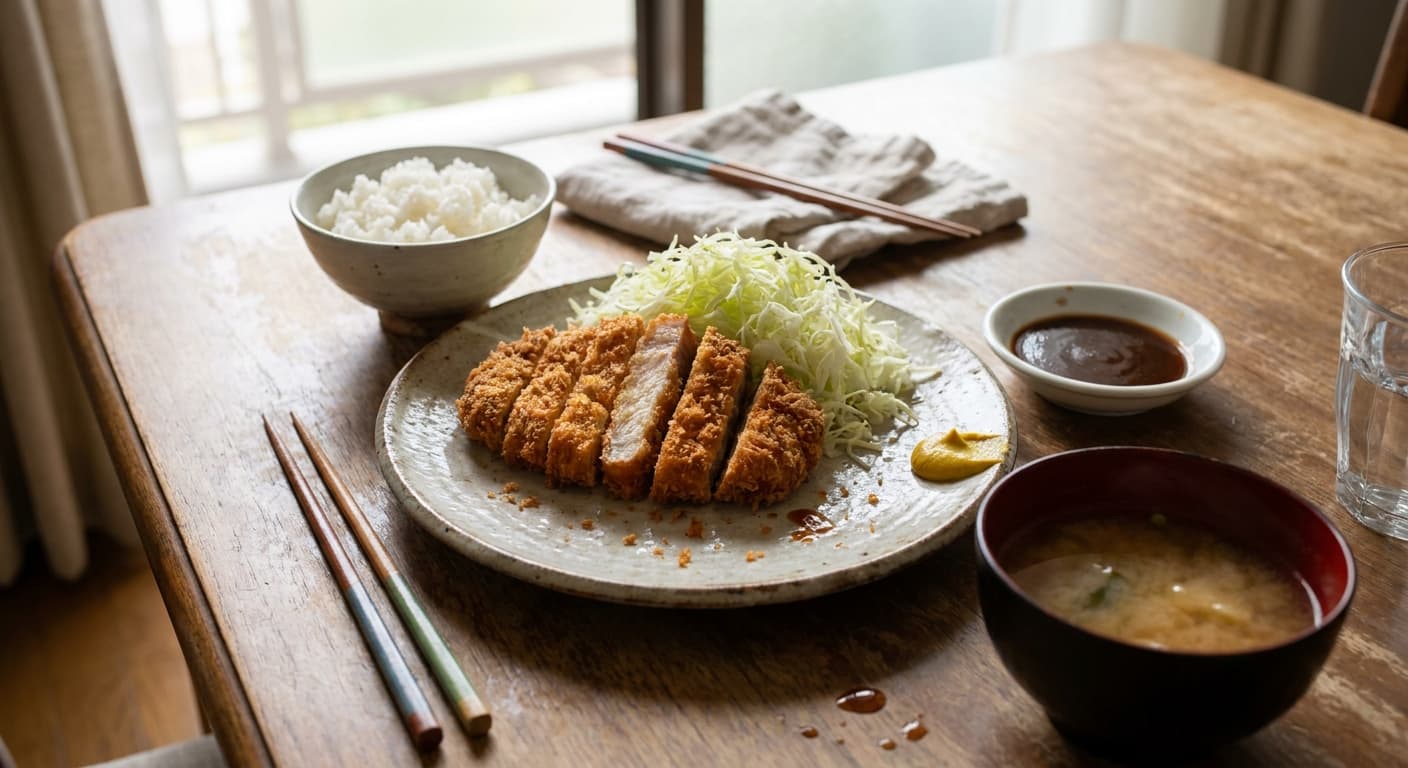
Tonkatsu (豚カツ) — Crisp Japanese Pork Cutlet
Japanese · Main Courses · 43 min
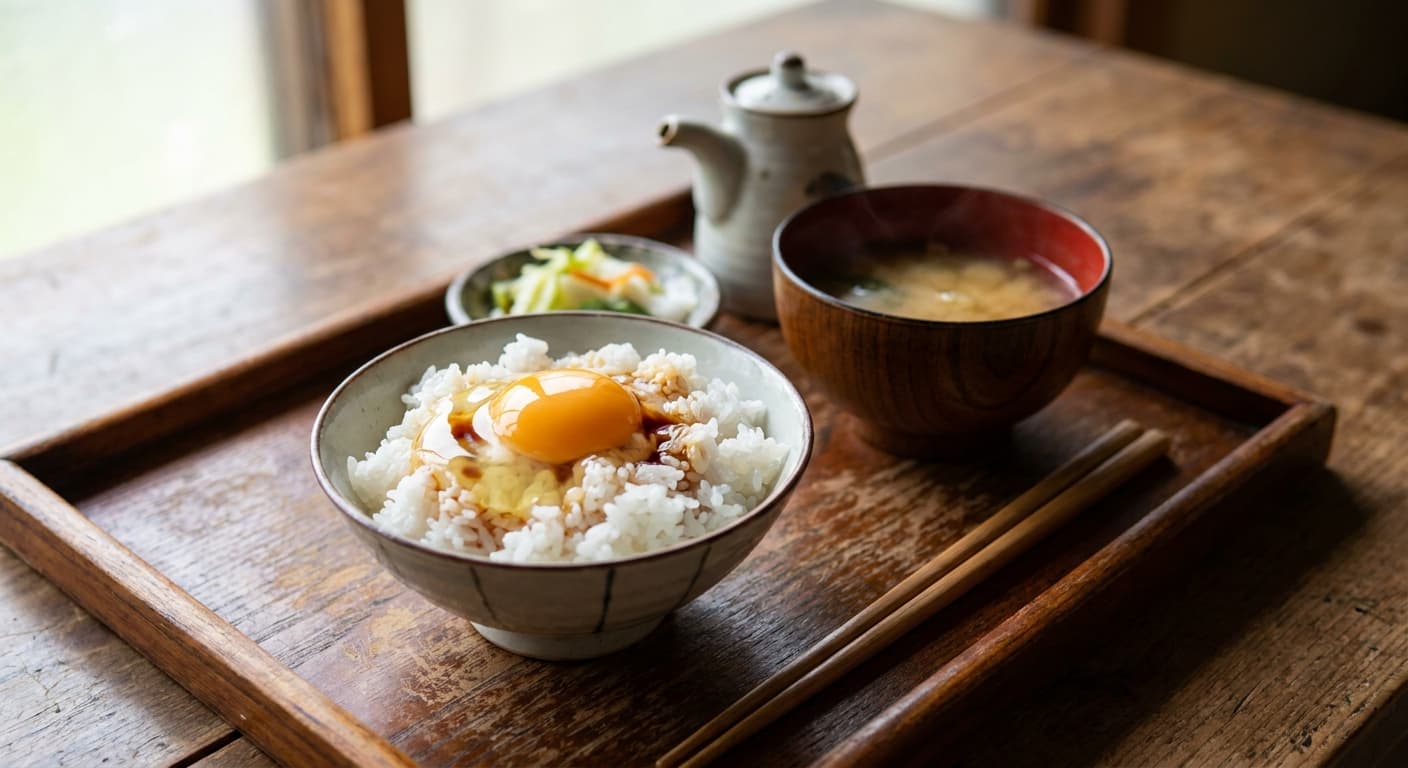
Tamago Kake Gohan (卵かけご飯) — Japanese Raw Egg Rice Breakfast
Japanese · Rice Dishes · 40 min
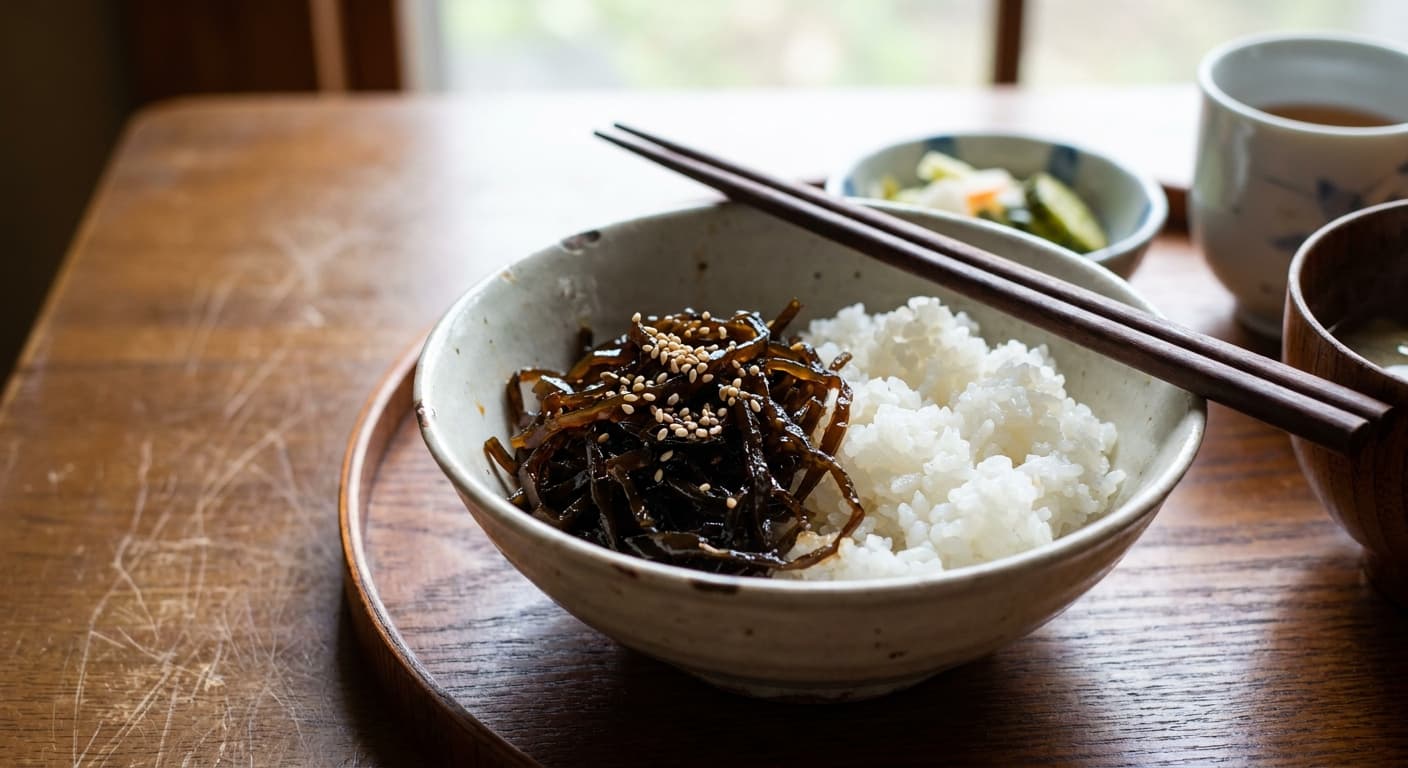
Kombu no Tsukudani (昆布の佃煮) — Soy-Simmered Kelp Relish
Japanese · Side Dishes · 65 min
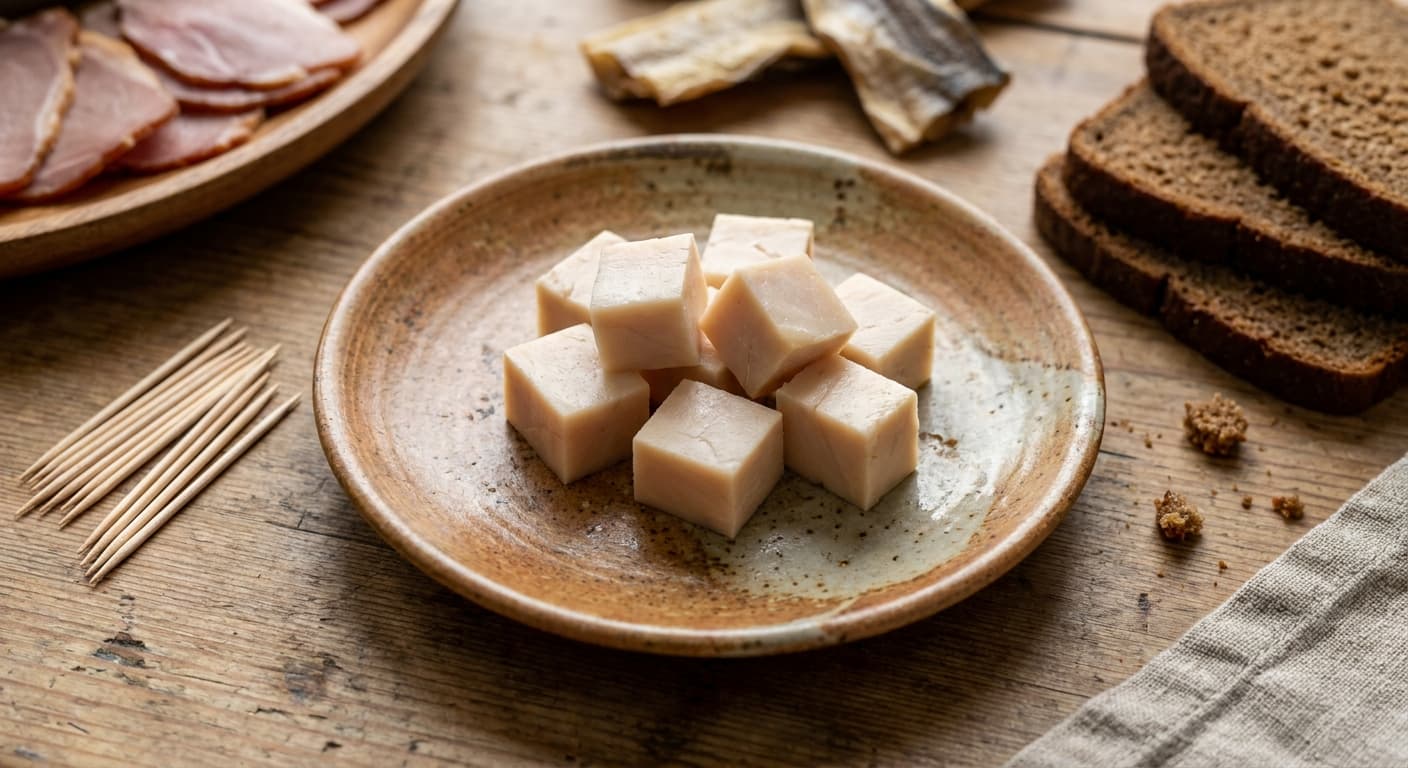
Hákarl (Hákarl) — Icelandic Fermented Shark Bites
Icelandic · Appetizers · 15 min
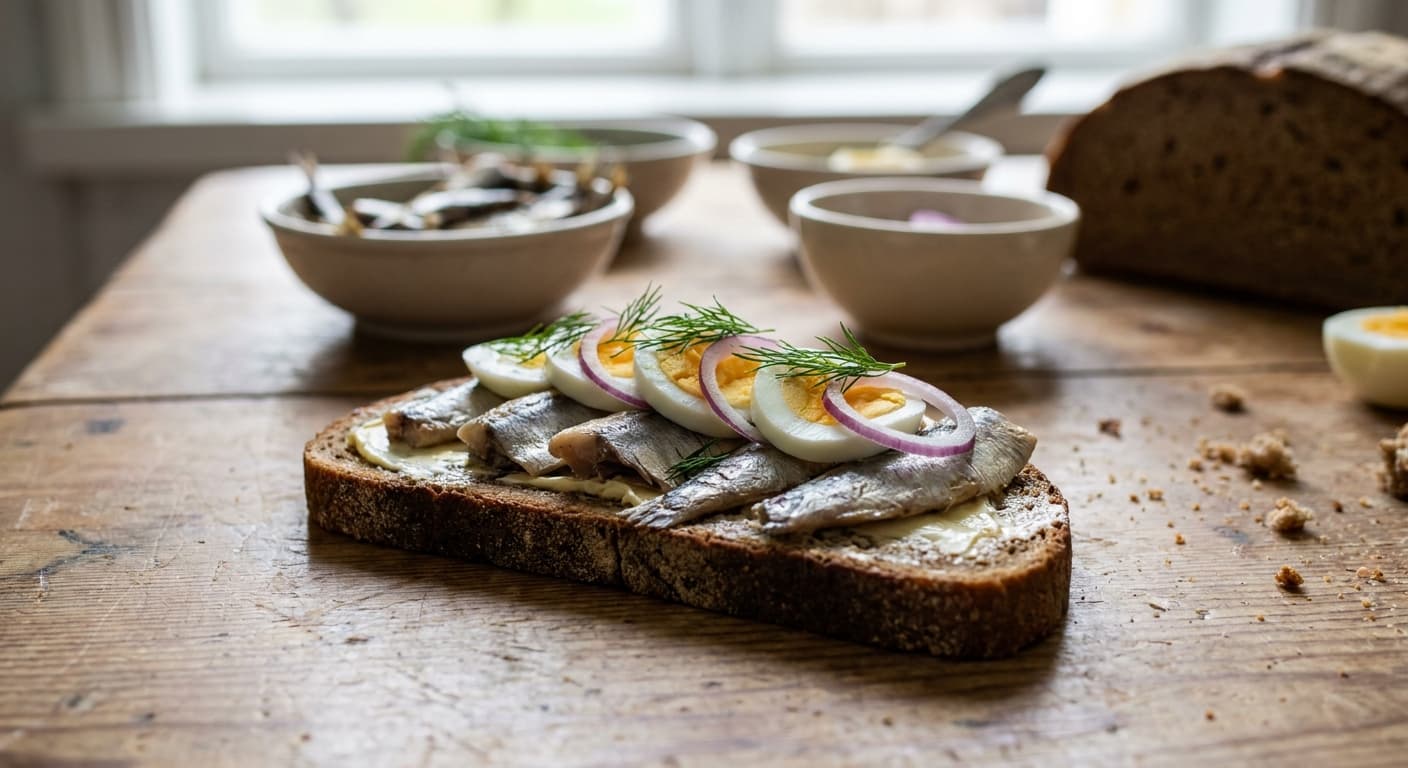
Sprat Sandwich (Kiluvõileib) — Estonian Rye and Baltic Sprat Open-Face
Estonian · Appetizers · 25 min
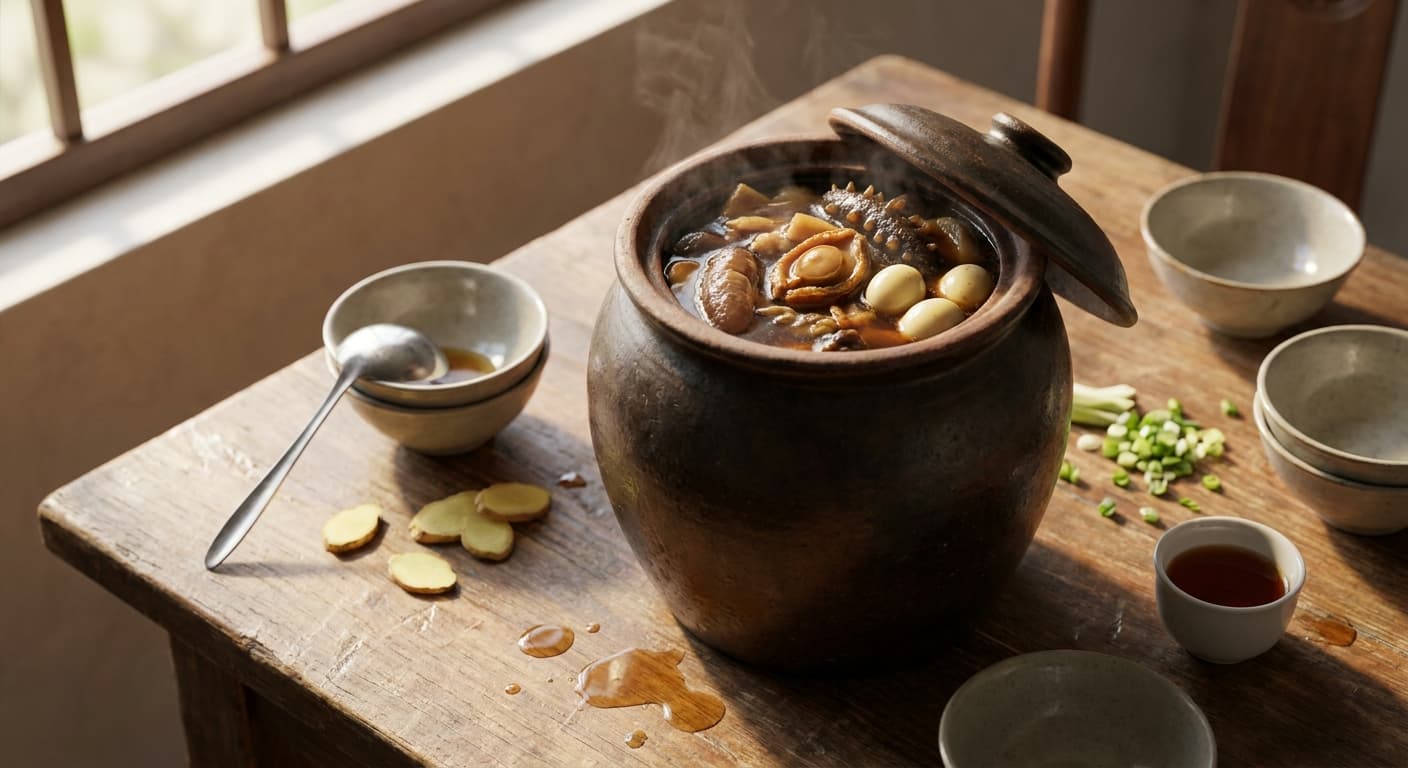
Buddha Jumps Over the Wall (佛跳墙) — Fujian Banquet Treasure Soup
Chinese · Soups · 540 min
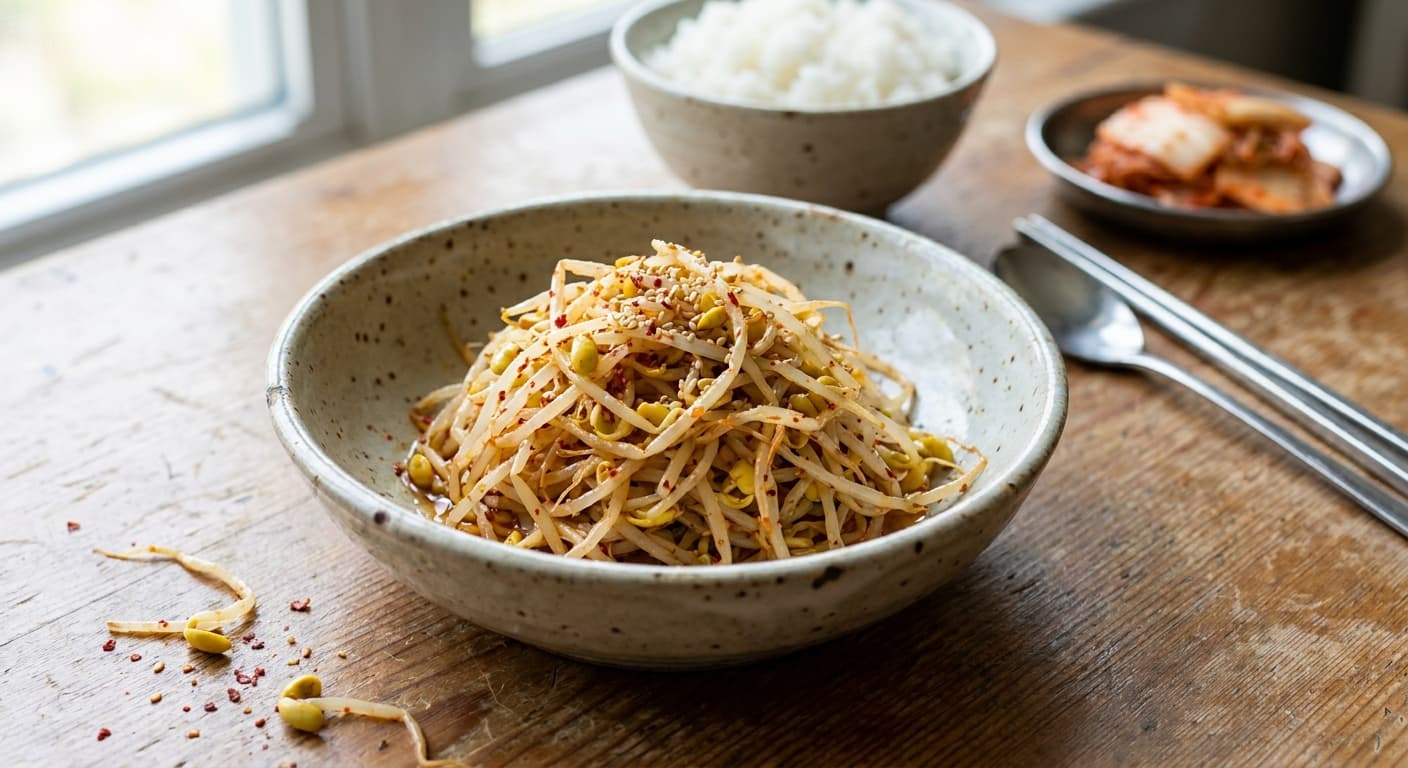
Kongnamul Muchim (콩나물무침) — Korean Seasoned Soybean Sprout Banchan
Korean · Side Dishes · 16 min
Thoran (തോരൻ) — Kerala Coconut Vegetable Stir-Fry
Indian · Side Dishes · 35 min
Reviews
Cooked this recipe?
Tap the stars to rate it — that's all it takes. A few words are welcome but optional.
No ratings yet. Cooked this one? Be the first to rate it — it takes one tap.