Falafel Khaneghi (فلافل خانگی) — Persian Homemade Chickpea Fritters
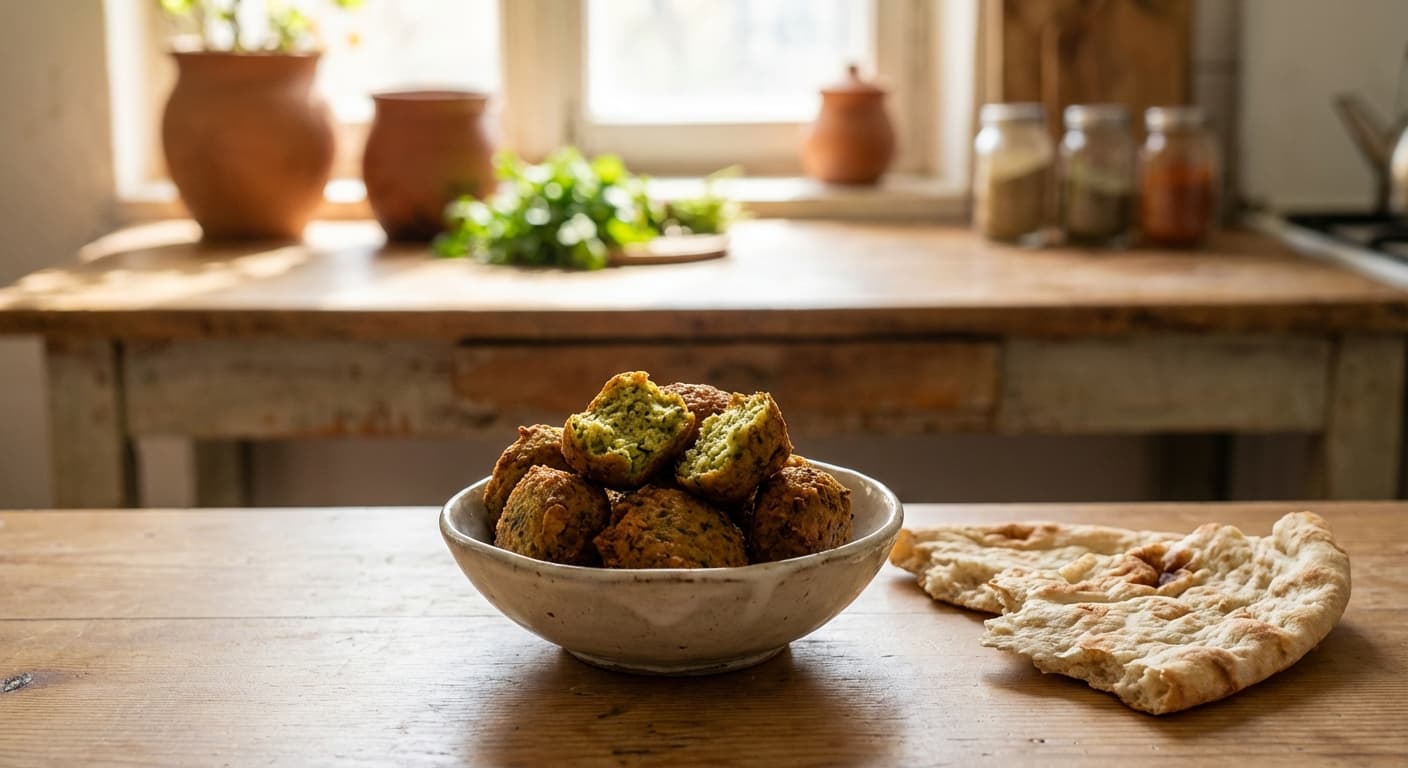
Crisp outside and tender, herb-flecked inside, these Persian-style homemade falafel use soaked dried chickpeas, fresh herbs, and toasted spices for deep aroma and a light, airy bite.
Printable Recipe Card
Servings: 4 · Total: 780 min · Difficulty: medium
Ingredients (quick list)
- 250 g Dried chickpeas (soaked 12 hours, then drained very well)
- 1 tsp Baking soda (for soaking water)
- 120 g Yellow onion (roughly chopped)
- 12 g Garlic cloves (about 3 cloves, peeled)
- 25 g Fresh parsley (leaves and tender stems, roughly chopped)
- 25 g Fresh cilantro (leaves and tender stems, roughly chopped)
- 2 tsp Ground cumin (toast briefly in a dry pan for 30 seconds, then cool)
- 2 tsp Ground coriander (toast briefly in a dry pan for 30 seconds, then cool)
- 1.5 tsp Fine sea salt
- 0.5 tsp Black pepper (freshly ground)
- 1 tsp Baking powder (mix in just before frying)
- 2 tbsp Water (only if needed to help the mixture bind)
+ 1 more in the full ingredients section below.
Steps (summary)
- Soak the chickpeas: Rinse dried chickpeas, then cover with at least 7 cm of cool water in a large bowl. Stir in the baking soda…
- Dry and prep for grinding: Spread drained chickpeas on a clean towel and pat very dry for 2–3 minutes; excess water can cause t…
- Grind the mixture: In a food processor, pulse chickpeas, onion, garlic, parsley, cilantro, toasted cumin, toasted coriander, sa…
- Rest and adjust: Transfer to a bowl, cover, and refrigerate 30 minutes to hydrate and firm up. If the mixture feels crumbly aft…
- Heat oil and add leavener: Pour frying oil into a heavy pot to a depth of 5–6 cm. Heat to 175°C (350°F) and maintain 170–180°C.…
- Shape and fry: With wet hands or a scoop, form 14–16 balls or patties (about 30 g each), pressing firmly so they hold. Fry in b…
Cultural Background
Falafel is widely enjoyed across the Middle East, including the Levant and parts of Iran, where it is often served as a casual street food and a popular home-cooked snack. It is valued for being filling, affordable, and well-suited to sharing in wraps and platters with herbs, pickles, and sauces.
Equipment
💡 Tips
- Use soaked dried chickpeas only; cooked or canned chickpeas make a paste-like mixture that often falls apart in oil.
- Pat chickpeas very dry before processing to prevent cracking and oil splatter.
- For maximum crunch, drain on a wire rack so steam does not soften the crust.
- Keep oil between 170–180°C (340–355°F); cooler oil makes greasy falafel, hotter oil browns before the center sets.
- If you do not have a thermometer, test with a small nugget: it should bubble steadily and turn golden in about 60–75 seconds.
⚠️ Common Mistakes
❌ Using canned or cooked chickpeas
💡 Why: They are already hydrated and break down into a smooth paste that can disintegrate or turn dense when fried.
✅ Fix: Start with dried chickpeas soaked 12–16 hours; do not boil them.
❌ Processing into a hummus-like paste
💡 Why: Over-processing releases too much starch and moisture, leading to heavy falafel and weak structure.
✅ Fix: Pulse in short bursts until coarse and sandy; stop as soon as the mixture clumps when squeezed.
❌ Oil temperature too low or too high
💡 Why: Low heat makes greasy falafel; high heat browns the outside before the inside sets, causing cracking.
✅ Fix: Hold oil at 170–180°C (340–355°F) and fry in small batches so temperature does not drop.
❌ Adding baking powder too early
💡 Why: Leavening can lose potency during a long rest and can also loosen the mixture.
✅ Fix: Mix baking powder in right before shaping and frying.
🧊 How to Store
Cool completely, then refrigerate cooked falafel in an airtight container up to 3 days. Re-crisp in a 220°C (425°F) oven for 8–10 minutes or in an air fryer at 200°C (390°F) for 4–6 minutes. Freeze cooked falafel up to 2 months; reheat from frozen at 220°C (425°F) for 12–15 minutes.
📅 Make Ahead
Soak chickpeas up to 16 hours. The ground mixture (without baking powder) can be refrigerated up to 24 hours; stir in baking powder just before frying. Shaped raw falafel can be frozen on a tray, then bagged for up to 2 months; fry from frozen at 170°C (340°F) for 5–6 minutes.
🍽️ Pairs Well With
- Warm flatbread or pita
- Cucumber-tomato salad
- Pickled turnips or mixed pickles
- Tahini sauce or yogurt-herb sauce
- Lettuce
- sliced onion
- and tomatoes for wraps
Regional Variations
- Southern Iran (Khuzestan-style influence)Often served in sandwiches with more pickles and a punchy sauce; the herb mix may lean heavier on cilantro and garlic for a brighter aroma.
- Levantine-styleCommonly includes additional warm spices and may be shaped slightly flatter for extra surface crunch; served with tahini sauce and chopped salad in pita.
Ingredients
- 250 gDried chickpeas (soaked 12 hours, then drained very well)
- 1 tspBaking soda (for soaking water)
- 120 gYellow onion (roughly chopped)
- 12 gGarlic cloves (about 3 cloves, peeled)
- 25 gFresh parsley (leaves and tender stems, roughly chopped)
- 25 gFresh cilantro (leaves and tender stems, roughly chopped)
- 2 tspGround cumin (toast briefly in a dry pan for 30 seconds, then cool)
- 2 tspGround coriander (toast briefly in a dry pan for 30 seconds, then cool)
- 1.5 tspFine sea salt
- 0.5 tspBlack pepper (freshly ground)
- 1 tspBaking powder (mix in just before frying)
- 2 tbspWater (only if needed to help the mixture bind)
- 750 mlNeutral frying oil (sunflower, canola, or peanut oil; enough for 5–6 cm depth)
🔄 Substitutions
- Fresh parsley→ Fresh dill (same weight)
- Neutral frying oil→ Deep air-frying with oil spray
- Yellow onion→ Shallot (same weight)
Instructions
- 1
Soak the chickpeas: Rinse dried chickpeas, then cover with at least 7 cm of cool water in a large bowl. Stir in the baking soda, cover, and soak 12 hours at room temperature (or 16 hours in a cool kitchen). Drain, rinse well, and drain again for 5 minutes.
- 2
Dry and prep for grinding: Spread drained chickpeas on a clean towel and pat very dry for 2–3 minutes; excess water can cause the falafel to break. Roughly chop onion, parsley, and cilantro. Briefly toast cumin and coriander in a dry skillet over medium heat for 30 seconds, then cool 2 minutes.
- 3
Grind the mixture: In a food processor, pulse chickpeas, onion, garlic, parsley, cilantro, toasted cumin, toasted coriander, salt, and black pepper. Pulse 20–30 times, scraping down as needed, until the texture resembles coarse, damp sand and holds when squeezed; avoid making a smooth paste.
- 4
Rest and adjust: Transfer to a bowl, cover, and refrigerate 30 minutes to hydrate and firm up. If the mixture feels crumbly after resting, sprinkle in up to 2 tablespoons water, 1 teaspoon at a time, mixing with a spoon until it clumps when pressed without turning wet.
- 5
Heat oil and add leavener: Pour frying oil into a heavy pot to a depth of 5–6 cm. Heat to 175°C (350°F) and maintain 170–180°C. Stir baking powder evenly into the chilled mixture just before shaping; this timing helps create a lighter interior without weakening the mixture during resting.
- 6
Shape and fry: With wet hands or a scoop, form 14–16 balls or patties (about 30 g each), pressing firmly so they hold. Fry in batches for 3–4 minutes, turning once, until deep golden brown. Drain on a rack (not paper) for 2 minutes; rest oil back to temperature between batches.
🪪 Recipe Passport
Cultural Background
Falafel is widely enjoyed across the Middle East, including the Levant and parts of Iran, where it is often served as a casual street food and a popular home-cooked snack. It is valued for being filling, affordable, and well-suited to sharing in wraps and platters with herbs, pickles, and sauces.
Regional Variations
Researched from multiple sources and validated by the Zaffaron editorial team. Every recipe is tested for accuracy, measurements, and cultural authenticity.
Nutrition per serving
Pairs well with
If you enjoyed this recipe, here are a few related Zaffaron recipes to try next.
- Kuku-ye Sibzamini va Sabzijat-e Risheh (کوکو سیبزمینی و سبزیجات ریشهای) — Persian Golden Potato & Root Vegetable Galettes
- Felfel Polo ba Morgh (فلفل پلو با مرغ) — Peppery saffron rice with tender chicken
- Gharch Sookhari (قارچ سوخاری) — Persian Crispy Fried Mushrooms
- Ghormeh Sabzi Polo (قورمه سبزی پلو) — Herb-Scented Persian Rice with Lamb and Dried Lime
Does your family make this differently?
Every family has their own version. Maybe your grandmother adds a secret ingredient, or your aunt has a completely different technique. Preserve your family's version — with their name on it, forever.
You Might Also Like
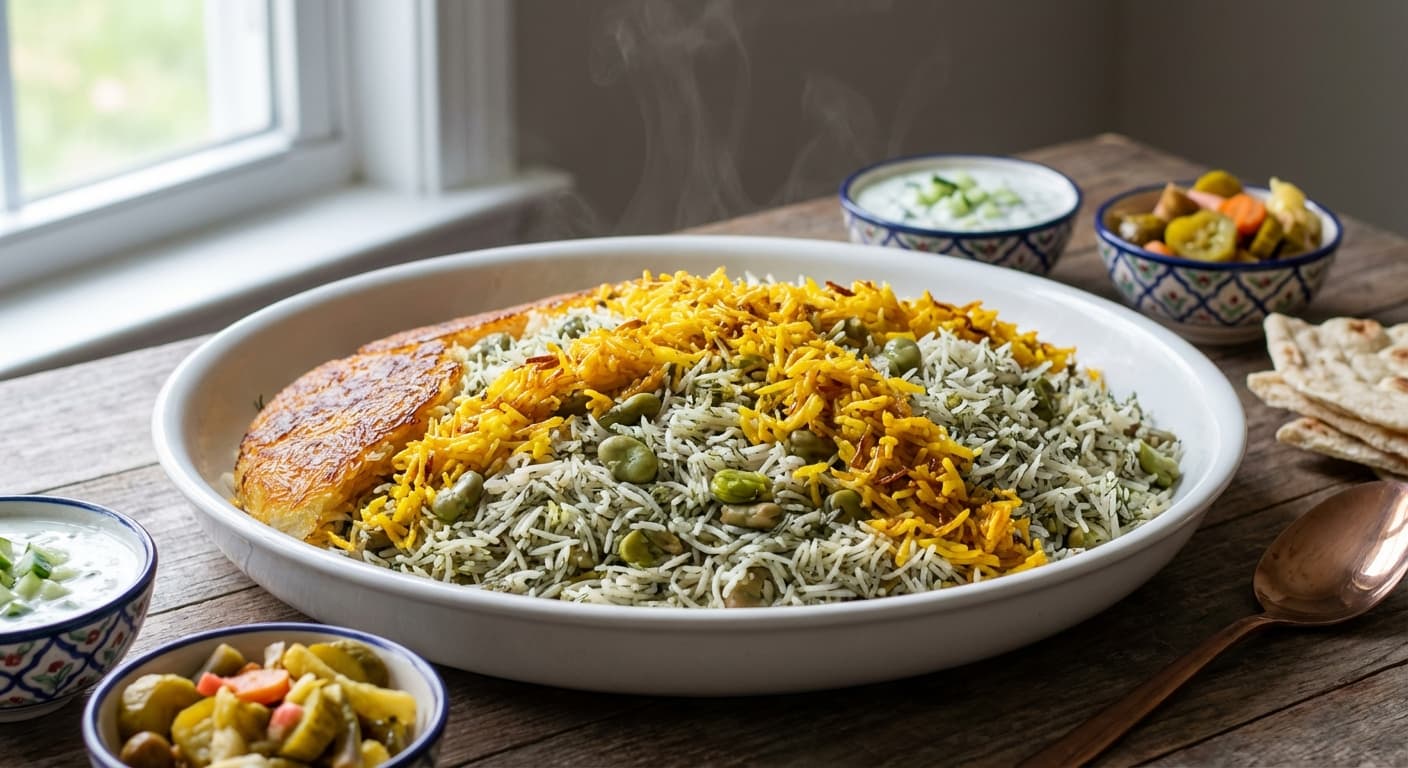
Baghali Polo (باقالی پلو) — Persian Dill and Fava Bean Rice with Saffron
Persian · Rice Dishes · 95 min
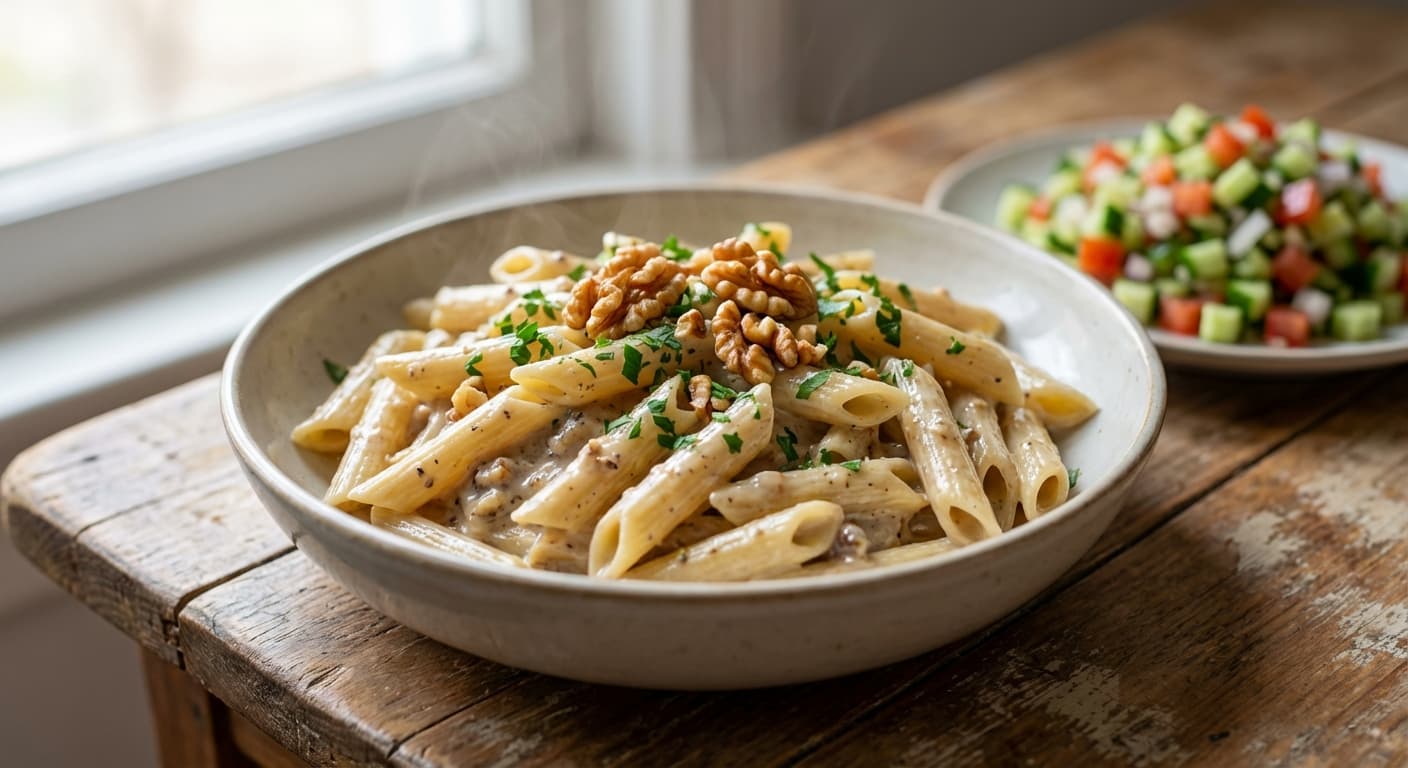
Pasta with Walnut Sauce (پاستا با سس گردو) — Creamy Persian Walnut-Yogurt Pasta
Persian · Main Courses · 35 min
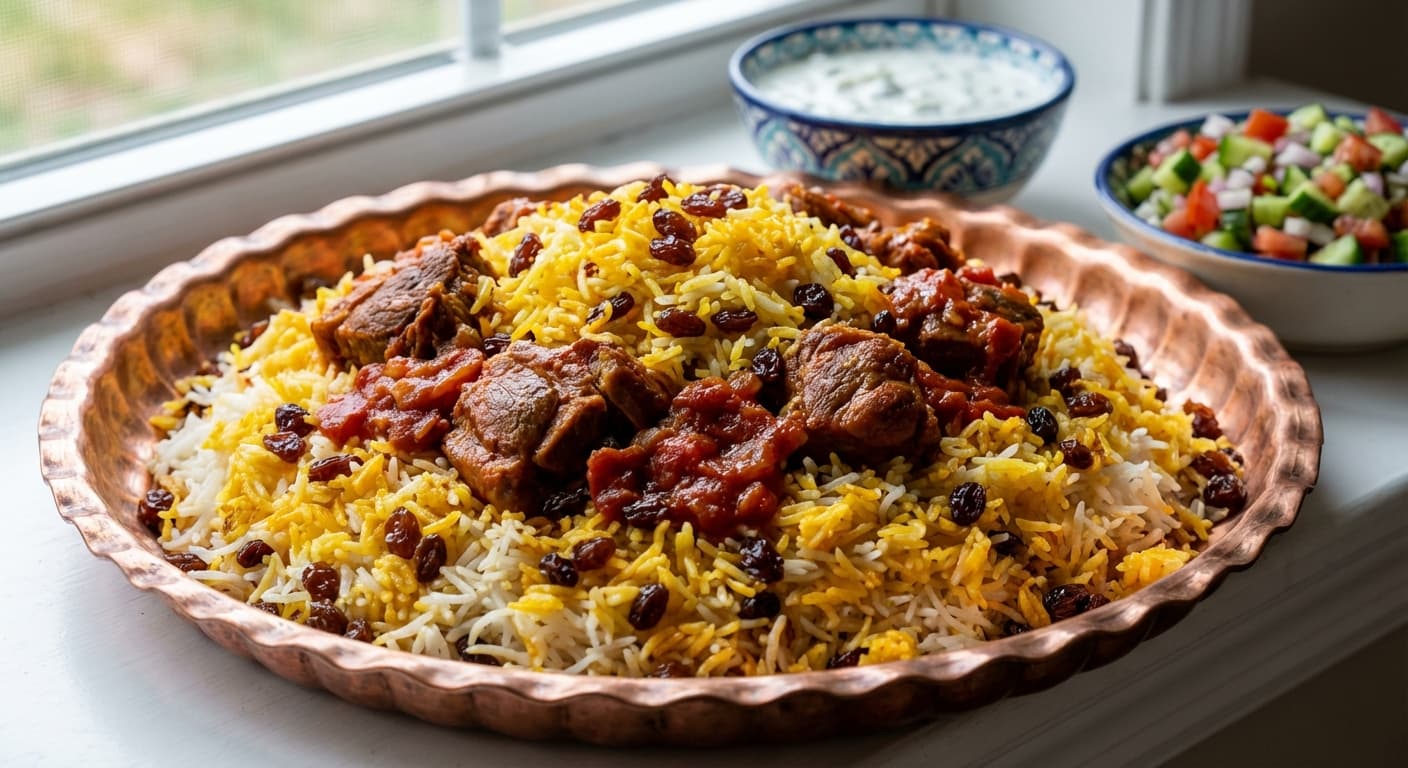
Kashmish Polow (کشمش پلو) — Persian Raisin Rice with Slow-Cooked Lamb
Persian · Rice Dishes · 155 min
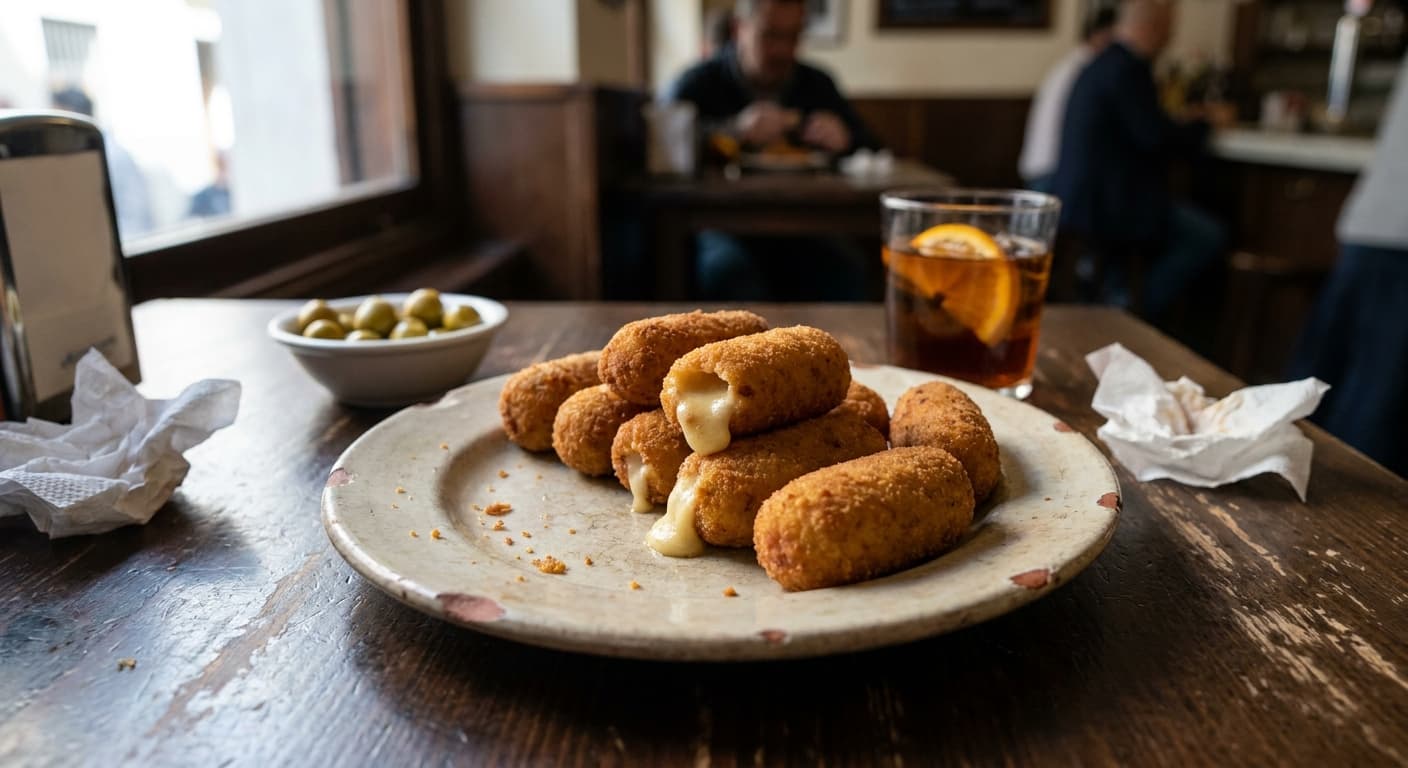
Spanish Ham Croquettes (Croquetas de Jamón) — Crisp Tapas with Creamy Ham Béchamel
Spanish · Appetizers · 70 min
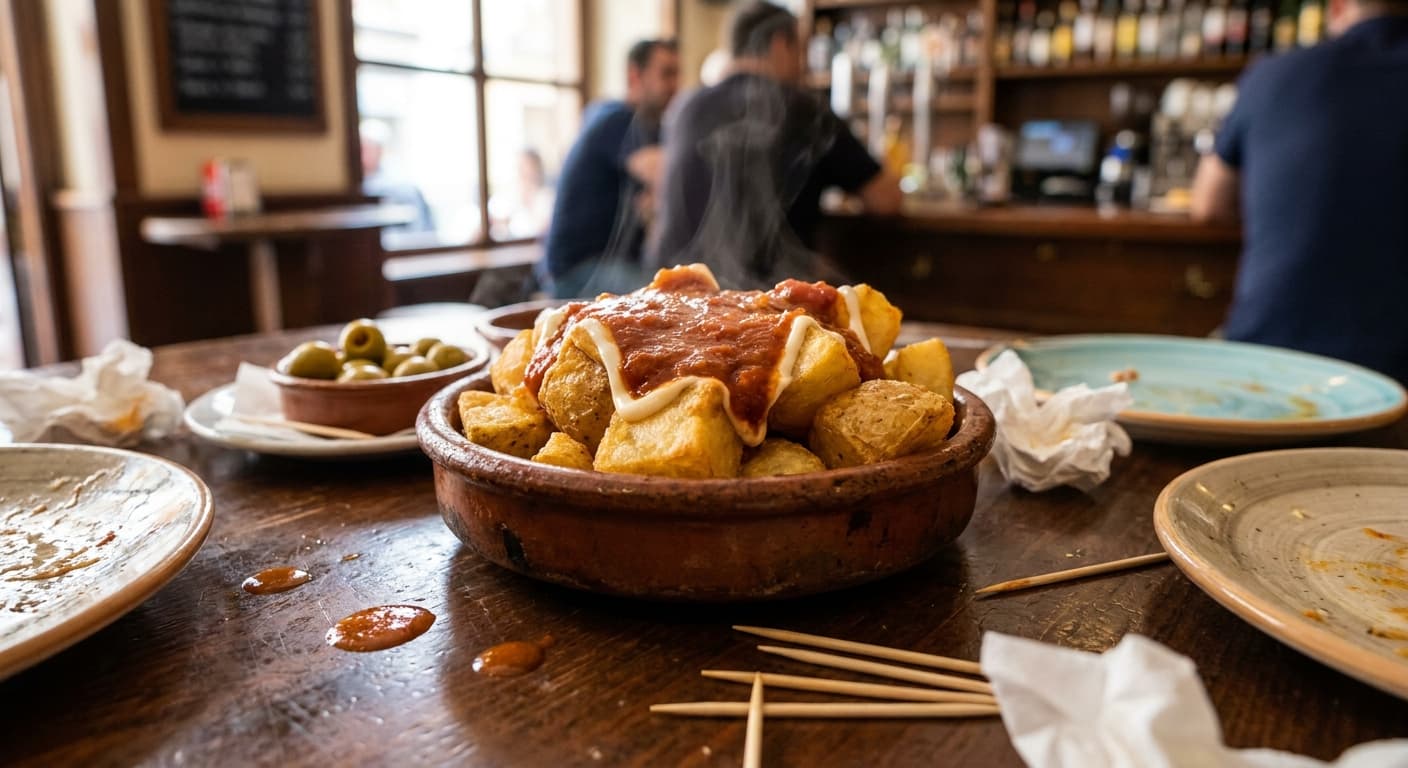
Patatas Bravas (Patatas bravas) — Crisp Spanish Tapas Potatoes with Spicy Brava Sauce
Spanish · Appetizers · 55 min
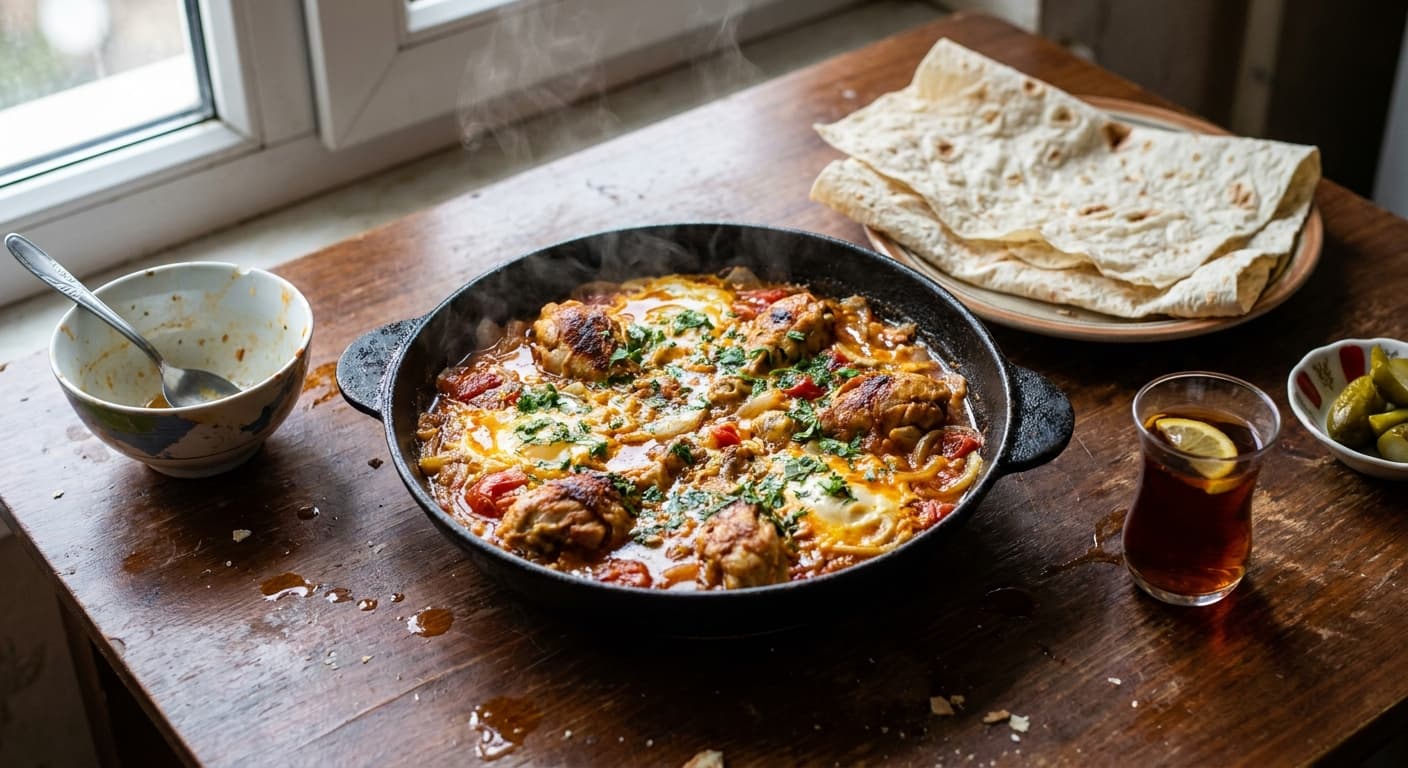
Chicken Chygyrtma (Toyuq Çığırtması) — Azerbaijani Chicken with Eggs and Tomatoes
Azerbaijani · Main Courses · 65 min
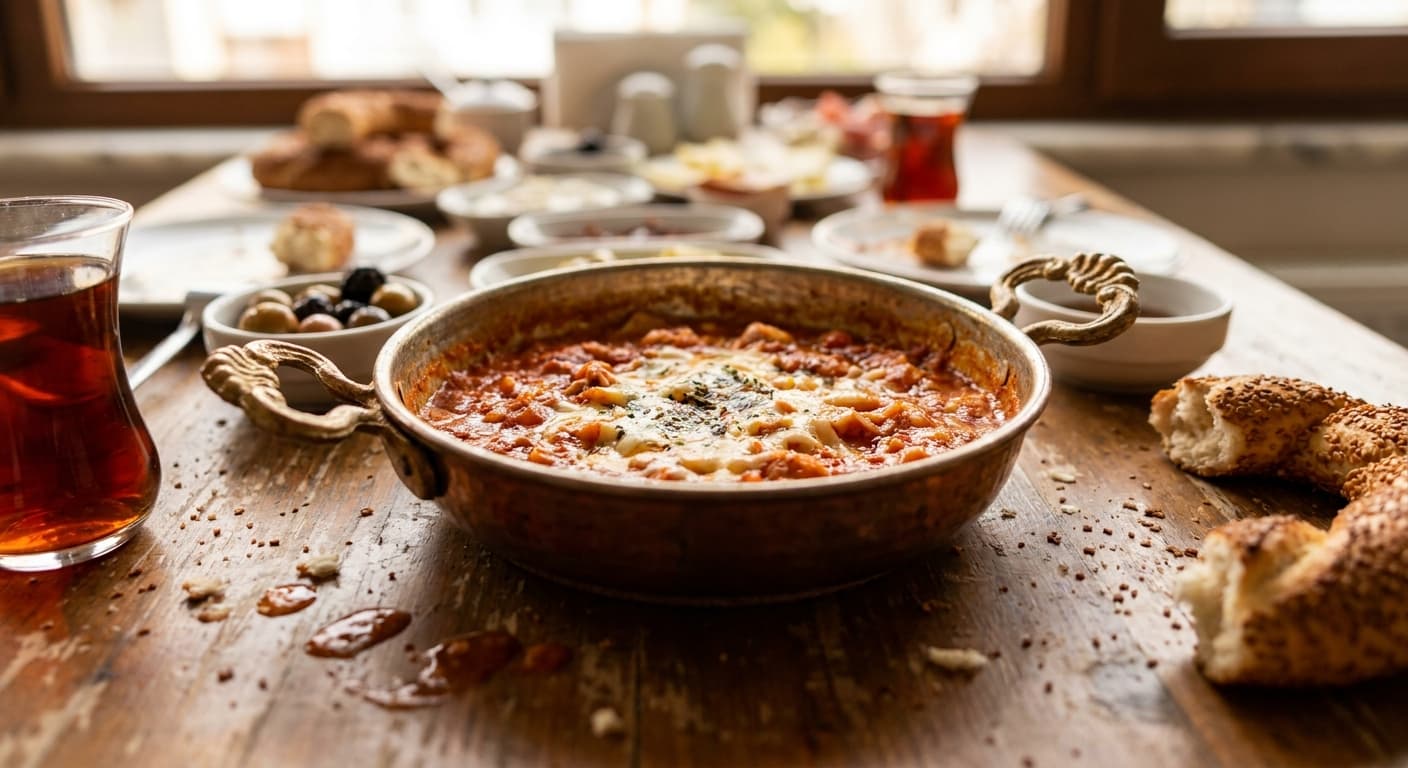
Turkish Menemen (Menemen) — Soft Eggs with Tomatoes and Peppers
Turkish · Main Courses · 37 min
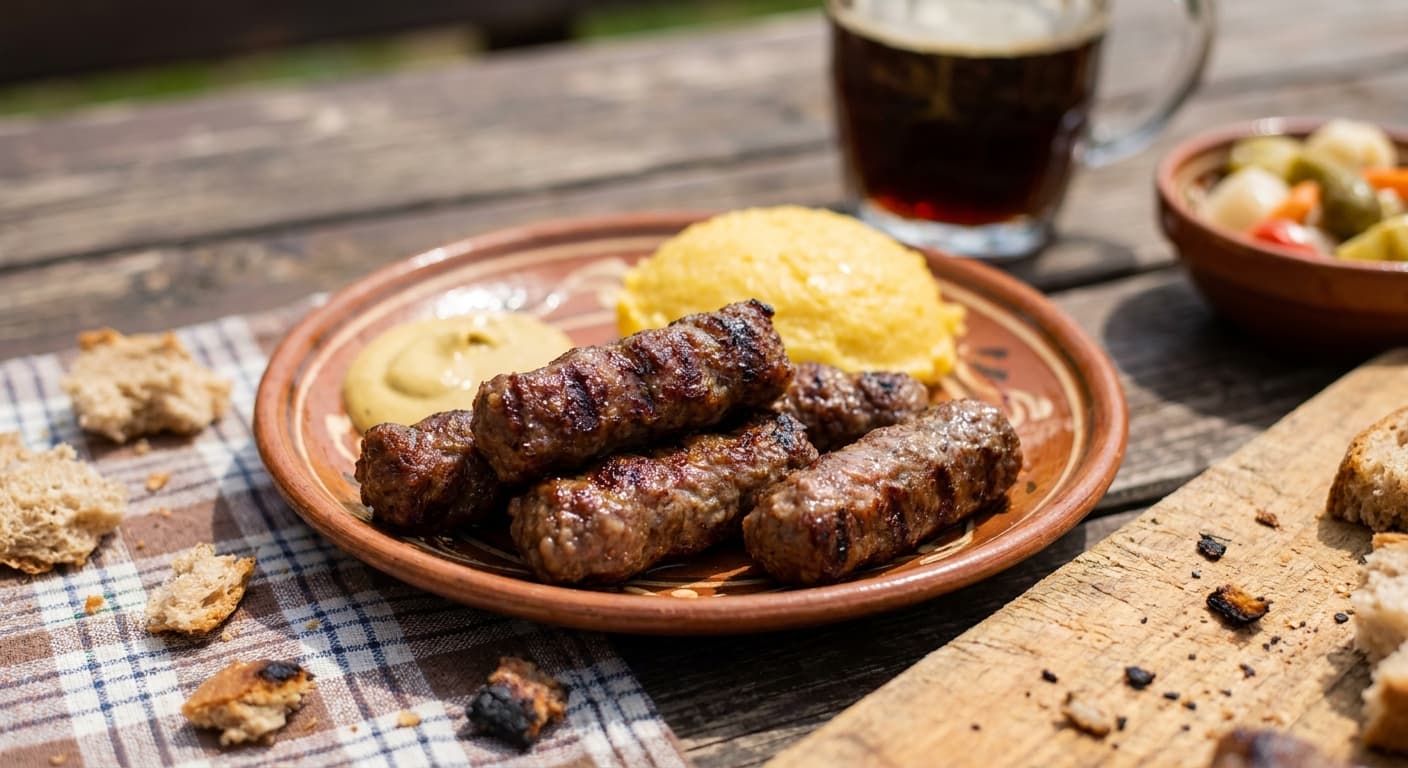
Mici (Mititei) — Romanian Grilled Garlic Sausages
Romanian · Kebabs · 47 min
Reviews
Cooked this recipe?
Tap the stars to rate it — that's all it takes. A few words are welcome but optional.
No ratings yet. Cooked this one? Be the first to rate it — it takes one tap.