Feseekh (فسيخ) — Egyptian Salt-Cured Mullet for Sham el-Nessim
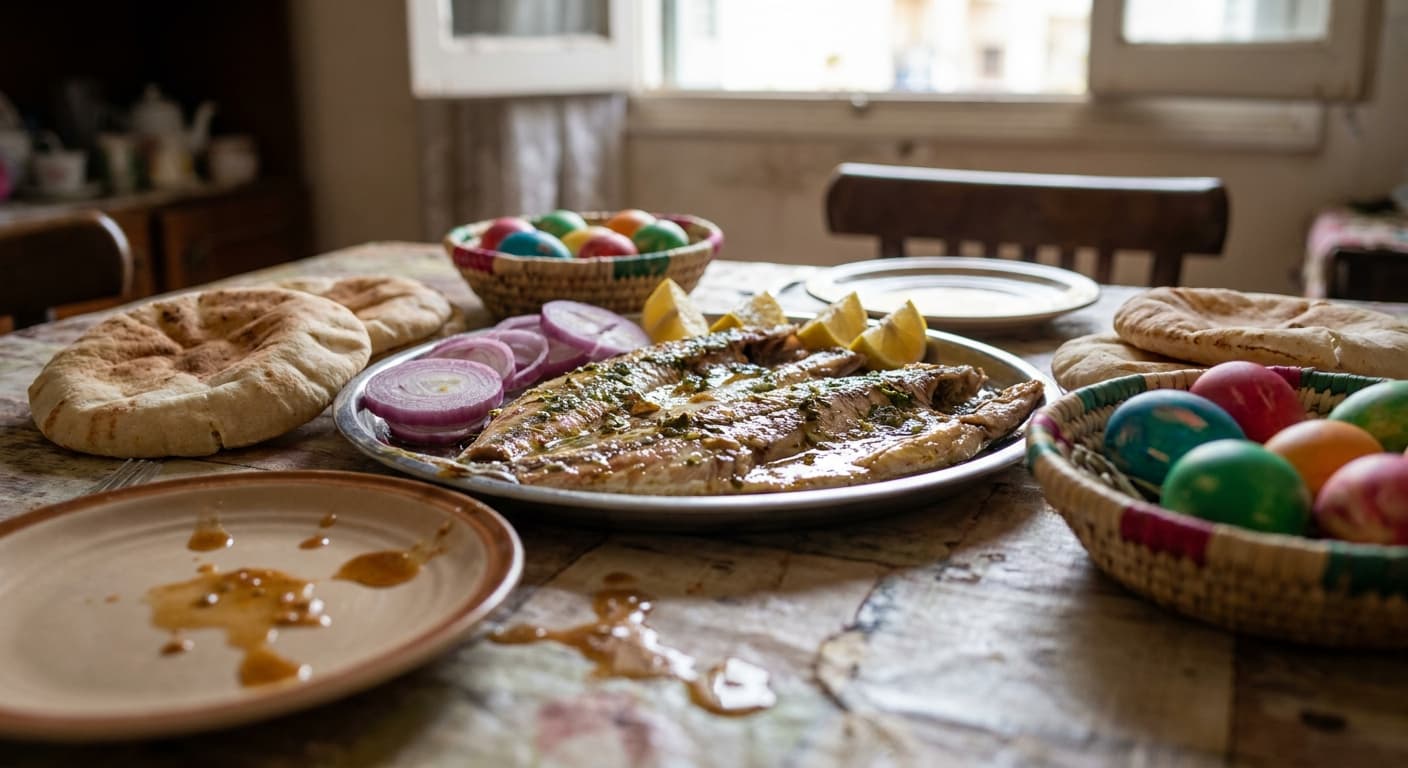
Feseekh, also spelled fesikh, is Egypt’s pungent salt-cured grey mullet served especially at Sham el-Nessim spring picnics. It is eaten with lemon, oil, onions, sumac, and aish baladi to balance its deep salinity.
Printable Recipe Card
Servings: 4 · Total: 30 min · Difficulty: easy
Ingredients (quick list)
- 600 g commercially prepared feseekh, salt-cured grey mullet (buy only from a licensed Egyptian fishmonger; do not home-ferment fish)
- 90 ml fresh lemon juice
- 45 ml white vinegar
- 60 ml extra-virgin olive oil
- 1 tsp ground cumin
- 2 tsp sumac
- 0.5 tsp dried red chile flakes
- 2 red onion (thinly sliced, about 240 g total)
- 4 scallions (trimmed and cut into 8 cm lengths)
- 0.5 bunch flat-leaf parsley (leaves picked)
- 4 aish baladi bread (small loaves, warmed)
- 4 hard-boiled eggs (traditional for Sham el-Nessim)
+ 1 more in the full ingredients section below.
Steps (summary)
- Buy the feseekh the same day you plan to serve it, and keep it refrigerated at 4°C or colder until preparation. Choose fish fro…
- Place the sliced red onion in a bowl with the white vinegar, 30 ml of the lemon juice, 1 tsp of the sumac, and the chile flakes…
- Open the feseekh on a board used only for fish, then remove the head, tail, skin, backbone, and visible pin bones. Separate the…
- If the feseekh is extremely salty, rinse the flakes very briefly under cold running water for 5 seconds, then pat them complete…
- Whisk the remaining 60 ml lemon juice with the olive oil, ground cumin, and remaining 1 tsp sumac in a serving bowl. Add the fe…
- Warm the aish baladi for 2 to 3 minutes in a dry skillet or low oven until pliable and fragrant. Cut the hard-boiled eggs in ha…
+ 2 more steps in the full instructions section below.
Cultural Background
Claudia Roden describes Egypt’s enduring springtime love of salted fish, and feseekh remains the emblematic Sham el-Nessim food. Families eat it outdoors with eggs, onions, lemons, and aish baladi as a seasonal ritual.
Equipment
💡 Tips
- The safest authentic approach is to buy properly cured feseekh from a trusted specialist rather than attempting home fermentation.
- Lemon, vinegar, onion, and sumac do not make unsafe fish safe; they balance the salinity and richness after the fish has already been properly cured.
- Serve small portions because feseekh is intentionally intense, salty, and aromatic.
⚠️ Common Mistakes
❌ Trying to ferment raw mullet at home without professional controls
✅ Fix: Buy commercially cured feseekh from a licensed fishmonger because improperly fermented fish can be dangerous.
❌ Soaking the fish for too long
✅ Fix: Rinse only for 5 seconds if needed and pat dry, preserving the firm cured texture.
❌ Serving without enough acid and fresh accompaniments
✅ Fix: Use measured lemon juice, vinegar-pickled onion, scallions, parsley, and sumac to cut the saltiness.
🧊 How to Store
Keep feseekh refrigerated at 4°C or colder before and after serving. Store leftovers in an airtight glass container and eat within 24 hours cold or at room temperature for no longer than 30 minutes; do not reheat.
📅 Make Ahead
Slice the onions and boil the eggs up to 1 day ahead, keeping them refrigerated separately. Dress and flake the feseekh only shortly before serving for best texture and food safety.
🍽️ Pairs Well With
- Aish baladi
- pickled onion
- scallions
- hard-boiled eggs
- lemon wedges
- ful medames
- tomato-cucumber salad.
Regional Variations
- In Cairo homes, feseekh is often served as a platter with oil, lemon, onion, scallions, and aish baladi for Sham el-Nessim.
- Some Egyptian families serve renga, a smoked herring, beside or instead of feseekh for a milder holiday fish option.
- Coastal families may include extra vinegar, chile, or chopped tomatoes to soften the intensity of the cured mullet.
Ingredients
- 600 gcommercially prepared feseekh, salt-cured grey mullet (buy only from a licensed Egyptian fishmonger; do not home-ferment fish)
- 90 mlfresh lemon juice
- 45 mlwhite vinegar
- 60 mlextra-virgin olive oil
- 1 tspground cumin
- 2 tspsumac
- 0.5 tspdried red chile flakes
- 2red onion (thinly sliced, about 240 g total)
- 4scallions (trimmed and cut into 8 cm lengths)
- 0.5 bunchflat-leaf parsley (leaves picked)
- 4aish baladi bread (small loaves, warmed)
- 4hard-boiled eggs (traditional for Sham el-Nessim)
- 2lemon (cut into wedges)
🔄 Substitutions
- commercially prepared feseekh→ salted herring or smoked mackerel
- aish baladi bread→ whole-wheat pita bread
- sumac→ finely grated lemon zest
Instructions
- 1
Buy the feseekh the same day you plan to serve it, and keep it refrigerated at 4°C or colder until preparation. Choose fish from a reputable Egyptian fishmonger, and discard any package that is swollen, leaking, slimy, or has a rotten ammonia odor beyond the expected strong cured-fish smell.
- 2
Place the sliced red onion in a bowl with the white vinegar, 30 ml of the lemon juice, 1 tsp of the sumac, and the chile flakes. Toss well and let the onion stand for 15 minutes so it softens and becomes sharp, rosy, and lightly pickled.
- 3
Open the feseekh on a board used only for fish, then remove the head, tail, skin, backbone, and visible pin bones. Separate the flesh into large flakes, keeping the pieces rustic rather than mincing them, because traditional fesikh is served as substantial salty flakes with bread.
- 4
If the feseekh is extremely salty, rinse the flakes very briefly under cold running water for 5 seconds, then pat them completely dry with paper towels. Do not soak the fish for a long time, because soaking makes the texture watery and removes the characteristic cured flavor.
- 5
Whisk the remaining 60 ml lemon juice with the olive oil, ground cumin, and remaining 1 tsp sumac in a serving bowl. Add the feseekh flakes and fold gently until every piece is glossy, seasoned, and lightly mellowed by the acid.
- 6
Warm the aish baladi for 2 to 3 minutes in a dry skillet or low oven until pliable and fragrant. Cut the hard-boiled eggs in halves or quarters, and arrange them with the scallions, parsley leaves, lemon wedges, and pickled onion.
- 7
Serve the dressed feseekh immediately as a shared Egyptian table platter. Each diner should tear pieces of aish baladi, add a few flakes of fish, onion, parsley, and a squeeze of lemon, then eat it with scallions and egg alongside.
- 8
After serving, refrigerate any remaining fish within 1 hour and keep it tightly covered to prevent the odor from permeating other foods. For best safety and flavor, eat leftovers cold within 24 hours and never leave feseekh on a warm picnic table.
🪪 Recipe Passport
Cultural Background
Claudia Roden describes Egypt’s enduring springtime love of salted fish, and feseekh remains the emblematic Sham el-Nessim food. Families eat it outdoors with eggs, onions, lemons, and aish baladi as a seasonal ritual.
Regional Variations
Researched from multiple sources and validated by the Zaffaron editorial team. Every recipe is tested for accuracy, measurements, and cultural authenticity.
📚 Sources & Cultural References
- Claudia Roden — A Book of Middle Eastern Food — (1968)
- Magda Mehdawy — My Egyptian Grandmother's Kitchen — (2006)
Sources cited by the Zaffaron editorial team during recipe research. Cultural and culinary references supporting authenticity claims.
Nutrition per serving
Pairs well with
If you enjoyed this recipe, here are a few related Zaffaron recipes to try next.
Does your family make this differently?
Every family has their own version. Maybe your grandmother adds a secret ingredient, or your aunt has a completely different technique. Preserve your family's version — with their name on it, forever.
You Might Also Like
Egyptian Karkadeh (كركديه) — Chilled Hibiscus Tea
Egyptian · Drinks · 18 min
Hawawshi (حواوشي) — Egyptian Spiced Meat-Stuffed Baladi Bread
Egyptian · Main Courses · 55 min
Egyptian Fatta (فتة) — Layered Meat, Rice, and Crisp Bread
Egyptian · Main Courses · 145 min
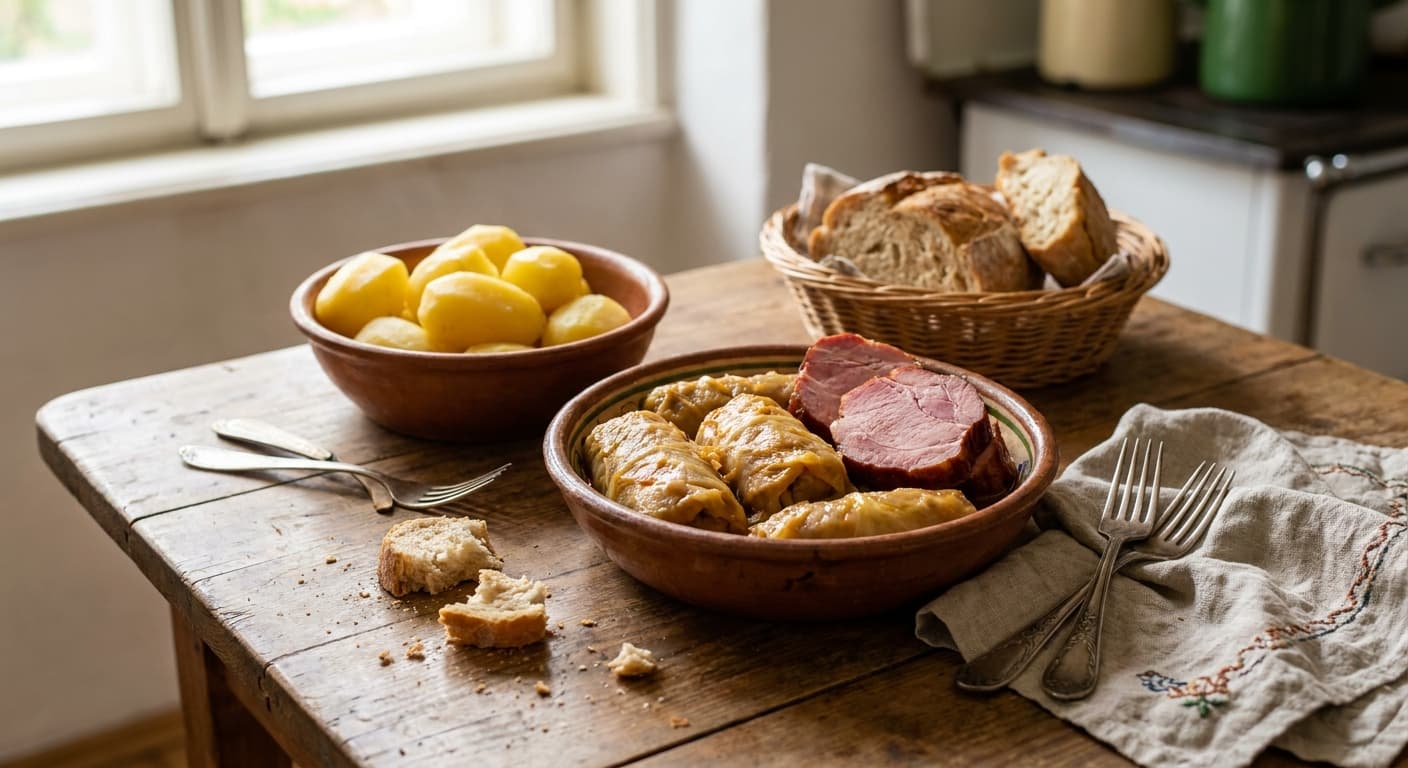
Sinj Stuffed Cabbage Rolls (Sinjski arambaši) — Hand-Chopped Meat in Sour Cabbage
Croatian · Main Courses · 245 min
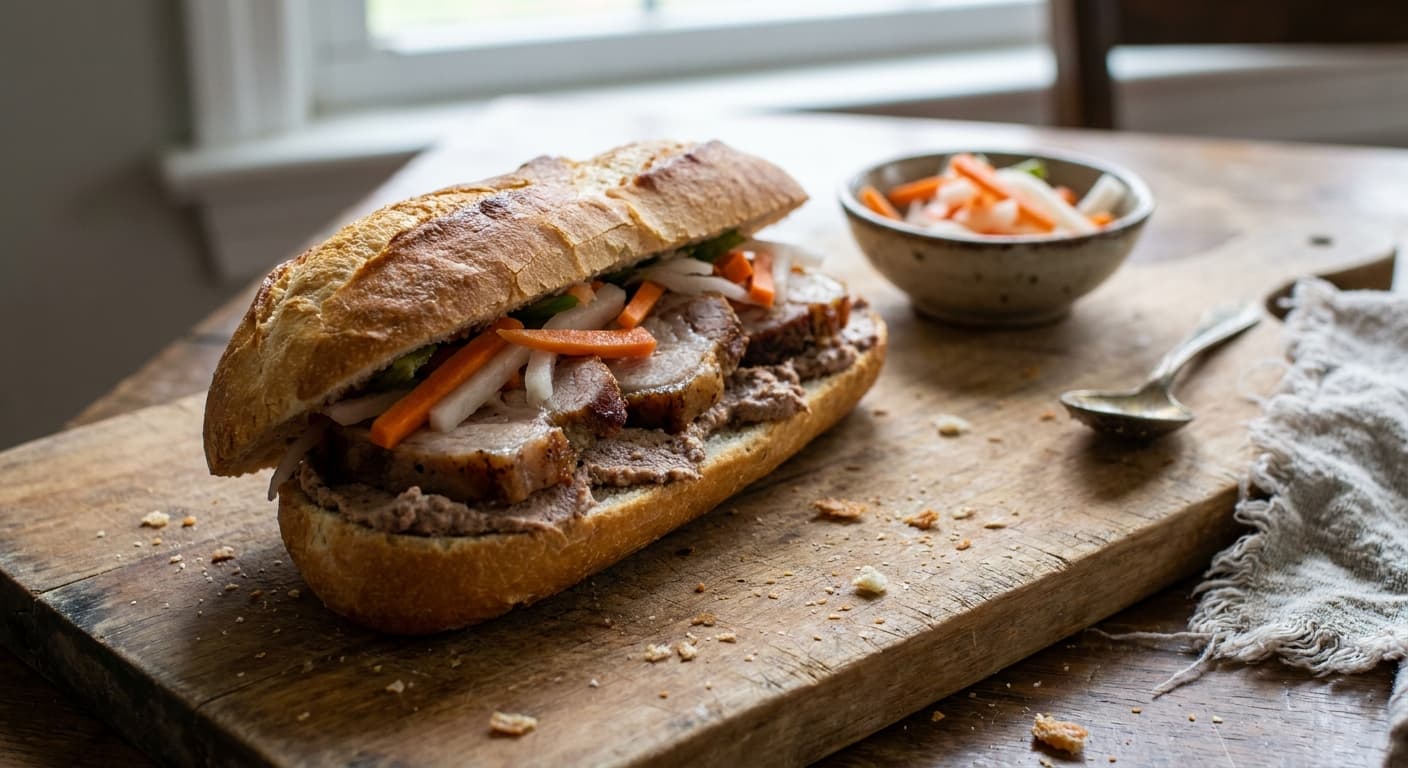
Num Pang Pate (នំប៉័ងប៉ាតេ) — Cambodian Baguette with Pate and Pickles
Cambodian · Main Courses · 60 min
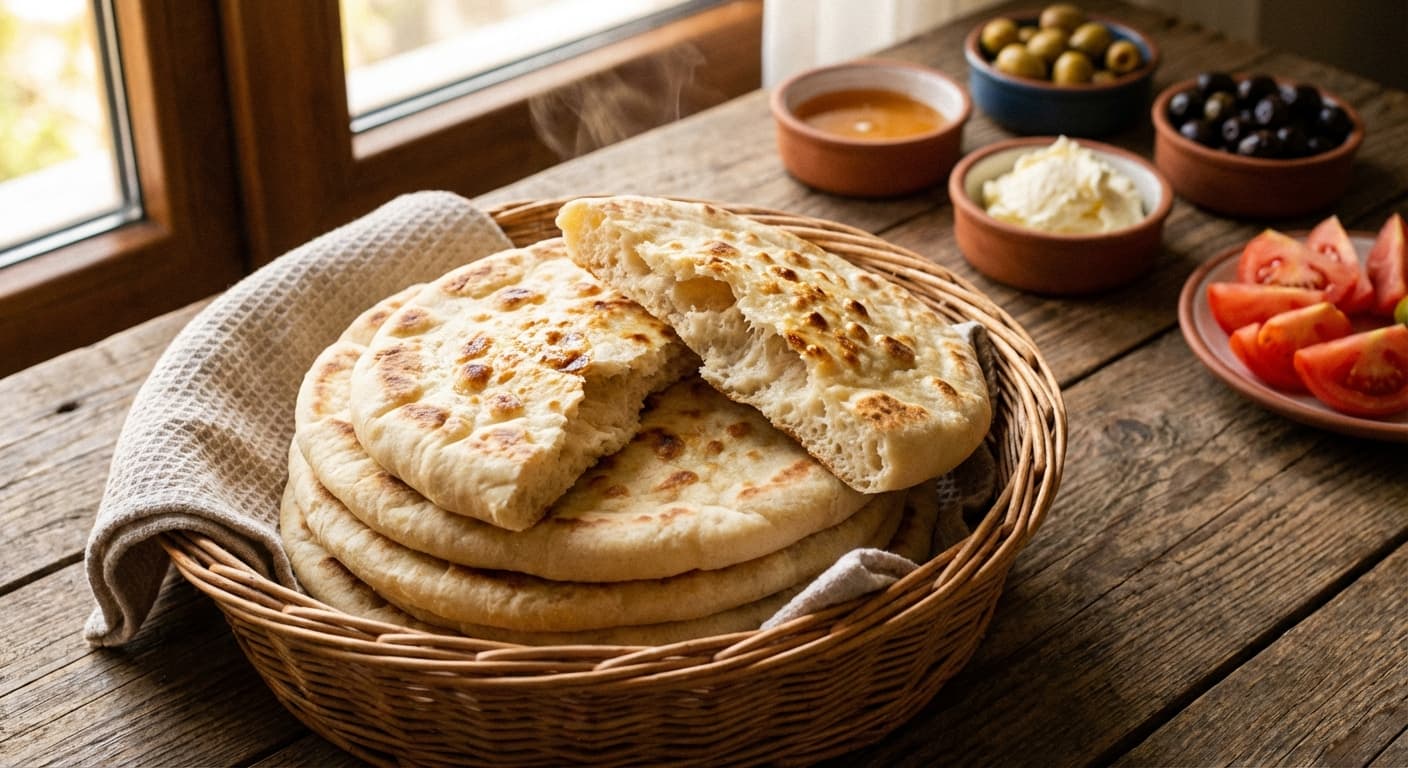
Bazlama (بازلاما) — Puffy Turkish Village Flatbread Cooked on a Saj
Turkish · Breads · 38 min
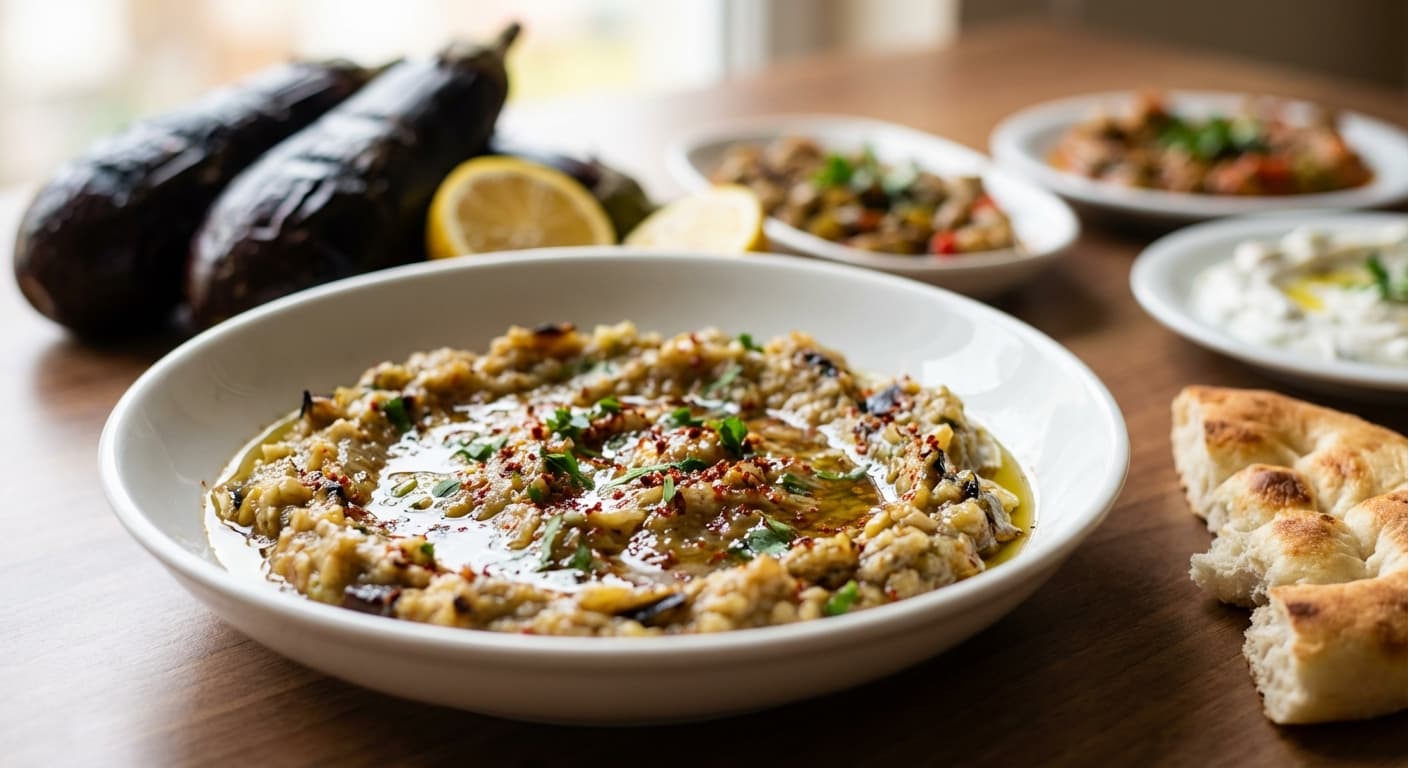
Smoky Eggplant Salad (Patlıcan Salatası) — Turkish charred eggplant with garlic and olive oil
Turkish · Salads · 40 min
Besso (በሶ) — Ethiopian Roasted Barley Bites
Ethiopian · Appetizers · 20 min
Reviews
Cooked this recipe?
Tap the stars to rate it — that's all it takes. A few words are welcome but optional.
No ratings yet. Cooked this one? Be the first to rate it — it takes one tap.