Idli Sambar (इडली सांभर) — South Indian Steamed Rice Cakes with Lentil Stew
Idli Sambar is a beloved South Indian breakfast of fluffy steamed rice cakes served with a tangy lentil-and-vegetable stew. Though pan-Indian today, it reflects Tamil and Karnataka home cooking, where fermentation and tempered spices build deep flavor.
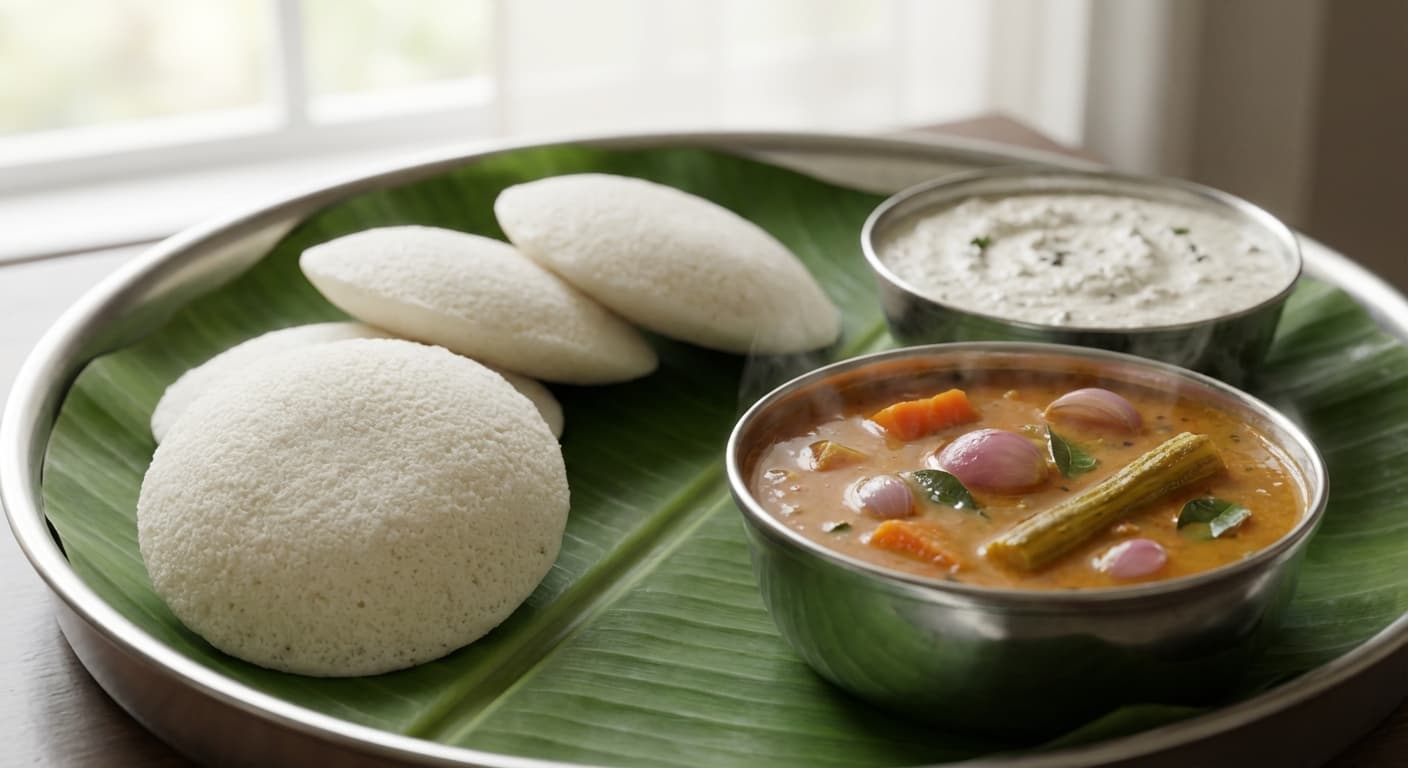
Printable Recipe Card
Servings: 4 · Total: 960 min · Difficulty: medium
Ingredients (quick list)
- 300 g parboiled rice (idli rice) (rinsed)
- 120 g urad dal (split black gram, skinned) (rinsed)
- 3 g fenugreek seeds (about 1 tsp)
- 420 ml water (for grinding, adjust by ±30 ml to reach thick ribbon consistency)
- 8 g salt (about 1 1/4 tsp fine salt)
- 10 ml vegetable oil (to grease idli molds)
- 180 g toor dal (split pigeon peas) (rinsed)
- 2 g turmeric powder (about 1 tsp)
- 25 g tamarind paste (mixed with 120 ml warm water)
- 120 ml warm water (for dissolving tamarind paste)
- 18 g sambar powder (about 2 tbsp)
- 6 g jaggery (about 1 tsp, balances tamarind)
+ 10 more in the full ingredients section below.
Steps (summary)
- Rinse the idli rice and urad dal separately until the water runs mostly clear. Soak the rice with fenugreek seeds in 3 times it…
- Drain the urad dal and grind it first with about 220 ml of the measured water until very smooth, pale, and fluffy. Scrape the b…
- Drain the rice and grind it with the remaining measured water (about 200 ml) to a slightly coarse, sand-like batter. Combine th…
- Add 8 g salt and mix again until evenly distributed, then cover the bowl with a lid that is not airtight. Ferment in a warm spo…
- Rinse the toor dal and cook it with 600 ml of the water and turmeric until very soft (pressure cooker: 10–12 minutes at pressur…
- In a pot, combine shallots, carrot, drumstick, tomato, the tamarind-water mixture, sambar powder, jaggery, 7 g salt, and 200 ml…
+ 5 more steps in the full instructions section below.
Cultural Background
Idli and sambar are everyday staples across South India, shaped by fermentation traditions and temple-town vegetarian cooking. Served in homes and tiffin stalls alike, the pairing is prized for being nourishing, light, and naturally gluten-free.
Equipment
💡 Tips
- For reliable fermentation, keep the batter at 28°C for 10 hours; a turned-off oven with the light on works well.
- If the batter is too thick after fermenting, stir in 30 ml water to loosen it before steaming; the batter should drop in a thick ribbon.
- Let the sambar rest 15 minutes after tempering; the flavor becomes noticeably deeper and more balanced.
⚠️ Common Mistakes
❌ Batter does not ferment and idlis turn dense.
✅ Fix: Keep the batter at 28–30°C for 10–12 hours and mix vigorously before fermenting; ensure the bowl is not airtight so gases can escape.
❌ Sambar tastes raw or harshly sour.
✅ Fix: Simmer the tamarind with vegetables for at least 12 minutes before adding dal, then rest 10–15 minutes after tempering to round the acidity.
❌ Idlis stick to the molds and tear.
✅ Fix: Grease molds evenly and rest the steamed idlis 2 minutes before unmolding; use a damp spoon to lift them out cleanly.
🧊 How to Store
Refrigerate idli batter up to 3 days in a covered container; stir gently before steaming. Store cooked idlis and sambar separately for up to 3 days; reheat sambar to a full simmer and steam idlis 2–3 minutes or microwave with 15 ml water covered.
📅 Make Ahead
Soak and grind the batter a day ahead and ferment overnight; the sambar can be cooked up to 2 days ahead and reheated gently with 60–120 ml water to restore its consistency.
🍽️ Pairs Well With
- Coconut chutney
- tomato chutney
- ghee podi
- filter coffee.
Regional Variations
- Tamil Nadu style: add 60 g pumpkin and 60 g okra, and finish with 5 ml sesame oil for a deeper aroma.
- Karnataka style: increase jaggery to 12 g for a slightly sweeter, rounder sambar.
- Kerala style: add 80 ml thin coconut milk at the end for a softer, creamier stew.
Ingredients
- 300 gparboiled rice (idli rice) (rinsed)
- 120 gurad dal (split black gram, skinned) (rinsed)
- 3 gfenugreek seeds (about 1 tsp)
- 420 mlwater (for grinding, adjust by ±30 ml to reach thick ribbon consistency)
- 8 gsalt (about 1 1/4 tsp fine salt)
- 10 mlvegetable oil (to grease idli molds)
- 180 gtoor dal (split pigeon peas) (rinsed)
- 2 gturmeric powder (about 1 tsp)
- 25 gtamarind paste (mixed with 120 ml warm water)
- 120 mlwarm water (for dissolving tamarind paste)
- 18 gsambar powder (about 2 tbsp)
- 6 gjaggery (about 1 tsp, balances tamarind)
- 120 gshallots (peeled, halved)
- 120 gcarrot (peeled, cut into 1 cm pieces)
- 120 gdrumstick (moringa pods) (cut into 5 cm pieces)
- 150 gtomato (chopped)
- 3 gmustard seeds (about 1 tsp)
- 2 gcumin seeds (about 1 tsp)
- 4dried red chilies (broken in half)
- 0.5 tspasafoetida (hing) (use gluten-free hing if needed)
- 2 bunchcurry leaves (about 24 leaves total)
- 15 gfresh cilantro (chopped)
🔄 Substitutions
- parboiled rice (idli rice)→ sona masoori rice
- drumstick (moringa pods)→ zucchini
- tamarind paste→ lemon juice
Instructions
- 1
Rinse the idli rice and urad dal separately until the water runs mostly clear. Soak the rice with fenugreek seeds in 3 times its volume of water for 6 hours, and soak the urad dal in 3 times its volume of water for 4 hours.
- 2
Drain the urad dal and grind it first with about 220 ml of the measured water until very smooth, pale, and fluffy. Scrape the batter into a large bowl; it should increase in volume and feel airy when rubbed between your fingers.
- 3
Drain the rice and grind it with the remaining measured water (about 200 ml) to a slightly coarse, sand-like batter. Combine the rice batter with the urad batter and mix vigorously for 2 minutes to incorporate air and encourage fermentation.
- 4
Add 8 g salt and mix again until evenly distributed, then cover the bowl with a lid that is not airtight. Ferment in a warm spot (26–30°C) for 8–12 hours until the batter is risen, bubbly, and smells pleasantly tangy.
- 5
Rinse the toor dal and cook it with 600 ml of the water and turmeric until very soft (pressure cooker: 10–12 minutes at pressure; pot: 35–45 minutes simmering). Mash the cooked dal thoroughly with a whisk or potato masher so the sambar becomes creamy rather than grainy.
- 6
In a pot, combine shallots, carrot, drumstick, tomato, the tamarind-water mixture, sambar powder, jaggery, 7 g salt, and 200 ml of the remaining water. Simmer for 12–15 minutes until the vegetables are tender and the raw smell of tamarind mellows.
- 7
Stir the mashed dal into the vegetable-tamarind mixture and add the final 100 ml water to reach a stew-like consistency. Simmer for 8–10 minutes, stirring every minute or two to prevent sticking, until the sambar tastes rounded and the spices are fully integrated.
- 8
Make the tempering by heating 20 ml oil in a small pan over medium heat until it shimmers. Add mustard seeds and let them pop, then add cumin, dried red chilies, curry leaves, and hing; fry for 20–30 seconds until aromatic but not burnt.
- 9
Pour the hot tempering into the sambar and immediately cover the pot for 2 minutes to trap the aromas. Uncover, stir in chopped cilantro, and keep the sambar warm on the lowest heat while you steam the idlis.
- 10
Lightly grease idli molds with 10 ml oil and fill each cavity with batter to about 85% full. Steam in an idli steamer or covered pot with 2–3 cm of boiling water for 10–12 minutes, then rest 2 minutes before unmolding so the cakes release cleanly.
- 11
Unmold the idlis with a damp spoon and keep them covered so they stay soft. Serve 3–4 idlis per person with 250–300 ml hot sambar, allowing the idlis to soak briefly for the classic ‘idli sambar’ texture.
🪪 Recipe Passport
Cultural Background
Idli and sambar are everyday staples across South India, shaped by fermentation traditions and temple-town vegetarian cooking. Served in homes and tiffin stalls alike, the pairing is prized for being nourishing, light, and naturally gluten-free.
Regional Variations
Researched from multiple sources and validated by the Zaffaron editorial team. Every recipe is tested for accuracy, measurements, and cultural authenticity.
Nutrition per serving
Pairs well with
If you enjoyed this recipe, here are a few related Zaffaron recipes to try next.
Does your family make this differently?
Every family has their own version. Maybe your grandmother adds a secret ingredient, or your aunt has a completely different technique. Preserve your family's version — with their name on it, forever.
You Might Also Like
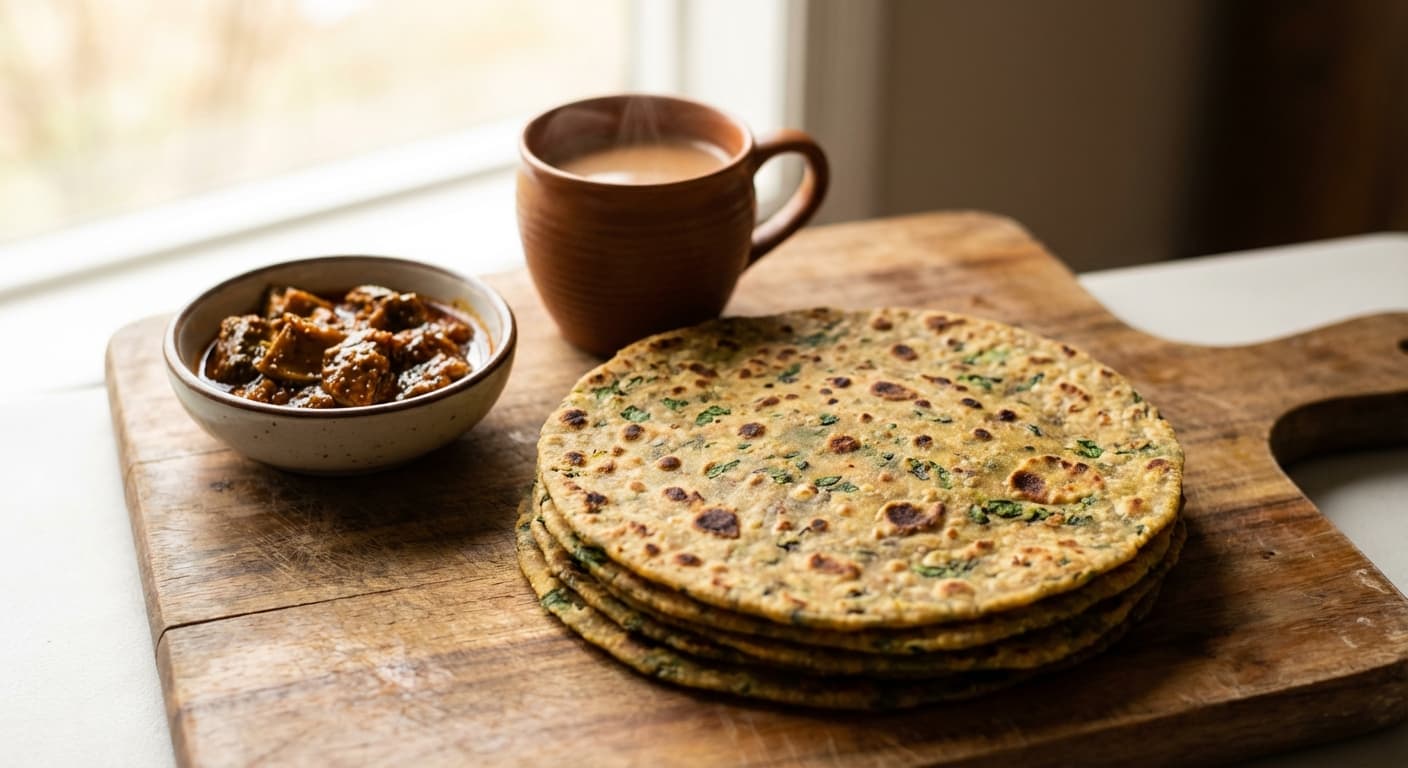
Thepla (थेपला) — Indian Fenugreek-Spiced Flatbread, Soft and Travel-Friendly
Indian · Breads · 45 min
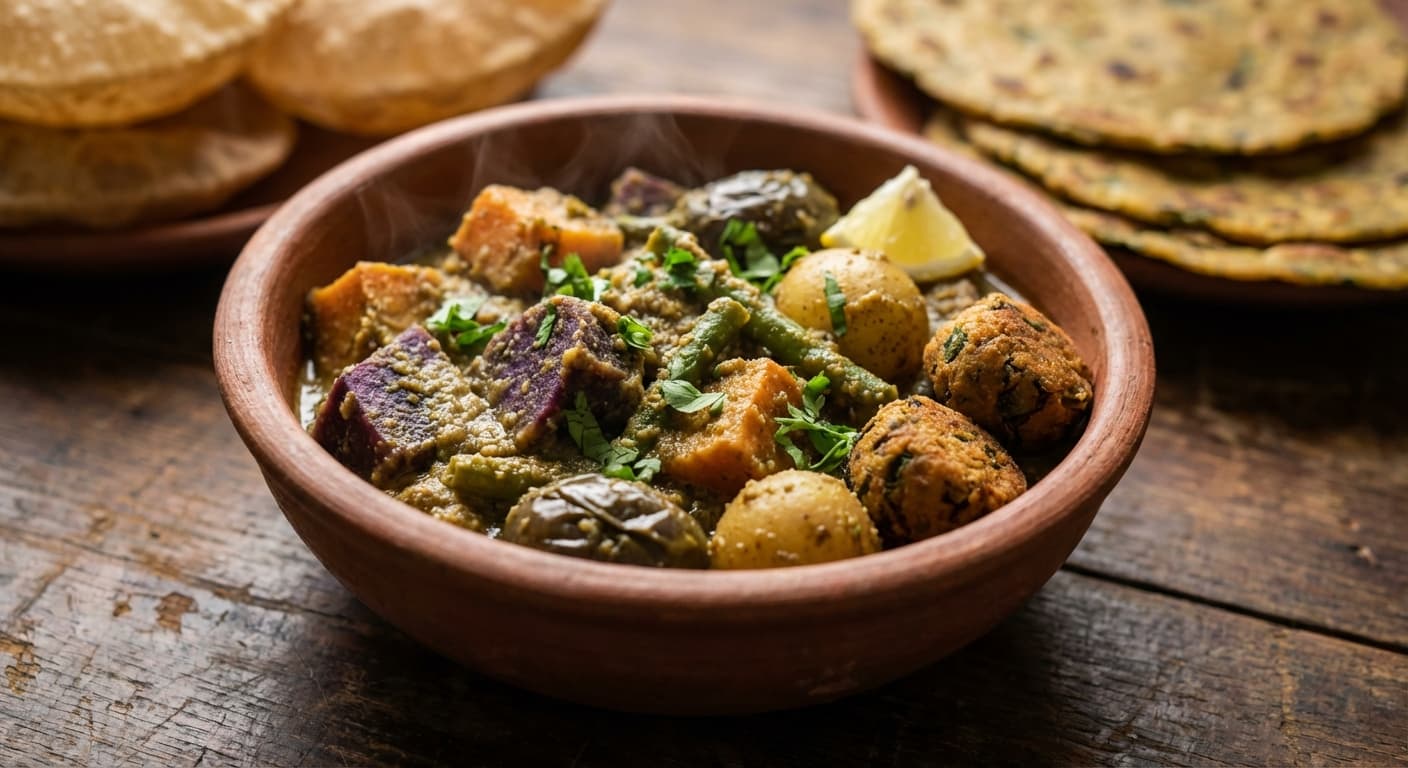
Undhiyu (ઉંધિયું) — Gujarati winter mixed-vegetable curry with methi muthia
Indian · Main Courses · 115 min
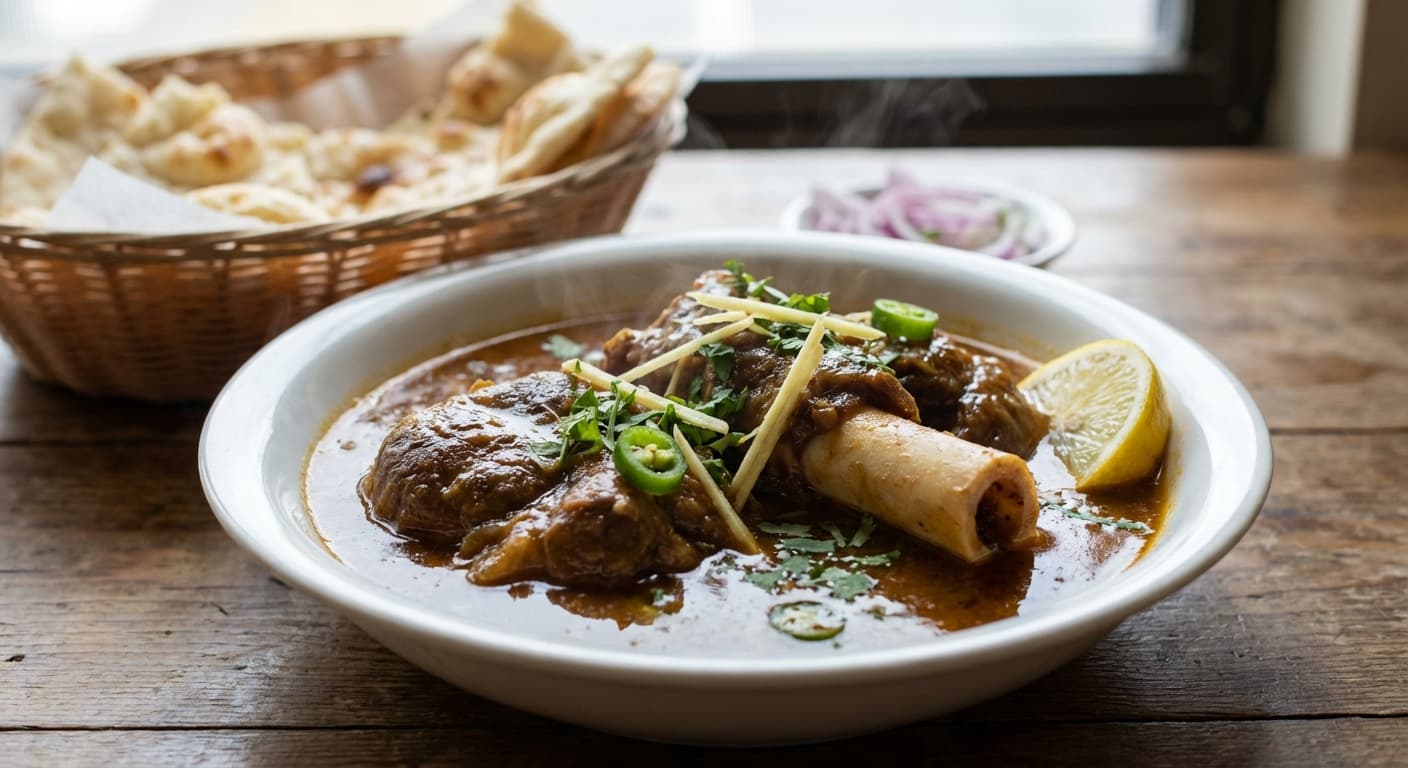
Nihari (نہاری) — Indian Overnight-Cooked Beef Stew with Warming Spices
Indian · Stews · 275 min
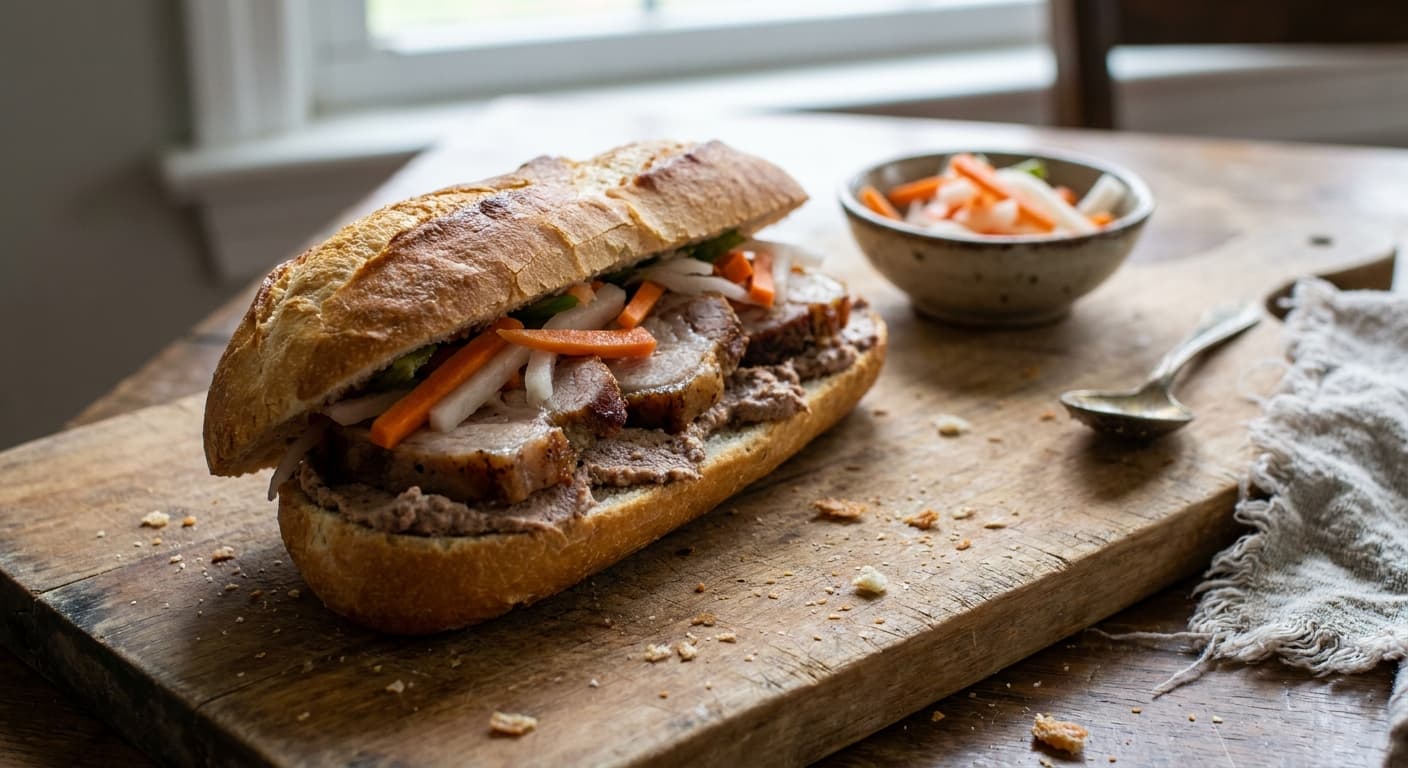
Num Pang Pate (នំប៉័ងប៉ាតេ) — Cambodian Baguette with Pate and Pickles
Cambodian · Main Courses · 60 min
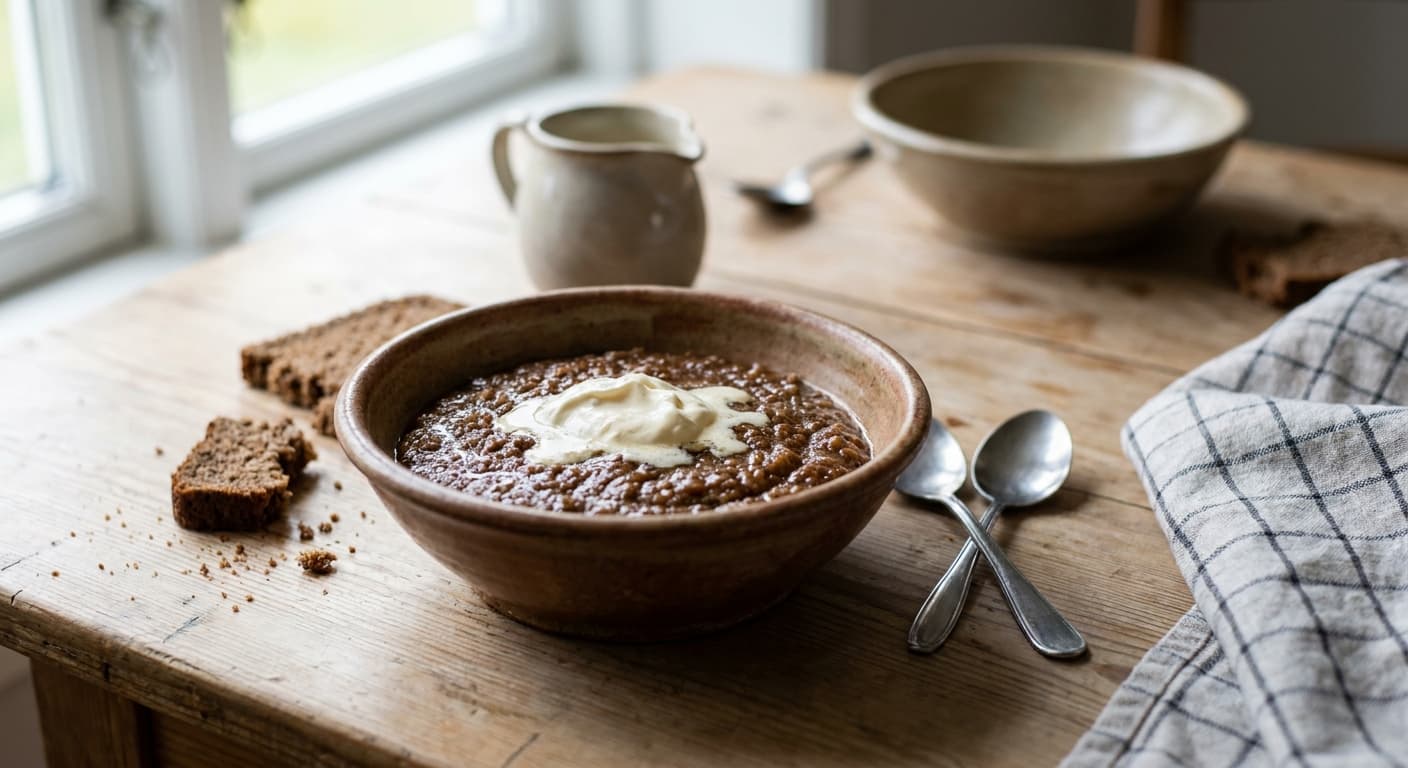
Rye Bread and Beer Porridge (Øllebrød) — Traditional Danish Breakfast
Danish · Main Courses · 65 min
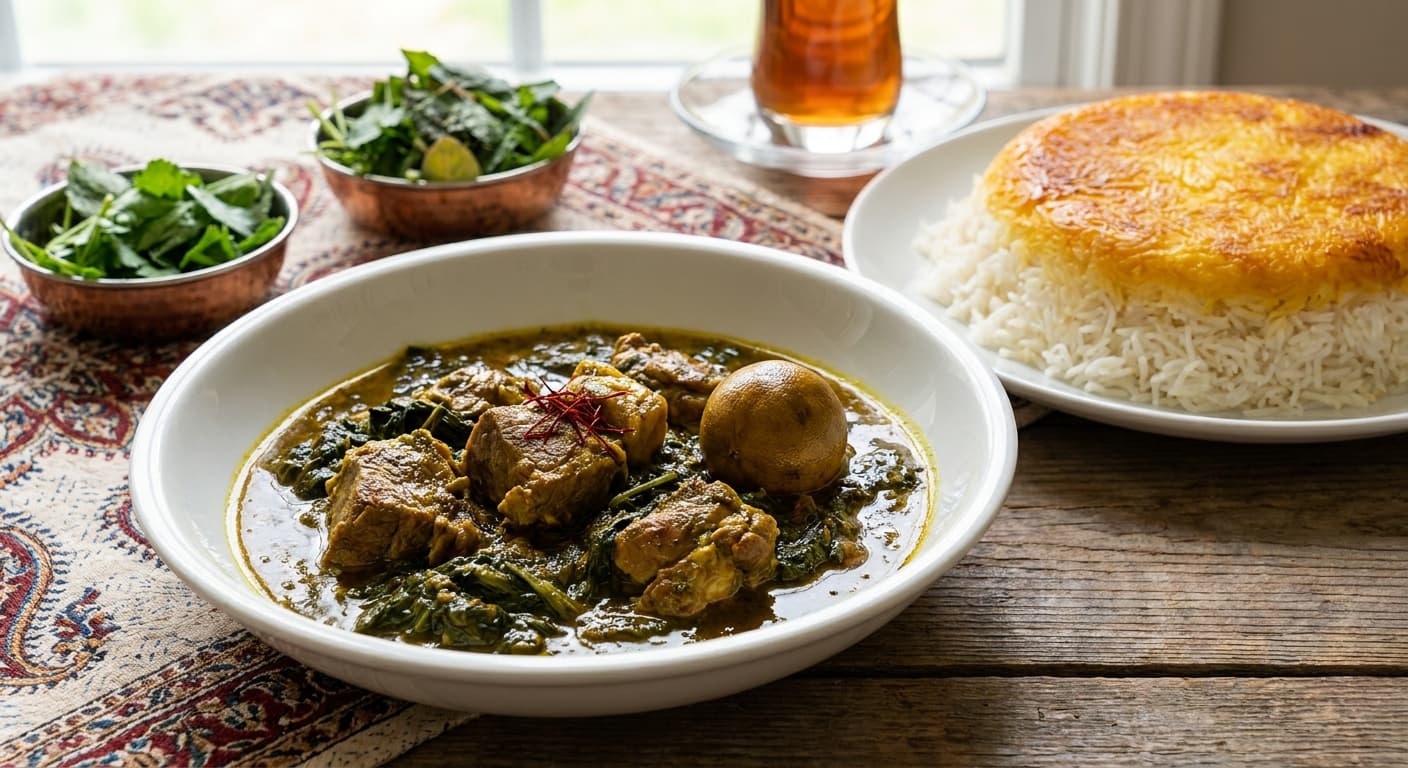
Persian Khoresht Saak (خورش ساک) — Saffron-Cardamom Lamb Stew with Saak Greens
Persian · Stews · 145 min
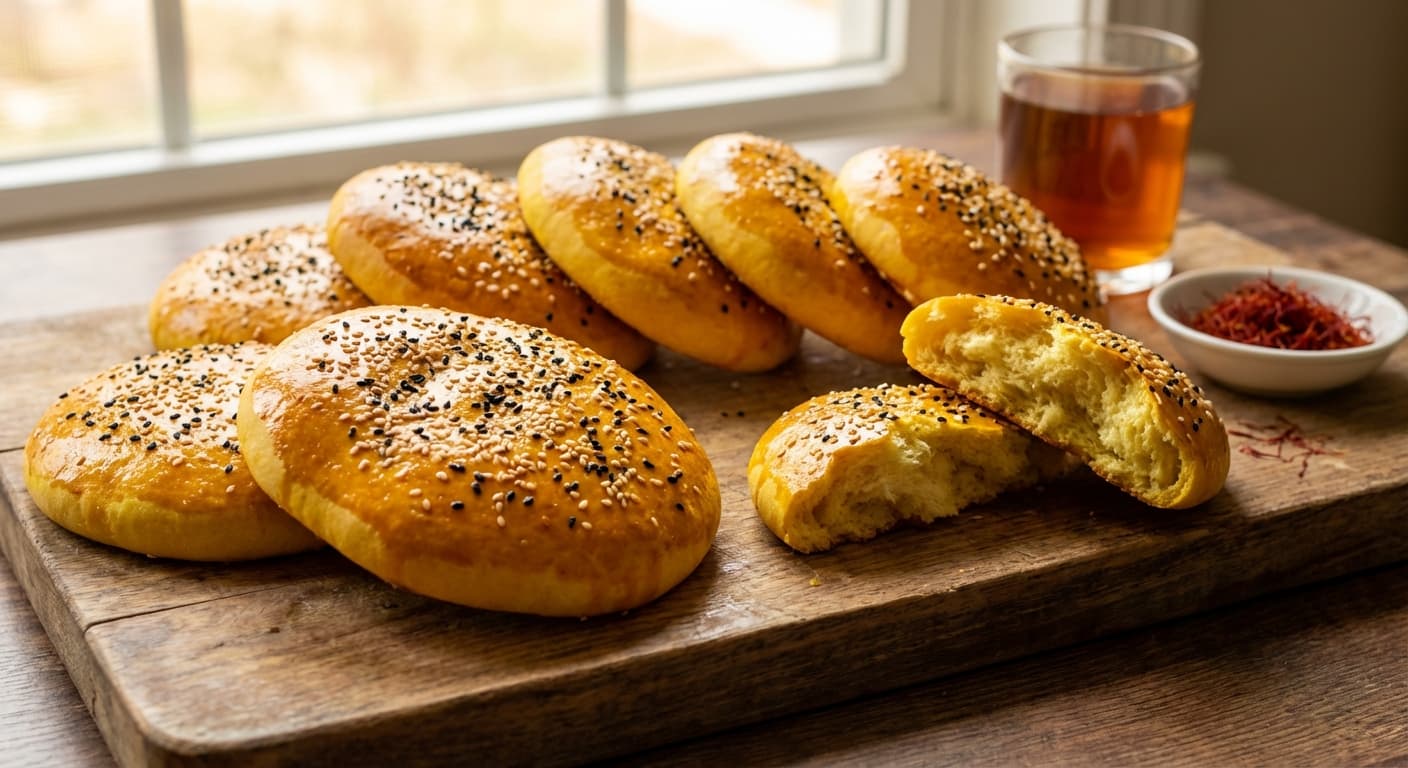
Sheermal (شیرمال) — Afghan Saffron Milk Bread with a Gentle Sweetness
Afghan · Breads · 43 min
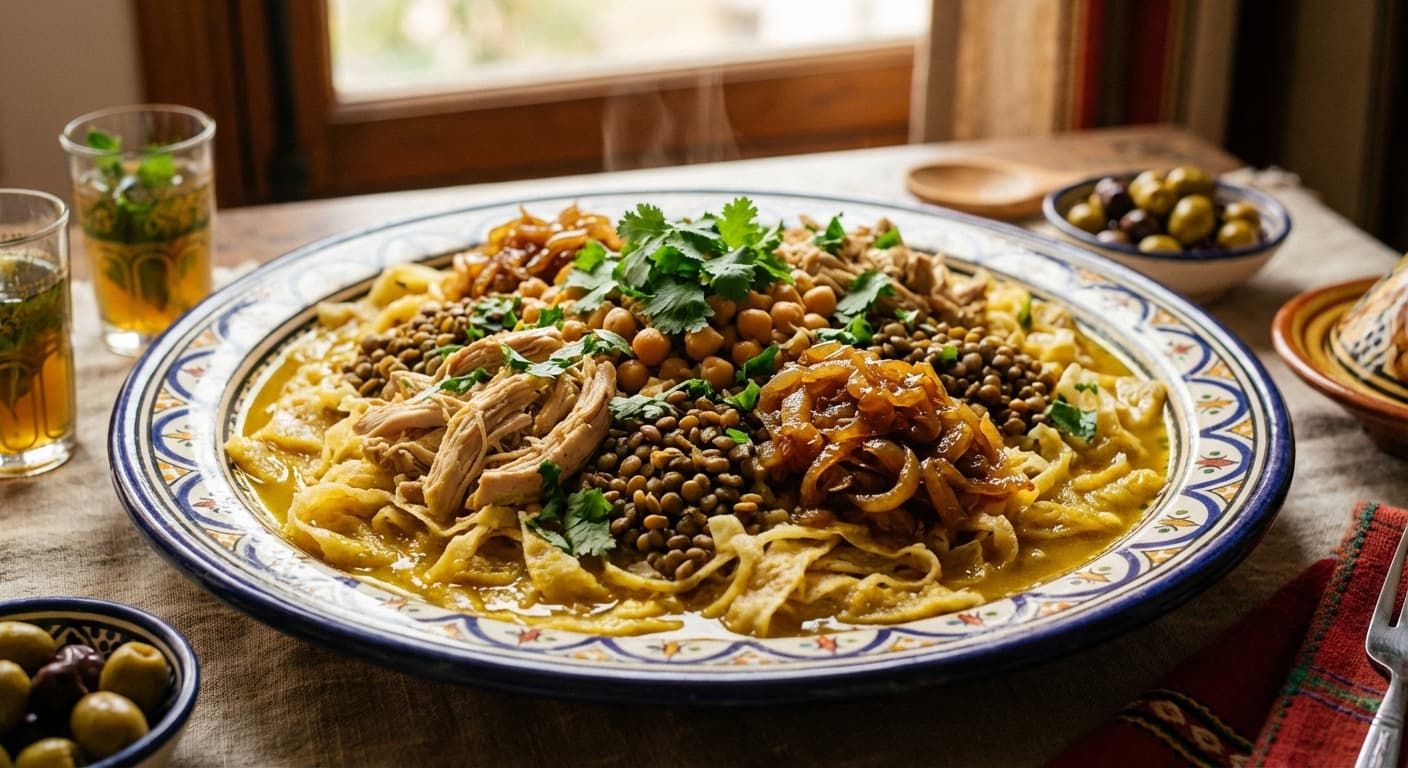
Rfissa (رفيسة) — Moroccan Shredded Flatbread with Chicken and Lentils
Moroccan · Main Courses · 135 min
Reviews
Cooked this recipe?
Tap the stars to rate it — that's all it takes. A few words are welcome but optional.
No ratings yet. Cooked this one? Be the first to rate it — it takes one tap.