Nihari (نہاری) — Indian Overnight-Cooked Beef Stew with Warming Spices
Nihari is a slow-simmered meat stew traditionally eaten at dawn after an overnight cook. Deeply spiced and glossy with a flour-thickened gravy, it’s a celebratory dish across North India and the wider subcontinent.
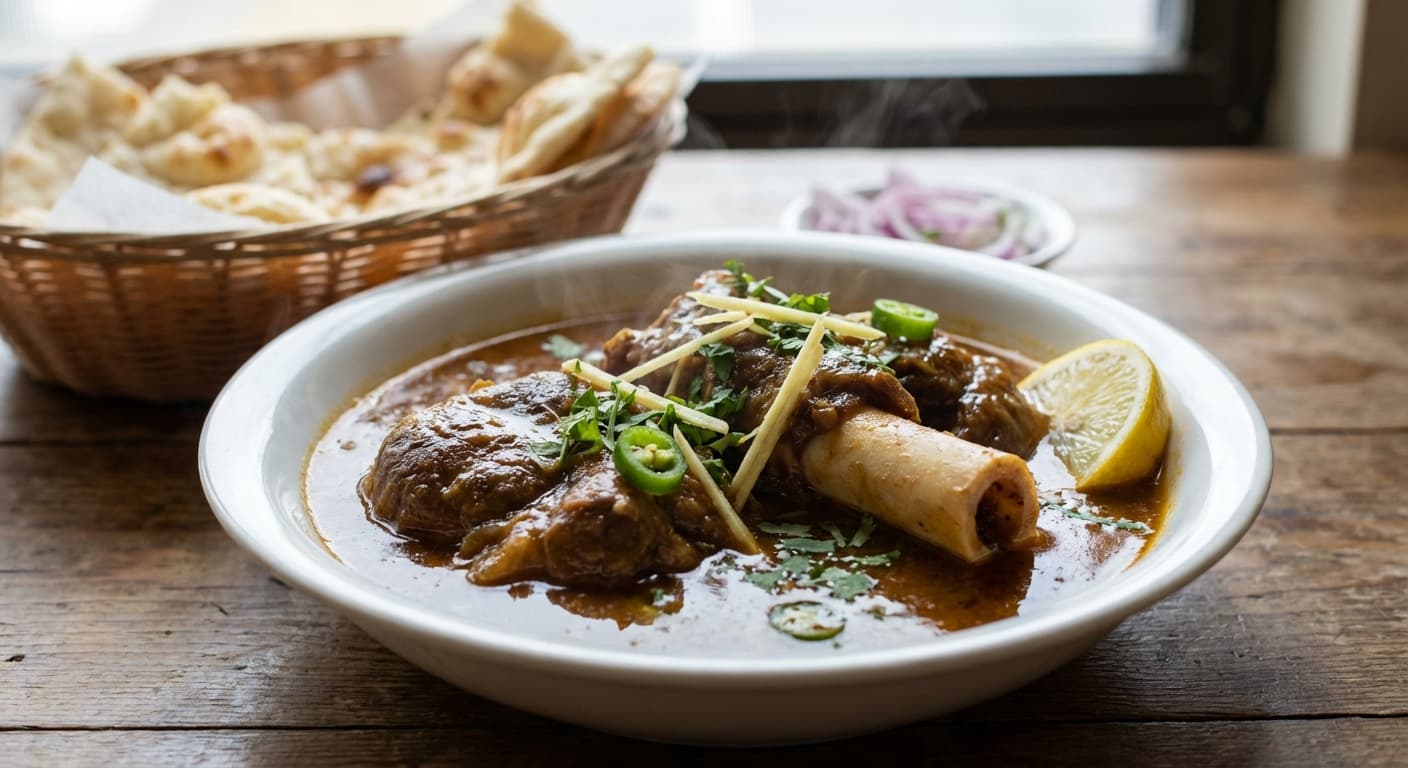
Printable Recipe Card
Servings: 6 · Total: 275 min · Difficulty: hard
Ingredients (quick list)
- 1200 g beef shank, bone-in (cut into 5–6 cm pieces)
- 300 g beef marrow bones (optional but traditional)
- 350 g yellow onion (thinly sliced)
- 18 g garlic (finely grated)
- 20 g fresh ginger (finely grated)
- 60 ml neutral oil (such as sunflower or canola)
- 30 g ghee
- 35 g whole wheat flour (for traditional nihari-style body)
- 1600 ml water (plus extra as needed during simmering)
- 12 g salt
- 6 g Kashmiri chili powder (for color and mild heat)
- 2 g ground turmeric
+ 16 more in the full ingredients section below.
Steps (summary)
- Set a heavy pot over medium heat and add the oil and ghee. Add the sliced onions and cook for 18–22 minutes, stirring often, un…
- Add the grated garlic and grated ginger to the browned onions and cook for 60–90 seconds until fragrant. Stir constantly so the…
- Add the whole spices (peppercorns, cloves, green cardamom, black cardamom, cinnamon, bay leaves, and mace) and toast for 45–60…
- Add the beef shank and marrow bones and raise heat to medium-high. Sear for 6–8 minutes, turning the pieces so several sides ta…
- Lower heat to medium and add Kashmiri chili powder, turmeric, ground coriander, ground cumin, ground fennel, ground ginger, gar…
- Pour in 1600 ml water and bring the pot to a gentle boil, then immediately reduce to a low simmer. Cover with a lid slightly aj…
+ 4 more steps in the full instructions section below.
Cultural Background
Nihari is closely linked to North Indian and Mughlai culinary traditions, historically slow-cooked overnight for early-morning meals. Its luxurious, spice-forward gravy and marrow-rich depth make it a prized dish for gatherings and special weekends.
Equipment
💡 Tips
- For the most authentic texture, keep the simmer extremely gentle; a hard boil can make shank meat tighten and the gravy turn grainy.
- If you want a richer mouthfeel, chill the pot overnight and reheat the next day; the flavors deepen and the fat cap is easy to control.
- To avoid lumps, always thin the flour roux with hot broth first, then whisk it back into the pot in a slow stream.
⚠️ Common Mistakes
❌ Boiling the stew aggressively for hours
✅ Fix: Keep it at a gentle simmer with only small bubbles; add hot water as needed to maintain level without raising heat.
❌ Adding flour directly into the pot
✅ Fix: Toast flour in fat first, then whisk with hot broth to form a smooth slurry before returning it to the stew.
❌ Under-browning the onions
✅ Fix: Cook onions until deep golden-brown; if they are pale, the Nihari will taste flat and look dull.
🧊 How to Store
Cool to room temperature within 90 minutes, then refrigerate in a sealed container for up to 3 days. Reheat gently on the stove with 100–200 ml water, stirring often; avoid a rolling boil so the gravy stays smooth and the meat remains tender.
📅 Make Ahead
Slice onions and measure spices up to 24 hours ahead and refrigerate separately. Nihari itself improves after an overnight rest; cook fully, chill, then reheat gently the next day with a small splash of water.
🍽️ Pairs Well With
- Naan
- kulcha
- steamed basmati rice
- sliced red onion
- lemon wedges.
Regional Variations
- Delhi-style Nihari often leans heavier on garam masala and a darker onion base for a deeper brown gravy.
- Lucknow-influenced versions can be slightly more aromatic with extra mace and cardamom, and a gentler chili heat.
- Some households finish with a spiced hot ghee tempering poured over the top just before serving for added aroma.
Ingredients
- 1200 gbeef shank, bone-in (cut into 5–6 cm pieces)
- 300 gbeef marrow bones (optional but traditional)
- 350 gyellow onion (thinly sliced)
- 18 ggarlic (finely grated)
- 20 gfresh ginger (finely grated)
- 60 mlneutral oil (such as sunflower or canola)
- 30 gghee
- 35 gwhole wheat flour (for traditional nihari-style body)
- 1600 mlwater (plus extra as needed during simmering)
- 12 gsalt
- 6 gKashmiri chili powder (for color and mild heat)
- 2 gground turmeric
- 8 gground coriander
- 6 gground cumin
- 4 gground fennel
- 2 gground ginger (adds classic nihari warmth)
- 4 ggaram masala
- 4 gwhole black peppercorns
- 1 tspwhole cloves (about 3 g)
- 6 podgreen cardamom pods
- 1 podblack cardamom pod
- 1 stickcinnamon stick (about 5 cm)
- 2 leafbay leaf
- 1 blademace blade (optional but traditional)
- 0.5 tspnutmeg (about 1 g, freshly grated)
- 30 mllemon juice
- 10 gfresh cilantro (finely chopped)
- 2green chili (thinly sliced)
🔄 Substitutions
- beef shank, bone-in→ beef chuck, cut into 5 cm pieces
- whole wheat flour→ all-purpose flour
- ghee→ neutral oil
Instructions
- 1
Set a heavy pot over medium heat and add the oil and ghee. Add the sliced onions and cook for 18–22 minutes, stirring often, until deep golden-brown but not burnt; this step builds Nihari’s signature color and sweetness.
- 2
Add the grated garlic and grated ginger to the browned onions and cook for 60–90 seconds until fragrant. Stir constantly so the aromatics do not scorch on the bottom of the pot.
- 3
Add the whole spices (peppercorns, cloves, green cardamom, black cardamom, cinnamon, bay leaves, and mace) and toast for 45–60 seconds. The mixture should smell intensely aromatic, and the fat should start to shimmer with spice oils.
- 4
Add the beef shank and marrow bones and raise heat to medium-high. Sear for 6–8 minutes, turning the pieces so several sides take on color, because browning improves depth and reduces a boiled-meat flavor.
- 5
Lower heat to medium and add Kashmiri chili powder, turmeric, ground coriander, ground cumin, ground fennel, ground ginger, garam masala, salt, and nutmeg. Stir for 60 seconds to bloom the spices in the fat, scraping the pot to keep the spice paste from sticking.
- 6
Pour in 1600 ml water and bring the pot to a gentle boil, then immediately reduce to a low simmer. Cover with a lid slightly ajar and cook for 3 hours, stirring every 25–30 minutes and adding 100–200 ml water if the level drops below the meat.
- 7
When the beef is very tender and beginning to pull from the bone, skim 2–3 tablespoons of fat from the top into a small pan. Keep the stew at the barest simmer while you prepare the thickener so the texture stays silky.
- 8
Add the whole wheat flour to the small pan with the skimmed fat and cook over low heat for 3–4 minutes, whisking continuously, until it smells nutty and turns light tan. Whisk in 200 ml of hot broth from the pot to make a smooth slurry with no lumps.
- 9
Slowly whisk the slurry back into the pot and simmer uncovered for 12–15 minutes, stirring frequently, until the gravy turns glossy and lightly thickened. If it becomes too thick, whisk in 100 ml water at a time until it coats a spoon but still flows.
- 10
Turn off the heat and rest the Nihari for 10 minutes so the fat rises and the flavors settle. Stir in the lemon juice, then garnish each bowl with ginger matchsticks, chopped cilantro, and sliced green chili for the classic bright finish.
🪪 Recipe Passport
Cultural Background
Nihari is closely linked to North Indian and Mughlai culinary traditions, historically slow-cooked overnight for early-morning meals. Its luxurious, spice-forward gravy and marrow-rich depth make it a prized dish for gatherings and special weekends.
Regional Variations
Researched from multiple sources and validated by the Zaffaron editorial team. Every recipe is tested for accuracy, measurements, and cultural authenticity.
Nutrition per serving
Pairs well with
If you enjoyed this recipe, here are a few related Zaffaron recipes to try next.
- Tandoori Chicken (तंदूरी चिकन) — Yogurt-Marinated Roasted Chicken With Charred Edges
- Aloo Paratha (आलू पराठा) — Indian Potato-Stuffed Breakfast Flatbread
- Pav Bhaji (पाव भाजी) — Mumbai-Style Spiced Mashed Vegetable Curry with Buttered Rolls
- Rasgulla (रसगुल्ला) — Indian Soft Cottage Cheese Balls in Sugar Syrup
Does your family make this differently?
Every family has their own version. Maybe your grandmother adds a secret ingredient, or your aunt has a completely different technique. Preserve your family's version — with their name on it, forever.
You Might Also Like
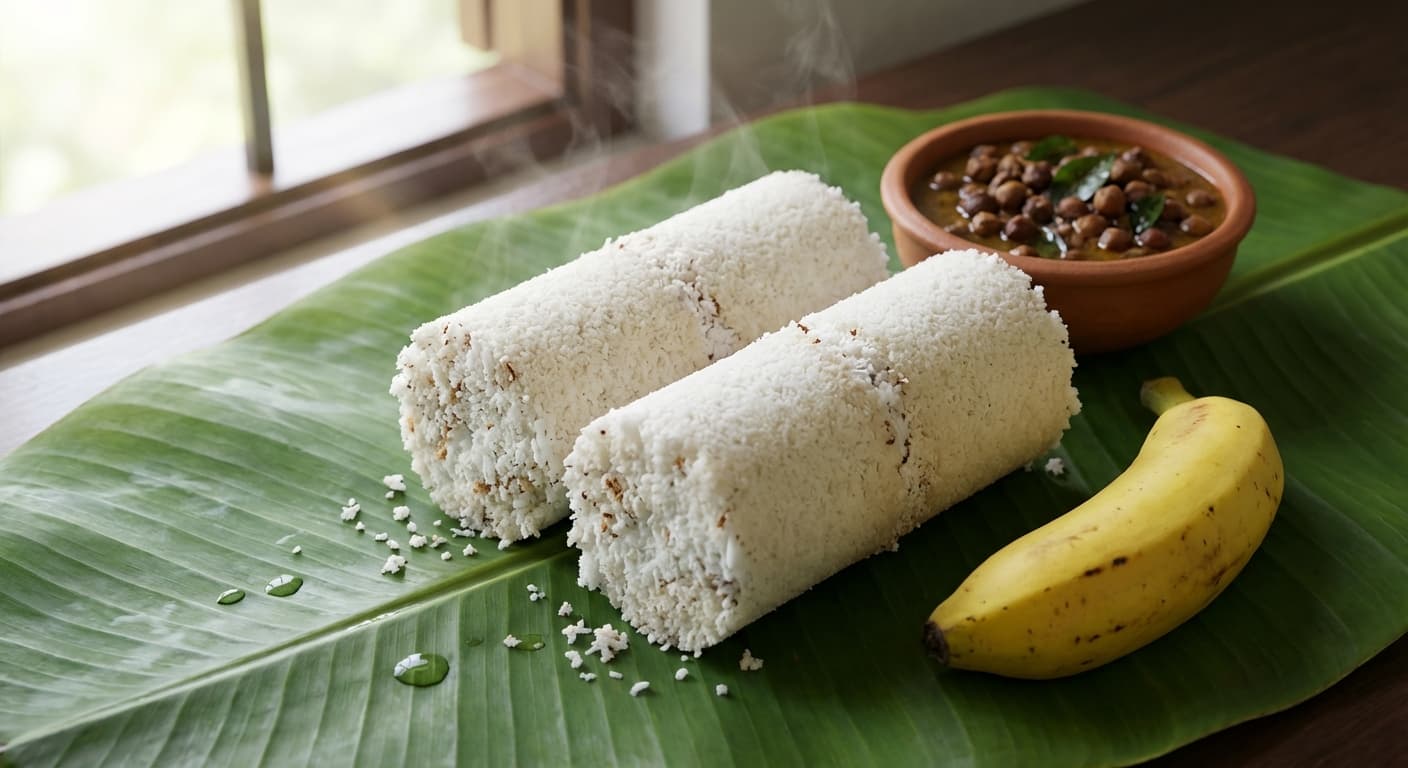
Puttu (പുട്ട്) — Steamed rice flour cylinders layered with coconut
Indian · Breads · 35 min
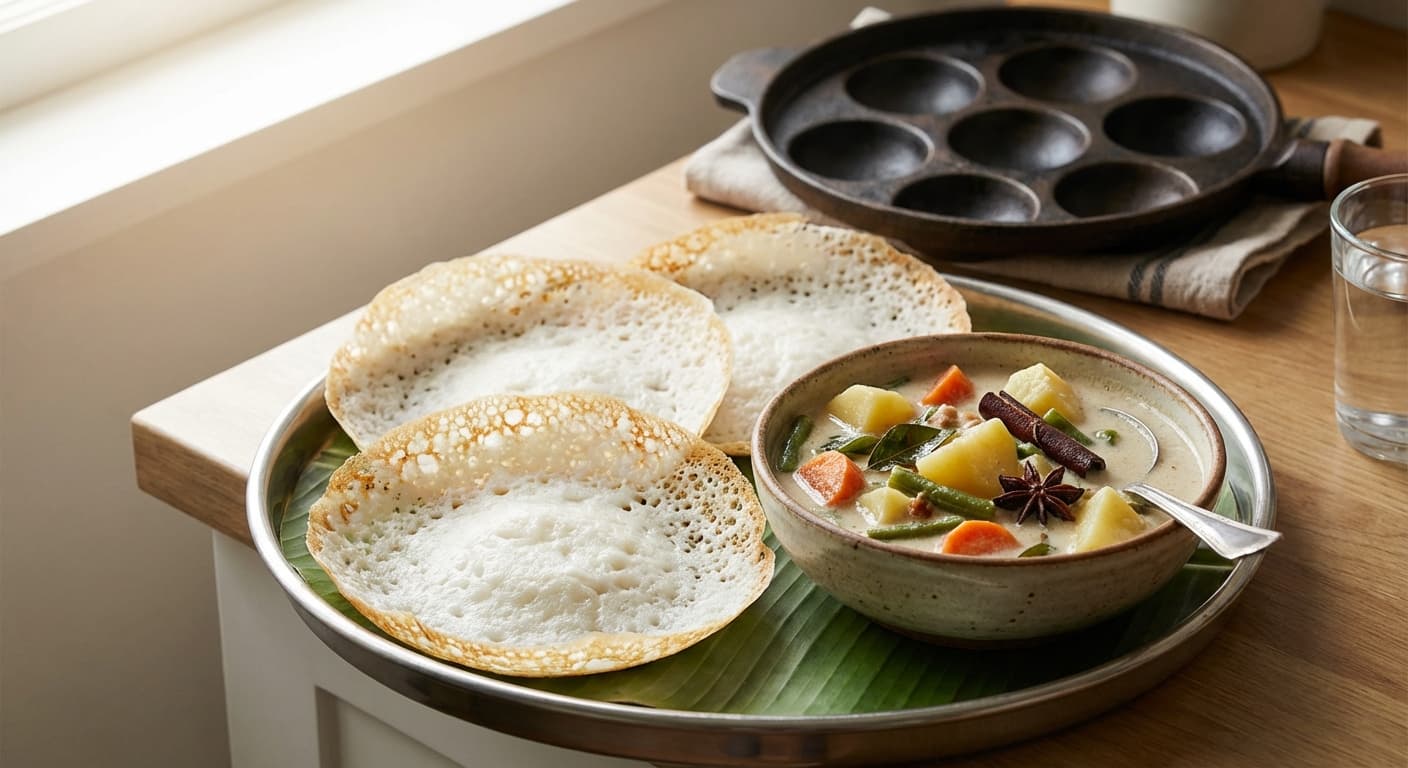
Appam with Stew (അപ്പം & ഇഷ്ടു) — Lacy rice pancakes with coconut vegetable curry
Indian · Main Courses · 80 min
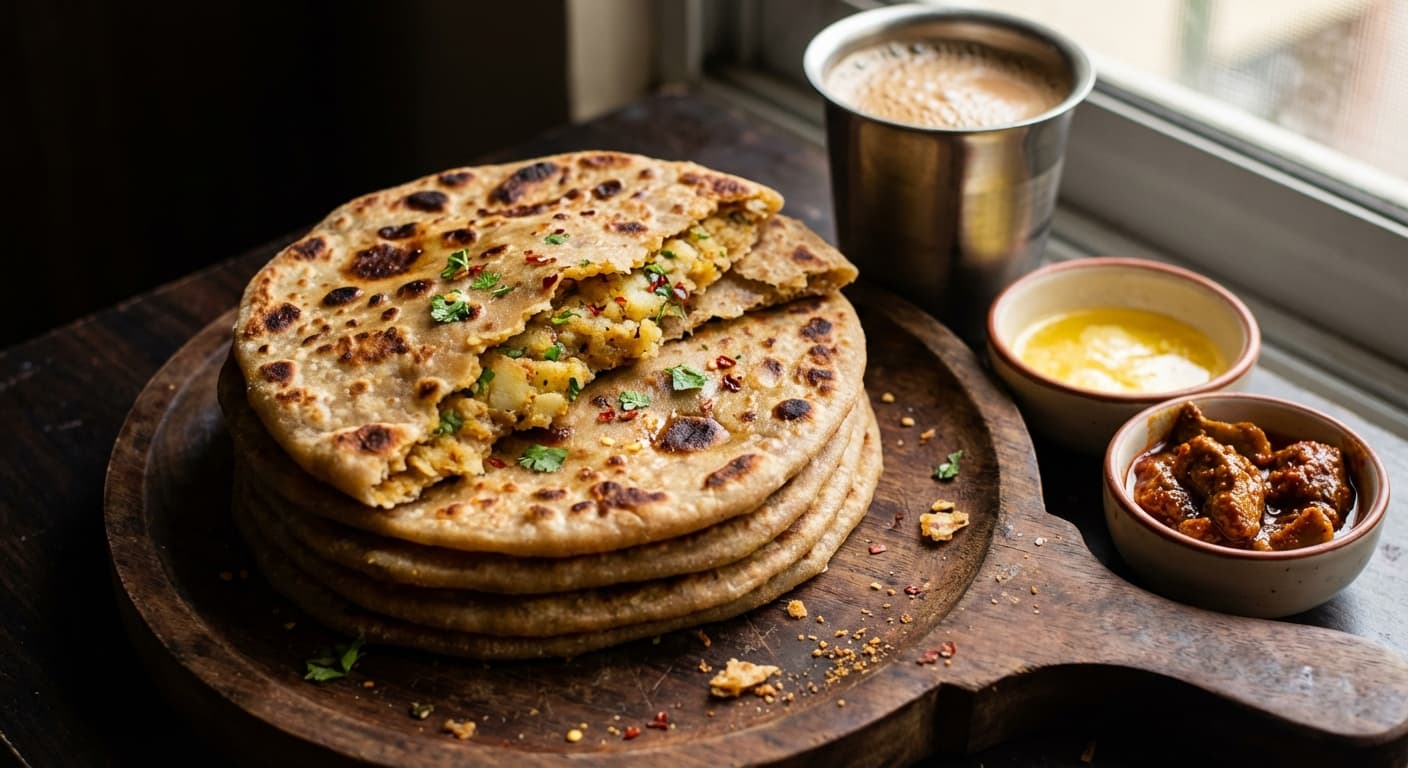
Aloo Paratha (आलू पराठा) — Indian Potato-Stuffed Breakfast Flatbread
Indian · Breads · 60 min
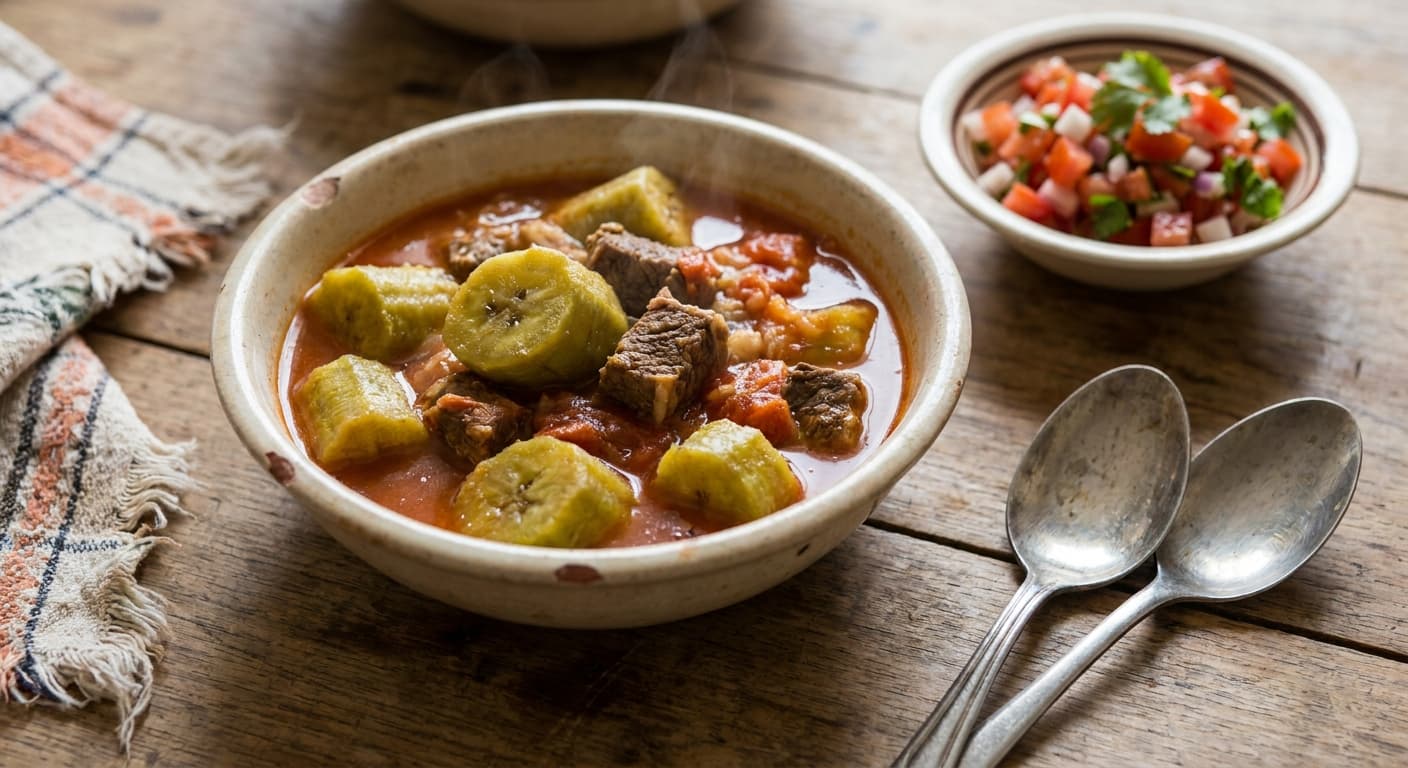
Matoke (Matoke) — Tanzanian Green Banana and Beef Stew
Tanzanian · Stews · 135 min
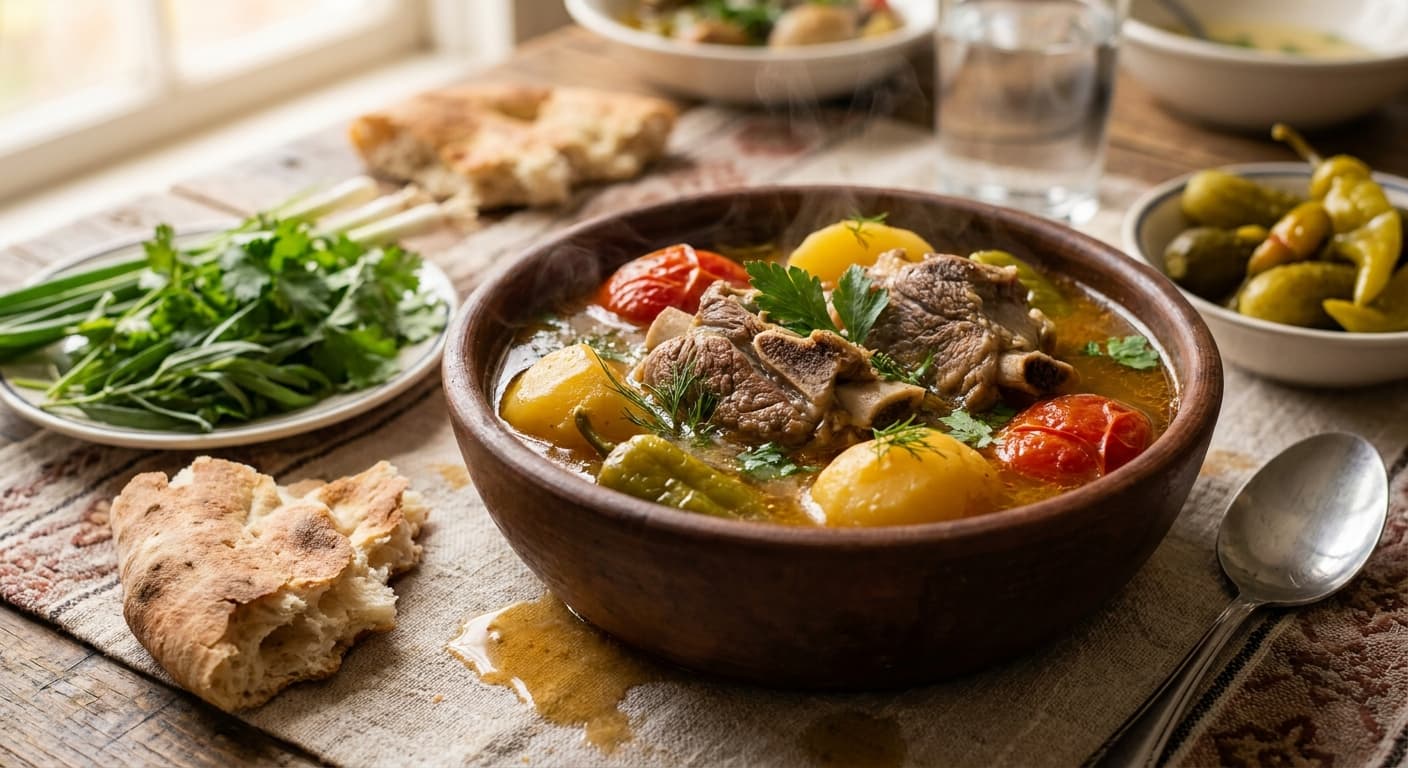
Khashlama (Խաշլամա) — Armenian Lamb and Vegetable Stew
Armenian · Stews · 160 min
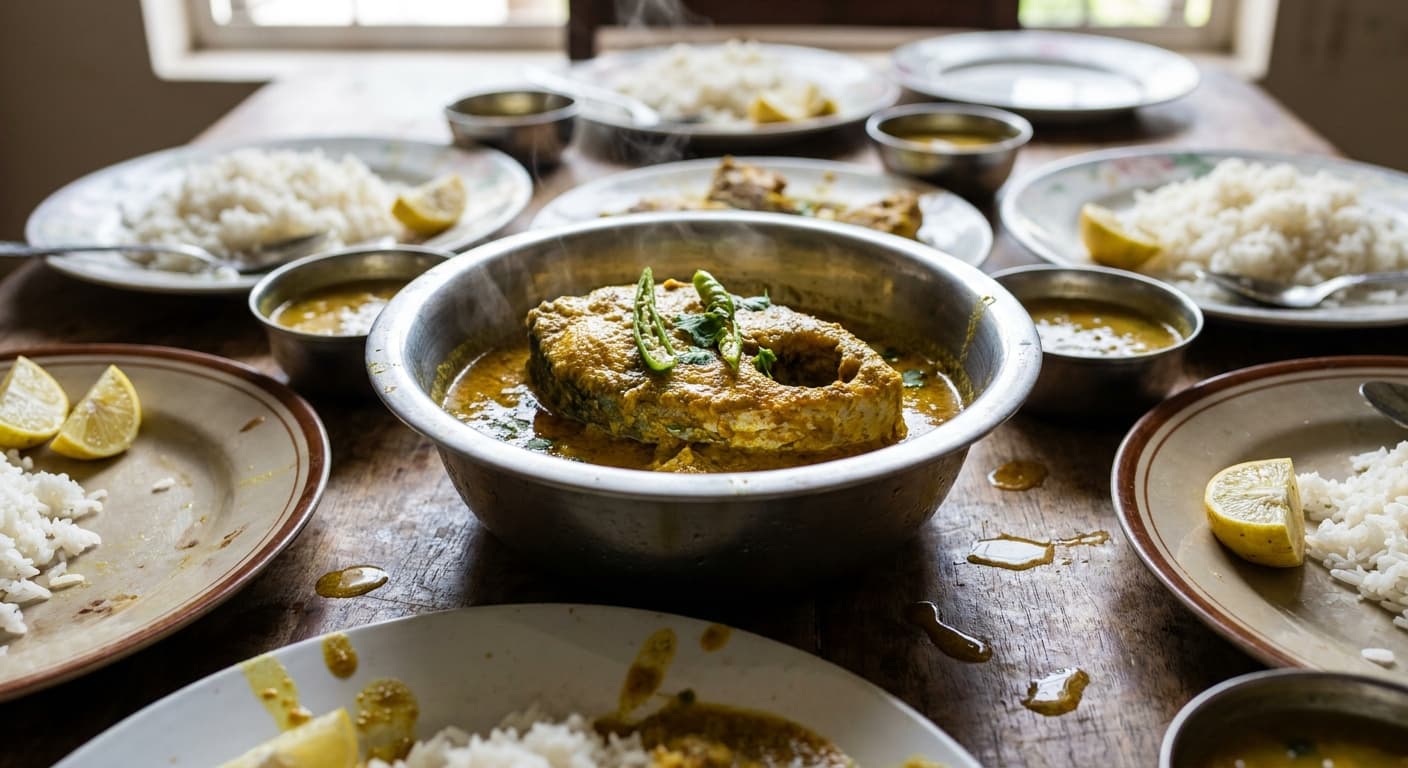
Bangladeshi Steamed Hilsa (ইলিশ ভাপা) — Mustard-Steamed River Fish
Bangladeshi · Main Courses · 45 min
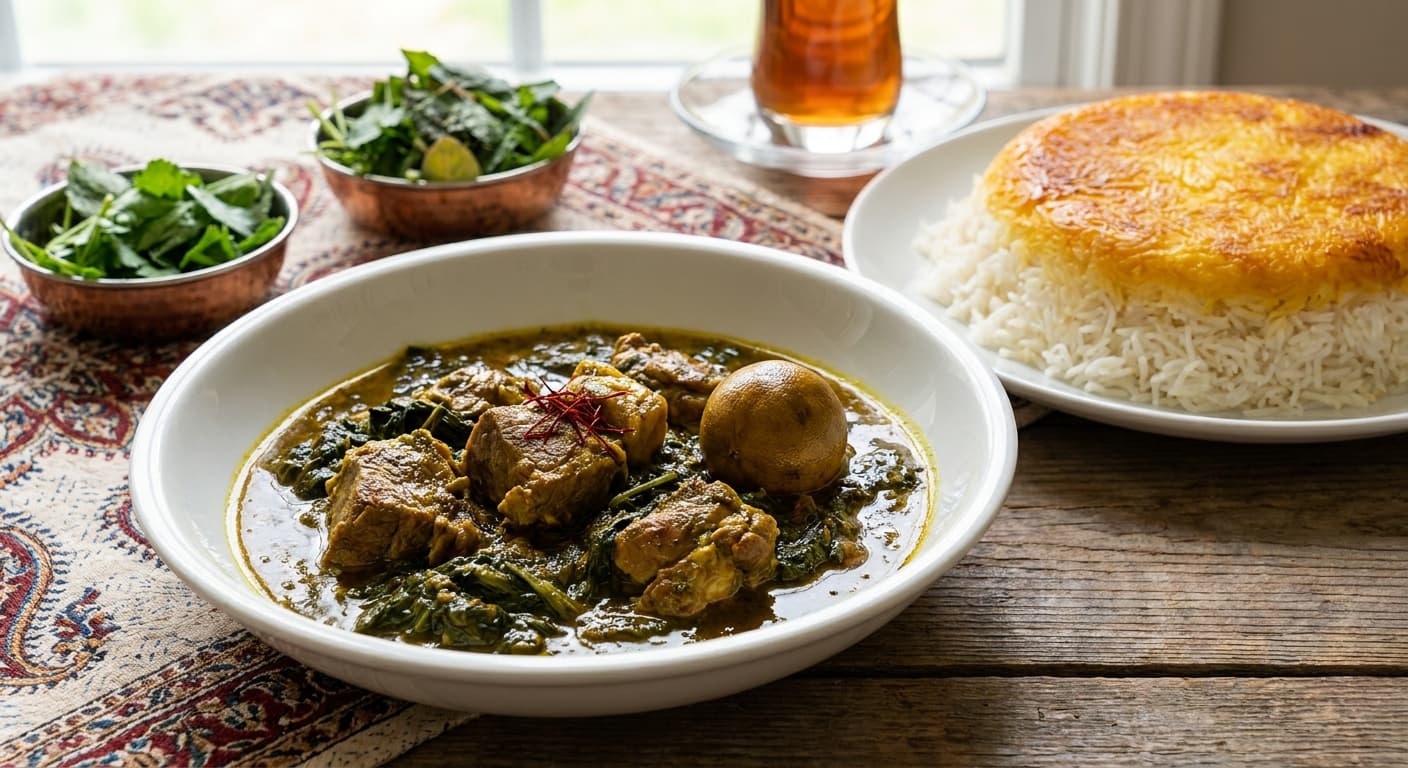
Persian Khoresht Saak (خورش ساک) — Saffron-Cardamom Lamb Stew with Saak Greens
Persian · Stews · 145 min
Shorshe Ilish (শরষে ইলিশ) — Hilsa in Mustard-Grreen Chili Gravy
Indian · Main Courses · 38 min
Reviews
Cooked this recipe?
Tap the stars to rate it — that's all it takes. A few words are welcome but optional.
No ratings yet. Cooked this one? Be the first to rate it — it takes one tap.