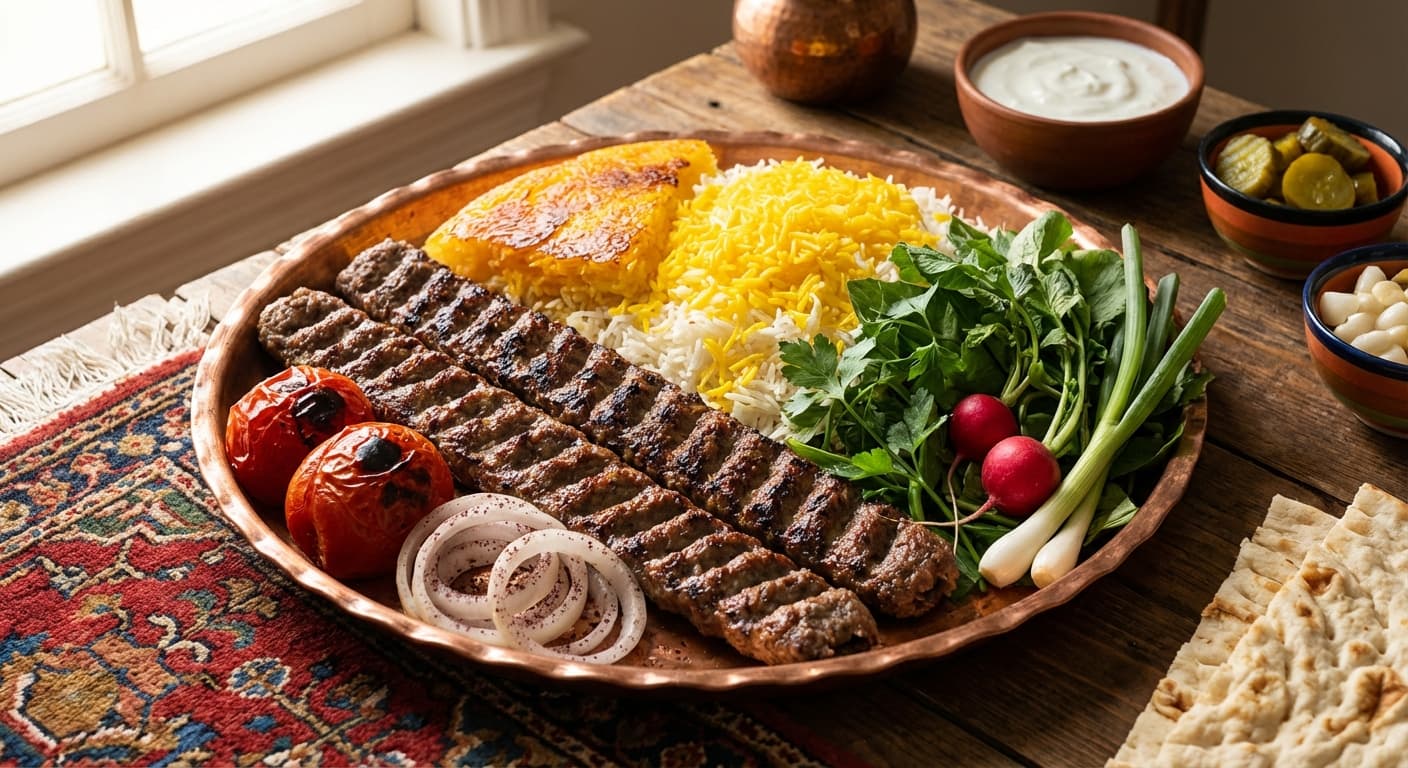
Kabab Koobideh (کباب کوبیده) — Classic Persian Ground Lamb and Beef Kebab
Classic Iranian kabab koobideh made from finely ground lamb and beef with grated onion, saffron, and sumac. Juicy, well-seasoned, and perfectly charred on skewers—ideal with chelow, grilled tomatoes, and fresh herbs.
Printable Recipe Card
Servings: 6 · Total: 113 min · Difficulty: medium
Ingredients (quick list)
- 500 g Ground lamb (well-chilled; 20–25% fat preferred)
- 500 g Ground beef (well-chilled; 15–20% fat preferred)
- 300 g Yellow onion (about 2 medium; grated finely)
- 18 g Kosher salt (about 1 tbsp; adjust if using fine table salt)
- 2 g Black pepper (about 1 tsp, freshly ground)
- 6 g Ground sumac (about 2 tsp, plus more for serving; also 3 g)
- 2 g Baking soda (about 1/2 tsp; helps bind and keep kebab juicy)
- 0.15 g Saffron threads (about 1/2 tsp, finely crushed)
- 30 ml Hot water (to bloom saffron)
- 30 g Unsalted butter (melted; for basting)
- 6 each Roma tomatoes (for grilling alongside kebabs)
Steps (summary)
- Chill everything: place ground meats in the freezer for 15 minutes while you prepare the onion. Grate the onion on the fine sid…
- Bloom saffron: crush saffron threads to a powder, pour over 30 ml hot water (not boiling), cover, and steep 10 minutes. This cr…
- Make the mixture: in a cold bowl, combine lamb, beef, squeezed onion pulp, salt, pepper, 6 g sumac, and baking soda. Add 2 tbsp…
- Rest and firm: cover the bowl and refrigerate 45 minutes. This resting time hydrates the proteins, helps the onion integrate, a…
- Prepare basting and grill items: melt butter and, if desired, stir in 1 tsp sumac. Skewer tomatoes separately. Oil the grill gr…
- Skewer the koobideh: set a bowl of cold water nearby to dip your fingers. Divide meat into 12 portions (about 85–90 g each). Pr…
+ 2 more steps in the full instructions section below.
Cultural Background
Kabab koobideh is one of Iran’s most iconic kebabs, commonly served in chelow-kababi restaurants and at family gatherings. Its signature ridged shape and onion-scented meat are associated with celebratory meals, often paired with saffron rice and grilled tomatoes.
Equipment
💡 Tips
- Squeezing the grated onion thoroughly is the single best way to prevent koobideh from falling off the skewers.
- Mixing until the meat turns sticky (not just combined) creates the classic springy koobideh texture and helps it cling to flat skewers.
- If the mixture feels soft while shaping, refrigerate it 10–15 minutes and keep your hands damp with cold water while pressing onto the skewer.
- Use wide flat metal skewers (about 2 cm) for best hold; thin round skewers increase slipping and tearing.
⚠️ Common Mistakes
❌ Not squeezing enough liquid from the grated onion
💡 Why: Excess moisture makes the mixture loose so it slides or breaks on the skewer before it sets.
✅ Fix: Squeeze until the pulp feels nearly dry; if already mixed and too wet, add 1–2 tbsp fine breadcrumbs and chill 30 minutes (texture changes slightly but it will hold).
❌ Under-mixing the meat
💡 Why: Without adequate protein extraction, the kebab won’t become tacky and will crack or fall during grilling.
✅ Fix: Mix 6–8 minutes until the paste sticks to your hand; keep the bowl cold and stop if the fat begins to melt, then chill and continue.
❌ Starting on low heat or flipping too late
💡 Why: Koobideh needs quick searing to set; slow heat lets fat render early and the kebab collapses.
✅ Fix: Use medium-high heat and flip every 45–60 seconds for the first 3 minutes to set the exterior evenly.
🧊 How to Store
Refrigerate cooked kebabs in an airtight container up to 3 days. Reheat gently covered in a 160°C oven for 10–12 minutes or in a skillet with a splash of water, covered, to avoid drying. Freeze cooked kebabs up to 2 months; thaw overnight in the fridge before reheating.
📅 Make Ahead
Prepare and mix the meat up to 1 day ahead; keep tightly covered in the refrigerator. For best texture, skewer right before grilling. You can also grate and squeeze the onion earlier the same day; store the pulp and juice separately, chilled, and use only the pulp in the mixture.
🍽️ Pairs Well With
- Chelow (Persian steamed rice) with saffron
- grilled tomatoes
- torshi
- fresh sabzi khordan (herbs)
- raw onion
- and doogh. Lavash or sangak is also traditional.
Regional Variations
- TehranRestaurant-style Tehran koobideh is often made with a precise beef-to-lamb balance and very fine onion pulp, shaped thinner and longer on wide skewers, then finished with generous butter basting and served with extra sumac and raw onion.
- Tabriz (East Azerbaijan)Some cooks add a small pinch of turmeric and a touch of ground cumin to the meat for a warmer spice profile, and shape slightly thicker kebabs to stay juicy over longer charcoal cooking common at outdoor gatherings.
- Shiraz (Fars)Koobideh may be served with more sour accents—extra sumac and sometimes a squeeze of fresh lemon at the table—alongside abundant herbs and grilled peppers, reflecting the region’s preference for bright, fresh flavors.
Ingredients
- 500 gGround lamb (well-chilled; 20–25% fat preferred)
- 500 gGround beef (well-chilled; 15–20% fat preferred)
- 300 gYellow onion (about 2 medium; grated finely)
- 18 gKosher salt (about 1 tbsp; adjust if using fine table salt)
- 2 gBlack pepper (about 1 tsp, freshly ground)
- 6 gGround sumac (about 2 tsp, plus more for serving; also 3 g)
- 2 gBaking soda (about 1/2 tsp; helps bind and keep kebab juicy)
- 0.15 gSaffron threads (about 1/2 tsp, finely crushed)
- 30 mlHot water (to bloom saffron)
- 30 gUnsalted butter (melted; for basting)
- 6 eachRoma tomatoes (for grilling alongside kebabs)
🔄 Substitutions
- Ground lamb→ All ground beef (20% fat)
- Unsalted butter for basting→ Ghee
- Saffron→ None (omit)
Instructions
- 1
Chill everything: place ground meats in the freezer for 15 minutes while you prepare the onion. Grate the onion on the fine side of a box grater, then squeeze it very firmly in a clean towel until you have about 120 ml onion juice and dry-ish pulp; keep both, but use only the pulp in the meat.
- 2
Bloom saffron: crush saffron threads to a powder, pour over 30 ml hot water (not boiling), cover, and steep 10 minutes. This creates a concentrated saffron water that perfumes the kebab without adding extra liquid that would make it slip on the skewer.
- 3
Make the mixture: in a cold bowl, combine lamb, beef, squeezed onion pulp, salt, pepper, 6 g sumac, and baking soda. Add 2 tbsp (30 ml) of the saffron water. Mix vigorously by hand for 6–8 minutes until the meat becomes tacky and cohesive, like a paste that clings to your palm.
- 4
Rest and firm: cover the bowl and refrigerate 45 minutes. This resting time hydrates the proteins, helps the onion integrate, and firms the fat so the kebab holds its shape on the skewer. Meanwhile, prepare a charcoal grill for medium-high heat (about 230–260°C at the grate).
- 5
Prepare basting and grill items: melt butter and, if desired, stir in 1 tsp sumac. Skewer tomatoes separately. Oil the grill grate lightly using a folded paper towel dipped in oil and held with tongs; do this right before cooking, not earlier, to reduce sticking.
- 6
Skewer the koobideh: set a bowl of cold water nearby to dip your fingers. Divide meat into 12 portions (about 85–90 g each). Press each portion firmly onto a wide flat metal skewer, shaping an even strip about 18–20 cm long. Pinch shallow ridges along the length for traditional texture and better adhesion.
- 7
Grill and set the kebab: place skewers on the hottest part of the grill. Cook 45–60 seconds, then flip; repeat flipping every 45–60 seconds for the first 3 minutes to “set” the meat. Once firm, continue grilling 6–8 minutes more, turning occasionally, until browned with light char and 71°C internal temperature.
- 8
Baste and finish: during the last 2–3 minutes, brush kebabs lightly with melted butter (and sumac butter if using). Grill tomatoes 6–8 minutes total, turning until blistered and softened. Rest kebabs 2 minutes off-heat, then slide onto lavash or a platter; sprinkle extra sumac to serve.
🪪 Recipe Passport
Cultural Background
Kabab koobideh is one of Iran’s most iconic kebabs, commonly served in chelow-kababi restaurants and at family gatherings. Its signature ridged shape and onion-scented meat are associated with celebratory meals, often paired with saffron rice and grilled tomatoes.
Regional Variations
Researched from multiple sources and validated by the Zaffaron editorial team. Every recipe is tested for accuracy, measurements, and cultural authenticity.
Nutrition per serving
Pairs well with
If you enjoyed this recipe, here are a few related Zaffaron recipes to try next.
- Chelo Kebab Koobideh (چلو کباب کوبیده) — Persian Minced Meat Skewers with Saffron Rice
- Persian Steamed Rice Masterclass (چلو و پلو) — Chelo and Polow techniques with perfect tahdig
- Kalam Polo Ghermez (کلم پلو قرمز) — Saffron Red Cabbage Rice with Chicken
- Kalleh Pacheh Polo (کله پاچه پلو) — Persian Sheep’s Head and Trotters Rice
- Kabab Tabei & Koobideh Platter (کباب تابهای و کوبیده) — Persian Pan Kebabs with Saffron Rice
Does your family make this differently?
Every family has their own version. Maybe your grandmother adds a secret ingredient, or your aunt has a completely different technique. Preserve your family's version — with their name on it, forever.
You Might Also Like
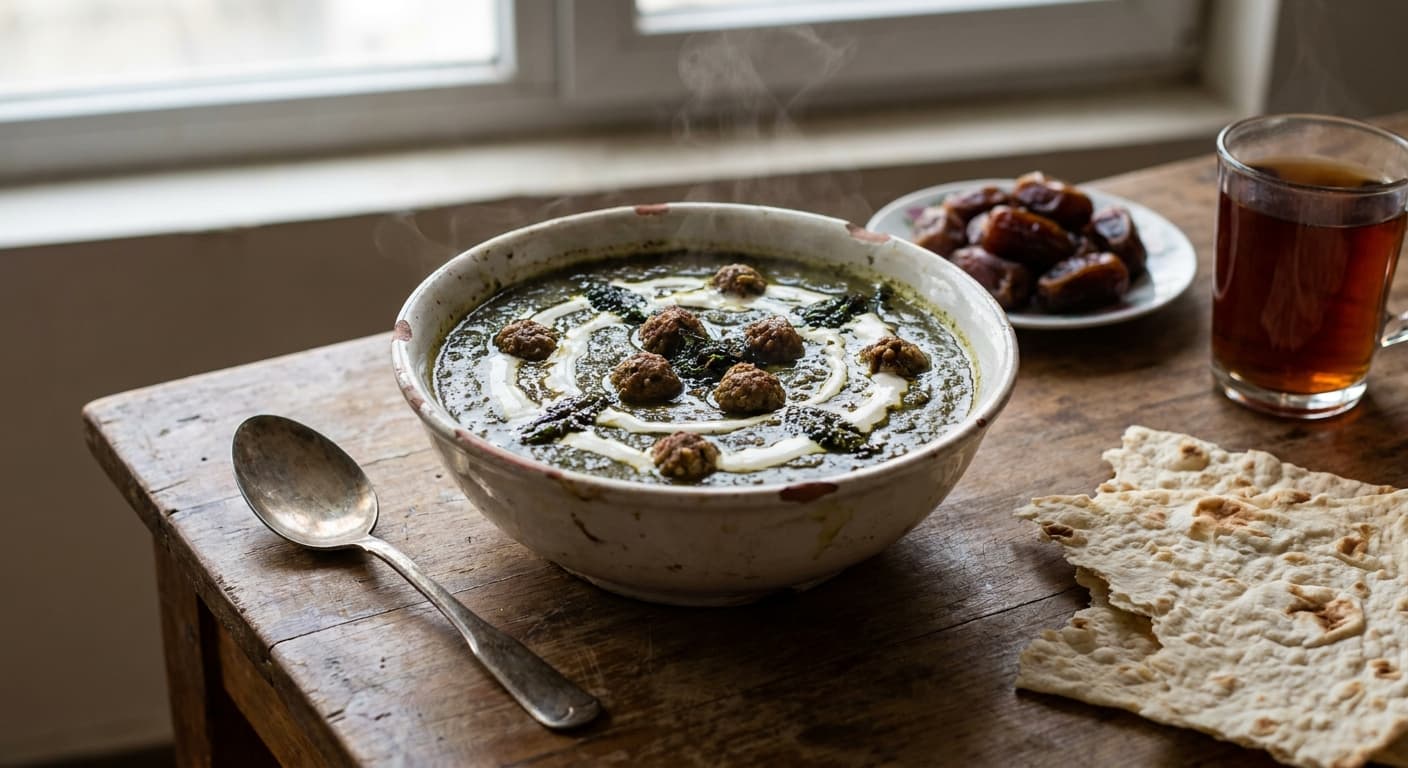
Ash-e Sak (آش ساک) — Golestani Spinach, Legume, and Meatball Soup
Persian · Soups · 175 min
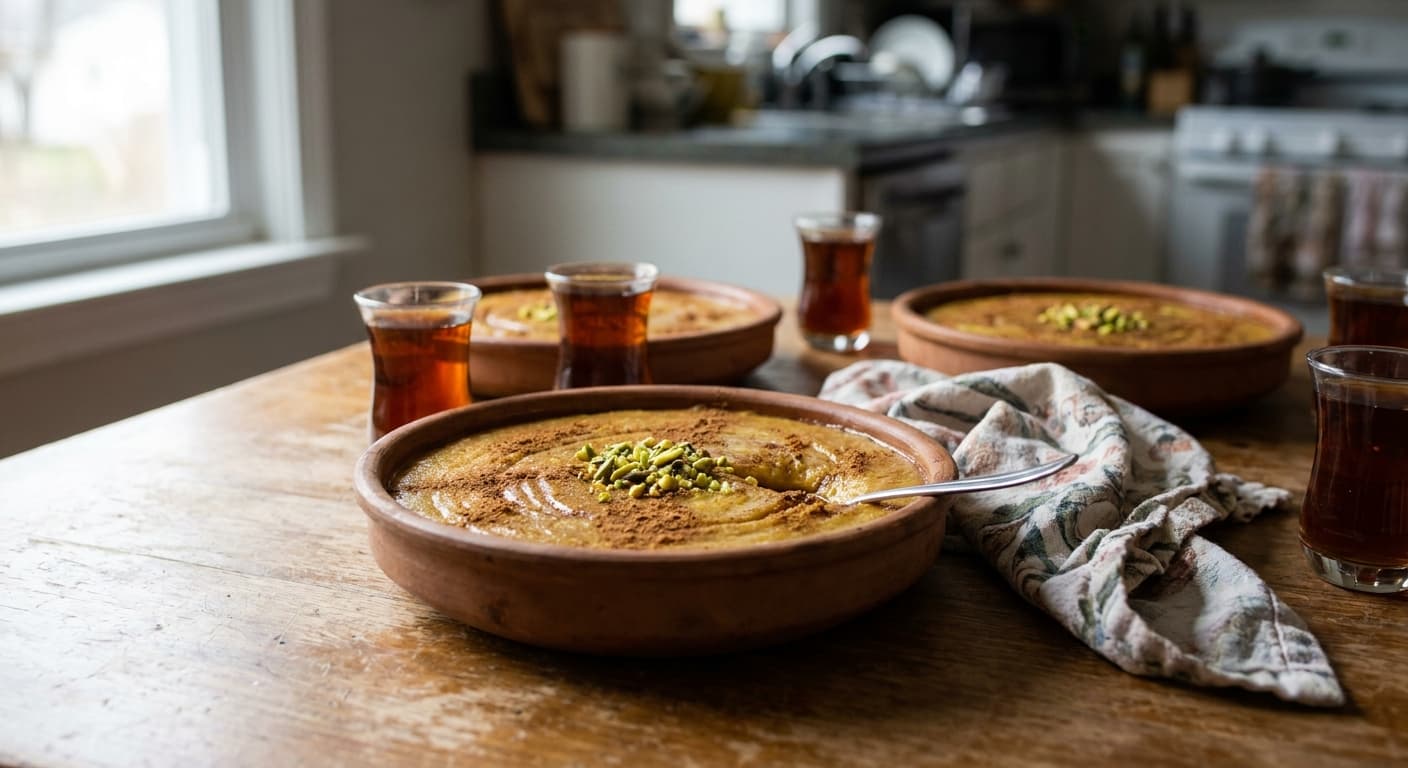
Persian Kachi (کاچی) — Saffron Rosewater Pudding
Persian · Desserts · 45 min
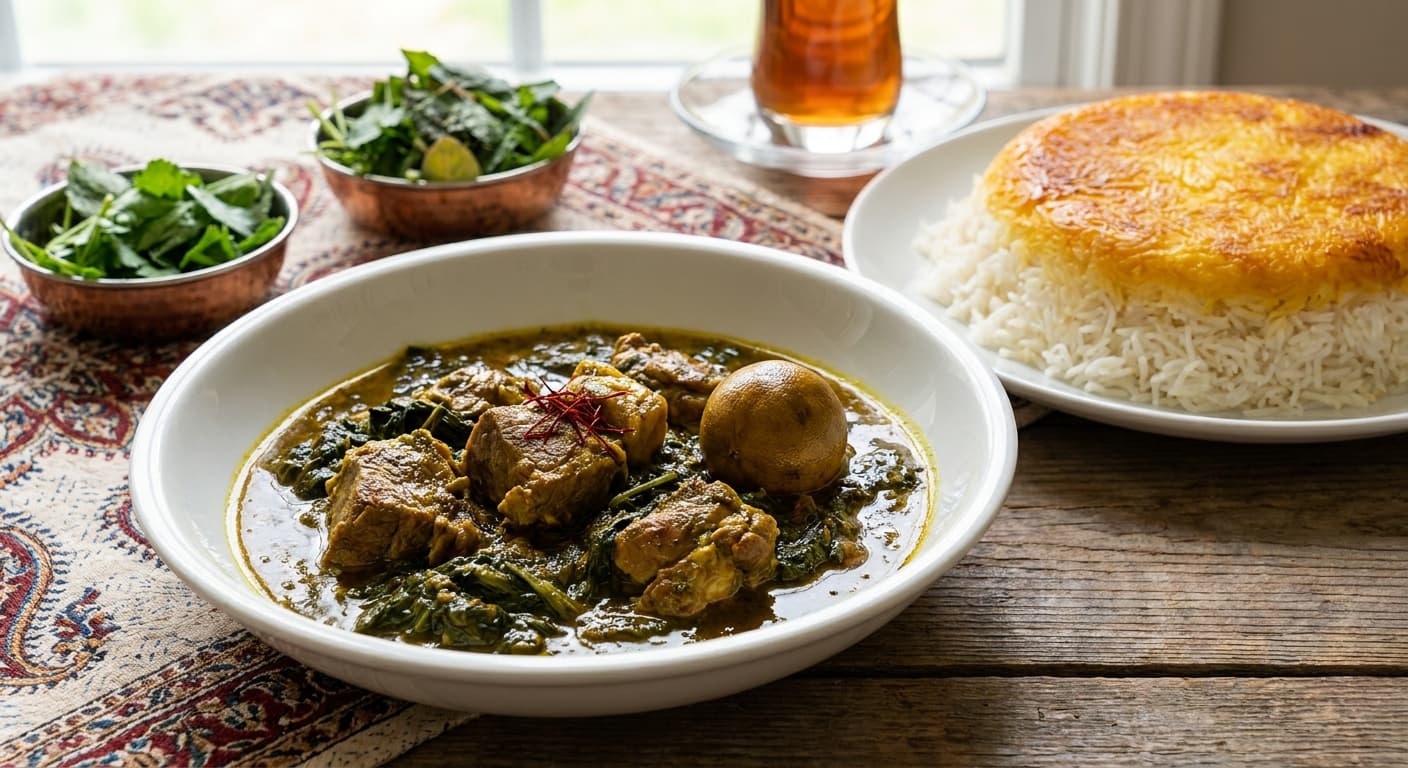
Persian Khoresht Saak (خورش ساک) — Saffron-Cardamom Lamb Stew with Saak Greens
Persian · Stews · 145 min
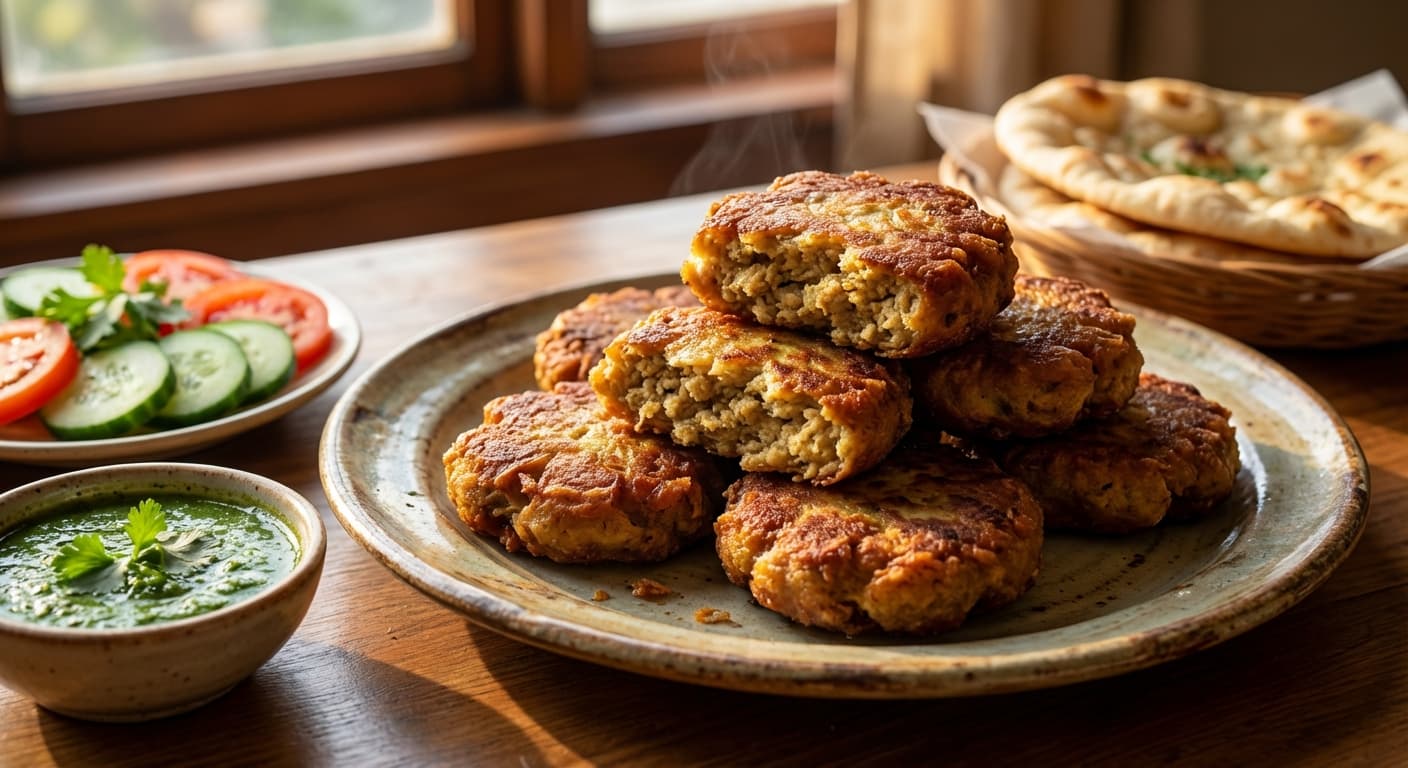
Shami Kebab (شامی کباب) — Afghan Lentil and Meat Patties
Afghan · Kebabs · 70 min
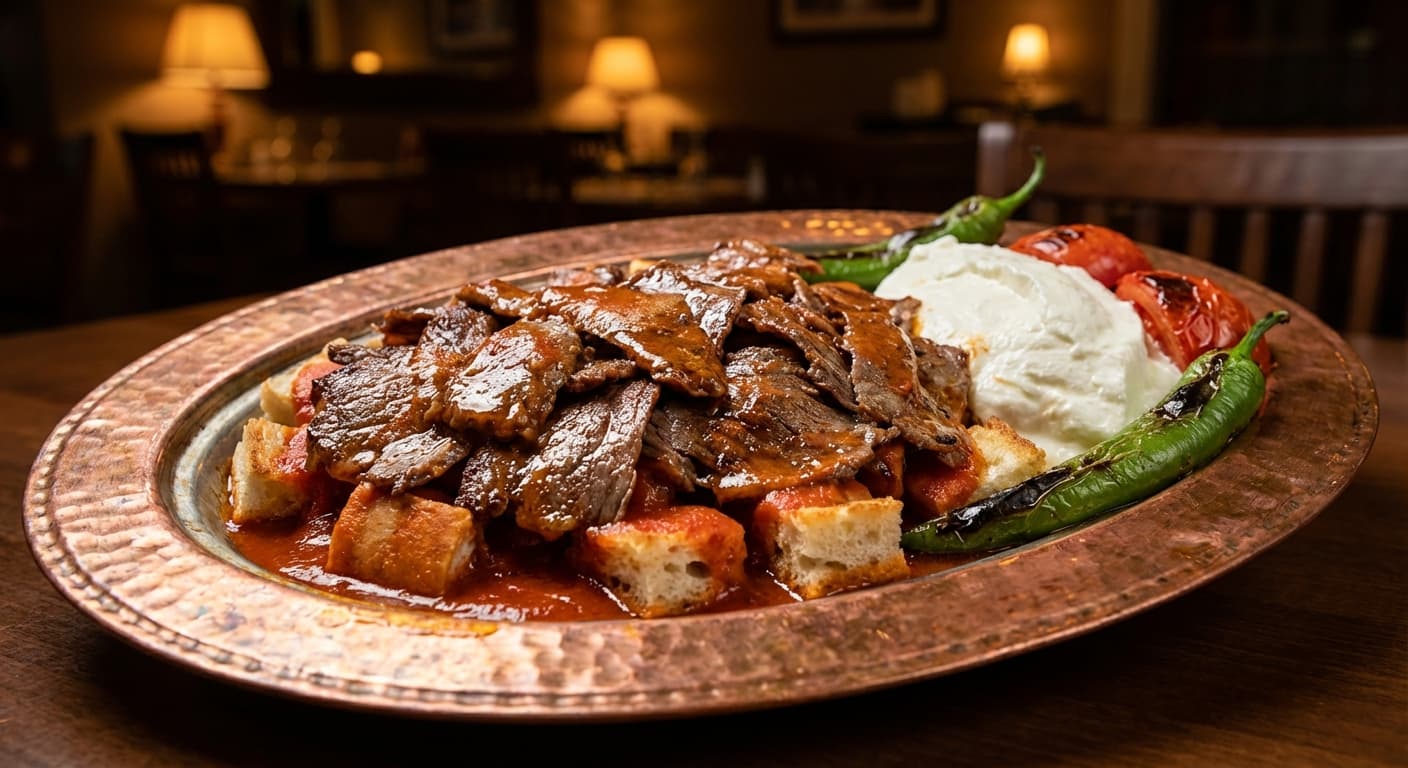
İskender Kebab (İskender Kebap) — Turkish Sliced Döner with Tomato Sauce and Yogurt
Turkish · Kebabs · 60 min
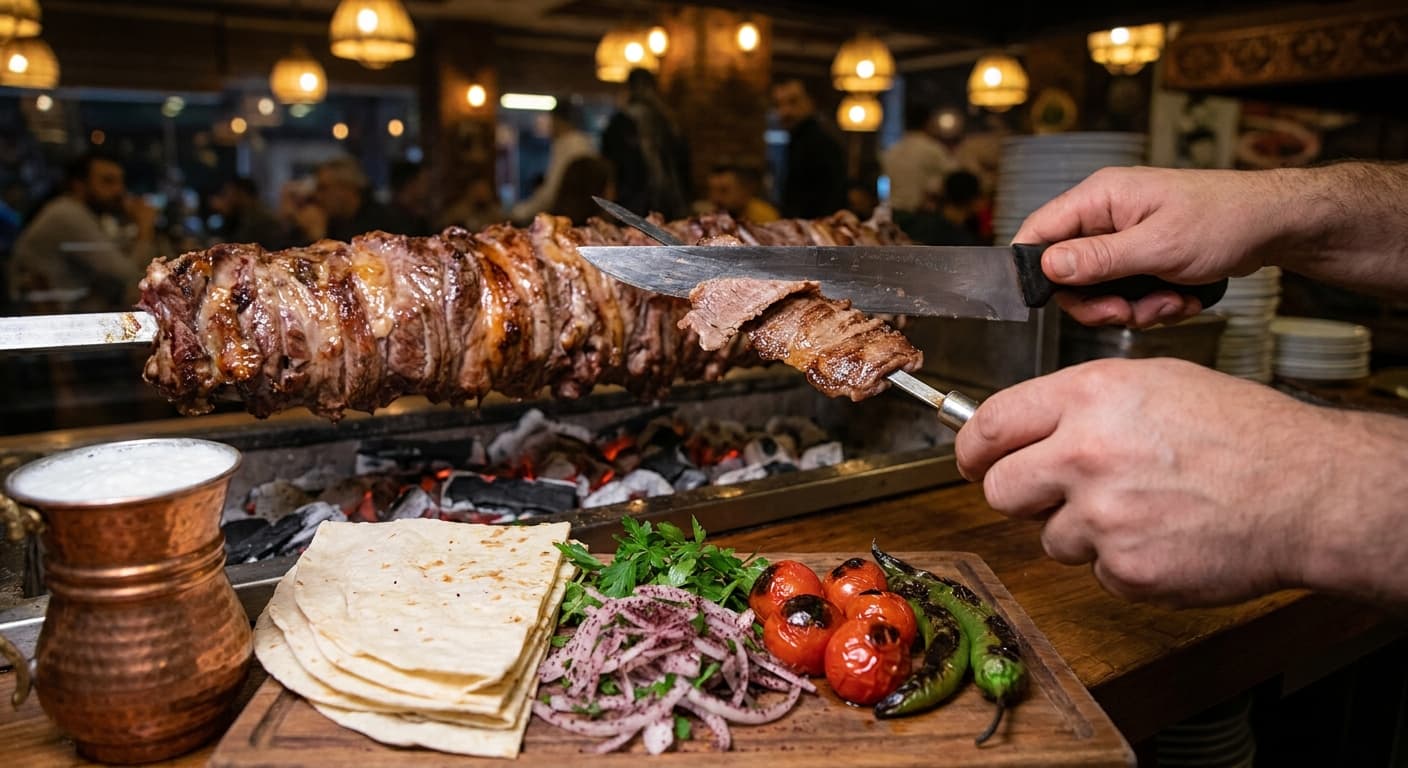
Turkish Cağ Kebab (Cağ Kebabı) — Erzurum Slow-Roasted Charcoal Lamb Skewer
Turkish · Kebabs · 160 min
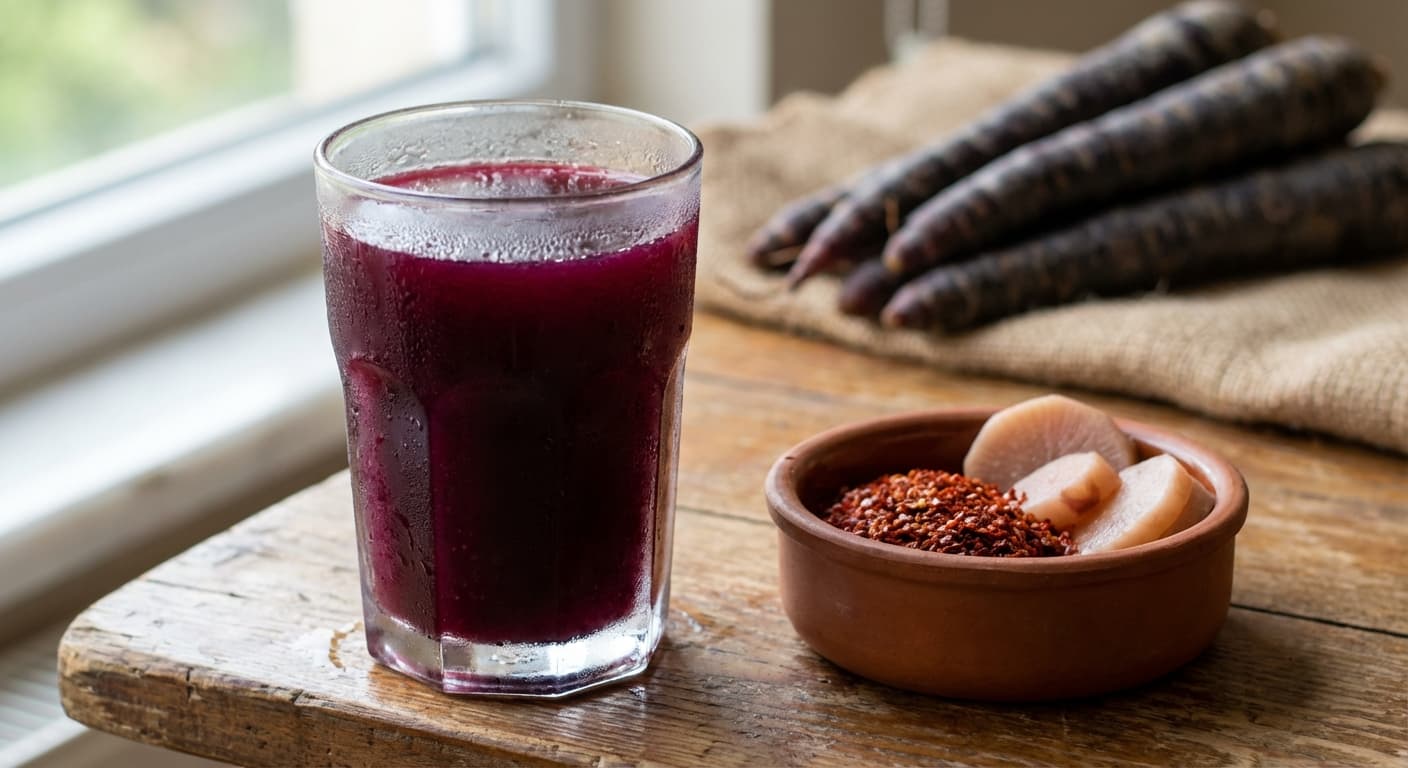
Salgam Juice (Şalgam) — Spicy, tangy fermented black-carrot drink
Turkish · Drinks · 25 min
Oshi Siyoh (Оши сиёҳ) — Bukhara-Style Dark Pilaf
Tajik · Rice Dishes · 125 min
Reviews
Cooked this recipe?
Tap the stars to rate it — that's all it takes. A few words are welcome but optional.
No ratings yet. Cooked this one? Be the first to rate it — it takes one tap.