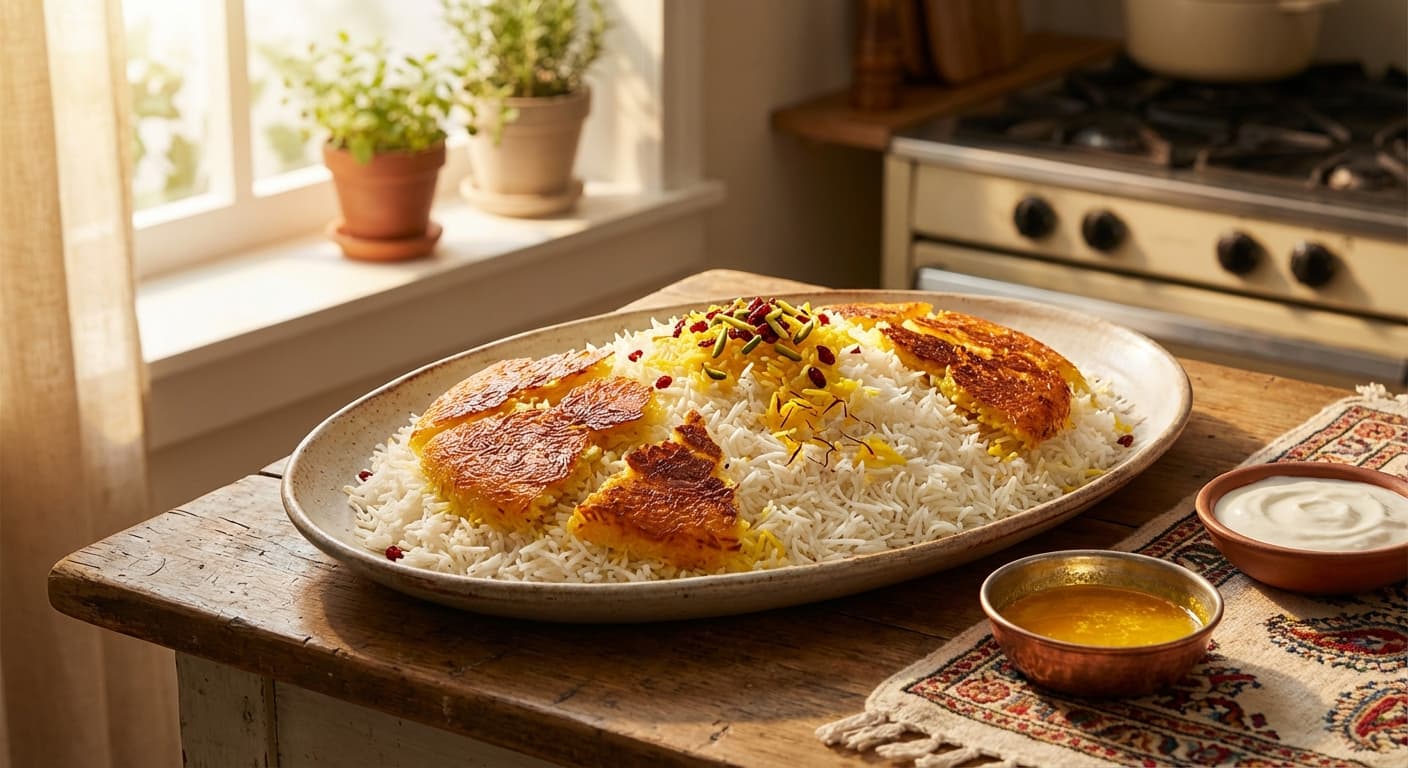
Chelow (چلو) — Persian Steamed Rice with Golden Saffron Tahdig
Classic Persian chelow: long-grain basmati steamed until fluffy, with a crisp golden saffron tahdig made from yogurt and egg yolk. A foundational rice for stews and kebabs, prized for aroma and texture.
Printable Recipe Card
Servings: 6 · Total: 125 min · Difficulty: medium
Ingredients (quick list)
- 500 g Basmati rice (aged basmati preferred; rinsed until water runs mostly clear)
- 18 g Salt (for soaking and boiling water (adjust to taste))
- 3000 g Water (for boiling; plus extra for rinsing)
- 60 ml Neutral oil (such as grapeseed, sunflower, or canola)
- 120 g Plain yogurt (full-fat, unsweetened)
- 2 large Egg yolks (about 34 g total yolk)
- 0.25 tsp Ground saffron (finely ground)
- 30 ml Hot water (just off the boil, for blooming saffron)
Steps (summary)
- Rinse the basmati rice in several changes of cool water until the water looks mostly clear, 3–5 minutes. Add rice to a bowl, co…
- Bloom the saffron: place ground saffron in a small cup, add 30 ml hot water, stir, and cover. Let stand 10 minutes to deepen co…
- Bring 3 liters water to a rolling boil in a large pot over high heat. Add the remaining 8 g salt. Drain the soaked rice and add…
- Drain the rice in a fine-mesh colander. Rinse quickly with 250 ml cool water to stop cooking and wash away excess surface starc…
- Choose a 24–26 cm heavy nonstick or well-seasoned pot. Warm the pot over medium heat for 2 minutes. Add the remaining 30 ml oil…
- Add the drained parboiled rice to the pot, one large spoonful at a time, without pressing down hard. Shape into a gentle mound…
+ 2 more steps in the full instructions section below.
Cultural Background
Chelow is a cornerstone technique in Persian home cooking and formal dining, valued for its contrast of fluffy rice and crisp tahdig. It is commonly served alongside stews and grilled meats, and the tahdig is often treated as a prized portion shared at the table.
Equipment
💡 Tips
- Aged basmati (stored 6–12 months) produces longer, more separate grains and less stickiness.
- Do not overboil during par-cooking; a firm center is essential so the grains finish steaming without breaking.
- A heavy-bottom pot and steady low heat are key for an evenly golden tahdig without scorching.
- If your lid is not tight, place a sheet of foil under the lid to reduce steam loss and improve fluffiness.
- For extra color, reserve 2–3 tablespoons of cooked rice, mix with a little bloomed saffron, and spoon over the finished rice as garnish.
⚠️ Common Mistakes
❌ Overcooking the rice during the boil
💡 Why: Fully cooked grains break during steaming and turn clumpy, and the bottom can compress and burn before the top dries.
✅ Fix: Boil only until the outside is tender but the center is still firm, usually 6–8 minutes after adding rice; start tasting at minute 6.
❌ Skipping the towel-wrapped lid
💡 Why: Condensation drips back onto the rice, making the top layer wet and reducing grain separation and crispness.
✅ Fix: Wrap the lid with a clean towel (or use paper towels) and cover tightly to absorb steam during the 45–50 minute steaming phase.
❌ Heat too high during the long steam
💡 Why: The tahdig can scorch before it turns evenly golden, leaving a bitter taste and a hard-to-release crust.
✅ Fix: After the initial 10 minutes on medium, reduce to low and keep the pot steady; if your stove runs hot, use a heat diffuser.
❌ Pressing rice down firmly when layering
💡 Why: Compressed rice blocks steam flow, leading to uneven cooking and a dense texture.
✅ Fix: Spoon rice in gently and mound it; add steam holes down to the bottom to help circulation.
🧊 How to Store
Cool rice within 1 hour, then refrigerate airtight up to 3 days. Reheat covered with 1–2 tablespoons water in a pot over low heat 10–15 minutes, or microwave covered 2–4 minutes. Tahdig is best fresh; re-crisp in a dry skillet over medium heat 3–5 minutes.
📅 Make Ahead
Rinse and soak the rice up to 2 hours ahead at room temperature. Bloom saffron up to 24 hours ahead and refrigerate covered. Parboiled rice can be drained and held 30 minutes before steaming; keep it loosely covered so it does not dry out.
🍽️ Pairs Well With
- Persian herb stew
- Tomato-based okra stew
- Grilled saffron chicken or koobideh-style kebabs
- Shirazi-style cucumber and tomato salad
- Pickled vegetables
Regional Variations
- Tehran-style home cookingOften uses a yogurt-and-egg base for tahdig to create a thick, golden crust that releases in one piece and is easy to portion into wedges.
- Northern Iran (Caspian influence)Tahdig may be made thinner and crisper, with more emphasis on fragrant rice and less on a thick yogurt layer; some cooks prefer a lighter oil coating for a delicate crackle.
- Iranian diaspora kitchensElectric rice cookers are frequently used for consistency; the method still relies on parboiling and steaming, but timing and browning are adjusted to the appliance’s heat profile.
Ingredients
- 500 gBasmati rice (aged basmati preferred; rinsed until water runs mostly clear)
- 18 gSalt (for soaking and boiling water (adjust to taste))
- 3000 gWater (for boiling; plus extra for rinsing)
- 60 mlNeutral oil (such as grapeseed, sunflower, or canola)
- 120 gPlain yogurt (full-fat, unsweetened)
- 2 largeEgg yolks (about 34 g total yolk)
- 0.25 tspGround saffron (finely ground)
- 30 mlHot water (just off the boil, for blooming saffron)
🔄 Substitutions
- Plain yogurt→ Thick strained yogurt (Greek-style), thinned with 1–2 tablespoons water
- Neutral oil→ Clarified butter (ghee)
- Basmati rice→ Long-grain jasmine rice
Instructions
- 1
Rinse the basmati rice in several changes of cool water until the water looks mostly clear, 3–5 minutes. Add rice to a bowl, cover with 1.5 liters cool water, and dissolve 10 g of the salt into the soak. Soak 45–60 minutes at room temperature for longer, more separate grains.
- 2
Bloom the saffron: place ground saffron in a small cup, add 30 ml hot water, stir, and cover. Let stand 10 minutes to deepen color and aroma. Meanwhile, prepare a clean kitchen towel or a layer of paper towels for the pot lid; this will absorb steam and help keep the rice fluffy.
- 3
Bring 3 liters water to a rolling boil in a large pot over high heat. Add the remaining 8 g salt. Drain the soaked rice and add it to the boiling water. Stir gently once to prevent sticking, then boil 6–8 minutes, until grains are elongated and tender on the outside but still firm at the center.
- 4
Drain the rice in a fine-mesh colander. Rinse quickly with 250 ml cool water to stop cooking and wash away excess surface starch. Let drain 3 minutes. In a bowl, whisk yogurt, egg yolks, 30 ml of the neutral oil, and 2 tablespoons (30 ml) of the bloomed saffron water until smooth and evenly yellow.
- 5
Choose a 24–26 cm heavy nonstick or well-seasoned pot. Warm the pot over medium heat for 2 minutes. Add the remaining 30 ml oil and swirl to coat the bottom. Spread the saffron-yogurt mixture across the base of the pot in an even layer to form the tahdig foundation.
- 6
Add the drained parboiled rice to the pot, one large spoonful at a time, without pressing down hard. Shape into a gentle mound so steam can circulate. Using the handle of a wooden spoon, poke 5–6 holes down to the bottom to create steam channels. Drizzle the remaining saffron water over the top.
- 7
Wrap the pot lid with the towel and cover tightly. Steam over medium heat for 10 minutes to build initial crust and heat the pot thoroughly. Reduce to low heat and continue steaming 35–40 minutes. The rice should be fragrant and fluffy; you may hear a faint crackle as the tahdig crisps.
- 8
Turn off heat and rest the covered pot 5 minutes. To release the tahdig, place the pot on a cool, damp kitchen towel for 60 seconds (avoid splashing water into the rice). Loosen edges with a thin spatula. Invert onto a platter in one motion, or serve rice first and lift tahdig out in wedges.
🪪 Recipe Passport
Cultural Background
Chelow is a cornerstone technique in Persian home cooking and formal dining, valued for its contrast of fluffy rice and crisp tahdig. It is commonly served alongside stews and grilled meats, and the tahdig is often treated as a prized portion shared at the table.
Regional Variations
Researched from multiple sources and validated by the Zaffaron editorial team. Every recipe is tested for accuracy, measurements, and cultural authenticity.
Nutrition per serving
Pairs well with
If you enjoyed this recipe, here are a few related Zaffaron recipes to try next.
- Dolmeh Ba Nan Lavash (دلمه با نان لواش) — Persian Stuffed Lavash Bread
- Classic Jujeh Kebab (جوجه کباب) — Lemon-Garlic Saffron-Style Grilled Chicken
- Crispy Persian-Style Peanut Glazed Chicken Wings (بال مرغ با سس بادامزمینی) — Herb-crusted baked wings with tamarind-ginger peanut glaze
- Dami Yarma (دامی یارما) — Persian Azeri Bulgur Pilaf
Does your family make this differently?
Every family has their own version. Maybe your grandmother adds a secret ingredient, or your aunt has a completely different technique. Preserve your family's version — with their name on it, forever.
You Might Also Like
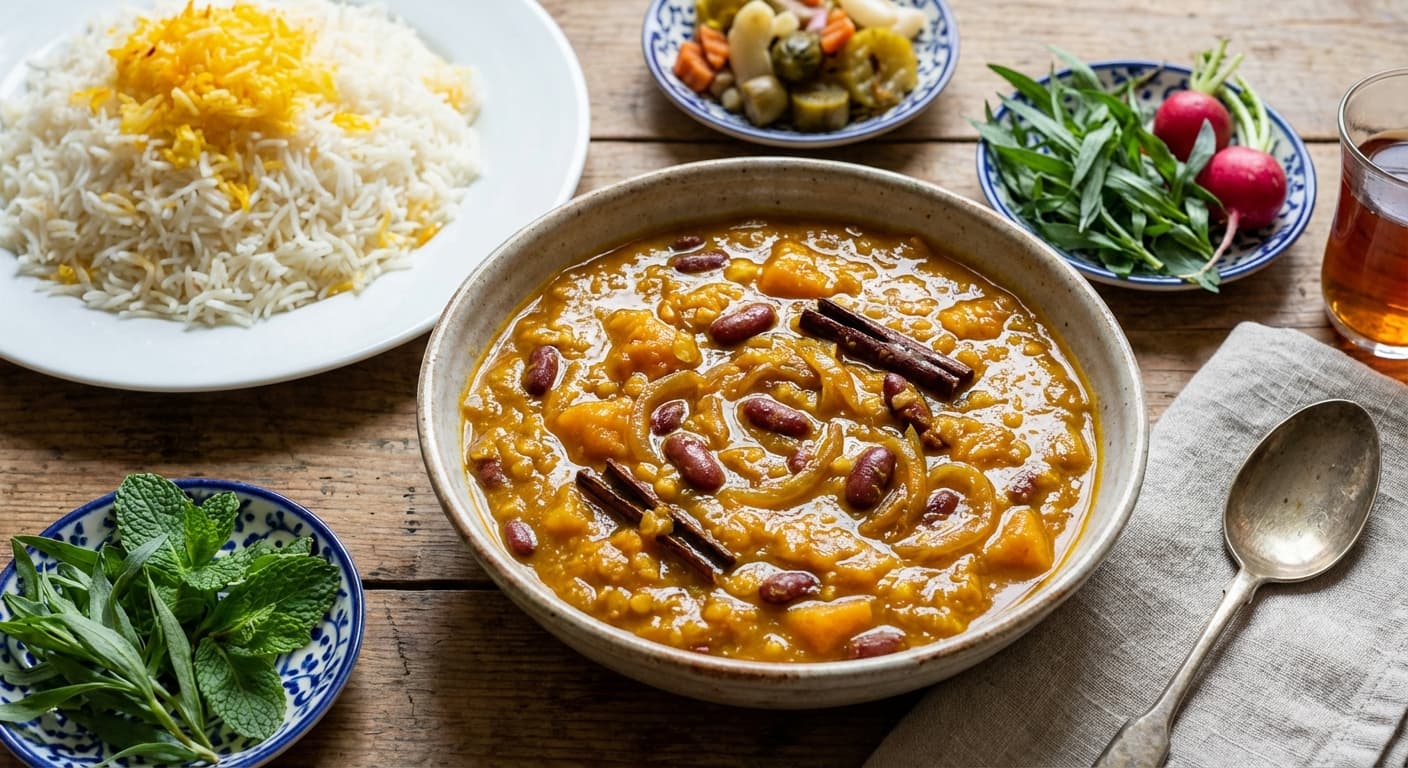
Gheimeh Kadoo Halvai (قیمه کدو حلوایی) — Sweet Pumpkin & Legume Stew
Persian · Stews · 110 min
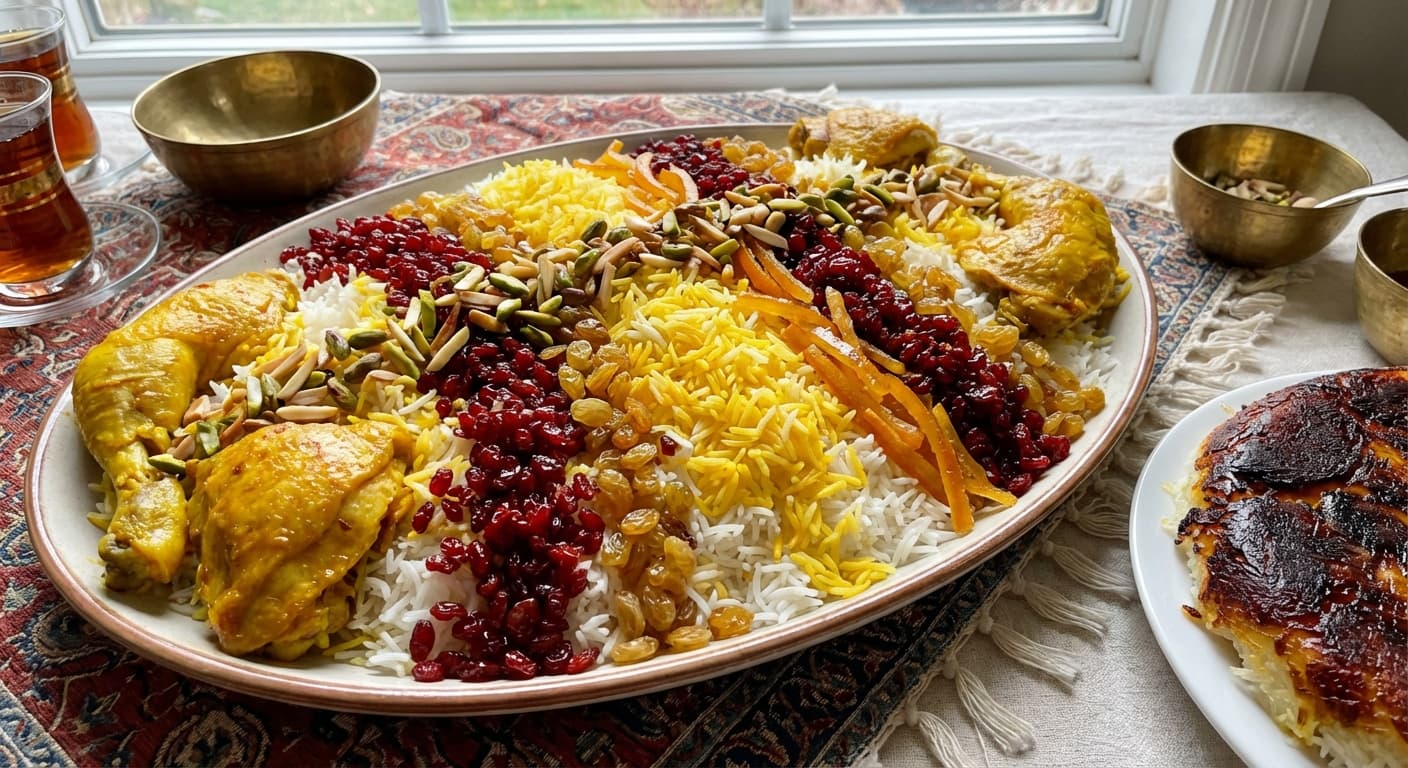
Jeweled Rice (مرصع پلو) — Festive Persian rice with saffron chicken and jeweled fruits
Persian · Rice Dishes · 135 min
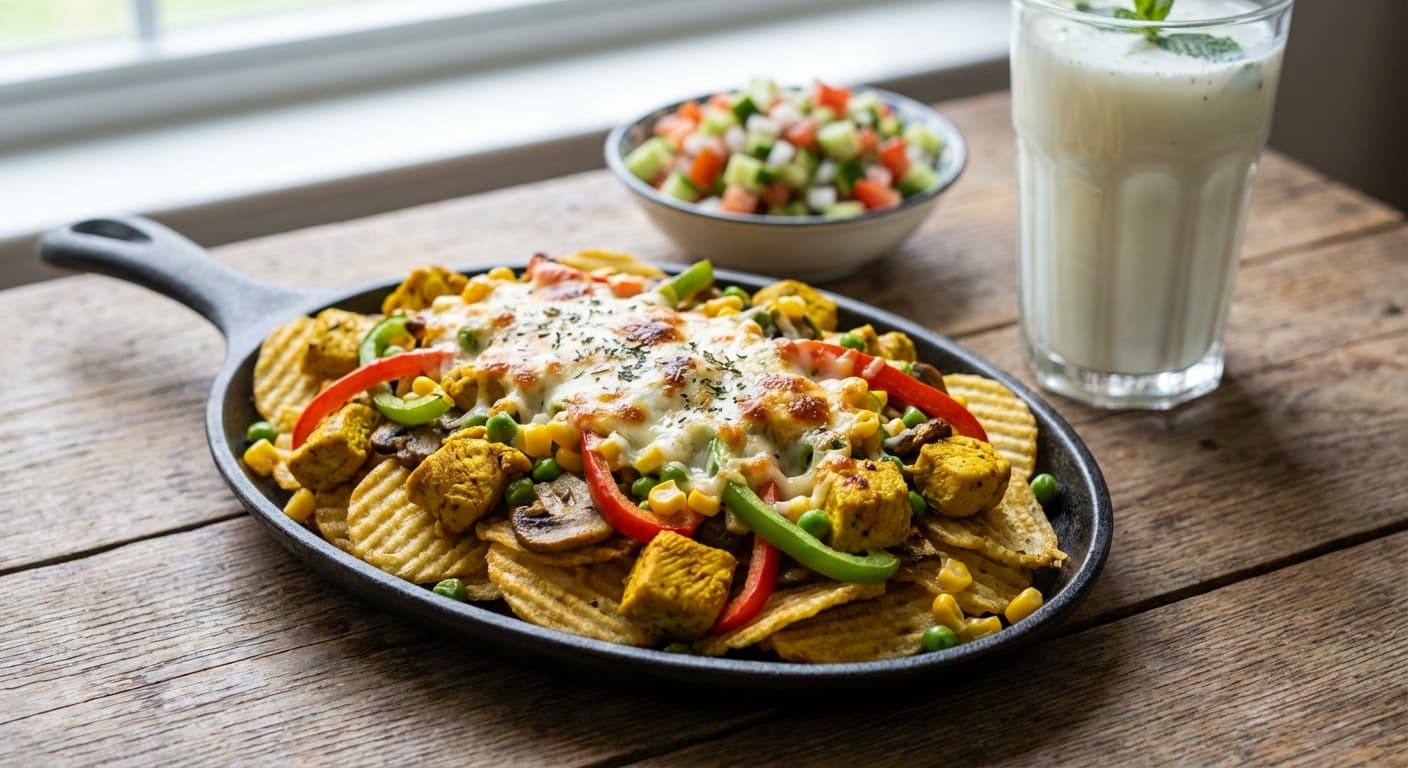
Persian-Style Pizza-Chips (خوراک چیپس و پنیر) — Street-Food Chip Bake with Chicken and Mozzarella
Persian · Main Courses · 45 min
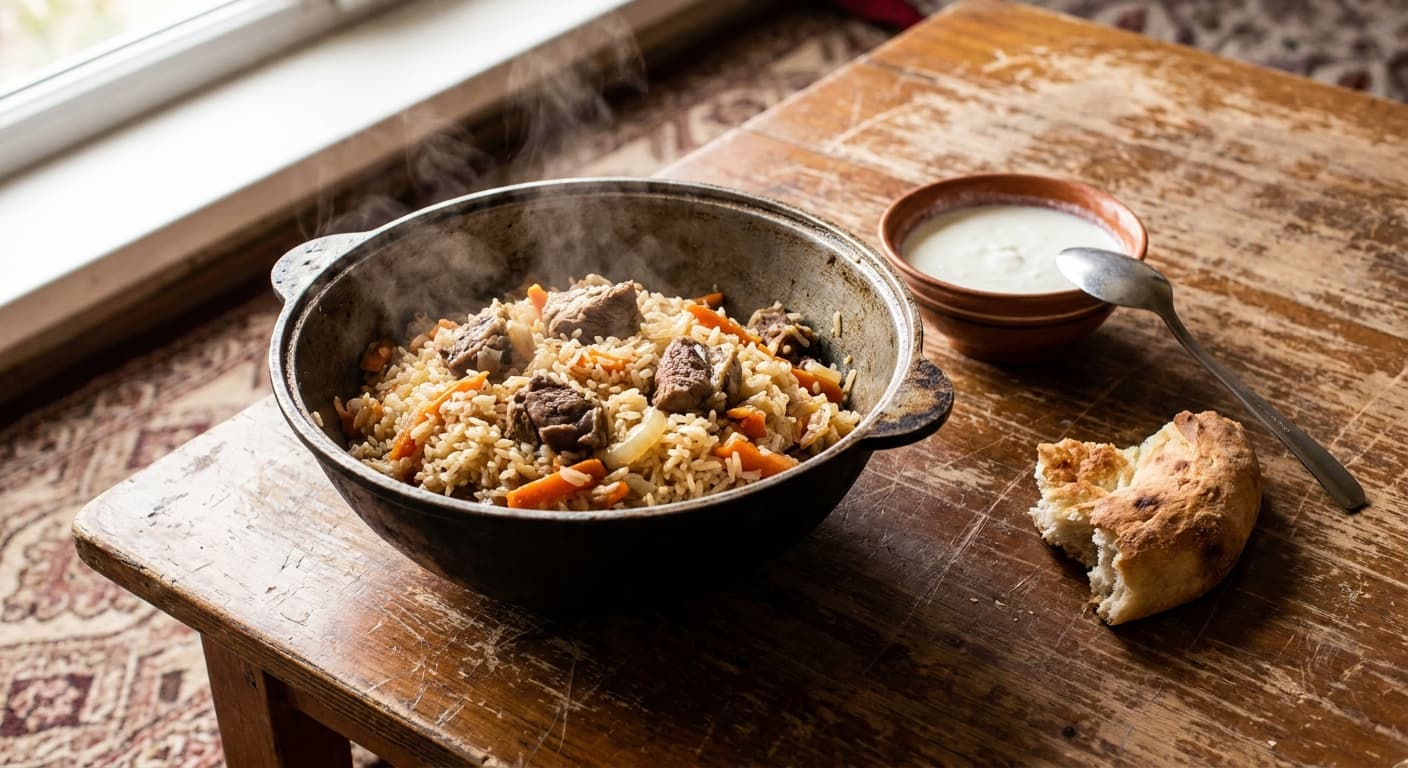
Chekdirme (Çekdirme) — Turkmen Lamb and Tomato Rice
Turkmen · Rice Dishes · 100 min
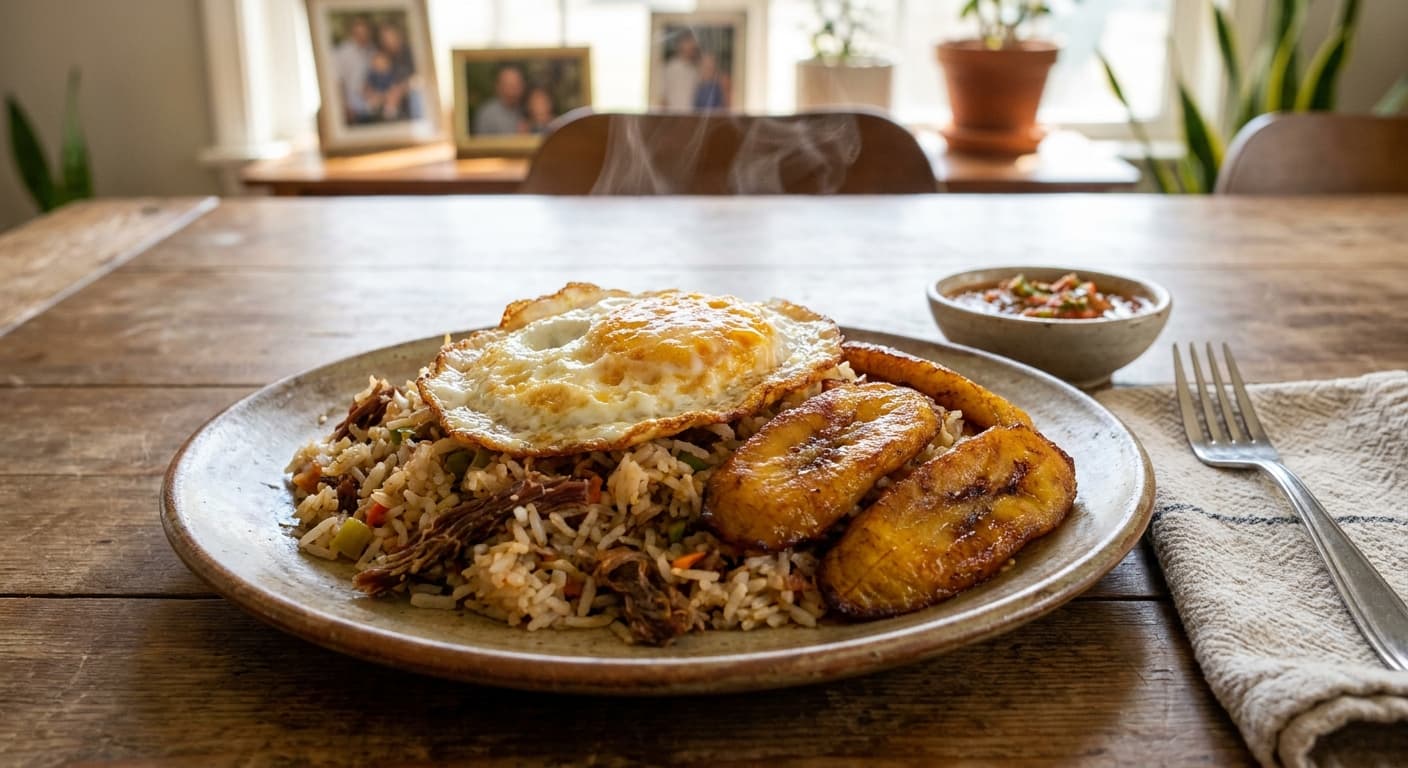
Majadito (Majadito) — Bolivian Rice with Charque and Fried Egg
Bolivian · Rice Dishes · 90 min
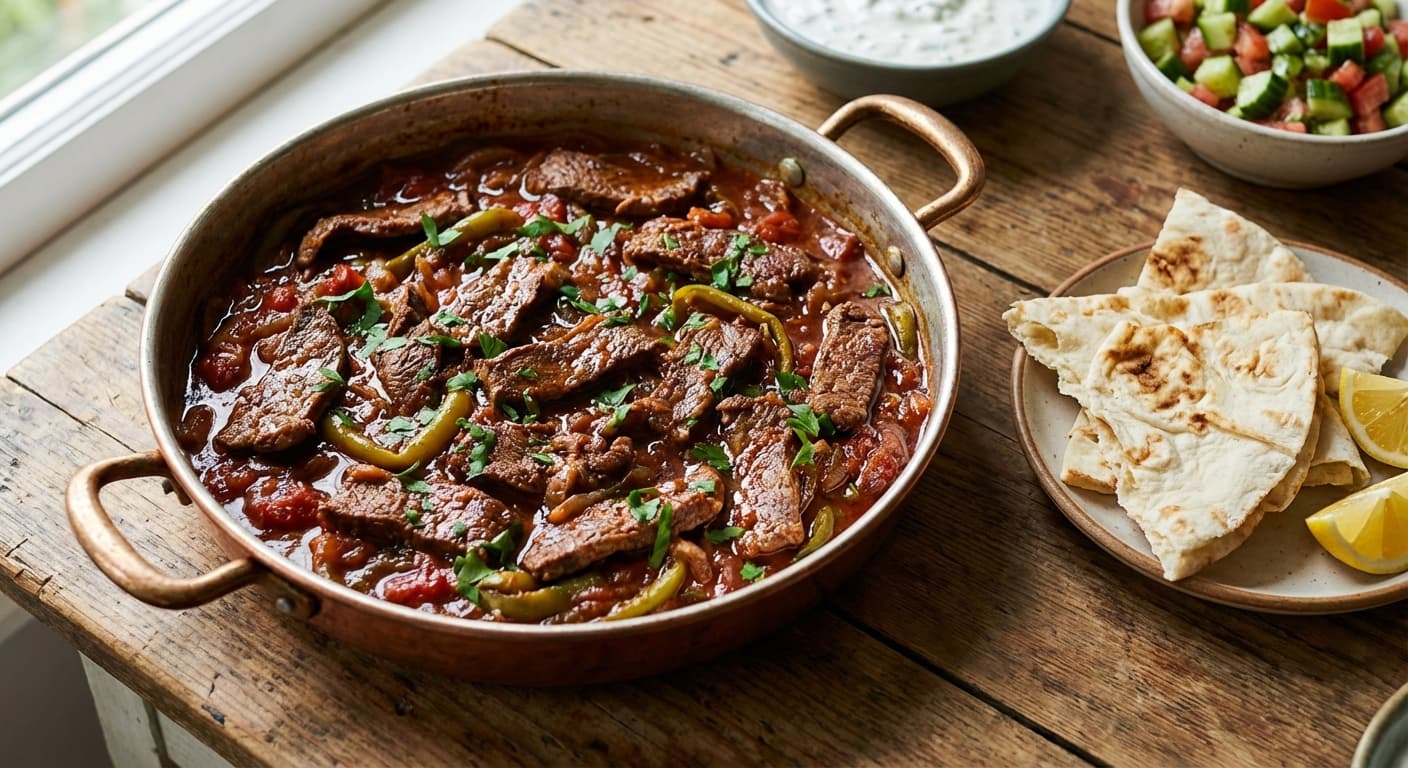
Sac Kavurma (Saç Kavurma) — Thin-Sliced Turkish Meat Sautéed with Onions
Turkish · Main Courses · 38 min
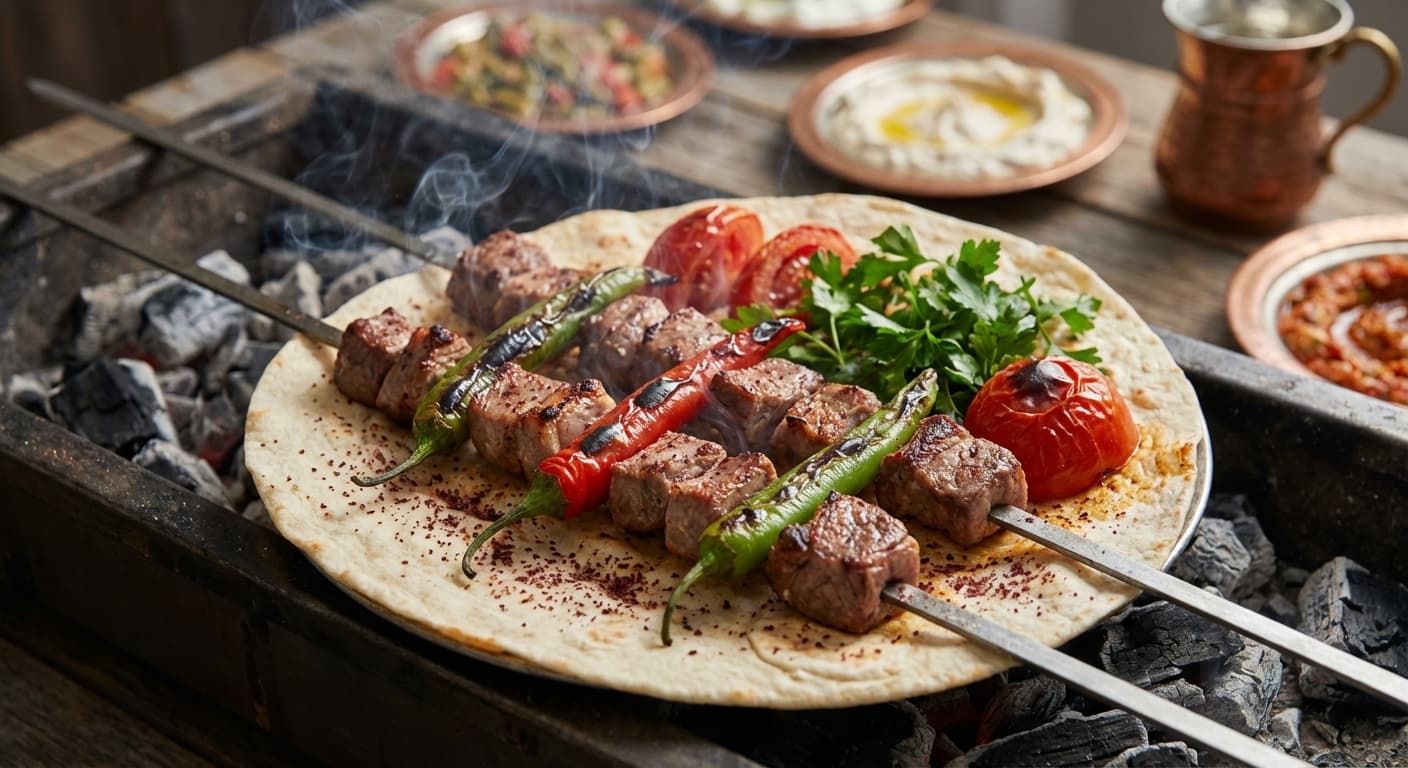
Turkish Shish Kebab (Şiş Kebap) — Charcoal-Grilled Marinated Lamb Skewers
Turkish · Kebabs · 37 min
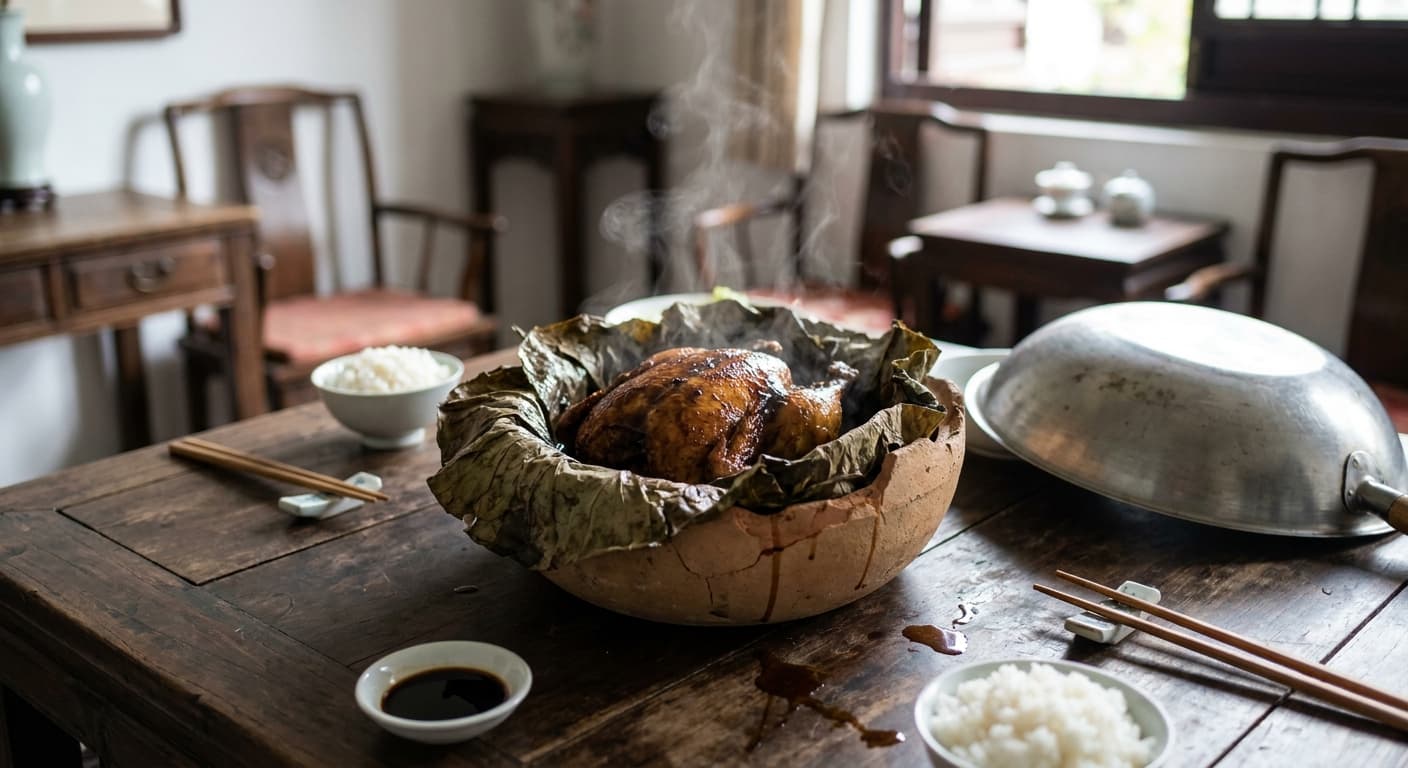
Beggar's Chicken (叫化鸡) — Lotus-Wrapped Clay-Baked Jiangnan Chicken
Chinese · Main Courses · 240 min
Reviews
Cooked this recipe?
Tap the stars to rate it — that's all it takes. A few words are welcome but optional.
No ratings yet. Cooked this one? Be the first to rate it — it takes one tap.