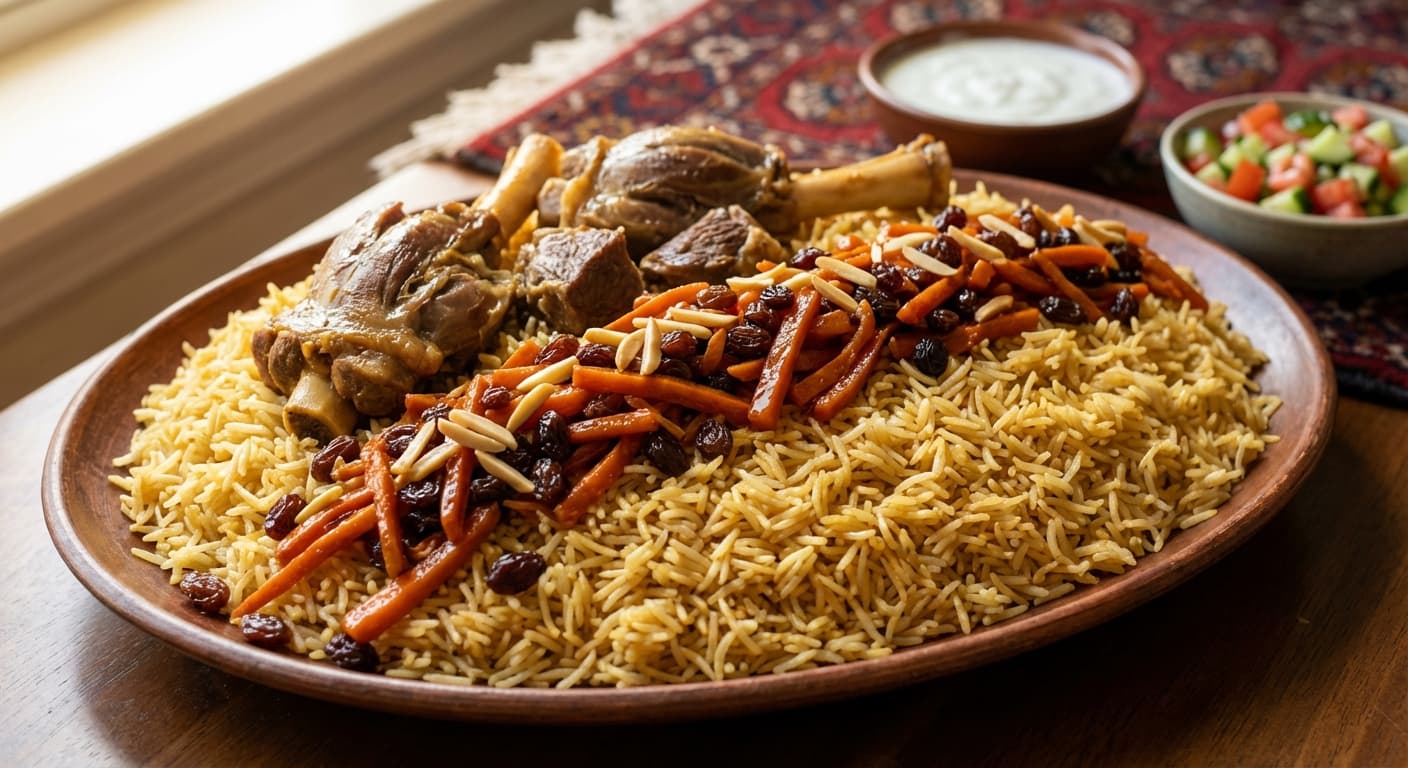
Kabuli Palaw (قابلی پلو) — Afghan Lamb and Carrot Rice with Raisins
Kabuli Palaw is Afghanistan’s signature celebratory rice, crowned with sweet carrots and raisins over fragrant lamb. Its balance of warm spices and delicate sweetness reflects Central Asian trade routes and Afghan hospitality.
Printable Recipe Card
Servings: 6 · Total: 140 min · Difficulty: medium
Ingredients (quick list)
- 450 g Basmati rice (rinsed until water runs mostly clear)
- 2000 ml Water (for parboiling; plus more for soaking if desired)
- 12 g Fine salt (about 2 tsp, for parboil water)
- 900 g Lamb shoulder, boneless (cut into 4 cm pieces)
- 250 g Yellow onion (thinly sliced)
- 12 g Garlic cloves (about 4 cloves, minced)
- 45 ml Neutral oil (about 3 tbsp)
- 2 g Black pepper (about 1 tsp, freshly ground)
- 2 g Ground cumin (about 1 tsp)
- 2 g Ground coriander (about 1 tsp)
- 6 pod Green cardamom pods (lightly crushed)
- 1 stick Cinnamon stick (about 7 cm)
+ 10 more in the full ingredients section below.
Steps (summary)
- Rinse the basmati rice in several changes of water until it runs mostly clear, then drain well. If you have time, soak the rice…
- Heat 45 ml oil in a heavy pot over medium-high heat and add the sliced onion. Cook for 10–12 minutes, stirring often, until dee…
- Add the minced garlic and stir for 30 seconds until fragrant, then add the lamb pieces. Sear for 6–8 minutes, turning to brown…
- Add 900 ml water, 6 g salt, black pepper, cumin, coriander, cardamom pods, cinnamon stick, and cloves. Bring to a boil, then re…
- While the lamb simmers, warm 30 ml oil in a skillet over medium heat and add the julienned carrots. Cook for 6–8 minutes until…
- Add the raisins and slivered almonds to the carrot pan and stir for 2–3 minutes until the raisins plump slightly and the almond…
+ 5 more steps in the full instructions section below.
Cultural Background
Often served at weddings, Eid, and honored guest meals, Kabuli Palaw is considered Afghanistan’s national rice dish. The sweet carrot-raisin crown and perfumed rice reflect historic trade in spices and dried fruits across the region.
Equipment
💡 Tips
- Julienne the carrots into thin matchsticks (about 3–4 mm) so they soften quickly and sit lightly on the rice instead of turning heavy and wet.
- Keep the steaming heat low and steady; strong heat can scorch the bottom before the rice finishes absorbing the broth.
- For extra fragrance, toast the whole spices (cardamom, cloves, cinnamon) in the oil for 30 seconds before adding onions, then proceed as written.
⚠️ Common Mistakes
❌ Rice turns soft or clumpy after steaming.
✅ Fix: Parboil 6–7 minutes only and ensure you use 600 ml broth for 450 g rice; steam on low heat and avoid lifting the lid during steaming.
❌ Carrots become watery and stain the rice.
✅ Fix: Cook carrots until just tender and glaze briefly with sugar and spices; keep the topping separate and add it only at serving.
❌ Lamb tastes bland even though it is tender.
✅ Fix: Brown the meat well and simmer the broth uncovered for 5–10 minutes at the end to concentrate flavor before measuring for the rice.
🧊 How to Store
Cool leftovers within 2 hours, then refrigerate in an airtight container for up to 3 days. Reheat covered with 30 ml water in a pot over low heat for 10–12 minutes, or microwave covered in 60-second bursts, fluffing between bursts to prevent drying.
📅 Make Ahead
Braise the lamb and strain the broth up to 2 days ahead, then refrigerate separately. Rewarm the broth and lamb before parboiling and steaming the rice, and prepare the carrot-raisin topping up to 1 day ahead and reheat gently.
🍽️ Pairs Well With
- Afghan salad (banjan or tomato-cucumber)
- plain yogurt
- chutney
- pickled vegetables
- green tea
Regional Variations
- Kabul-style: lighter color with more carrots and raisins, and saffron used for a bright, perfumed finish.
- Northern Afghanistan: sometimes includes chickpeas (about 200 g cooked) mixed into the rice for extra body.
- Festive version: adds more nuts (up to 90 g total) and a stronger saffron drizzle for a more aromatic presentation.
Ingredients
- 450 gBasmati rice (rinsed until water runs mostly clear)
- 2000 mlWater (for parboiling; plus more for soaking if desired)
- 12 gFine salt (about 2 tsp, for parboil water)
- 900 gLamb shoulder, boneless (cut into 4 cm pieces)
- 250 gYellow onion (thinly sliced)
- 12 gGarlic cloves (about 4 cloves, minced)
- 45 mlNeutral oil (about 3 tbsp)
- 2 gBlack pepper (about 1 tsp, freshly ground)
- 2 gGround cumin (about 1 tsp)
- 2 gGround coriander (about 1 tsp)
- 6 podGreen cardamom pods (lightly crushed)
- 1 stickCinnamon stick (about 7 cm)
- 4Whole cloves
- 300 gCarrots (cut into fine matchsticks (julienne))
- 120 gRaisins (preferably Afghan/black raisins; rinsed and drained)
- 60 gSlivered almonds (optional but traditional)
- 12 gGranulated sugar (about 1 tbsp)
- 1 gGround cinnamon (about 1/2 tsp)
- 1 gGround cardamom (about 1/2 tsp)
- 0.15 gSaffron threads (about 1/2 tsp loosely packed)
- 30 mlHot water (for blooming saffron)
- 30 gGhee (or unsalted butter)
🔄 Substitutions
- Lamb shoulder, boneless→ Beef chuck, boneless
- Ghee→ Unsalted butter
- Slivered almonds→ Pistachios, roughly chopped
Instructions
- 1
Rinse the basmati rice in several changes of water until it runs mostly clear, then drain well. If you have time, soak the rice in cold water for 20 minutes to help the grains cook long and separate, then drain again.
- 2
Heat 45 ml oil in a heavy pot over medium-high heat and add the sliced onion. Cook for 10–12 minutes, stirring often, until deeply golden-brown; this color is key to Kabuli Palaw’s flavor and gentle amber tint.
- 3
Add the minced garlic and stir for 30 seconds until fragrant, then add the lamb pieces. Sear for 6–8 minutes, turning to brown multiple sides; browning builds a richer broth and keeps the meat tasting robust under the rice.
- 4
Add 900 ml water, 6 g salt, black pepper, cumin, coriander, cardamom pods, cinnamon stick, and cloves. Bring to a boil, then reduce to a steady simmer, cover, and cook for 70–80 minutes until the lamb is fork-tender and the broth is flavorful.
- 5
While the lamb simmers, warm 30 ml oil in a skillet over medium heat and add the julienned carrots. Cook for 6–8 minutes until softened but not mushy, then stir in the sugar, ground cinnamon, and ground cardamom and cook 2 minutes more to lightly glaze the carrots.
- 6
Add the raisins and slivered almonds to the carrot pan and stir for 2–3 minutes until the raisins plump slightly and the almonds smell toasted. Transfer the topping to a bowl and cover to keep it warm, so it stays glossy and distinct on the finished rice.
- 7
When the lamb is tender, lift the meat out with a slotted spoon and set aside, then strain the broth to remove whole spices and onion bits. Measure out 600 ml of the strained broth for the rice; if you have less, top up with water, and if you have more, simmer to reduce so the rice doesn’t turn soft.
- 8
Bring 2000 ml water to a rolling boil in a large pot and dissolve 12 g salt in it. Add the drained rice and parboil for 6–7 minutes until the grains are elongated and tender on the outside but still firm in the center, then drain immediately.
- 9
Return the drained rice to a clean heavy pot and gently mound it into a pyramid to encourage even steaming. Pour the reserved 600 ml lamb broth around the edges, dot the top with 30 g ghee, then cover with a tight lid and steam over low heat for 35 minutes.
- 10
Bloom the saffron by crushing it lightly and stirring it into 30 ml hot water, then let it stand for 5 minutes. After the rice has steamed, drizzle the saffron water over the top and steam 5 minutes more so the aroma permeates without overcooking the grains.
- 11
To serve, spread the rice onto a large platter and arrange the lamb pieces in the center or slightly buried beneath the top layer. Spoon the carrot-raisin-almond topping over the rice in a generous stripe, keeping it mostly on top so the colors and textures stay distinct.
🪪 Recipe Passport
Cultural Background
Often served at weddings, Eid, and honored guest meals, Kabuli Palaw is considered Afghanistan’s national rice dish. The sweet carrot-raisin crown and perfumed rice reflect historic trade in spices and dried fruits across the region.
Regional Variations
Researched from multiple sources and validated by the Zaffaron editorial team. Every recipe is tested for accuracy, measurements, and cultural authenticity.
Nutrition per serving
Pairs well with
If you enjoyed this recipe, here are a few related Zaffaron recipes to try next.
Does your family make this differently?
Every family has their own version. Maybe your grandmother adds a secret ingredient, or your aunt has a completely different technique. Preserve your family's version — with their name on it, forever.
You Might Also Like
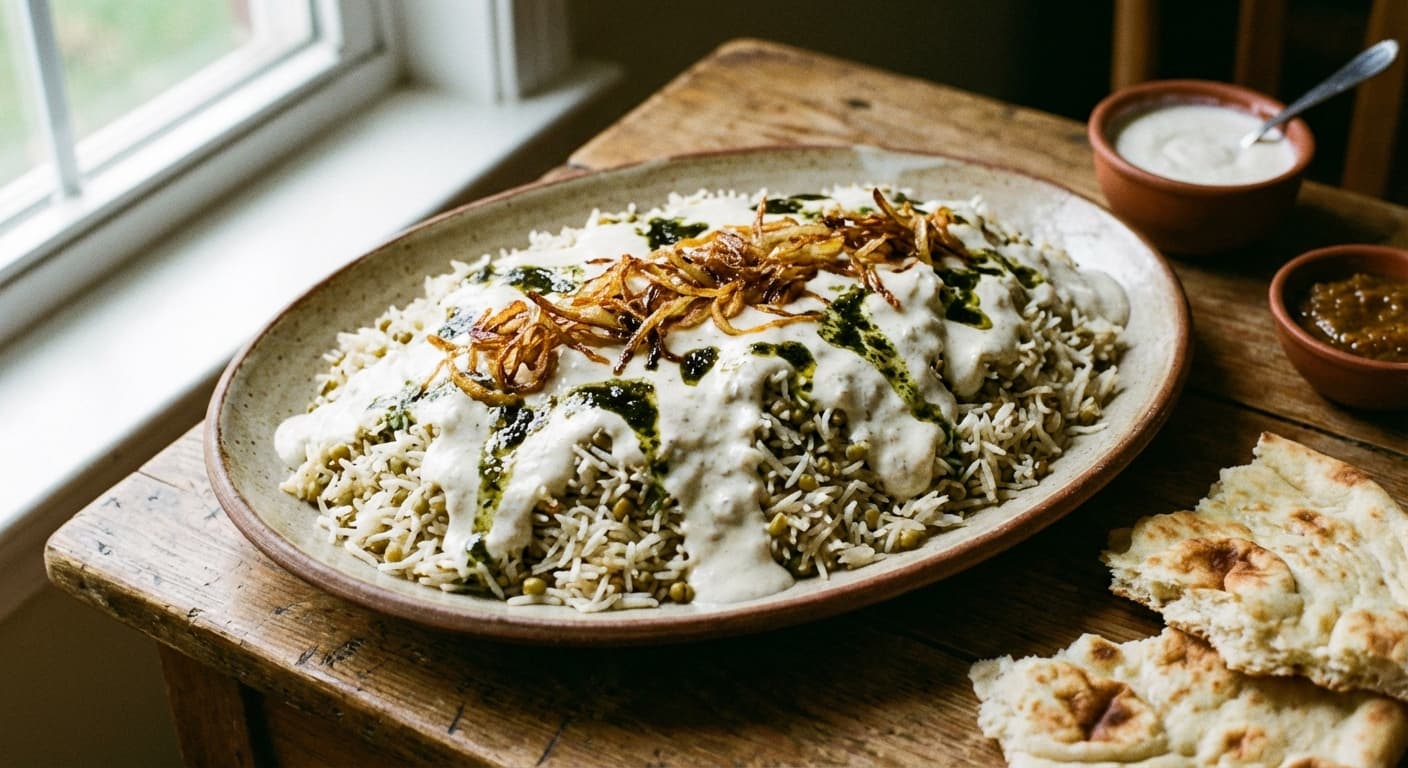
Khichiri Qorooti (خچری قروتی) — Afghan Rice and Mung Beans with Dried Yogurt Sauce
Afghan · Main Courses · 90 min
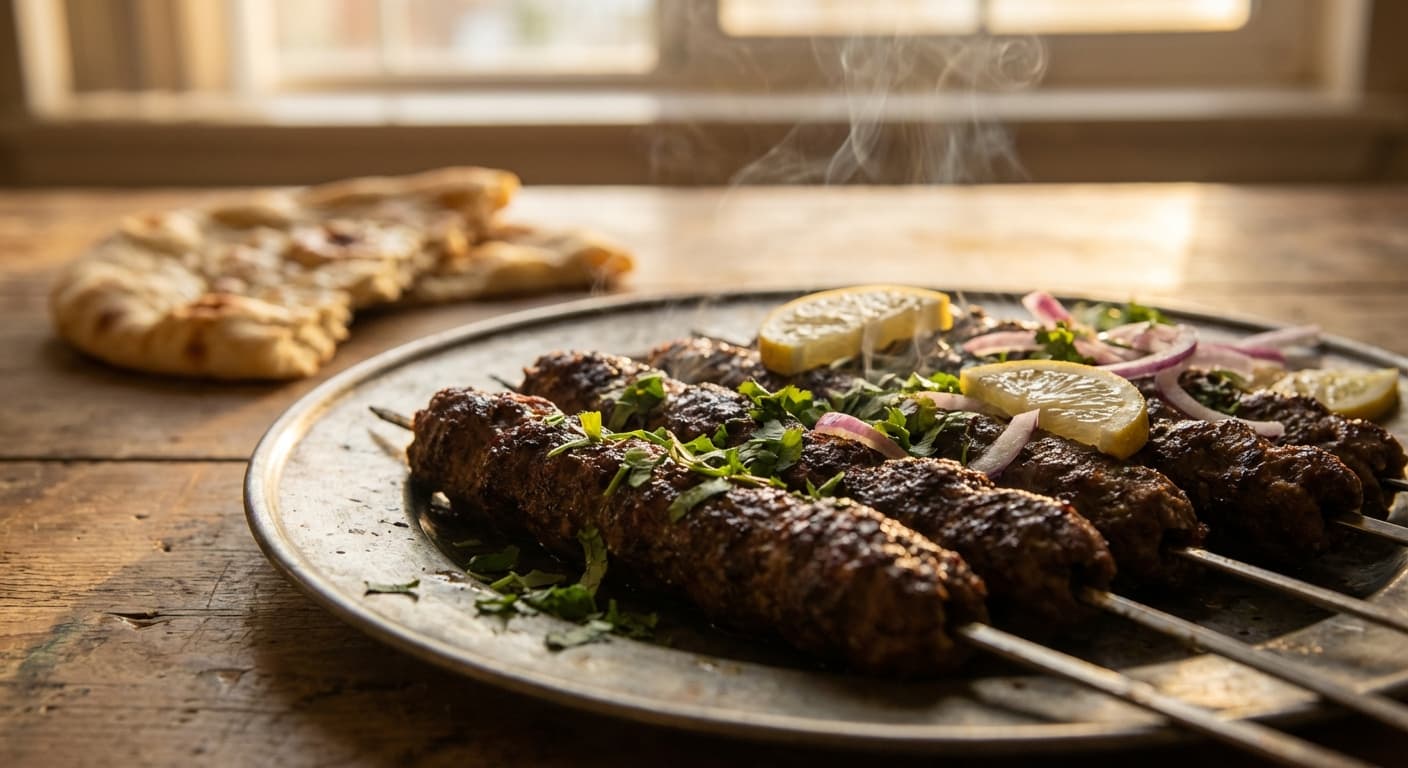
Seekh Kebab (کباب سیخی) — Afghan Grilled Minced Meat Skewers with Cumin
Afghan · Kebabs · 37 min
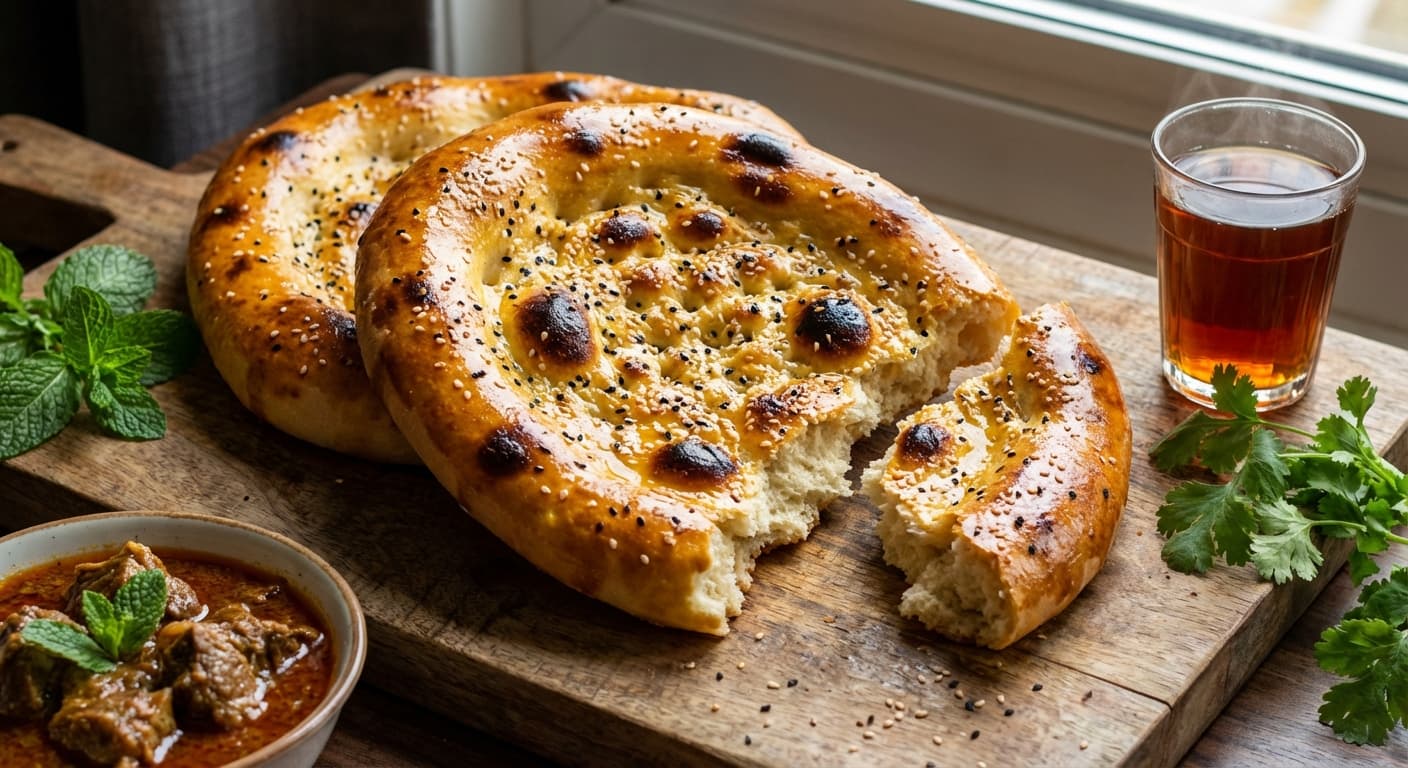
Kulcha-e Kandahari (کلچهٔ کندهاری) — Afghan Thick naan, Kandahar-style bakery bread
Afghan · Breads · 43 min
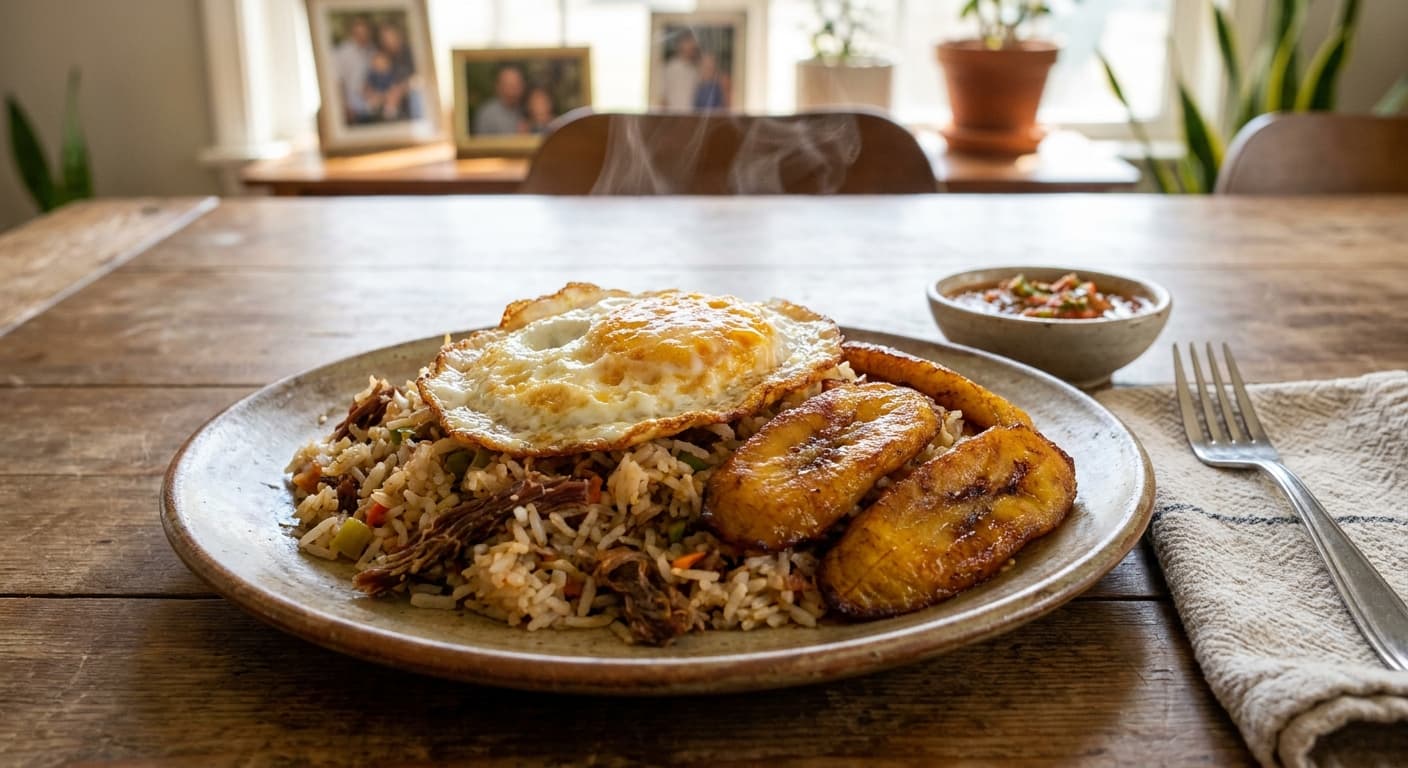
Majadito (Majadito) — Bolivian Rice with Charque and Fried Egg
Bolivian · Rice Dishes · 90 min
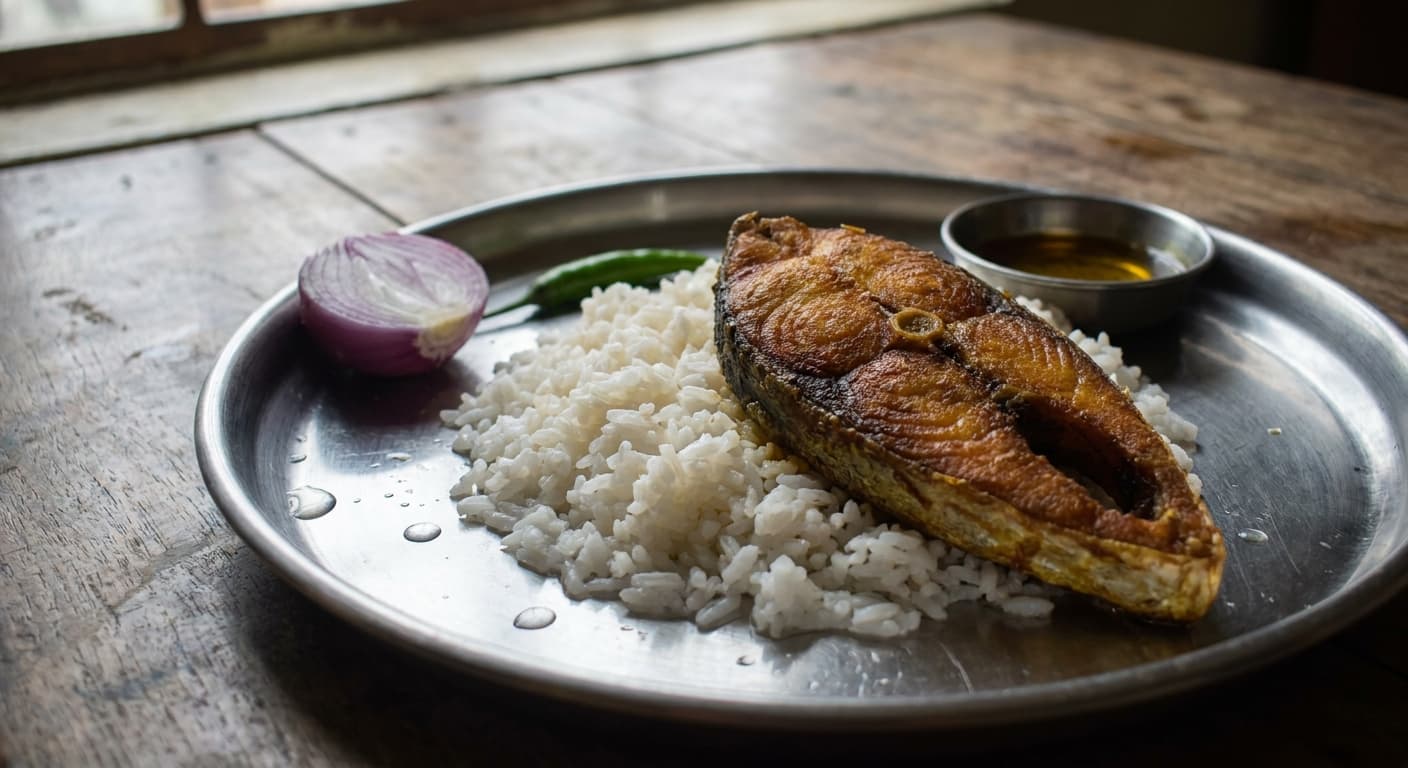
Panta Bhat (পান্তা ভাত) — Overnight Fermented Rice with Fried Ilish
Bangladeshi · Rice Dishes · 35 min
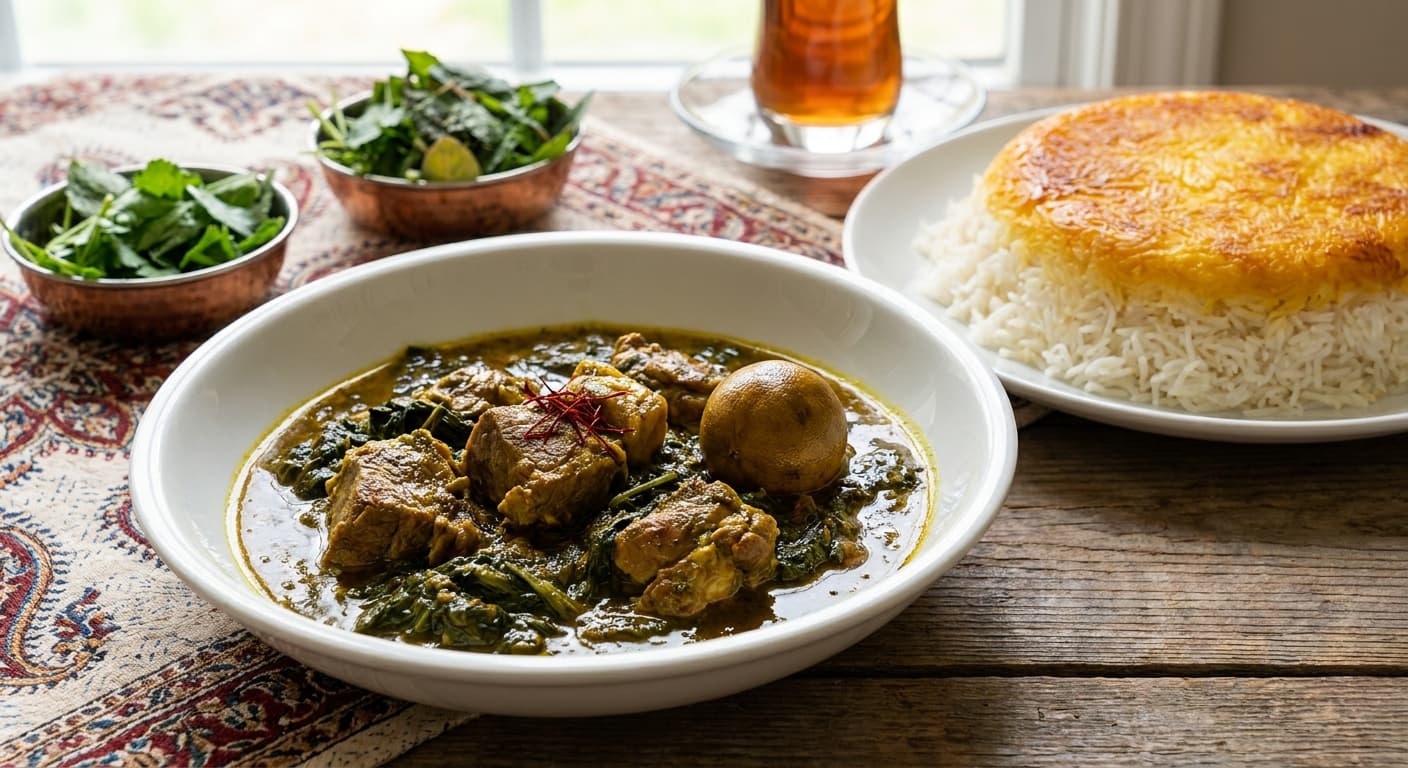
Persian Khoresht Saak (خورش ساک) — Saffron-Cardamom Lamb Stew with Saak Greens
Persian · Stews · 145 min
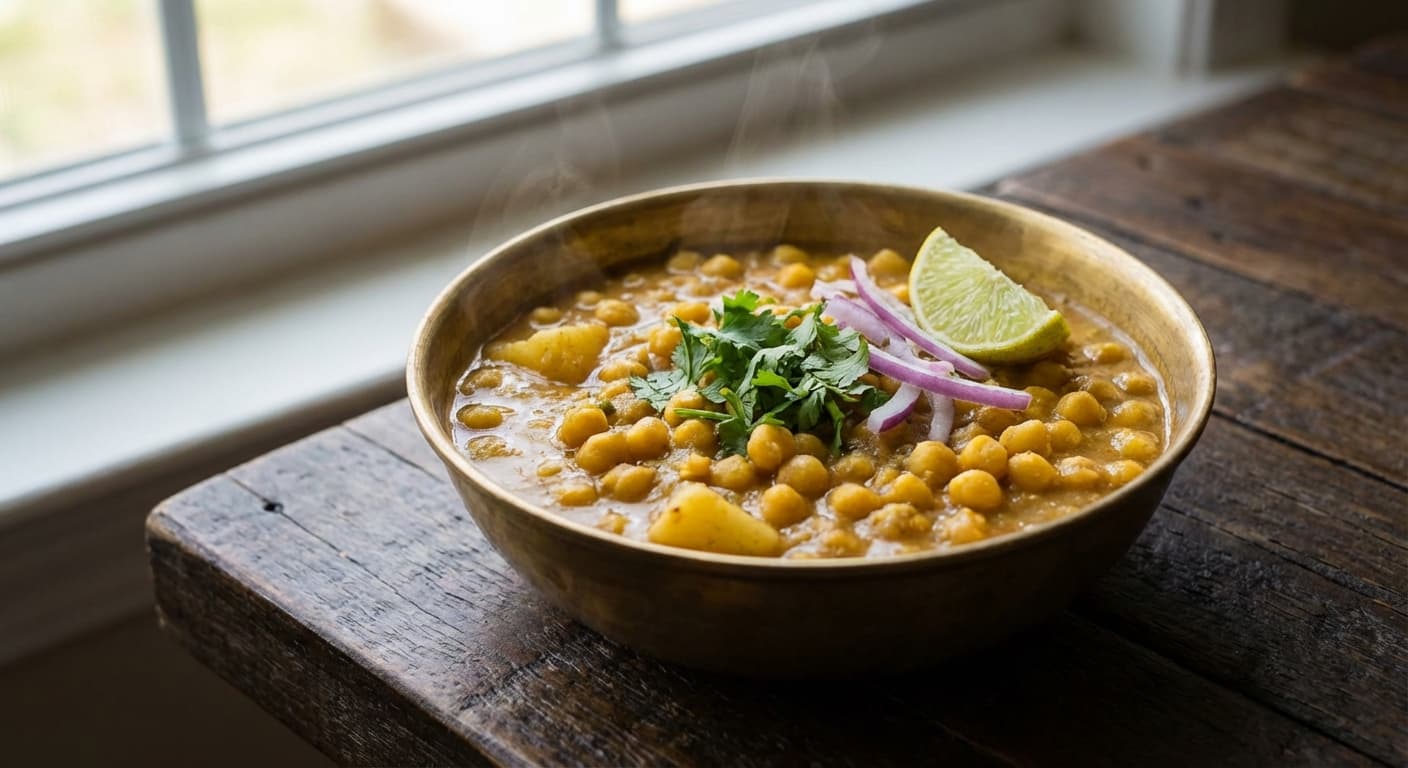
Ghugni (ঘুগনি) — Indian Spiced Yellow Peas Curry with Onions
Indian · Stews · 70 min
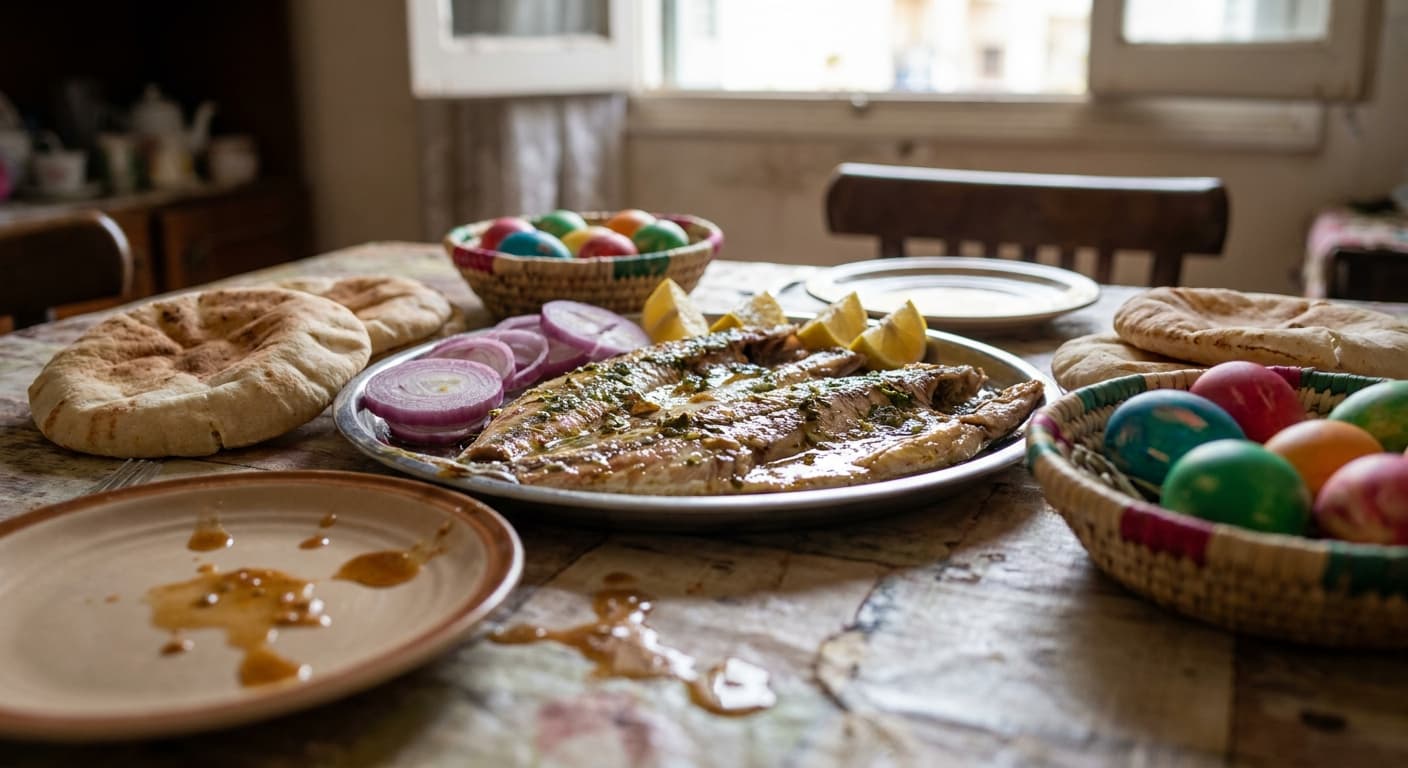
Feseekh (فسيخ) — Egyptian Salt-Cured Mullet for Sham el-Nessim
Egyptian · Main Courses · 30 min
Reviews
Cooked this recipe?
Tap the stars to rate it — that's all it takes. A few words are welcome but optional.
No ratings yet. Cooked this one? Be the first to rate it — it takes one tap.