Kashmish Polow (کشمش پلو) — Persian Raisin Rice with Lamb
Kashmish Polow is a celebratory Persian layered rice dish with tender lamb, sweet raisins, saffron aroma, and a crisp tahdig base. Warm spices, tomatoes, and onions create a balanced sweet-savory centerpiece for gatherings.
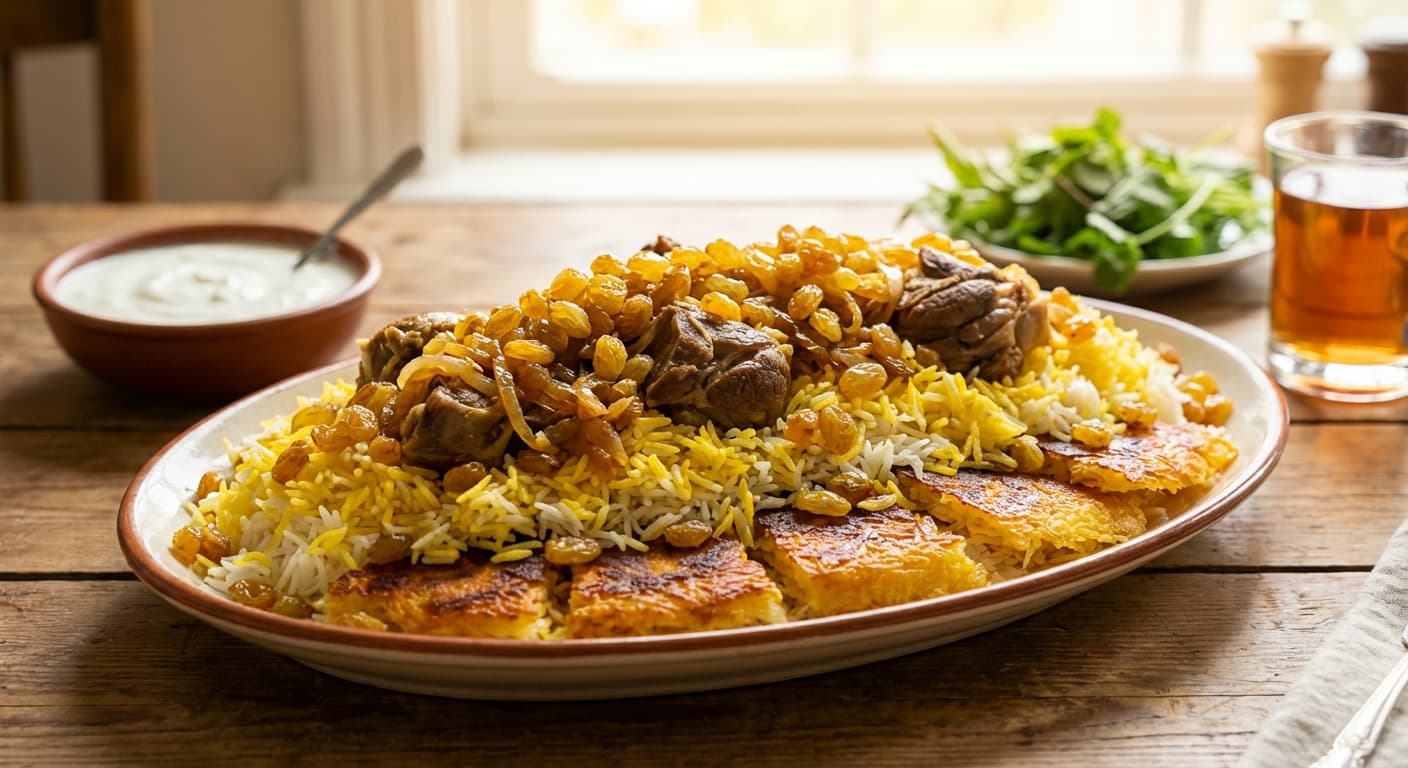
Printable Recipe Card
Servings: 6 · Total: 210 min · Difficulty: hard
Ingredients (quick list)
- 500 g Basmati rice (aged basmati preferred; rinsed until water runs mostly clear)
- 3000 ml Water (for parboiling rice)
- 24 g Fine sea salt (for salting parboil water and seasoning)
- 120 g Plain yogurt (for yogurt tahdig)
- 1 large Egg yolk (for yogurt tahdig)
- 60 ml Vegetable oil (divided; for tahdig and sautéing)
- 30 g Unsalted butter (for finishing aroma and sheen)
- 0.5 tsp Saffron threads (ground and bloomed in hot water)
- 60 ml Hot water (for blooming saffron)
- 900 g Lamb shoulder (boneless, cut into 4 cm cubes)
- 300 g Onion (thinly sliced)
- 300 g Tomatoes (grated or finely chopped)
+ 7 more in the full ingredients section below.
Steps (summary)
- Rinse the basmati rice in several changes of cool water until mostly clear. Cover with fresh water and let soak 60 minutes at r…
- Braise the lamb: heat 30 ml vegetable oil in a heavy pot over medium-high. Add sliced onion and cook 10–12 minutes until deep g…
- Add grated tomatoes and cook 5 minutes until they lose raw smell. Pour in 600 ml water, scrape up browned bits, and bring to a…
- Plump the raisins: heat 15 ml oil in a small skillet over medium. Add drained raisins and 0.5 tsp turmeric; stir constantly 2–3…
- Parboil the rice: bring 3000 ml water to a rolling boil in a large pot. Add 24 g salt. Drain soaked rice and add to boiling wat…
- Make the tahdig base: whisk yogurt with the egg yolk until smooth. Mix in 2 tbsp of the bloomed saffron water and 2 tbsp oil fr…
+ 2 more steps in the full instructions section below.
Cultural Background
Kashmish Polow is a festive Persian rice dish often served at family gatherings and special occasions, balancing sweet dried fruit with savory meat and aromatic rice. Layered steaming and tahdig reflect a wider Persian rice tradition where texture and fragrance are as important as flavor.
Equipment
💡 Tips
- For clean, separate grains, drain the parboiled rice as soon as the center still feels slightly firm; it finishes cooking during steaming.
- If your lamb sauce looks thin near the end, uncover and simmer 10–15 minutes to concentrate; excess liquid can make the rice soggy.
- Keep raisins moving in the skillet and stop as soon as they puff; over-frying makes them bitter and hard.
- For a crisp tahdig without burning, use a medium pot with a thick base and keep the final steam on low heat.
- Let the pot rest off heat 5 minutes before unmolding; the tahdig releases more cleanly.
⚠️ Common Mistakes
❌ Overboiling the rice during parboil
💡 Why: Fully cooked grains break and turn sticky during steaming, losing the signature fluffy texture.
✅ Fix: Boil only until the outside is soft and the center is slightly firm (6–8 minutes), then drain immediately.
❌ Adding too much lamb sauce into the layers
💡 Why: Excess liquid steams into the rice and makes it heavy or mushy, especially near the bottom.
✅ Fix: Reduce the sauce until thick; spoon in lamb with just enough sauce to coat, not flood.
❌ Cooking tahdig on high heat for the entire steam
💡 Why: The bottom can burn before the rice finishes steaming through.
✅ Fix: Use medium heat only for the first 10 minutes to build steam, then switch to low for 45 minutes.
❌ Over-frying raisins
💡 Why: Raisins can scorch quickly, turning bitter and tough.
✅ Fix: Sauté 2–3 minutes maximum, stirring constantly; remove as soon as glossy and slightly swollen.
🧊 How to Store
Cool leftovers within 2 hours. Refrigerate in airtight containers up to 3 days. Reheat covered with 1–2 tbsp water in a pot on low 10–15 minutes or microwave covered until hot. Tahdig is best fresh; re-crisp in a dry skillet 2–3 minutes per side.
📅 Make Ahead
Braise the lamb up to 2 days ahead and refrigerate; skim any solidified fat before reheating. Rinse and soak rice up to 1 hour ahead only. Sauté raisins up to 1 day ahead. Assemble and steam the rice just before serving for the best tahdig.
🍽️ Pairs Well With
- Shirazi salad (cucumber
- tomato
- onion with lemon)
- Plain yogurt with cucumber and dried mint
- Pickled vegetables
- Fresh herbs and radishes
Regional Variations
- Tehran-style family tablesOften includes a stronger saffron finish and a yogurt-based tahdig; some cooks add a small amount of cinnamon to emphasize the sweet-savory contrast.
- Northern IranMay feature more onions and a slightly tangier tomato base; some households use beef instead of lamb depending on availability and preference.
Ingredients
- 500 gBasmati rice (aged basmati preferred; rinsed until water runs mostly clear)
- 3000 mlWater (for parboiling rice)
- 24 gFine sea salt (for salting parboil water and seasoning)
- 120 gPlain yogurt (for yogurt tahdig)
- 1 largeEgg yolk (for yogurt tahdig)
- 60 mlVegetable oil (divided; for tahdig and sautéing)
- 30 gUnsalted butter (for finishing aroma and sheen)
- 0.5 tspSaffron threads (ground and bloomed in hot water)
- 60 mlHot water (for blooming saffron)
- 900 gLamb shoulder (boneless, cut into 4 cm cubes)
- 300 gOnion (thinly sliced)
- 300 gTomatoes (grated or finely chopped)
- 30 gTomato paste (for deeper color and body)
- 2 tspGarlic powder (use fresh garlic only if substituting)
- 2 tspGround turmeric
- 1.25 tspGround black pepper
- 0.75 tspCrushed red pepper flakes (adjust to taste)
- 0.5 tspGround cinnamon (optional but traditional with raisins)
- 180 gSun-dried raisins (rinsed and drained well)
🔄 Substitutions
- Lamb shoulder→ Beef chuck (same weight)
- Plain yogurt tahdig→ Potato tahdig (300 g thinly sliced potatoes)
- Sun-dried raisins→ Golden raisins
Instructions
- 1
Rinse the basmati rice in several changes of cool water until mostly clear. Cover with fresh water and let soak 60 minutes at room temperature (this time is included in prep). Meanwhile, grind the saffron and bloom it in 60 ml hot water; cover and set aside 20 minutes for full color.
- 2
Braise the lamb: heat 30 ml vegetable oil in a heavy pot over medium-high. Add sliced onion and cook 10–12 minutes until deep golden. Add lamb and sear 6–8 minutes, turning to brown. Stir in turmeric, black pepper, red pepper flakes, garlic powder, and tomato paste; cook 1 minute.
- 3
Add grated tomatoes and cook 5 minutes until they lose raw smell. Pour in 600 ml water, scrape up browned bits, and bring to a boil. Reduce to a gentle simmer, cover, and cook 75–90 minutes, stirring twice, until lamb is fork-tender and the sauce is thick, not watery.
- 4
Plump the raisins: heat 15 ml oil in a small skillet over medium. Add drained raisins and 0.5 tsp turmeric; stir constantly 2–3 minutes just until glossy and slightly swollen. Do not brown. Transfer to a bowl. This quick sauté prevents the raisins from tasting raw and keeps them distinct in the rice.
- 5
Parboil the rice: bring 3000 ml water to a rolling boil in a large pot. Add 24 g salt. Drain soaked rice and add to boiling water; boil 6–8 minutes until the grains are softened on the outside but still firm in the center. Drain immediately and rinse briefly with warm water to stop cooking.
- 6
Make the tahdig base: whisk yogurt with the egg yolk until smooth. Mix in 2 tbsp of the bloomed saffron water and 2 tbsp oil from the 60 ml measured. Stir in 150 g of the drained parboiled rice to coat. This saffron-yogurt rice forms a crisp, golden tahdig and helps prevent sticking.
- 7
Layer and steam: heat the remaining oil (about 45 ml) in a nonstick or well-seasoned pot over medium. Spread the tahdig mixture evenly on the bottom. Layer 1/3 of remaining rice, then half the lamb with some sauce, then half the raisins. Repeat, ending with rice on top. Poke 5–6 steam holes with a spoon handle.
- 8
Finish the steam and unmold: wrap the lid with a clean towel and cover tightly. Cook 10 minutes over medium to build steam, then reduce to low and steam 45 minutes. Drizzle remaining saffron water over the top with butter, cover 5 minutes, then fluff gently. Invert onto a platter to reveal tahdig.
🪪 Recipe Passport
Cultural Background
Kashmish Polow is a festive Persian rice dish often served at family gatherings and special occasions, balancing sweet dried fruit with savory meat and aromatic rice. Layered steaming and tahdig reflect a wider Persian rice tradition where texture and fragrance are as important as flavor.
Regional Variations
Researched from multiple sources and validated by the Zaffaron editorial team. Every recipe is tested for accuracy, measurements, and cultural authenticity.
Nutrition per serving
Pairs well with
If you enjoyed this recipe, here are a few related Zaffaron recipes to try next.
Does your family make this differently?
Every family has their own version. Maybe your grandmother adds a secret ingredient, or your aunt has a completely different technique. Preserve your family's version — with their name on it, forever.
You Might Also Like
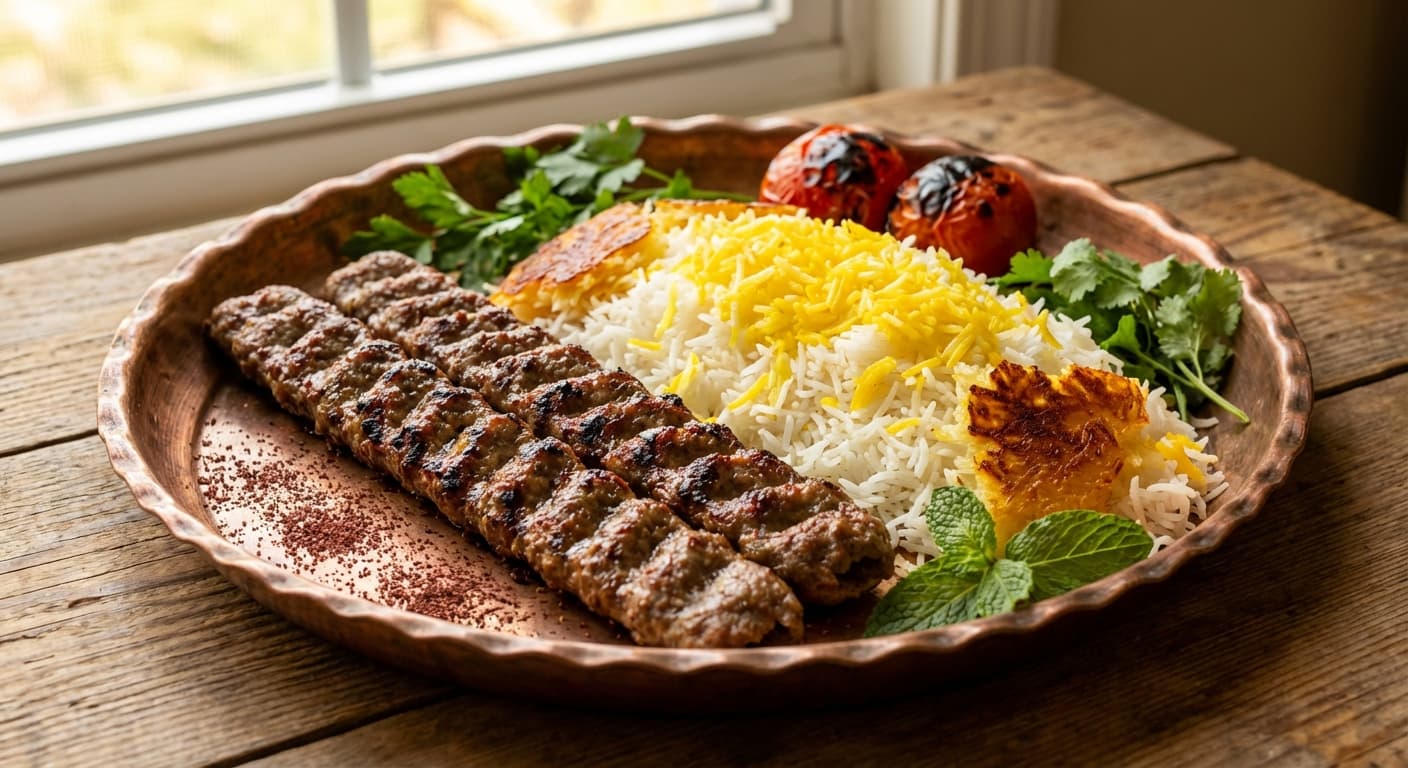
Chelo Kebab Koobideh (چلو کباب کوبیده) — Persian Minced Meat Skewers with Saffron Rice
Persian · Kebabs · 75 min
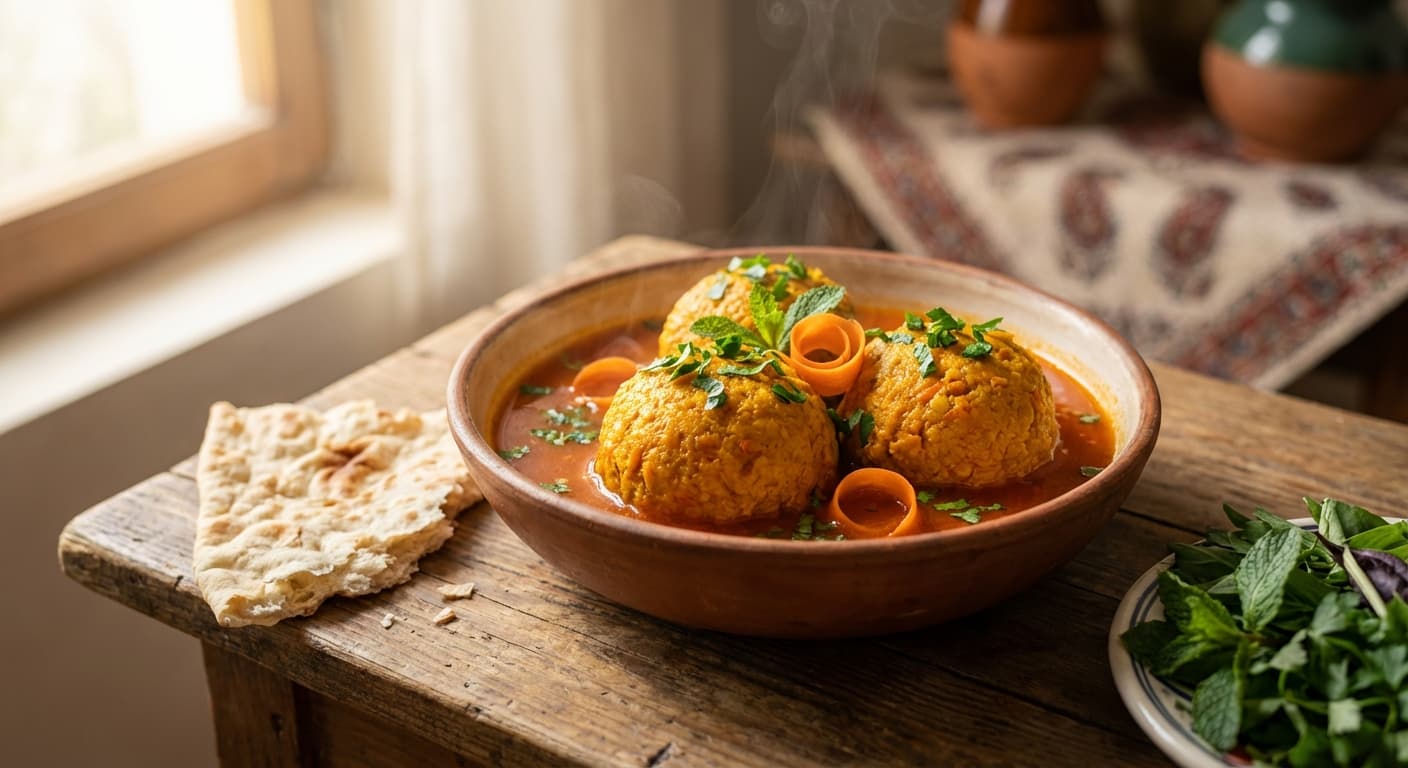
Koofteh Havij (کوفته هویج) — Persian Carrot Meatballs in Saffron-Tomato Broth
Persian · Main Courses · 120 min
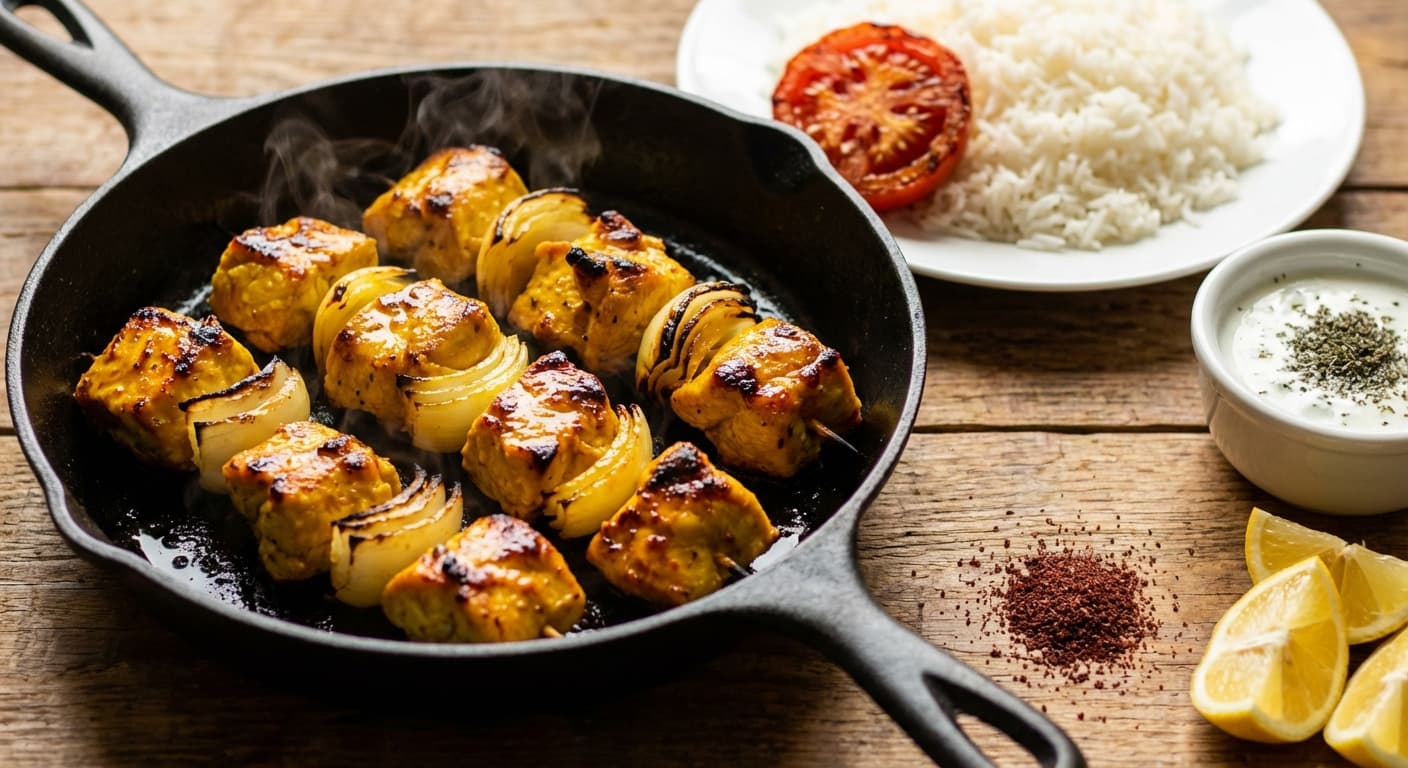
Pan-Seared Joojeh Kebab (جوجه کباب تابهای) — Persian Saffron Skillet Chicken
Persian · Kebabs · 34 min
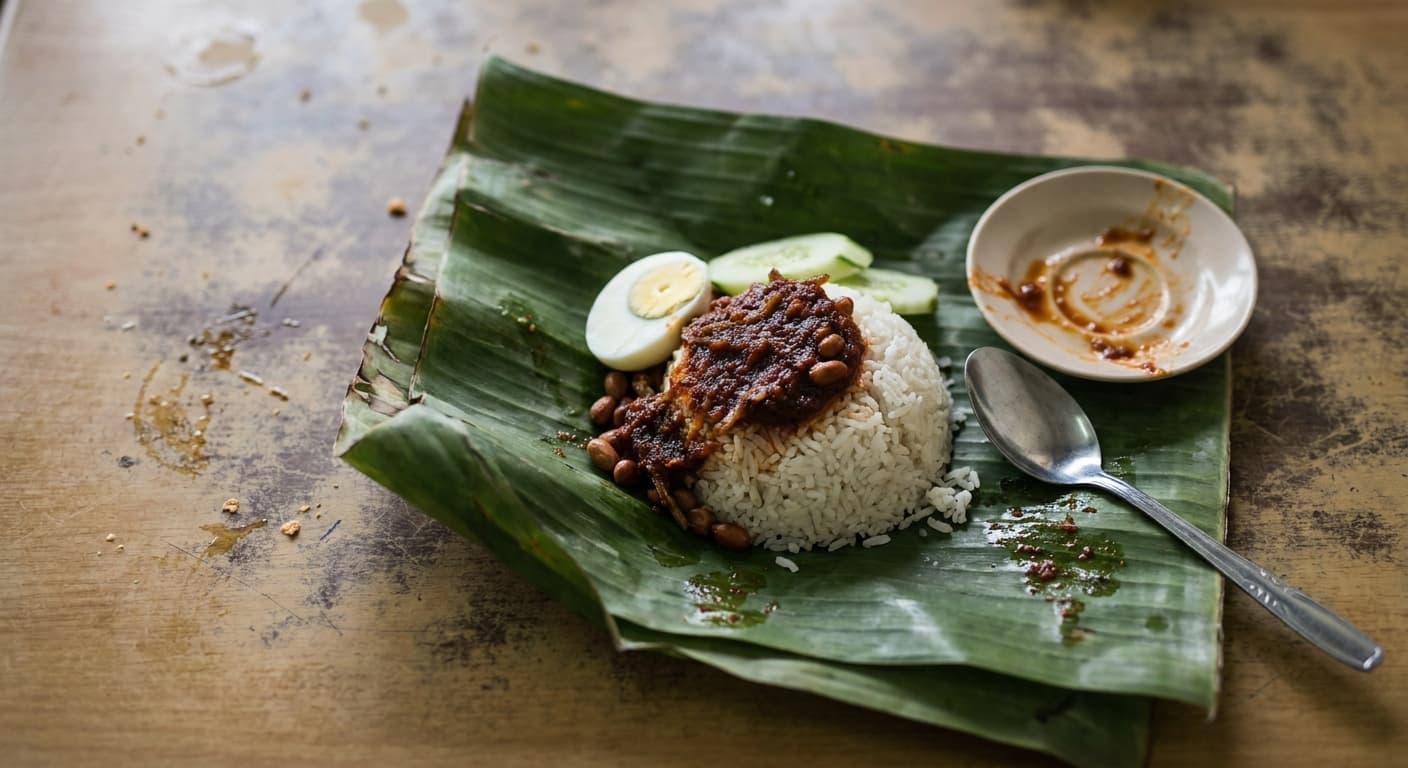
Malaysian Coconut Rice (Nasi Lemak) — Banana-Leaf Breakfast with Sambal Ikan Bilis
Malaysian · Rice Dishes · 95 min
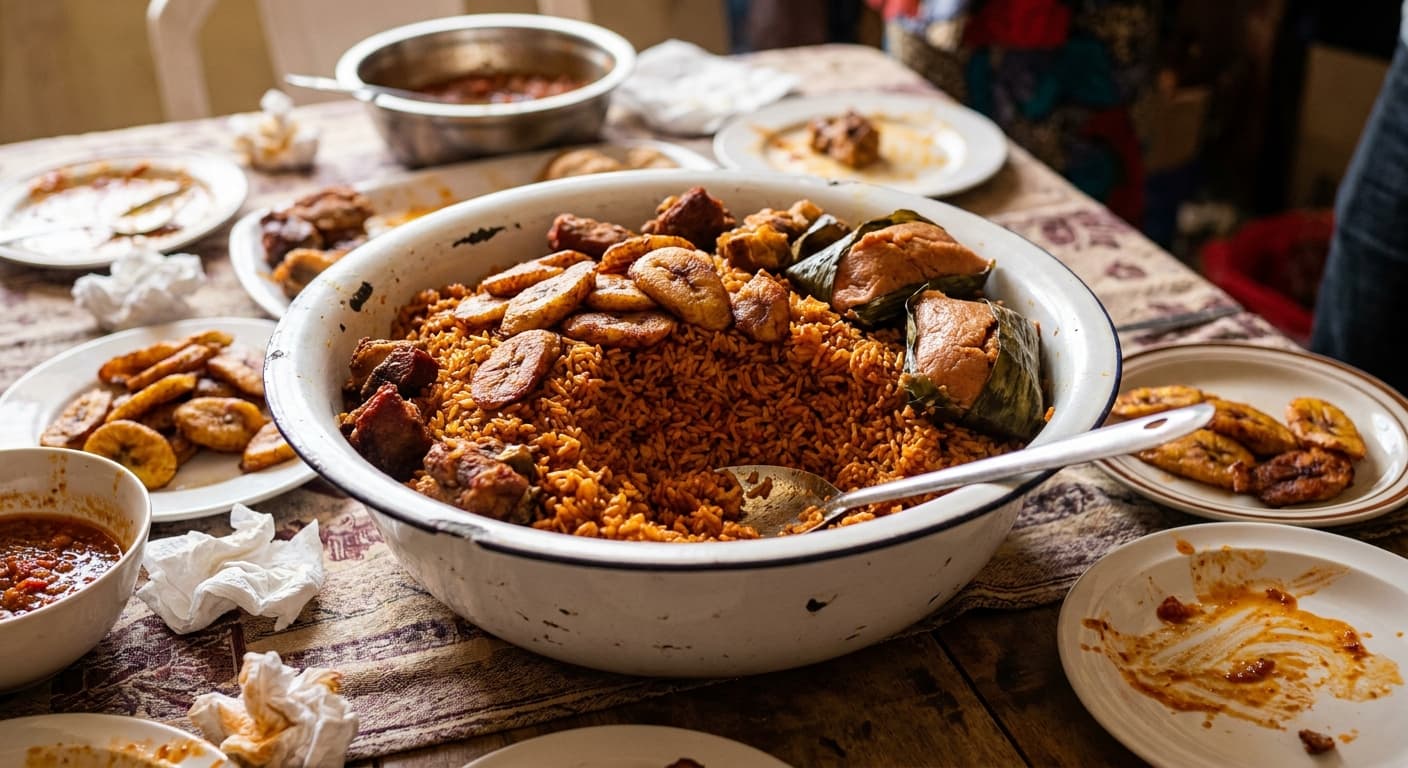
Nigerian Jollof Rice (Jollof Rice) — Smoky Party-Style Tomato Rice
West african · Rice Dishes · 80 min
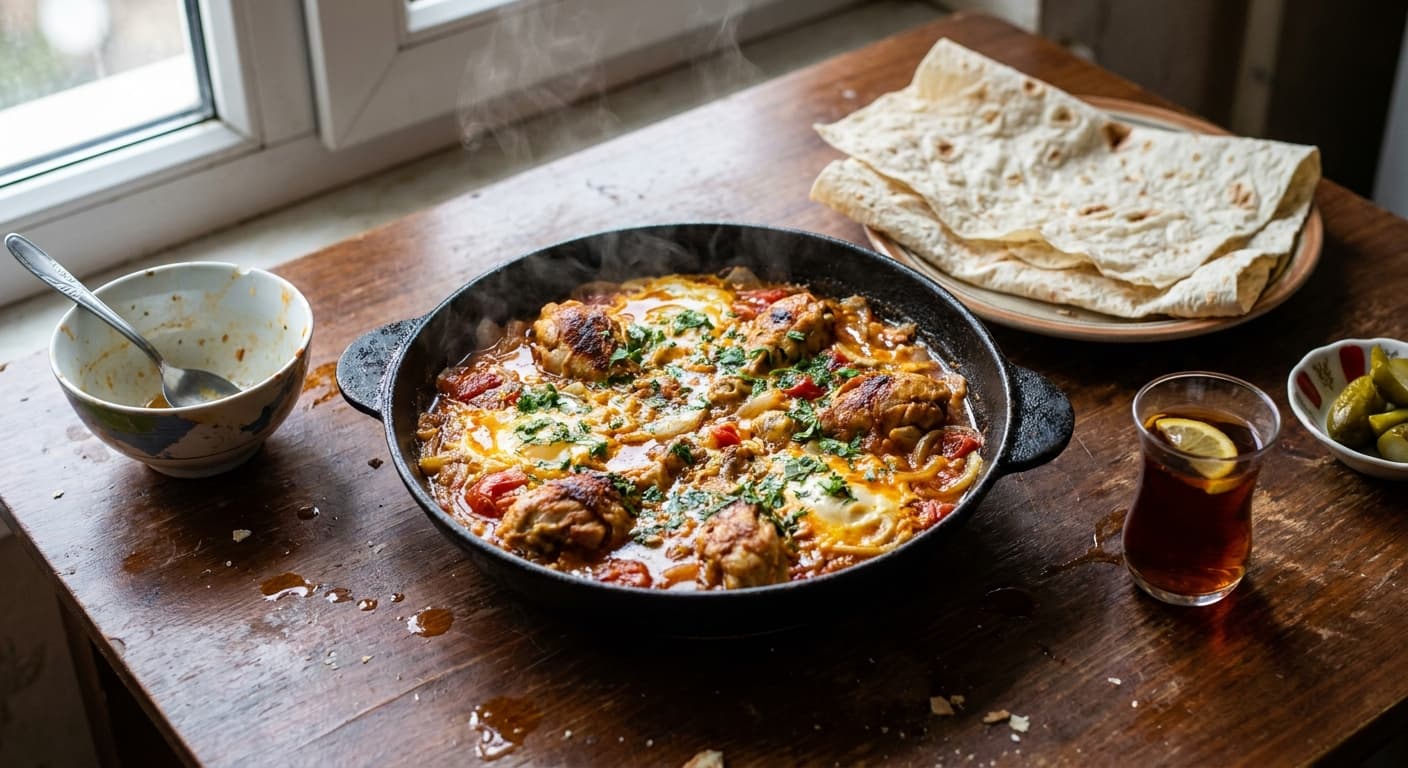
Chicken Chygyrtma (Toyuq Çığırtması) — Azerbaijani Chicken with Eggs and Tomatoes
Azerbaijani · Main Courses · 65 min
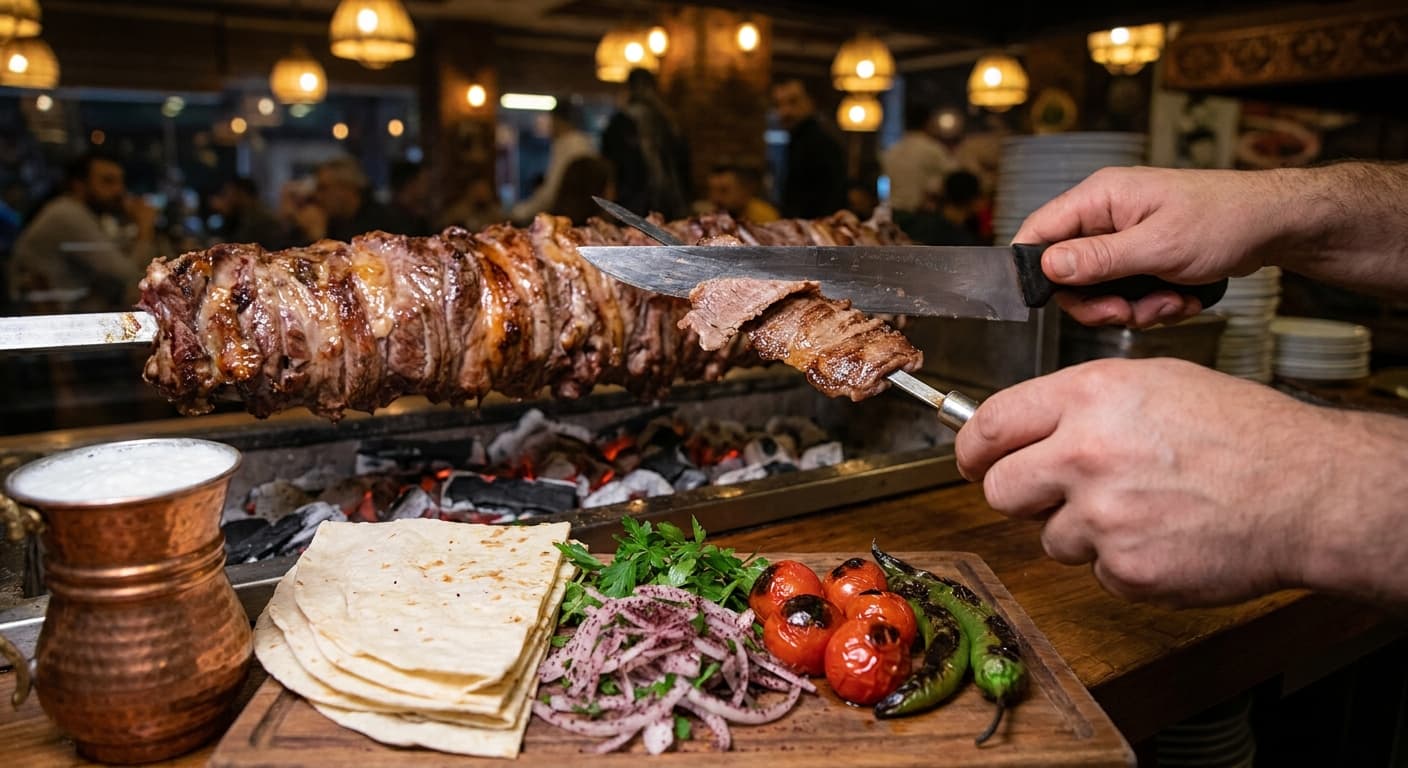
Turkish Cağ Kebab (Cağ Kebabı) — Erzurum Slow-Roasted Charcoal Lamb Skewer
Turkish · Kebabs · 160 min
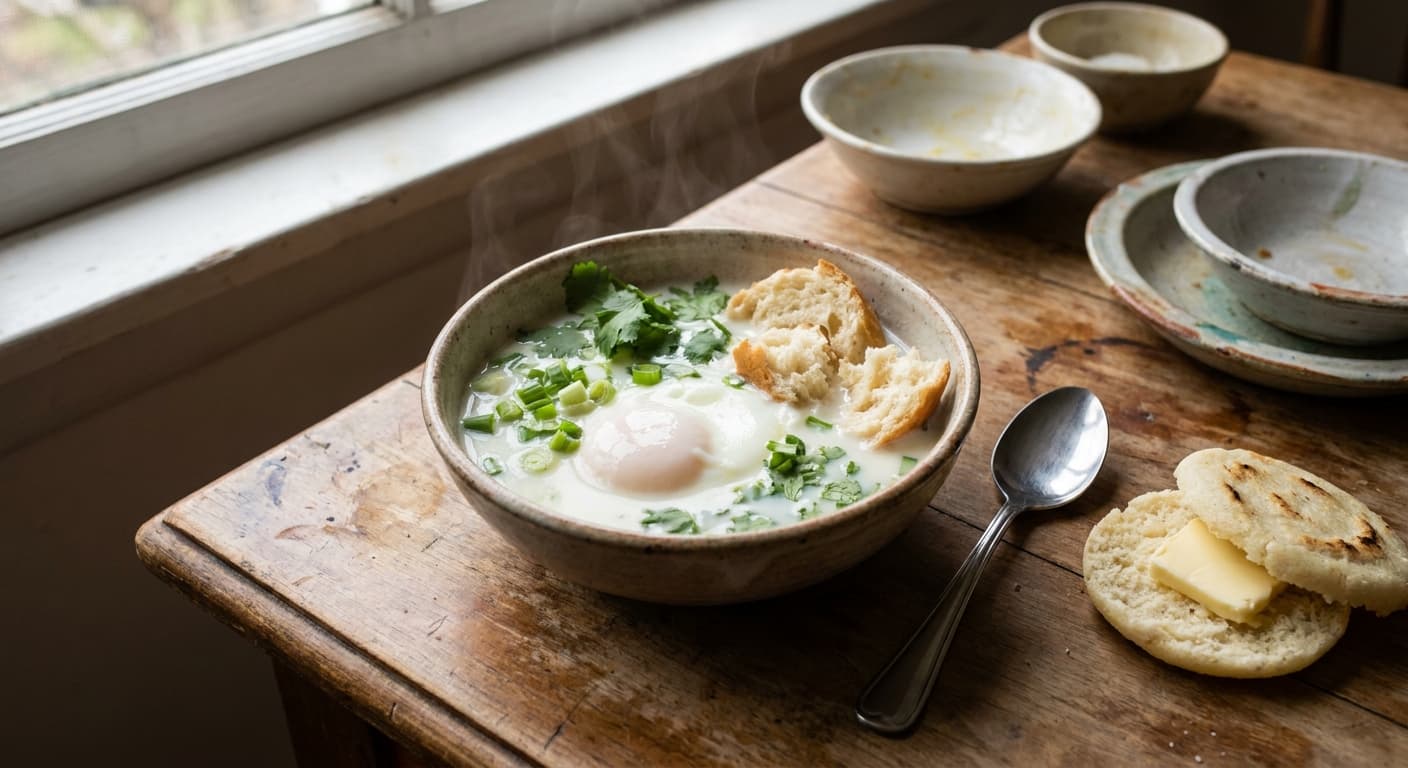
Changua (Changua) — Colombian Milk-and-Egg Breakfast Soup
Colombian · Soups · 25 min
Reviews
Cooked this recipe?
Tap the stars to rate it — that's all it takes. A few words are welcome but optional.
No ratings yet. Cooked this one? Be the first to rate it — it takes one tap.