Keshmesh Polow (کشمش پلو) — Persian Raisin Rice with Lamb
Keshmesh Polow is a celebratory Persian layered basmati rice with saffron, sweet raisins, and tender braised lamb. Finished with a crisp tahdig base, it balances warm spices, tomato, and caramelized onion in every bite.
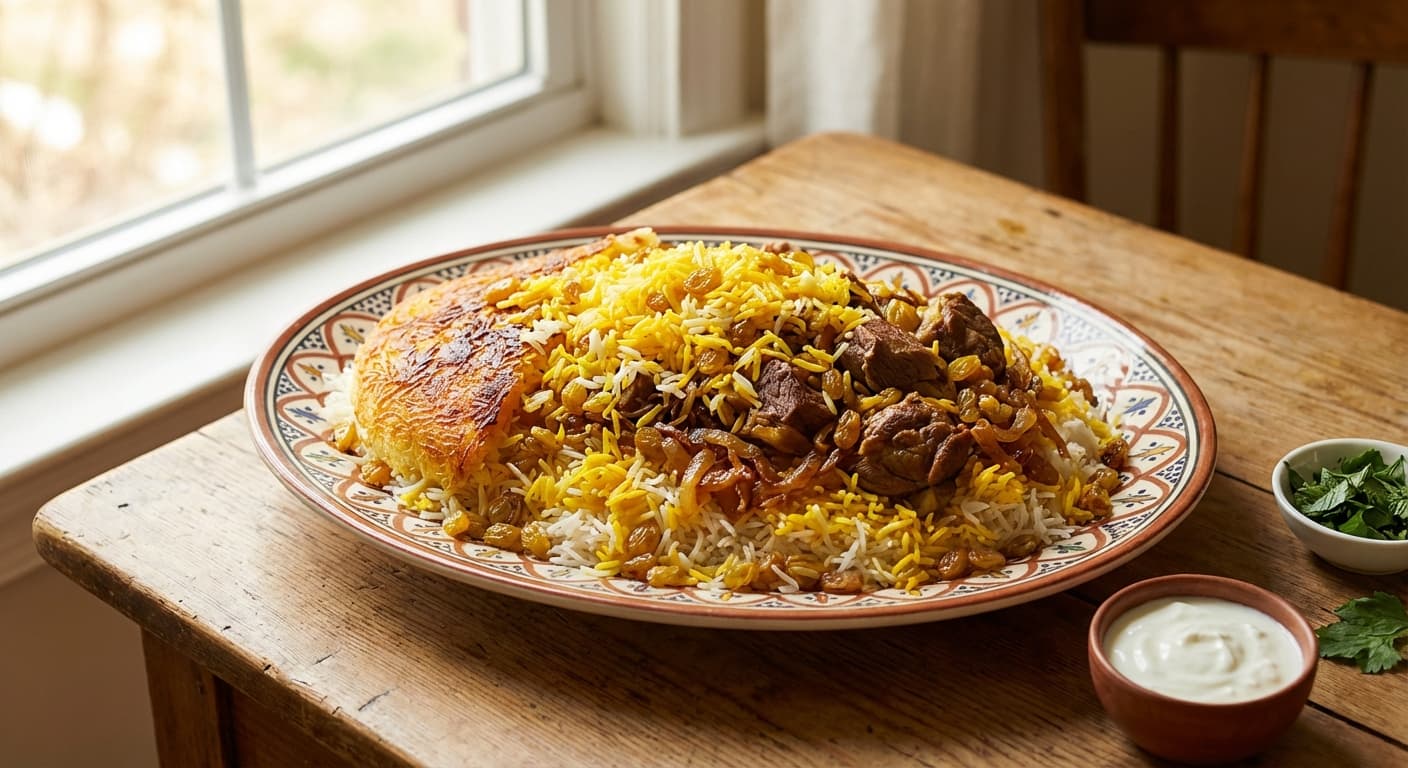
Printable Recipe Card
Servings: 6 · Total: 215 min · Difficulty: hard
Ingredients (quick list)
- 500 g Basmati rice (aged basmati preferred; rinsed until water runs mostly clear)
- 24 g Fine sea salt (for soaking water (about 2 tablespoons))
- 2000 ml Water (for soaking and parboiling; plus more as needed)
- 0.3 g Saffron threads (crushed)
- 45 ml Hot water (just off the boil, for blooming saffron)
- 900 g Lamb shoulder (boneless, cut into 4 cm cubes; excess surface fat trimmed)
- 300 g Onion (thinly sliced (about 2 medium))
- 300 g Tomatoes (grated or finely chopped (about 2 medium))
- 30 g Tomato paste (about 2 tablespoons)
- 45 ml Neutral oil (such as sunflower or grapeseed)
- 6 g Turmeric (about 2 teaspoons)
- 2 g Black pepper (about 1 teaspoon, freshly ground)
+ 10 more in the full ingredients section below.
Steps (summary)
- Rinse the basmati rice 5–7 times until the water is mostly clear. Soak it in 2000 ml water mixed with 24 g salt for 60 minutes…
- Braise the lamb: heat 45 ml neutral oil in a heavy pot over medium-high heat. Add sliced onion and cook 10–12 minutes until dee…
- Add grated tomatoes and tomato paste; cook 5 minutes, stirring, until the mixture darkens slightly and smells sweet. Add 720 ml…
- Prepare the raisins: melt 30 g butter in a skillet over medium-low heat. Add rinsed, well-drained raisins and sauté 2–3 minutes…
- Parboil the rice: bring a large pot of water to a rolling boil (at least 3 liters; add more water if needed). Drain soaked rice…
- Make yogurt tahdig batter: in a bowl, whisk 120 g yogurt, 18 g egg yolk, 15 ml brewed saffron water, and 2 tablespoons (about 1…
+ 3 more steps in the full instructions section below.
Cultural Background
Keshmesh Polow is commonly prepared for family gatherings and festive meals, where sweet dried fruit is paired with rice and meat to create a balanced, aromatic centerpiece. The technique of parboiling and steaming rice with a crisp tahdig reflects a long-standing Persian rice tradition shared across many homes and regions.
Equipment
💡 Tips
- For the cleanest rice texture, use aged basmati and avoid overboiling during parboil; the center should stay slightly firm.
- Keep the lamb sauce thick before layering; excess liquid can make the rice soggy and soften the tahdig.
- Sauté raisins briefly and gently; high heat makes them tough and bitter.
- If your pot runs hot, reduce the initial tahdig heat to medium (not medium-high) to prevent scorching.
- For extra aroma, reserve 2 tablespoons of saffron water to brush over the tahdig right after unmolding.
⚠️ Common Mistakes
❌ Overboiling the rice during parboil
💡 Why: If the grains fully cook in water, they break during steaming and turn sticky, and the final layers lose definition.
✅ Fix: Boil only until the outside is tender but the center is slightly firm (6–8 minutes), then drain immediately and rinse quickly with cool water if needed to stop cooking.
❌ Layering the rice with a watery lamb sauce
💡 Why: Excess liquid sinks and over-steams the rice, making it heavy and preventing a crisp tahdig.
✅ Fix: Simmer the braise uncovered for 5–10 minutes at the end to thicken, then spoon mainly meat and thick sauce between layers.
❌ Burning the tahdig
💡 Why: Too much heat early on can scorch the base before the rice steams through.
✅ Fix: Use medium heat for the first 10 minutes only, then low for the remainder; if your stove runs hot, shorten the medium phase to 7–8 minutes.
❌ Overcooking the raisins
💡 Why: Raisins can harden and taste bitter when fried too long or at high heat.
✅ Fix: Sauté briefly over medium-low heat just until glossy (2–3 minutes), then remove from heat.
🧊 How to Store
Cool leftovers within 2 hours. Refrigerate rice and lamb together in an airtight container for up to 3 days. Reheat covered with 1–2 tablespoons water in a saucepan on low 10–15 minutes or microwave covered. Tahdig will soften; re-crisp in a dry skillet over medium heat 3–5 minutes.
📅 Make Ahead
Braise the lamb up to 2 days ahead and refrigerate in its sauce; skim solidified fat before reheating. Rinse and soak rice up to 1 hour ahead only. Sauté raisins up to 1 day ahead and store refrigerated; warm briefly before layering. Steam the rice just before serving for best tahdig.
🍽️ Pairs Well With
- Shirazi salad (cucumber
- tomato
- onion with lemon)
- Plain yogurt with dried mint
- Fresh herbs platter
- Pickled vegetables
Regional Variations
- Tehran and Central IranOften made with a pronounced saffron finish and a yogurt-based tahdig; the lamb is braised with tomato for a richer, deeper color and served with extra saffron rice on top.
- Northwestern IranSome households increase warm spices such as cinnamon and cardamom and may use a mix of raisins and other dried fruit for a more aromatic, sweet-leaning profile while keeping the same layered steaming technique.
Ingredients
- 500 gBasmati rice (aged basmati preferred; rinsed until water runs mostly clear)
- 24 gFine sea salt (for soaking water (about 2 tablespoons))
- 2000 mlWater (for soaking and parboiling; plus more as needed)
- 0.3 gSaffron threads (crushed)
- 45 mlHot water (just off the boil, for blooming saffron)
- 900 gLamb shoulder (boneless, cut into 4 cm cubes; excess surface fat trimmed)
- 300 gOnion (thinly sliced (about 2 medium))
- 300 gTomatoes (grated or finely chopped (about 2 medium))
- 30 gTomato paste (about 2 tablespoons)
- 45 mlNeutral oil (such as sunflower or grapeseed)
- 6 gTurmeric (about 2 teaspoons)
- 2 gBlack pepper (about 1 teaspoon, freshly ground)
- 1 gRed pepper flakes (about 1/2 teaspoon)
- 3 gGarlic powder (about 1 teaspoon)
- 1 gGround cinnamon (about 1/2 teaspoon)
- 1 gGround cumin (about 1/2 teaspoon)
- 200 gSun-dried raisins (dark or golden; rinsed and drained well)
- 30 gUnsalted butter (for sautéing raisins)
- 0.5 gGround cardamom (about 1/4 teaspoon)
- 120 gPlain yogurt (full-fat, for yogurt tahdig batter)
- 18 gEgg yolk (from 1 large egg)
- 15 mlBrewed saffron water (from the bloomed saffron, for tahdig batter)
🔄 Substitutions
- Lamb shoulder→ Beef chuck (same weight)
- Plain yogurt tahdig→ Potato tahdig (300 g potatoes, thinly sliced)
- Sun-dried raisins→ Dried barberries (120 g) plus 20 g sugar
Instructions
- 1
Rinse the basmati rice 5–7 times until the water is mostly clear. Soak it in 2000 ml water mixed with 24 g salt for 60 minutes at room temperature. Meanwhile, crush saffron threads and bloom in 45 ml hot water; cover and steep 15 minutes to fully develop color and aroma.
- 2
Braise the lamb: heat 45 ml neutral oil in a heavy pot over medium-high heat. Add sliced onion and cook 10–12 minutes until deeply golden. Add lamb and sear 6–8 minutes, turning to brown most sides. Stir in turmeric, black pepper, red pepper flakes, garlic powder, cumin, and cinnamon for 30 seconds.
- 3
Add grated tomatoes and tomato paste; cook 5 minutes, stirring, until the mixture darkens slightly and smells sweet. Add 720 ml water and 8 g salt, bring to a boil, then reduce to a gentle simmer. Cover and cook 75–90 minutes, stirring twice, until lamb is fork-tender and sauce is thick, not watery.
- 4
Prepare the raisins: melt 30 g butter in a skillet over medium-low heat. Add rinsed, well-drained raisins and sauté 2–3 minutes just until plump and glossy; do not let them burn or harden. Stir in ground cardamom for 10 seconds, then remove from heat and set aside, covered, to keep warm.
- 5
Parboil the rice: bring a large pot of water to a rolling boil (at least 3 liters; add more water if needed). Drain soaked rice and add to boiling water. Boil 6–8 minutes, stirring gently once or twice, until the grains are elongated and tender on the outside but still firm in the center. Drain immediately.
- 6
Make yogurt tahdig batter: in a bowl, whisk 120 g yogurt, 18 g egg yolk, 15 ml brewed saffron water, and 2 tablespoons (about 150 g) of the parboiled rice until evenly coated. This mixture forms a crisp, golden base. Keep the remaining saffron water for drizzling over the layered rice.
- 7
Assemble and steam: in a nonstick or well-seasoned pot (24–26 cm), heat 60 ml neutral oil over medium heat for 1 minute. Spread the tahdig batter evenly over the bottom. Layer 1/3 of the rice, then spoon on half the lamb with some thick sauce, then half the raisins. Repeat, finishing with rice on top.
- 8
Create steam and finish: use the handle of a spoon to poke 5–6 holes down to the bottom for steam channels. Drizzle remaining brewed saffron water over the top rice. Wrap the lid with a clean towel and cover tightly. Cook 10 minutes over medium heat, then reduce to low and steam 45–55 minutes.
- 9
Unmold and serve: turn off heat and rest the pot, covered, 10 minutes to set the tahdig. Spoon rice, lamb, and raisins onto a platter, keeping layers visible. To release tahdig, run a thin spatula around the edge, then invert onto a plate or lift pieces out. Serve immediately while crisp and aromatic.
🪪 Recipe Passport
Cultural Background
Keshmesh Polow is commonly prepared for family gatherings and festive meals, where sweet dried fruit is paired with rice and meat to create a balanced, aromatic centerpiece. The technique of parboiling and steaming rice with a crisp tahdig reflects a long-standing Persian rice tradition shared across many homes and regions.
Regional Variations
Researched from multiple sources and validated by the Zaffaron editorial team. Every recipe is tested for accuracy, measurements, and cultural authenticity.
Nutrition per serving
Pairs well with
If you enjoyed this recipe, here are a few related Zaffaron recipes to try next.
- Khorak-e Sibzamini (خوراک سیب زمینی) — Persian-Style Curried Potatoes with Peppers
- Kharka-e Loobia Sabz ba Gerdu (خرکۀ لوبیا سبز با گردو) — Persian Roasted Green Bean Stew with Walnuts
- Khorak-e Bademjan o Kadoo (خوراک بادمجان و کدو) — Persian Eggplant and Zucchini Medley
- Khorak-e Garm-e Loobia (خوراک گرم لوبیا) — Persian Warm Three-Bean Medley
Does your family make this differently?
Every family has their own version. Maybe your grandmother adds a secret ingredient, or your aunt has a completely different technique. Preserve your family's version — with their name on it, forever.
You Might Also Like
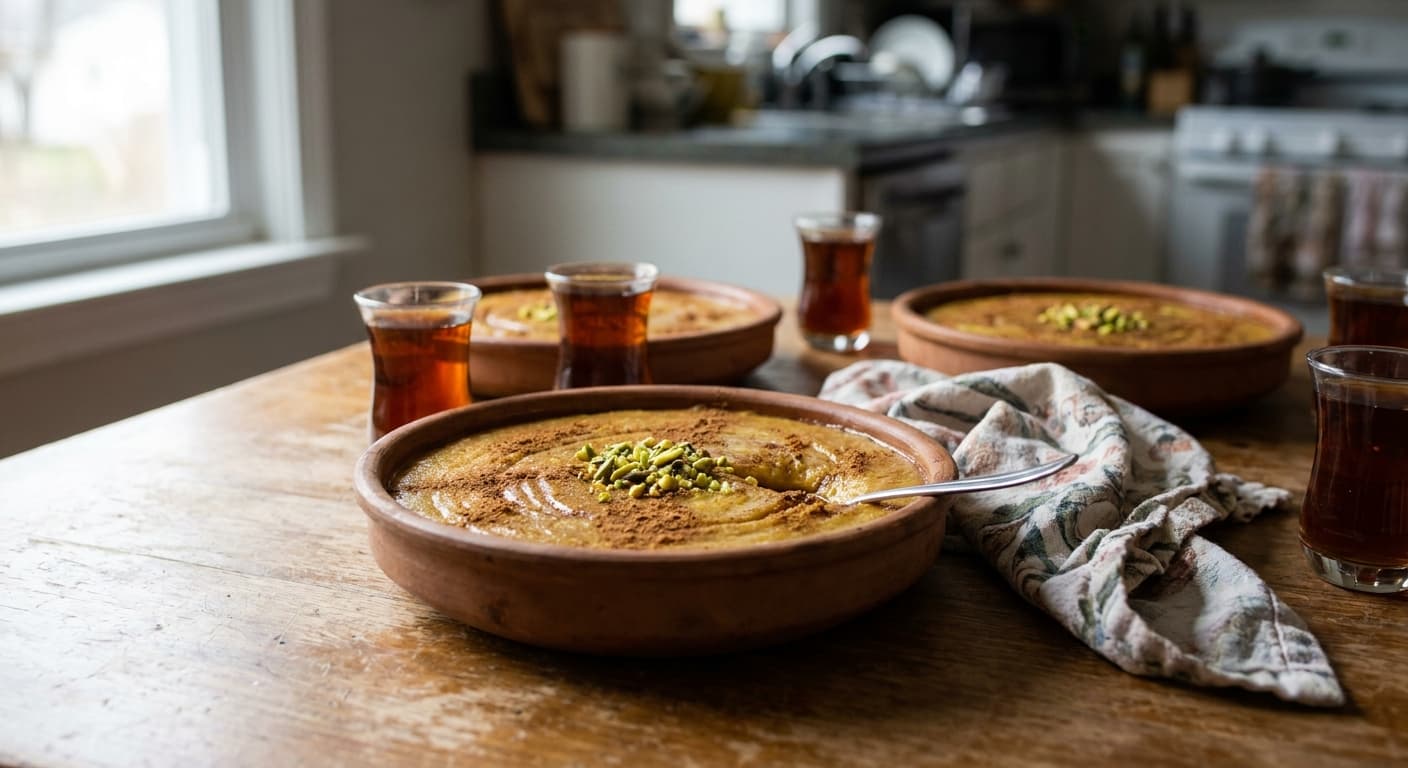
Persian Kachi (کاچی) — Saffron Rosewater Pudding
Persian · Desserts · 45 min
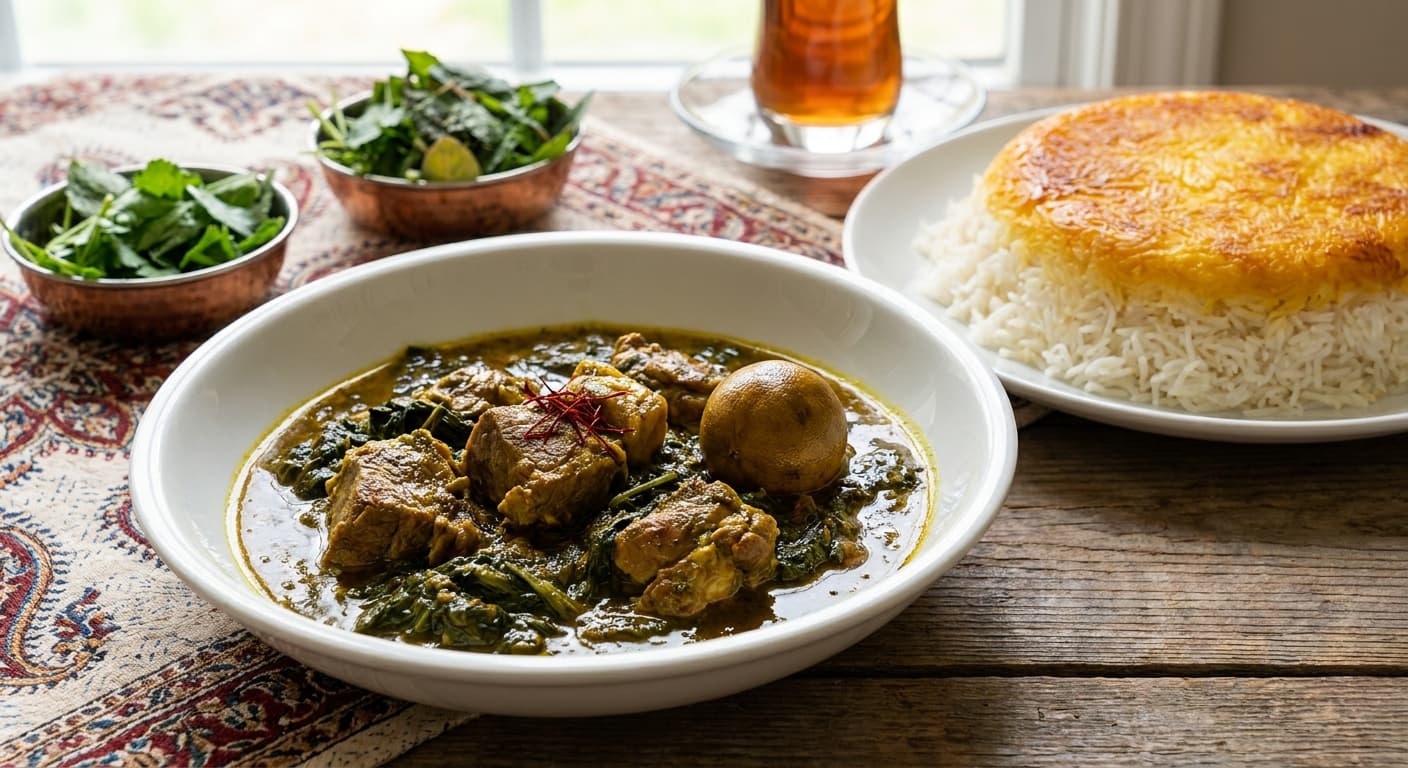
Persian Khoresht Saak (خورش ساک) — Saffron-Cardamom Lamb Stew with Saak Greens
Persian · Stews · 145 min
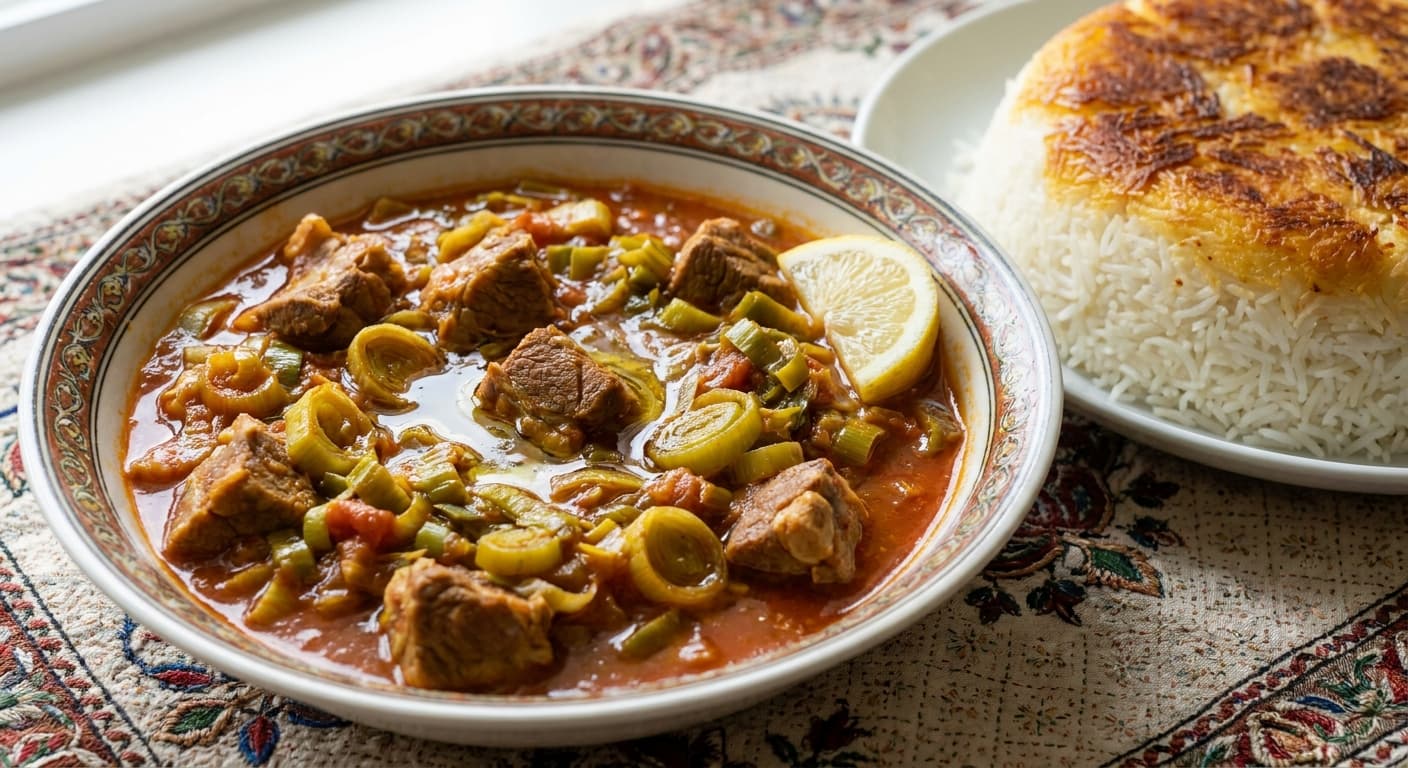
Khoresh Tareh Farangi (خورش تره فرنگی) — Persian Leek and Lamb Stew
Persian · Stews · 130 min
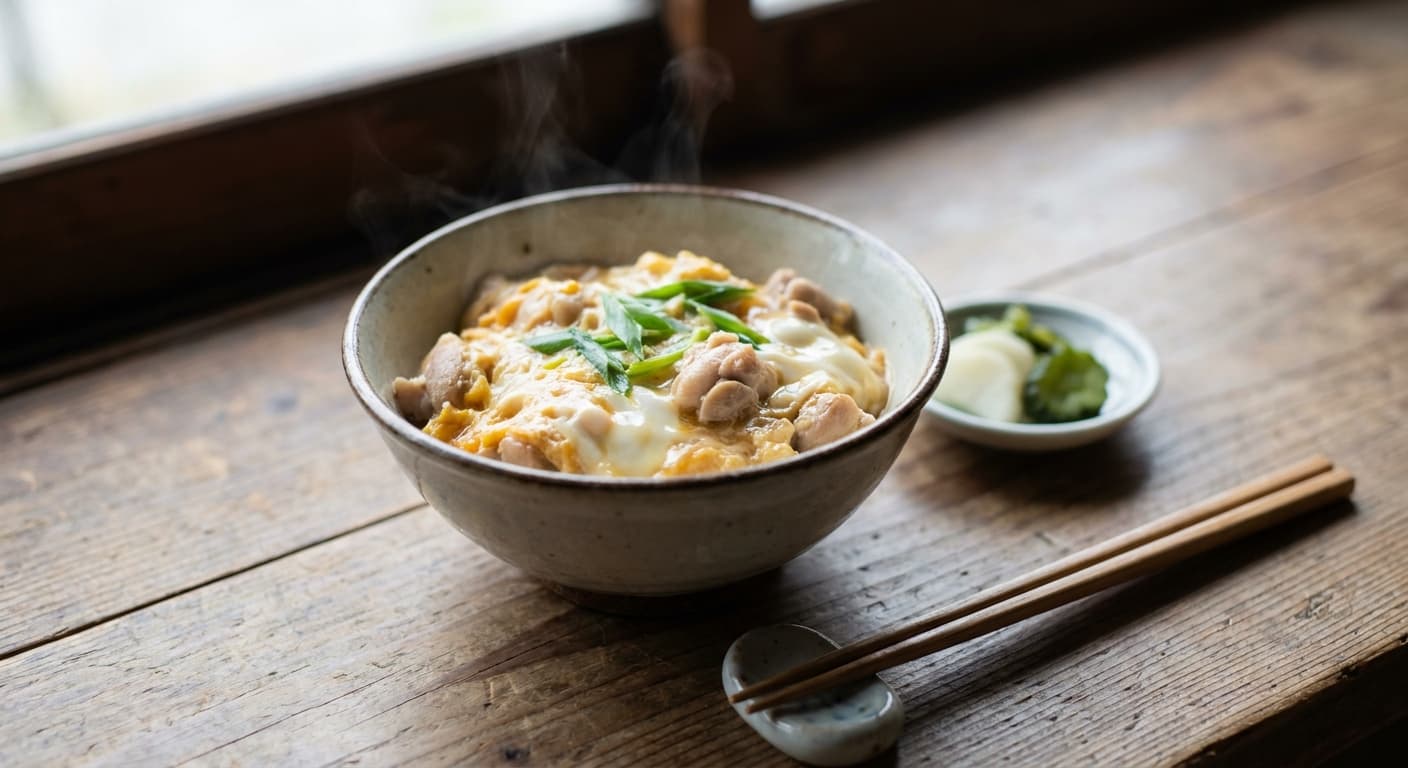
Japanese Oyakodon (親子丼) — Chicken and Egg Rice Bowl
Japanese · Rice Dishes · 29 min
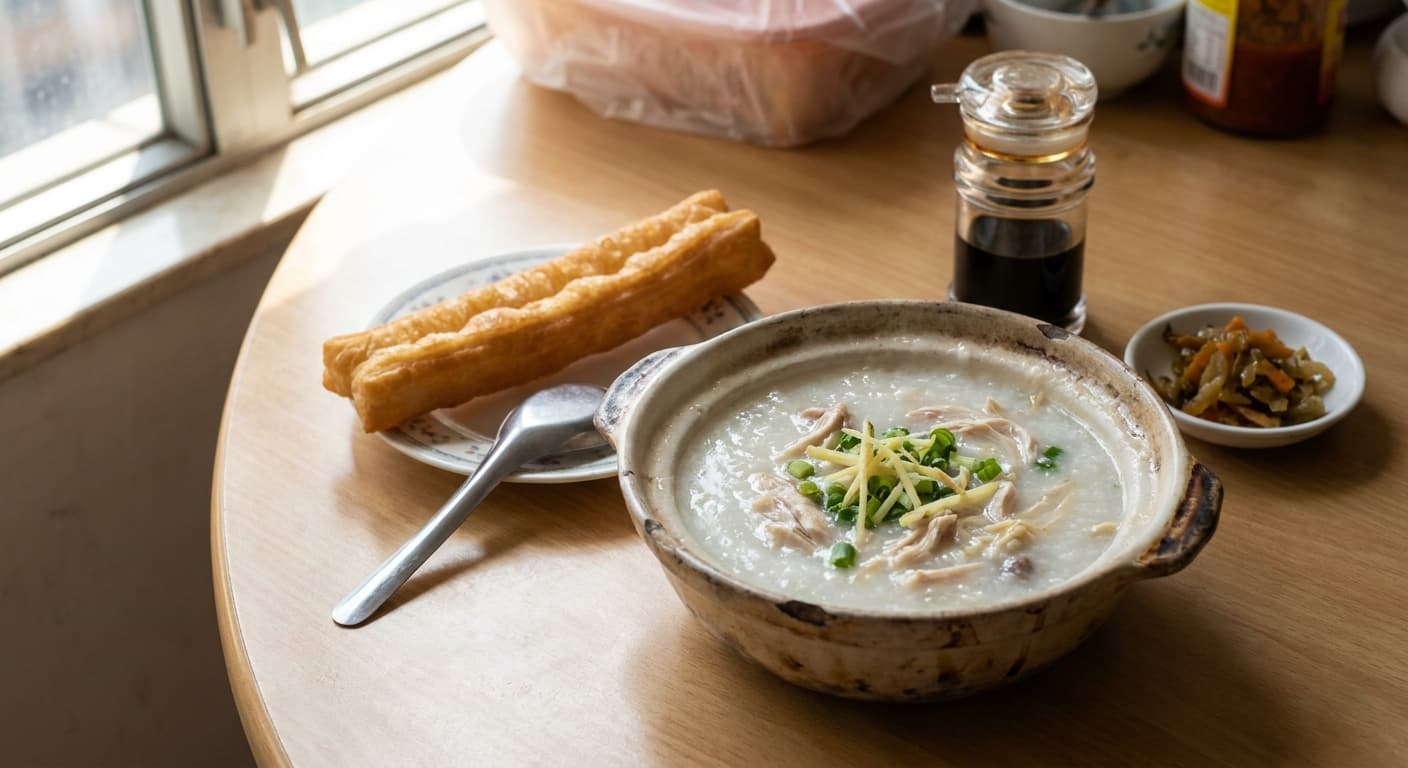
Cantonese Chicken Congee (粵式雞粥) — Silky Rice Porridge with Ginger
Chinese · Rice Dishes · 95 min
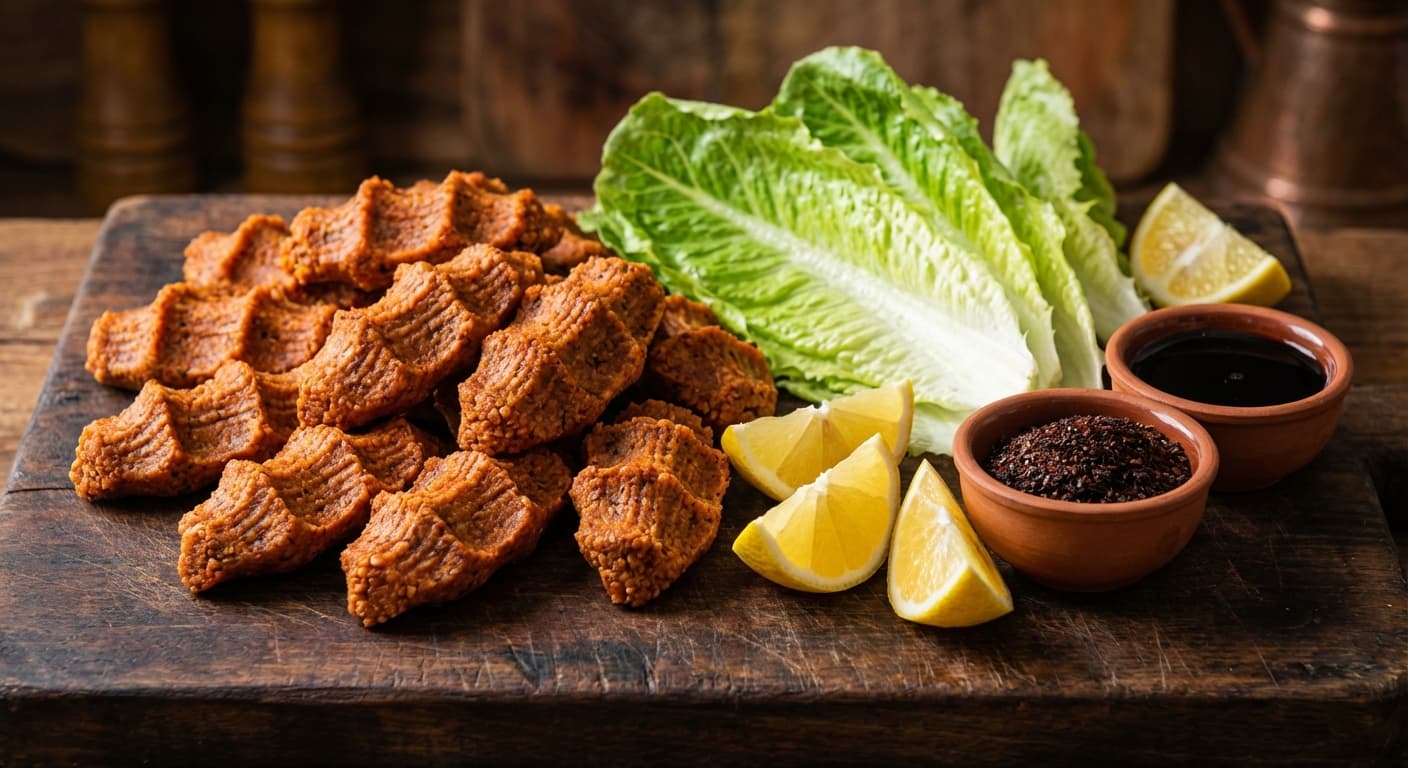
Cig Kofte (Çiğ Köfte) — Isot-kissed bulgur kneaded and served in lettuce
Turkish · Appetizers · 25 min
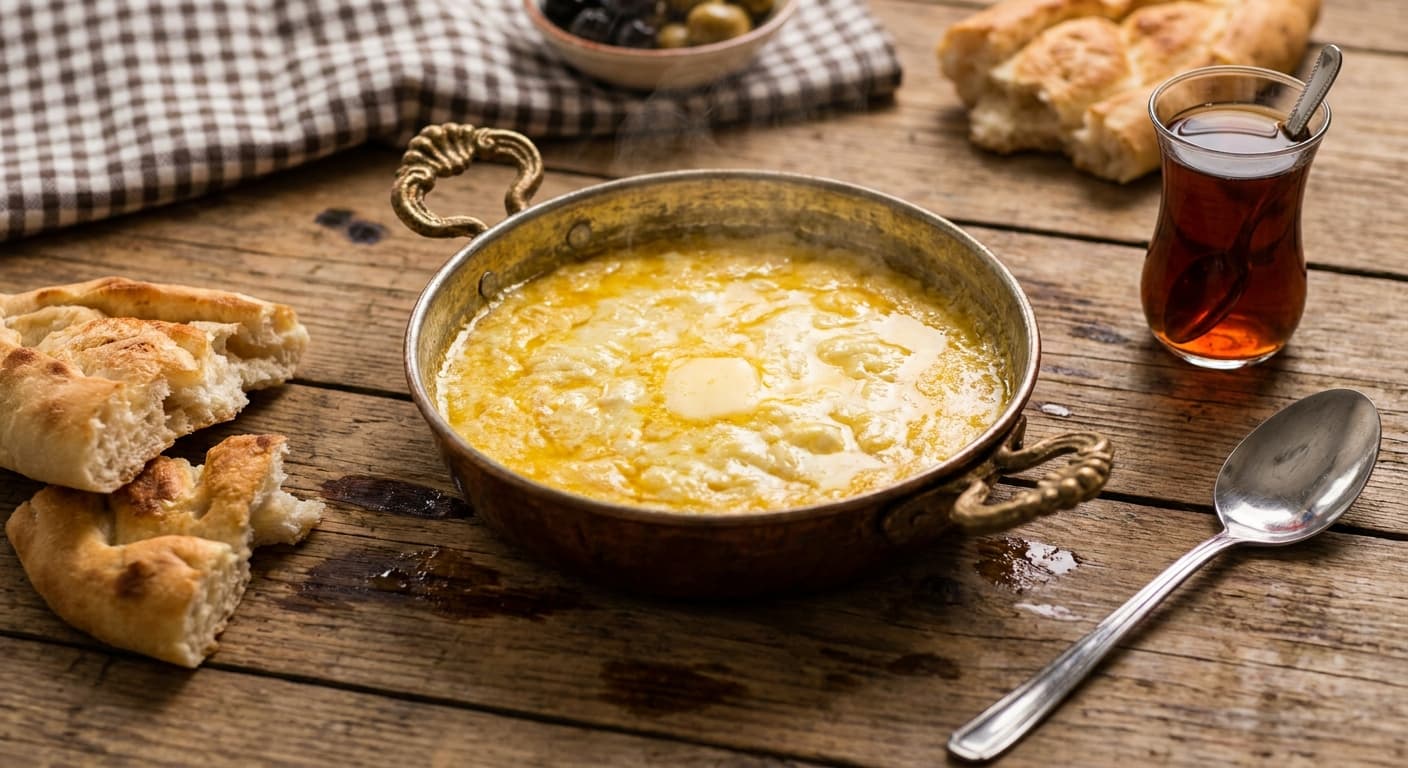
Mıhlama (Mıhlama) — Black Sea Cornmeal and Cheese Skillet
Turkish · Main Courses · 25 min
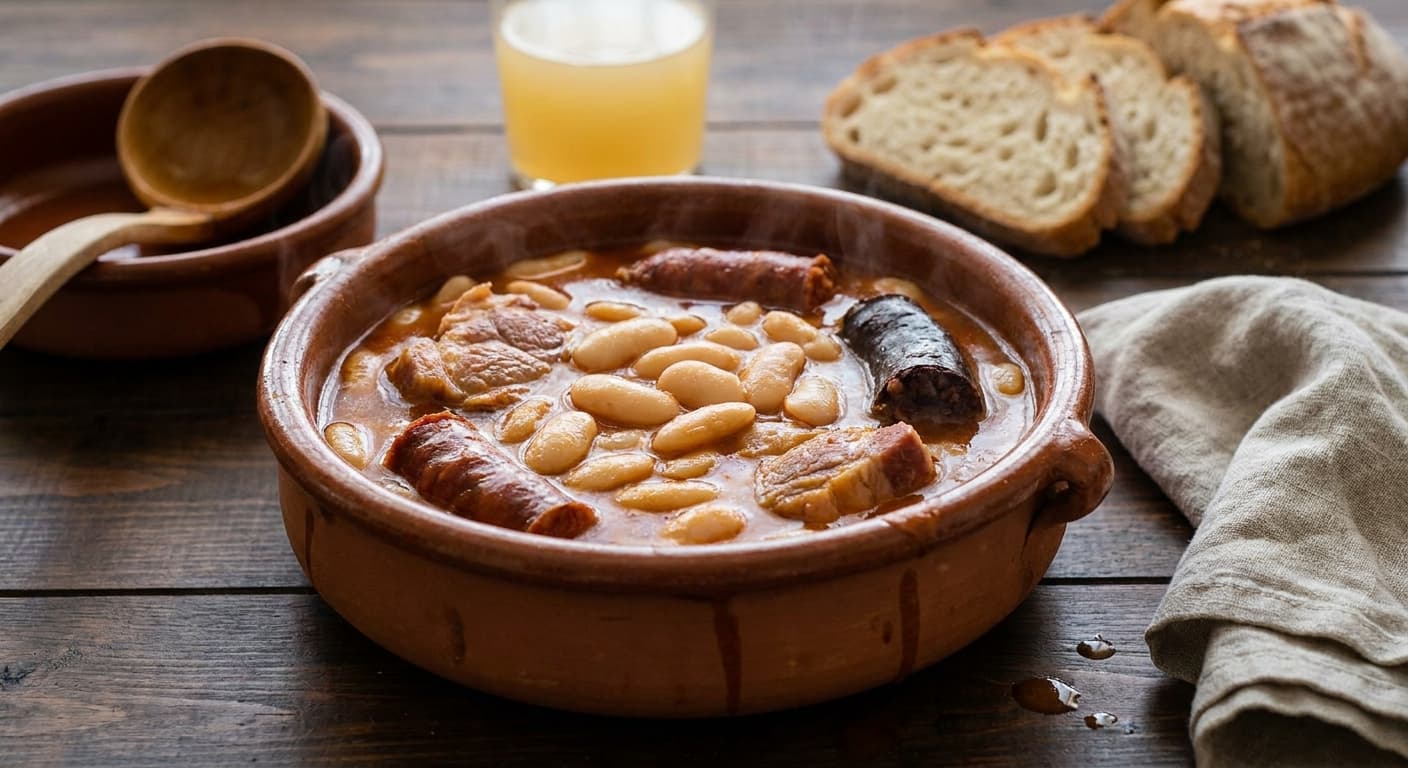
Asturian Bean Stew (Fabada Asturiana) — Smoky Spanish Bean and Pork Stew
Spanish · Stews · 210 min
Reviews
Cooked this recipe?
Tap the stars to rate it — that's all it takes. A few words are welcome but optional.
No ratings yet. Cooked this one? Be the first to rate it — it takes one tap.