Khlea (خليع) — Moroccan Preserved Spiced Beef with Eggs
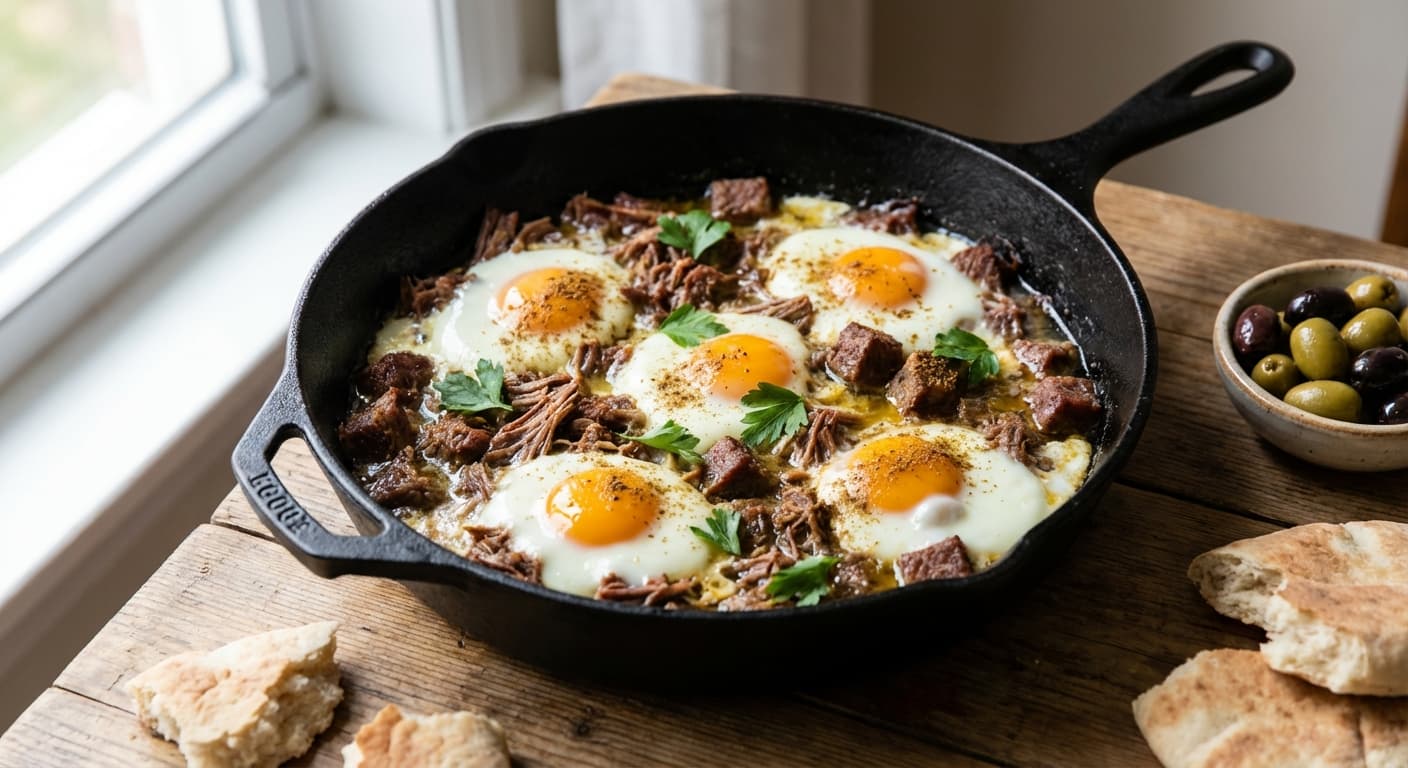
Khlea is a traditional Moroccan method of preserving beef with warm spices, slow cooking, and storing in flavorful rendered fat. Often served at breakfast with eggs, it reflects pantry wisdom from rural homes and Eid-time preparations.
Printable Recipe Card
Servings: 6 · Total: 285 min · Difficulty: hard
Ingredients (quick list)
- 1000 g beef chuck, cut into 3 cm cubes (well-marbled for better preservation and flavor)
- 20 g garlic, finely grated
- 8 g ground cumin
- 6 g ground coriander
- 6 g sweet paprika
- 4 g ground ginger
- 2 g ground turmeric
- 2 g freshly ground black pepper
- 18 g fine sea salt
- 30 ml white vinegar
- 250 ml water
- 350 g beef tallow or ghee (for confit-style cooking and storage)
+ 4 more in the full ingredients section below.
Steps (summary)
- Pat the beef very dry with paper towels so the spices cling and browning is cleaner later. In a large bowl, mix garlic, cumin,…
- Cover the bowl and refrigerate the beef for 12 hours to let the salt and spices penetrate the cubes. Stir once halfway through…
- Transfer the beef and all marinade to a heavy pot and add 250 ml water, bay leaves, and the cinnamon stick. Bring to a gentle s…
- Cook uncovered for 90 minutes, stirring every 15 minutes to prevent sticking and to keep the spices from scorching. The water s…
- Add the beef tallow (or ghee) to the pot and keep the heat low so the fat melts and the mixture shifts from simmering in water…
- Remove the bay leaves and cinnamon stick, then let the khlea cool for 20 minutes so steam dissipates. Pack the beef into a clea…
+ 2 more steps in the full instructions section below.
Cultural Background
Khlea is a time-honored Moroccan preservation technique, traditionally prepared in large batches after Eid or market day. Stored under fat, it provided quick, hearty meals—especially breakfast with eggs—when fresh meat was not always available.
Equipment
💡 Tips
- Keep the heat low once the fat is added; vigorous frying can burn the spice paste and make the khlea bitter.
- For best preservation, ensure the jar and lid are completely dry and always keep the meat submerged under a solid cap of fat.
- If the mixture still looks watery after adding fat, cook longer until the water evaporates; trapped moisture shortens shelf life.
⚠️ Common Mistakes
❌ Leaving moisture in the pot before storage, causing a watery layer under the fat.
✅ Fix: Cook longer after adding fat until bubbling is minimal and the mixture looks like meat suspended in clear fat, not broth.
❌ Using a wet jar or dipping a used spoon into the jar.
✅ Fix: Dry the jar completely and always use a clean, dry utensil; re-cover the surface with fat after each use.
❌ Cooking on high heat once spices are in the pot, leading to scorched flavors.
✅ Fix: Maintain a gentle simmer and stir often; reduce heat immediately if spices start sticking.
🧊 How to Store
Store khlea tightly covered in the refrigerator with a solid fat layer sealing the surface for up to 3 weeks. Always use a clean spoon and re-cover with fat after scooping. Reheat gently in a skillet over medium-low until sizzling; avoid microwaving, which can separate fat and toughen meat.
📅 Make Ahead
Khlea is designed for make-ahead cooking: prepare and store it 1–3 days before serving for the flavors to round out. You can also portion it into smaller jars so you only open what you will use within a few days.
🍽️ Pairs Well With
- Khobz (Moroccan bread)
- mint tea
- olives
- preserved lemons
- tomato-cucumber salad.
Regional Variations
- Some Moroccan households add ras el hanout (about 5 g per kg beef) for a more complex, perfumed spice profile.
- In certain regions, the finished khlea is shredded more finely before storing, making it faster to reheat and easier to mix with eggs.
- A small amount of smen (aged butter) is sometimes blended into the storage fat for a sharper, funkier aroma.
Ingredients
- 1000 gbeef chuck, cut into 3 cm cubes (well-marbled for better preservation and flavor)
- 20 ggarlic, finely grated
- 8 gground cumin
- 6 gground coriander
- 6 gsweet paprika
- 4 gground ginger
- 2 gground turmeric
- 2 gfreshly ground black pepper
- 18 gfine sea salt
- 30 mlwhite vinegar
- 250 mlwater
- 350 gbeef tallow or ghee (for confit-style cooking and storage)
- 2 leafbay leaf
- 1 stickcinnamon stick
- 6eggs
- 15 mlolive oil (only if pan needs extra fat beyond the khlea)
🔄 Substitutions
- beef tallow→ ghee
- beef chuck→ beef brisket
- white vinegar→ apple cider vinegar
Instructions
- 1
Pat the beef very dry with paper towels so the spices cling and browning is cleaner later. In a large bowl, mix garlic, cumin, coriander, paprika, ginger, turmeric, black pepper, salt, and vinegar, then coat the beef thoroughly.
- 2
Cover the bowl and refrigerate the beef for 12 hours to let the salt and spices penetrate the cubes. Stir once halfway through so the marinade distributes evenly and no pieces sit dry at the top.
- 3
Transfer the beef and all marinade to a heavy pot and add 250 ml water, bay leaves, and the cinnamon stick. Bring to a gentle simmer over medium heat, then reduce to low so it bubbles quietly without splashing.
- 4
Cook uncovered for 90 minutes, stirring every 15 minutes to prevent sticking and to keep the spices from scorching. The water should reduce significantly and the beef should be tender but not falling apart.
- 5
Add the beef tallow (or ghee) to the pot and keep the heat low so the fat melts and the mixture shifts from simmering in water to gently frying in fat. Continue cooking for 60–90 minutes, stirring regularly, until the beef deepens in color and the pot is mostly fat with little to no watery liquid remaining.
- 6
Remove the bay leaves and cinnamon stick, then let the khlea cool for 20 minutes so steam dissipates. Pack the beef into a clean, dry jar and pour enough hot fat over it to cover the meat by at least 2 cm, which protects it from air.
- 7
Cool the jar to room temperature, then refrigerate for at least 8 hours so the fat fully solidifies and seals the surface. When you are ready to serve, scoop out 250 g khlea and 2–3 tbsp of its fat into a skillet and warm over medium-low until the meat sizzles gently.
- 8
Crack 6 eggs into the skillet around the khlea and cook for 3–5 minutes until the whites are set and the yolks are still soft, or 6–7 minutes for firmer yolks. Finish with 1 tsp ground cumin if using, then serve immediately while the fat is glossy and aromatic.
🪪 Recipe Passport
Cultural Background
Khlea is a time-honored Moroccan preservation technique, traditionally prepared in large batches after Eid or market day. Stored under fat, it provided quick, hearty meals—especially breakfast with eggs—when fresh meat was not always available.
Regional Variations
Researched from multiple sources and validated by the Zaffaron editorial team. Every recipe is tested for accuracy, measurements, and cultural authenticity.
Nutrition per serving
Pairs well with
If you enjoyed this recipe, here are a few related Zaffaron recipes to try next.
Does your family make this differently?
Every family has their own version. Maybe your grandmother adds a secret ingredient, or your aunt has a completely different technique. Preserve your family's version — with their name on it, forever.
You Might Also Like
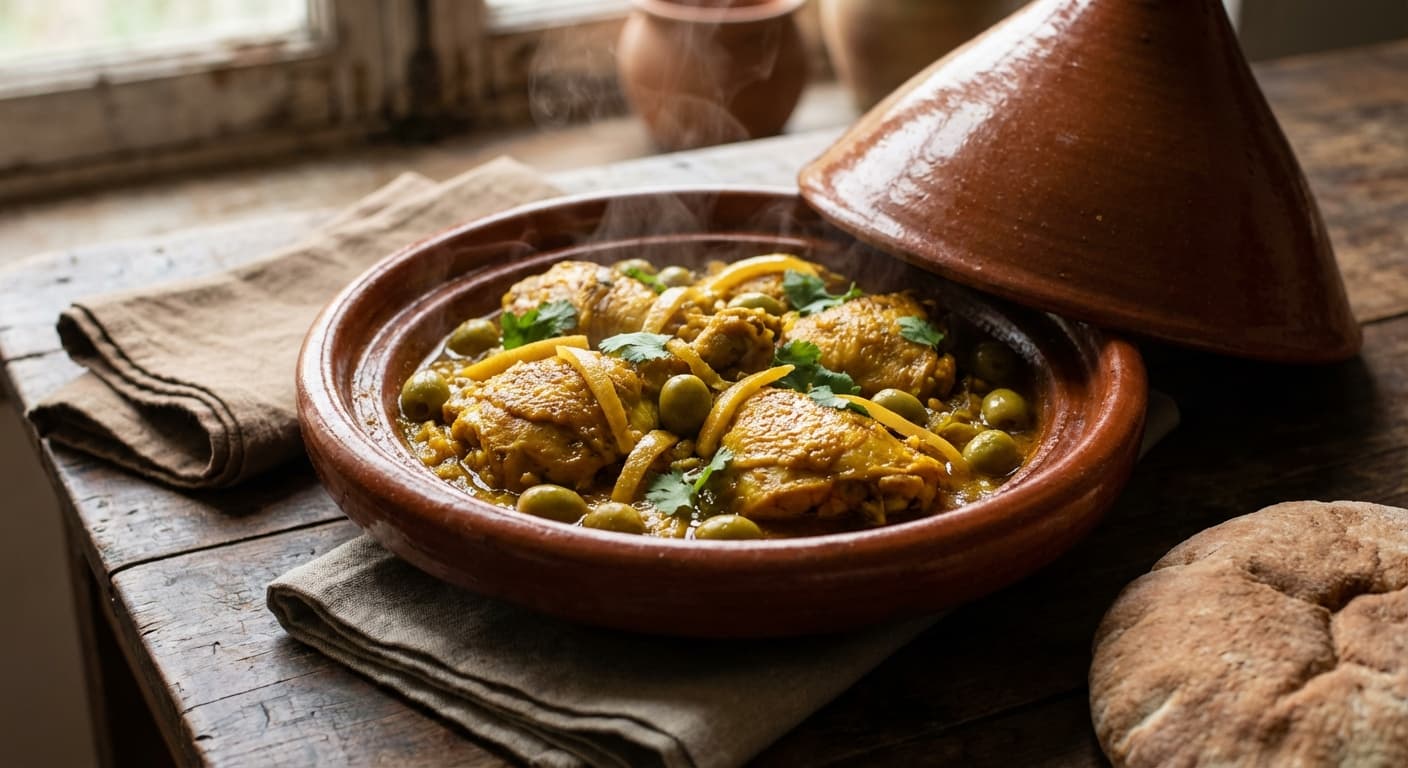
Tajine Djaj b Zitoun (طاجين دجاج بالزيتون) — Moroccan chicken tagine with green olives and preserved lemon
Moroccan · Stews · 95 min
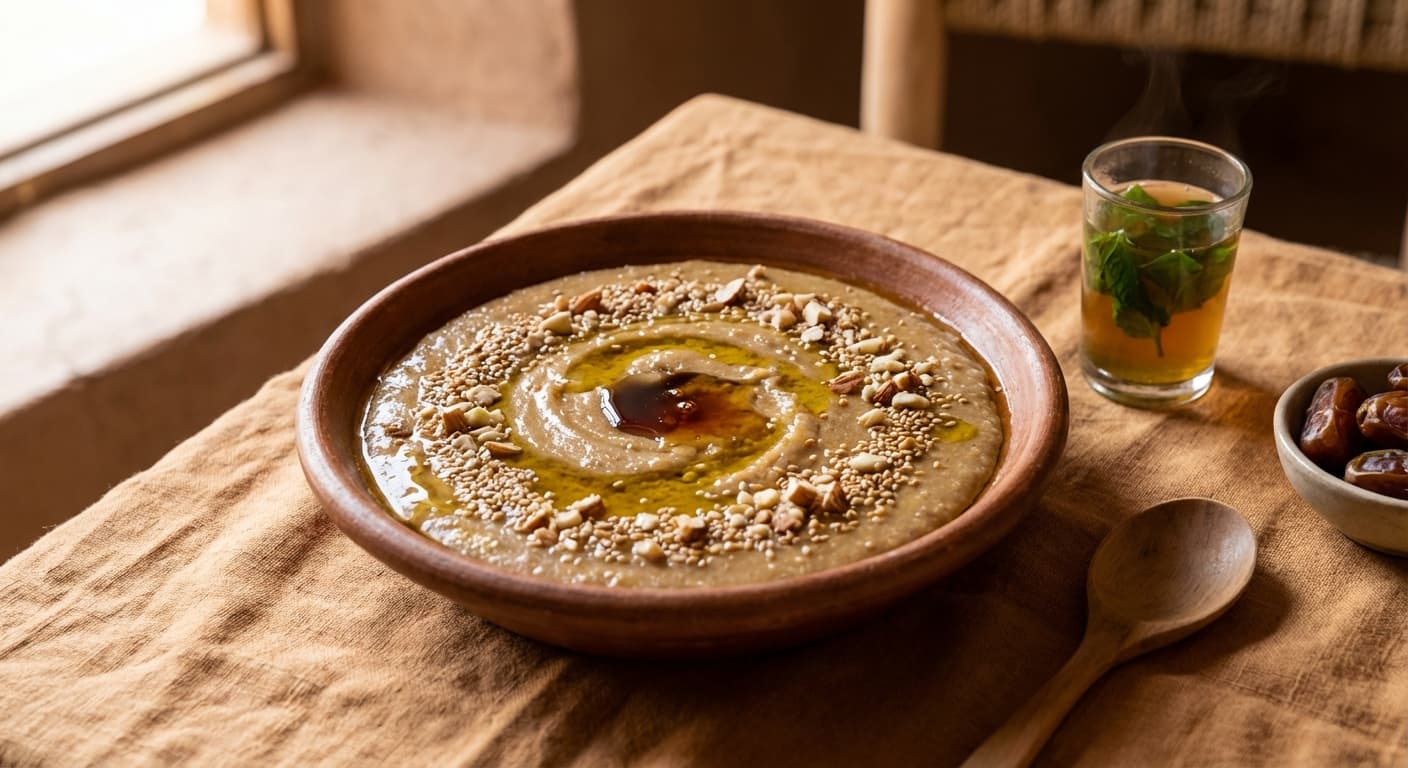
Zemita (زمّيطا) — Moroccan Roasted Flour Energy Porridge
Moroccan · Desserts · 30 min
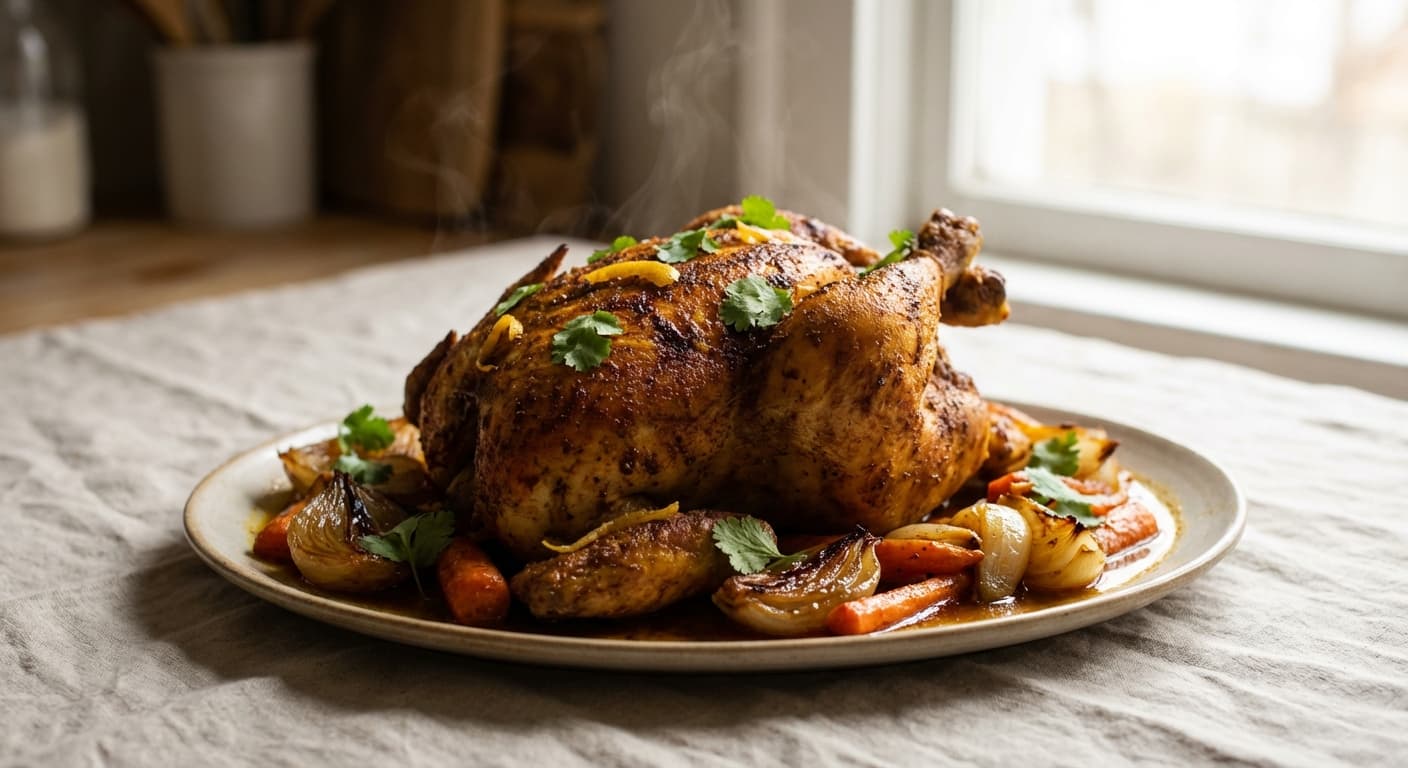
Ras El Hanout Chicken (رأس الحانوت) — Moroccan Spiced Roasted Chicken with Aromatic Blend
Moroccan · Main Courses · 95 min
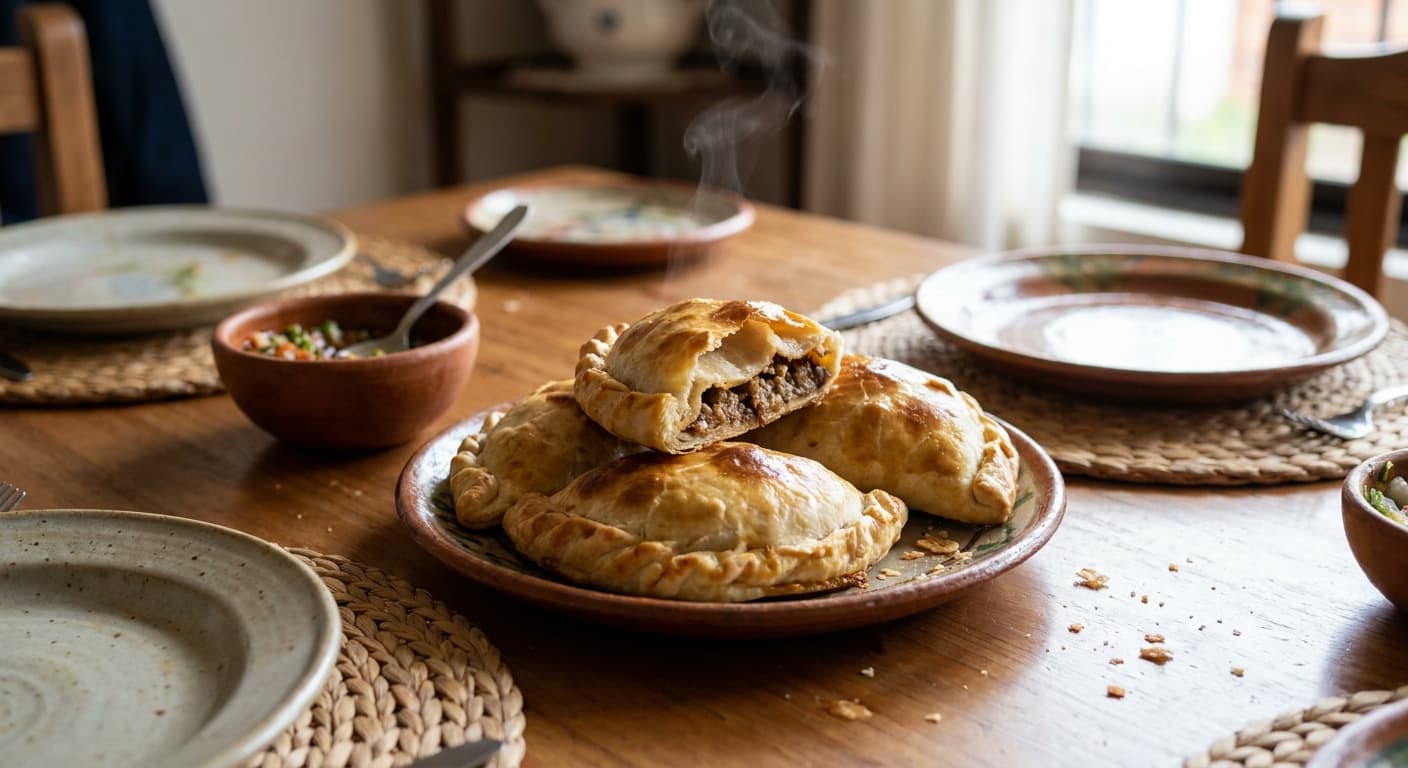
Chilean Beef Empanada (Empanada de pino) — Baked pastry filled with beef, onion, egg, olive, and raisins
Chilean · Main Courses · 125 min
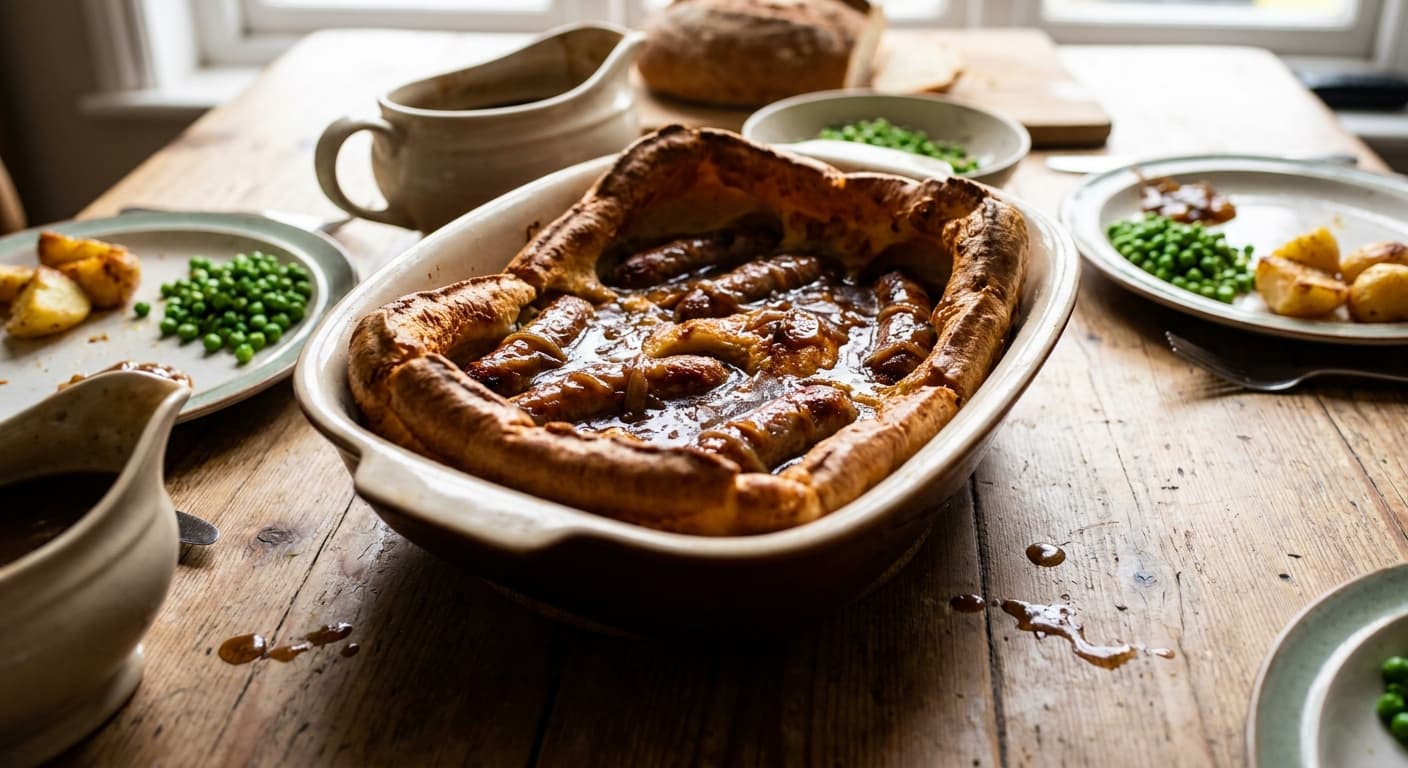
Toad in the Hole (Toad in the Hole) — Sausages Baked in Yorkshire Pudding Batter
British · Main Courses · 65 min
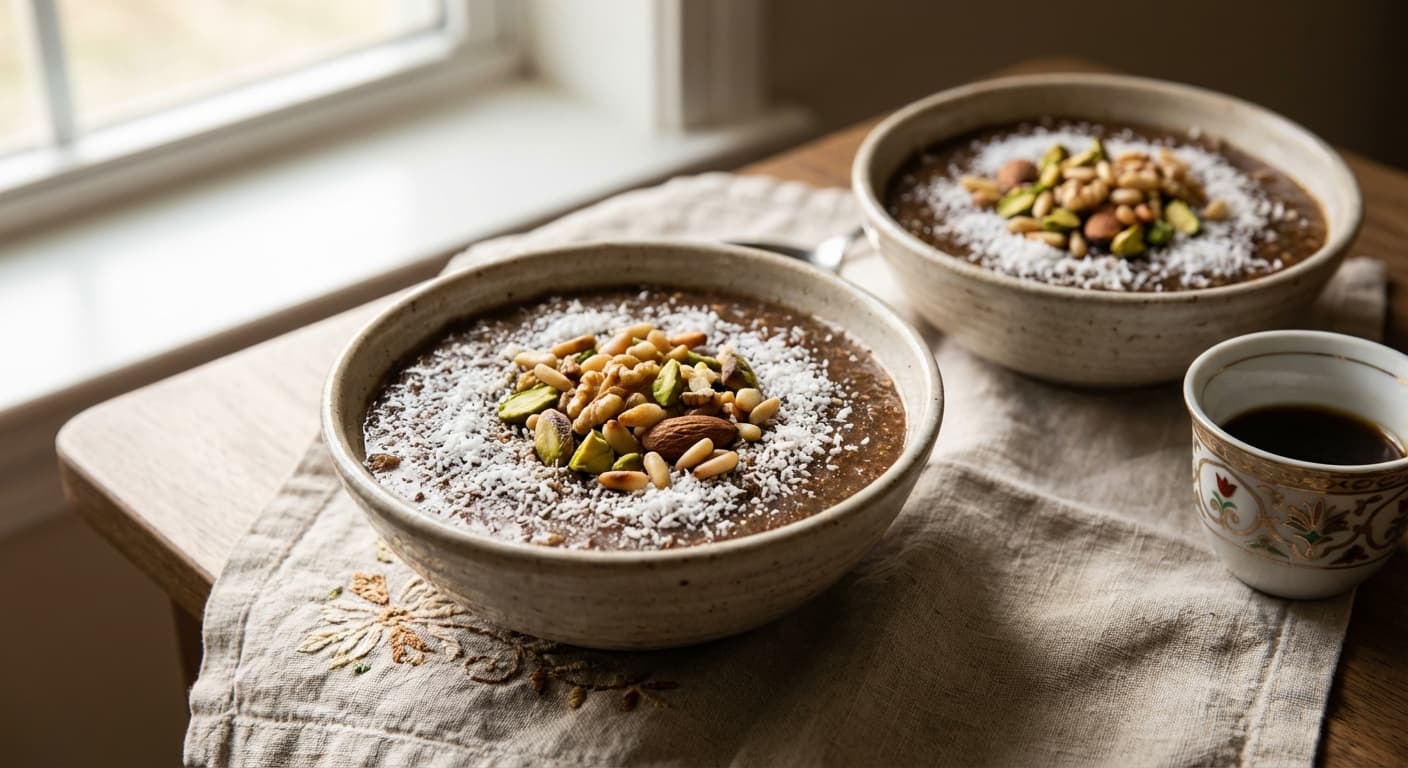
Meghli (مغلي) — Lebanese Spiced Rice Pudding with Nuts
Lebanese · Desserts · 40 min
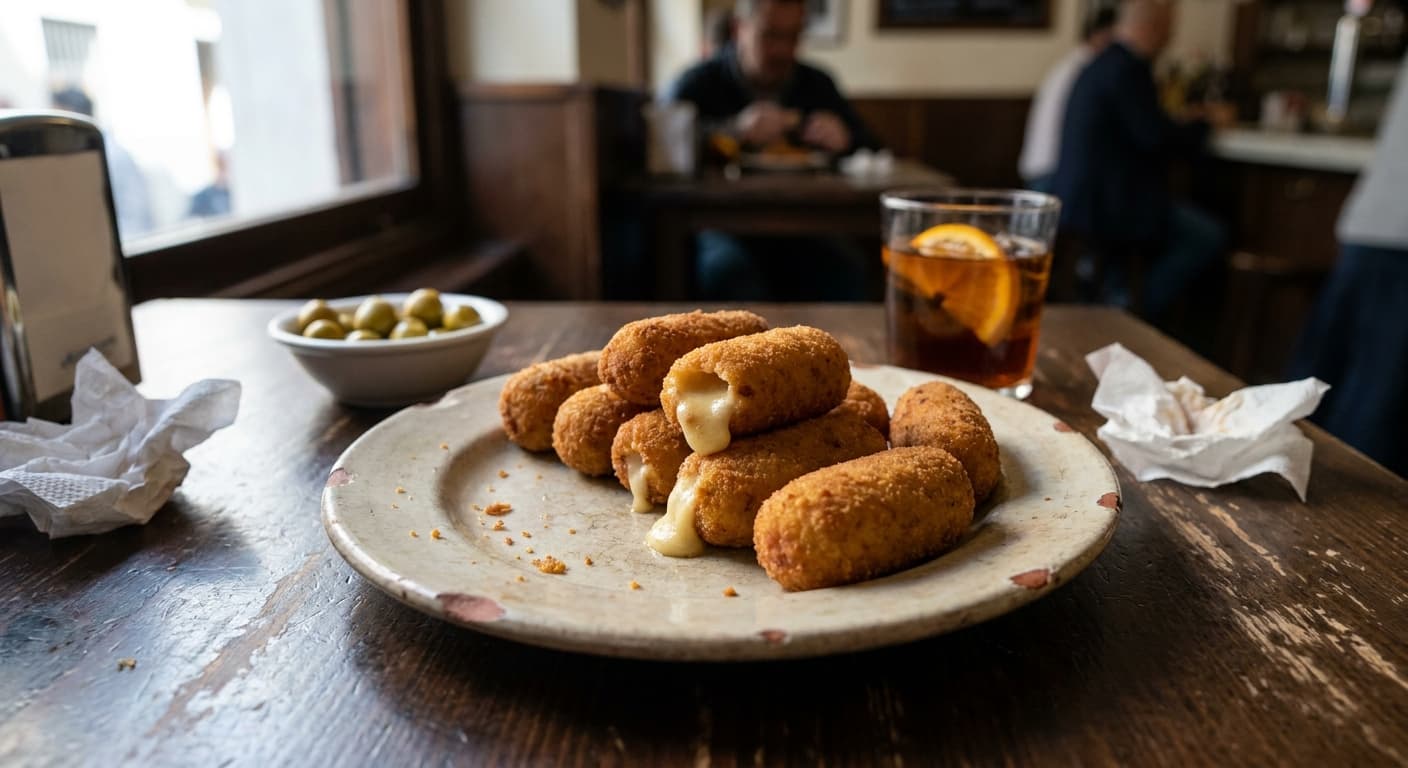
Spanish Ham Croquettes (Croquetas de Jamón) — Crisp Tapas with Creamy Ham Béchamel
Spanish · Appetizers · 70 min
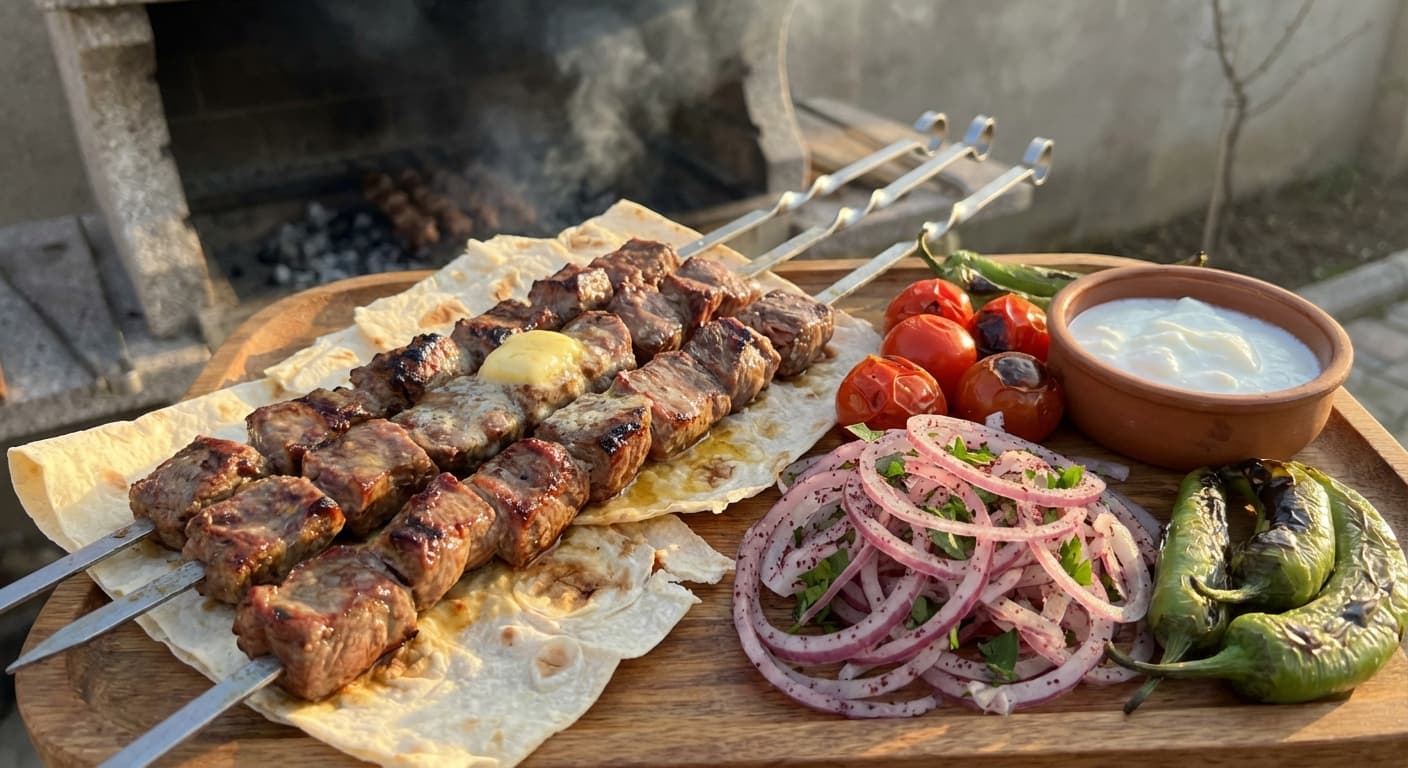
Tike Kebab (Tikə Kəbab) — Azerbaijani Cubed Lamb Shish Kebab
Azerbaijani · Kebabs · 37 min
Reviews
Cooked this recipe?
Tap the stars to rate it — that's all it takes. A few words are welcome but optional.
No ratings yet. Cooked this one? Be the first to rate it — it takes one tap.