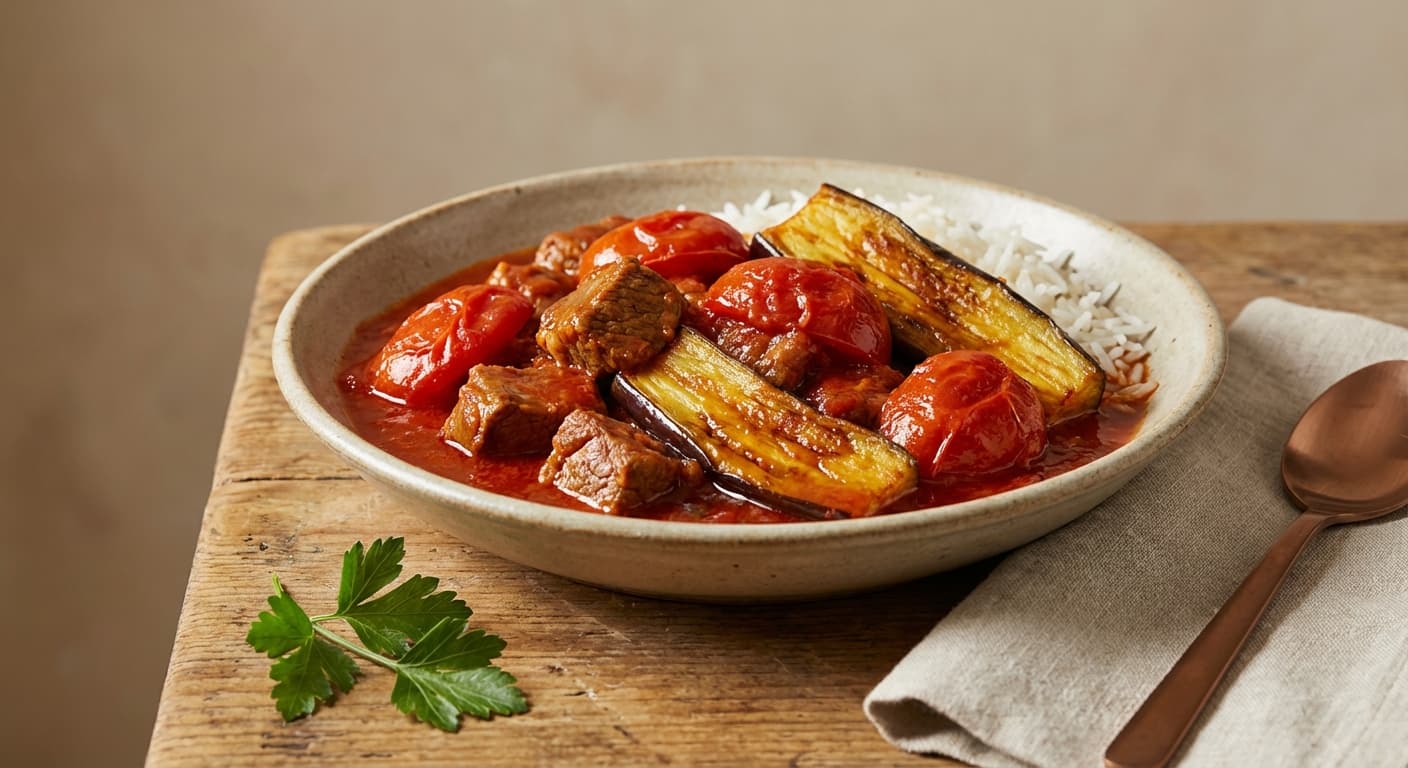
Khoresh-e Bademjan (خورش بادمجان) — Persian Eggplant Stew
A classic Persian khoresh technique recipe built on golden fried onions, slow simmering, and a balanced sour-savory finish. Eggplant and tomatoes create a glossy stew served with rice.
Printable Recipe Card
Servings: 6 · Total: 165 min · Difficulty: medium
Ingredients (quick list)
- 350 g Yellow onions (thinly sliced)
- 90 ml Neutral cooking oil (divided)
- 2 tsp Fine sea salt (divided)
- 2 tsp Ground turmeric
- 45 g Tomato paste (about 3 Tbsp)
- 700 g Boneless lamb shoulder (cut into 3 cm cubes)
- 1 tsp Black pepper (freshly ground)
- 0.5 tsp Ground cinnamon (optional but traditional in many homes)
- 1200 ml Water (plus more as needed to maintain a gentle simmer)
- 900 g Eggplants (about 4 medium; peeled in stripes and cut lengthwise into thick planks)
- 450 g Fresh tomatoes (about 3 medium; sliced into 1 cm rounds)
- 3 Dried limes (pierced 6–8 times each with a skewer)
+ 2 more in the full ingredients section below.
Steps (summary)
- Salt the eggplant to reduce bitterness and help it fry without soaking up too much oil. Lay the eggplant planks on a tray, spri…
- Make the foundation: golden fried onions. Heat 60 ml oil in a heavy pot over medium heat. Add sliced onions and cook 18–25 minu…
- Build flavor layers by searing and toasting tomato paste. Increase heat to medium-high, add lamb, and sear 6–8 minutes, turning…
- Start the slow simmer for tender meat and a glossy broth. Add 1200 ml water, scraping the pot to dissolve browned bits. Bring t…
- Fry the eggplant for structure and richness. Heat 80 ml oil in a wide skillet over medium-high. Fry eggplant in batches 3–4 min…
- Lightly sauté the tomatoes to concentrate flavor without breaking them down. In the same skillet, add 15 ml oil and cook tomato…
+ 2 more steps in the full instructions section below.
Cultural Background
Persian khoresh stews are commonly served with rice and are known for patient simmering and careful balance of sour, savory, and aromatic notes. Techniques like golden fried onions and slow reduction are widely used across Iranian home cooking, with families adjusting sourness and texture to taste.
Equipment
💡 Tips
- For the best piaz dagh, keep heat at medium and stir frequently; onions should turn deep golden, not dark brown, which can make the stew bitter.
- Pierce dried limes before adding so they release flavor gradually; remove them before serving if you prefer less tartness.
- If the stew looks thin, simmer uncovered for 10–15 minutes at the end; if it looks too thick, add 60–120 ml hot water and simmer 5 minutes.
- To reduce eggplant oil absorption, make sure the eggplant is thoroughly dried after rinsing and the frying oil is properly hot before adding pieces.
- For a cleaner broth, skim foam early and avoid vigorous boiling, which can make the stew cloudy and toughen meat.
⚠️ Common Mistakes
❌ Burning the onions while making piaz dagh
💡 Why: Over-browned onions turn bitter and can darken the stew unpleasantly.
✅ Fix: Cook over medium heat, stir often, and stop at deep golden; if the pot runs dry, add 1–2 Tbsp water to slow browning.
❌ Boiling the stew hard for long periods
💡 Why: Vigorous boiling can toughen meat, break eggplant, and make the broth cloudy.
✅ Fix: After the initial boil, keep a gentle simmer with small bubbles; partially cover if reducing too quickly.
❌ Adding eggplant too early or stirring aggressively
💡 Why: Eggplant can disintegrate and make the stew muddy rather than glossy.
✅ Fix: Fry eggplant first, then nestle it in during the last 20–30 minutes; spoon broth over it instead of stirring.
❌ Over-souring the stew at the start
💡 Why: Sour agents intensify as the stew reduces, making it hard to correct later.
✅ Fix: Add dried limes mid-simmer, then adjust with lemon juice only at the end, 1 Tbsp at a time.
🧊 How to Store
Cool to room temperature within 2 hours, then refrigerate in an airtight container for up to 4 days. Reheat gently over low heat with 60–120 ml water as needed to loosen. Freeze up to 3 months; thaw overnight in the refrigerator and reheat slowly to prevent eggplant from breaking.
📅 Make Ahead
Make the stew up to 2 days ahead; cool and refrigerate. Reheat gently on low for 20–30 minutes, adding 60–120 ml water if needed. For best texture, fry eggplant and sauté tomatoes ahead, but add them during reheating so they stay intact.
🍽️ Pairs Well With
- Steamed basmati rice
- Persian-style rice with crispy bottom (tahdig)
- Fresh herbs and radishes
- Plain yogurt or cucumber yogurt
Regional Variations
- Tehran-style home cookingOften includes both dried limes and a small amount of cinnamon for a warm background note, with tomatoes layered on top near the end for a brighter finish.
- Southern Iran (Gulf-adjacent areas)Tends to be more tangy, sometimes using extra souring (more dried limes or a touch of tamarind) and a slightly thinner broth meant to soak into rice.
- Azerbaijan region (northwest Iran)May lean toward a richer onion base and a darker color from longer-cooked tomato paste, with sourness kept moderate so the meat-forward flavor stays prominent.
Ingredients
- 350 gYellow onions (thinly sliced)
- 90 mlNeutral cooking oil (divided)
- 2 tspFine sea salt (divided)
- 2 tspGround turmeric
- 45 gTomato paste (about 3 Tbsp)
- 700 gBoneless lamb shoulder (cut into 3 cm cubes)
- 1 tspBlack pepper (freshly ground)
- 0.5 tspGround cinnamon (optional but traditional in many homes)
- 1200 mlWater (plus more as needed to maintain a gentle simmer)
- 900 gEggplants (about 4 medium; peeled in stripes and cut lengthwise into thick planks)
- 450 gFresh tomatoes (about 3 medium; sliced into 1 cm rounds)
- 3Dried limes (pierced 6–8 times each with a skewer)
- 30 mlFresh lemon juice (add only if needed for final sourness)
- 30 mlBrewed saffron water (optional; made from 0.2 g saffron steeped in 2 Tbsp hot water)
🔄 Substitutions
- Boneless lamb shoulder→ Beef chuck, cut into 3 cm cubes
- Dried limes→ Tamarind concentrate (15–25 g) diluted in 60 ml warm water
- Eggplants→ Zucchini (900 g), cut into thick planks
Instructions
- 1
Salt the eggplant to reduce bitterness and help it fry without soaking up too much oil. Lay the eggplant planks on a tray, sprinkle evenly with 1.5 tsp salt, and rest 30 minutes at room temperature. Rinse with 500 ml water, then pat very dry with towels so the surfaces fry, not steam.
- 2
Make the foundation: golden fried onions. Heat 60 ml oil in a heavy pot over medium heat. Add sliced onions and cook 18–25 minutes, stirring often, until deeply golden and sweet but not burnt. Add turmeric and cook 45 seconds to bloom. This onion base should smell nutty and look amber.
- 3
Build flavor layers by searing and toasting tomato paste. Increase heat to medium-high, add lamb, and sear 6–8 minutes, turning to brown several sides. Stir in tomato paste and cook 2–3 minutes until it darkens slightly and smells roasted. Add 2 tsp salt, black pepper, and cinnamon, mixing well.
- 4
Start the slow simmer for tender meat and a glossy broth. Add 1200 ml water, scraping the pot to dissolve browned bits. Bring to a boil over high heat, then reduce to low, cover, and simmer gently 75 minutes. Skim any foam in the first 10 minutes for a cleaner-tasting stew.
- 5
Fry the eggplant for structure and richness. Heat 80 ml oil in a wide skillet over medium-high. Fry eggplant in batches 3–4 minutes per side until golden and tender. Transfer to a rack or paper towels to drain. Keep the pieces intact; they should be soft but not falling apart.
- 6
Lightly sauté the tomatoes to concentrate flavor without breaking them down. In the same skillet, add 15 ml oil and cook tomato slices 2 minutes per side over medium heat until just softened and lightly blistered. This step helps the topping hold shape and adds a rounded sweetness to balance sour notes.
- 7
Balance sourness the Persian way, then finish slowly. After the meat has simmered 75 minutes, add pierced dried limes to the pot and simmer 15 minutes. Gently nestle fried eggplant into the stew, spooning broth over it. Cover and simmer 20 minutes on low, keeping only a gentle bubble.
- 8
Final assembly and gloss: add tomatoes, adjust seasoning, and rest. Arrange sautéed tomatoes on top, cover, and simmer 10 minutes more. Taste the broth; add up to 30 ml lemon juice only if needed. Stir in optional saffron water, turn off heat, and rest covered 15 minutes to thicken and shine.
🪪 Recipe Passport
Cultural Background
Persian khoresh stews are commonly served with rice and are known for patient simmering and careful balance of sour, savory, and aromatic notes. Techniques like golden fried onions and slow reduction are widely used across Iranian home cooking, with families adjusting sourness and texture to taste.
Regional Variations
Researched from multiple sources and validated by the Zaffaron editorial team. Every recipe is tested for accuracy, measurements, and cultural authenticity.
Nutrition per serving
Pairs well with
If you enjoyed this recipe, here are a few related Zaffaron recipes to try next.
Does your family make this differently?
Every family has their own version. Maybe your grandmother adds a secret ingredient, or your aunt has a completely different technique. Preserve your family's version — with their name on it, forever.
You Might Also Like
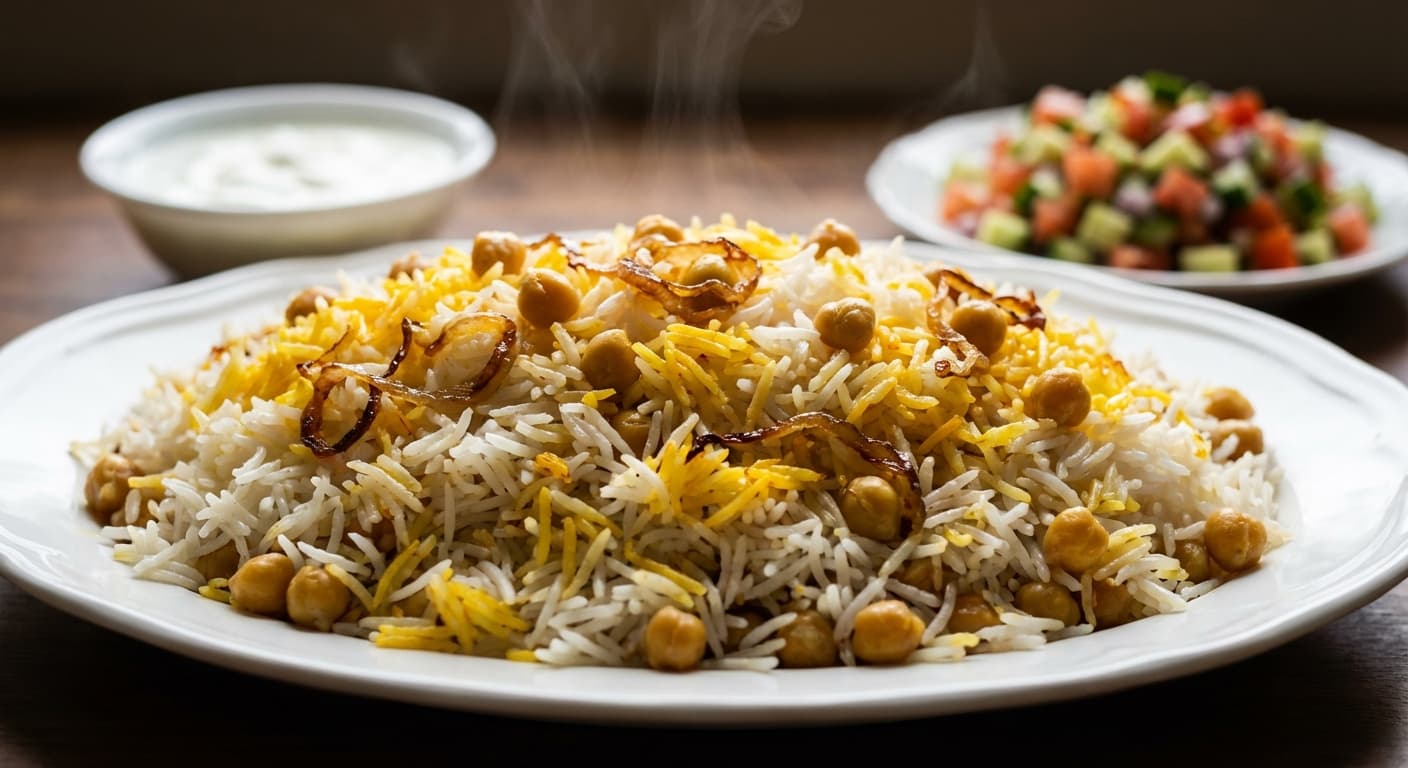
Nokhod Polo (نخود پلو) — Saffron Chickpea Rice with Warm Spices
Persian · Rice Dishes · 80 min

Golden Turmeric Potato and Spinach Casserole (غراتان سیبزمینی و اسفناج) — Mediterranean-Inspired Layered Gratin
Persian · Main Courses · 70 min
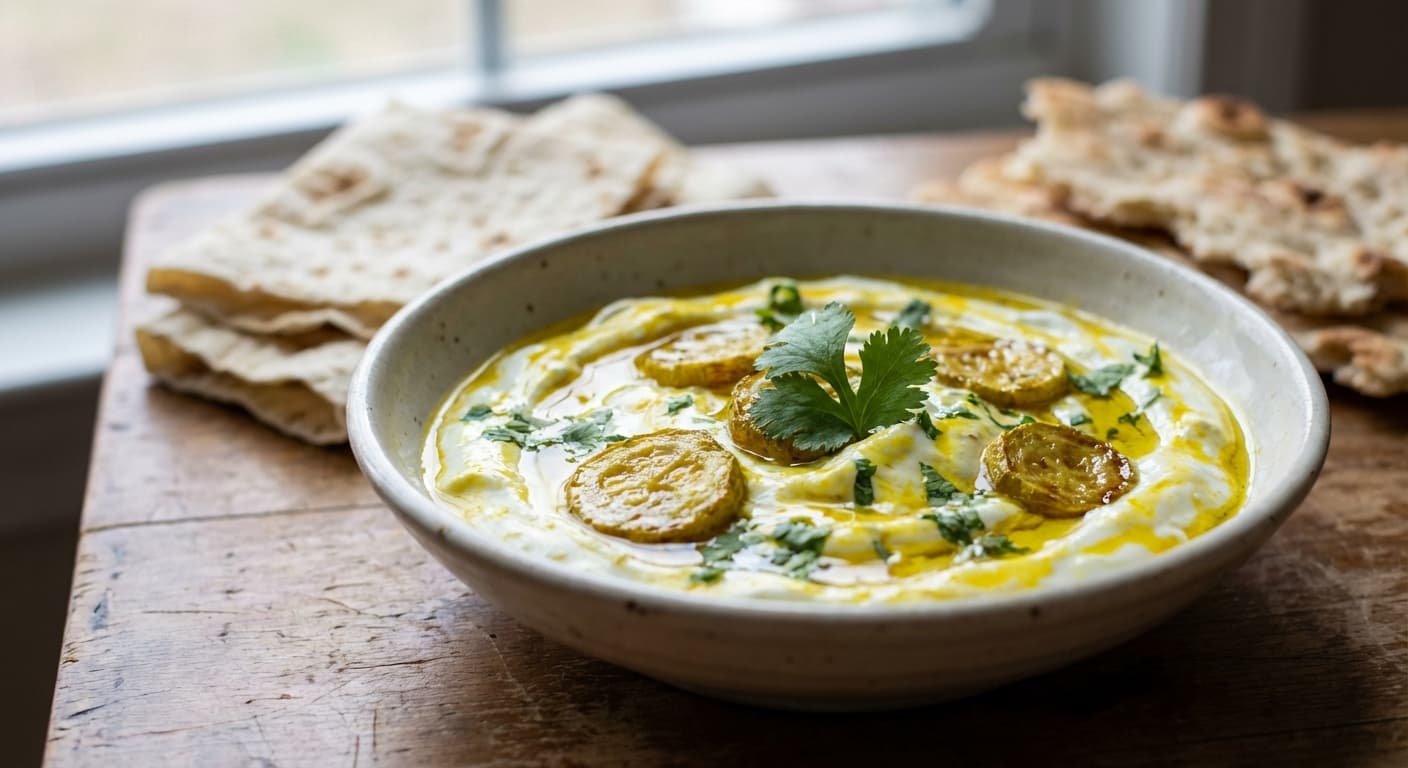
Borani Kadu (بورانی کدو) — Saffron-Infused Zucchini and Yogurt Dip
Persian · Appetizers · 40 min
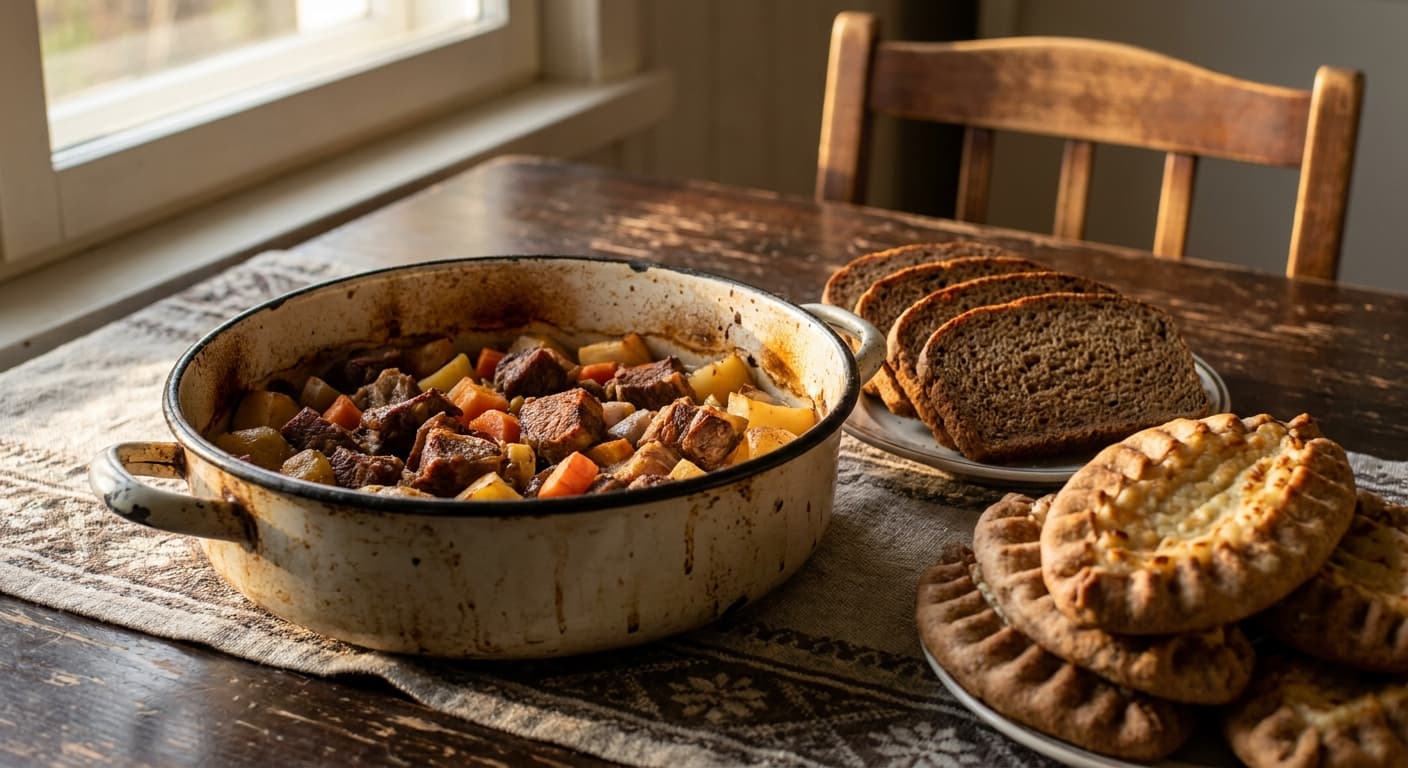
Karelian Hot Pot (Karjalanpaisti) — Finnish Oven-Braised Meat Stew
Finnish · Stews · 230 min
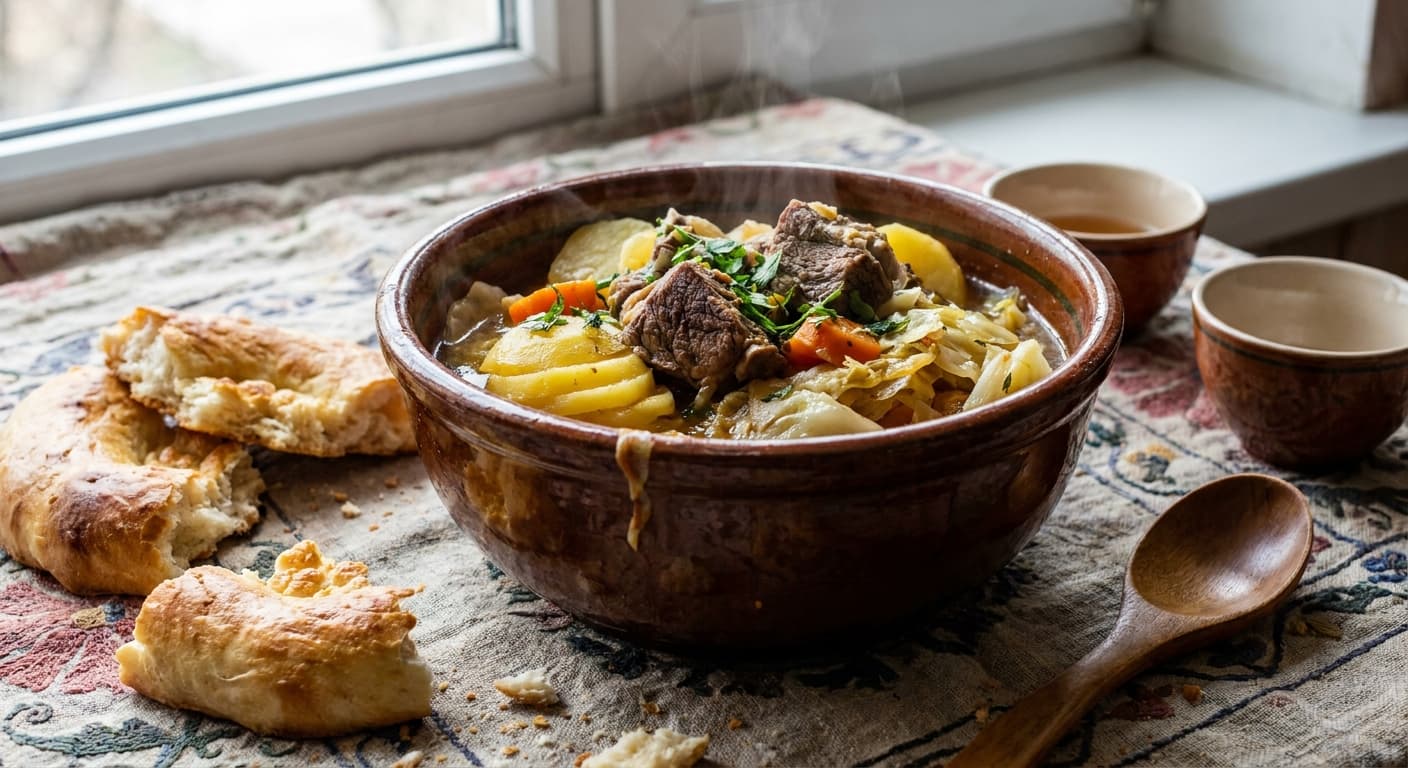
Uzbek Dimlama (Dimlama) — Layered Lamb and Vegetable Stew
Uzbek · Stews · 125 min
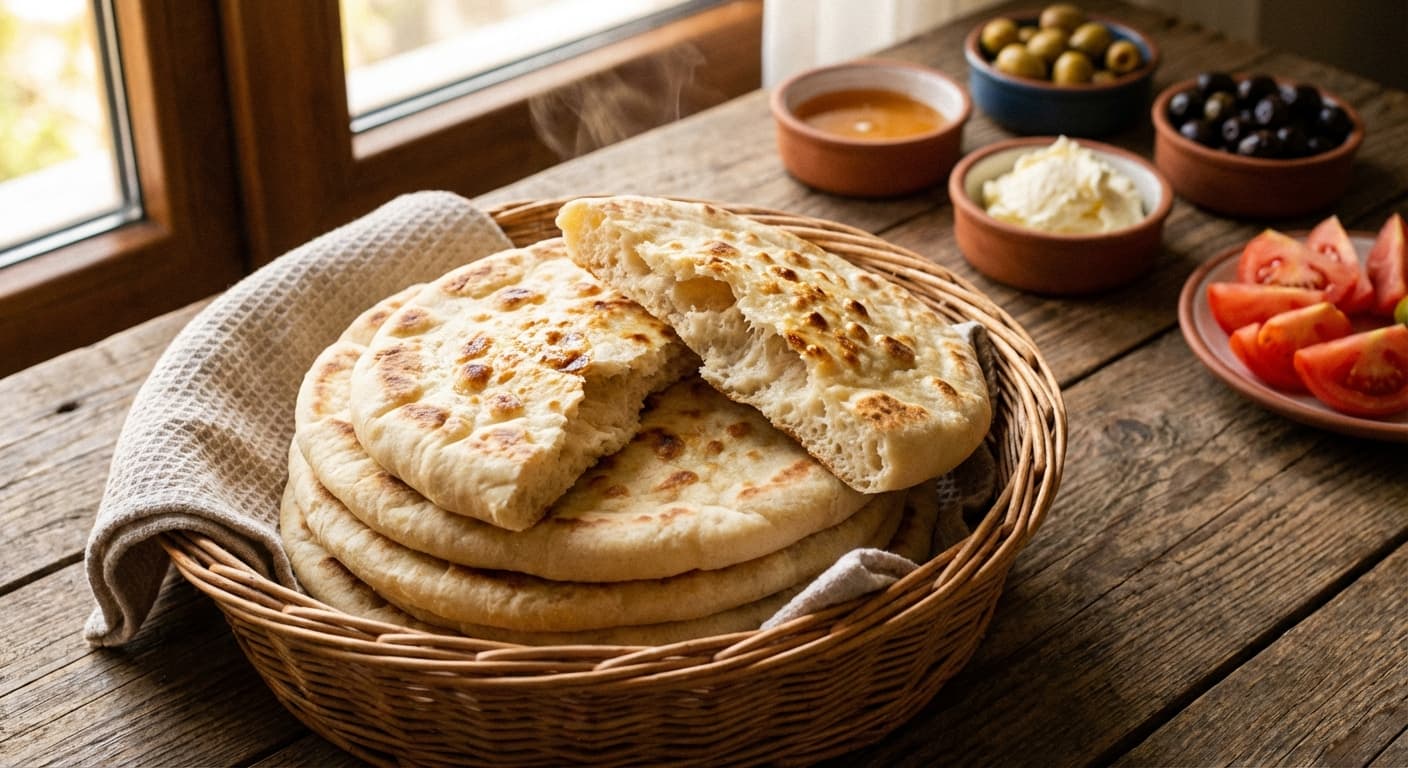
Bazlama (بازلاما) — Puffy Turkish Village Flatbread Cooked on a Saj
Turkish · Breads · 38 min
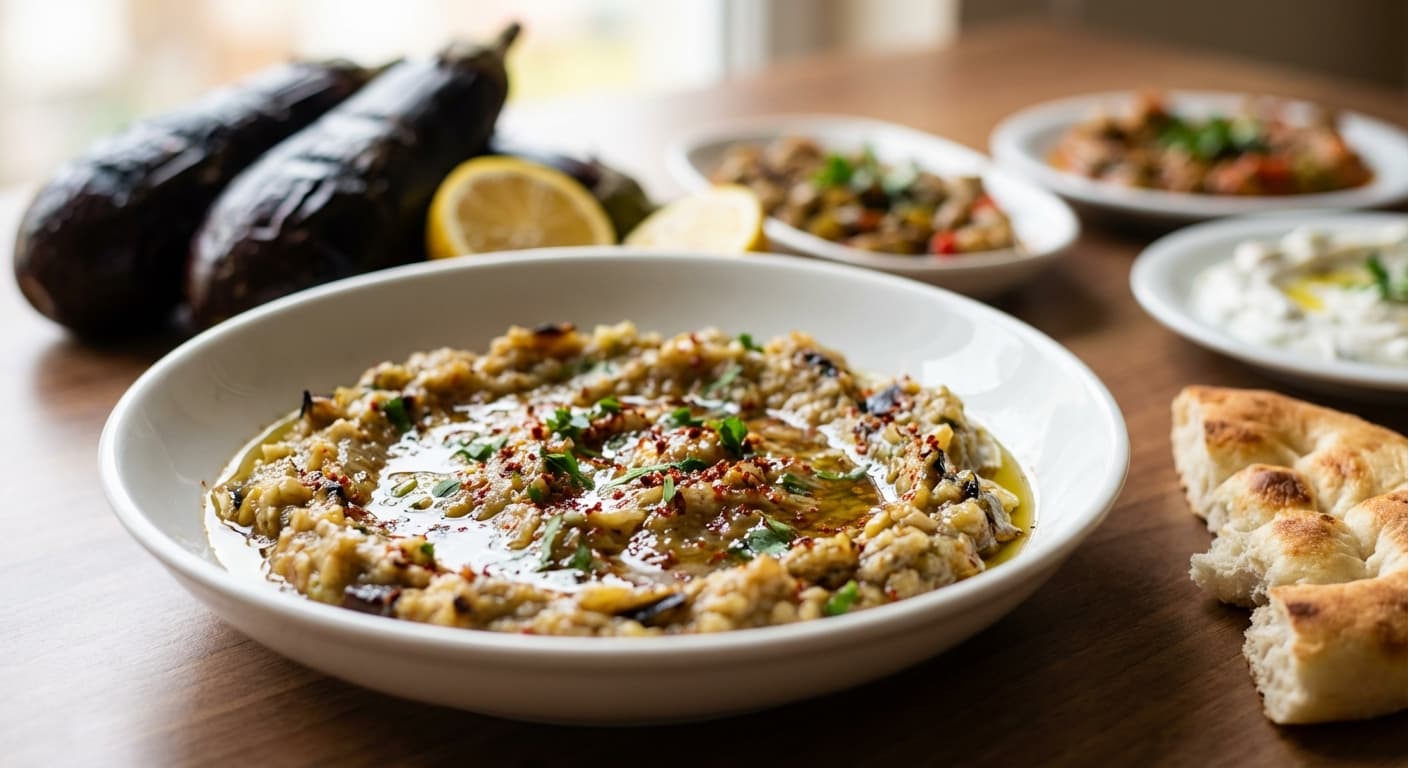
Smoky Eggplant Salad (Patlıcan Salatası) — Turkish charred eggplant with garlic and olive oil
Turkish · Salads · 40 min
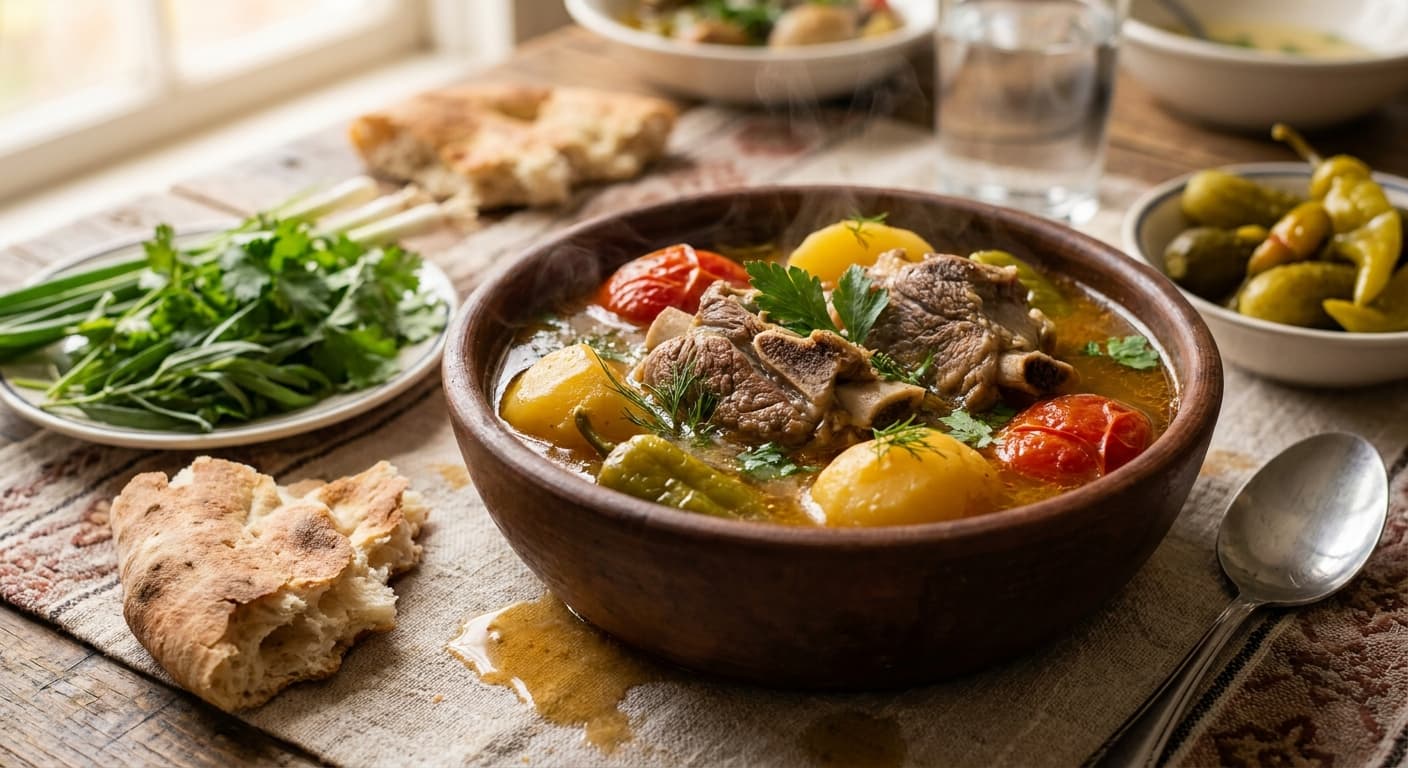
Khashlama (Խաշլամա) — Armenian Lamb and Vegetable Stew
Armenian · Stews · 160 min
Reviews
Cooked this recipe?
Tap the stars to rate it — that's all it takes. A few words are welcome but optional.
No ratings yet. Cooked this one? Be the first to rate it — it takes one tap.