Khoresh Tareh Farangi (خورش تره فرنگی) — Persian Leek Stew
A classic Persian stew built on slowly sautéed leeks and onions, gently simmered with lamb or beef, turmeric, and tomato paste, then finished with fresh lemon juice for a bright, balanced tang.
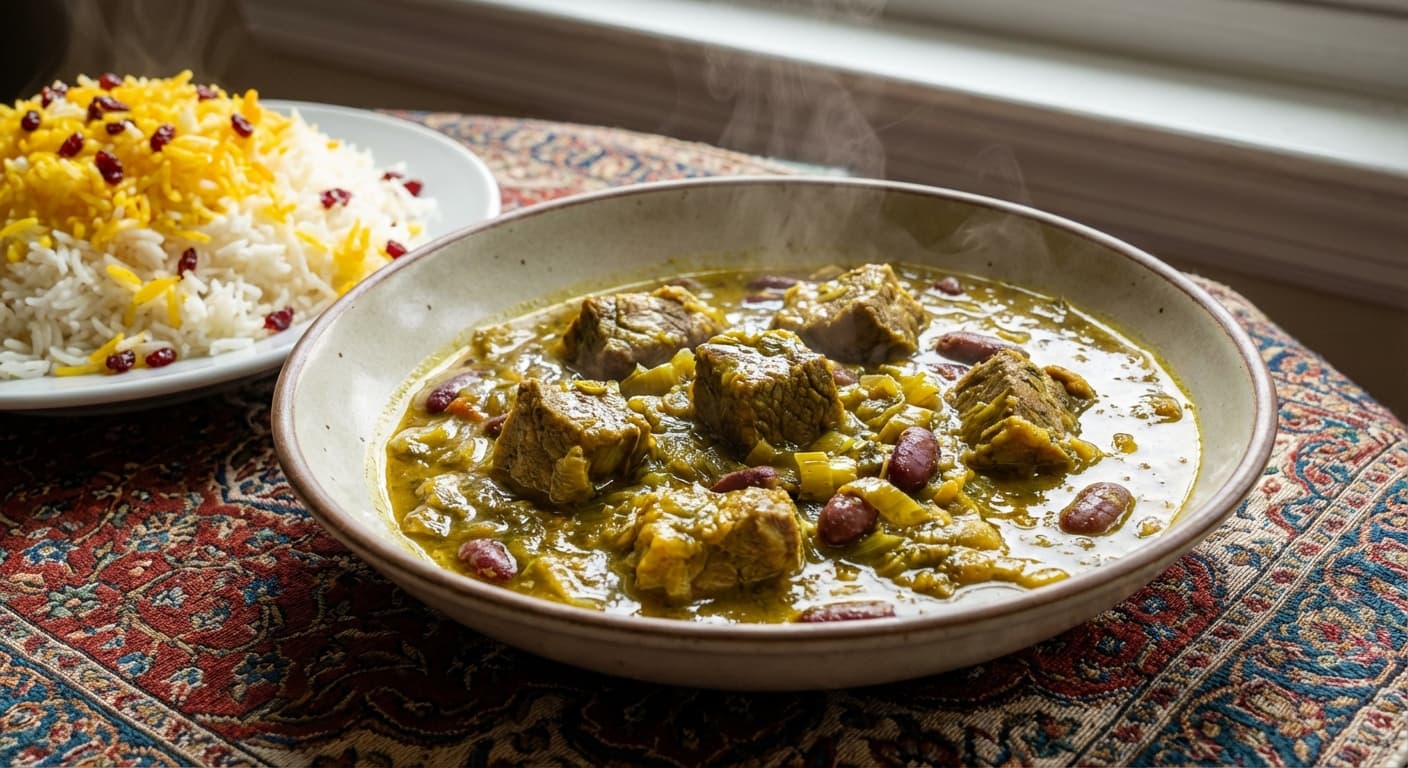
Printable Recipe Card
Servings: 4 · Total: 130 min · Difficulty: medium
Ingredients (quick list)
- 500 g Lamb shoulder, boneless, cut into 3 cm cubes (Or use beef chuck; trim excess surface fat)
- 700 g Leeks (About 3 large; use white and light green parts; cleaned well and thinly sliced)
- 200 g Yellow onion (1 large; finely diced)
- 45 ml Vegetable oil (3 tablespoons, divided)
- 2 tsp Ground turmeric
- 30 g Tomato paste (2 tablespoons)
- 10 g Fine sea salt (About 1 3/4 teaspoons, plus more to taste)
- 1 tsp Black pepper, freshly ground
- 900 ml Water (Hot, plus more as needed to maintain a gentle simmer)
- 30 ml Fresh lemon juice (2 tablespoons, added at the end for brightness)
Steps (summary)
- Clean the leeks thoroughly: split lengthwise, rinse between layers, then slice into thin half-moons. Pat dry so they sauté inst…
- Push leeks to one side, add the remaining 1 tablespoon (15 ml) oil, then add diced onion. Cook 6–8 minutes over medium heat unt…
- Add the cubed lamb (or beef) and 1/2 teaspoon of the salt. Increase heat to medium-high and sauté 6–8 minutes, turning pieces t…
- Clear a small space in the pot and add tomato paste. Fry it 1–2 minutes, stirring constantly, until it darkens slightly and sme…
- Cover and simmer 75–90 minutes, stirring every 15–20 minutes. Keep the heat low so the stew barely bubbles; add 60–120 ml water…
- Turn off the heat and stir in fresh lemon juice. Taste and adjust with the remaining salt as needed. Rest the stew, covered, fo…
Cultural Background
Persian stews are a cornerstone of home cooking, often built by slowly sautéing aromatics and simmering meat until tender. Leek-based stews highlight how everyday vegetables can become deeply aromatic through patient cooking and careful balancing of turmeric and citrus.
Equipment
💡 Tips
- Dry leeks well after washing; excess water prevents proper sautéing and mutes flavor.
- Frying tomato paste briefly deepens color and removes the raw metallic taste.
- Add lemon juice off heat to keep the citrus bright and prevent bitterness.
- For a richer finish, let the stew rest 20–30 minutes; Persian stews often taste better after settling.
⚠️ Common Mistakes
❌ Not washing leeks thoroughly
💡 Why: Grit hides between layers and will make the stew sandy.
✅ Fix: Split leeks lengthwise, rinse between layers, then slice and rinse again; dry well before sautéing.
❌ Boiling the stew aggressively
💡 Why: High heat tightens meat fibers and can break the leeks down too far, dulling flavor.
✅ Fix: Maintain a very gentle simmer (small bubbles) and extend time as needed for tenderness.
❌ Adding lemon juice early
💡 Why: Long cooking can mute citrus and sometimes create a slightly bitter edge.
✅ Fix: Stir lemon juice in off heat or during the final 2 minutes, then rest the stew before serving.
❌ Skipping the tomato paste fry
💡 Why: Uncooked tomato paste can taste raw and sharp, and the stew may look pale.
✅ Fix: Fry tomato paste 1–2 minutes in the pot until it darkens slightly and smells sweet.
🧊 How to Store
Cool to room temperature within 2 hours, then refrigerate in an airtight container for up to 4 days. Reheat gently over low heat with 2–4 tablespoons water. Freeze up to 2 months; thaw overnight in the refrigerator and reheat slowly to preserve the leek texture.
📅 Make Ahead
Cook the stew 1 day ahead, cool, and refrigerate. Reheat gently over low heat, adding 60–120 ml water if needed. Add a fresh squeeze of lemon just before serving to refresh the aroma.
🍽️ Pairs Well With
- Persian steamed rice (chelow)
- Crisp salad of cucumber
- tomato
- and herbs
- Plain yogurt or strained yogurt (optional)
Regional Variations
- Tehran-style home cookingOften kept simple with leeks, onion, turmeric, and lemon, focusing on a clean, bright stew with a light tomato note.
- Northern Iran (Caspian-influenced kitchens)Sometimes finished with a stronger sour note (more citrus) and cooked slightly thicker so it clings to rice.
Ingredients
- 500 gLamb shoulder, boneless, cut into 3 cm cubes (Or use beef chuck; trim excess surface fat)
- 700 gLeeks (About 3 large; use white and light green parts; cleaned well and thinly sliced)
- 200 gYellow onion (1 large; finely diced)
- 45 mlVegetable oil (3 tablespoons, divided)
- 2 tspGround turmeric
- 30 gTomato paste (2 tablespoons)
- 10 gFine sea salt (About 1 3/4 teaspoons, plus more to taste)
- 1 tspBlack pepper, freshly ground
- 900 mlWater (Hot, plus more as needed to maintain a gentle simmer)
- 30 mlFresh lemon juice (2 tablespoons, added at the end for brightness)
🔄 Substitutions
- Lamb shoulder→ Beef chuck
- Vegetable oil→ Ghee or clarified butter
- Fresh lemon juice→ Lime juice
Instructions
- 1
Clean the leeks thoroughly: split lengthwise, rinse between layers, then slice into thin half-moons. Pat dry so they sauté instead of steaming. Heat 2 tablespoons (30 ml) oil in a heavy pot over medium heat, add leeks, and cook 12–15 minutes, stirring often, until softened and lightly golden.
- 2
Push leeks to one side, add the remaining 1 tablespoon (15 ml) oil, then add diced onion. Cook 6–8 minutes over medium heat until translucent with pale golden edges. Stir in turmeric and black pepper and cook 30–45 seconds, just until fragrant; keep the heat moderate to avoid bitter, scorched turmeric.
- 3
Add the cubed lamb (or beef) and 1/2 teaspoon of the salt. Increase heat to medium-high and sauté 6–8 minutes, turning pieces to coat in the leek mixture. Aim for light browning on a few sides; this builds depth without drying the meat. If the pot looks dry, add 1–2 tablespoons water.
- 4
Clear a small space in the pot and add tomato paste. Fry it 1–2 minutes, stirring constantly, until it darkens slightly and smells sweet rather than raw. Pour in 900 ml hot water, scraping the bottom to release browned bits. Bring to a gentle boil, then reduce to low for a steady simmer.
- 5
Cover and simmer 75–90 minutes, stirring every 15–20 minutes. Keep the heat low so the stew barely bubbles; add 60–120 ml water if it thickens too fast. When the meat is tender, uncover and simmer 10 minutes to concentrate the sauce, aiming for a glossy, spoon-coating consistency.
- 6
Turn off the heat and stir in fresh lemon juice. Taste and adjust with the remaining salt as needed. Rest the stew, covered, for 10 minutes before serving so the leeks and citrus integrate. Serve hot with steamed rice; the sauce should be tangy, aromatic, and gently savory.
🪪 Recipe Passport
Cultural Background
Persian stews are a cornerstone of home cooking, often built by slowly sautéing aromatics and simmering meat until tender. Leek-based stews highlight how everyday vegetables can become deeply aromatic through patient cooking and careful balancing of turmeric and citrus.
Regional Variations
Researched from multiple sources and validated by the Zaffaron editorial team. Every recipe is tested for accuracy, measurements, and cultural authenticity.
Nutrition per serving
Pairs well with
If you enjoyed this recipe, here are a few related Zaffaron recipes to try next.
Does your family make this differently?
Every family has their own version. Maybe your grandmother adds a secret ingredient, or your aunt has a completely different technique. Preserve your family's version — with their name on it, forever.
You Might Also Like
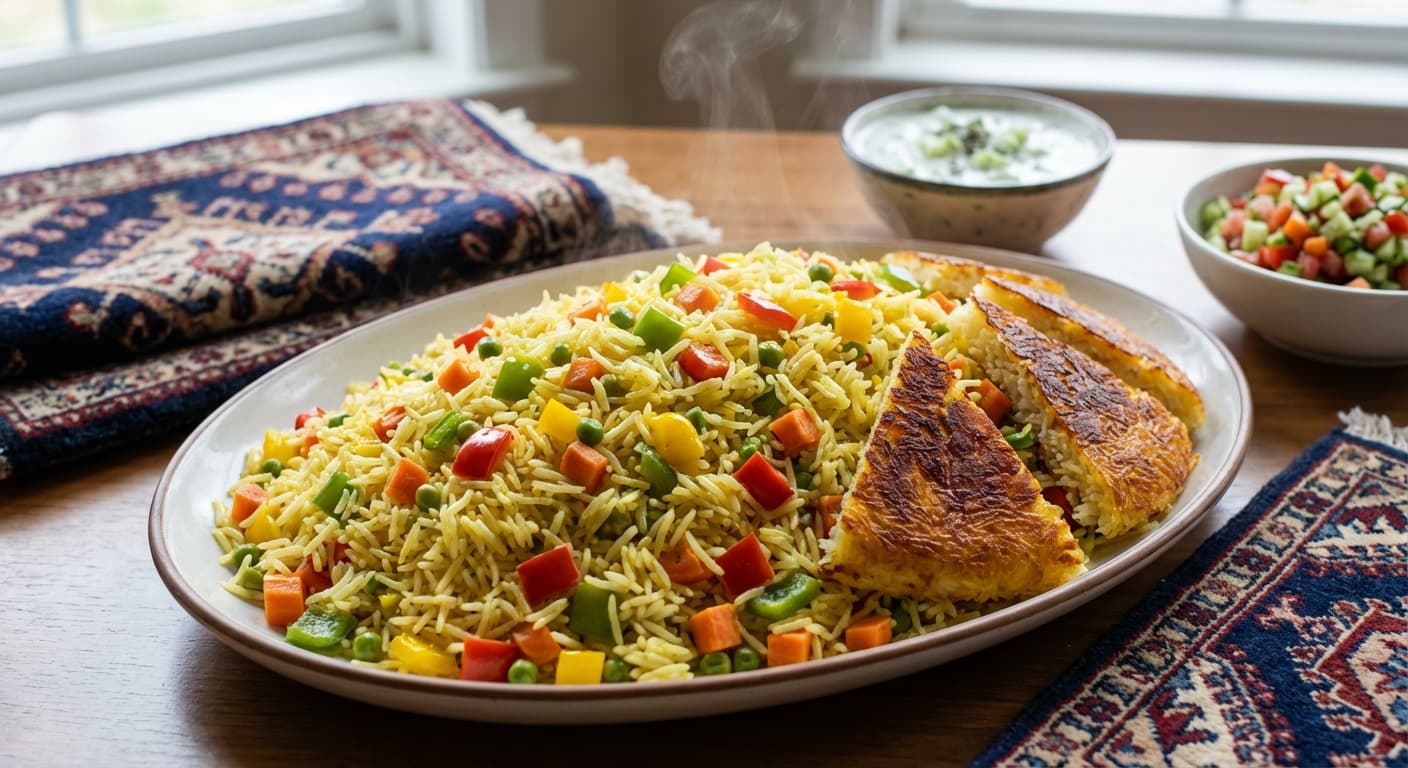
Mixed Vegetable Rice (برنج با مخلوط سبزیجات) — Persian-Style Aromatic Pilaf
Persian · Rice Dishes · 75 min
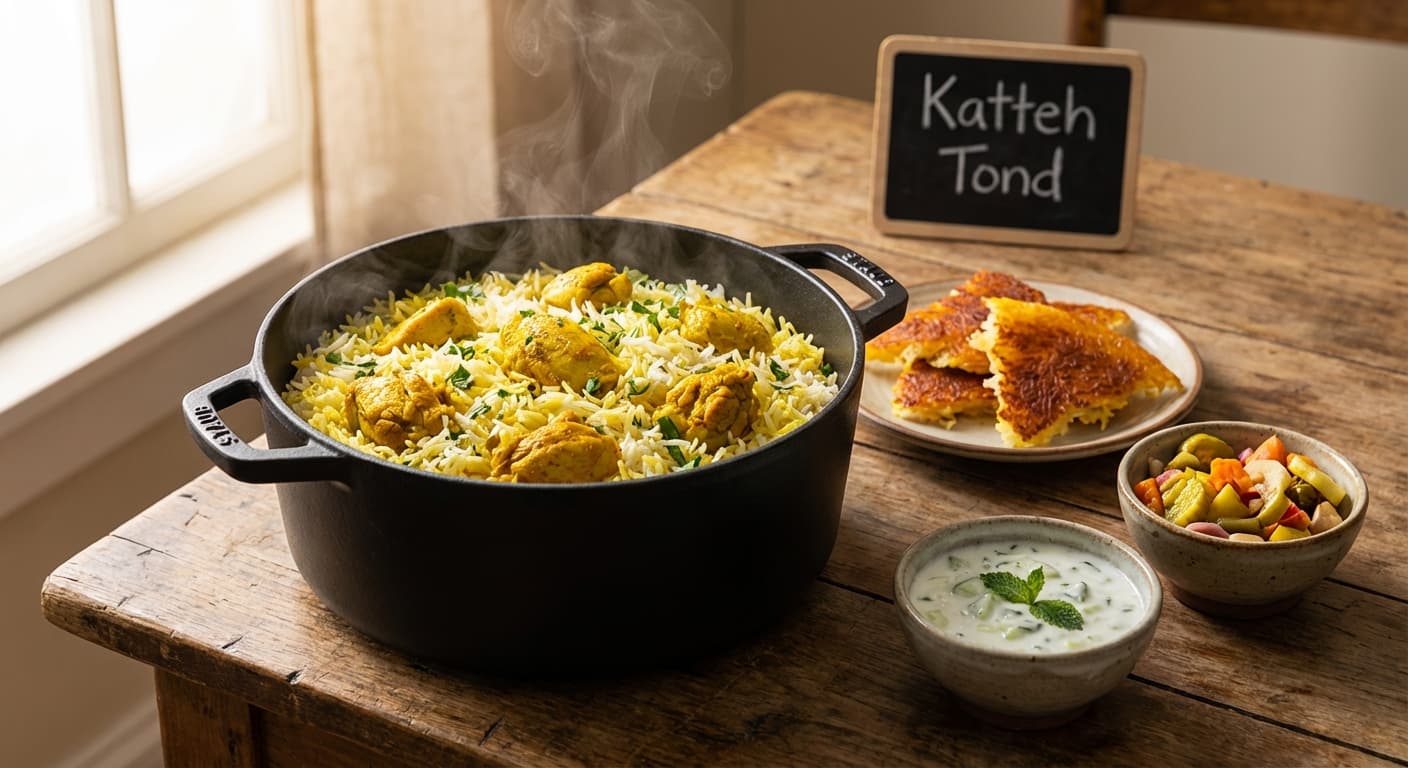
Katteh Tond (کته تند) — Spicy Caspian-Style One-Pot Chicken Rice
Persian · Rice Dishes · 85 min
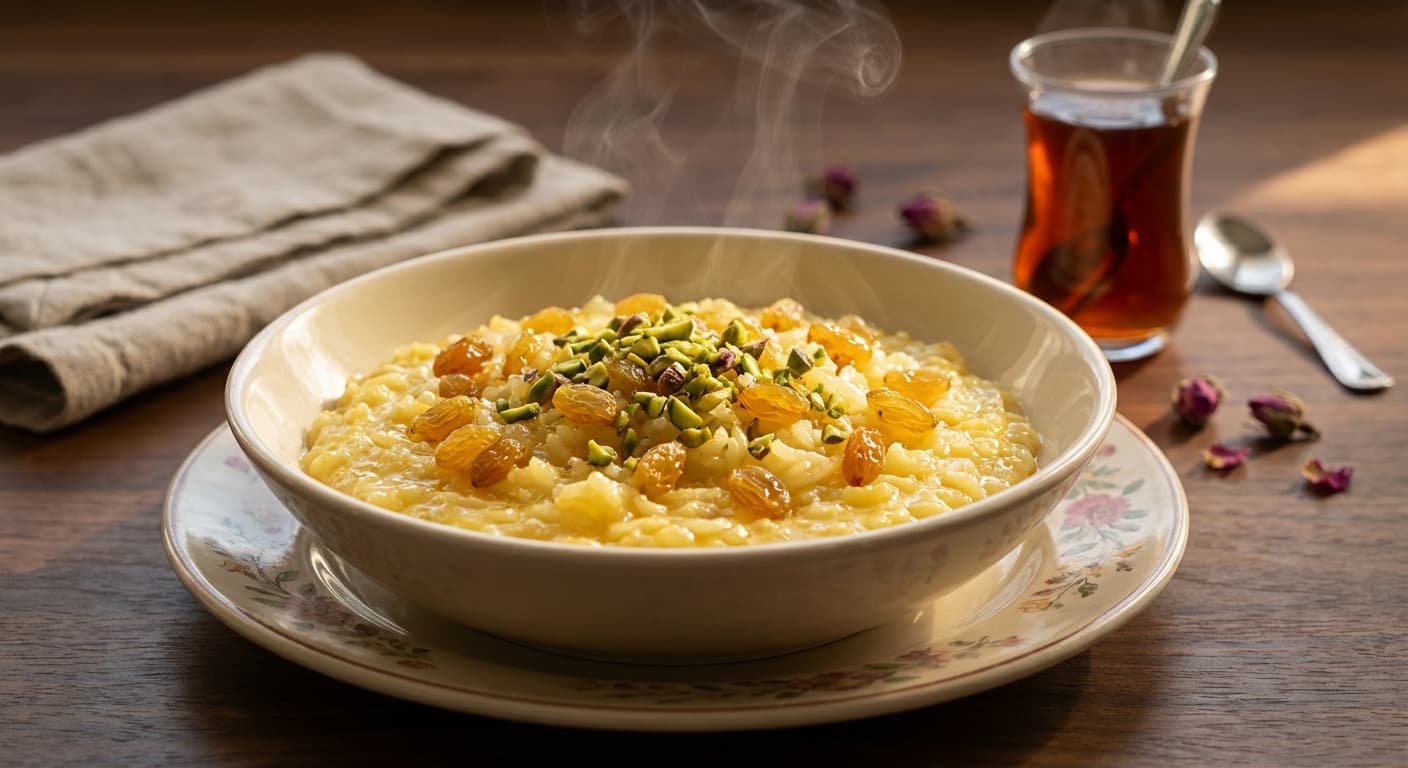
Saffron Sweet Rice (پلو شیرینی زعفرانی) — Festive Persian milk-saffron rice with nuts
Persian · Rice Dishes · 75 min
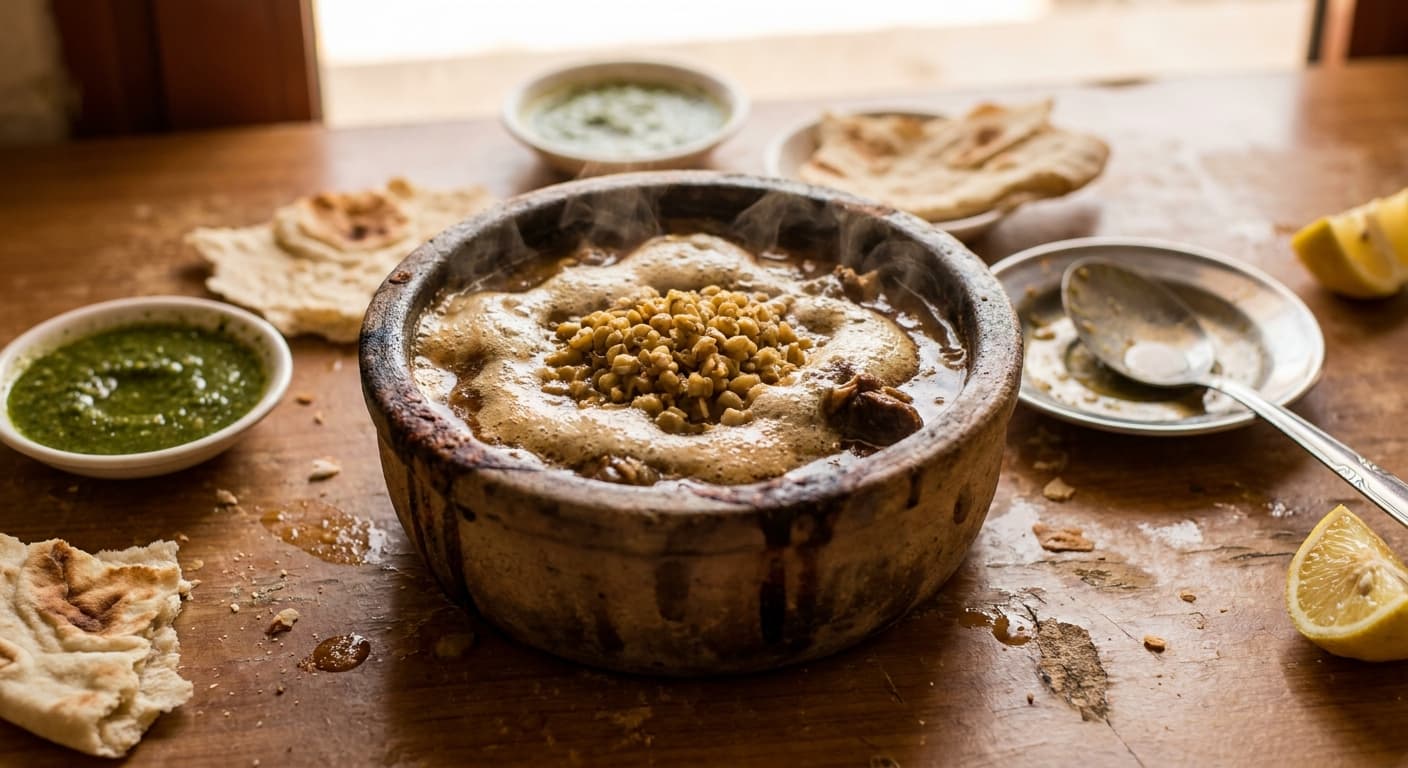
Yemeni Saltah (سلتة) — Bubbling Fenugreek Lamb Stew
Yemeni · Stews · 130 min
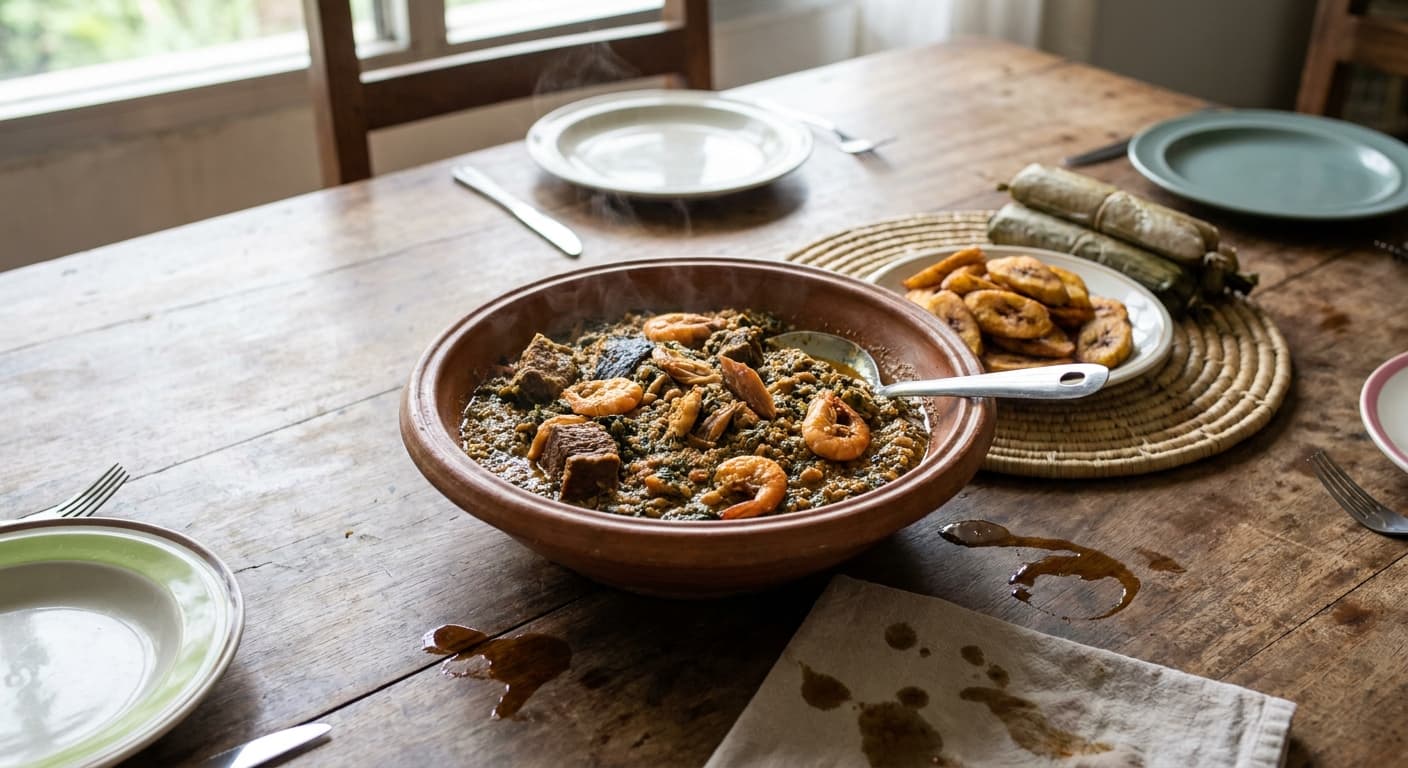
Cameroonian Ndolé (Ndolé) — Bitterleaf Peanut Stew with Beef and Seafood
West african · Stews · 140 min
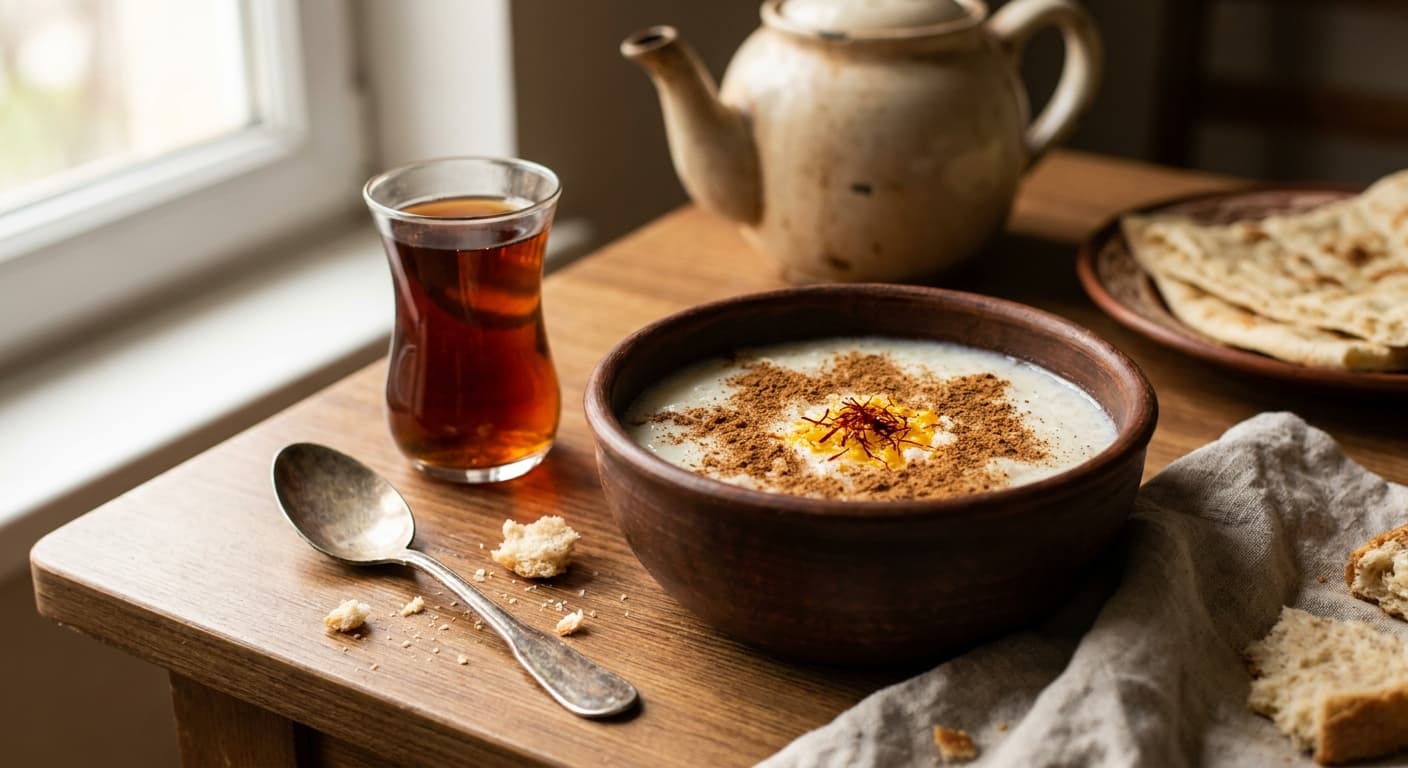
Azerbaijani Milk Rice Porridge (Südlü Sıyıq) — Creamy Breakfast Bowl
Azerbaijani · Rice Dishes · 40 min
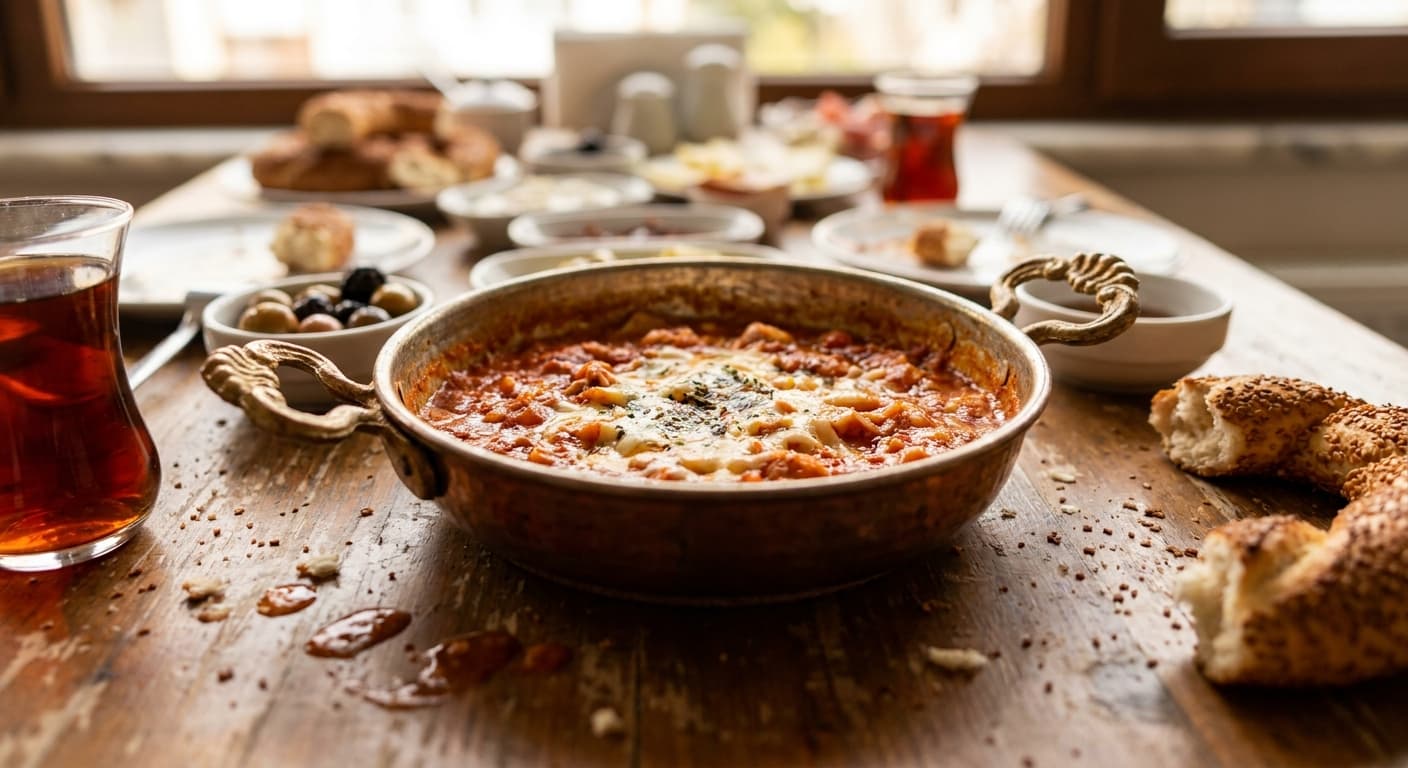
Turkish Menemen (Menemen) — Soft Eggs with Tomatoes and Peppers
Turkish · Main Courses · 37 min
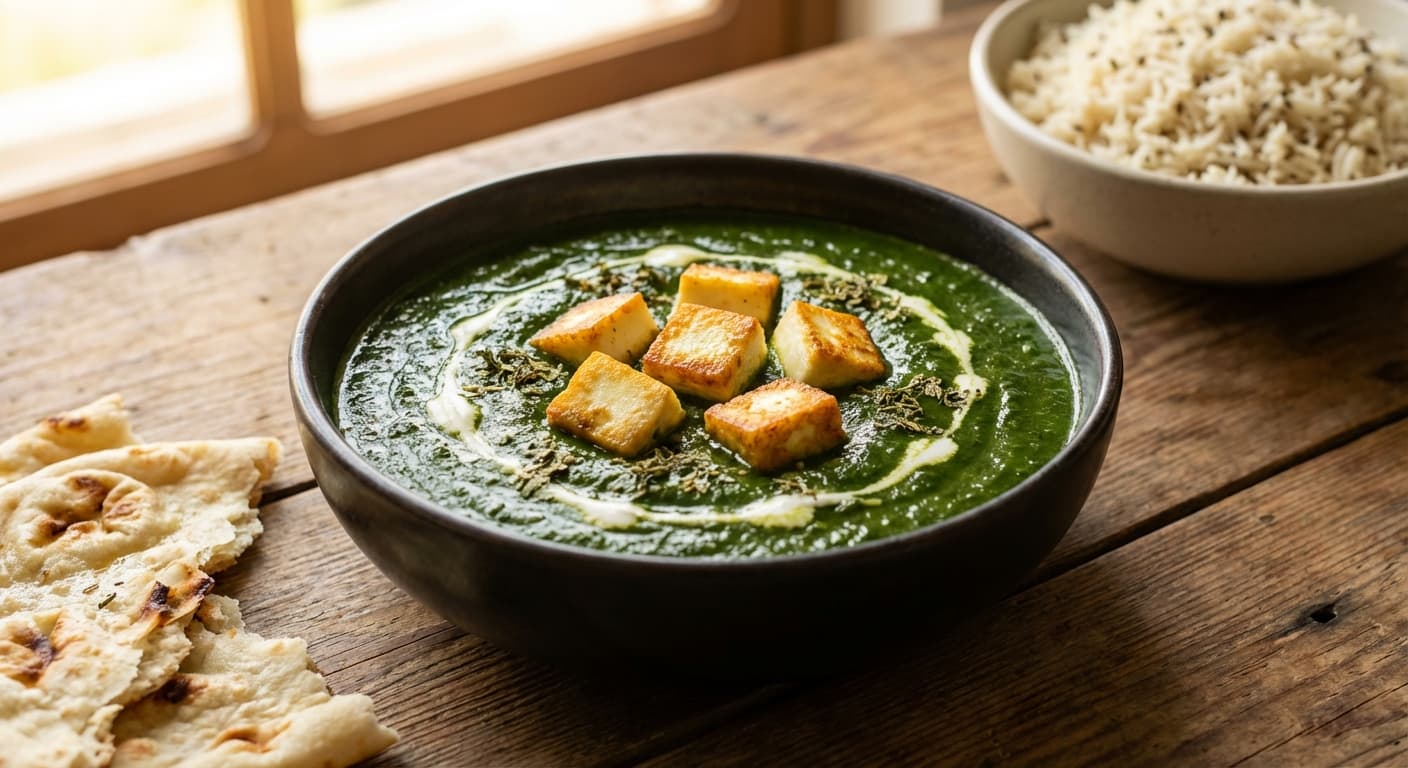
Palak Paneer (पालक पनीर) — Creamy Spinach and Paneer Curry
Indian · Main Courses · 50 min
Reviews
Cooked this recipe?
Tap the stars to rate it — that's all it takes. A few words are welcome but optional.
No ratings yet. Cooked this one? Be the first to rate it — it takes one tap.