Khoresh Kadoo Halvai ba Aloo (خورش کدو حلوایی با آلو) — Persian Pumpkin & Prune Stew
Khoresh Kadoo Halvai ba Aloo is a sweet-and-sour autumn stew, slowly simmered with lamb, fried onions, roasted pumpkin, dried prunes (Aloo Bukhara), saffron, and lemon juice until it develops a balanced tangy sweetness and an elegant, festive aroma.
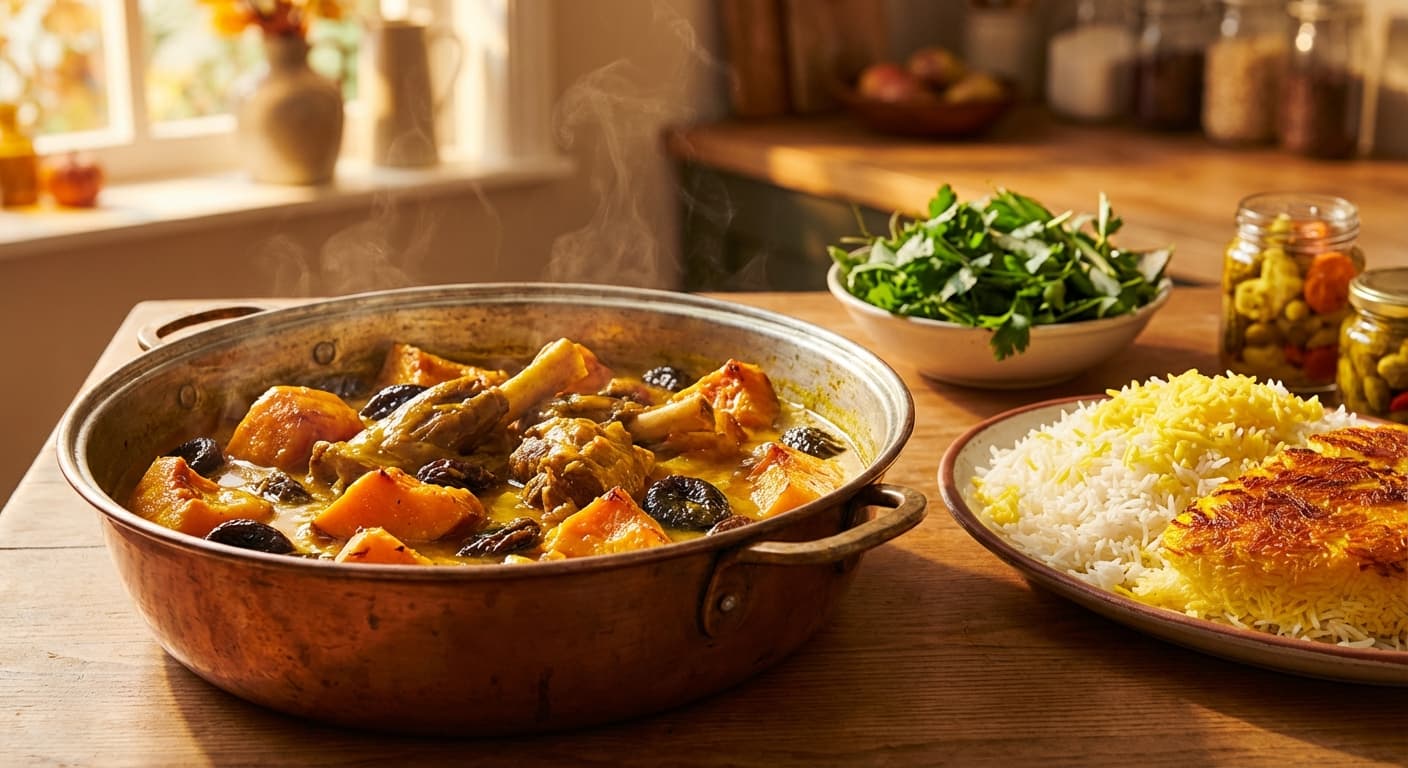
Printable Recipe Card
Servings: 6 · Total: 160 min · Difficulty: medium
Ingredients (quick list)
- 1000 g Lamb leg or shank, bone-in, cut into 6 pieces (Trim excess surface fat; keep bone for richer broth)
- 10 g Sea salt (About 1 3/4 tsp, divided)
- 45 ml Vegetable oil (3 tbsp, divided)
- 350 g Yellow onions, thinly sliced (For piaz dagh)
- 2 tsp Turmeric powder (Added to onions for classic khoresh aroma)
- 30 g Tomato paste (2 tbsp; sauté until brick-red)
- 1200 ml Water (Plus more as needed to maintain a gentle simmer)
- 0.25 tsp Saffron threads (Bloomed in hot water for maximum color and aroma)
- 60 ml Hot water (1/4 cup, for blooming saffron)
- 900 g Pumpkin (kadoo halvaei), peeled and cut into 4 cm wedges (Use a sweet, dense pumpkin; remove seeds and stringy core)
- 180 g Dried prunes (Aloo Bukhara), pitted (Rinsed and soaked to plump)
- 300 ml Warm water (For soaking prunes)
+ 3 more in the full ingredients section below.
Steps (summary)
- Bloom the saffron: grind 0.25 tsp saffron threads and stir with 60 ml hot water (not boiling, about 80–90°C). Cover and rest 15…
- Make piaz dagh: heat 30 ml vegetable oil in a heavy pot over medium heat. Add 350 g sliced onions and cook 18–22 minutes, stirr…
- Season lamb with 6 g of the sea salt (about 1 tsp). Increase heat to medium-high, add lamb pieces to the pot, and sear 6–8 minu…
- Add 30 g tomato paste and sauté 2–3 minutes, stirring constantly, until it darkens to a brick-red color and loses its raw taste…
- While the lamb simmers, roast the pumpkin: preheat oven to 220°C. Toss 900 g pumpkin wedges with the remaining 15 ml vegetable…
- When lamb is nearly tender, add the drained prunes and the roasted pumpkin to the pot. Pour in the bloomed saffron infusion. Si…
+ 1 more steps in the full instructions section below.
Cultural Background
Khoresh Kadoo Halvai ba Aloo is a beloved fall stew in Iranian homes and a beautiful example of the classic “males” (sweet-and-sour) balance. The pairing of sweet pumpkin, tart prunes, and saffron reflects the Iranian knack for bringing contrasting flavors together in a refined, special-occasion khoresh.
Equipment
💡 Tips
- Roasting the pumpkin concentrates sweetness and prevents it from dissolving into the sauce; keep wedges large (about 4 cm) for a classic presentation.
- For a more tart khoresh, reduce sugar to 15 g and increase lemon juice to 60 ml; for sweeter, keep lemon at 30 ml and raise sugar to 35 g.
- If your prunes are very sour, add sugar in 5 g increments after the final simmer to avoid oversweetening.
- Skim surface fat during the last 20 minutes for a cleaner, restaurant-style sauce.
⚠️ Common Mistakes
❌ Adding pumpkin too early
💡 Why: Pumpkin cooks quickly and can break down, making the stew muddy and overly sweet.
✅ Fix: Roast pumpkin separately and add only for the final 25–35 minutes of simmering.
❌ Not sautéing tomato paste
💡 Why: Raw tomato paste tastes metallic and dulls the saffron aroma.
✅ Fix: Fry paste 2–3 minutes until brick-red before adding water.
❌ Overstirring after adding pumpkin and prunes
💡 Why: Gentle ingredients tear and thicken the sauce with fragments, losing the classic wedge presentation.
✅ Fix: Stir once or twice very gently; shake the pot slightly instead of stirring.
❌ Balancing mols too early
💡 Why: Prunes vary in sweetness/tartness and the sauce concentrates as it simmers, changing the final balance.
✅ Fix: Add lemon juice and sugar near the end, then simmer 8–10 minutes and adjust in small increments.
🧊 How to Store
Cool to room temperature within 2 hours. Refrigerate in an airtight container up to 4 days. Reheat gently over low heat with 60–120 ml water to loosen; avoid vigorous boiling to keep pumpkin intact. Freeze up to 2 months; thaw overnight in the fridge before reheating.
📅 Make Ahead
Make piaz dagh up to 3 days ahead and refrigerate. Roast pumpkin up to 24 hours ahead and chill; bring to room temperature before adding. The full khoresh tastes even better the next day—reheat gently and adjust mols with a small splash of lemon juice if needed.
🍽️ Pairs Well With
- Chelo (steamed Persian rice) with a saffron tahdig
- Sabzi khordan (fresh herb platter) and torshi
- Mast-o-khiar (yogurt with cucumber) if you want a cooling contrast
Regional Variations
- Tehran & Central IranOften made distinctly mols with tomato paste, saffron, and a clear sweet-sour finish; pumpkin is kept in neat wedges for a formal, mehmani-style presentation.
- North of Iran (Mazandaran/Gilan influence)Leans more tart by using sour plums or a touch of pomegranate molasses; sometimes less sugar is used and the stew is served with local rice varieties.
Ingredients
- 1000 gLamb leg or shank, bone-in, cut into 6 pieces (Trim excess surface fat; keep bone for richer broth)
- 10 gSea salt (About 1 3/4 tsp, divided)
- 45 mlVegetable oil (3 tbsp, divided)
- 350 gYellow onions, thinly sliced (For piaz dagh)
- 2 tspTurmeric powder (Added to onions for classic khoresh aroma)
- 30 gTomato paste (2 tbsp; sauté until brick-red)
- 1200 mlWater (Plus more as needed to maintain a gentle simmer)
- 0.25 tspSaffron threads (Bloomed in hot water for maximum color and aroma)
- 60 mlHot water (1/4 cup, for blooming saffron)
- 900 gPumpkin (kadoo halvaei), peeled and cut into 4 cm wedges (Use a sweet, dense pumpkin; remove seeds and stringy core)
- 180 gDried prunes (Aloo Bukhara), pitted (Rinsed and soaked to plump)
- 300 mlWarm water (For soaking prunes)
- 45 mlFresh lemon juice (3 tbsp; adjust at the end for a mols balance)
- 25 gGranulated sugar (2 tbsp; add gradually to taste)
- 0.5 tspBlack pepper, freshly ground (Optional but recommended with lamb)
🔄 Substitutions
- Lamb leg or shank→ Beef shank, bone-in (same weight)
- Dried prunes (Aloo Bukhara)→ Dried sour plums (Aloo torsh) or dried apricots (half prunes, half apricots)
- Fresh lemon juice→ Persian dried limes (limoo amani), pierced, 2 pieces
Instructions
- 1
Bloom the saffron: grind 0.25 tsp saffron threads and stir with 60 ml hot water (not boiling, about 80–90°C). Cover and rest 15 minutes. Meanwhile, rinse 180 g dried prunes, cover with 300 ml warm water, and soak 20 minutes until plump; drain and reserve separately.
- 2
Make piaz dagh: heat 30 ml vegetable oil in a heavy pot over medium heat. Add 350 g sliced onions and cook 18–22 minutes, stirring often, until deeply golden and sweet. Stir in 2 tsp turmeric for 30 seconds to bloom, then push onions to the sides to create a clear spot for searing the meat.
- 3
Season lamb with 6 g of the sea salt (about 1 tsp). Increase heat to medium-high, add lamb pieces to the pot, and sear 6–8 minutes total, turning to brown all sides. Add 0.5 tsp black pepper, then stir lamb through the onions so the fond and onion sweetness coat the meat evenly.
- 4
Add 30 g tomato paste and sauté 2–3 minutes, stirring constantly, until it darkens to a brick-red color and loses its raw taste. Pour in 1200 ml water, scraping the bottom well. Bring to a gentle boil, then reduce to a low simmer, cover, and cook 75–90 minutes until lamb is nearly tender.
- 5
While the lamb simmers, roast the pumpkin: preheat oven to 220°C. Toss 900 g pumpkin wedges with the remaining 15 ml vegetable oil and 2 g sea salt (about 1/3 tsp). Roast 18–22 minutes, turning once, until edges caramelize but pieces still hold their shape.
- 6
When lamb is nearly tender, add the drained prunes and the roasted pumpkin to the pot. Pour in the bloomed saffron infusion. Simmer uncovered 25–35 minutes, stirring very gently once or twice, until the stew thickens slightly and pumpkin becomes silky without breaking apart.
- 7
Finish the mols balance: stir in 45 ml fresh lemon juice and 25 g sugar. Simmer 8–10 minutes to meld flavors, then taste and adjust with the remaining sea salt (about 2 g) if needed. Rest the khoresh off heat, covered, for 10 minutes for a smoother, more unified sauce.
🪪 Recipe Passport
Cultural Background
Khoresh Kadoo Halvai ba Aloo is a beloved fall stew in Iranian homes and a beautiful example of the classic “males” (sweet-and-sour) balance. The pairing of sweet pumpkin, tart prunes, and saffron reflects the Iranian knack for bringing contrasting flavors together in a refined, special-occasion khoresh.
Regional Variations
Researched from multiple sources and validated by the Zaffaron editorial team. Every recipe is tested for accuracy, measurements, and cultural authenticity.
Nutrition per serving
Pairs well with
If you enjoyed this recipe, here are a few related Zaffaron recipes to try next.
Does your family make this differently?
Every family has their own version. Maybe your grandmother adds a secret ingredient, or your aunt has a completely different technique. Preserve your family's version — with their name on it, forever.
You Might Also Like
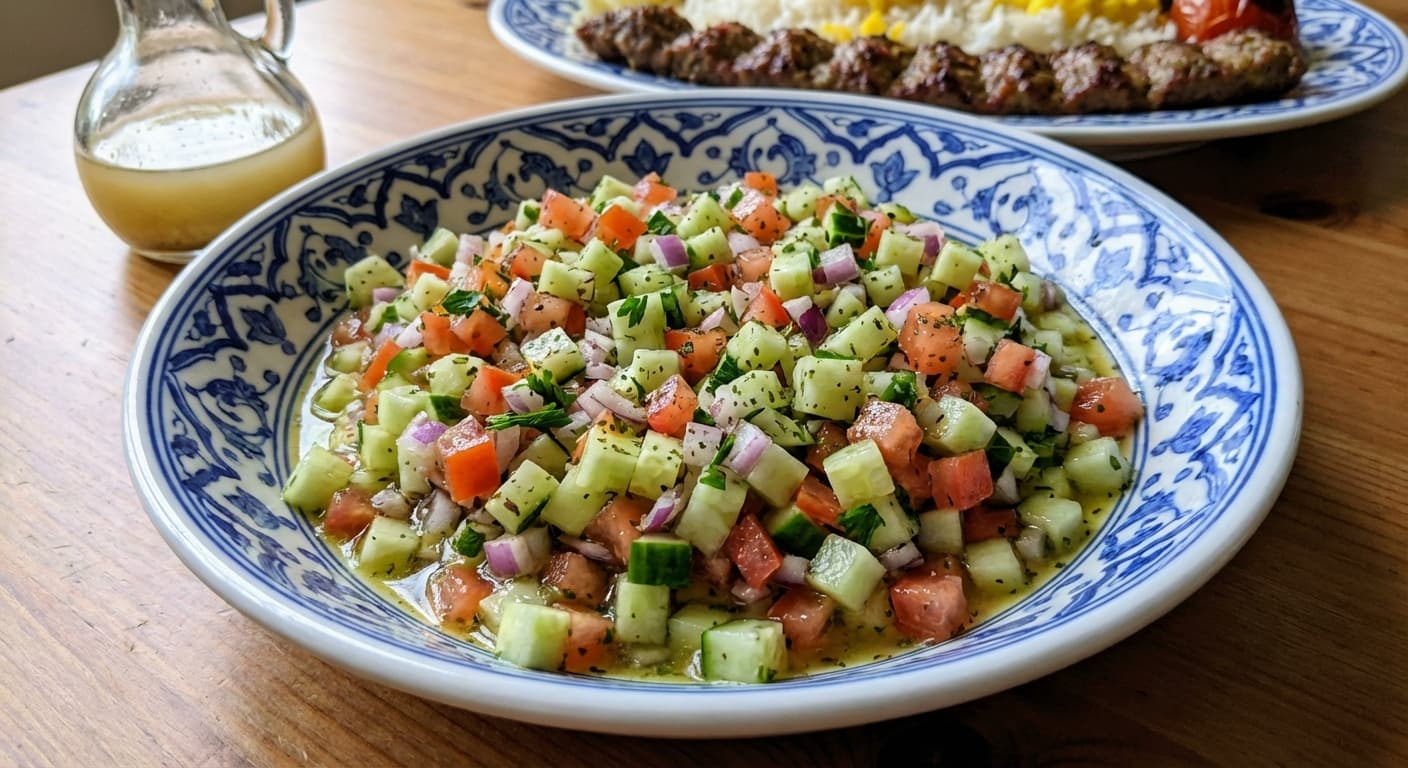
Shirazi Salad (سالاد شیرازی) — Brunoised cucumber-tomato herb salad with ab-ghooreh
Persian · Salads · 20 min
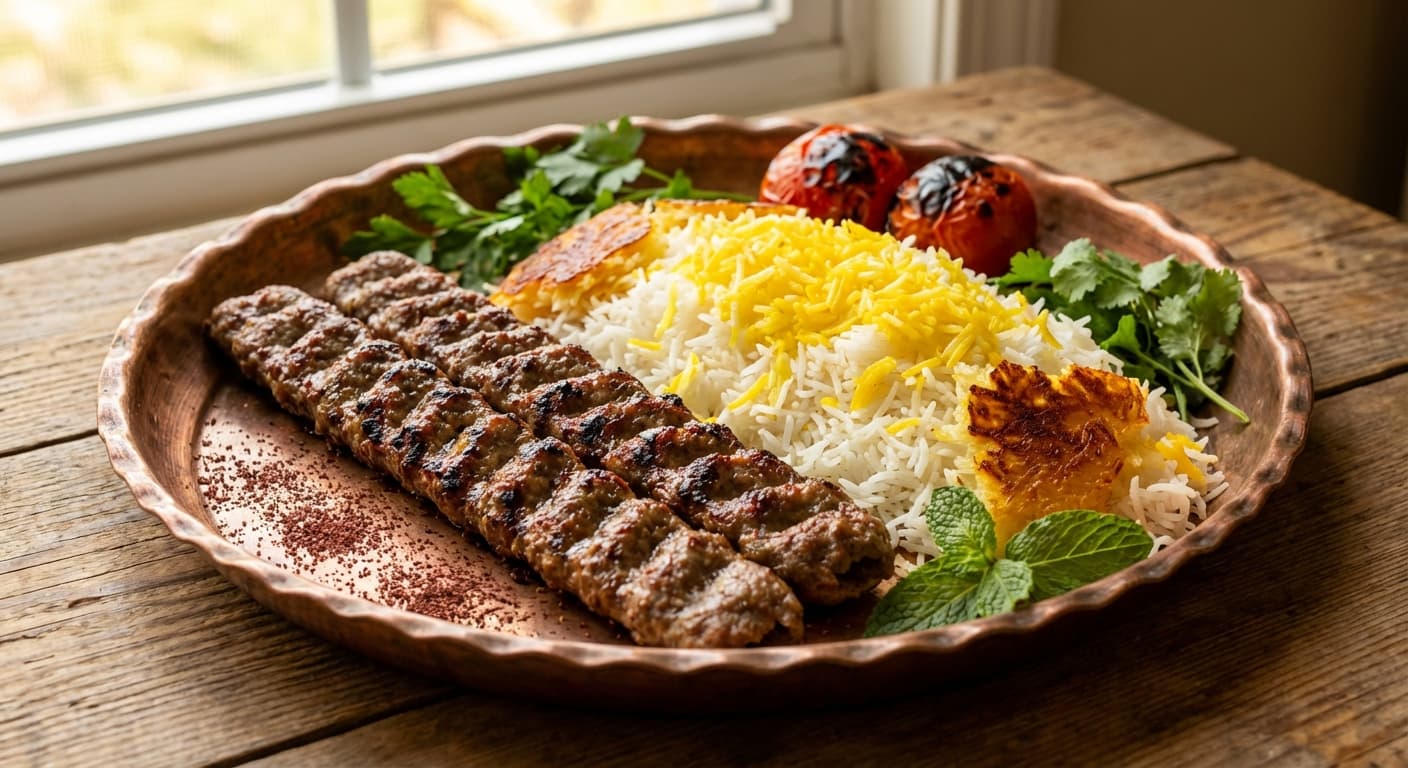
Chelo Kebab Koobideh (چلو کباب کوبیده) — Persian Minced Meat Skewers with Saffron Rice
Persian · Kebabs · 75 min
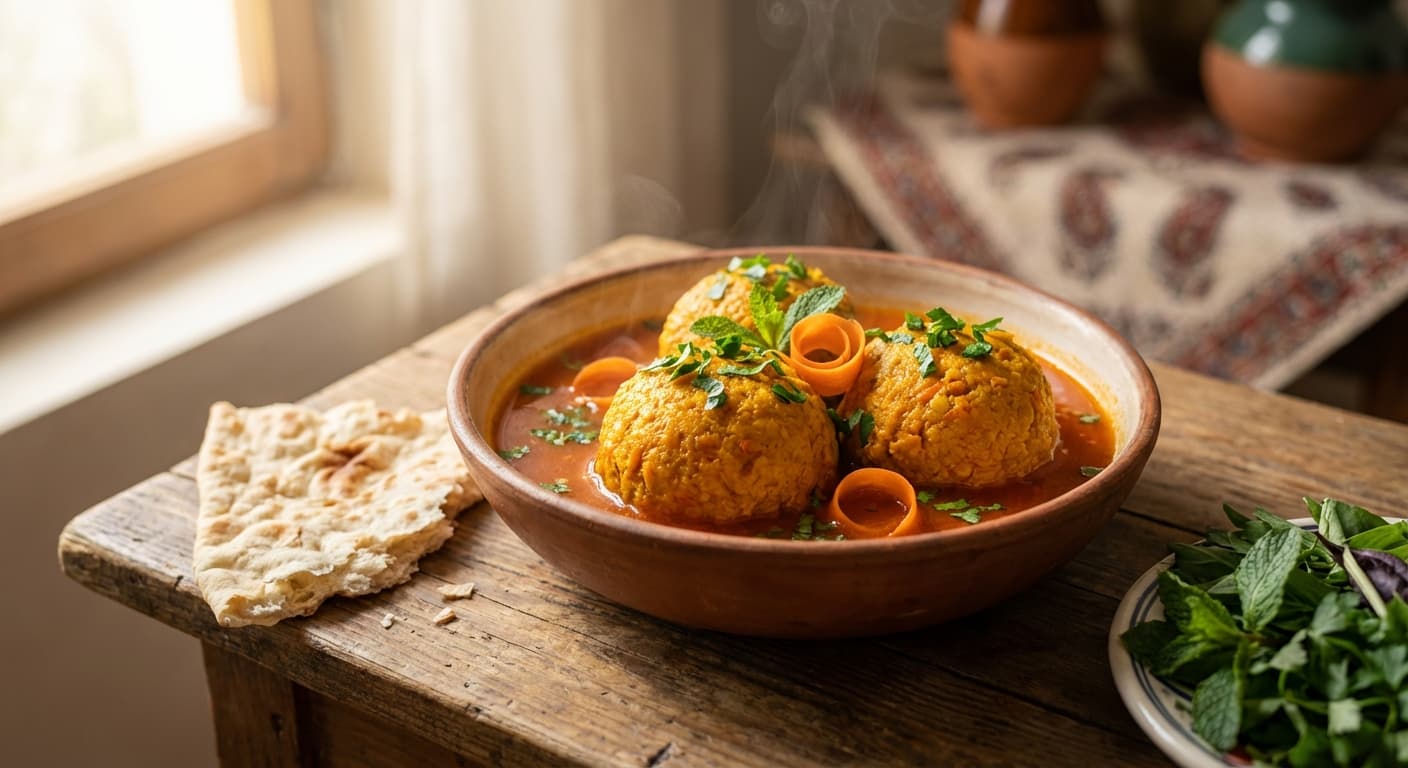
Koofteh Havij (کوفته هویج) — Persian Carrot Meatballs in Saffron-Tomato Broth
Persian · Main Courses · 120 min
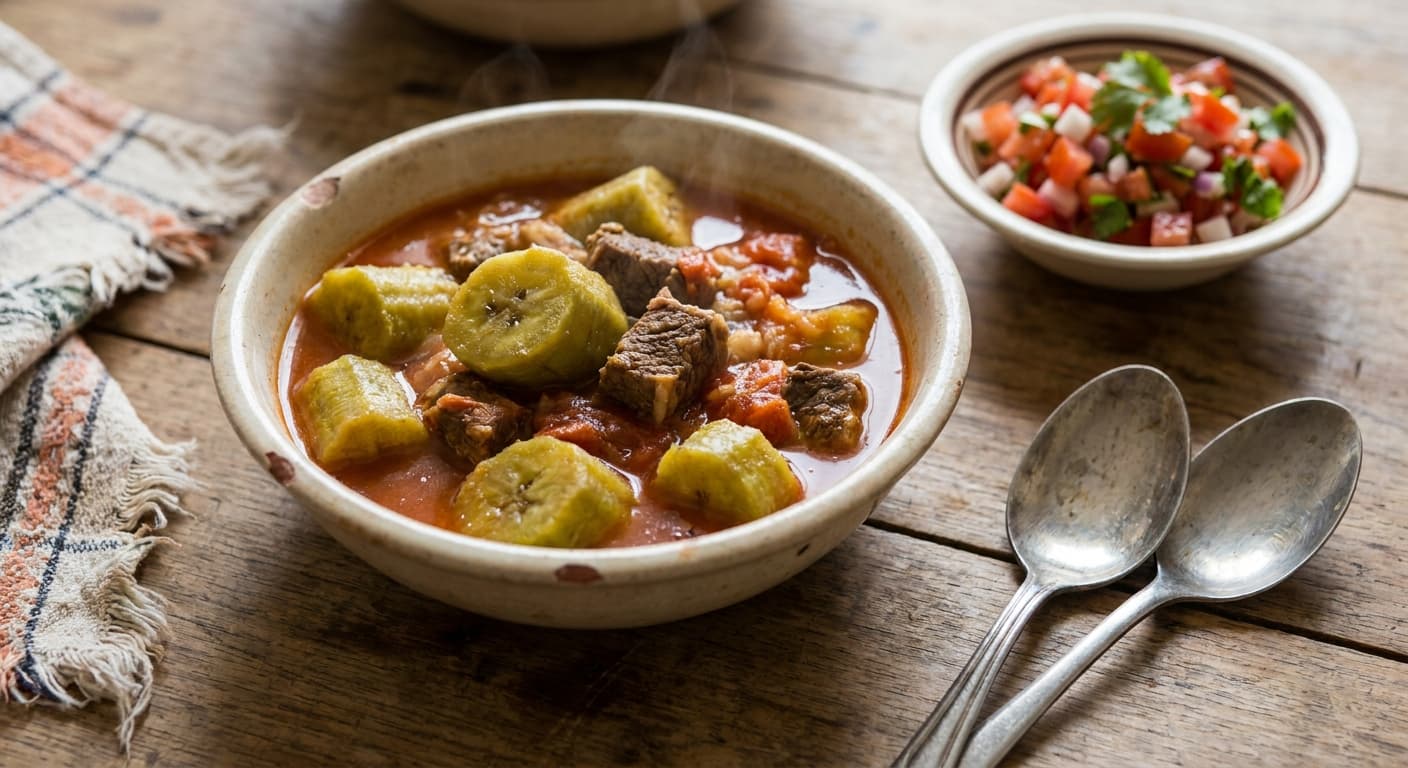
Matoke (Matoke) — Tanzanian Green Banana and Beef Stew
Tanzanian · Stews · 135 min
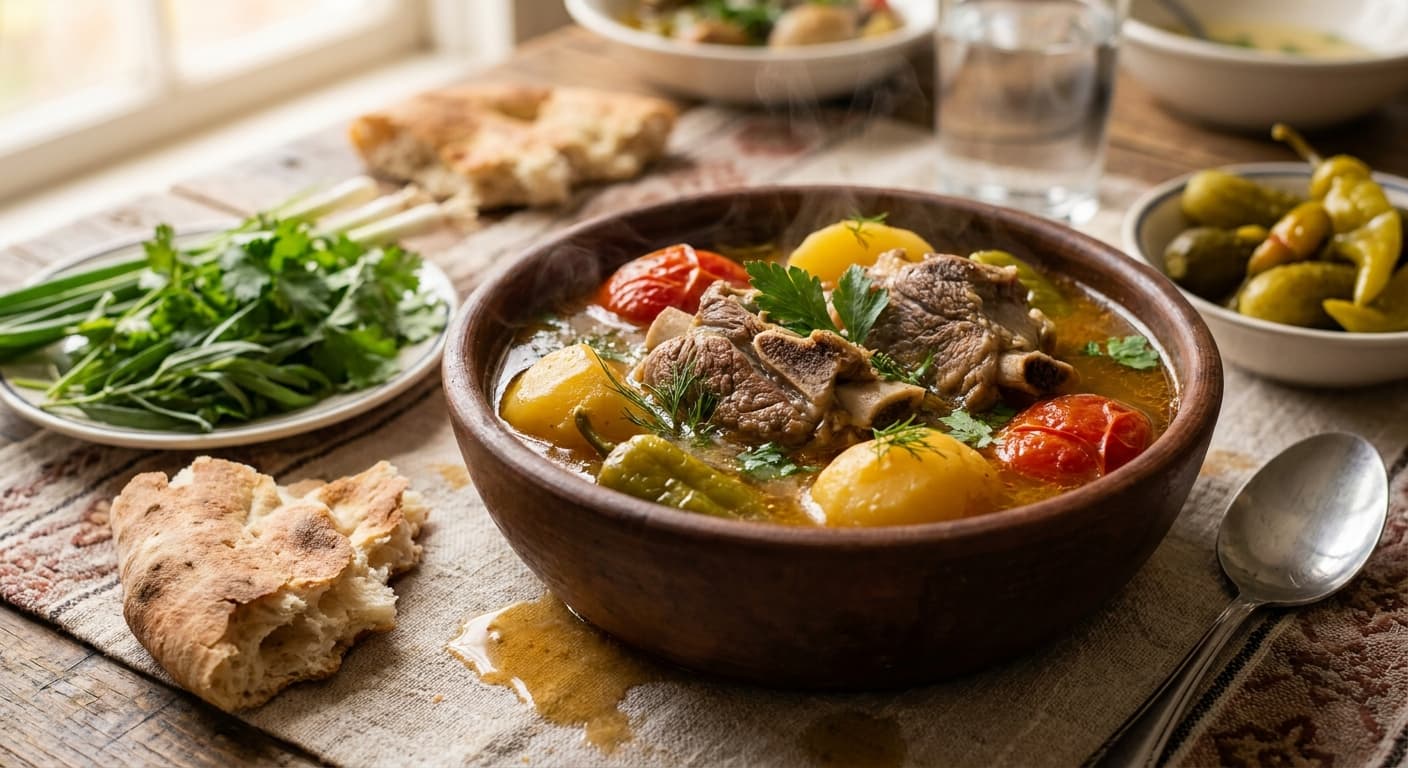
Khashlama (Խաշլամա) — Armenian Lamb and Vegetable Stew
Armenian · Stews · 160 min
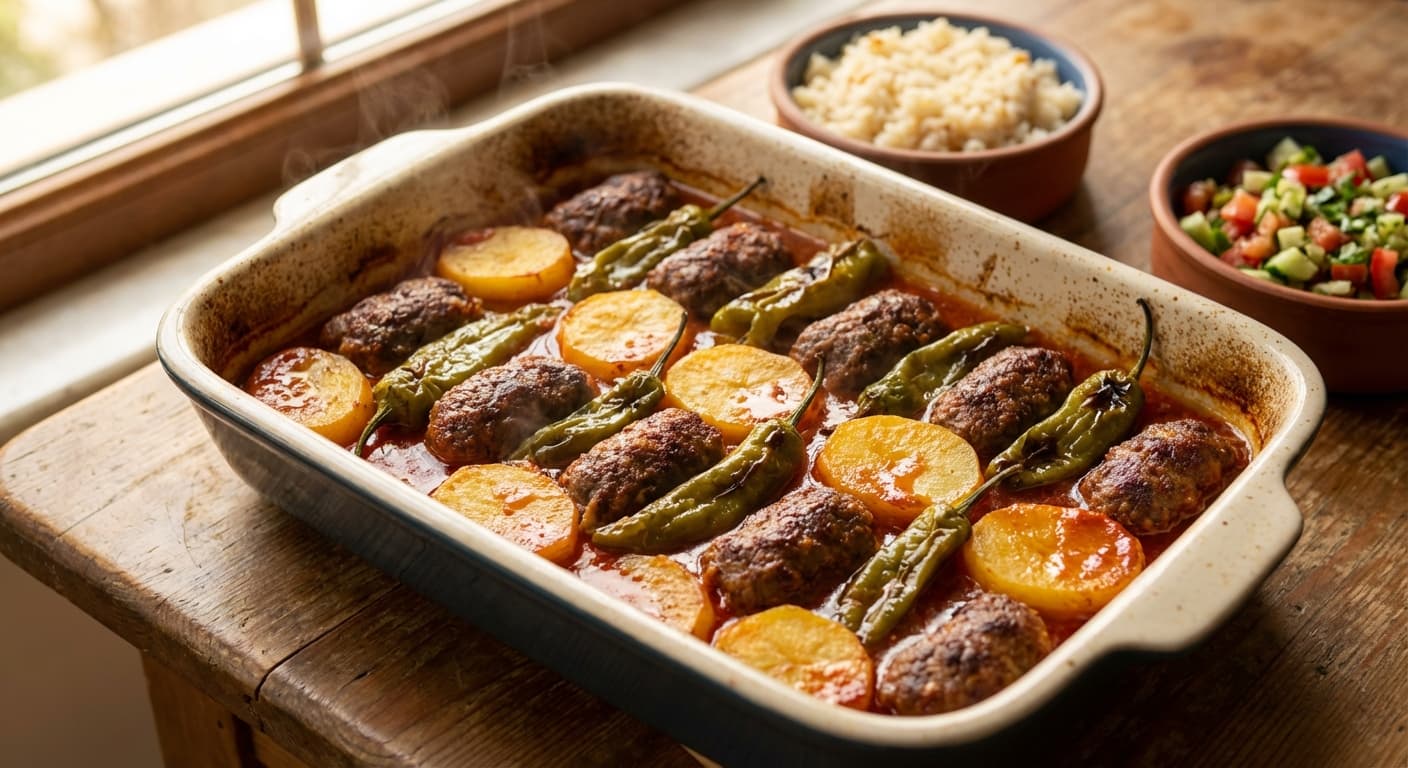
Izmir Kofte (İzmir Köfte) — Oven-Baked Meatballs with Tomato Sauce and Potatoes
Turkish · Main Courses · 70 min
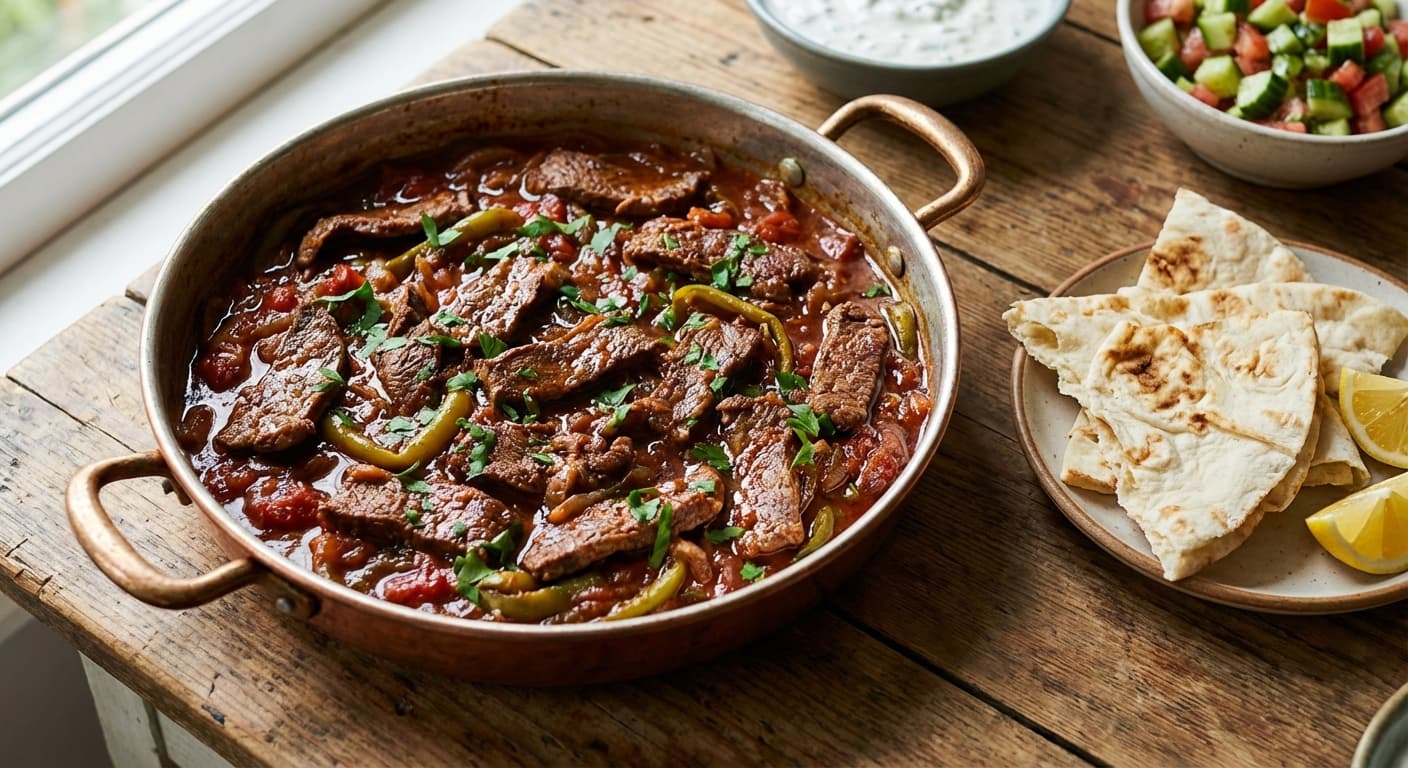
Sac Kavurma (Saç Kavurma) — Thin-Sliced Turkish Meat Sautéed with Onions
Turkish · Main Courses · 38 min
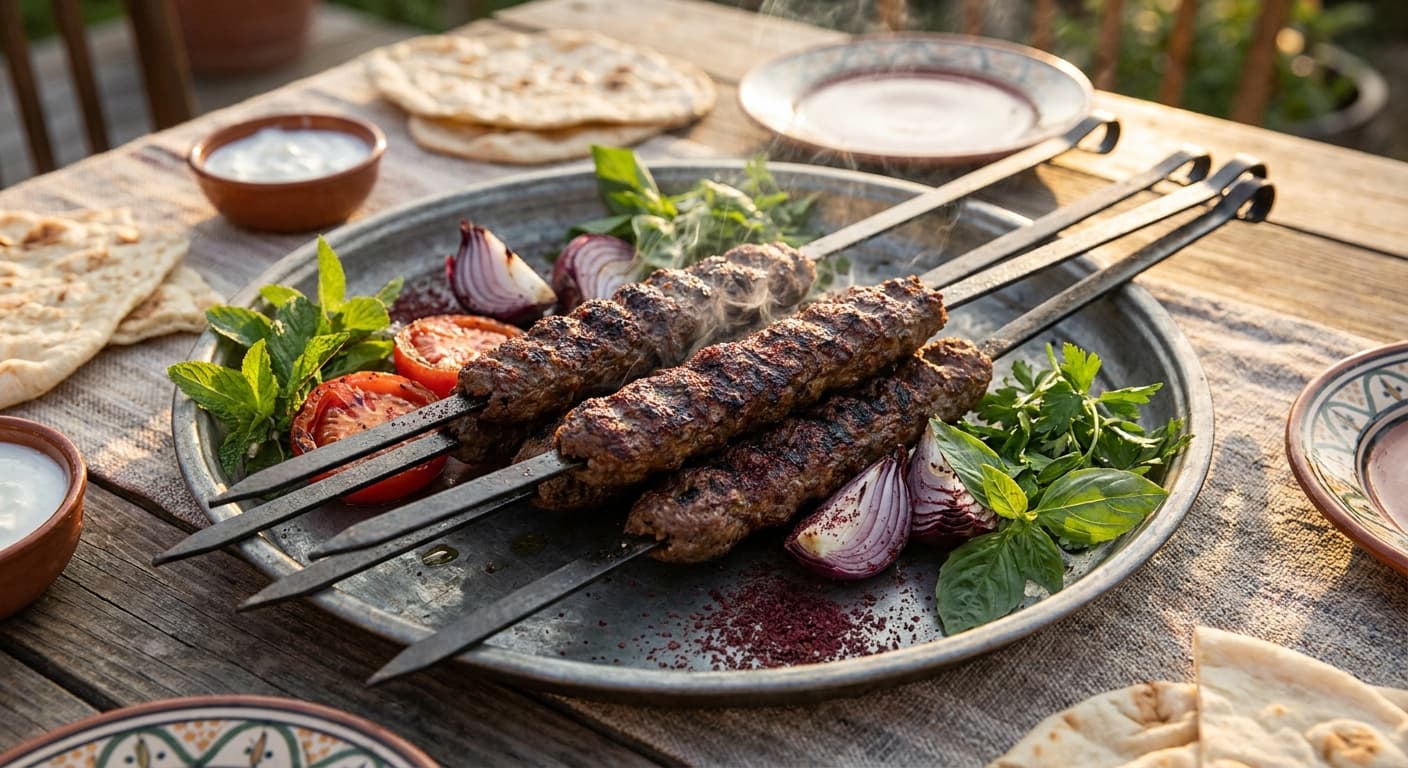
Authentic Kabab Koobideh (کباب کوبیده) — Persian Minced Lamb Skewers
Persian · Kebabs · 40 min
Reviews
Cooked this recipe?
Tap the stars to rate it — that's all it takes. A few words are welcome but optional.
No ratings yet. Cooked this one? Be the first to rate it — it takes one tap.