Khoresh Havij (خورش هویج) — Persian Saffron-Infused Carrot Stew
Khoresh Havij is a Persian carrot stew where tender beef simmers with onions, turmeric, tomato paste, and saffron. Sweet carrots and bright lemon juice create a balanced sweet-and-sour profile ideal for festive meals.
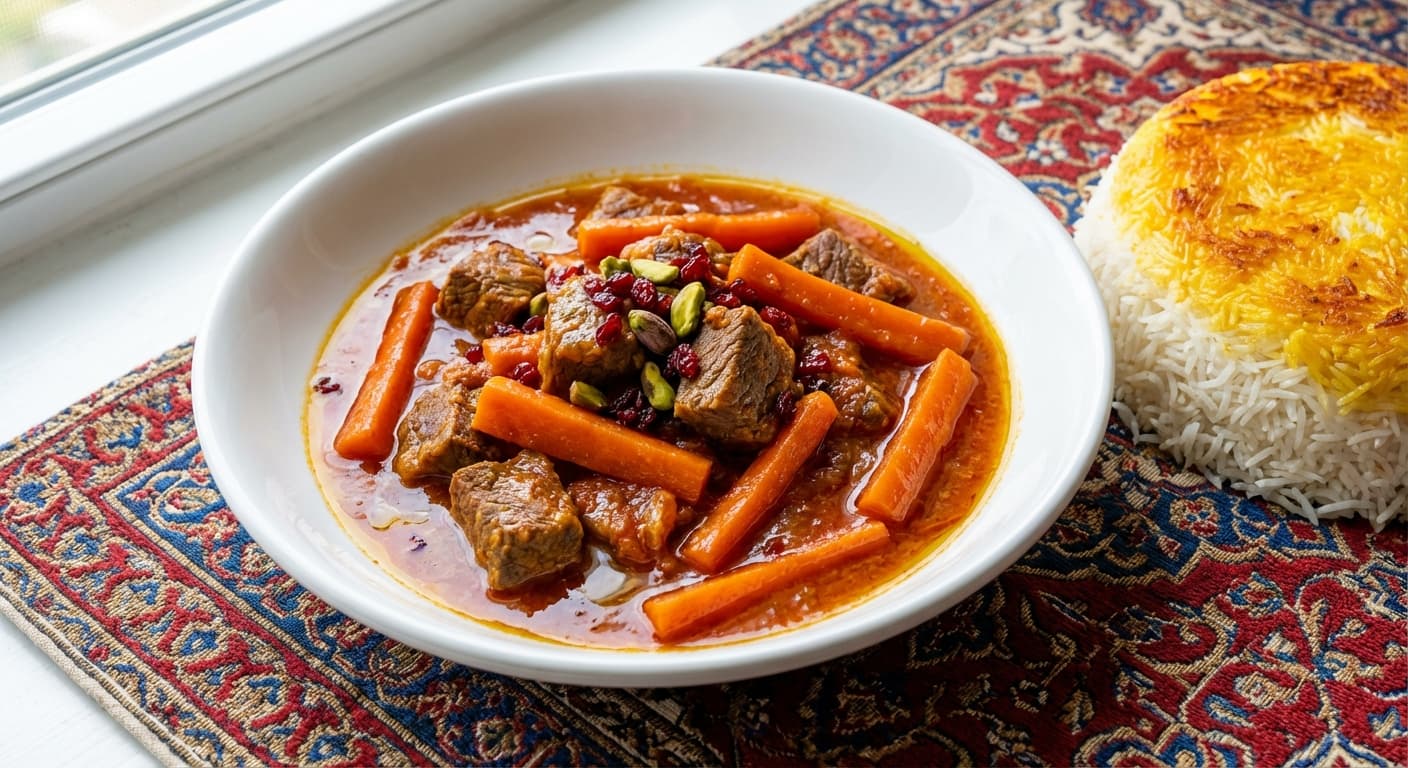
Printable Recipe Card
Servings: 4 · Total: 125 min · Difficulty: medium
Ingredients (quick list)
- 600 g Beef stew meat (chuck or shoulder), trimmed and cut into 3 cm cubes (Pat dry for better browning)
- 250 g Onion, finely diced (About 1 large onion)
- 45 ml Vegetable oil (3 tbsp, divided)
- 2 tsp Ground turmeric (For color and warmth)
- 30 g Tomato paste (2 tbsp)
- 900 ml Water (Add more as needed to keep meat barely covered)
- 500 g Carrots, peeled and cut into 6–7 cm batons (about 1 cm thick) (Cut evenly for uniform tenderness)
- 0.5 tsp Saffron, ground (Bloom in hot water for best aroma)
- 45 ml Hot water (for blooming saffron) (3 tbsp, just off the boil)
- 45 ml Lemon juice, freshly squeezed (3 tbsp; adjust to taste at the end)
- 2 tsp Fine salt (Start with 1 tsp, then adjust at the end)
- 1 tsp Black pepper, freshly ground (Adjust to preference)
Steps (summary)
- Bloom the saffron: grind the saffron to a fine powder, then stir it with 45 ml hot water (just off the boil). Cover and let sta…
- Brown the base: heat 30 ml (2 tbsp) vegetable oil in a heavy pot over medium-high heat. Add the diced onion and cook 8–10 minut…
- Cook the tomato paste: push the meat and onions to one side, add tomato paste to the cleared spot, and fry 1–2 minutes, stirrin…
- Simmer the beef: add 900 ml water, scraping the bottom to dissolve browned bits. Bring to a gentle boil, then reduce to a low s…
- Prepare and sauté the carrots: while the beef simmers, heat the remaining 15 ml (1 tbsp) oil in a skillet over medium heat. Add…
- Finish with saffron and lemon: add sautéed carrots to the pot and simmer, covered, 25–30 minutes until the beef is tender and c…
Cultural Background
Khoresh Havij is associated with Azerbaijani-Persian home cooking and is often served when a meal calls for a sweet-and-sour balance alongside rice. Its use of saffron and careful carrot preparation reflects a broader Persian tradition of layering aroma, color, and gentle acidity in festive stews.
Equipment
💡 Tips
- For a clearer, restaurant-style stew, skim foam during the first 10 minutes of simmering.
- If the stew tastes flat, add lemon juice in 5 ml (1 tsp) increments after turning off the heat; citrus is brightest when not boiled.
- Sautéing carrots is key: it prevents them from breaking down and adds a gentle caramel sweetness.
- If the sauce is too thin near the end, simmer uncovered 8–12 minutes to reduce; avoid high heat which can toughen beef.
⚠️ Common Mistakes
❌ Adding lemon juice early and boiling it for a long time
💡 Why: Prolonged boiling dulls citrus aroma and can make the stew taste harsh rather than bright
✅ Fix: Add lemon juice after turning off the heat or in the last 2–3 minutes, then adjust gradually to taste
❌ Skipping the tomato paste frying step
💡 Why: Uncooked tomato paste can taste raw and metallic, and the sauce may lack depth
✅ Fix: Fry the paste 1–2 minutes in oil until it darkens slightly and smells sweet before adding water
❌ Overcooking carrots directly in the stew from the start
💡 Why: Carrots can break down, turn mushy, and make the sauce overly sweet and cloudy
✅ Fix: Sauté carrots first, then add them for the final 25–30 minutes so they stay intact and balanced
❌ Boiling the stew hard
💡 Why: Aggressive boiling can toughen beef and cause excessive evaporation, concentrating salt
✅ Fix: Maintain a gentle simmer with small bubbles; add water in small amounts to keep meat barely covered
🧊 How to Store
Cool completely, then refrigerate in an airtight container for up to 4 days. Reheat gently over low heat with 30–60 ml water if needed. Freeze up to 2 months; thaw overnight in the refrigerator and reheat slowly to keep carrots intact.
📅 Make Ahead
The stew improves after resting. Cook up to 2 days ahead, cool, and refrigerate; reheat gently over low heat and add lemon juice only after reheating to keep the flavor fresh.
🍽️ Pairs Well With
- Steamed basmati rice
- Saffron rice
- Shirazi salad
- Plain yogurt or cucumber yogurt
Regional Variations
- Azerbaijani-influenced Persian householdsOften leans more noticeably sweet-and-sour, with extra carrot caramelization and a slightly brighter citrus finish, served with plain steamed rice to highlight the stew’s color.
- Tehran-style home cookingCommonly features a deeper onion base and a more savory profile, with saffron added near the end for aroma and a lighter hand with citrus to keep the sauce mellow.
Ingredients
- 600 gBeef stew meat (chuck or shoulder), trimmed and cut into 3 cm cubes (Pat dry for better browning)
- 250 gOnion, finely diced (About 1 large onion)
- 45 mlVegetable oil (3 tbsp, divided)
- 2 tspGround turmeric (For color and warmth)
- 30 gTomato paste (2 tbsp)
- 900 mlWater (Add more as needed to keep meat barely covered)
- 500 gCarrots, peeled and cut into 6–7 cm batons (about 1 cm thick) (Cut evenly for uniform tenderness)
- 0.5 tspSaffron, ground (Bloom in hot water for best aroma)
- 45 mlHot water (for blooming saffron) (3 tbsp, just off the boil)
- 45 mlLemon juice, freshly squeezed (3 tbsp; adjust to taste at the end)
- 2 tspFine salt (Start with 1 tsp, then adjust at the end)
- 1 tspBlack pepper, freshly ground (Adjust to preference)
🔄 Substitutions
- Beef stew meat→ Lamb shoulder, cut into 3 cm cubes
- Vegetable oil→ Ghee or clarified butter
- Lemon juice→ Lime juice
Instructions
- 1
Bloom the saffron: grind the saffron to a fine powder, then stir it with 45 ml hot water (just off the boil). Cover and let stand 10–15 minutes while you prep the other ingredients; this extracts color and aroma so the stew tastes fragrant, not bitter.
- 2
Brown the base: heat 30 ml (2 tbsp) vegetable oil in a heavy pot over medium-high heat. Add the diced onion and cook 8–10 minutes, stirring often, until deeply golden. Add turmeric and cook 30 seconds to toast, then add beef and sear 6–8 minutes until most sides are browned.
- 3
Cook the tomato paste: push the meat and onions to one side, add tomato paste to the cleared spot, and fry 1–2 minutes, stirring constantly, until it darkens slightly and smells sweet. This removes raw acidity and builds the stew’s signature color. Stir everything together to coat the beef.
- 4
Simmer the beef: add 900 ml water, scraping the bottom to dissolve browned bits. Bring to a gentle boil, then reduce to a low simmer (small bubbles). Cover and cook 60 minutes, stirring every 15–20 minutes. Keep the meat barely covered; add 60–120 ml water if the level drops too low.
- 5
Prepare and sauté the carrots: while the beef simmers, heat the remaining 15 ml (1 tbsp) oil in a skillet over medium heat. Add carrots and sauté 10–12 minutes, turning often, until lightly browned at the edges and slightly softened. This step concentrates sweetness so the carrots hold their shape in the stew.
- 6
Finish with saffron and lemon: add sautéed carrots to the pot and simmer, covered, 25–30 minutes until the beef is tender and carrots are soft but intact. Stir in the bloomed saffron and simmer 5 minutes uncovered. Turn off heat, add lemon juice, salt, and black pepper, then rest 10 minutes before serving.
🪪 Recipe Passport
Cultural Background
Khoresh Havij is associated with Azerbaijani-Persian home cooking and is often served when a meal calls for a sweet-and-sour balance alongside rice. Its use of saffron and careful carrot preparation reflects a broader Persian tradition of layering aroma, color, and gentle acidity in festive stews.
Regional Variations
Researched from multiple sources and validated by the Zaffaron editorial team. Every recipe is tested for accuracy, measurements, and cultural authenticity.
Nutrition per serving
Pairs well with
If you enjoyed this recipe, here are a few related Zaffaron recipes to try next.
Does your family make this differently?
Every family has their own version. Maybe your grandmother adds a secret ingredient, or your aunt has a completely different technique. Preserve your family's version — with their name on it, forever.
You Might Also Like
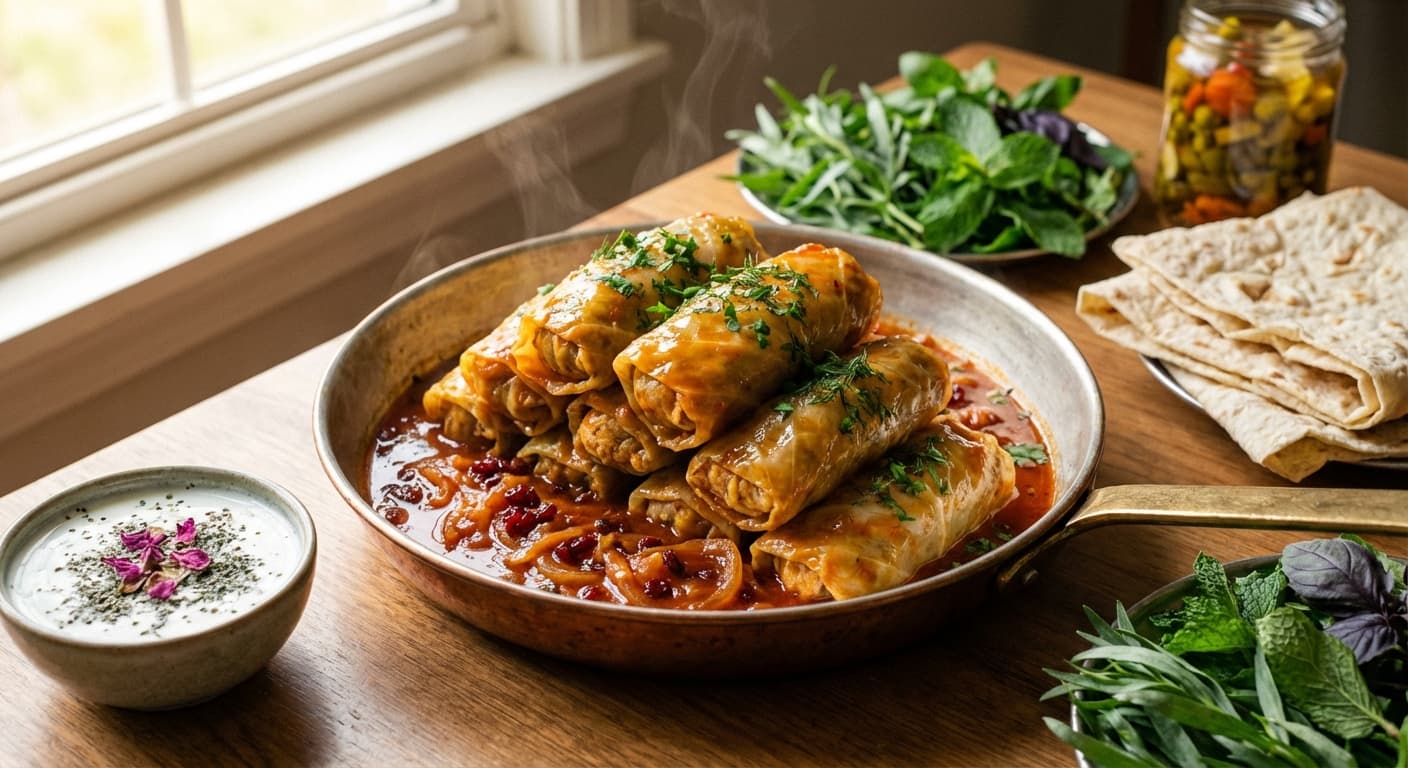
Chicken Stuffed Cabbage Rolls (دلمه کلم با مرغ) — Herb-Scented Persian Dolmeh in Tomato Saffron Sauce
Persian · Main Courses · 90 min
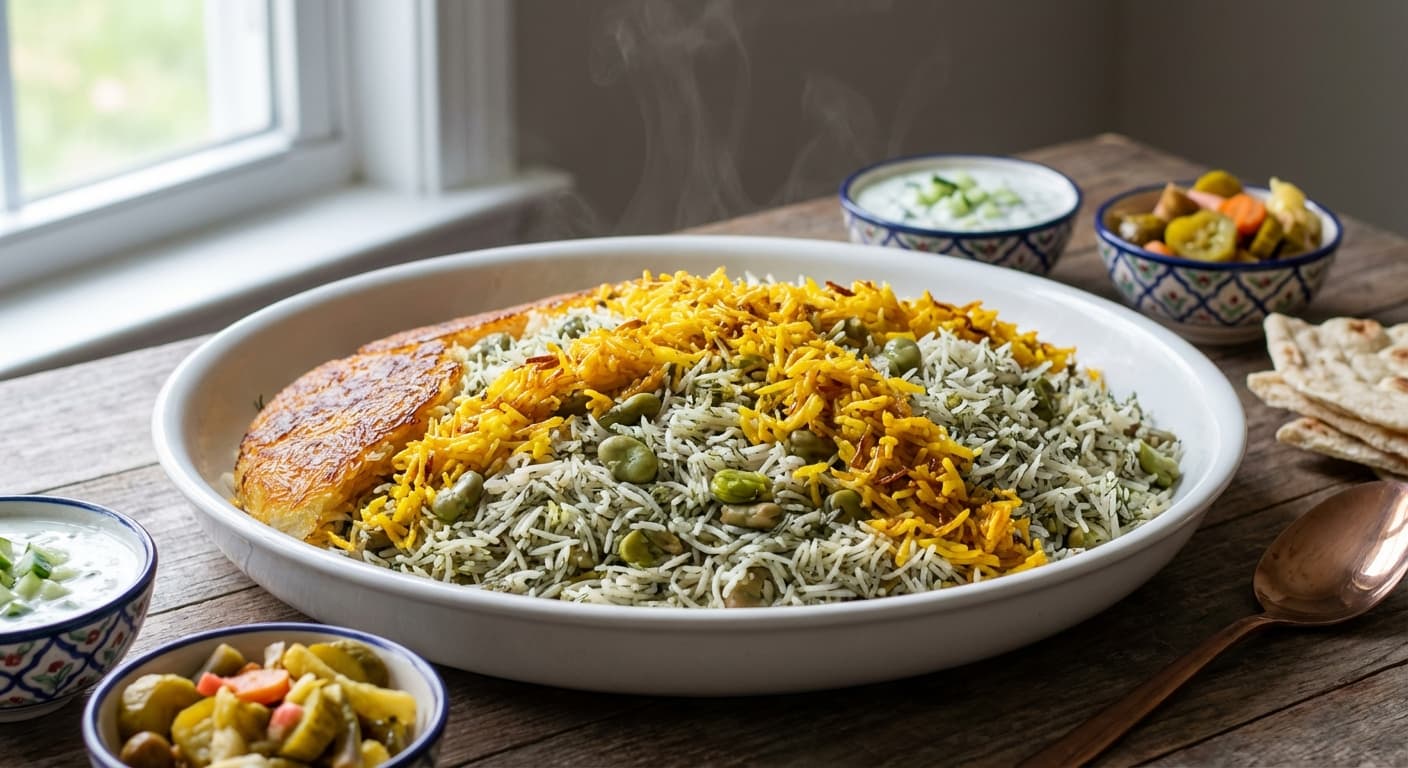
Baghali Polo (باقالی پلو) — Persian Dill and Fava Bean Rice with Saffron
Persian · Rice Dishes · 95 min
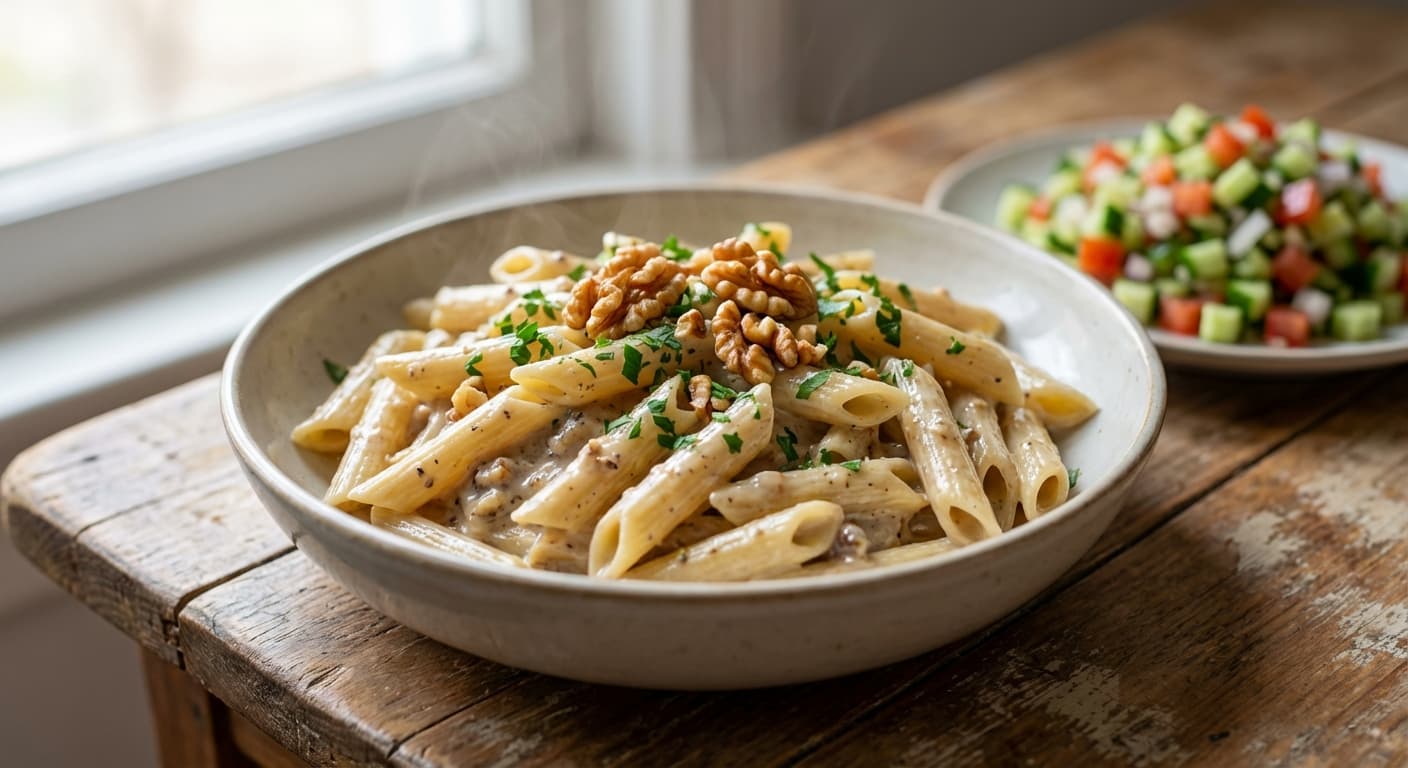
Pasta with Walnut Sauce (پاستا با سس گردو) — Creamy Persian Walnut-Yogurt Pasta
Persian · Main Courses · 35 min
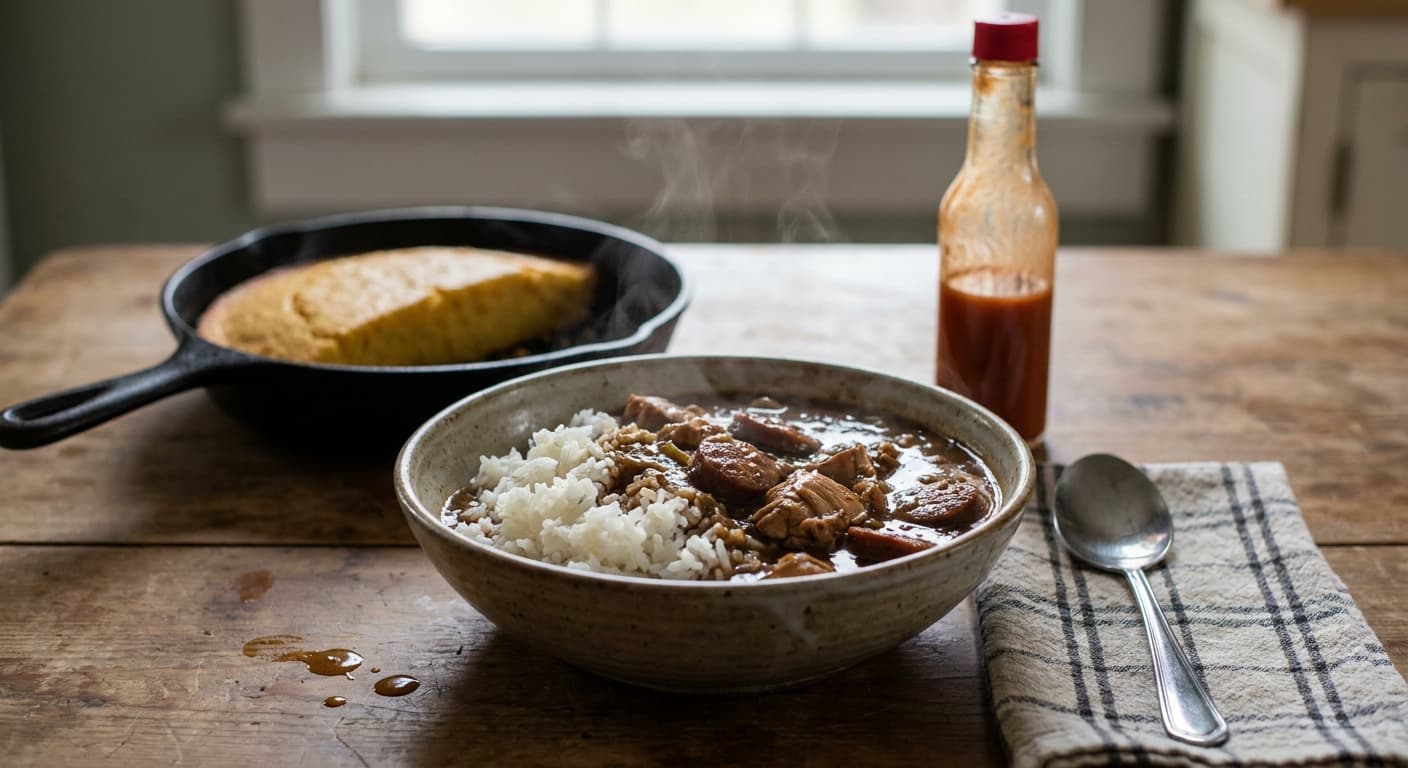
Chicken and Andouille Gumbo (English) — Louisiana Roux Stew
American · Stews · 120 min
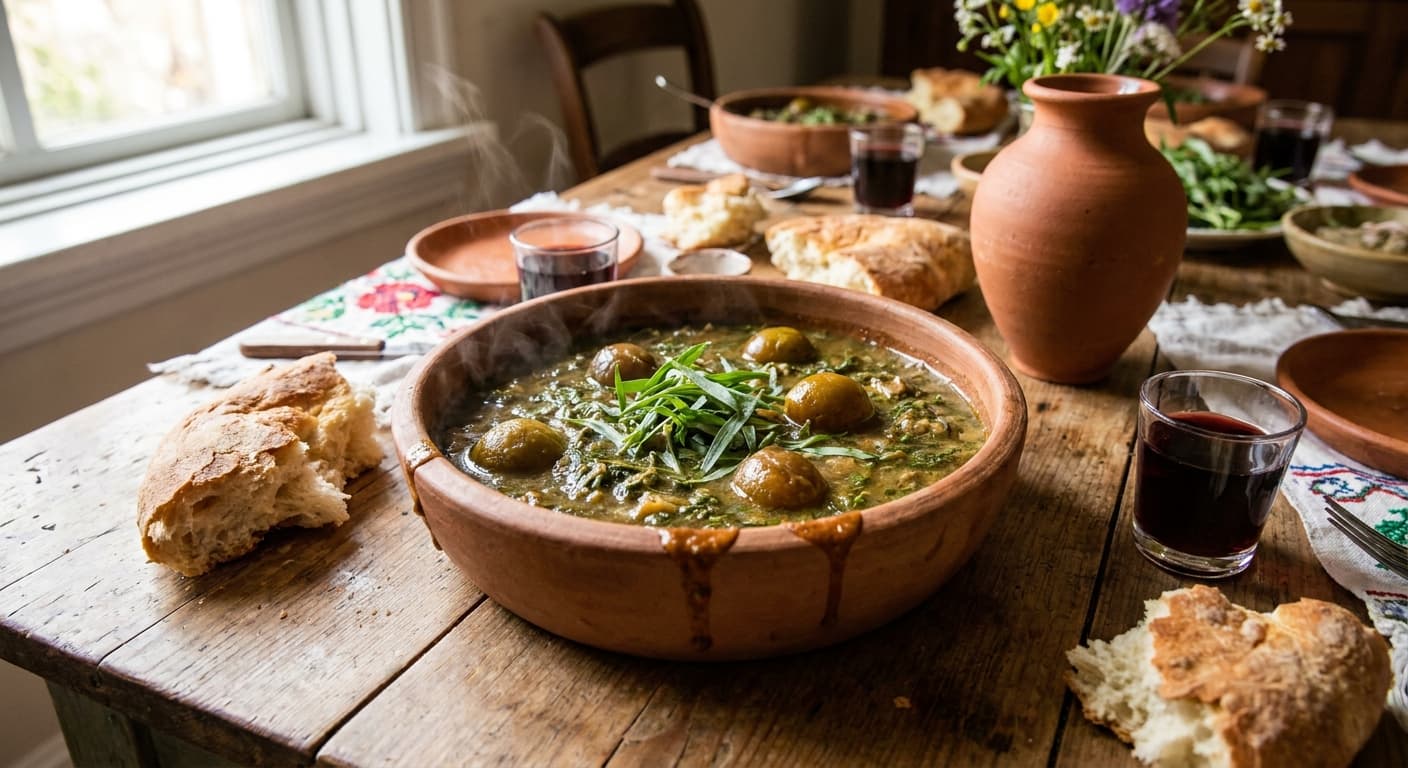
Chakapuli (ჩაქაფული) — Georgian Spring Lamb, Tarragon, and Sour Plum Stew
Georgian · Stews · 135 min
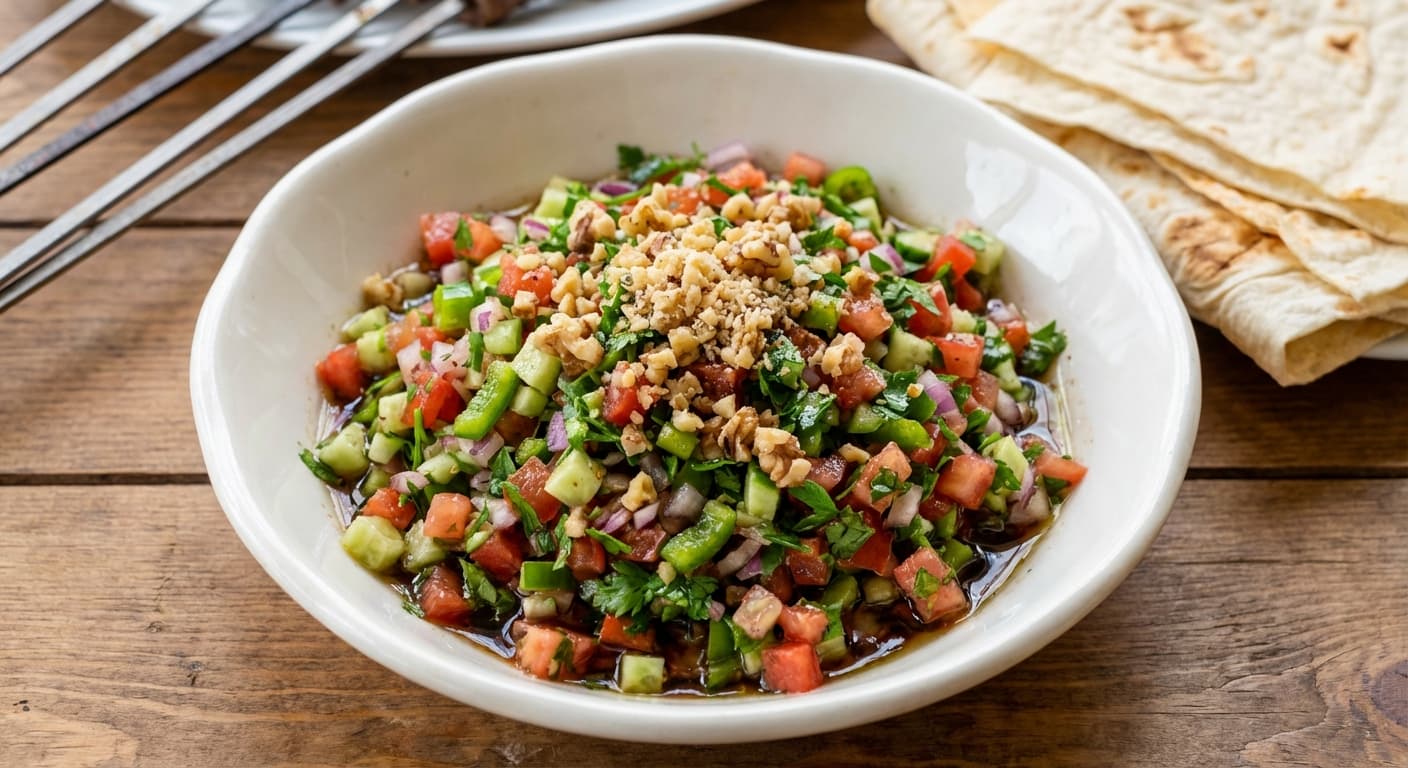
Gavurdağı Salad (Gavurdağı Salatası) — Finely Chopped Walnut & Pomegranate Salad
Turkish · Salads · 20 min
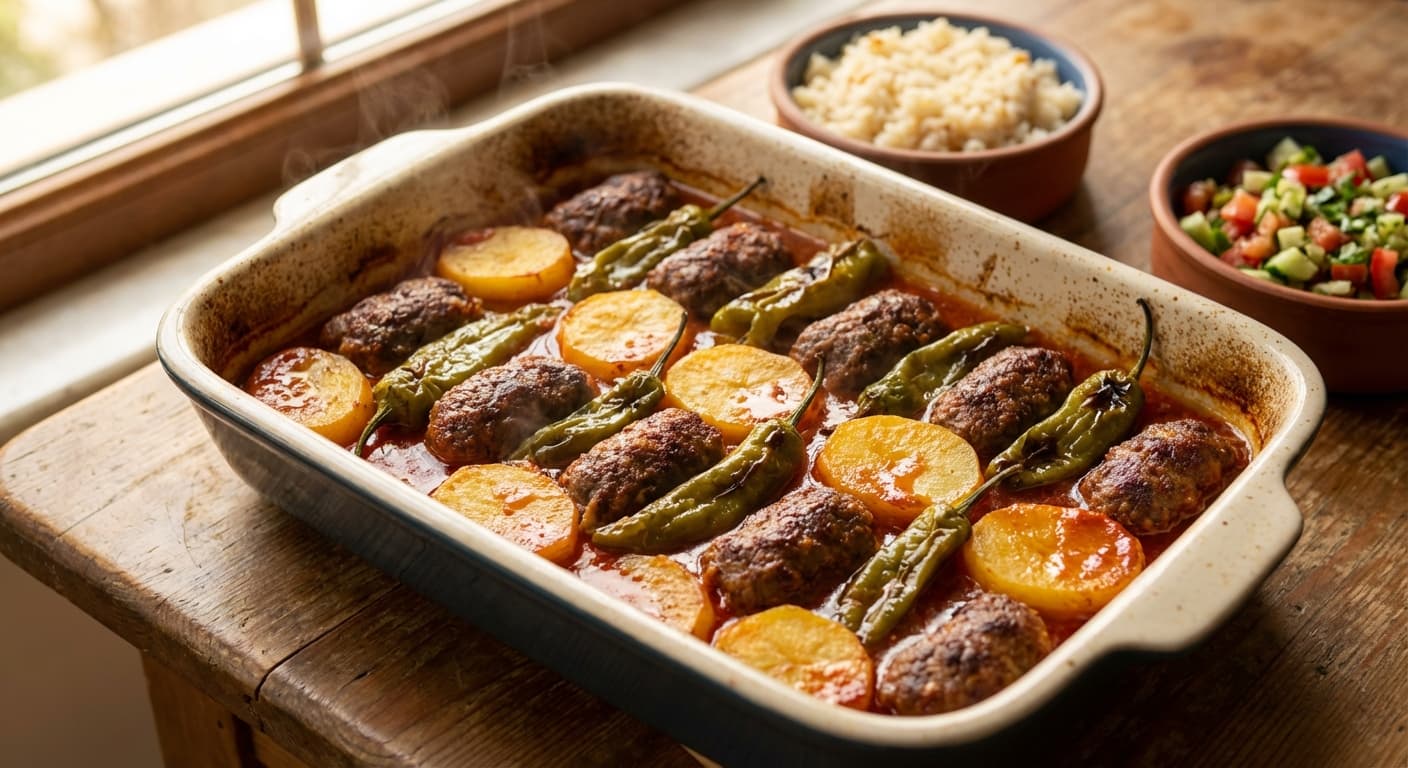
Izmir Kofte (İzmir Köfte) — Oven-Baked Meatballs with Tomato Sauce and Potatoes
Turkish · Main Courses · 70 min
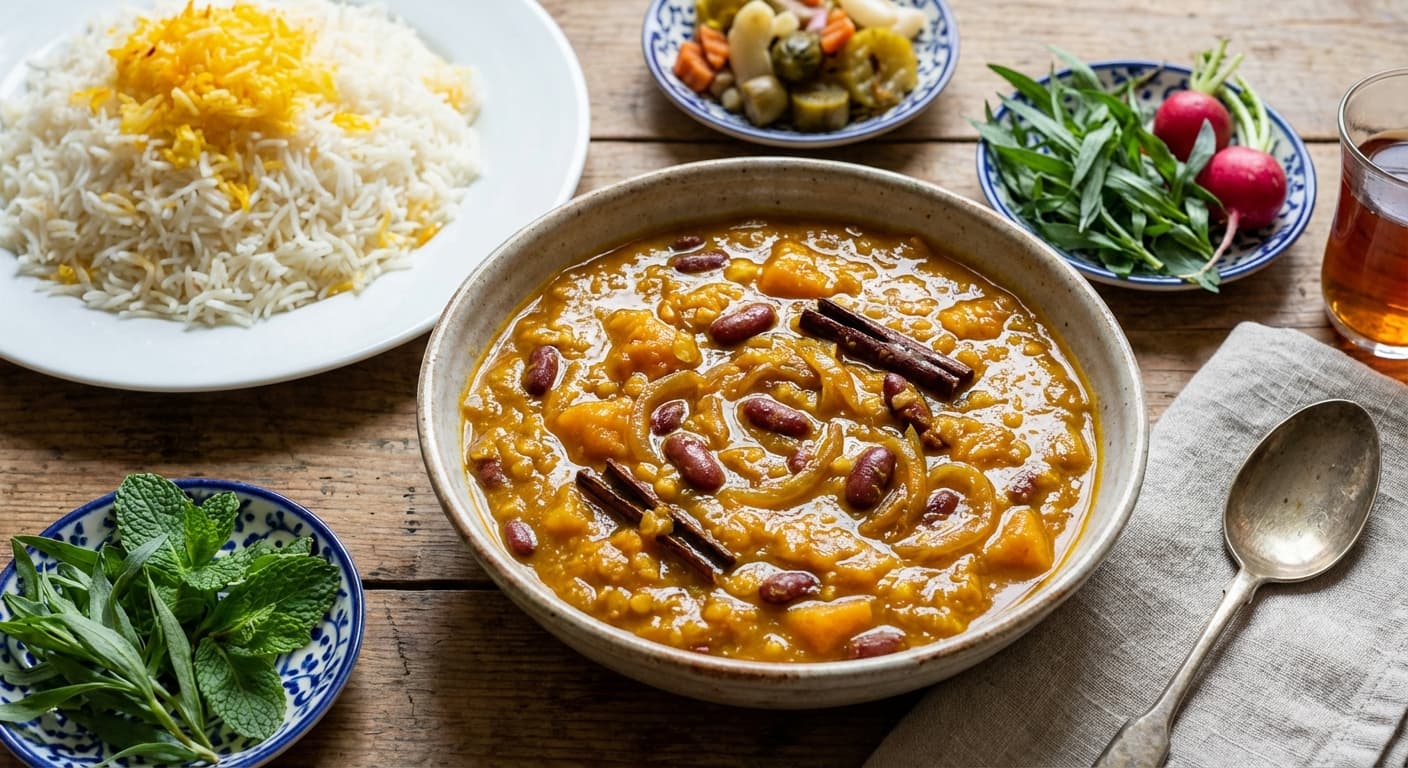
Gheimeh Kadoo Halvai (قیمه کدو حلوایی) — Sweet Pumpkin & Legume Stew
Persian · Stews · 110 min
Reviews
Cooked this recipe?
Tap the stars to rate it — that's all it takes. A few words are welcome but optional.
No ratings yet. Cooked this one? Be the first to rate it — it takes one tap.