Khoresht-e Gheimeh Nesaa (خورش قیمه نسا) – Persian Lentil & Dried Lime Stew
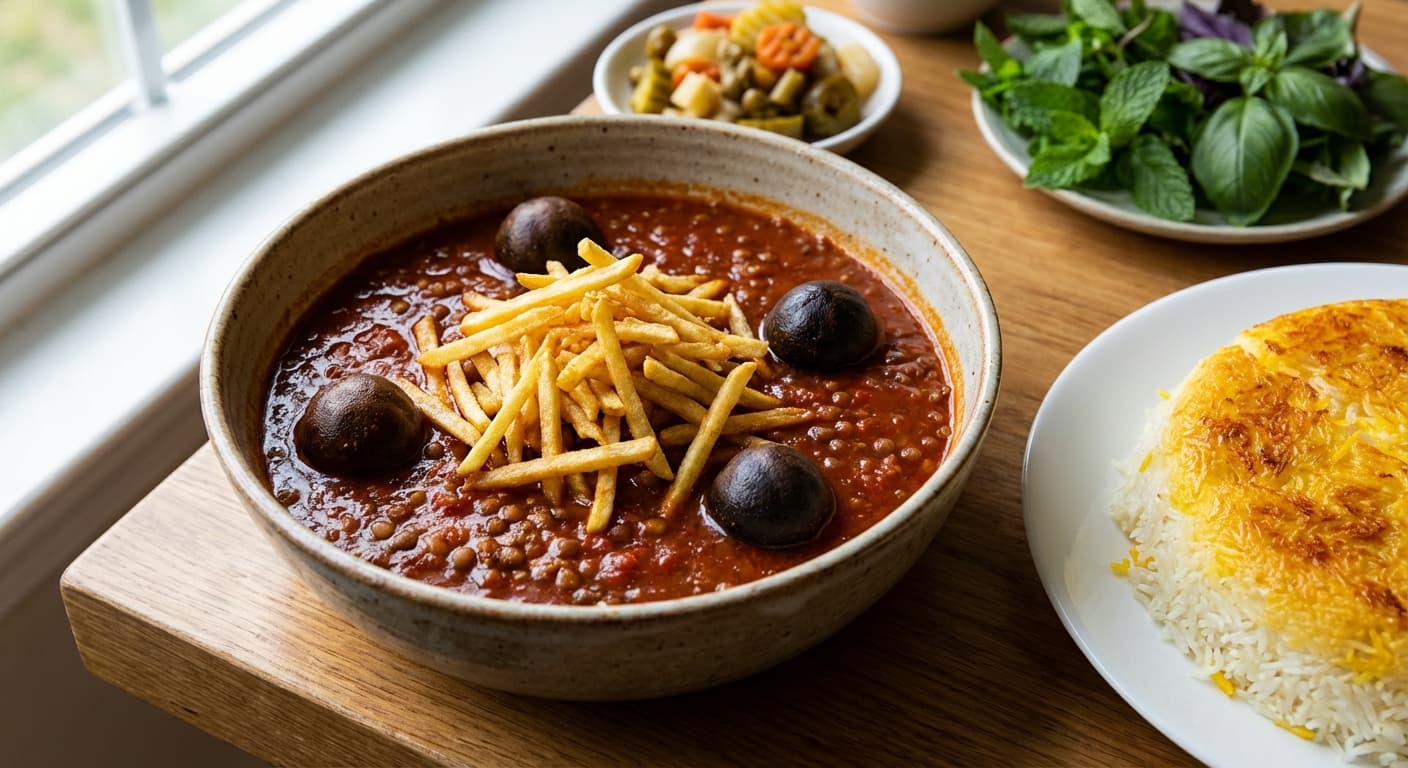
A vibrant vegan take on classic gheimeh: tender lentils simmered in a rich tomato-onion base with limoo amani’s tart perfume and a hint of cinnamon, finished with crisp fries for true Persian comfort.
Printable Recipe Card
Servings: 4 · Total: 110 min · Difficulty: medium
Ingredients (quick list)
- 200 g Brown lentils, rinsed (Pick over for stones; do not soak)
- 300 g Yellow onions, finely diced (About 2 medium)
- 45 g Vegetable oil (About 3 tbsp, divided)
- 70 g Tomato paste (About 4 tbsp)
- 2 tsp Ground turmeric
- 0.5 tsp Ground cinnamon (Plus more to taste at the end)
- 3 Dried limes (limoo amani) (Pierced 6–8 times each)
- 900 ml Boiling water (Add more as needed for consistency)
- 1.5 tsp Fine sea salt (Adjust at the end)
- 0.75 tsp Black pepper, freshly ground
- 450 g Russet potatoes, peeled (Cut into 7 mm matchsticks)
Steps (summary)
- Rinse the lentils under cold water until it runs mostly clear, then drain well. Pierce each dried lime 6–8 times with a skewer…
- In a heavy pot over medium heat, warm 30 g (about 2 tbsp) of the stew oil. Add the diced onions and cook 12–15 minutes, stirrin…
- Add tomato paste to the onions and fry it 4–5 minutes over medium-low, stirring constantly, until it darkens to brick red and s…
- Pour in 900 ml boiling water, scraping the bottom to release any browned bits. Add the pierced dried limes and 1.5 tsp salt. Br…
- While the stew simmers, drain the potatoes and pat very dry with towels. Heat 240 ml oil in a skillet to 175°C / 350°F. Fry pot…
- When the lentils are tender, check consistency: gheimeh-style stew should be spoonable, not watery. Simmer uncovered 8–12 minut…
Cultural Background
Gheimeh is one of Iran’s most beloved khoresht, commonly served with chelow and often topped with fries. This lentil-based version keeps the signature tomato, limoo amani tang, and cinnamon warmth while offering a plant-based, everyday-friendly bowl of Persian comfort.
Equipment
💡 Tips
- Frying tomato paste until brick-red is essential for a deep, non-metallic flavor in Persian stews.
- If your dried limes taste very bitter, remove them after 25–30 minutes of simmering and finish the stew without them.
- For a silkier texture, lightly mash 3–4 tbsp of cooked lentils against the side of the pot during the final 10 minutes.
- Keep fries crisp by frying close to serving time and draining on a rack rather than paper towels alone.
⚠️ Common Mistakes
❌ Adding tomato paste and water without frying the paste
💡 Why: Uncooked paste tastes raw and sharp, and the stew lacks the deep reddish color typical of Persian khoresht.
✅ Fix: Fry the paste 4–5 minutes in oil with onions until brick-red and fragrant before adding liquids.
❌ Letting dried limes sit unpierced or boil aggressively
💡 Why: Unpierced limes release little aroma; hard boiling can extract bitterness from the pith and seeds.
✅ Fix: Pierce each lime several times and keep the stew at a gentle simmer; remove limes early if bitterness appears.
❌ Soggy potato topping
💡 Why: Wet potatoes steam instead of fry, and overcrowding drops oil temperature, preventing crisping.
✅ Fix: Soak 15 minutes, dry thoroughly, and fry in batches at about 175°C / 350°F; drain on a rack and salt immediately.
❌ Overcooking lentils until they dissolve completely
💡 Why: The stew becomes pasty and loses the pleasant bite that balances the fries and tangy lime.
✅ Fix: Start checking at 40 minutes; simmer just until tender, then reduce briefly uncovered to reach the right thickness.
🧊 How to Store
Cool stew to room temperature within 2 hours. Refrigerate in an airtight container up to 4 days. Freeze up to 2 months; thaw overnight in the fridge. Reheat gently with 60–120 ml water to loosen. Store fries separately; re-crisp in a 220°C / 425°F oven for 8–10 minutes.
📅 Make Ahead
Make the stew up to 2 days ahead; flavor improves as it rests. Reheat gently and adjust with hot water. Fry potatoes just before serving, or bake on a tray at 220°C / 425°F for 20–25 minutes with 2 tbsp oil as a lighter alternative.
🍽️ Pairs Well With
- Steamed Persian rice (chelow) with saffron
- Torshi (Persian pickles)
- Shirazi salad
- Fresh herbs (sabzi khordan) and radishes
Regional Variations
- Tehran-style home cookingOften slightly sweeter from deeply caramelized onions and a more noticeable cinnamon note; fries are piled high on top right before serving.
- Southern Iran (Bandari influence)A bolder, warmer profile with extra black pepper and sometimes a touch more turmeric; served with sharper torshi and herbs to cut the richness.
Ingredients
- 200 gBrown lentils, rinsed (Pick over for stones; do not soak)
- 300 gYellow onions, finely diced (About 2 medium)
- 45 gVegetable oil (About 3 tbsp, divided)
- 70 gTomato paste (About 4 tbsp)
- 2 tspGround turmeric
- 0.5 tspGround cinnamon (Plus more to taste at the end)
- 3Dried limes (limoo amani) (Pierced 6–8 times each)
- 900 mlBoiling water (Add more as needed for consistency)
- 1.5 tspFine sea salt (Adjust at the end)
- 0.75 tspBlack pepper, freshly ground
- 450 gRusset potatoes, peeled (Cut into 7 mm matchsticks)
🔄 Substitutions
- Brown lentils→ Green lentils
- Dried limes (limoo amani)→ Fresh lime juice + lime zest
- Russet potatoes for frying→ Yukon Gold potatoes
Instructions
- 1
Rinse the lentils under cold water until it runs mostly clear, then drain well. Pierce each dried lime 6–8 times with a skewer or fork to help it release flavor without bursting. Dice the onions finely for an even, jammy base. Cut potatoes into 7 mm matchsticks and keep submerged in cold water for 15 minutes to remove surface starch.
- 2
In a heavy pot over medium heat, warm 30 g (about 2 tbsp) of the stew oil. Add the diced onions and cook 12–15 minutes, stirring often, until deeply golden and sweet. Lower heat to medium-low, add turmeric and cinnamon, and stir 30 seconds to bloom the spices without scorching them.
- 3
Add tomato paste to the onions and fry it 4–5 minutes over medium-low, stirring constantly, until it darkens to brick red and smells caramelized. This step removes raw acidity and builds the classic gheimeh depth. Stir in black pepper, then add the rinsed lentils and coat them in the onion-tomato mixture for 1 minute.
- 4
Pour in 900 ml boiling water, scraping the bottom to release any browned bits. Add the pierced dried limes and 1.5 tsp salt. Bring to a gentle boil over medium-high heat, then reduce to a steady simmer (small bubbles). Cover partially and cook 45–55 minutes, stirring every 10 minutes, until lentils are tender and the stew thickens.
- 5
While the stew simmers, drain the potatoes and pat very dry with towels. Heat 240 ml oil in a skillet to 175°C / 350°F. Fry potatoes in 2 batches for 6–8 minutes each, stirring, until crisp and golden. Transfer to a rack or paper towels and immediately season with 0.5 tsp salt.
- 6
When the lentils are tender, check consistency: gheimeh-style stew should be spoonable, not watery. Simmer uncovered 8–12 minutes to reduce, or add 60–120 ml hot water if too thick. Taste for salt and lime tartness; if needed, add up to 1/4 tsp more cinnamon for warmth. Rest 10 minutes off heat before serving.
🪪 Recipe Passport
Cultural Background
Gheimeh is one of Iran’s most beloved khoresht, commonly served with chelow and often topped with fries. This lentil-based version keeps the signature tomato, limoo amani tang, and cinnamon warmth while offering a plant-based, everyday-friendly bowl of Persian comfort.
Regional Variations
Researched from multiple sources and validated by the Zaffaron editorial team. Every recipe is tested for accuracy, measurements, and cultural authenticity.
Nutrition per serving
Pairs well with
If you enjoyed this recipe, here are a few related Zaffaron recipes to try next.
Does your family make this differently?
Every family has their own version. Maybe your grandmother adds a secret ingredient, or your aunt has a completely different technique. Preserve your family's version — with their name on it, forever.
You Might Also Like
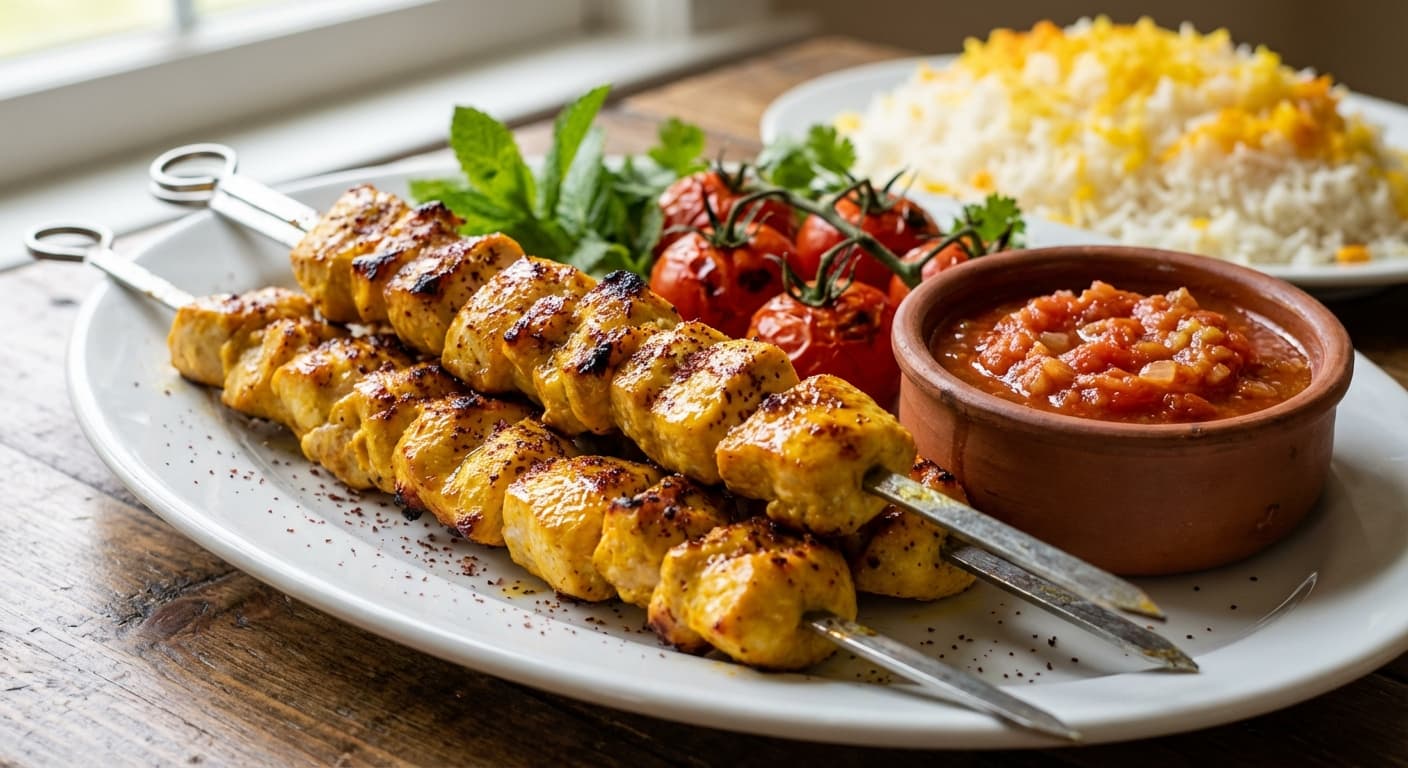
Jujeh Kabab (جوجه کباب) — Saffron-Turmeric Chicken with Rustic Tomato Sauce
Persian · Kebabs · 45 min
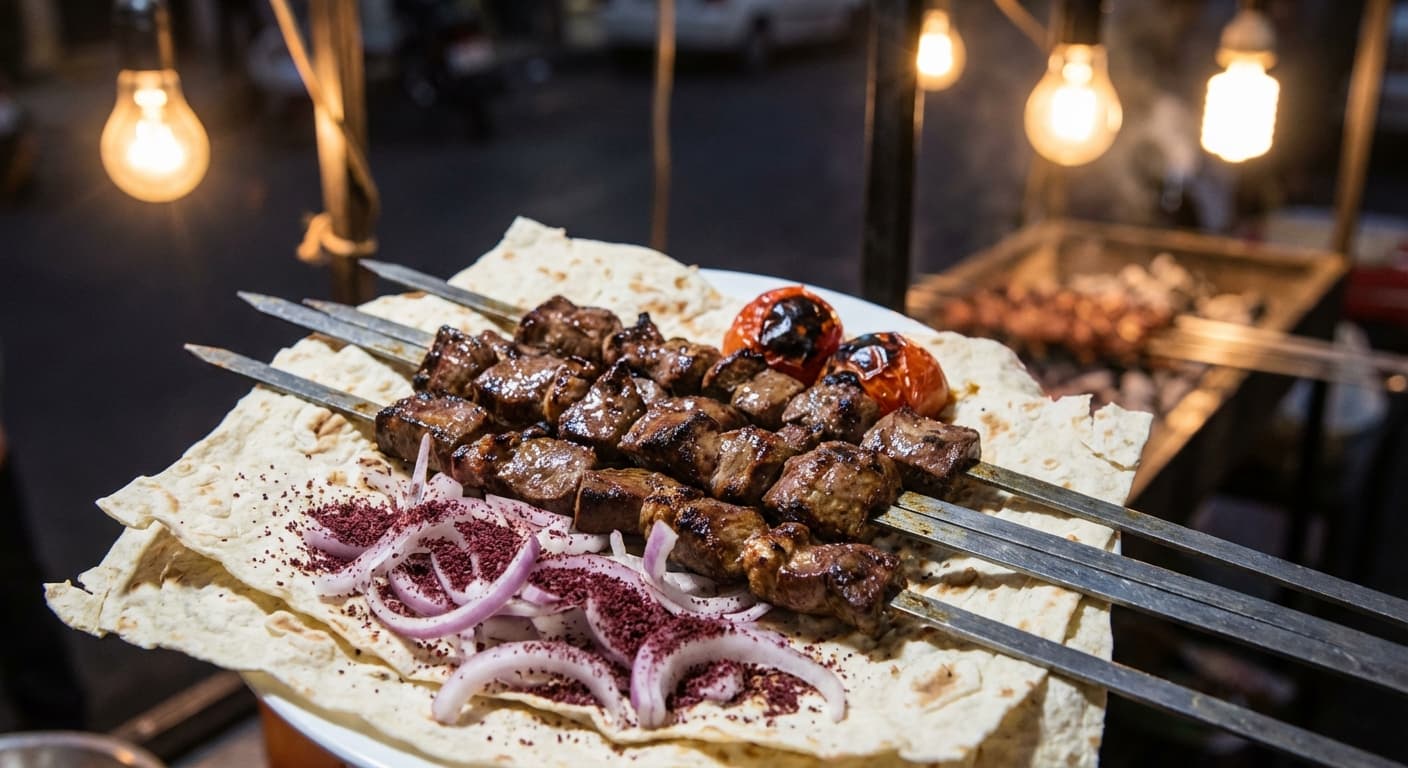
Jigar Kabab (جگر کباب) — Classic Persian Lamb Liver Skewers
Persian · Kebabs · 33 min
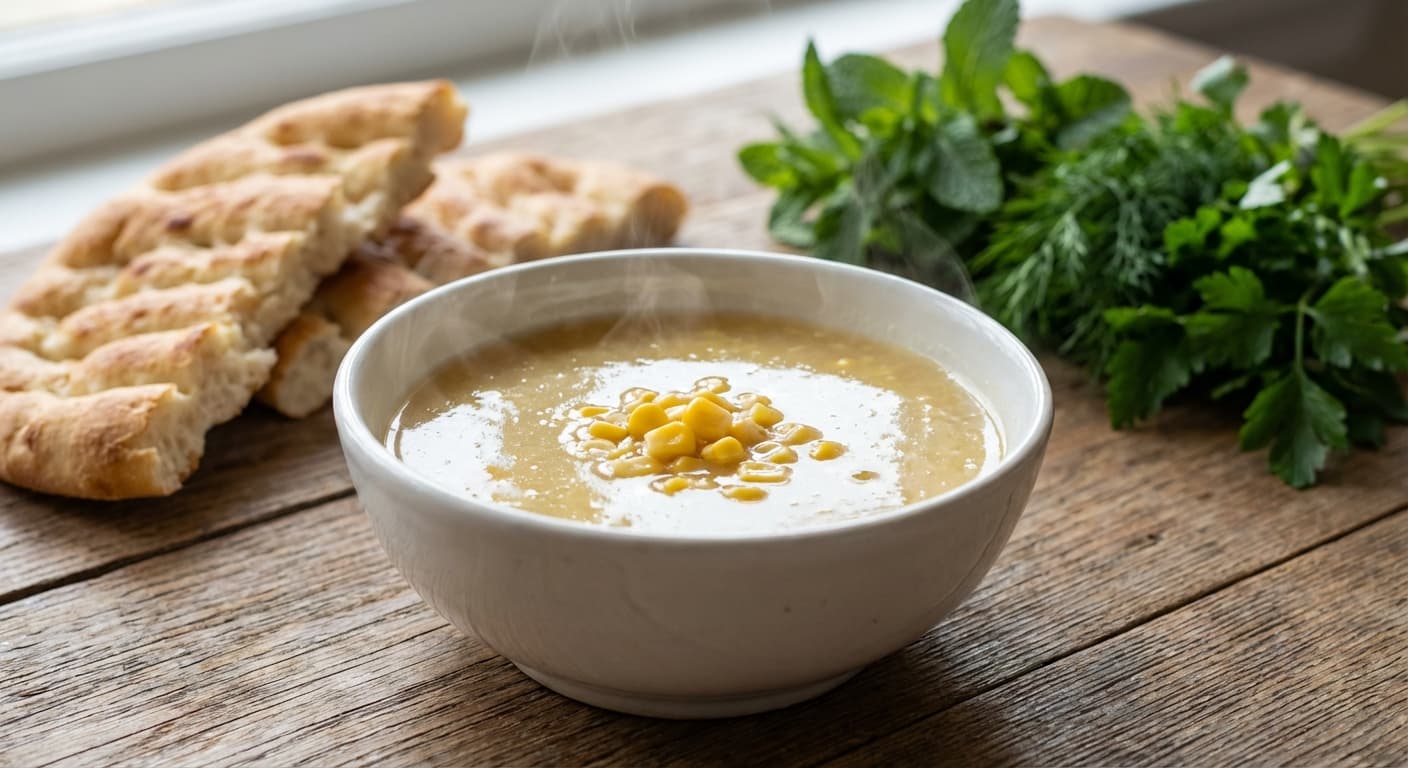
Persian Sweet Corn Soup (سوپ ذرت) — Silky Golden Comfort Soup
Persian · Soups · 50 min
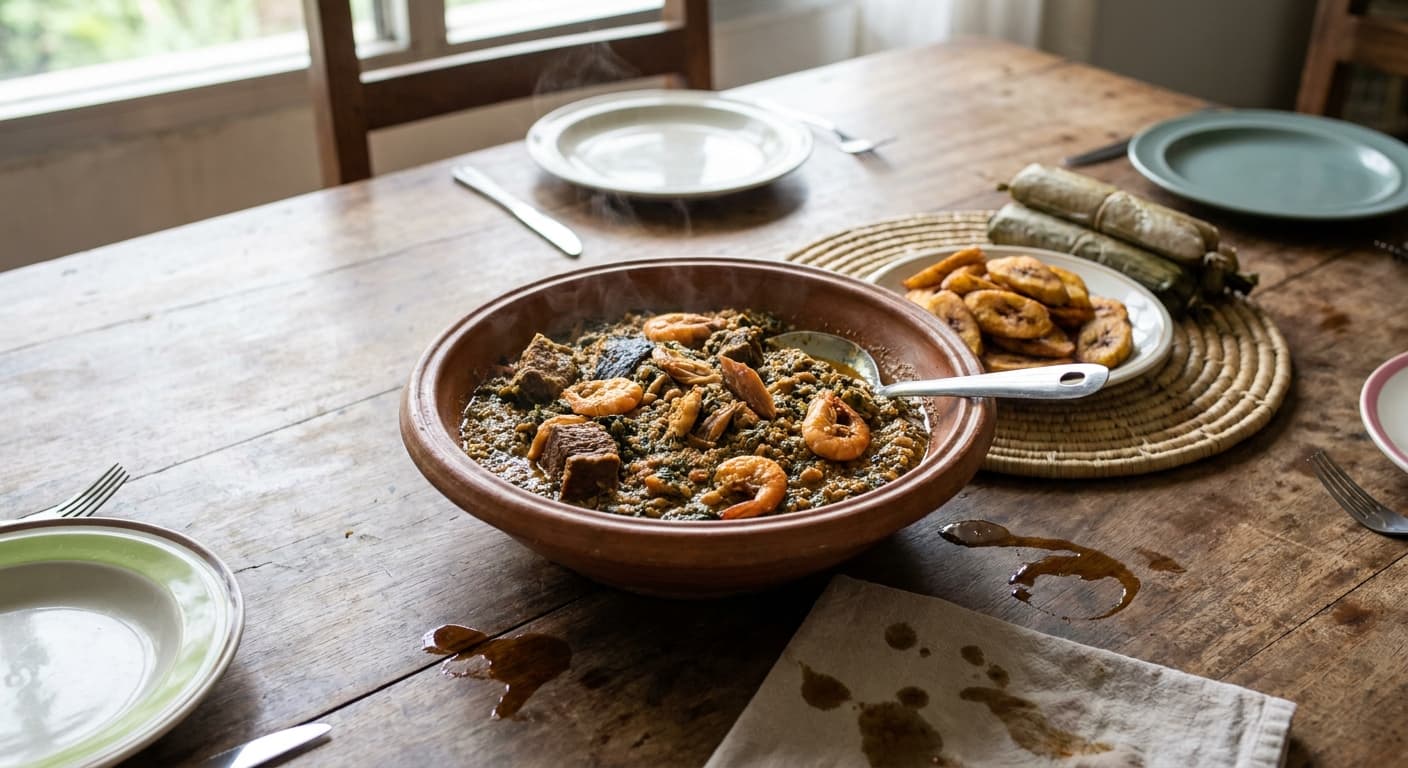
Cameroonian Ndolé (Ndolé) — Bitterleaf Peanut Stew with Beef and Seafood
West african · Stews · 140 min
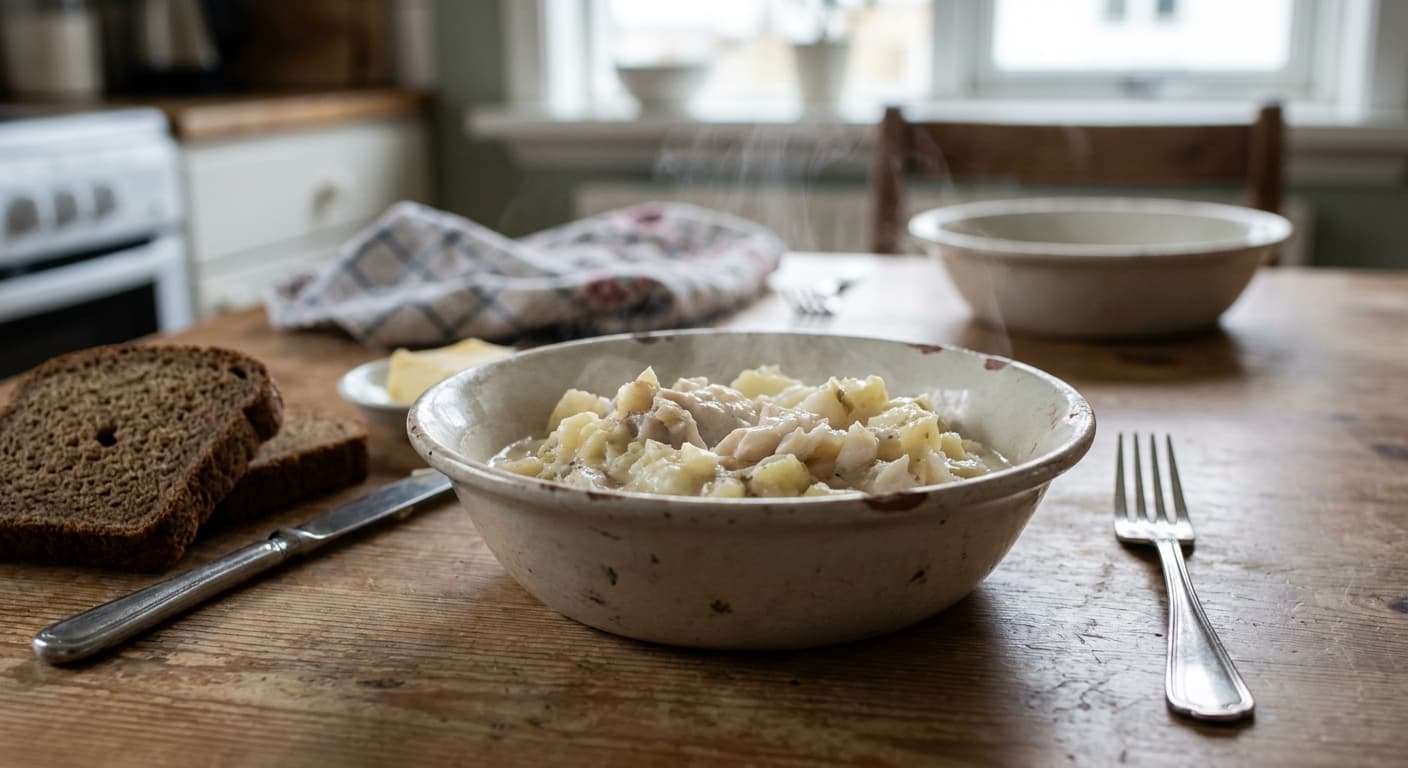
Icelandic Fish Stew (Plokkfiskur) — Creamy Cod and Potato Mash
Icelandic · Stews · 55 min
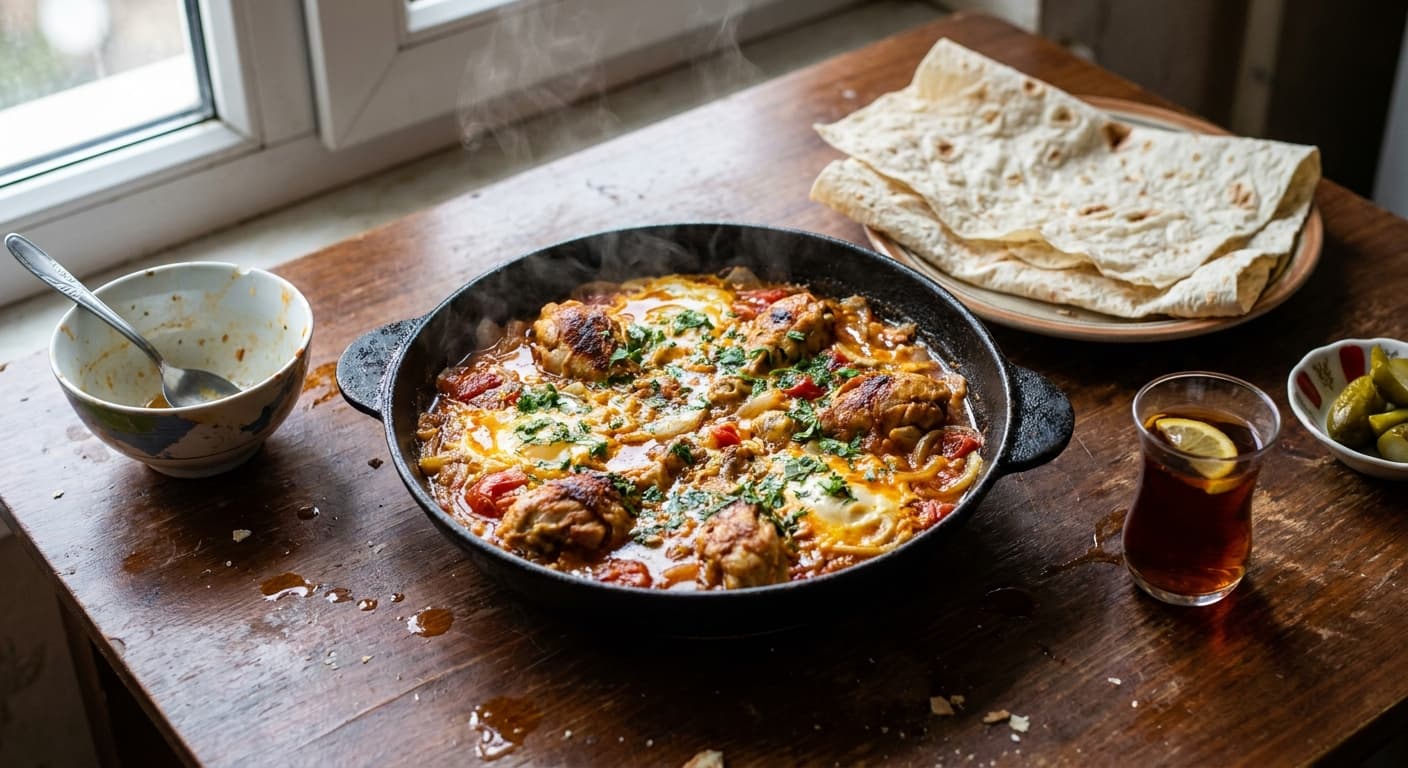
Chicken Chygyrtma (Toyuq Çığırtması) — Azerbaijani Chicken with Eggs and Tomatoes
Azerbaijani · Main Courses · 65 min
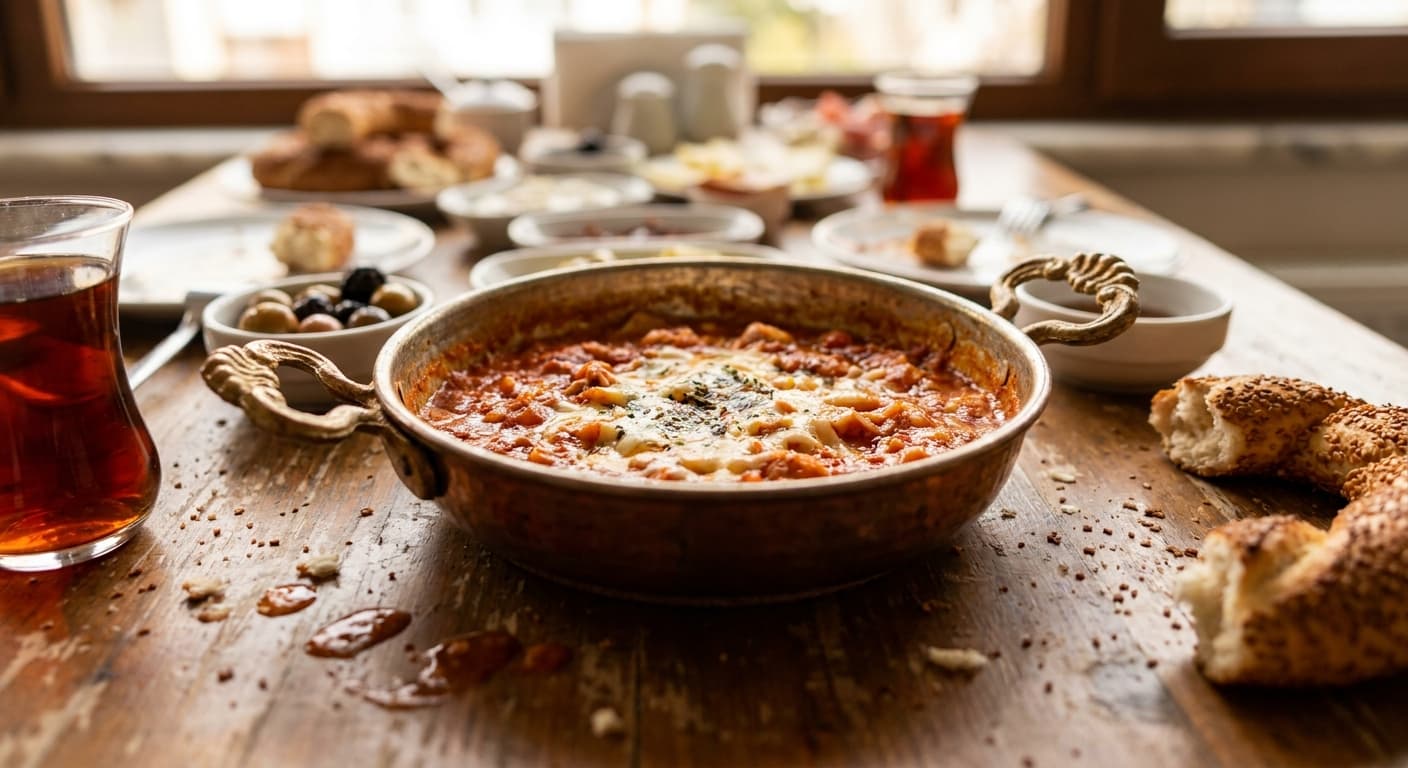
Turkish Menemen (Menemen) — Soft Eggs with Tomatoes and Peppers
Turkish · Main Courses · 37 min
Orromo (Оромо) — Kyrgyz Steamed Rolled Dumpling with Lamb and Pumpkin
Kyrgyz · Main Courses · 105 min
Reviews
Cooked this recipe?
Tap the stars to rate it — that's all it takes. A few words are welcome but optional.
No ratings yet. Cooked this one? Be the first to rate it — it takes one tap.