Khoresht-e Gol Kalam (خورش گلکلم) — | Persian Cauliflower Stew
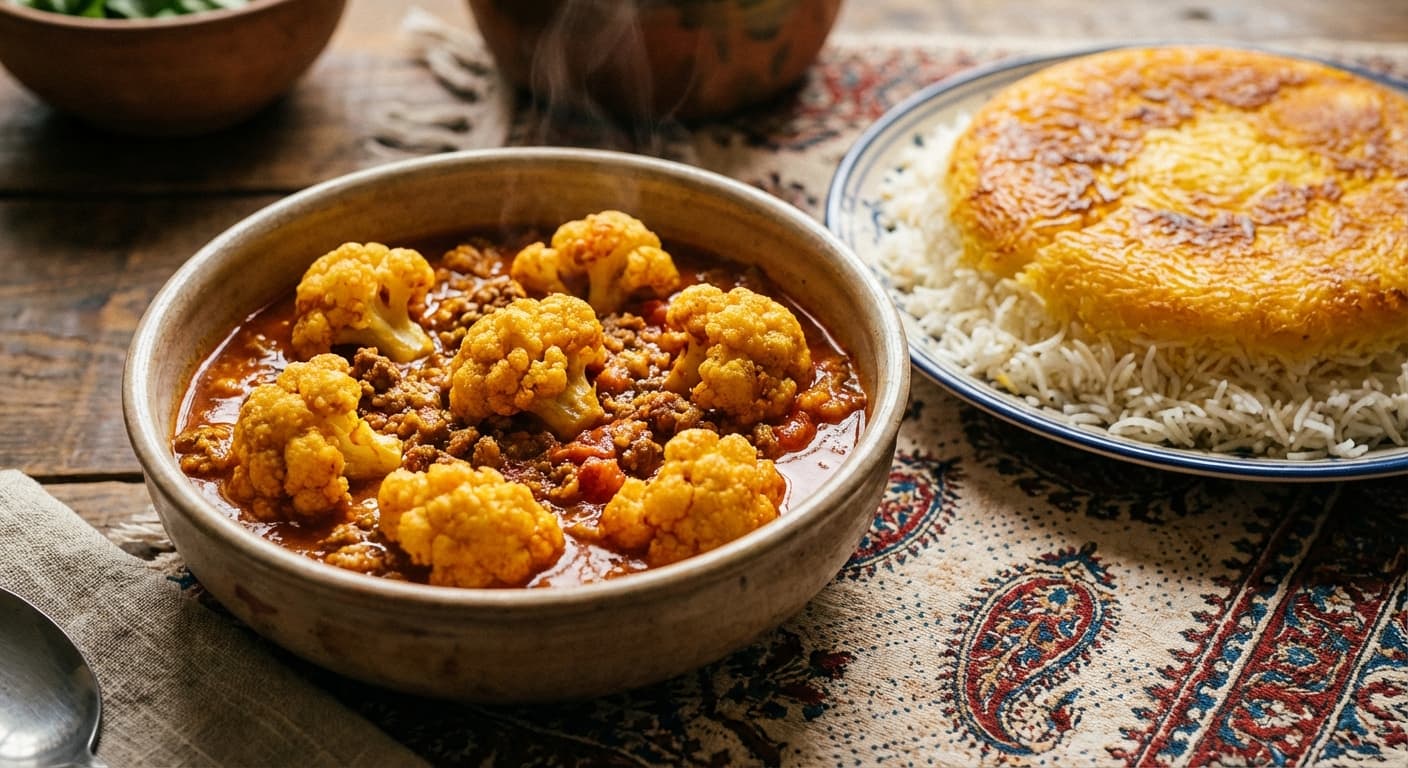
Khoresht-e Gol Kalam is a fragrant, home-style Iranian stew in which fried cauliflower is gently simmered in a saffron-infused, spiced tomato sauce. Its mild, slightly tangy flavor is especially delicious served over basmati rice.
Printable Recipe Card
Servings: 4 · Total: 100 min · Difficulty: medium
Ingredients (quick list)
- 60 ml Vegetable oil (divided for frying cauliflower and sautéing)
- 250 g Onion (finely diced)
- 350 g Ground meat (beef or lamb) (15–20% fat preferred for flavor)
- 1 tsp Black pepper (freshly ground)
- 1.5 tsp Turmeric
- 2 tsp Stew seasoning (Persian khoresh spice blend (typically cinnamon, cumin, coriander, dried lime powder))
- 45 g Tomato paste (about 3 tbsp)
- 720 ml Water (hot, plus more if needed)
- 700 g Cauliflower (cut into 4–5 cm florets, washed and thoroughly dried)
- 2.25 tsp Salt (divided, adjust to taste)
Steps (summary)
- Cut the cauliflower into 4–5 cm florets, then wash and dry very well (wet florets splatter and won’t brown). Heat 45 ml vegetab…
- In a heavy pot, heat the remaining 15 ml oil over medium heat. Add diced onion and cook 10–12 minutes, stirring often, until de…
- Add turmeric, black pepper, and the stew seasoning to the meat-onion mixture. Stir constantly for 60–90 seconds to bloom the sp…
- Pour in 720 ml hot water and stir to dissolve the tomato paste into a smooth sauce. Bring to a gentle boil over medium-high hea…
- Gently add the fried cauliflower florets and 1.75 tsp of the salt (reserve the rest for final adjustment). Return to a low simm…
- Taste and adjust with the remaining 0.5 tsp salt if needed. Simmer uncovered 5 minutes to concentrate the sauce to a spoon-coat…
Cultural Background
Khoresht-e Gol Kalam is one of Iran’s more home-cooked stews and is less commonly found in restaurants, often prepared during the colder seasons. Frying the cauliflower and letting the tomato-and-spice sauce fully “set” reflects the Iranian cooking ideal of a stew becoming well-developed and cohesive, creating a deeper, more balanced flavor.
Equipment
💡 Tips
- Dry cauliflower thoroughly before frying to prevent splattering and to achieve better browning.
- Frying the tomato paste until it darkens removes raw acidity and gives the stew a richer, more Persian-style flavor.
- Keep the simmer gentle; a hard boil breaks cauliflower and makes the sauce cloudy.
- If you prefer a lighter stew, shallow-fry the cauliflower in a wide pan and drain on a rack rather than paper towels.
⚠️ Common Mistakes
❌ Adding cauliflower without frying it first
💡 Why: Boiled-only cauliflower can taste flat and release water, thinning the sauce.
✅ Fix: Fry florets until lightly golden before simmering; it boosts sweetness and keeps texture.
❌ Boiling the stew aggressively
💡 Why: High heat breaks cauliflower and emulsifies fat into a cloudy sauce.
✅ Fix: Maintain a gentle simmer; use a heat diffuser if your stove runs hot.
❌ Not cooking tomato paste enough
💡 Why: Raw tomato paste tastes sharp and metallic, overpowering the spices.
✅ Fix: Sauté paste 2–3 minutes until darker and fragrant before adding water.
❌ Overstirring after adding cauliflower
💡 Why: Frequent stirring crushes florets and makes the stew mushy.
✅ Fix: Stir only once or twice gently, and shake the pot slightly to redistribute.
🧊 How to Store
Cool to room temperature within 2 hours, then refrigerate in an airtight container up to 4 days. Reheat gently on the stove over low heat with 30–60 ml water to loosen the sauce. Freeze up to 2 months; thaw overnight in the fridge and reheat slowly to keep cauliflower from falling apart.
📅 Make Ahead
Fry the cauliflower and cook the onion-meat-spice base up to 24 hours ahead; refrigerate separately. The next day, bring the sauce to a simmer, add cauliflower, and finish cooking 25–30 minutes for best texture.
🍽️ Pairs Well With
- Chelo (steamed basmati rice)
- Tahdig (crispy rice or lavash tahdig)
- Shirazi salad
- Torshi (Persian pickles)
Regional Variations
- Tehran (home-style)Often made with ground meat and a thicker tomato base; cauliflower is fried well for a deeper, slightly sweet edge and served with plenty of sauce over chelo.
- Azerbaijan (northwest Iran)Some households add more warm spices in the khoresh blend and cook the sauce a bit more concentrated; cauliflower may be browned darker for a nuttier flavor.
Ingredients
- 60 mlVegetable oil (divided for frying cauliflower and sautéing)
- 250 gOnion (finely diced)
- 350 gGround meat (beef or lamb) (15–20% fat preferred for flavor)
- 1 tspBlack pepper (freshly ground)
- 1.5 tspTurmeric
- 2 tspStew seasoning (Persian khoresh spice blend (typically cinnamon, cumin, coriander, dried lime powder))
- 45 gTomato paste (about 3 tbsp)
- 720 mlWater (hot, plus more if needed)
- 700 gCauliflower (cut into 4–5 cm florets, washed and thoroughly dried)
- 2.25 tspSalt (divided, adjust to taste)
🔄 Substitutions
- Ground meat (beef or lamb)→ Ground turkey (dark meat) or finely chopped mushrooms (250 g) for a meatless version
- Vegetable oil→ Grapeseed oil or sunflower oil
- Stew seasoning→ 1 tsp ground cumin + 1/2 tsp ground coriander + 1/4 tsp cinnamon
Instructions
- 1
Cut the cauliflower into 4–5 cm florets, then wash and dry very well (wet florets splatter and won’t brown). Heat 45 ml vegetable oil in a wide pan over medium-high heat (about 190°C surface heat). Fry florets in 2 batches for 6–8 minutes per batch until golden on edges. Transfer to a plate.
- 2
In a heavy pot, heat the remaining 15 ml oil over medium heat. Add diced onion and cook 10–12 minutes, stirring often, until deeply translucent and lightly golden. Add ground meat and break it up with a wooden spoon; cook 8–10 minutes until no pink remains and the meat begins to lightly brown.
- 3
Add turmeric, black pepper, and the stew seasoning to the meat-onion mixture. Stir constantly for 60–90 seconds to bloom the spices without burning. Add tomato paste and cook 2–3 minutes, stirring, until it darkens slightly and smells sweet rather than raw; this step builds the khoresh’s depth.
- 4
Pour in 720 ml hot water and stir to dissolve the tomato paste into a smooth sauce. Bring to a gentle boil over medium-high heat, then reduce to low so the stew barely simmers (small bubbles). Cover and cook 35 minutes, stirring once or twice, until the sauce thickens and the meat tastes fully cooked.
- 5
Gently add the fried cauliflower florets and 1.75 tsp of the salt (reserve the rest for final adjustment). Return to a low simmer, partially cover, and cook 25–30 minutes. Stir carefully only once or twice so florets stay intact; add 60–120 ml hot water if the sauce reduces too quickly.
- 6
Taste and adjust with the remaining 0.5 tsp salt if needed. Simmer uncovered 5 minutes to concentrate the sauce to a spoon-coating consistency. Turn off heat and rest the khoresh 10 minutes (covered) so flavors settle. Serve hot over steamed basmati rice, spooning extra sauce over the top.
🪪 Recipe Passport
Cultural Background
Khoresht-e Gol Kalam is one of Iran’s more home-cooked stews and is less commonly found in restaurants, often prepared during the colder seasons. Frying the cauliflower and letting the tomato-and-spice sauce fully “set” reflects the Iranian cooking ideal of a stew becoming well-developed and cohesive, creating a deeper, more balanced flavor.
Regional Variations
Researched from multiple sources and validated by the Zaffaron editorial team. Every recipe is tested for accuracy, measurements, and cultural authenticity.
Nutrition per serving
Pairs well with
If you enjoyed this recipe, here are a few related Zaffaron recipes to try next.
- Khoresht-e Joojeh, Ghooreh va Bademjan (خورشت جوجه، غوره و بادمجان) — Persian Chicken Stew with Unripe Grapes and Eggplant
- Khoresht Mast (خورشت ماست) — Isfahan-Style Yogurt Stew
- Khoreshte Aloo Ba Morgh (خورش آلو با مرغ) — Persian Chicken, Plum, and Split Pea Stew
- Kolbas Omelette Stack (کالباس املت) — Persian Deli-Style Sausage Omelette
Does your family make this differently?
Every family has their own version. Maybe your grandmother adds a secret ingredient, or your aunt has a completely different technique. Preserve your family's version — with their name on it, forever.
You Might Also Like
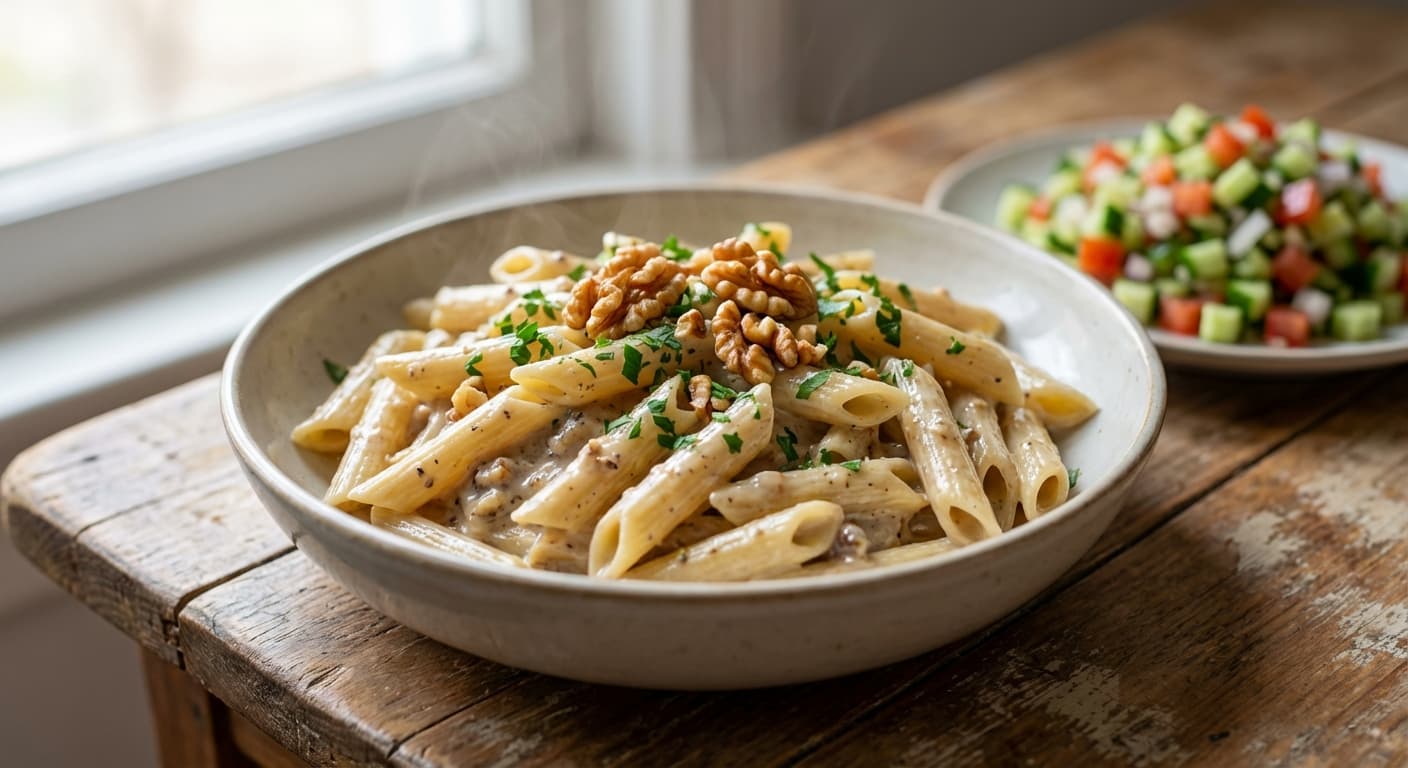
Pasta with Walnut Sauce (پاستا با سس گردو) — Creamy Persian Walnut-Yogurt Pasta
Persian · Main Courses · 35 min
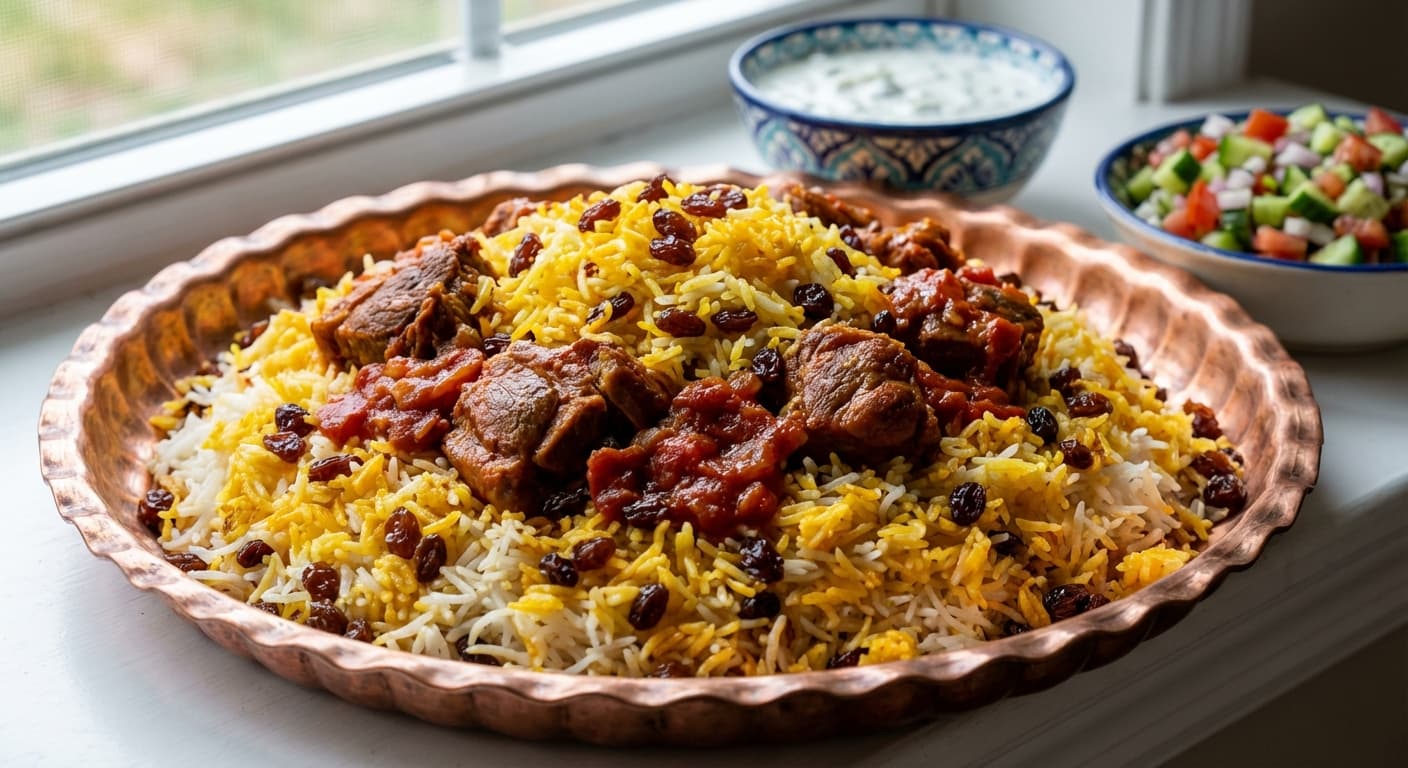
Kashmish Polow (کشمش پلو) — Persian Raisin Rice with Slow-Cooked Lamb
Persian · Rice Dishes · 155 min
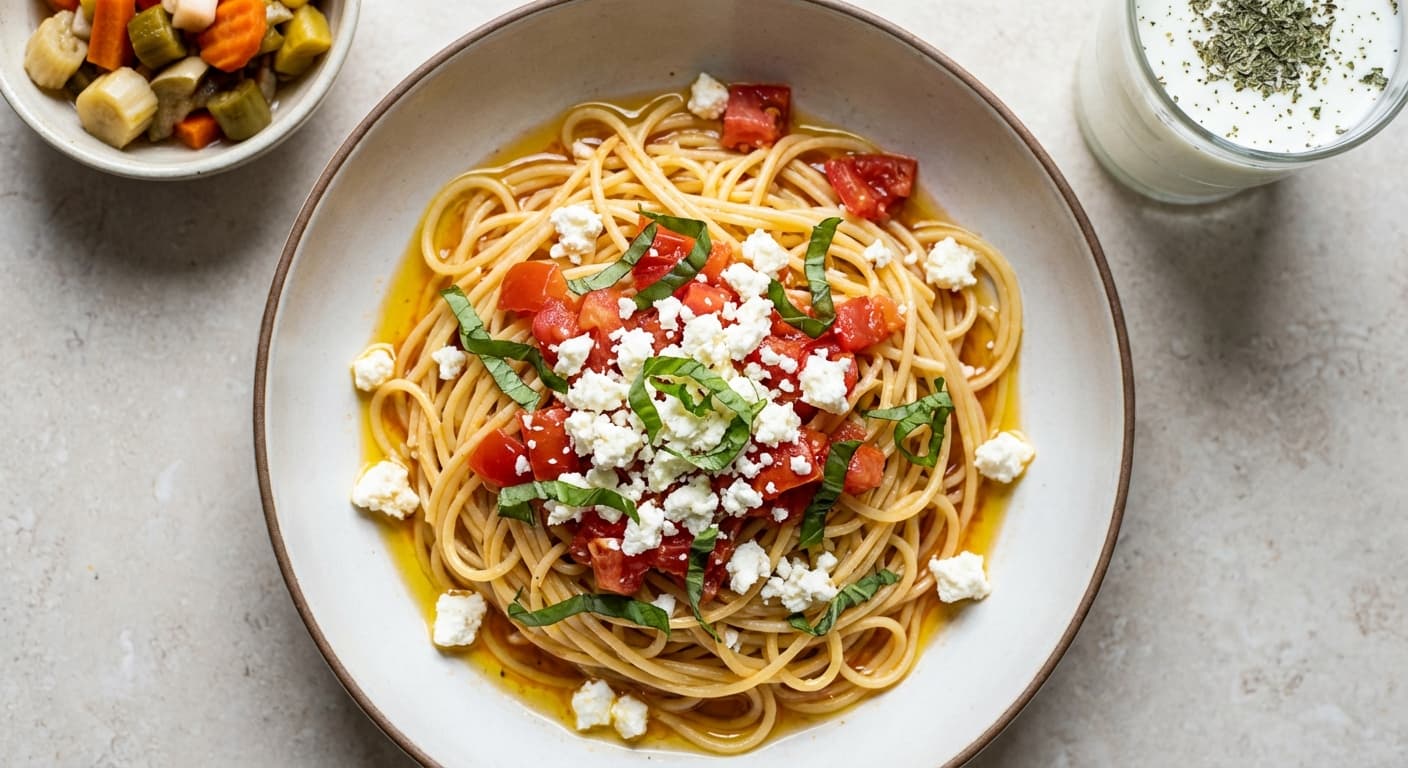
Pastay Paniri (پاستای پنیری) — Persian-Style Cheesy Pasta with Fresh Tomatoes
Persian · Main Courses · 27 min
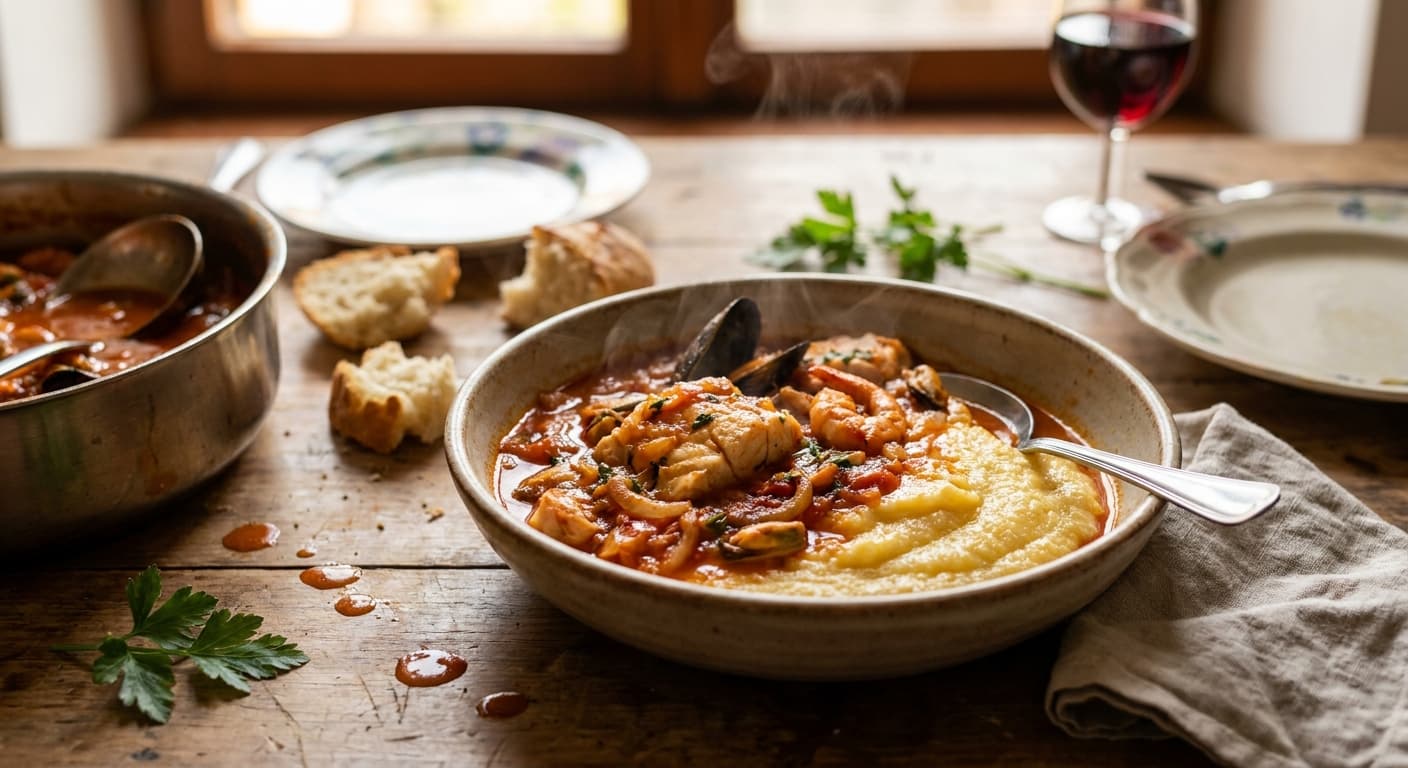
Brodet (Brodet) — Croatian Adriatic Fish Stew with Tomato and White Wine
Croatian · Stews · 70 min
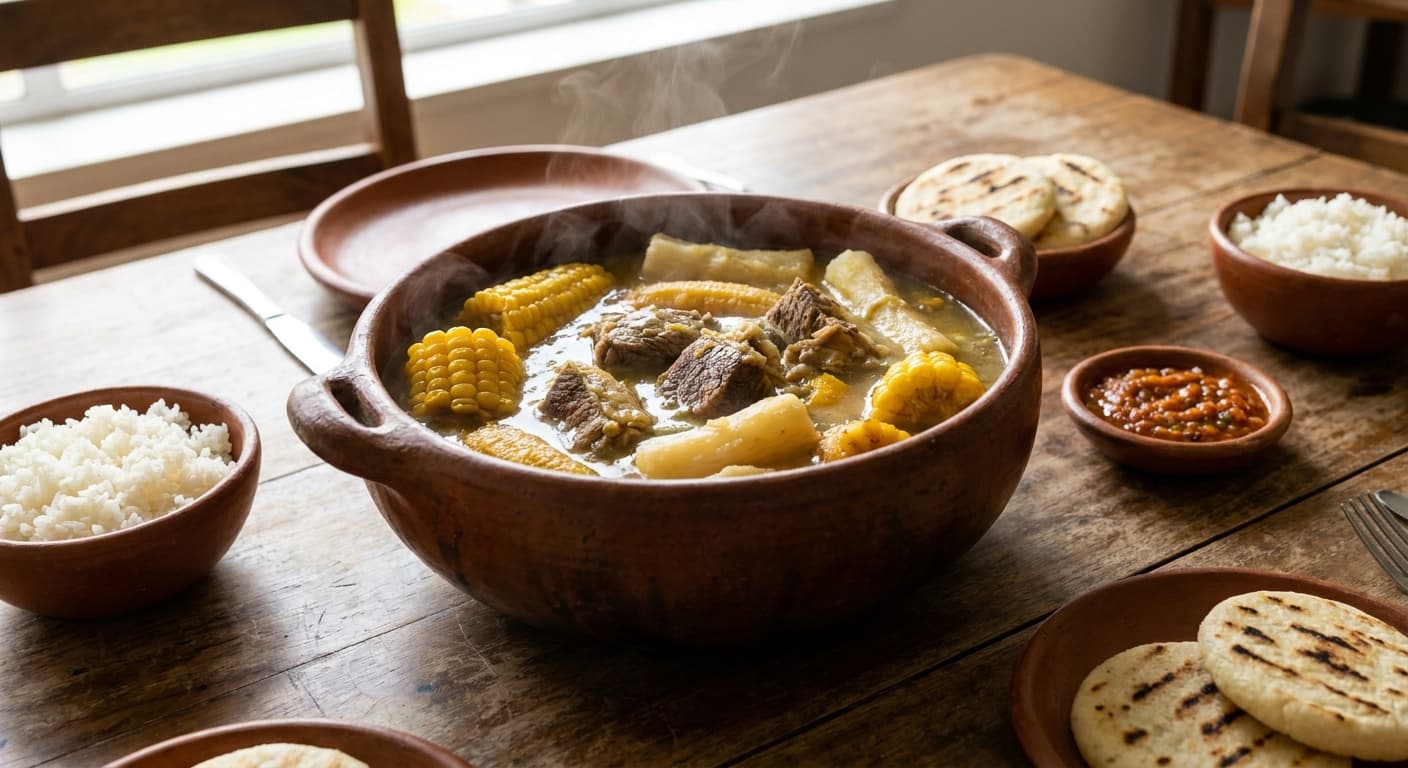
Colombian Sancocho (Sancocho Colombiano) — Hearty Three-Meat Root Vegetable Stew
Colombian · Stews · 170 min
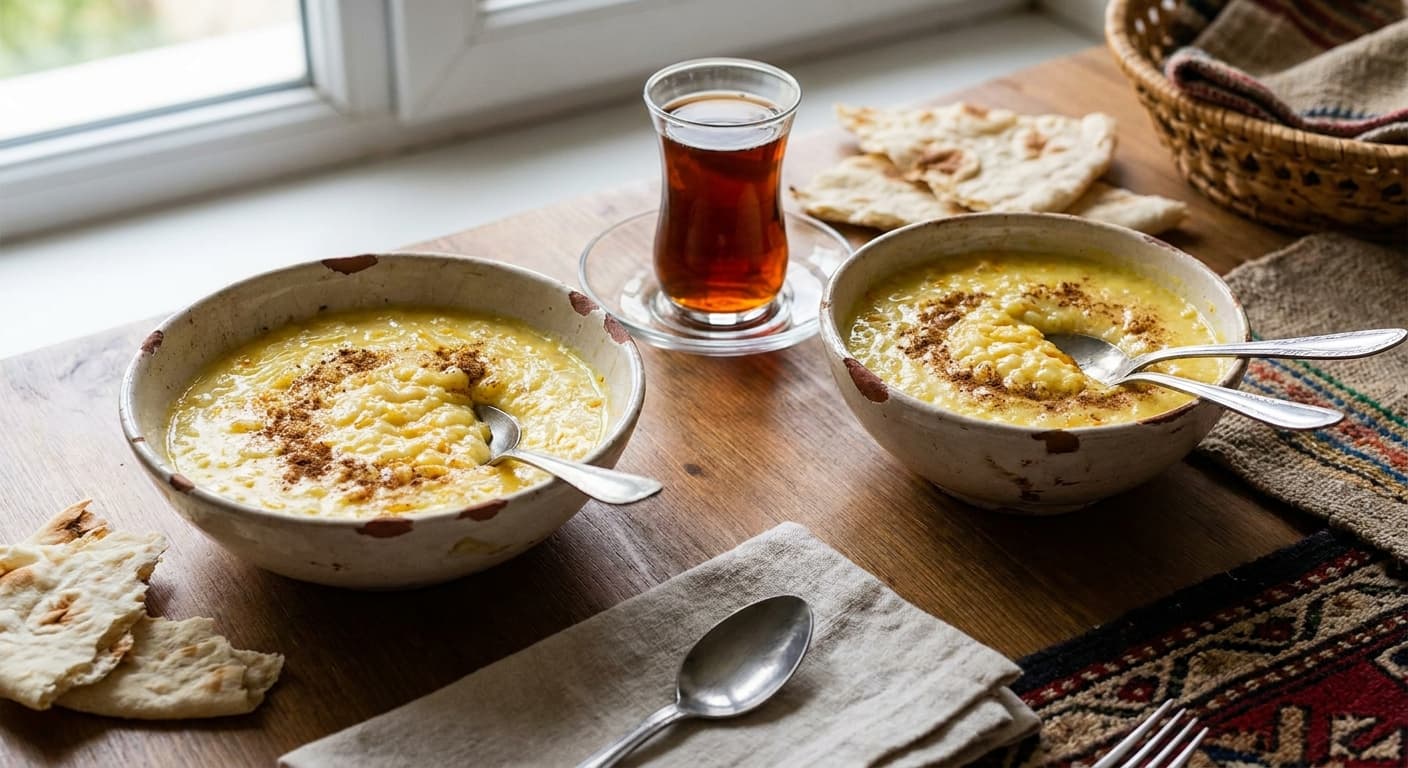
Azerbaijani Milk-Rice Porridge (Südlü Sıyıq) — Creamy Breakfast Rice with Saffron
Azerbaijani · Rice Dishes · 50 min
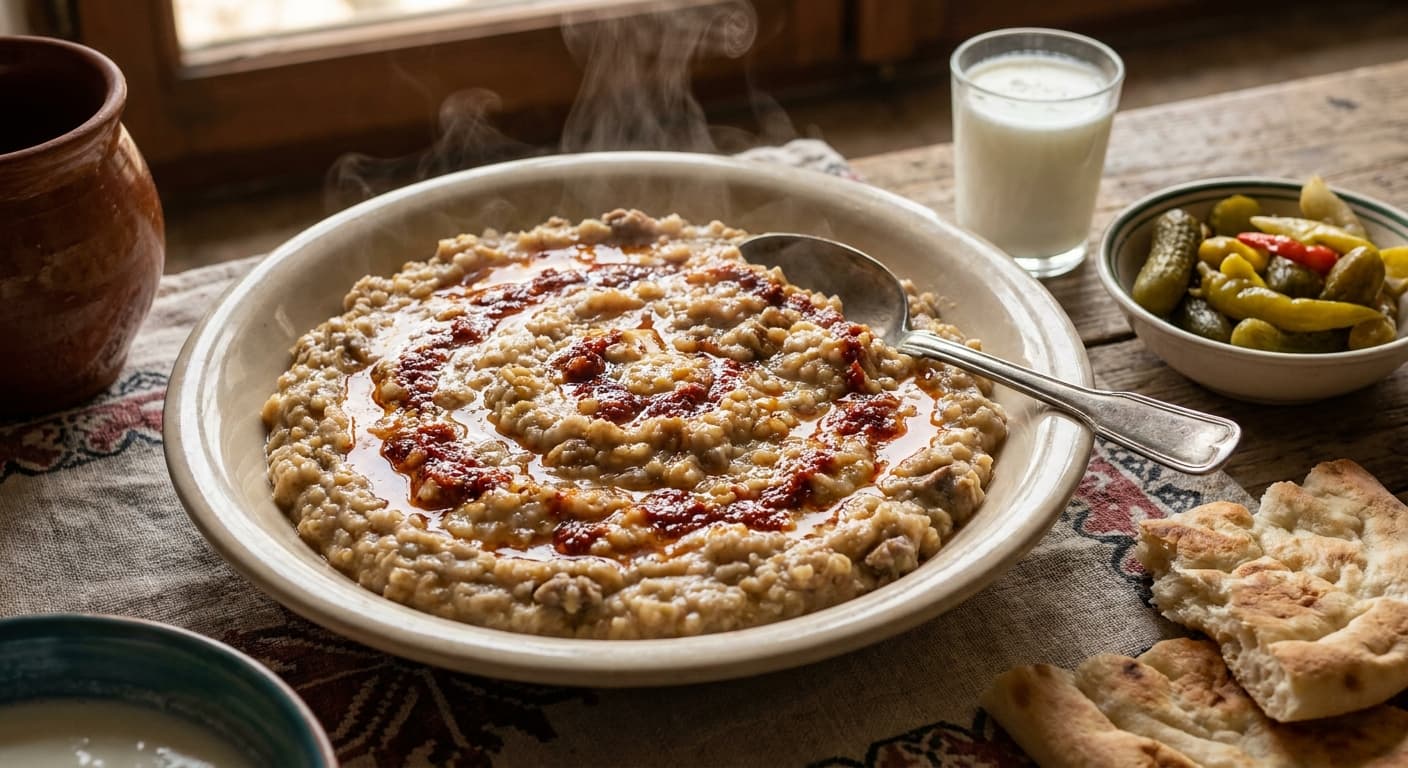
Keshkek (Keşkek) — Creamy Ceremonial Wheat and Lamb Stew
Turkish · Stews · 240 min
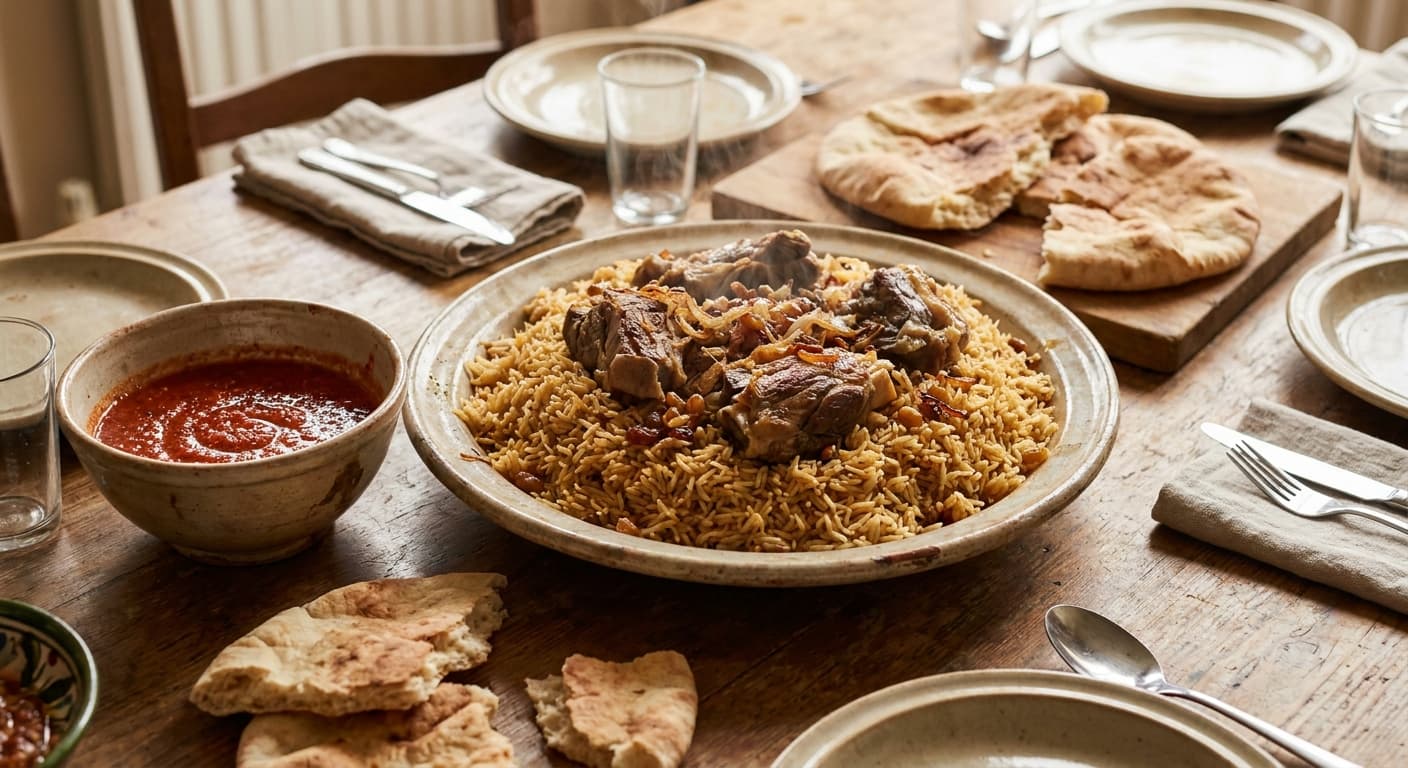
Yemeni Mandi (مندي) — Smoke-Scented Spiced Rice and Lamb
Yemeni · Main Courses · 170 min
Reviews
Cooked this recipe?
Tap the stars to rate it — that's all it takes. A few words are welcome but optional.
No ratings yet. Cooked this one? Be the first to rate it — it takes one tap.