Khoresht-e Torsheh Somagh (خورش ترشه سماق) | Northern Gilaki Sumac Chicken Stew
A Gilaki “torsh” stew from Iran’s Caspian north: chicken and red beans simmered with fried mixed herbs, verjuice, unripe grapes, and bold ground sumac for a bright, savory-sour finish.
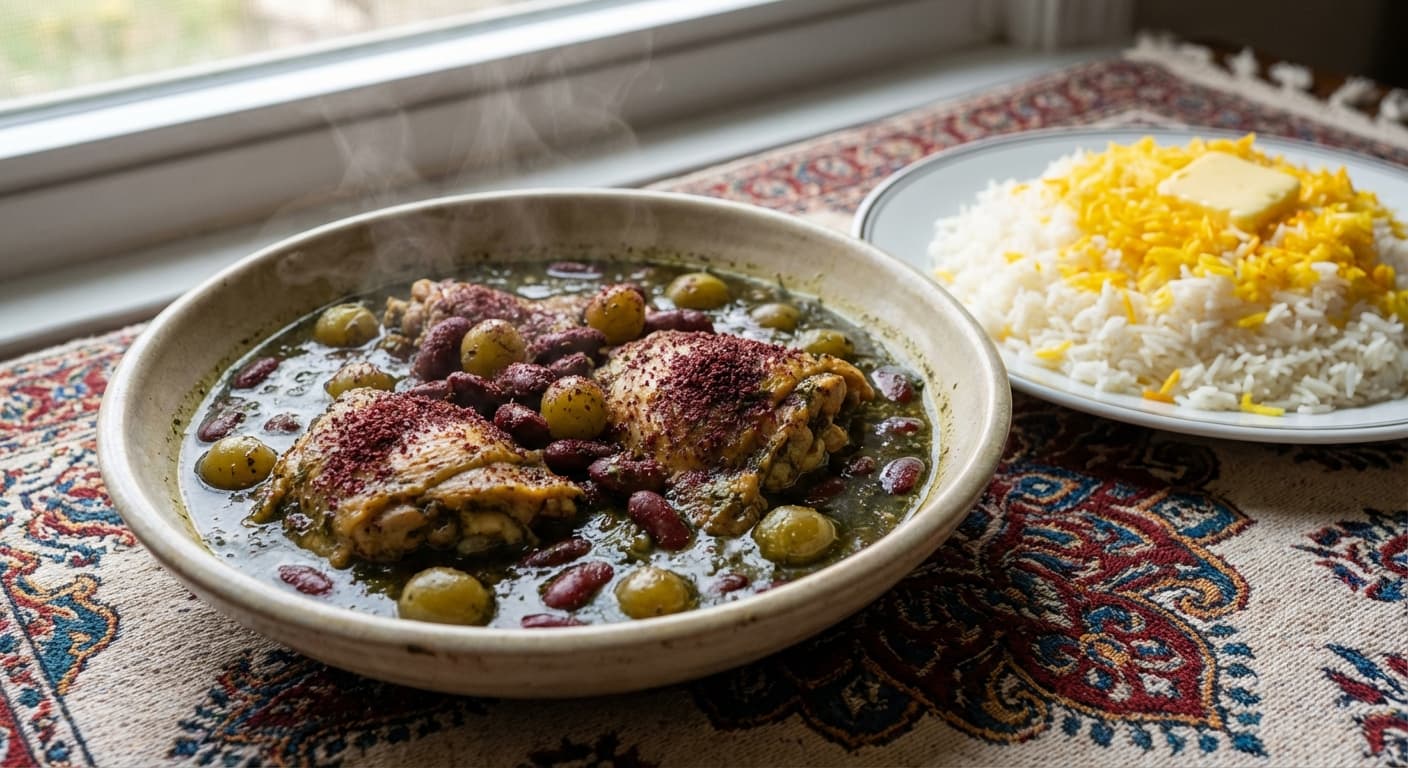
Printable Recipe Card
Servings: 6 · Total: 165 min · Difficulty: medium
Ingredients (quick list)
- 250 g Dried red kidney beans (rinsed; soak 12 hours, then drain)
- 1500 ml Water (for par-cooking beans)
- 1000 g Chicken thighs, bone-in skinless (6 pieces)
- 300 g Onion (finely diced)
- 60 ml Neutral oil (divided)
- 3 g Turmeric (about 1 1/2 tsp)
- 4 g Garlic powder (about 1 1/2 tsp)
- 10 g Fine sea salt (about 1 3/4 tsp, plus more to taste)
- 2 g Black pepper (about 1 tsp)
- 120 g Fresh parsley leaves (finely chopped and well-dried)
- 80 g Fresh cilantro leaves (finely chopped and well-dried)
- 40 g Fresh chives (finely chopped and well-dried)
+ 5 more in the full ingredients section below.
Steps (summary)
- Soak the kidney beans in 1,000 ml cool water for 12 hours at room temperature, changing the water once halfway through. Drain a…
- While beans cook, prepare herbs: wash, spin, and spread on towels 20 minutes until very dry (wet herbs splatter and steam inste…
- In a wide pan over medium heat, warm 45 ml oil. Add the chopped herbs and fry 12–15 minutes, stirring every 1 minute, until dee…
- In a heavy stew pot over medium-high heat, heat 60 ml oil. Add diced onion and sauté 10–12 minutes until golden. Add turmeric a…
- Add the par-cooked beans (drained) and the fried herb mixture to the pot. Pour in 600 ml hot water, scraping the bottom to rele…
- Stir in 18 g ground sumac and simmer uncovered 10 minutes to infuse. Add verjuice and unripe grapes, then simmer 10–15 minutes…
Cultural Background
Torsh stews are a hallmark of Gilaki cooking, reflecting the Caspian region’s love of souring agents like verjuice and unripe grapes. Khoresht-e Torsheh Somagh showcases the northern technique of frying fresh herbs to build depth, then balancing them with bright, citrusy sumac.
Equipment
💡 Tips
- Dry the herbs thoroughly before frying; moisture prevents proper frying and dulls the stew’s flavor.
- Add verjuice near the end so the acidity stays fresh and doesn’t turn bitter with long boiling.
- If using very young ghooreh (extra tart), start with 80 ml verjuice and increase after tasting.
- For a thicker stew, simmer uncovered the last 15 minutes; for looser, add 60–120 ml hot water.
⚠️ Common Mistakes
❌ Adding verjuice at the beginning and boiling hard
💡 Why: Long, aggressive boiling dulls acidity and can create a harsh, bitter sourness
✅ Fix: Simmer gently and add verjuice in the last 15–20 minutes; adjust after resting 10 minutes
❌ Under-frying or over-burning the herbs
💡 Why: Under-fried herbs taste raw and grassy; burnt herbs turn the stew bitter and dark
✅ Fix: Fry 12–15 minutes on medium, stirring often, until deep green and aromatic—lower heat if browning
❌ Cooking beans entirely in the stew from dry
💡 Why: Beans may stay tough in acidic environments and the chicken can overcook while beans soften
✅ Fix: Soak and par-cook beans first, then finish cooking them in the stew after the souring step is close
❌ Letting the stew boil rapidly
💡 Why: Fast boiling toughens chicken and breaks beans, making the broth muddy
✅ Fix: Keep a gentle simmer (small bubbles) and stir carefully, especially after adding beans
🧊 How to Store
Cool completely, then refrigerate in an airtight container up to 4 days. Reheat gently over low heat with 60–120 ml water to loosen. Freeze up to 2 months; thaw overnight in the fridge and reheat slowly to preserve the herbs’ aroma.
📅 Make Ahead
Soak beans up to 24 hours ahead (refrigerated after 12 hours). Chop herbs 1 day ahead and refrigerate tightly covered; fry herbs up to 2 days ahead and refrigerate. The finished stew tastes best the next day after flavors meld; reheat gently before serving.
🍽️ Pairs Well With
- Persian steamed rice (chelow) or kateh
- Torshi (pickled vegetables)
- Fresh herbs (sabzi khordan) and radishes
- Plain yogurt (mast) on the side (optional)
Regional Variations
- Gilan (Rasht-style)Heavier on fried herbs and more assertively sour, often finishing with extra sumac and a slightly thicker, darker broth from longer herb frying.
- MazandaranOften includes more ghooreh and a lighter herb ratio; the stew can be looser and served with kateh rice typical of the region.
Ingredients
- 250 gDried red kidney beans (rinsed; soak 12 hours, then drain)
- 1500 mlWater (for par-cooking beans)
- 1000 gChicken thighs, bone-in skinless (6 pieces)
- 300 gOnion (finely diced)
- 60 mlNeutral oil (divided)
- 3 gTurmeric (about 1 1/2 tsp)
- 4 gGarlic powder (about 1 1/2 tsp)
- 10 gFine sea salt (about 1 3/4 tsp, plus more to taste)
- 2 gBlack pepper (about 1 tsp)
- 120 gFresh parsley leaves (finely chopped and well-dried)
- 80 gFresh cilantro leaves (finely chopped and well-dried)
- 40 gFresh chives (finely chopped and well-dried)
- 20 gFresh fenugreek leaves (finely chopped; use less if very bitter)
- 18 gGround sumac (about 2 tbsp, plus 1 tsp to finish)
- 120 mlVerjuice (ab-ghooreh) (adjust to taste)
- 150 gUnripe grapes (ghooreh) (rinsed; stems removed)
- 600 mlHot water (for stew simmering, add as needed)
🔄 Substitutions
- Unripe grapes (ghooreh) 150 g→ Seedless green grapes 120 g + verjuice increased by 30 ml
- Fresh fenugreek leaves 20 g→ Dried fenugreek (shanbalileh) 2 g
- Chicken thighs, bone-in 1000 g→ Chicken drumsticks 1100 g
Instructions
- 1
Soak the kidney beans in 1,000 ml cool water for 12 hours at room temperature, changing the water once halfway through. Drain and rinse. In a pot, add beans and 1,500 ml fresh water, bring to a boil over high heat, then simmer 35 minutes until just tender but not creamy.
- 2
While beans cook, prepare herbs: wash, spin, and spread on towels 20 minutes until very dry (wet herbs splatter and steam instead of frying). Finely chop parsley, cilantro, chives, and fenugreek. Keep each herb mixed together in one bowl so they fry evenly and build the classic Gilaki herbal base.
- 3
In a wide pan over medium heat, warm 45 ml oil. Add the chopped herbs and fry 12–15 minutes, stirring every 1 minute, until deep green and aromatic with reduced moisture (not burnt). Lower heat if browning too fast. Remove to a plate; this fried-herb step is key to northern ‘torsh’ stews.
- 4
In a heavy stew pot over medium-high heat, heat 60 ml oil. Add diced onion and sauté 10–12 minutes until golden. Add turmeric and garlic powder; cook 60 seconds to bloom. Add chicken thighs, salt, and black pepper; brown 3–4 minutes per side until lightly caramelized for deeper flavor.
- 5
Add the par-cooked beans (drained) and the fried herb mixture to the pot. Pour in 600 ml hot water, scraping the bottom to release browned bits. Bring to a gentle boil, then reduce to low, cover, and simmer 60 minutes, turning chicken once at 30 minutes, until chicken is tender and beans are fully cooked.
- 6
Stir in 18 g ground sumac and simmer uncovered 10 minutes to infuse. Add verjuice and unripe grapes, then simmer 10–15 minutes more on low until the stew tastes balanced—bright and sour but not harsh. Rest off heat 10 minutes, then finish with 1 tsp extra sumac and adjust salt.
🪪 Recipe Passport
Cultural Background
Torsh stews are a hallmark of Gilaki cooking, reflecting the Caspian region’s love of souring agents like verjuice and unripe grapes. Khoresht-e Torsheh Somagh showcases the northern technique of frying fresh herbs to build depth, then balancing them with bright, citrusy sumac.
Regional Variations
Researched from multiple sources and validated by the Zaffaron editorial team. Every recipe is tested for accuracy, measurements, and cultural authenticity.
Nutrition per serving
Pairs well with
If you enjoyed this recipe, here are a few related Zaffaron recipes to try next.
Does your family make this differently?
Every family has their own version. Maybe your grandmother adds a secret ingredient, or your aunt has a completely different technique. Preserve your family's version — with their name on it, forever.
You Might Also Like
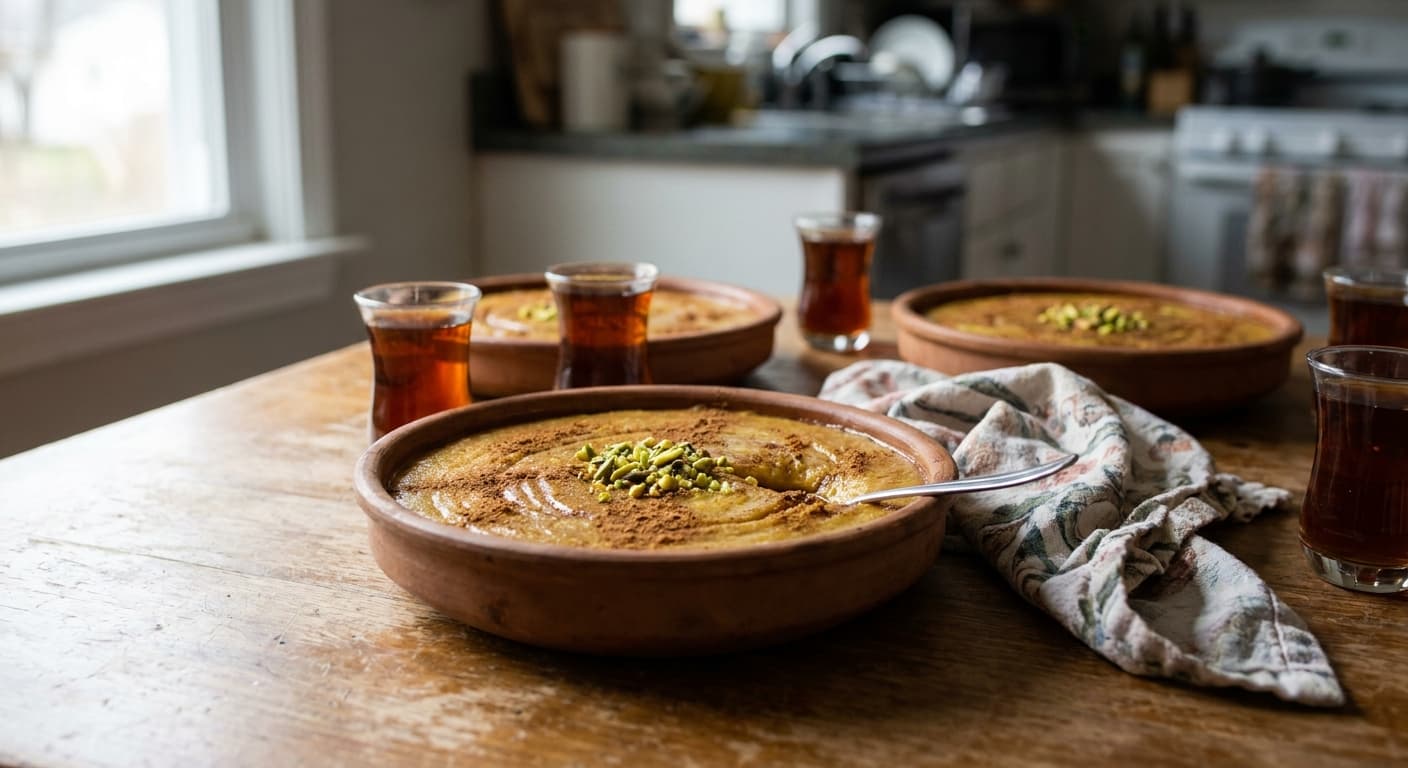
Persian Kachi (کاچی) — Saffron Rosewater Pudding
Persian · Desserts · 45 min
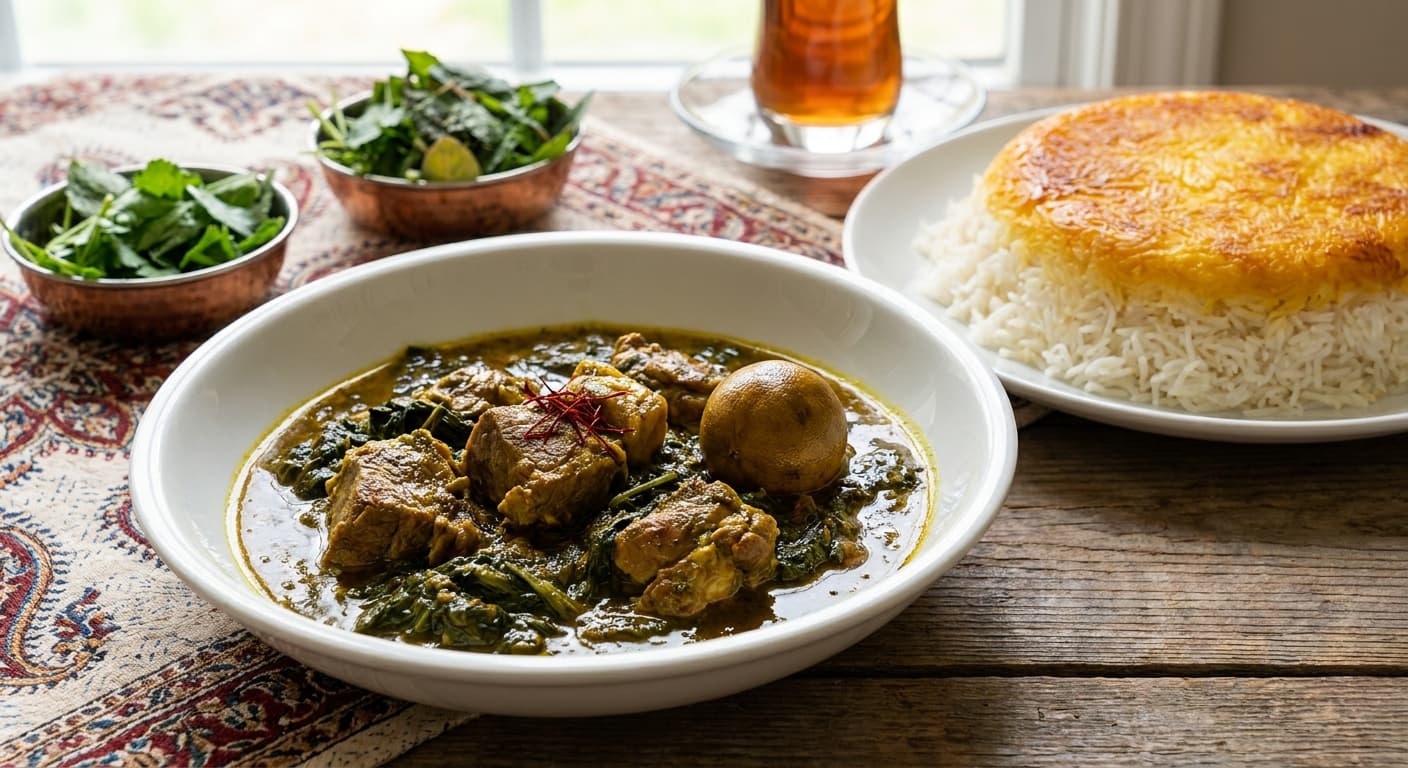
Persian Khoresht Saak (خورش ساک) — Saffron-Cardamom Lamb Stew with Saak Greens
Persian · Stews · 145 min
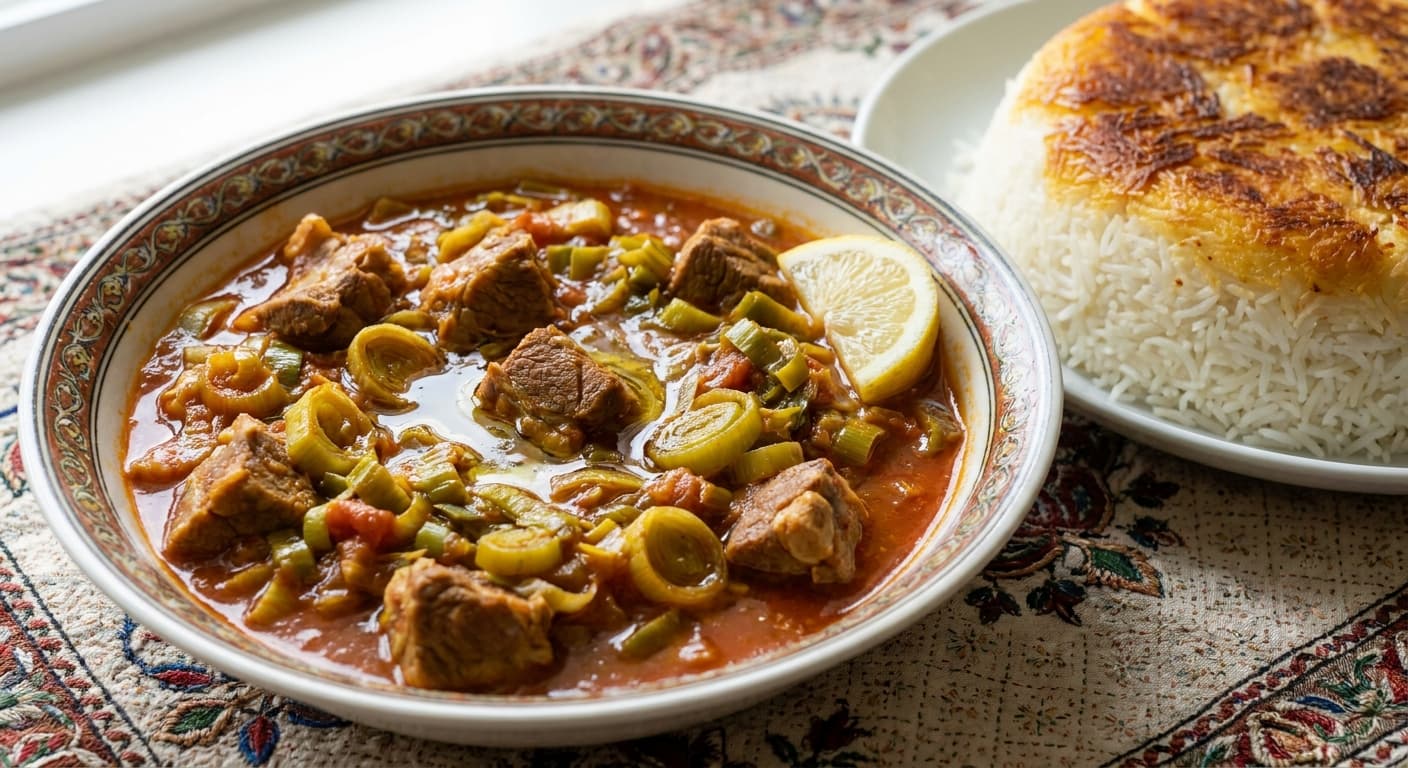
Khoresh Tareh Farangi (خورش تره فرنگی) — Persian Leek and Lamb Stew
Persian · Stews · 130 min
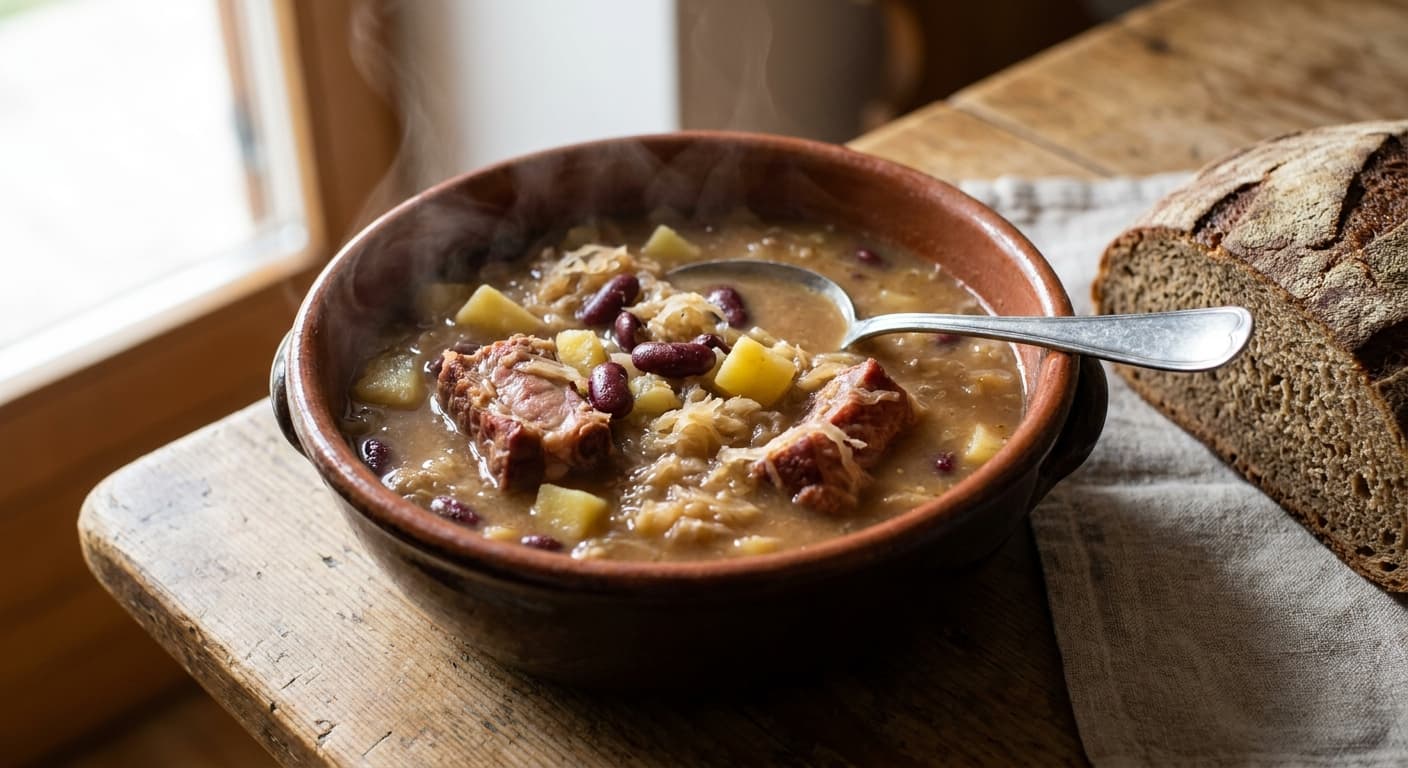
Slovenian Jota (Jota) — Sauerkraut, Bean, and Smoked Pork Stew
Slovenian · Stews · 150 min
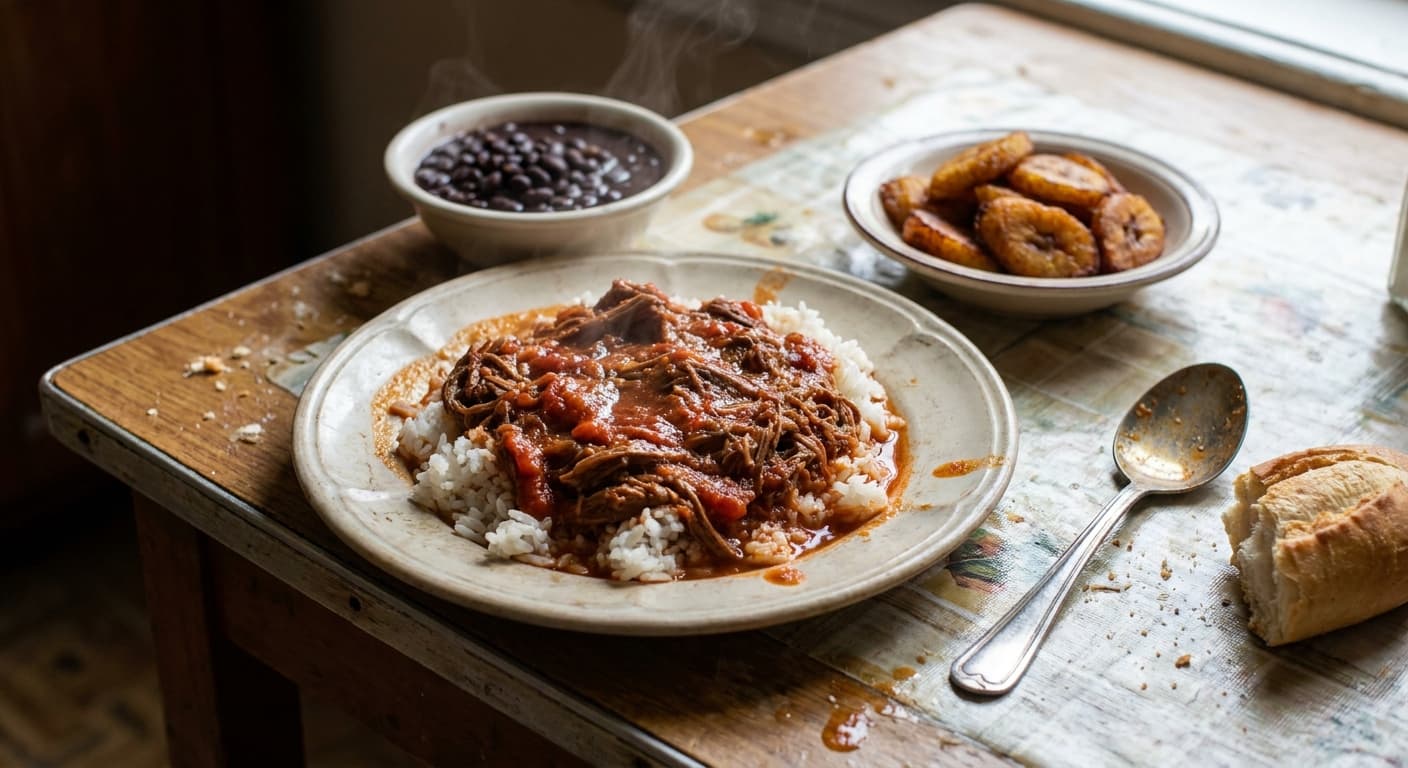
Cuban Ropa Vieja (Ropa Vieja) — Shredded Beef in Tomato-Pepper Sauce
Cuban · Stews · 190 min
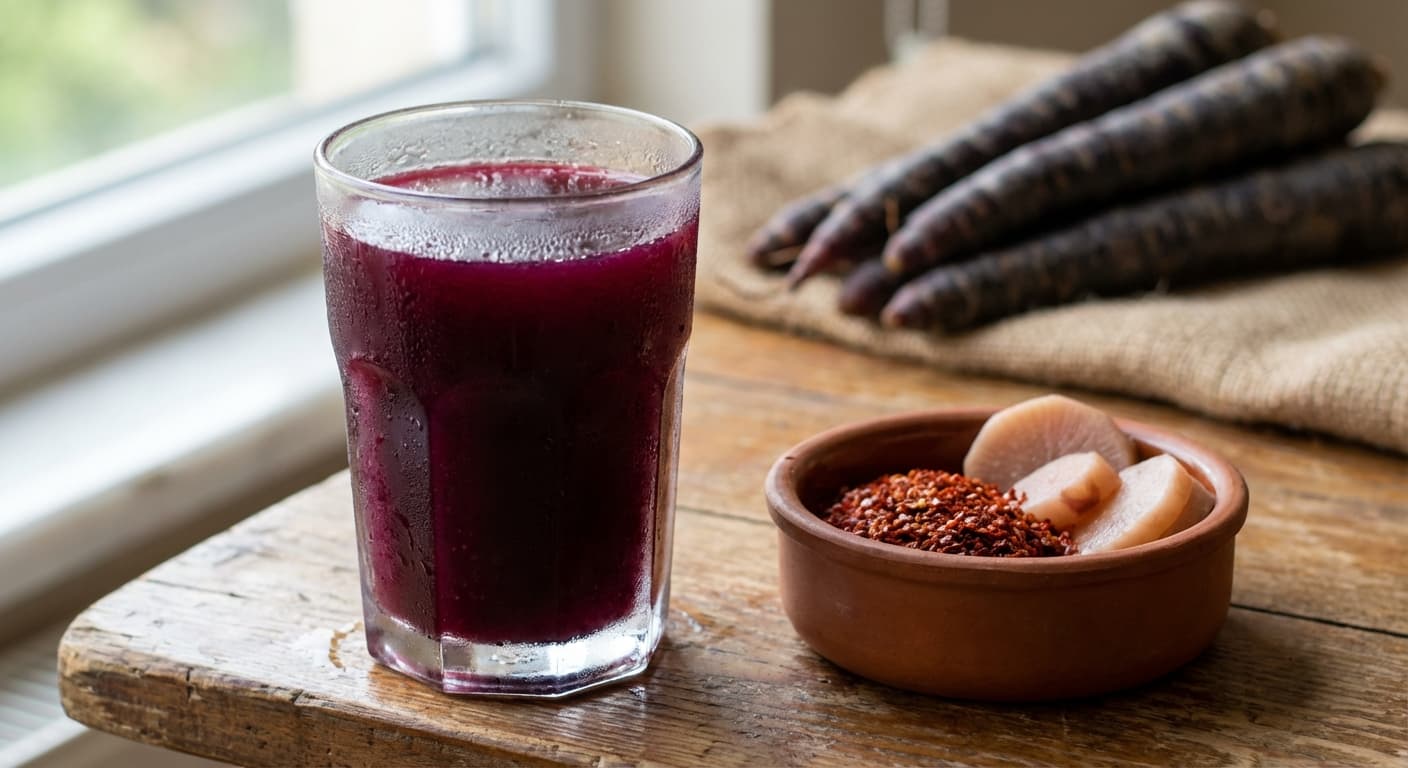
Salgam Juice (Şalgam) — Spicy, tangy fermented black-carrot drink
Turkish · Drinks · 25 min
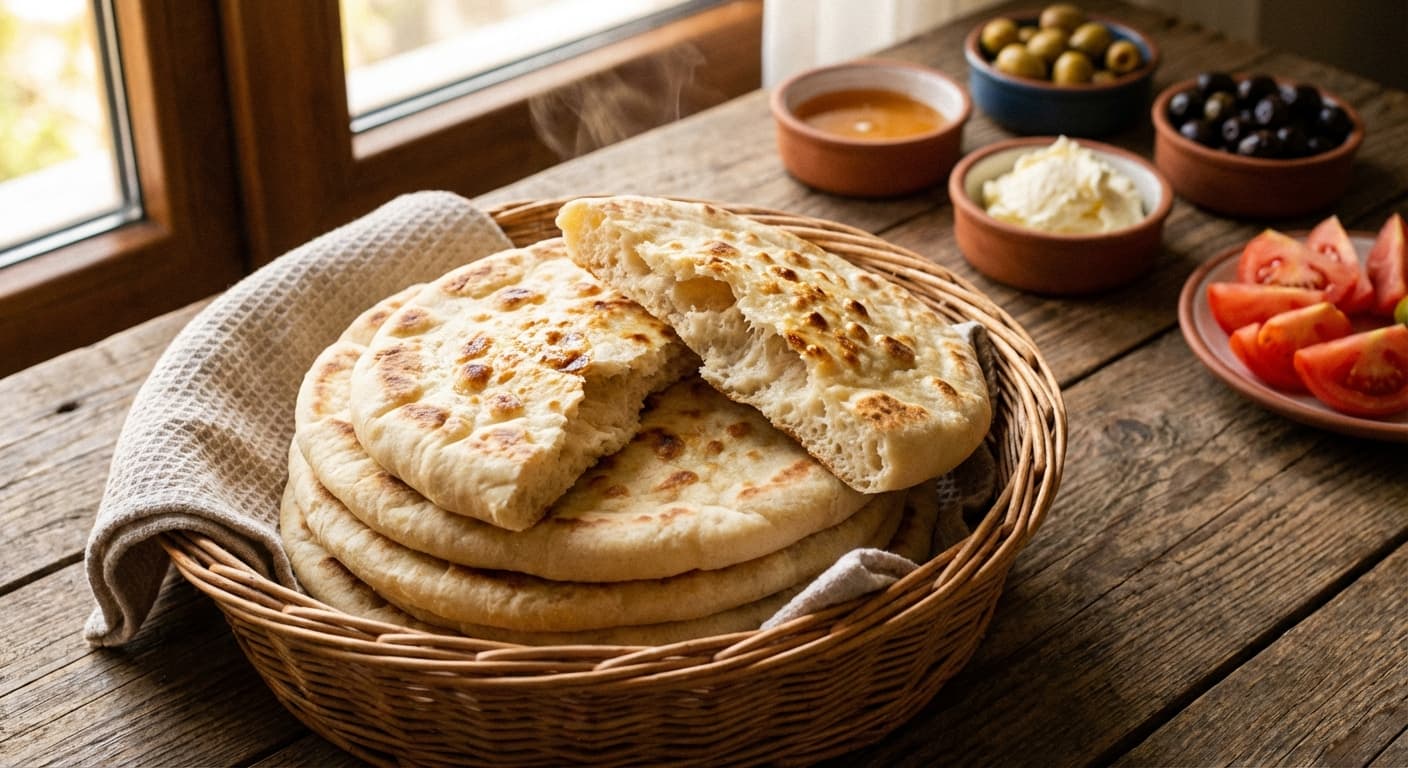
Bazlama (بازلاما) — Puffy Turkish Village Flatbread Cooked on a Saj
Turkish · Breads · 38 min
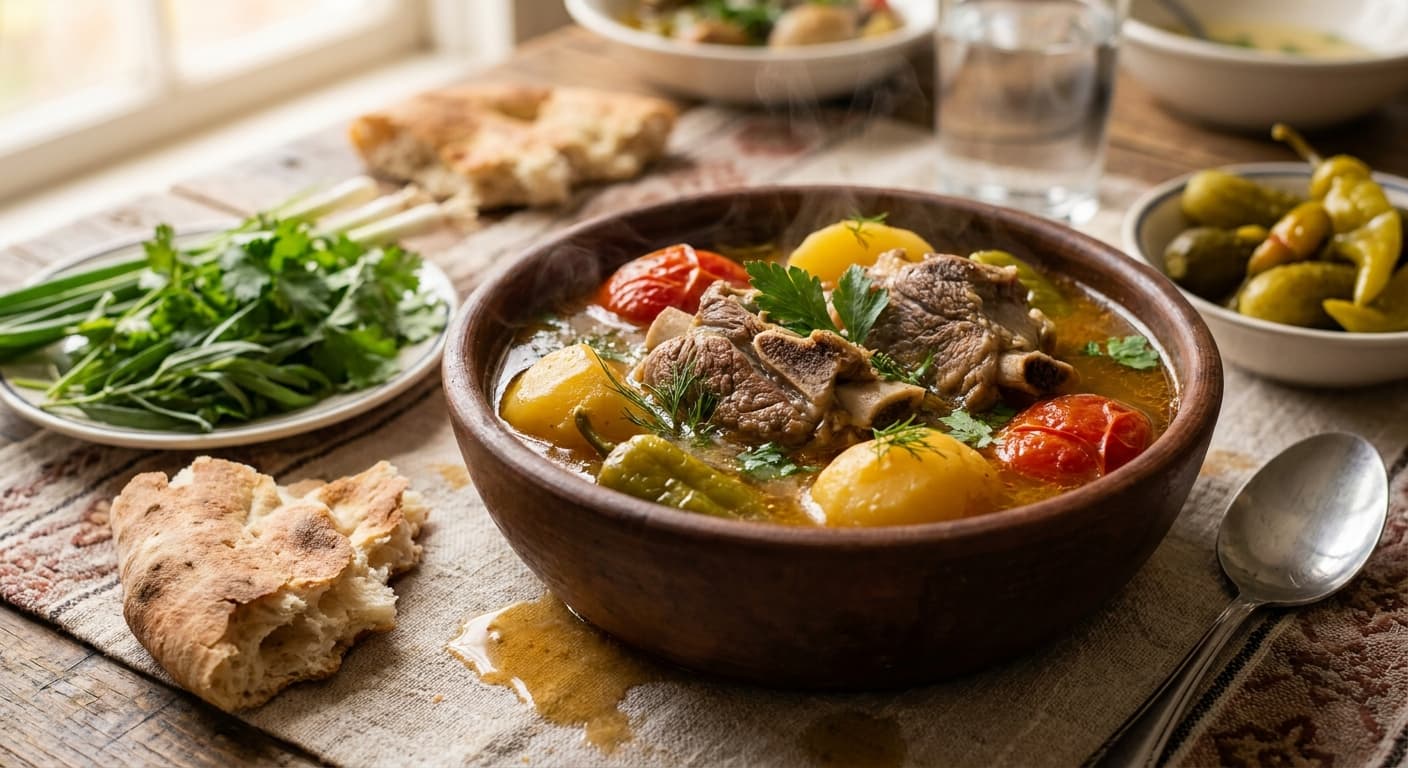
Khashlama (Խաշլամա) — Armenian Lamb and Vegetable Stew
Armenian · Stews · 160 min
Reviews
Cooked this recipe?
Tap the stars to rate it — that's all it takes. A few words are welcome but optional.
No ratings yet. Cooked this one? Be the first to rate it — it takes one tap.