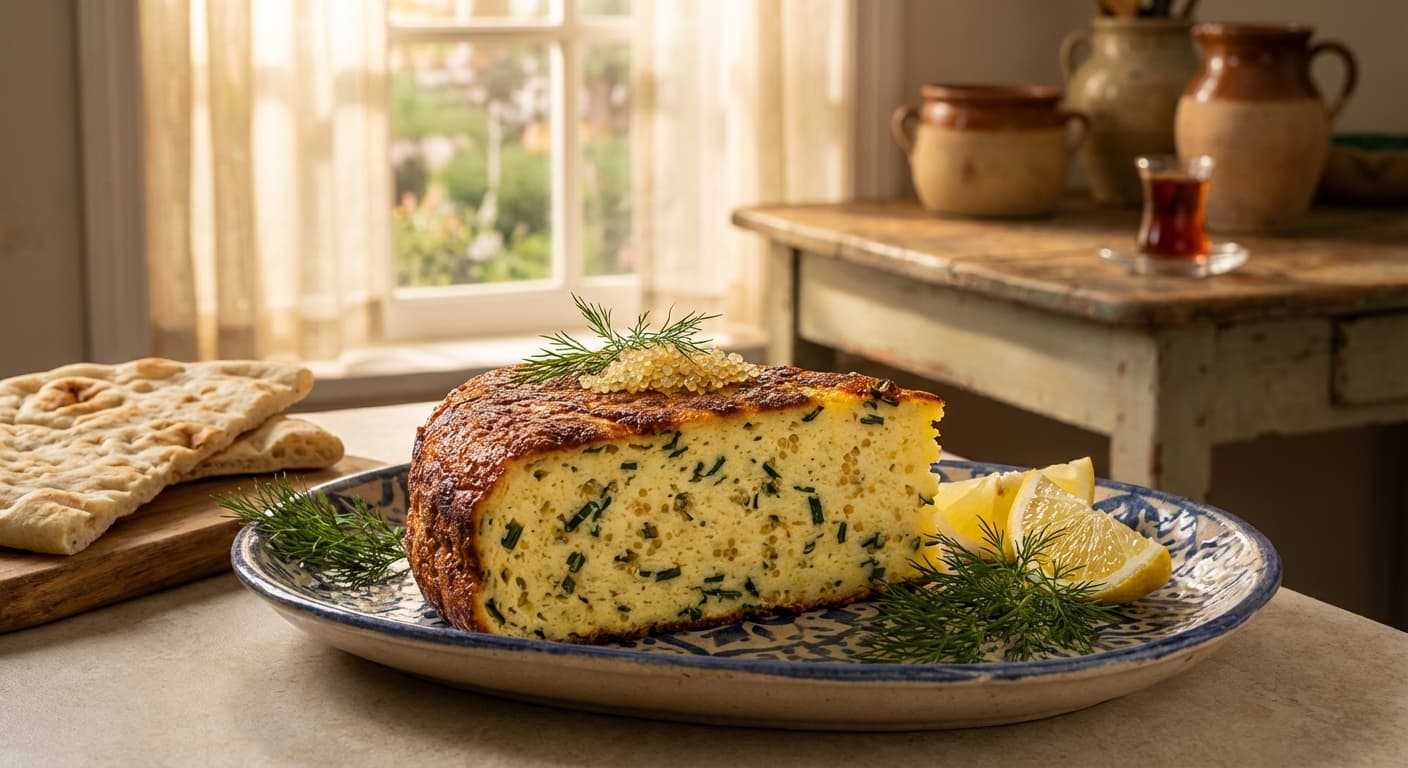
Kookoo Khaviar Mahi Sefid (کوکو خاویار ماهی سفید) — Persian Whitefish Caviar Kuku
A luxurious northern Iranian kuku where delicate whitefish roe is folded into eggs with garlic chives and turmeric, then pan-fried until golden. Briny, herbaceous, and softly set inside with crisp edges.
Printable Recipe Card
Servings: 4 · Total: 38 min · Difficulty: medium
Ingredients (quick list)
- 120 g Whitefish caviar (whitefish roe), fresh or pasteurized (kept chilled; gently separated if clumped)
- 6 large Eggs (about 300 g without shells)
- 80 g Garlic chives (finely chopped (about 1 1/2 packed cups))
- 1 tsp Turmeric (ground)
- 0.5 tsp Salt (use less if roe is very salty)
- 0.25 tsp Black pepper (freshly ground)
- 3 tbsp Vegetable oil (neutral oil such as sunflower or canola; plus 1 tsp if pan looks dry)
Steps (summary)
- Prepare the ingredients: keep the roe cold until mixing. Rinse garlic chives, dry thoroughly, and chop finely so they distribut…
- Season the egg base: whisk in turmeric, salt, and black pepper for 15 seconds until the color is evenly golden. Fold in the cho…
- Heat the pan: place a 24–26 cm nonstick skillet over medium heat for 2 minutes. Add 3 tablespoons vegetable oil and heat until…
- Cook the first side: pour in the mixture and immediately reduce heat to medium-low. Cover with a lid and cook for 8–10 minutes,…
- Flip and finish: slide the kuku onto a plate. Invert the skillet over it and flip back into the pan, browned side up. If the pa…
- Rest and serve: transfer to a board and rest 5 minutes so the interior firms and slices cleanly. Cut into wedges. Serve warm or…
Cultural Background
Kuku is a common Iranian egg-based dish often flavored with herbs, valued for being quick to cook and suitable for both everyday meals and gatherings. Versions using fish roe are associated with northern Iran’s Caspian Sea foodways, where seafood ingredients are more prominent and seasonal catches influence home cooking.
Equipment
💡 Tips
- Taste the roe first; adjust salt accordingly because roe salinity varies widely by brand and curing.
- Keep the heat on medium-low after pouring the batter; high heat can brown the outside before the center sets.
- Dry the garlic chives well—excess water can make the kuku weep and turn spongy.
- For cleaner slices, cool for 10 minutes, then cut with a lightly oiled knife.
- Use a nonstick skillet or well-seasoned cast iron to prevent tearing during the flip.
⚠️ Common Mistakes
❌ Over-salting the mixture
💡 Why: Roe can be highly salted, and additional salt can quickly push the dish past balance.
✅ Fix: Taste the roe first; start with 1/4 teaspoon salt, cook a 1-tablespoon test bite, then adjust before frying the full batch.
❌ Cooking on high heat
💡 Why: The outside browns before the center sets, leading to a dry crust and undercooked middle.
✅ Fix: Use medium heat only to warm the oil, then cook on medium-low with a lid for gentle, even setting.
❌ Breaking the roe aggressively during mixing
💡 Why: Overmixing can smear the roe, dulling its texture and making the batter watery.
✅ Fix: Fold roe in last with a spatula for 20–30 seconds, just until evenly distributed.
❌ Flipping too early
💡 Why: If the first side is not set, the kuku can tear and leak, losing structure.
✅ Fix: Wait until edges are firm and the center is mostly set with a slight wobble; use a plate flip and return gently to the pan.
🧊 How to Store
Cool completely, then refrigerate in an airtight container for up to 2 days. Reheat gently in a covered skillet over low heat for 4–6 minutes or in a 160°C oven for 8–10 minutes. Do not microwave on high; it can toughen the eggs and intensify fishy aromas.
📅 Make Ahead
Chop garlic chives up to 12 hours ahead and refrigerate wrapped in a paper towel inside a sealed container. Mix the eggs, spices, and chives up to 2 hours ahead; fold in the roe just before cooking to preserve texture. Cooked kuku can be made 1 day ahead and served at room temperature.
🍽️ Pairs Well With
- Flatbread or lavash
- Fresh herbs and radishes
- Pickled vegetables
- Lemon wedges
- Plain yogurt (optional)
Regional Variations
- Gilan and Mazandaran (Caspian coast)Often made with abundant local herbs and sometimes a touch more turmeric for color; roe-based versions may appear when fresh roe is available, served alongside herbs, pickles, and bread.
- Tehran and other major citiesMore likely prepared with pasteurized roe from specialty shops; the herb component may be simplified to garlic chives or chives for consistency and availability.
Ingredients
- 120 gWhitefish caviar (whitefish roe), fresh or pasteurized (kept chilled; gently separated if clumped)
- 6 largeEggs (about 300 g without shells)
- 80 gGarlic chives (finely chopped (about 1 1/2 packed cups))
- 1 tspTurmeric (ground)
- 0.5 tspSalt (use less if roe is very salty)
- 0.25 tspBlack pepper (freshly ground)
- 3 tbspVegetable oil (neutral oil such as sunflower or canola; plus 1 tsp if pan looks dry)
🔄 Substitutions
- Whitefish caviar (whitefish roe)→ Trout roe
- Garlic chives→ Chives plus 1 small garlic clove (grated, 3 g)
- Vegetable oil→ Ghee or clarified butter
Instructions
- 1
Prepare the ingredients: keep the roe cold until mixing. Rinse garlic chives, dry thoroughly, and chop finely so they distribute evenly. In a bowl, whisk the eggs for 45–60 seconds until uniform and slightly foamy; this helps the kuku set tenderly without becoming rubbery.
- 2
Season the egg base: whisk in turmeric, salt, and black pepper for 15 seconds until the color is evenly golden. Fold in the chopped garlic chives. Finally, add the whitefish roe and fold gently with a spatula for 20–30 seconds to avoid breaking the eggs of roe too much.
- 3
Heat the pan: place a 24–26 cm nonstick skillet over medium heat for 2 minutes. Add 3 tablespoons vegetable oil and heat until it shimmers but does not smoke, about 45–60 seconds. Swirl to coat the pan sides; crisp edges are a hallmark of good kuku.
- 4
Cook the first side: pour in the mixture and immediately reduce heat to medium-low. Cover with a lid and cook for 8–10 minutes, rotating the pan once halfway through for even browning. The edges should look set and golden, and the center should be mostly set with a slight wobble.
- 5
Flip and finish: slide the kuku onto a plate. Invert the skillet over it and flip back into the pan, browned side up. If the pan is dry, add 1 teaspoon oil around the edges. Cover and cook 5–7 minutes on medium-low until fully set.
- 6
Rest and serve: transfer to a board and rest 5 minutes so the interior firms and slices cleanly. Cut into wedges. Serve warm or at room temperature; the roe’s briny flavor is most balanced when the kuku is not piping hot.
🪪 Recipe Passport
Cultural Background
Kuku is a common Iranian egg-based dish often flavored with herbs, valued for being quick to cook and suitable for both everyday meals and gatherings. Versions using fish roe are associated with northern Iran’s Caspian Sea foodways, where seafood ingredients are more prominent and seasonal catches influence home cooking.
Regional Variations
Researched from multiple sources and validated by the Zaffaron editorial team. Every recipe is tested for accuracy, measurements, and cultural authenticity.
Nutrition per serving
Pairs well with
If you enjoyed this recipe, here are a few related Zaffaron recipes to try next.
Does your family make this differently?
Every family has their own version. Maybe your grandmother adds a secret ingredient, or your aunt has a completely different technique. Preserve your family's version — with their name on it, forever.
You Might Also Like
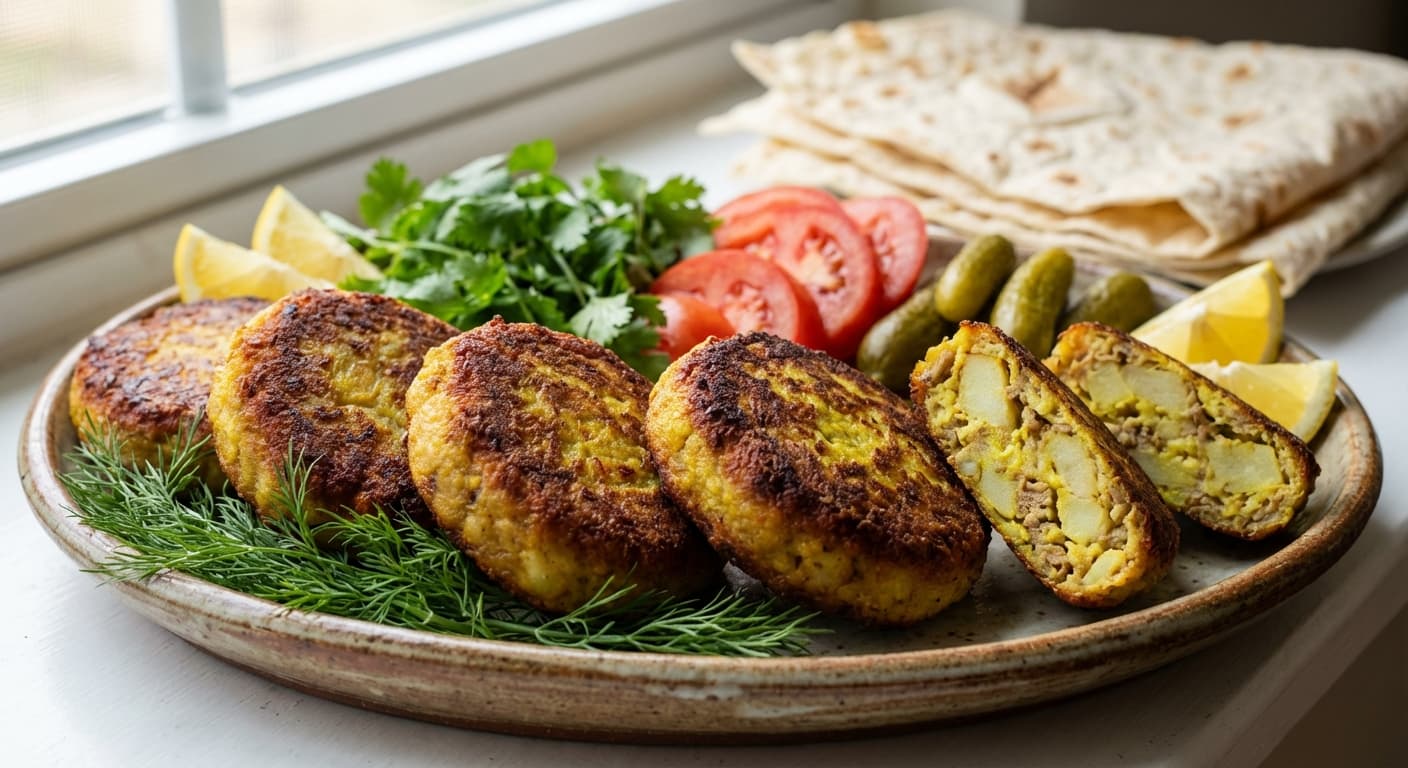
Persian Kotlet (کتلت) — Saffron-Infused Meat & Potato Patties
Persian · Main Courses · 55 min
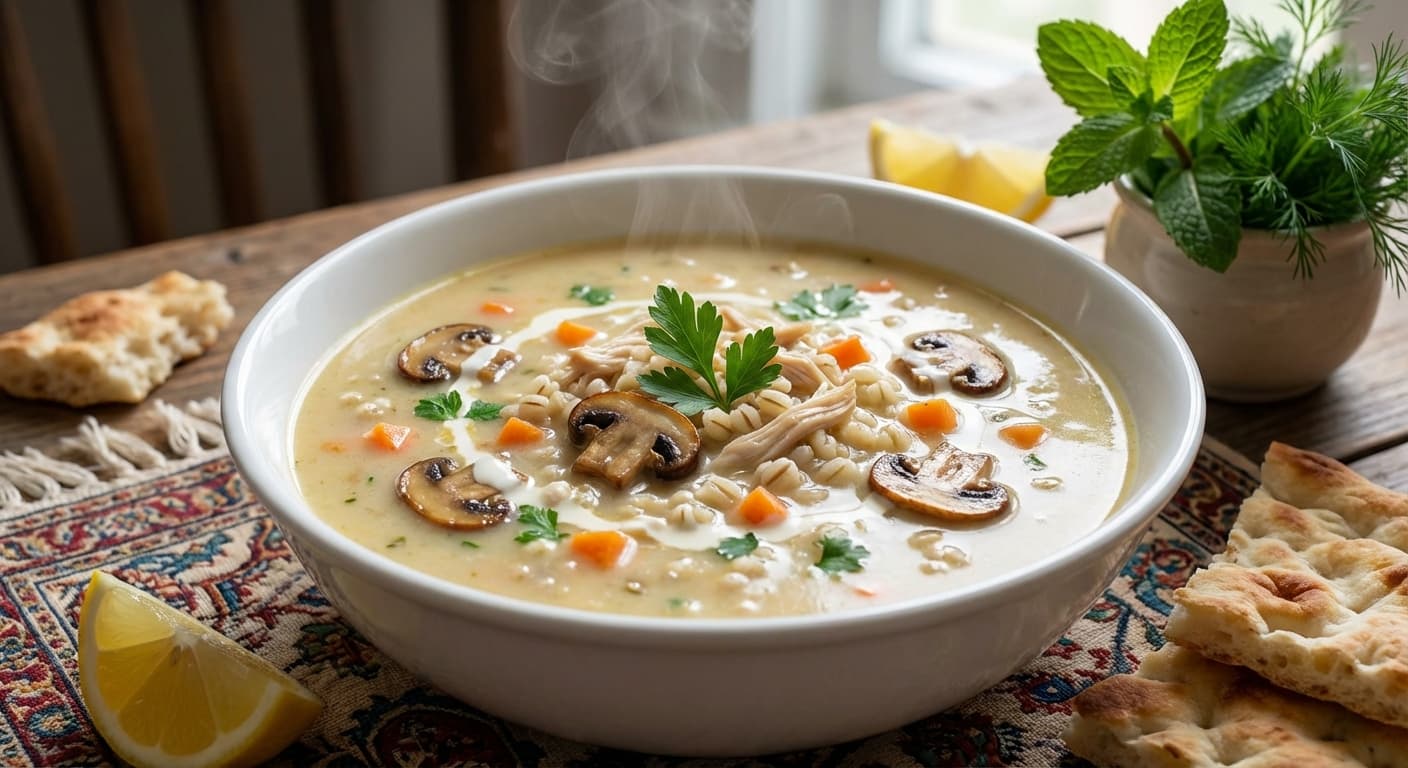
Soup-e Jo (سوپ جو) — Persian Creamy Barley Soup
Persian · Soups · 90 min
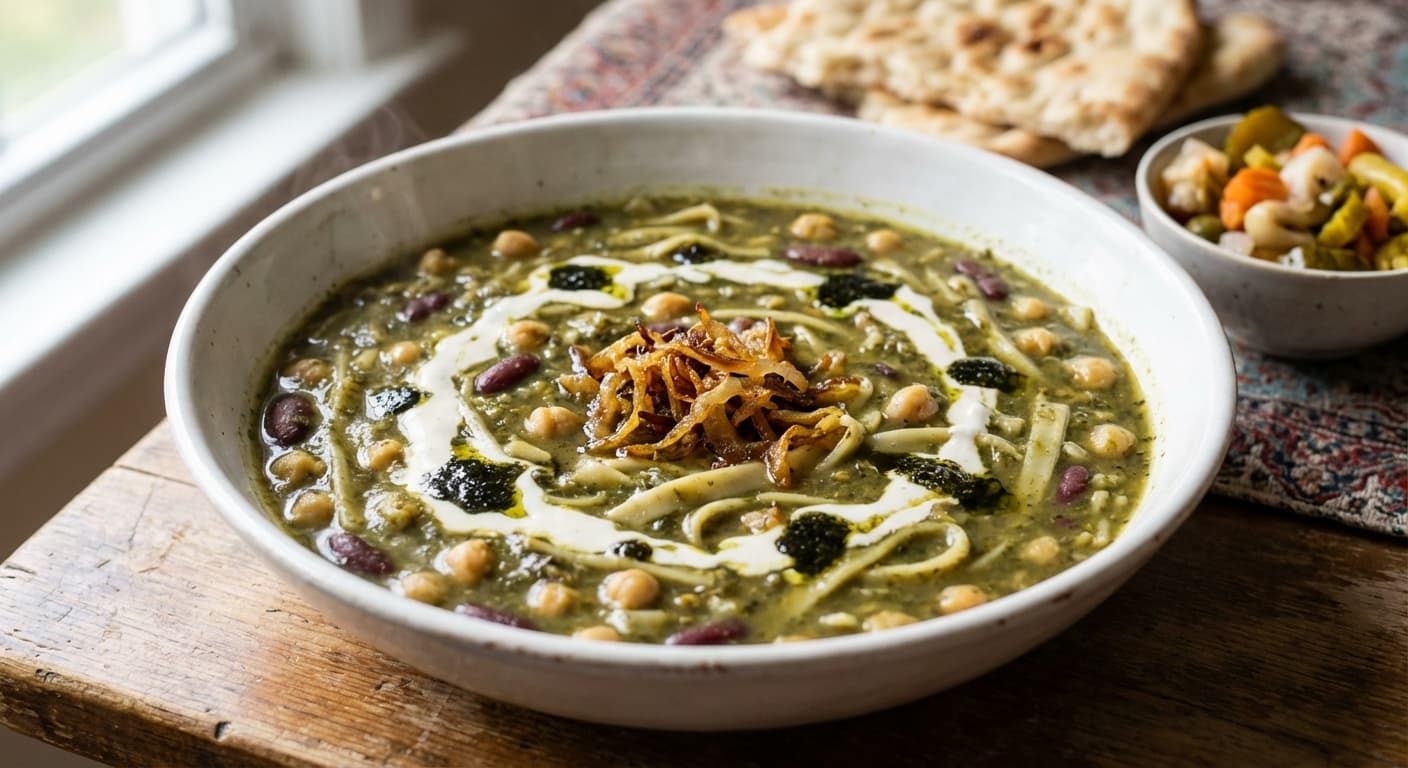
Ash Reshteh (آش رشته) — Persian Herb, Bean, and Noodle Soup
Persian · Soups · 145 min
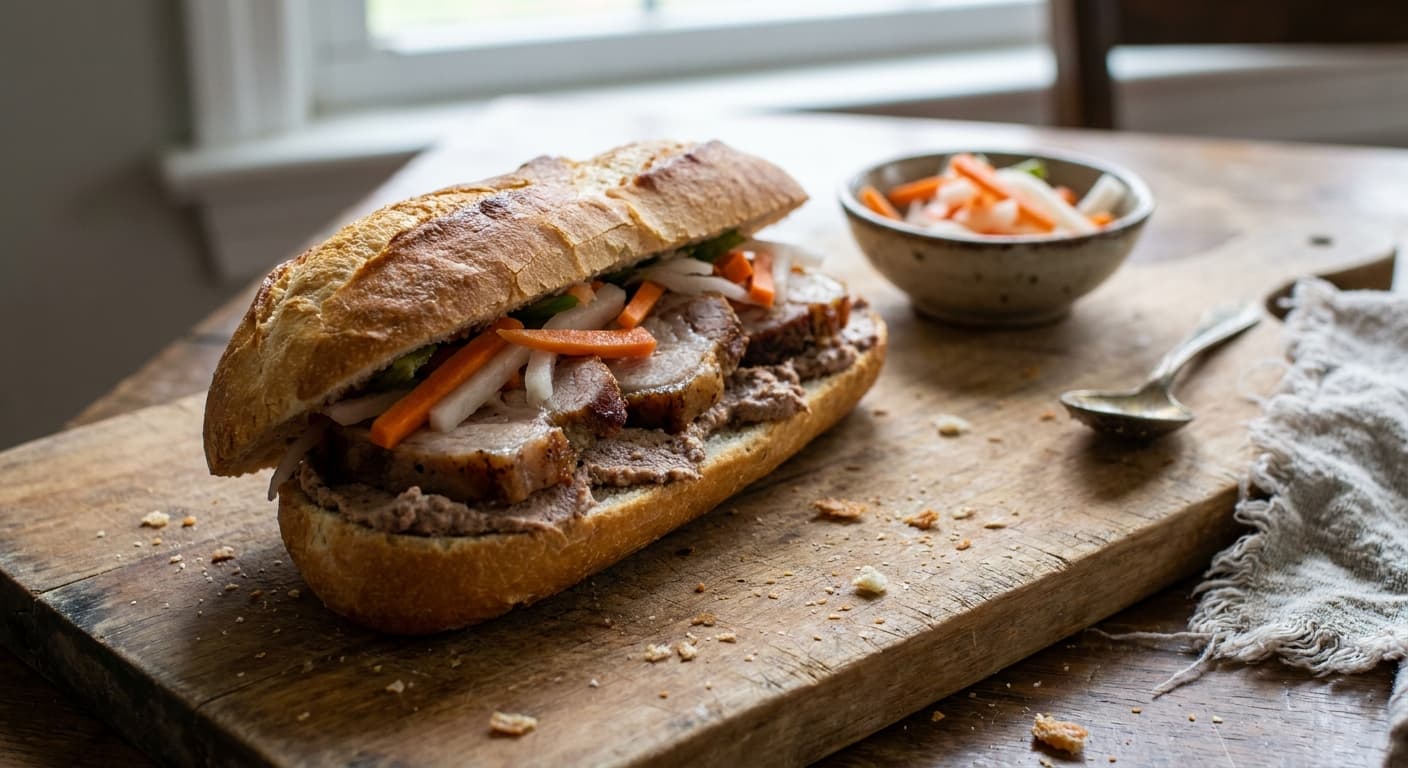
Num Pang Pate (នំប៉័ងប៉ាតេ) — Cambodian Baguette with Pate and Pickles
Cambodian · Main Courses · 60 min
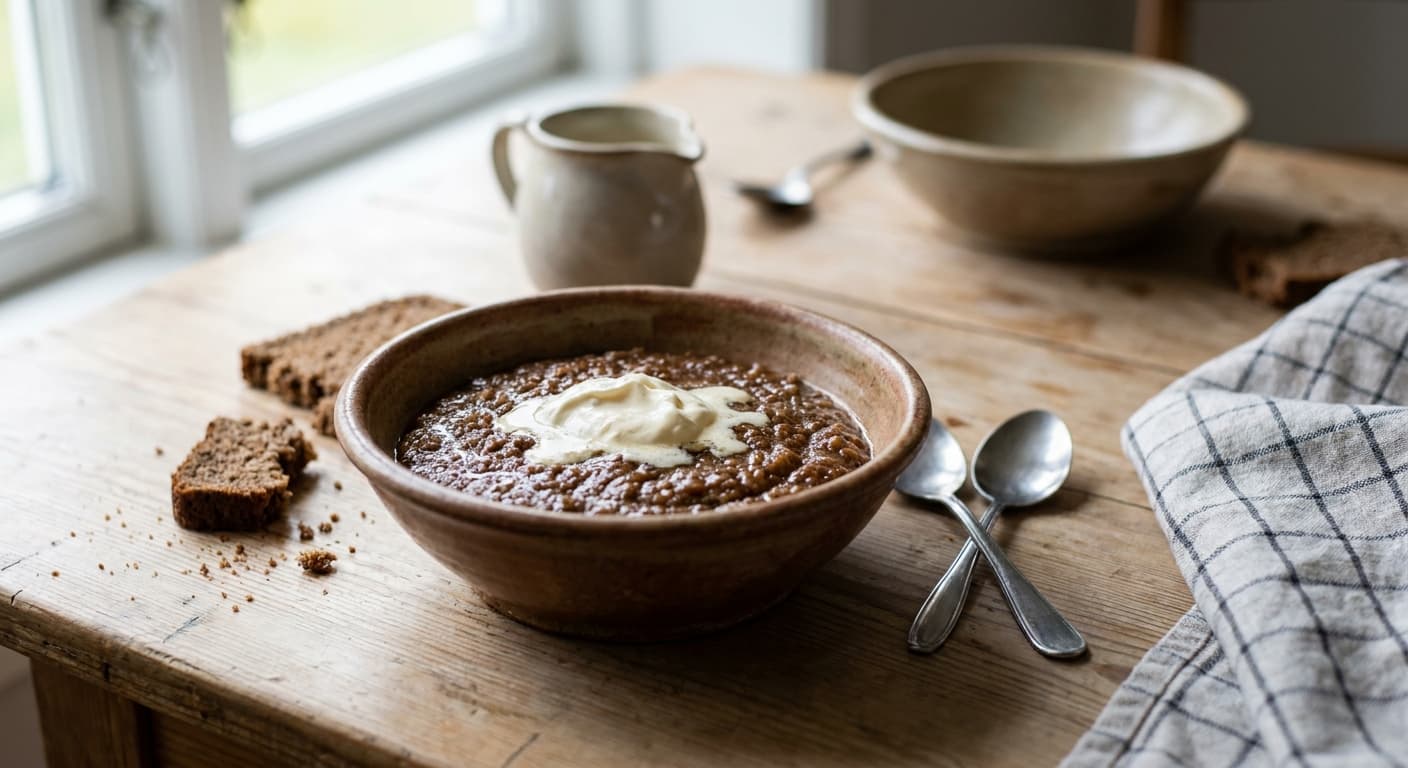
Rye Bread and Beer Porridge (Øllebrød) — Traditional Danish Breakfast
Danish · Main Courses · 65 min
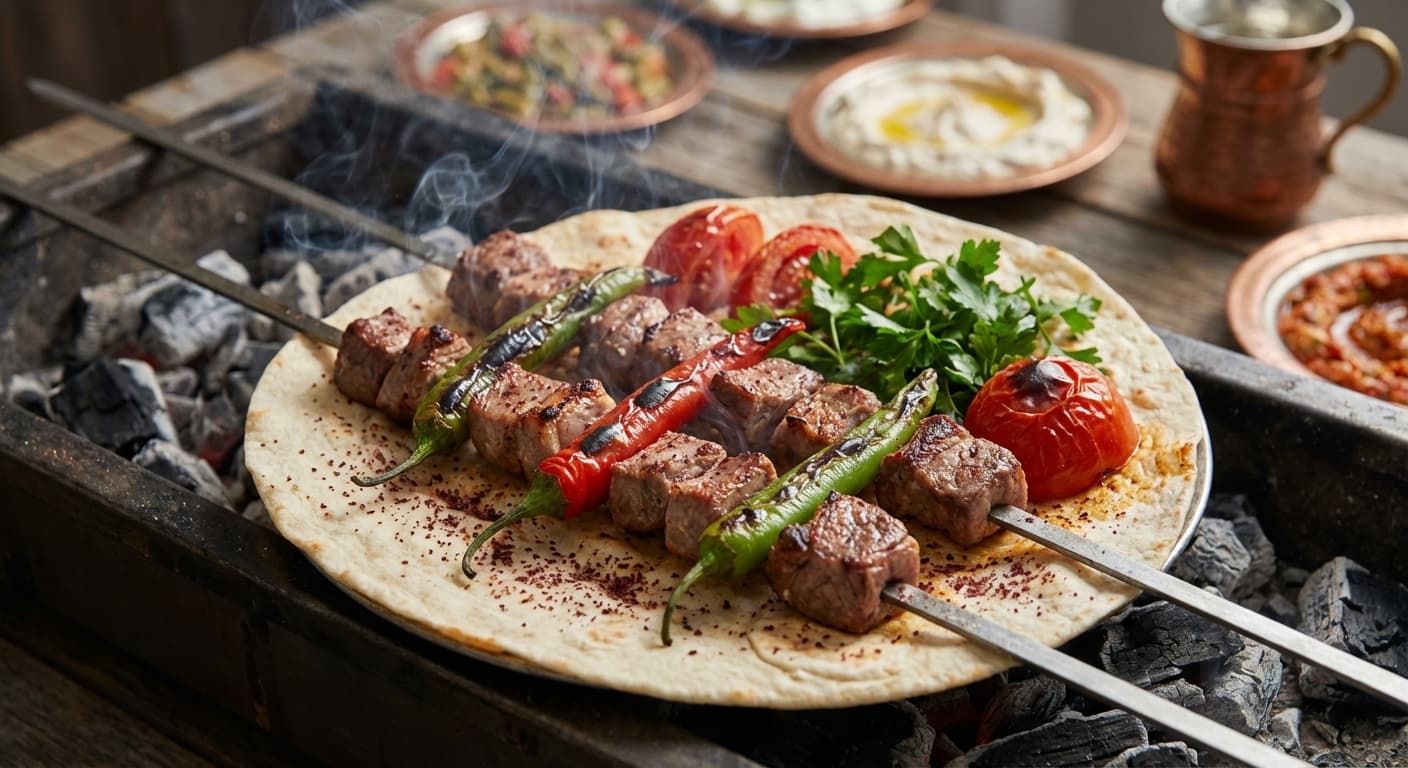
Turkish Shish Kebab (Şiş Kebap) — Charcoal-Grilled Marinated Lamb Skewers
Turkish · Kebabs · 37 min
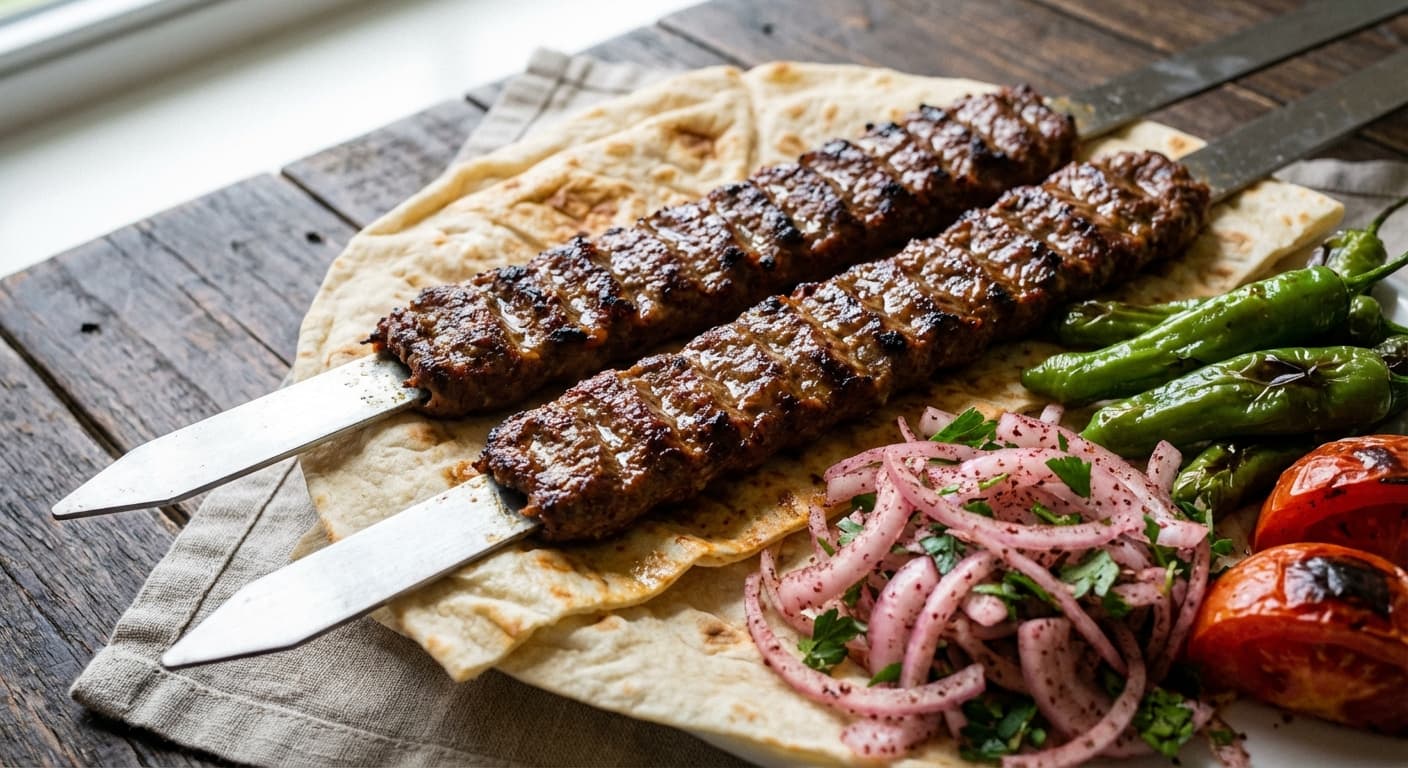
Urfa Kebab (اورفا کباب) — Mild Turkish minced skewer with sumac onions
Turkish · Kebabs · 37 min
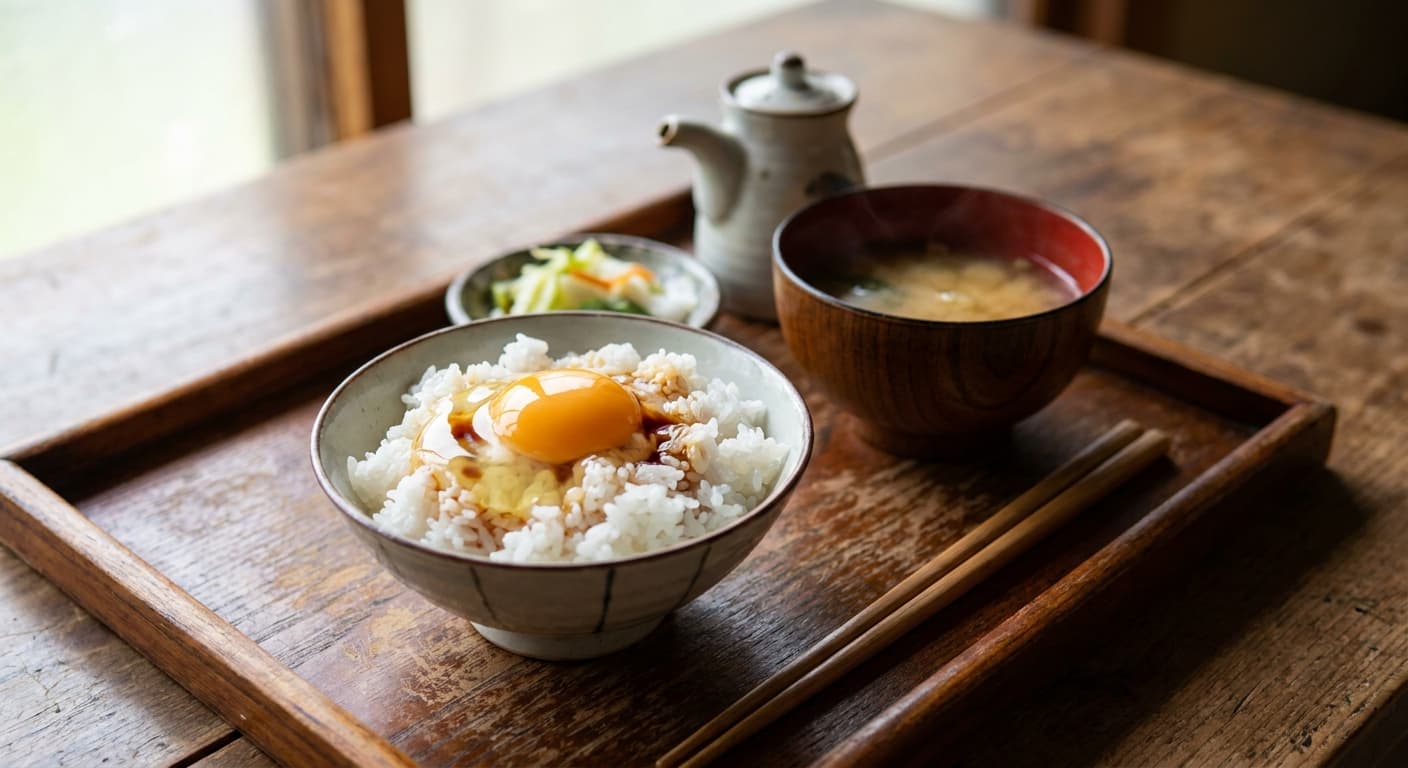
Tamago Kake Gohan (卵かけご飯) — Japanese Raw Egg Rice Breakfast
Japanese · Rice Dishes · 40 min
Reviews
Cooked this recipe?
Tap the stars to rate it — that's all it takes. A few words are welcome but optional.
No ratings yet. Cooked this one? Be the first to rate it — it takes one tap.