Asturian Bean Stew (Fabada Asturiana) — Smoky Spanish Bean and Pork Stew
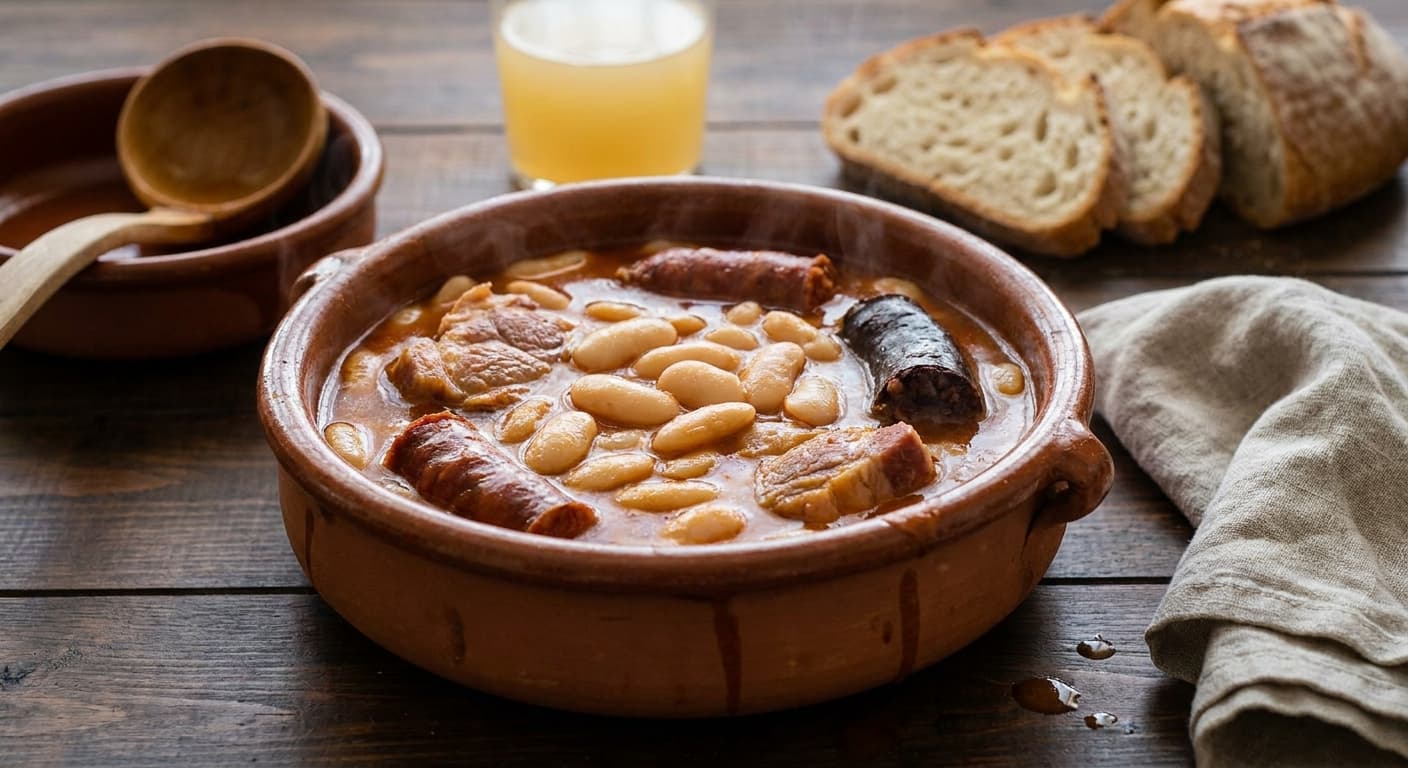
Fabada Asturiana is the emblematic bean stew of Asturias in northern Spain. Large white fabes simmer slowly with smoky chorizo, morcilla, and cured pork until the broth turns silky and deeply savory.
Printable Recipe Card
Servings: 6 · Total: 210 min · Difficulty: medium
Ingredients (quick list)
- 500 g dried Asturian fabes beans (use fabes de la Granja if available)
- 2500 ml cold water for soaking
- 1800 ml cold water for cooking
- 250 g Asturian smoked chorizo (kept whole for cooking)
- 200 g Asturian morcilla (kept whole for cooking)
- 250 g cured pork shoulder (lacón, soaked for 2 hours if very salty)
- 150 g salt pork or pancetta (in one thick piece)
- 1 large yellow onion (peeled and left whole)
- 3 clove garlic (peeled and lightly crushed)
- 1 leaf bay leaf
- 12 strand saffron (lightly crushed)
- 1 tsp sweet Spanish paprika (preferably pimentón dulce)
+ 1 more in the full ingredients section below.
Steps (summary)
- Rinse the fabes gently under cold running water, discarding any broken beans or small stones. Put them in a large bowl with 250…
- If the cured pork shoulder is very salty, place it in a separate bowl and cover it with cold water for 2 hours, then drain it.…
- Put the drained beans in a wide heavy pot and add 1800 ml cold water, the whole onion, garlic cloves, bay leaf, cured pork shou…
- When the stew begins to simmer, reduce the heat so the surface barely trembles rather than boils. Add the saffron and paprika,…
- Practice the Asturian technique called asustar the beans by adding 120 ml cold water whenever the simmer becomes too lively or…
- Check the beans after 2 hours and 30 minutes of total simmering; they should be creamy inside but still whole. If they are firm…
+ 2 more steps in the full instructions section below.
Cultural Background
Fabada is a defining dish of Asturias, built around prized fabes de la Granja and the compango of cured pork sausages. It reflects the region’s cool climate, cider culture, and tradition of hearty communal meals.
Equipment
💡 Tips
- Use a wide pot rather than a tall narrow one so the beans cook evenly without needing aggressive stirring.
- Keep the simmer very gentle; boiling can burst the fabes and make the broth pasty instead of silky.
- Fabada is often better after a rest, so cook it several hours ahead and reheat it slowly before serving.
⚠️ Common Mistakes
❌ Boiling the stew vigorously
✅ Fix: Keep the heat low so the surface only trembles, and use cold water additions to calm the simmer.
❌ Stirring the beans with a spoon
✅ Fix: Shake the pot gently by the handles to thicken the broth without breaking the fabes.
❌ Salting at the beginning
✅ Fix: Taste near the end because the chorizo, morcilla, lacón, and salt pork release salt as they cook.
🧊 How to Store
Cool leftovers within 2 hours, then refrigerate in a sealed container for up to 4 days. Reheat gently over low heat with 60 to 120 ml water if the broth has thickened, shaking the pot instead of stirring hard.
📅 Make Ahead
Soak the beans and desalinate the pork the day before. The finished stew can be cooked 1 day ahead, chilled, and reheated slowly for an even deeper broth.
🍽️ Pairs Well With
- Crusty country bread
- Asturian natural cider
- simple green salad
- pickled guindilla peppers.
Regional Variations
- Some Asturian cooks omit paprika because the chorizo already seasons the broth with pimentón.
- In parts of Asturias, the onion and garlic are removed and mashed with a few beans before being returned to thicken the stew.
- A lighter home version may use only chorizo and morcilla, while feast versions include lacón, pancetta, and additional cured pork.
Ingredients
- 500 gdried Asturian fabes beans (use fabes de la Granja if available)
- 2500 mlcold water for soaking
- 1800 mlcold water for cooking
- 250 gAsturian smoked chorizo (kept whole for cooking)
- 200 gAsturian morcilla (kept whole for cooking)
- 250 gcured pork shoulder (lacón, soaked for 2 hours if very salty)
- 150 gsalt pork or pancetta (in one thick piece)
- 1large yellow onion (peeled and left whole)
- 3 clovegarlic (peeled and lightly crushed)
- 1 leafbay leaf
- 12 strandsaffron (lightly crushed)
- 1 tspsweet Spanish paprika (preferably pimentón dulce)
- 6 gfine sea salt (add only after tasting the broth)
🔄 Substitutions
- dried Asturian fabes beans→ large dried butter beans
- Asturian smoked chorizo→ Spanish cooking chorizo
- Asturian morcilla→ Spanish morcilla de cebolla
- cured pork shoulder→ lightly cured pork hock
Instructions
- 1
Rinse the fabes gently under cold running water, discarding any broken beans or small stones. Put them in a large bowl with 2500 ml cold water and soak for 12 hours at cool room temperature.
- 2
If the cured pork shoulder is very salty, place it in a separate bowl and cover it with cold water for 2 hours, then drain it. Drain the soaked beans carefully, keeping the skins intact because split beans can cloud and thicken the stew too aggressively.
- 3
Put the drained beans in a wide heavy pot and add 1800 ml cold water, the whole onion, garlic cloves, bay leaf, cured pork shoulder, salt pork or pancetta, chorizo, and morcilla. Bring the pot slowly to a bare simmer over medium-low heat, skimming off the gray foam that rises during the first 20 minutes.
- 4
When the stew begins to simmer, reduce the heat so the surface barely trembles rather than boils. Add the saffron and paprika, then cook uncovered for 30 minutes without stirring with a spoon, which can break the beans.
- 5
Practice the Asturian technique called asustar the beans by adding 120 ml cold water whenever the simmer becomes too lively or the beans rise above the liquid. Continue cooking for about 2 hours more, gently shaking the pot by its handles every 20 minutes to help the broth emulsify.
- 6
Check the beans after 2 hours and 30 minutes of total simmering; they should be creamy inside but still whole. If they are firm, continue simmering in 15-minute intervals, adding 100 ml cold water only if the liquid falls below the beans.
- 7
Remove the onion, garlic, and bay leaf, then taste the broth before adding the 6 g fine sea salt because the cured meats may already provide enough seasoning. Lift out the chorizo, morcilla, pork shoulder, and salt pork, slice them into thick rounds or chunks, and return them to the pot.
- 8
Turn off the heat and let the fabada rest for 20 minutes before serving so the broth settles and thickens naturally. Serve hot in shallow bowls, making sure each portion includes beans, broth, chorizo, morcilla, and cured pork.
🪪 Recipe Passport
Cultural Background
Fabada is a defining dish of Asturias, built around prized fabes de la Granja and the compango of cured pork sausages. It reflects the region’s cool climate, cider culture, and tradition of hearty communal meals.
Regional Variations
Researched from multiple sources and validated by the Zaffaron editorial team. Every recipe is tested for accuracy, measurements, and cultural authenticity.
📚 Sources & Cultural References
- Claudia Roden — The Food of Spain — (2011)
- Alan Davidson — The Oxford Companion to Food — (2014)
Sources cited by the Zaffaron editorial team during recipe research. Cultural and culinary references supporting authenticity claims.
Nutrition per serving
Pairs well with
If you enjoyed this recipe, here are a few related Zaffaron recipes to try next.
- Patatas Bravas (Patatas bravas) — Crisp Spanish Tapas Potatoes with Spicy Brava Sauce
- Spanish Potato Omelette (Tortilla Española) — Classic Potato and Egg Tortilla
- Spanish Ham Croquettes (Croquetas de Jamón) — Crisp Tapas with Creamy Ham Béchamel
- Andalusian Gazpacho (Gazpacho Andaluz) — Chilled Tomato and Pepper Soup
Does your family make this differently?
Every family has their own version. Maybe your grandmother adds a secret ingredient, or your aunt has a completely different technique. Preserve your family's version — with their name on it, forever.
You Might Also Like
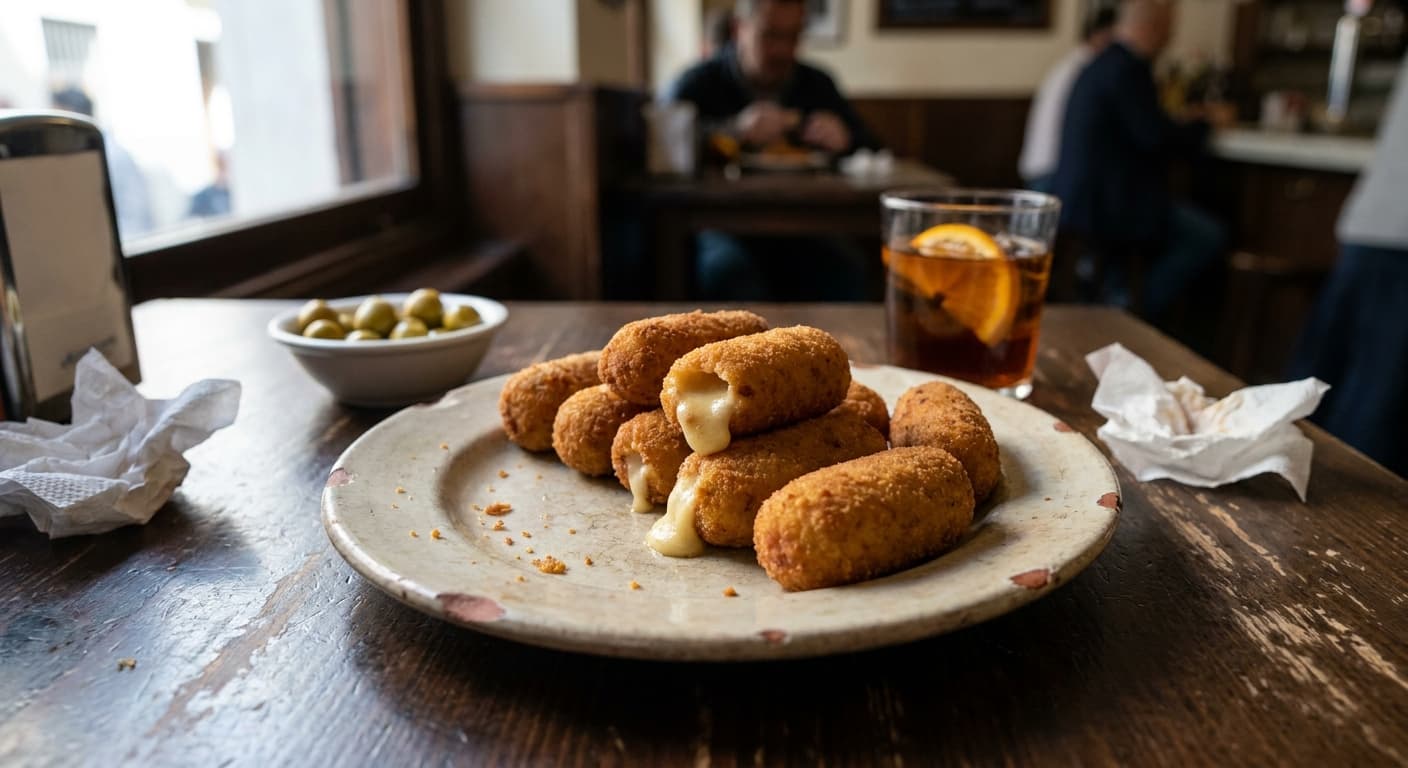
Spanish Ham Croquettes (Croquetas de Jamón) — Crisp Tapas with Creamy Ham Béchamel
Spanish · Appetizers · 70 min
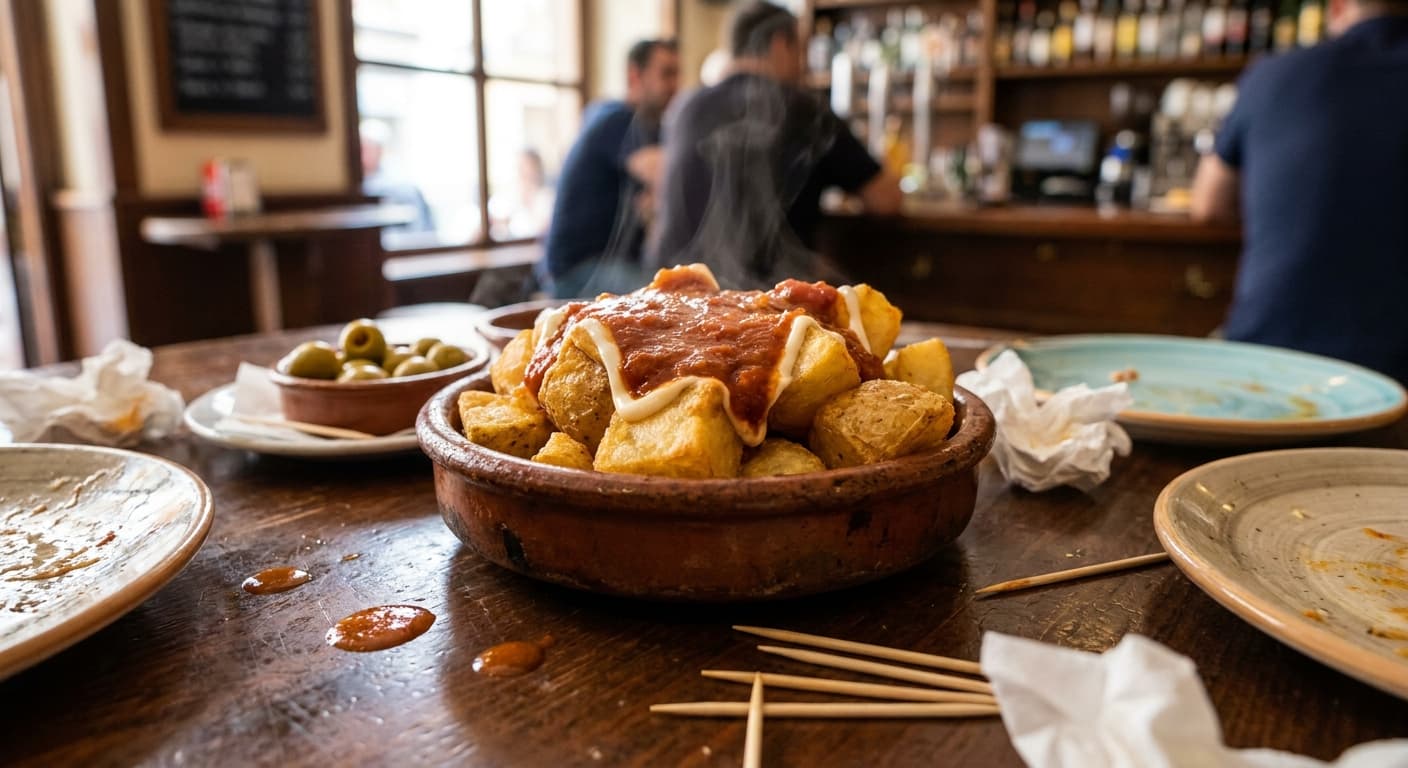
Patatas Bravas (Patatas bravas) — Crisp Spanish Tapas Potatoes with Spicy Brava Sauce
Spanish · Appetizers · 55 min
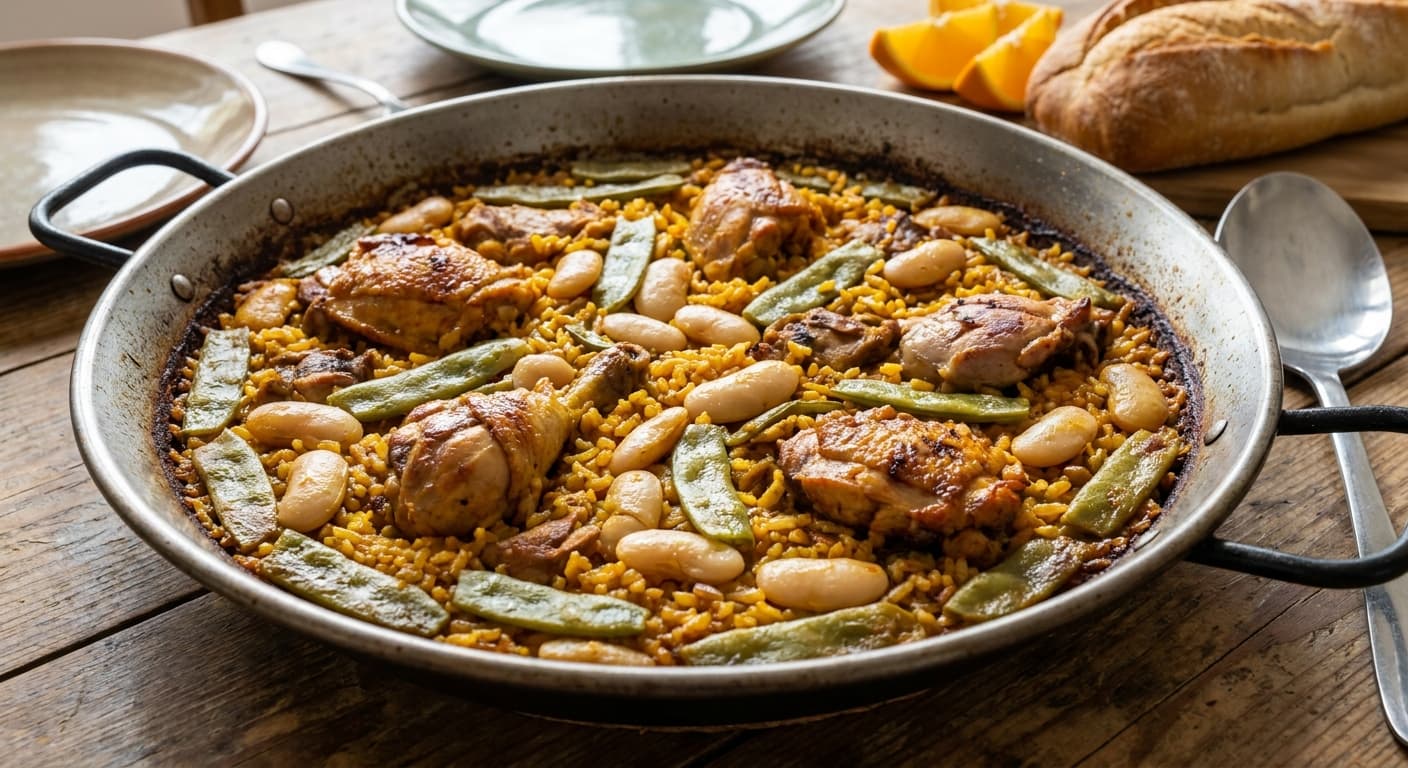
Valencian Paella (Paella Valenciana) — Saffron Rice with Rabbit, Chicken, and Beans
Spanish · Rice Dishes · 70 min
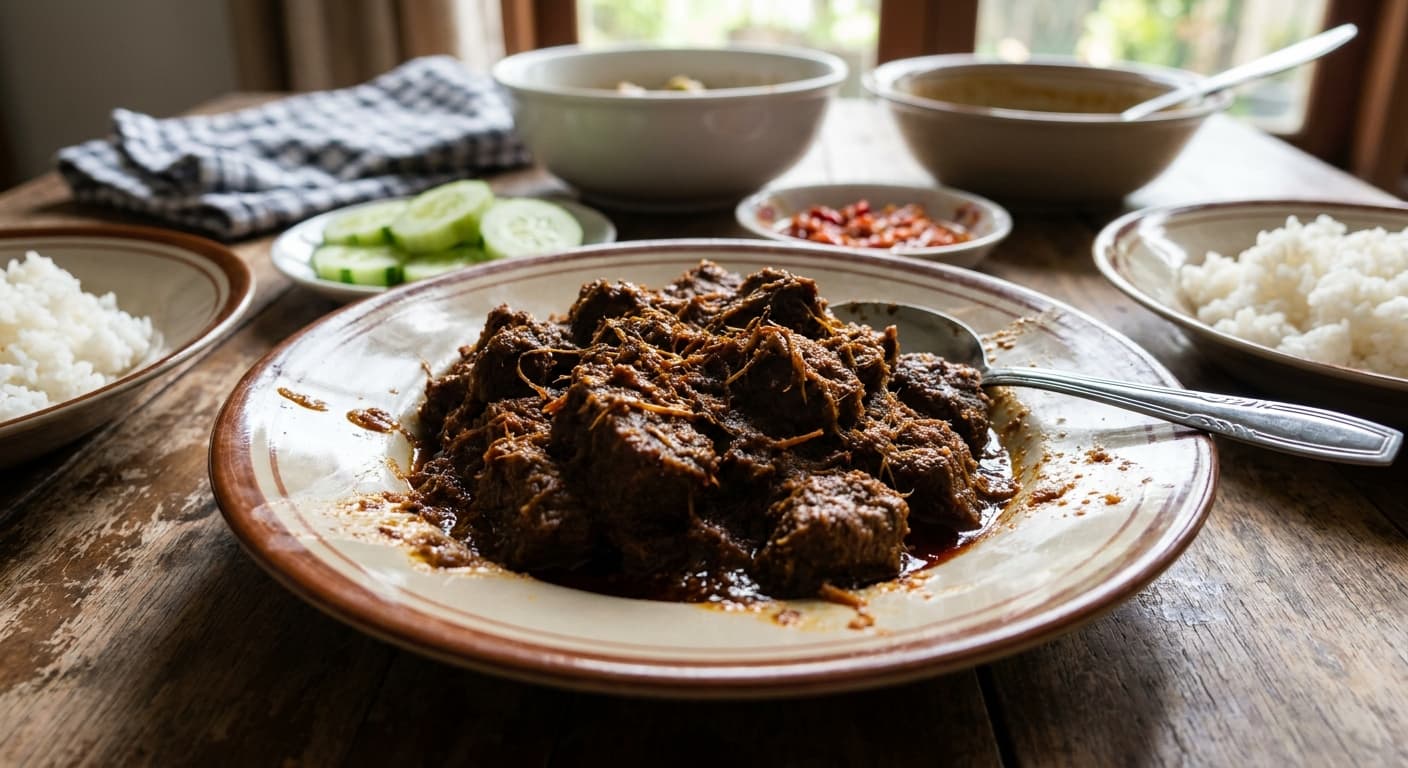
Indonesian Beef Rendang (Rendang Daging) — Slow-Cooked Minangkabau Coconut Beef
Indonesian · Stews · 245 min
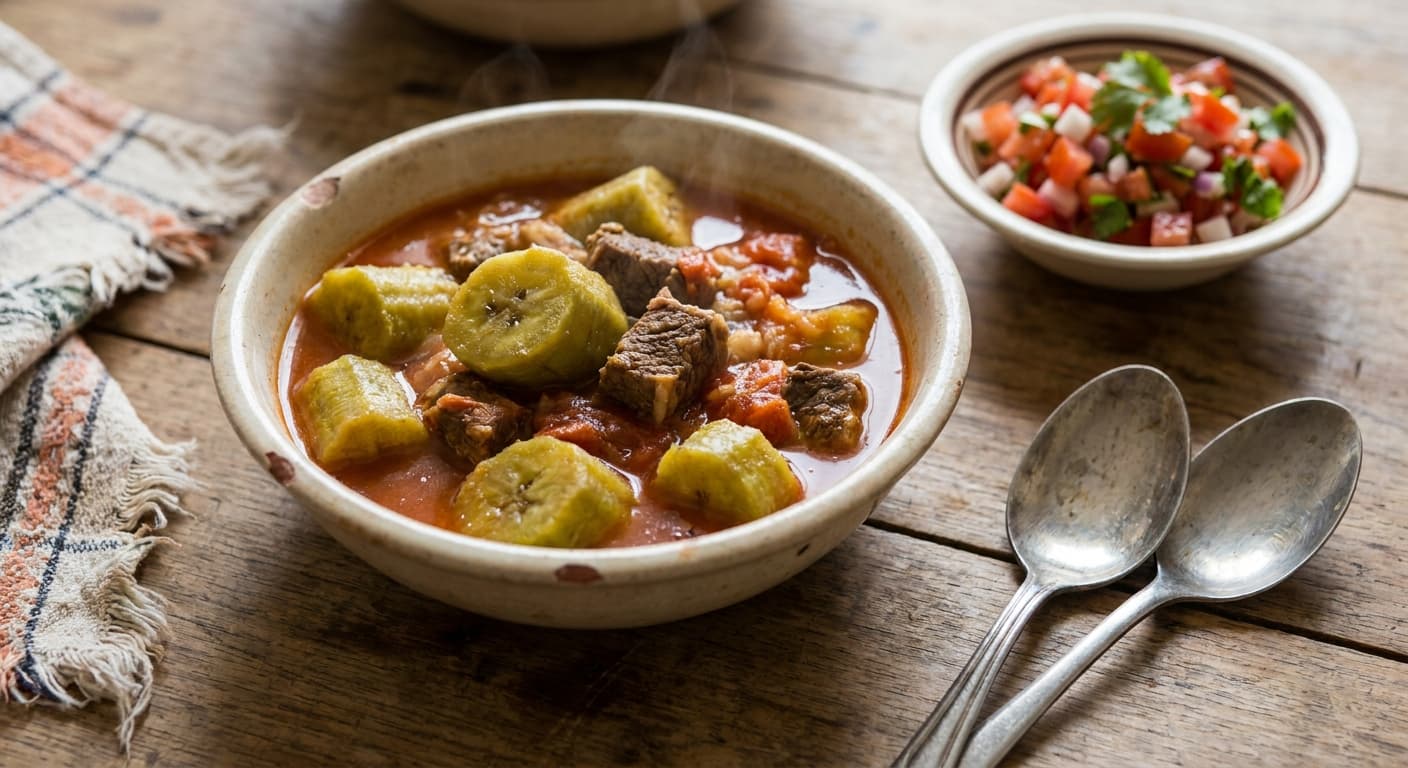
Matoke (Matoke) — Tanzanian Green Banana and Beef Stew
Tanzanian · Stews · 135 min

Caldo Verde (Caldo Verde) — Portuguese Kale and Potato Soup
Portuguese · Soups · 55 min
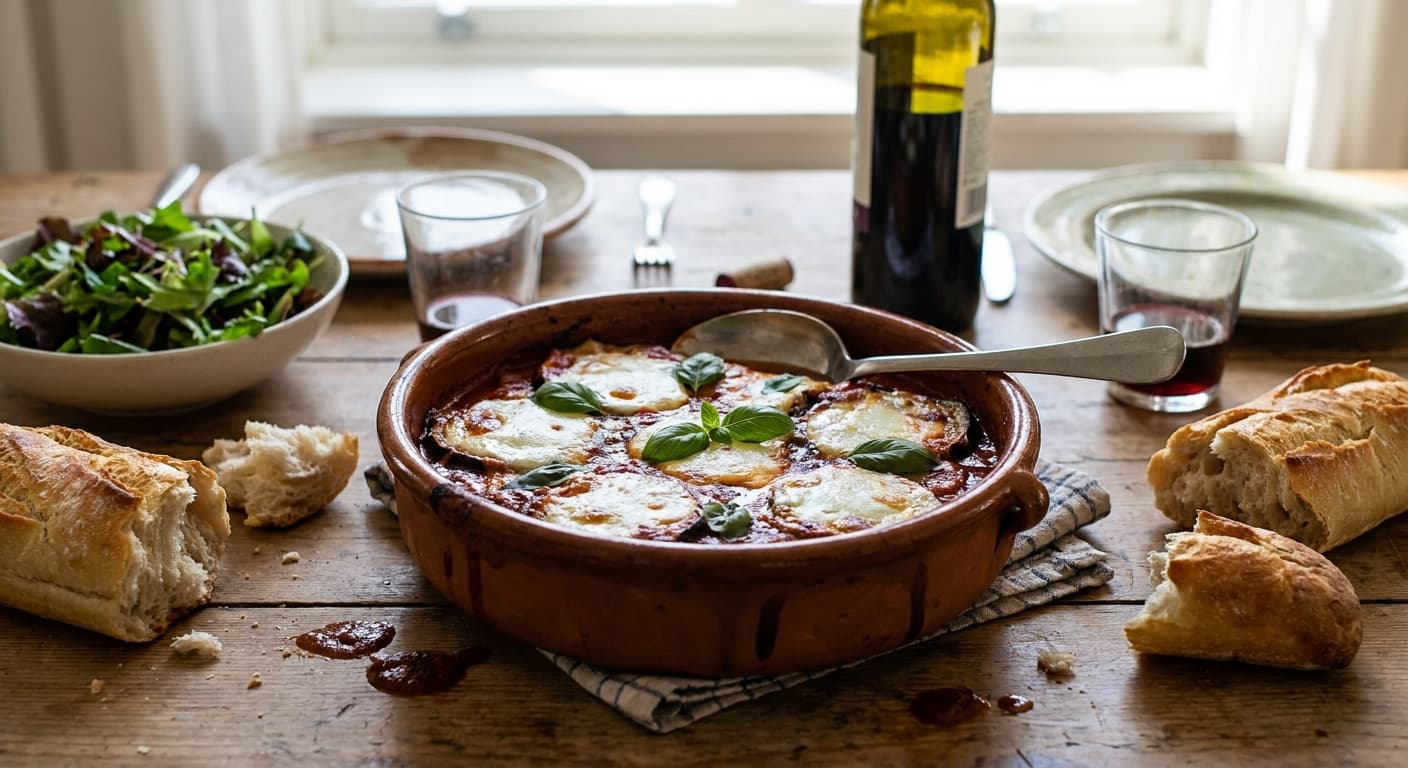
Eggplant Parmesan (Melanzane alla Parmigiana) — Southern Italian Baked Eggplant
Italian · Main Courses · 100 min
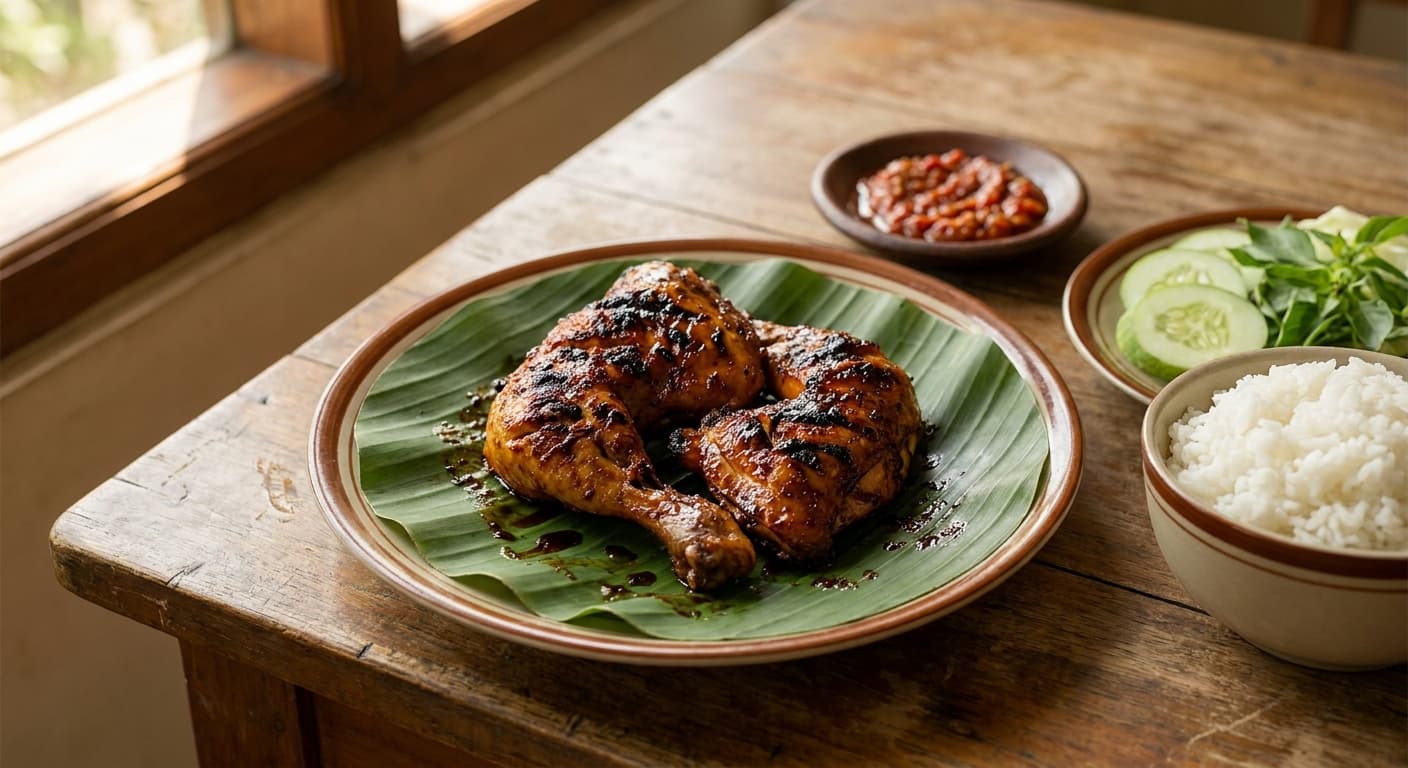
Indonesian Grilled Chicken (Ayam Bakar) — Sweet Soy-Spiced Charred Chicken
Indonesian · Main Courses · 85 min
Reviews
Cooked this recipe?
Tap the stars to rate it — that's all it takes. A few words are welcome but optional.
No ratings yet. Cooked this one? Be the first to rate it — it takes one tap.