Persian Herb Frittata (کوکو سبزی)
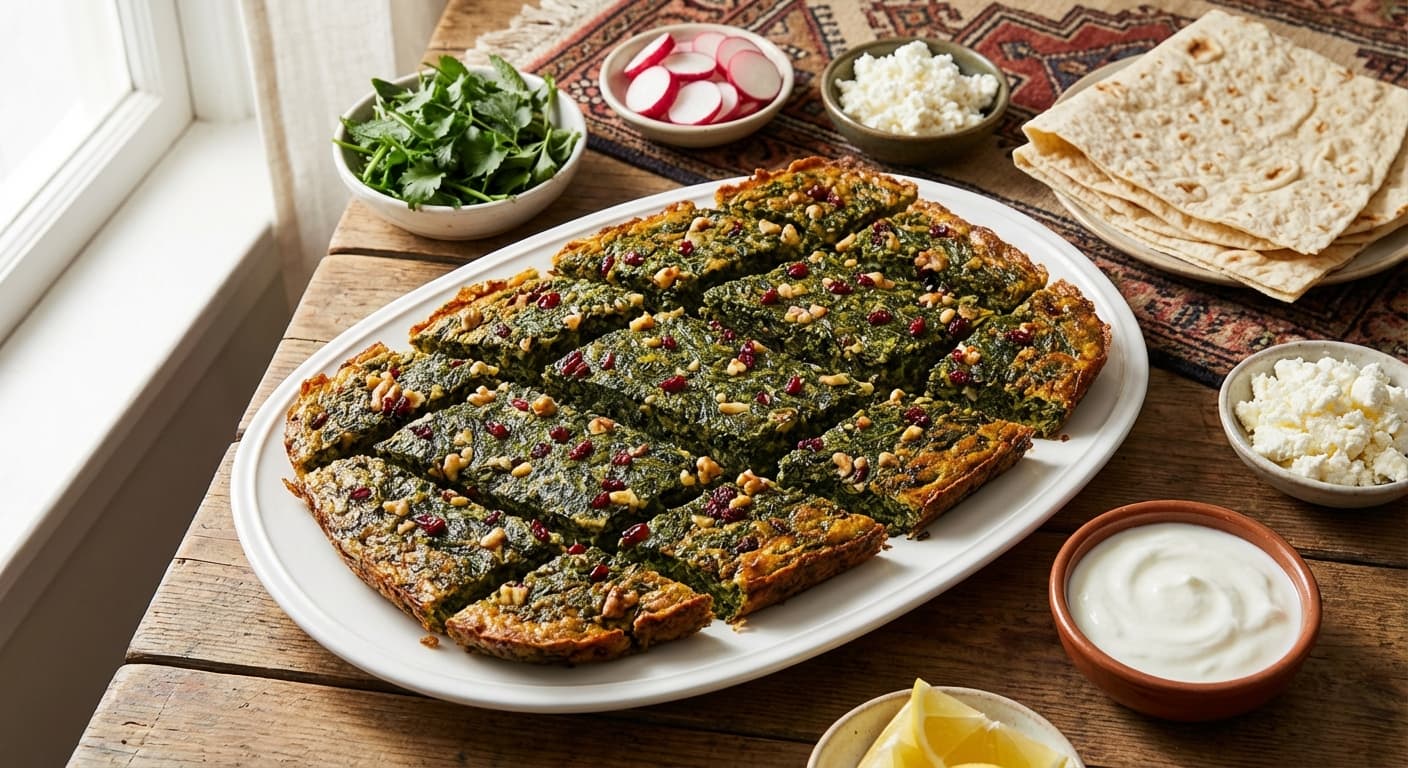
Kuku Sabzi is a classic Persian herb frittata packed with fresh greens, fragrant spices, and optional walnuts and barberries. Crisp on the outside and tender inside, it’s a staple for Nowruz and a quick, satisfying meal any time.
Printable Recipe Card
Servings: 6 · Total: 50 min · Difficulty: easy
Ingredients (quick list)
- 400 g Mixed fresh herbs (parsley, cilantro, dill, chives/scallion greens) (finely chopped; aim for ~100 g each parsley/cilantro/dill and ~100 g chives or scallion greens)
- 50 g Romaine lettuce (finely shredded (optional but traditional in many homes))
- 6 large Eggs (about 300 g without shells)
- 15 g All-purpose flour (1 tablespoon, helps bind and slice cleanly)
- 2 g Baking powder (1/2 teaspoon, optional for a slightly lighter texture)
- 2 g Ground turmeric (1 teaspoon)
- 1 g Ground cumin (1/2 teaspoon)
- 2 g Dried fenugreek leaves (shanbalileh) (1 teaspoon, optional but very authentic)
- 6 g Fine sea salt (1 teaspoon)
- 1 g Black pepper (1/2 teaspoon)
- 60 g Walnuts (coarsely chopped)
- 30 g Dried barberries (zereshk) (rinsed and drained well)
+ 1 more in the full ingredients section below.
Steps (summary)
- Wash herbs thoroughly, then dry very well using a salad spinner or clean towels; excess water causes steaming and a pale crust.…
- In a large bowl, whisk the eggs for 45–60 seconds until uniform and slightly frothy. Add flour and baking powder and whisk 20 s…
- Add the chopped herbs and lettuce to the egg bowl and fold with a spatula until every strand is coated. If using walnuts and ba…
- Heat a 24 cm (9.5-inch) nonstick skillet over medium heat for 2 minutes. Add 30 ml (2 tablespoons) oil and swirl to coat. When…
- To flip, run a silicone spatula around the edges and shake the pan gently to loosen. Slide the kuku onto a large plate, add the…
- Transfer to a cutting board and rest 10 minutes before slicing; resting prevents crumbling and finishes carryover cooking. Cut…
Cultural Background
Kuku Sabzi is one of the most beloved herb dishes in Iran and is especially associated with Nowruz, the Persian New Year, where its vibrant green color symbolizes rebirth and spring. It’s also a practical home-cooking staple, served at room temperature for picnics, gatherings, and quick family meals.
Equipment
💡 Tips
- Drying the herbs thoroughly is the single biggest key to a crisp, well-browned kuku; wet herbs make it steam and turn dull green.
- For a thicker kuku, use a 22 cm skillet and add 2–3 minutes per side on medium-low; for thinner and crispier, use a 26 cm skillet and reduce cooking time slightly.
- If barberries are very sour, soak them in cool water for 5 minutes, then drain and pat dry before mixing in.
⚠️ Common Mistakes
❌ Using wet herbs straight after washing
💡 Why: Water releases into the pan, steaming the kuku and preventing browning; the texture becomes spongy and the color dull.
✅ Fix: Spin-dry and towel-dry herbs thoroughly, then let them air-dry 10 minutes before mixing.
❌ Cooking on high heat to ‘speed it up’
💡 Why: The outside burns before the center sets, leading to a bitter crust and undercooked middle.
✅ Fix: Cook on medium-low with a lid for the first side, then medium-low uncovered after flipping; use time cues and a 71°C/160°F center temperature.
❌ Flipping too early or without loosening
💡 Why: The kuku tears, sticks, and loses its neat shape and crust.
✅ Fix: Wait until the top is mostly set, run a spatula around the edges, shake to confirm it’s loose, then flip using a wide plate and add a little oil before the second side.
🧊 How to Store
Cool completely, then refrigerate in an airtight container for up to 4 days. Reheat in a lightly oiled skillet over medium-low for 3–4 minutes per side, or warm in a 175°C/350°F oven for 8–10 minutes. Freeze wedges tightly wrapped for up to 2 months; thaw overnight in the fridge before reheating.
📅 Make Ahead
Chop herbs up to 24 hours ahead and refrigerate tightly covered with a paper towel to absorb moisture. Mix the full batter up to 2 hours ahead and keep refrigerated; bring to room temperature for 15 minutes before cooking. Cooked kuku keeps well and is excellent served at room temperature the next day.
🍽️ Pairs Well With
- Serve with sabzi khordan
- torshi (pickles)
- mast-o-khiar or plain yogurt
- lavash or sangak
- and a wedge of lemon. For a full meal
- pair with Shirazi salad and hot black tea.
Regional Variations
- Tehran (Urban home style)Often made thinner and crisper, sometimes with a small amount of flour or baking powder for easier slicing. Walnuts and barberries are common, and it’s frequently cut into neat diamonds for serving at gatherings.
- Gilan (Caspian north)Herb mixes can lean heavier on local greens and aromatic herbs; some households add more scallion greens and a slightly higher herb-to-egg ratio for an intensely green, softer interior, served with regional pickles and garlic-forward sides.
Ingredients
- 400 gMixed fresh herbs (parsley, cilantro, dill, chives/scallion greens) (finely chopped; aim for ~100 g each parsley/cilantro/dill and ~100 g chives or scallion greens)
- 50 gRomaine lettuce (finely shredded (optional but traditional in many homes))
- 6 largeEggs (about 300 g without shells)
- 15 gAll-purpose flour (1 tablespoon, helps bind and slice cleanly)
- 2 gBaking powder (1/2 teaspoon, optional for a slightly lighter texture)
- 2 gGround turmeric (1 teaspoon)
- 1 gGround cumin (1/2 teaspoon)
- 2 gDried fenugreek leaves (shanbalileh) (1 teaspoon, optional but very authentic)
- 6 gFine sea salt (1 teaspoon)
- 1 gBlack pepper (1/2 teaspoon)
- 60 gWalnuts (coarsely chopped)
- 30 gDried barberries (zereshk) (rinsed and drained well)
- 45 mlNeutral frying oil (grapeseed or sunflower) (3 tablespoons, divided)
🔄 Substitutions
- Dried fenugreek leaves (shanbalileh)→ 1 g dried fenugreek + 1 g dried mint
- All-purpose flour→ 15 g chickpea flour
- Walnuts→ 60 g toasted pistachios or slivered almonds
Instructions
- 1
Wash herbs thoroughly, then dry very well using a salad spinner or clean towels; excess water causes steaming and a pale crust. Finely chop the mixed herbs and shred the romaine lettuce. Measure to confirm you have about 450 g total greens, then set aside at room temperature for 10 minutes to let surface moisture evaporate.
- 2
In a large bowl, whisk the eggs for 45–60 seconds until uniform and slightly frothy. Add flour and baking powder and whisk 20 seconds to remove lumps. Stir in turmeric, cumin, dried fenugreek, salt, and black pepper. The mixture should look smooth and lightly golden, with no streaks of egg white.
- 3
Add the chopped herbs and lettuce to the egg bowl and fold with a spatula until every strand is coated. If using walnuts and barberries, fold them in evenly. Let the mixture rest 10 minutes; this helps the herbs soften slightly and improves slicing, while the flour hydrates for a cohesive kuku.
- 4
Heat a 24 cm (9.5-inch) nonstick skillet over medium heat for 2 minutes. Add 30 ml (2 tablespoons) oil and swirl to coat. When the oil shimmers, pour in the herb-egg mixture and spread it evenly to the edges. Cover with a lid and cook 10–12 minutes on medium-low until the top looks mostly set.
- 5
To flip, run a silicone spatula around the edges and shake the pan gently to loosen. Slide the kuku onto a large plate, add the remaining 15 ml (1 tablespoon) oil to the pan, then invert the kuku back into the skillet. Cook uncovered 6–8 minutes on medium-low until the second side is deeply golden and the center reaches 71°C/160°F.
- 6
Transfer to a cutting board and rest 10 minutes before slicing; resting prevents crumbling and finishes carryover cooking. Cut into 6 wedges or 12 small diamonds. Serve warm, room temperature, or chilled, with a bright acidic side to balance the rich herbs and egg.
🪪 Recipe Passport
Cultural Background
Kuku Sabzi is one of the most beloved herb dishes in Iran and is especially associated with Nowruz, the Persian New Year, where its vibrant green color symbolizes rebirth and spring. It’s also a practical home-cooking staple, served at room temperature for picnics, gatherings, and quick family meals.
Regional Variations
Researched from multiple sources and validated by the Zaffaron editorial team. Every recipe is tested for accuracy, measurements, and cultural authenticity.
📚 Sources & Cultural References
- https://persianmama.com/kuku-sabzi-persian-herb-frittata/
- https://thecaspianchef.com/2019/03/18/kuku-sabzi-persian-herb-frittata/
Sources cited by the Zaffaron editorial team during recipe research. Cultural and culinary references supporting authenticity claims.
Nutrition per serving
Pairs well with
If you enjoyed this recipe, here are a few related Zaffaron recipes to try next.
Does your family make this differently?
Every family has their own version. Maybe your grandmother adds a secret ingredient, or your aunt has a completely different technique. Preserve your family's version — with their name on it, forever.
You Might Also Like
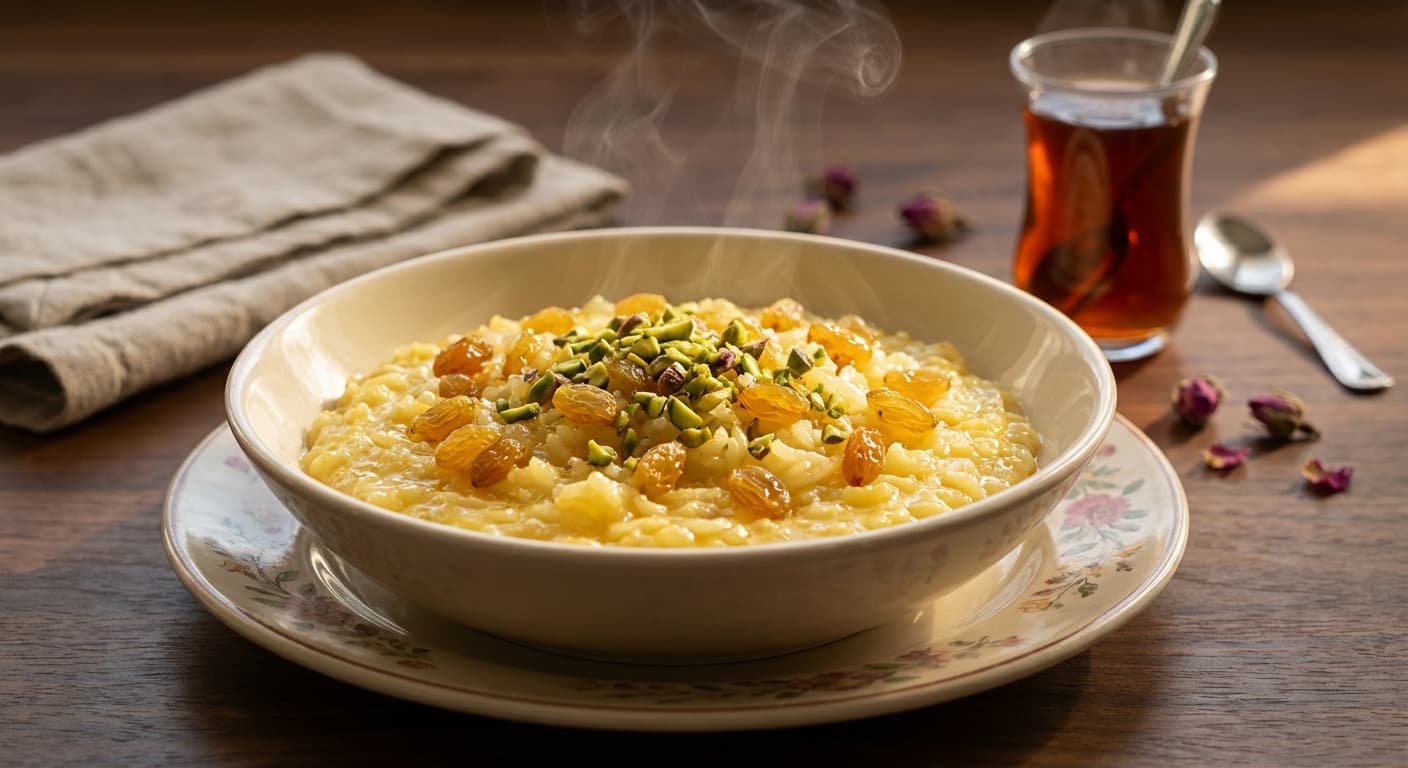
Saffron Sweet Rice (پلو شیرینی زعفرانی) — Festive Persian milk-saffron rice with nuts
Persian · Rice Dishes · 75 min
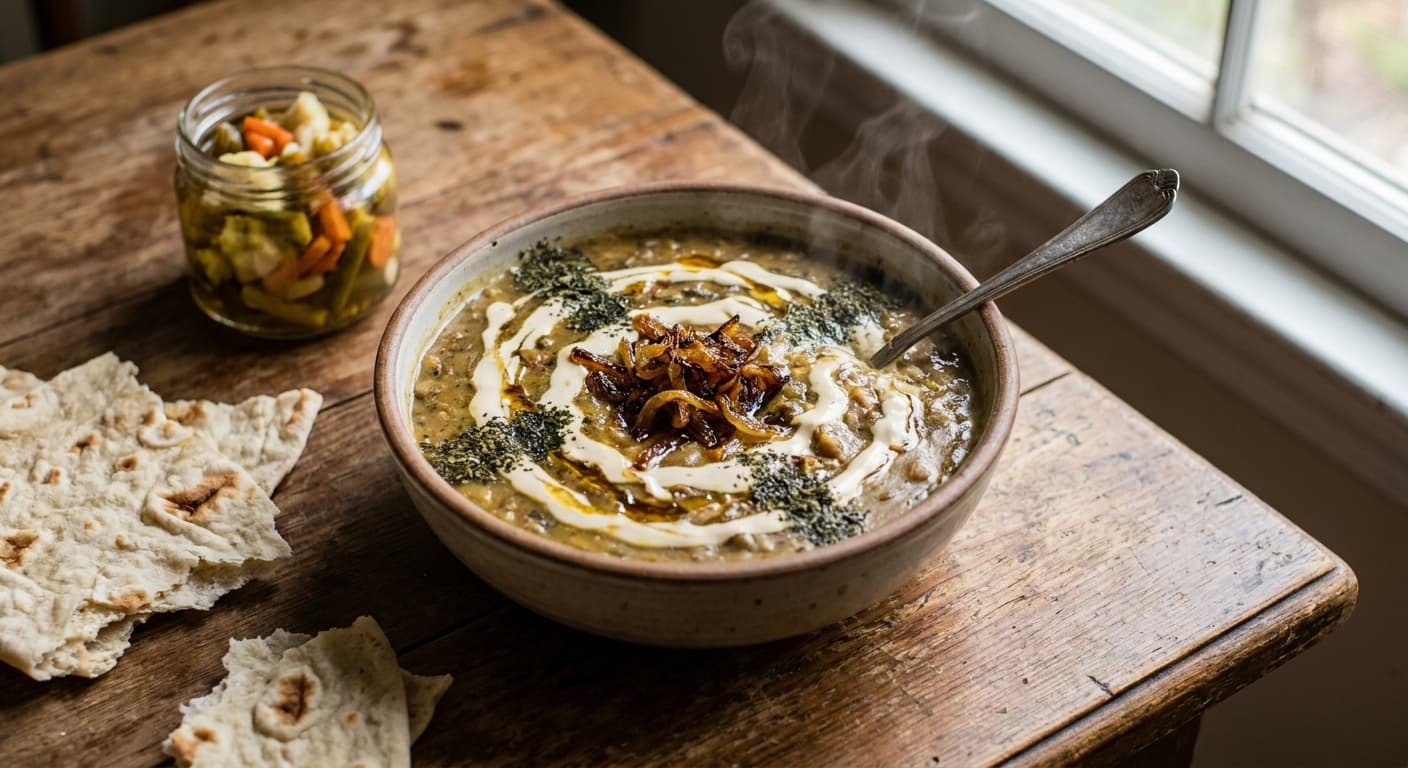
Ash-e Sak (آش ساک) — Gorgani Spinach and Lamb Ash
Persian · Soups · 175 min
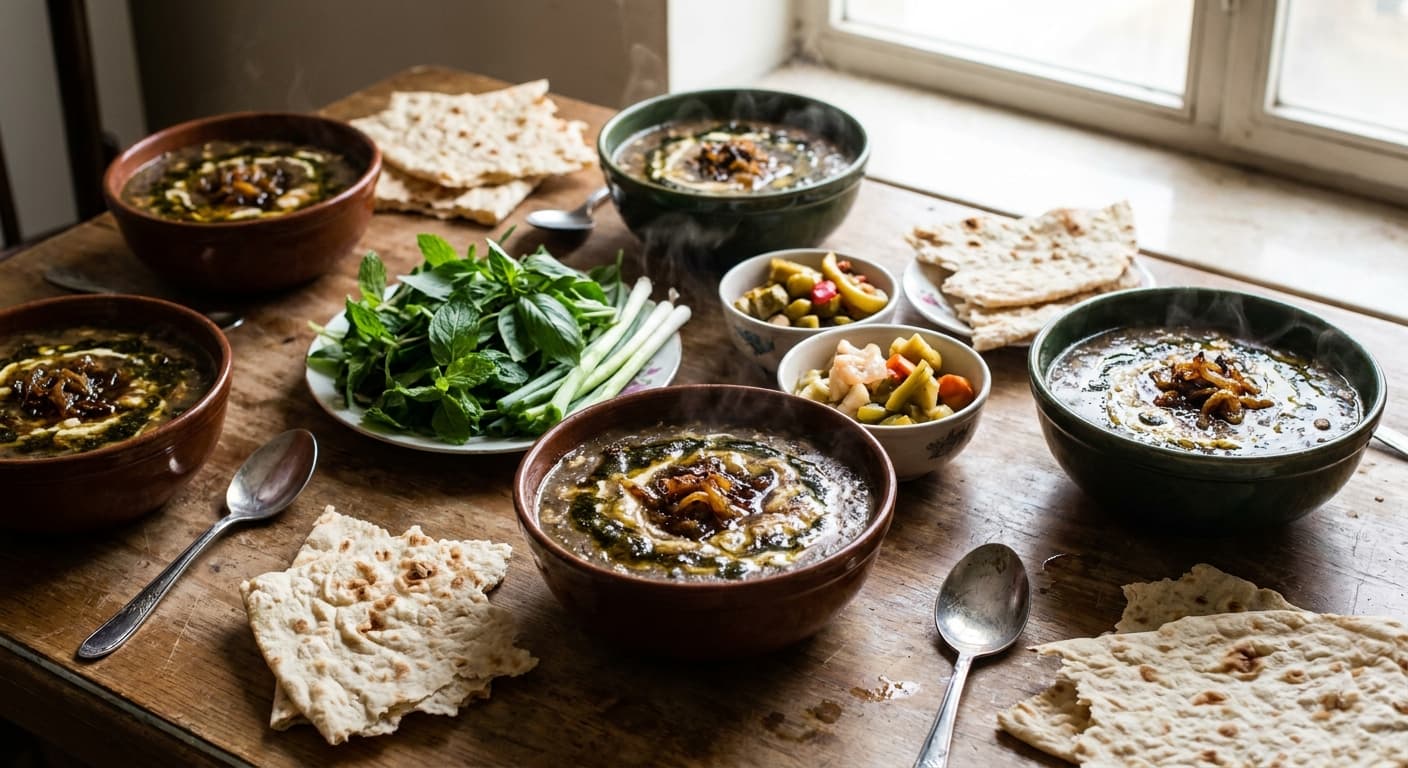
Ash-e Torsh (آش ترش) — Sour Herb and Legume Soup
Persian · Soups · 145 min
Makmoura (مكمورة) — Jordanian Layered Chicken Bread Pie
Jordanian · Main Courses · 185 min
Egyptian Fatta (فتة) — Layered Meat, Rice, and Crisp Bread
Egyptian · Main Courses · 145 min
Urfa Kebab (اورفا کباب) — Mild Turkish minced skewer with sumac onions
Turkish · Kebabs · 37 min
Stuffed Zucchini (Kabak Dolması) — Hollowed zucchini filled with spiced minced meat and rice
Turkish · Main Courses · 90 min
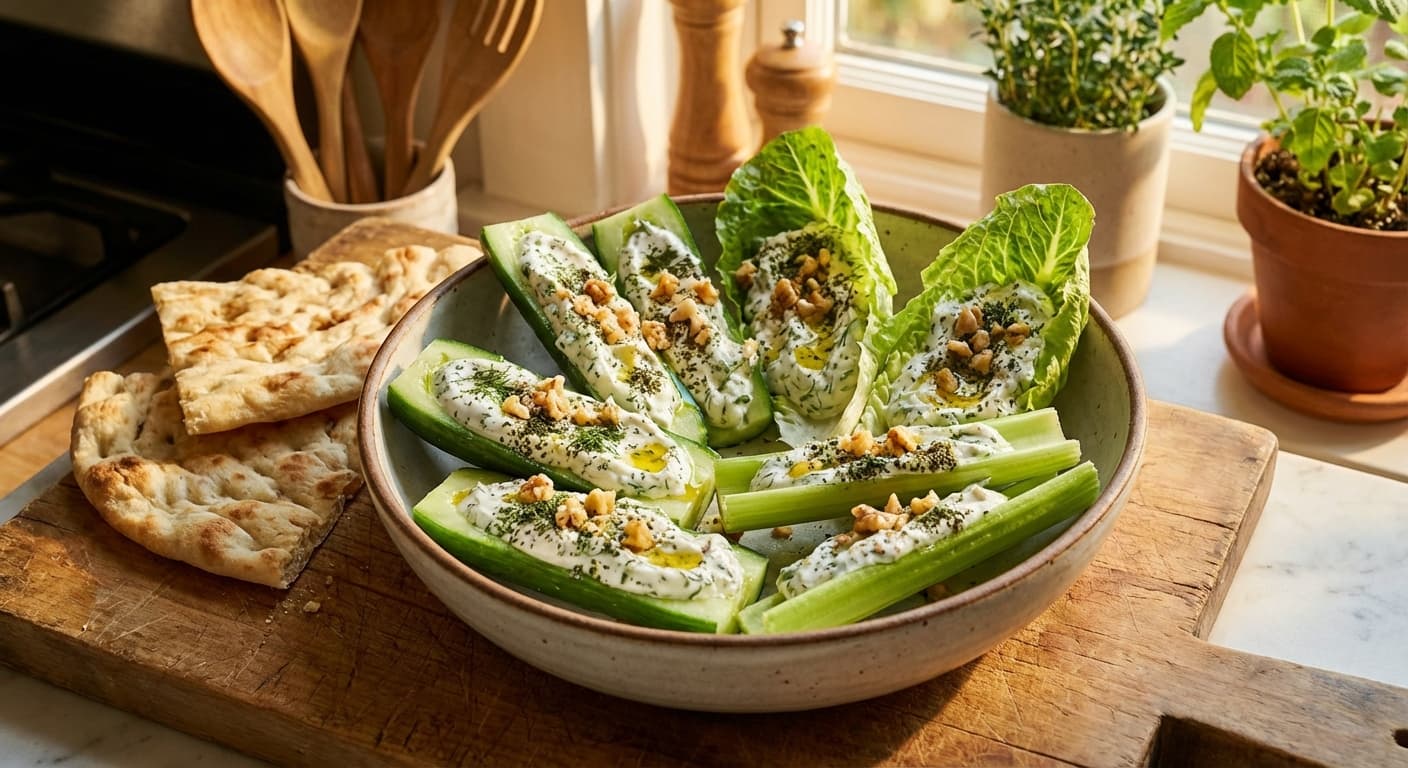
Sabzi Khordan Dolmeh (سبزی خوردن دلمه) — Persian-Style Stuffed Herb & Yogurt Hors d’Oeuvres
Persian · Appetizers · 150 min
Reviews
Cooked this recipe?
Tap the stars to rate it — that's all it takes. A few words are welcome but optional.
No ratings yet. Cooked this one? Be the first to rate it — it takes one tap.