Kuku-ye Sibzamini ba Kalam (کوکوی سیبزمینی با کلم)
Potato Kuku with Cabbage is a warm, home-style Iranian frittata. Mashed potatoes combined with sautéed cabbage and onion create a soft, fluffy interior with a golden, crispy crust on the outside.
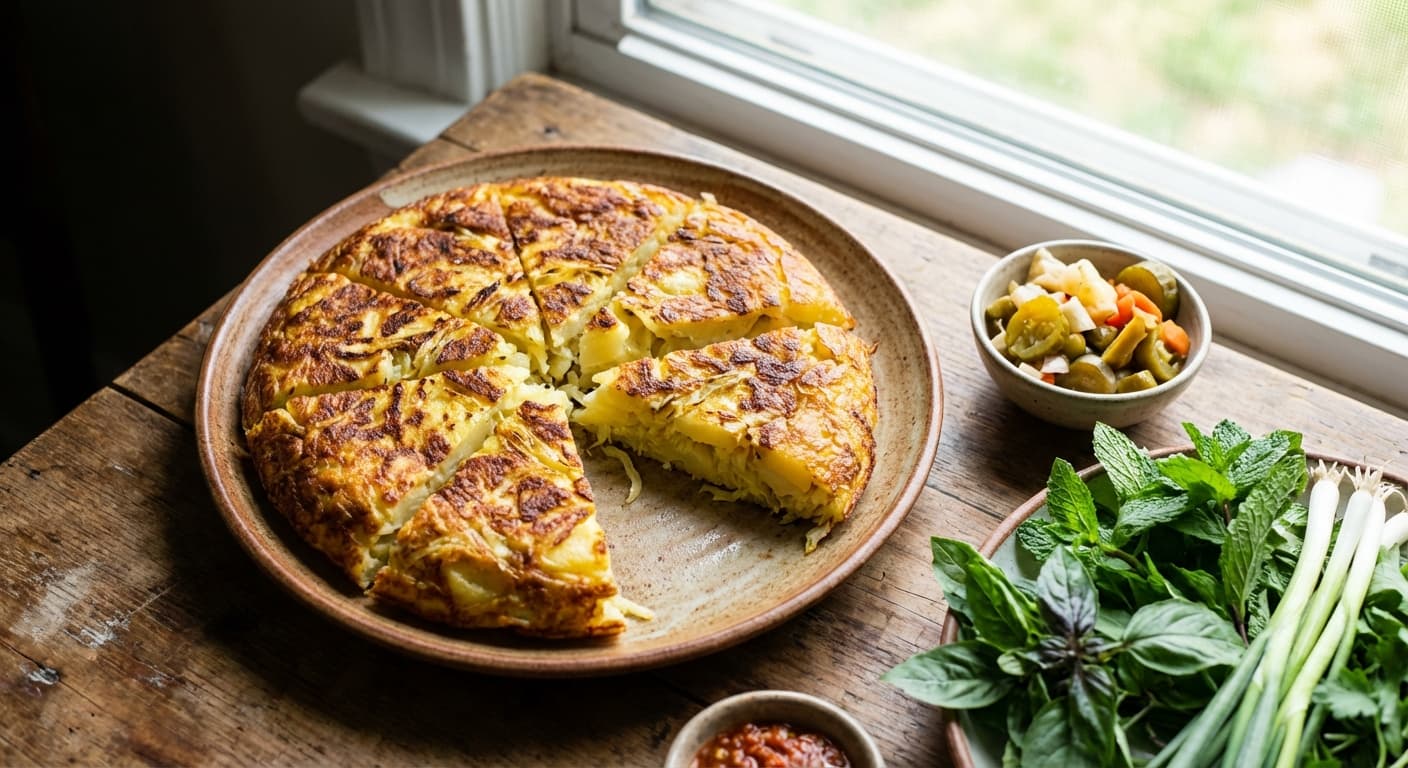
Printable Recipe Card
Servings: 4 · Total: 70 min · Difficulty: medium
Ingredients (quick list)
- 700 g Potatoes, peeled and cut into 3 cm chunks (Yukon gold or similar; for a fluffy mash)
- 1500 ml Water (For boiling potatoes)
- 10 g Salt (Divided; includes potato water and batter seasoning)
- 5 large Eggs (At room temperature for better lift)
- 2 g Black pepper, freshly ground (About 1 tsp)
- 200 g Onion, finely diced (About 1 large onion)
- 350 g Green cabbage, finely shredded (Remove tough core; shred thin for tenderness)
- 90 ml Vegetable oil (Divided for sautéing and frying; neutral oil)
Steps (summary)
- Boil the potatoes: add 1500 ml water to a pot, stir in 4 g salt, and bring to a boil. Add 700 g potato chunks, reduce to a stea…
- Mash and cool: mash the drained potatoes until smooth (no large lumps). Spread the mash on a wide plate or tray and let it cool…
- Sauté onion and cabbage: heat 30 ml vegetable oil in a 28 cm nonstick skillet over medium heat. Add 200 g diced onion and cook…
- Season and cool the sauté: sprinkle the cabbage mixture with 3 g salt and 2 g black pepper, then cook 1 more minute to bloom th…
- Make the batter: in a large bowl, whisk 5 eggs for 45–60 seconds until homogenous and slightly frothy. Add the cooled mashed po…
- Fry and set: wipe the skillet clean, then heat 60 ml vegetable oil over medium-low heat (about 160–170°C). Add the kuku mixture…
+ 1 more steps in the full instructions section below.
Cultural Background
In Iranian cooking, kuku dishes are considered quick, budget-friendly home meals and are often made for a light dinner or casual gatherings. The combination of potatoes and cabbage evokes simple, nourishing cold-season food, best enjoyed with bread and pickles.
Equipment
💡 Tips
- Shred cabbage very thinly; thicker shreds stay crunchy and can make the kuku fall apart when slicing.
- Let mashed potatoes cool before mixing with eggs to avoid curdling and a grainy texture.
- Cook the cabbage until most moisture evaporates; a drier filling browns better and yields a crispier exterior.
- Use medium-low heat with a lid first to set the center, then finish uncovered to crisp the crust.
⚠️ Common Mistakes
❌ Mixing eggs into hot mashed potatoes
💡 Why: Heat partially cooks the eggs, creating curds and a heavy, uneven crumb.
✅ Fix: Cool the mash 10–12 minutes on a tray before adding eggs; eggs should be room temperature.
❌ Not cooking off cabbage moisture
💡 Why: Excess water steams the kuku, preventing browning and causing cracking when flipped.
✅ Fix: Sauté until the pan looks nearly dry; drain any collected liquid before mixing.
❌ Using high heat from the start
💡 Why: The crust burns before the center sets, leading to a raw middle.
✅ Fix: Start on medium-low with a lid for 10–12 minutes, then finish uncovered to crisp.
❌ Making the layer too thick
💡 Why: A thick kuku sets slowly and can remain wet in the center.
✅ Fix: Press into a 2.5–3 cm layer in a 28 cm pan, or split into two smaller kukus.
🧊 How to Store
Cool completely, then refrigerate airtight up to 3 days. Reheat in a skillet with 5 ml oil over medium-low 4–6 minutes per side, or in a 180°C oven for 10–12 minutes to restore crispness. Freeze slices wrapped well up to 2 months; thaw overnight in the fridge before reheating.
📅 Make Ahead
Boil and mash the potatoes up to 24 hours ahead and refrigerate covered. Sauté the onion-cabbage mixture up to 2 days ahead. When ready, bring components to room temperature 20 minutes, mix with eggs, and fry fresh for the best crisp exterior.
🍽️ Pairs Well With
- Sabzi khordan (fresh herb platter) and radishes
- Torshi (Persian pickles)
- Plain yogurt or mast-o-khiar
- Lavash or sangak bread with tomato-cucumber salad
Regional Variations
- Tehran (home-style)Often made as a single large kuku in a nonstick pan, sliced into wedges and served with torshi and sabzi khordan; cabbage is sautéed until lightly caramelized for sweetness.
- Azerbaijan (Northwest Iran)Commonly browned more deeply for a thicker crust and sometimes shaped into smaller patties for easier flipping and serving with bread and strong tea.
Ingredients
- 700 gPotatoes, peeled and cut into 3 cm chunks (Yukon gold or similar; for a fluffy mash)
- 1500 mlWater (For boiling potatoes)
- 10 gSalt (Divided; includes potato water and batter seasoning)
- 5 largeEggs (At room temperature for better lift)
- 2 gBlack pepper, freshly ground (About 1 tsp)
- 200 gOnion, finely diced (About 1 large onion)
- 350 gGreen cabbage, finely shredded (Remove tough core; shred thin for tenderness)
- 90 mlVegetable oil (Divided for sautéing and frying; neutral oil)
🔄 Substitutions
- Green cabbage→ Savoy cabbage (same weight)
- Vegetable oil→ Grapeseed oil (same amount)
- Onion→ Leek (white and light green parts), 180 g
Instructions
- 1
Boil the potatoes: add 1500 ml water to a pot, stir in 4 g salt, and bring to a boil. Add 700 g potato chunks, reduce to a steady simmer, and cook 15–18 minutes until a knife slides in easily. Drain well, then return to the hot pot for 2 minutes to evaporate excess moisture.
- 2
Mash and cool: mash the drained potatoes until smooth (no large lumps). Spread the mash on a wide plate or tray and let it cool 10–12 minutes. Cooling prevents the eggs from scrambling on contact and helps the kuku set with a fluffy interior instead of turning dense.
- 3
Sauté onion and cabbage: heat 30 ml vegetable oil in a 28 cm nonstick skillet over medium heat. Add 200 g diced onion and cook 6–8 minutes until golden. Add 350 g shredded cabbage and cook 8–10 minutes, stirring, until softened and lightly caramelized with minimal moisture left in the pan.
- 4
Season and cool the sauté: sprinkle the cabbage mixture with 3 g salt and 2 g black pepper, then cook 1 more minute to bloom the pepper. Transfer to a bowl and cool 5 minutes. If any liquid collects, drain it off; excess moisture can prevent browning and cause the kuku to crack.
- 5
Make the batter: in a large bowl, whisk 5 eggs for 45–60 seconds until homogenous and slightly frothy. Add the cooled mashed potatoes, remaining 3 g salt, and the cooled cabbage-onion mixture. Fold thoroughly until evenly combined; the mixture should be thick and spoonable, not runny.
- 6
Fry and set: wipe the skillet clean, then heat 60 ml vegetable oil over medium-low heat (about 160–170°C). Add the kuku mixture and press into an even 2.5–3 cm layer. Cover and cook 10–12 minutes until the edges are deep golden and the center begins to set.
- 7
Flip for a crisp crust: slide the kuku onto a plate, invert back into the skillet, and cook uncovered 8–10 minutes until the second side is golden and crisp. For extra browning, raise heat to medium for the final 1 minute. Rest 5 minutes before slicing to keep clean wedges.
🪪 Recipe Passport
Cultural Background
In Iranian cooking, kuku dishes are considered quick, budget-friendly home meals and are often made for a light dinner or casual gatherings. The combination of potatoes and cabbage evokes simple, nourishing cold-season food, best enjoyed with bread and pickles.
Regional Variations
Researched from multiple sources and validated by the Zaffaron editorial team. Every recipe is tested for accuracy, measurements, and cultural authenticity.
Nutrition per serving
Pairs well with
If you enjoyed this recipe, here are a few related Zaffaron recipes to try next.
- Lobia Polo ba Sabzi (لوبیا پلو با سبزی) — Saffron Herb Rice with Green Beans and Chicken
- Lubia Chashm Bolboli Polo (لوبیا چشم بلبلی پلو) — Persian Black-Eyed Pea Rice with Savory Soy Kofta
- Kuku-ye Esfenaj (کوکو اسفناج) — Persian Spinach and Walnut Frittata
- Kuku-ye Sibzamini (کوکو سیب زمینی) — Persian Cheddar Potato Frittters
Does your family make this differently?
Every family has their own version. Maybe your grandmother adds a secret ingredient, or your aunt has a completely different technique. Preserve your family's version — with their name on it, forever.
You Might Also Like
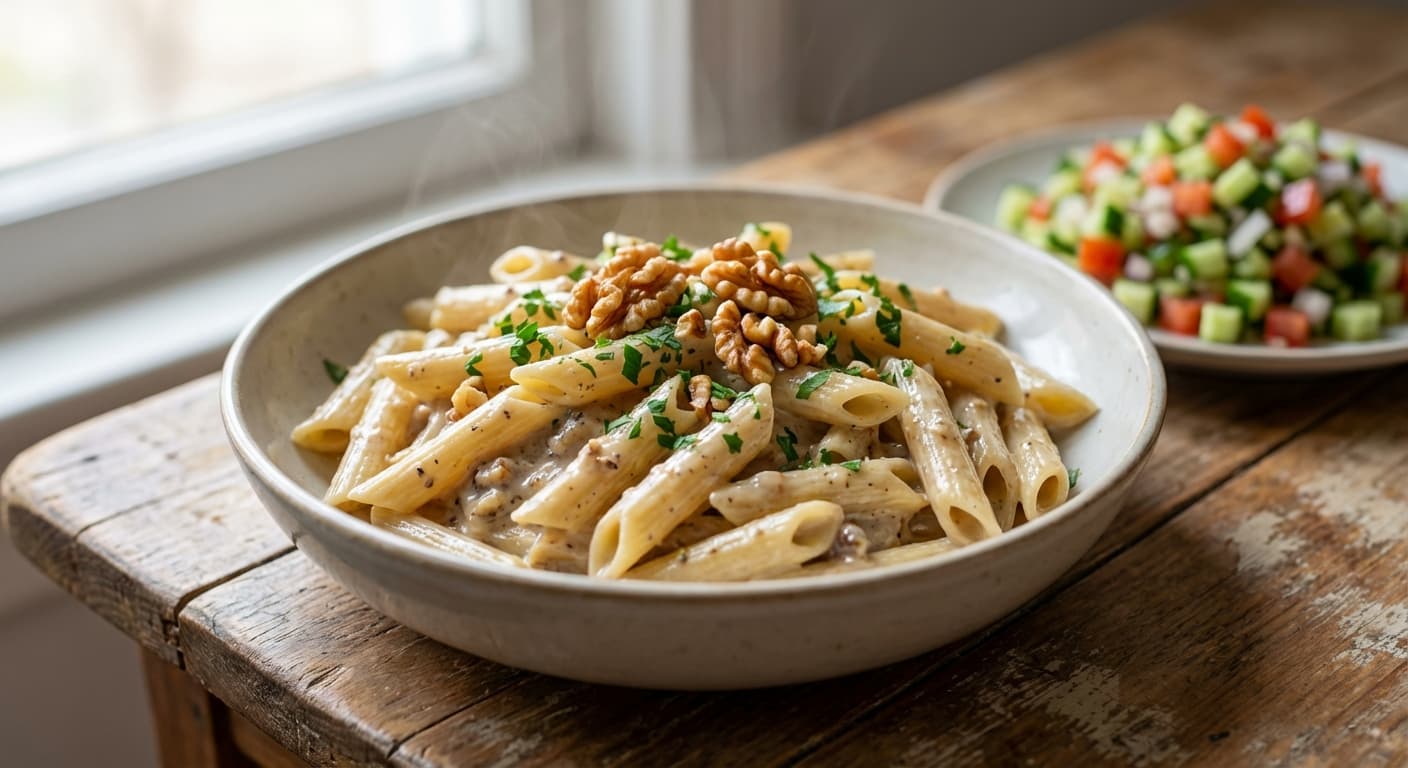
Pasta with Walnut Sauce (پاستا با سس گردو) — Creamy Persian Walnut-Yogurt Pasta
Persian · Main Courses · 35 min
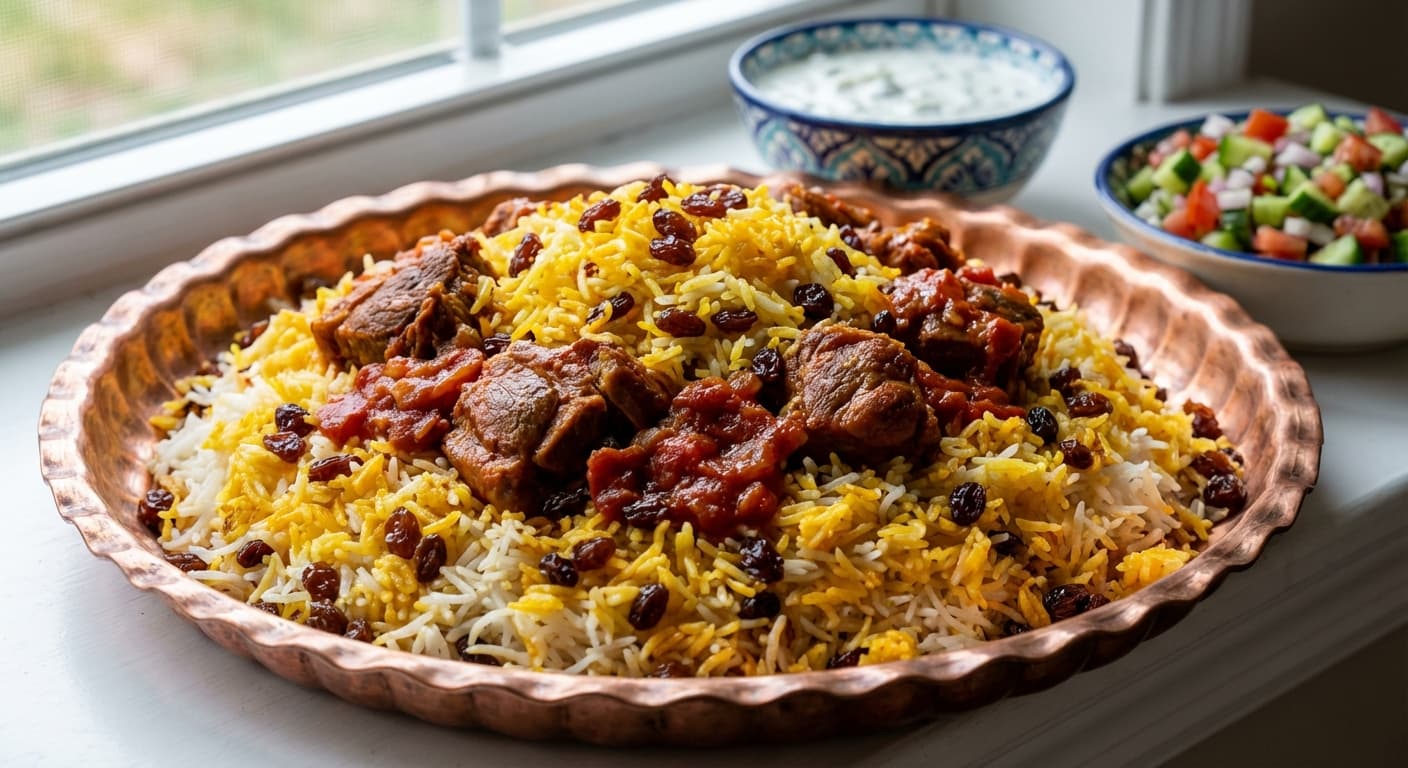
Kashmish Polow (کشمش پلو) — Persian Raisin Rice with Slow-Cooked Lamb
Persian · Rice Dishes · 155 min
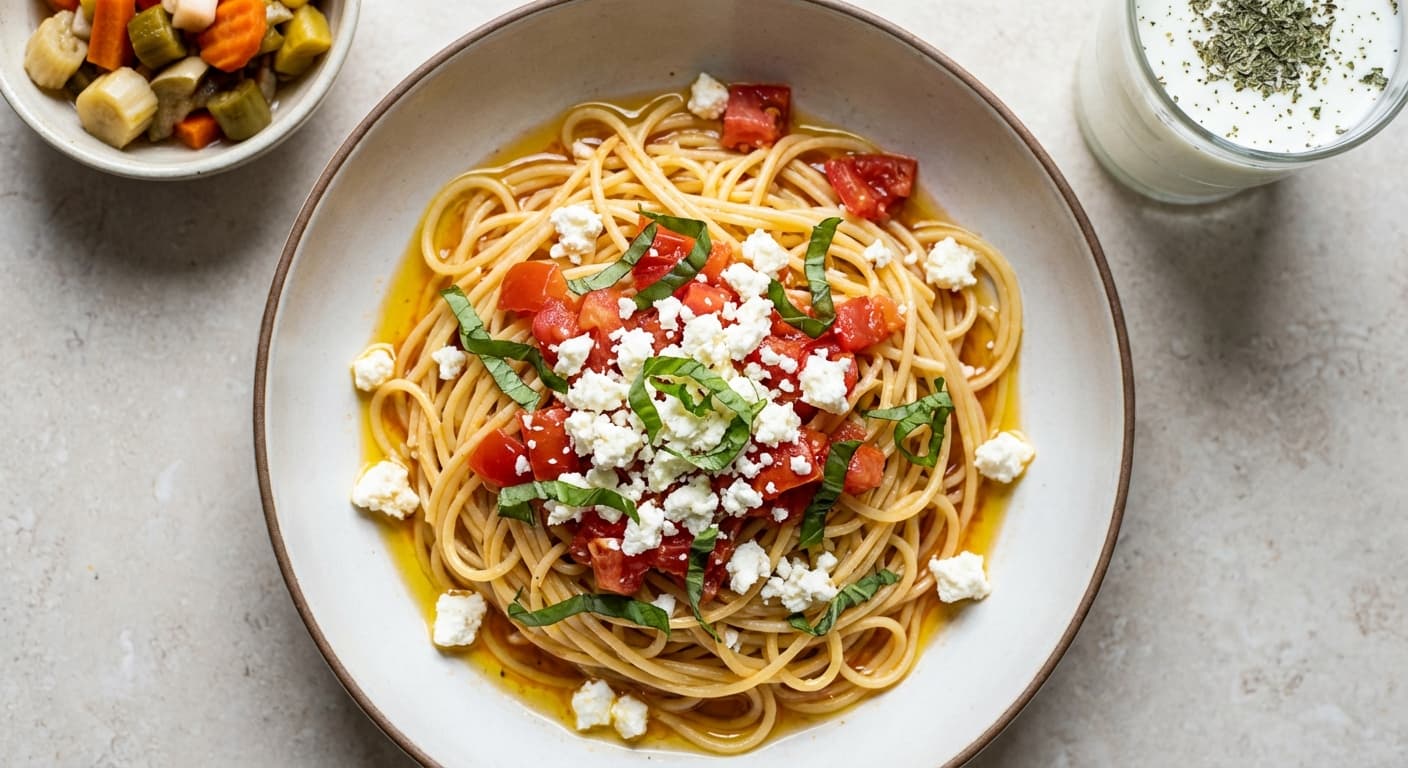
Pastay Paniri (پاستای پنیری) — Persian-Style Cheesy Pasta with Fresh Tomatoes
Persian · Main Courses · 27 min
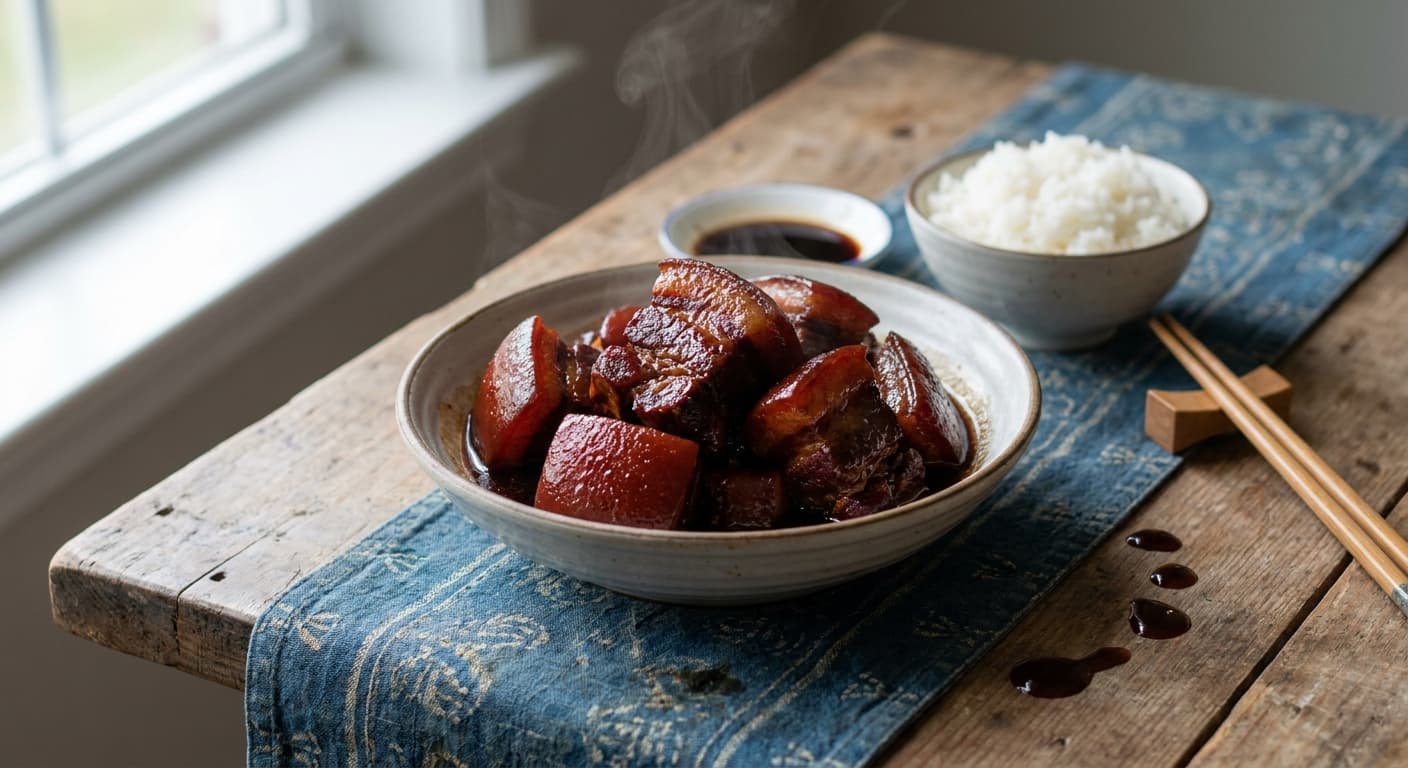
Dongpo Pork (东坡肉) — Hangzhou Red-Braised Pork Belly
Chinese · Main Courses · 205 min
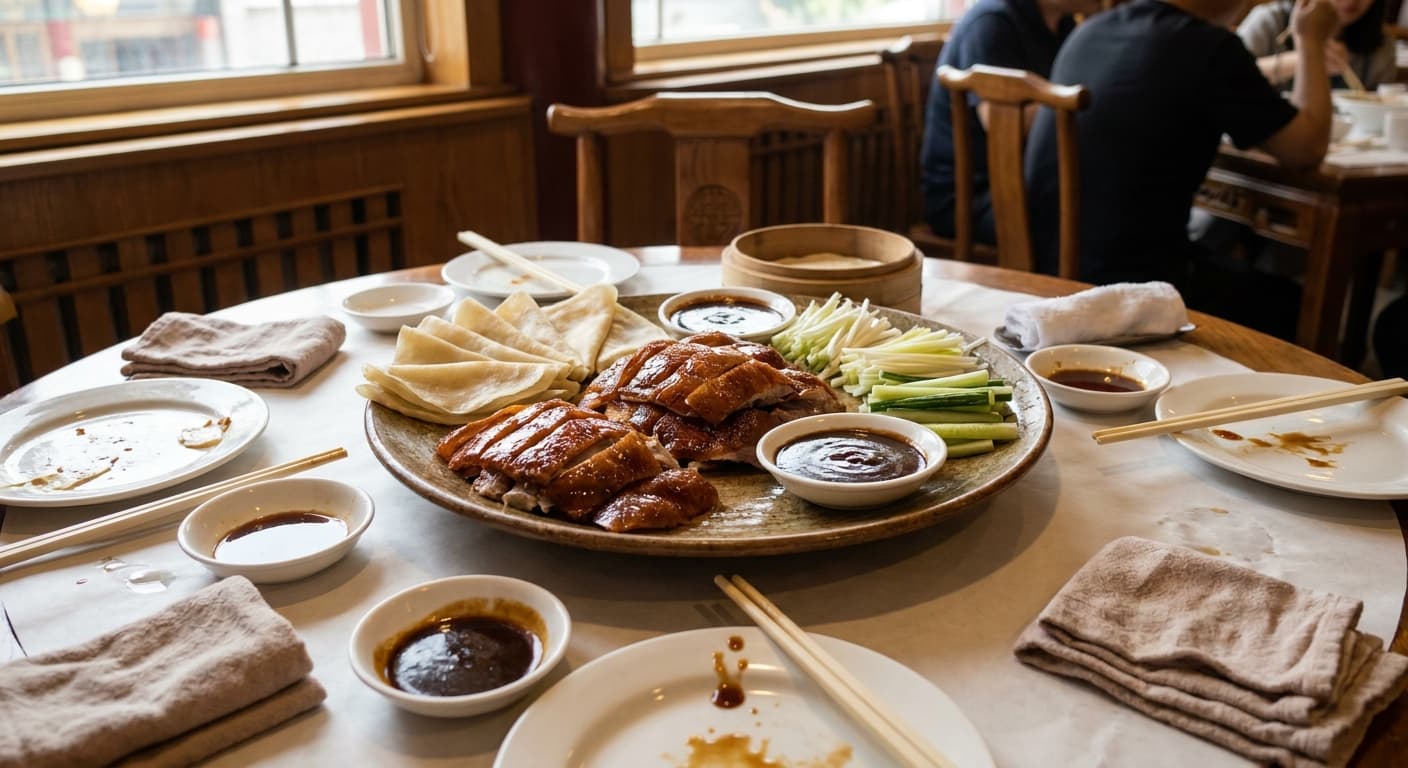
Peking Duck (北京烤鸭) — Crisp-Skinned Beijing Roast Duck
Chinese · Main Courses · 180 min
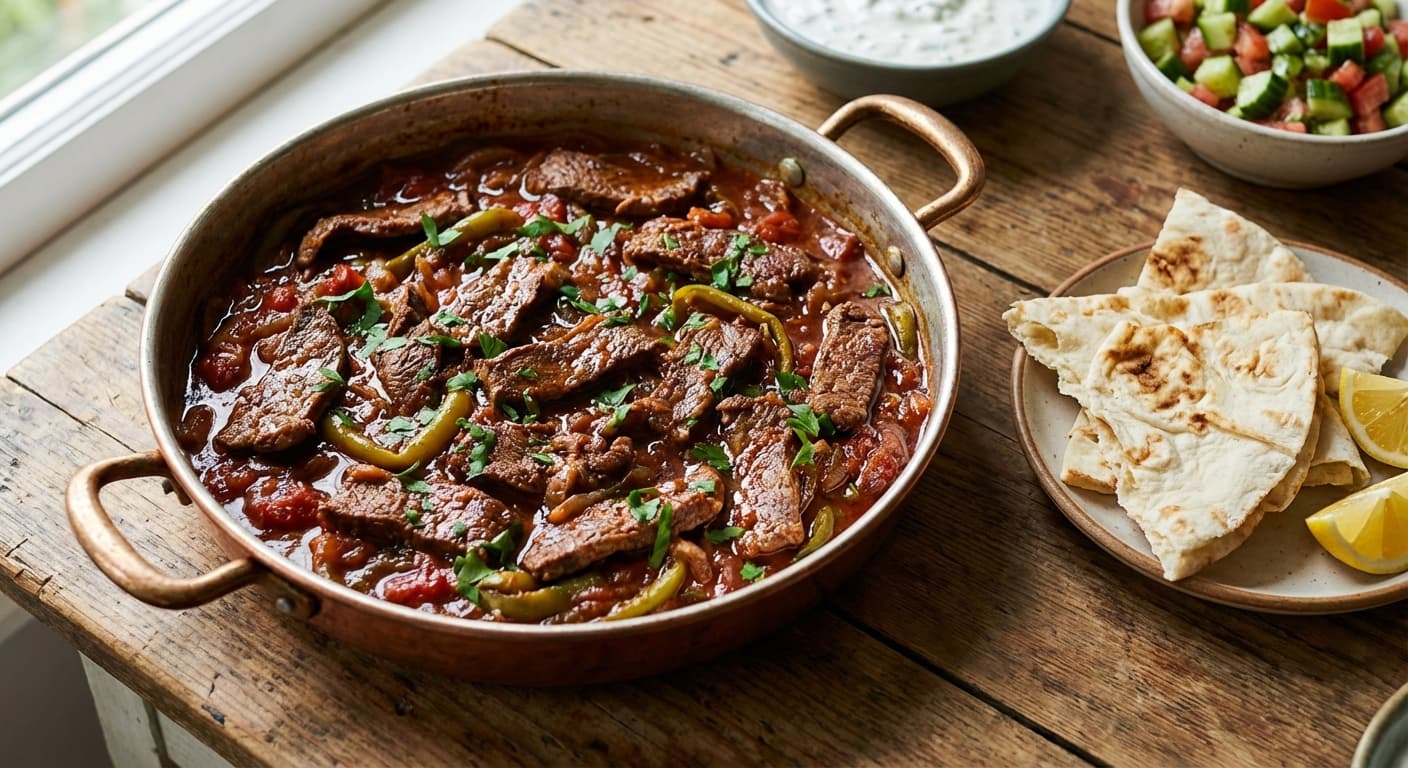
Sac Kavurma (Saç Kavurma) — Thin-Sliced Turkish Meat Sautéed with Onions
Turkish · Main Courses · 38 min
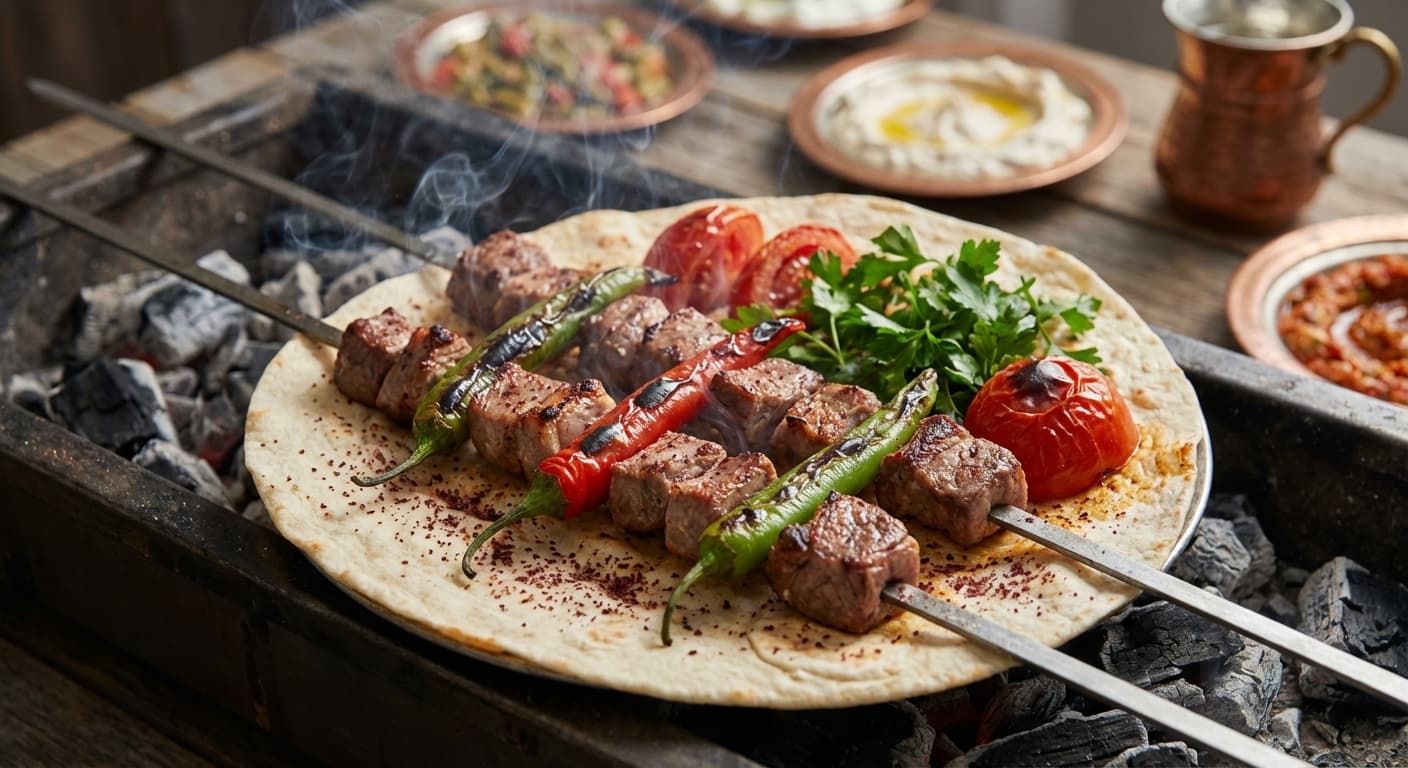
Turkish Shish Kebab (Şiş Kebap) — Charcoal-Grilled Marinated Lamb Skewers
Turkish · Kebabs · 37 min
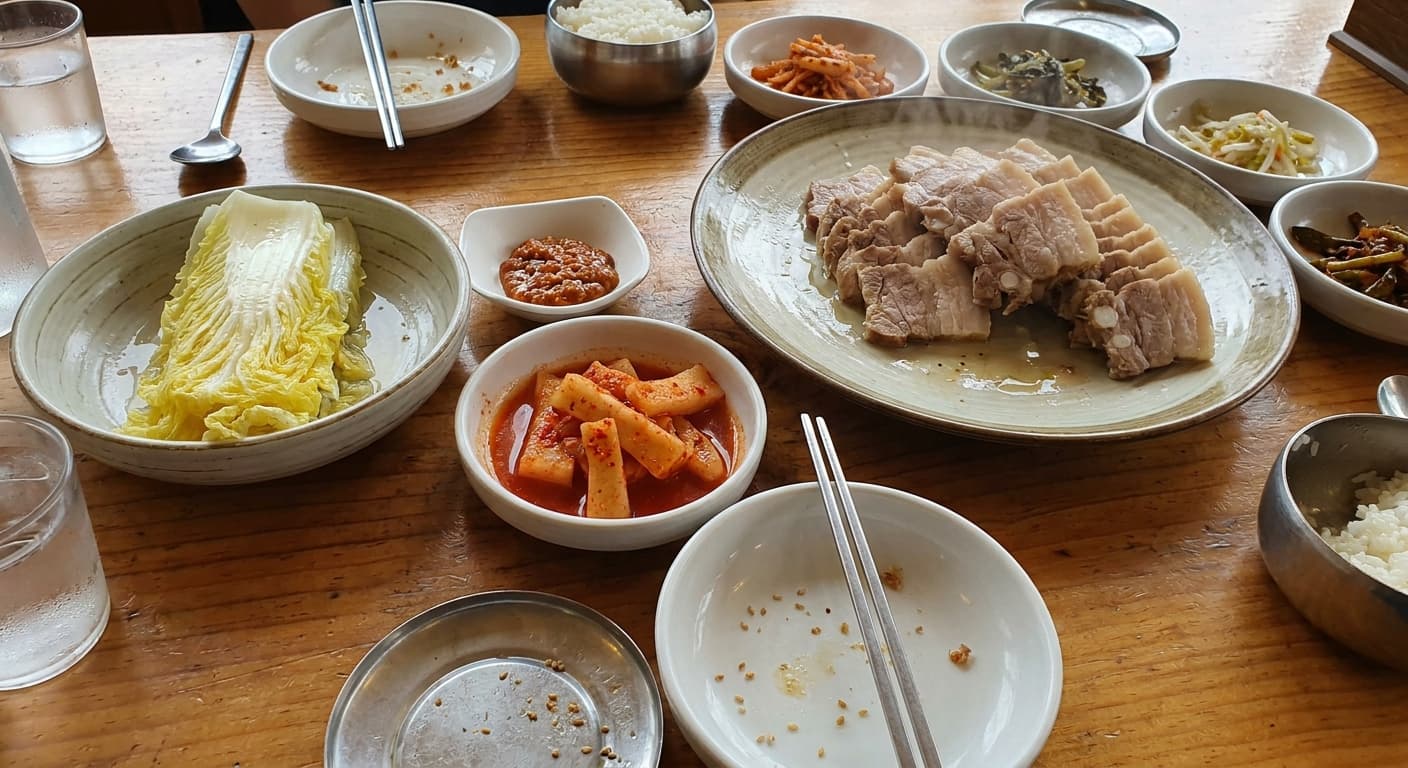
Bossam (보쌈) — Korean Boiled Pork Lettuce Wraps
Korean · Main Courses · 135 min
Reviews
Cooked this recipe?
Tap the stars to rate it — that's all it takes. A few words are welcome but optional.
No ratings yet. Cooked this one? Be the first to rate it — it takes one tap.