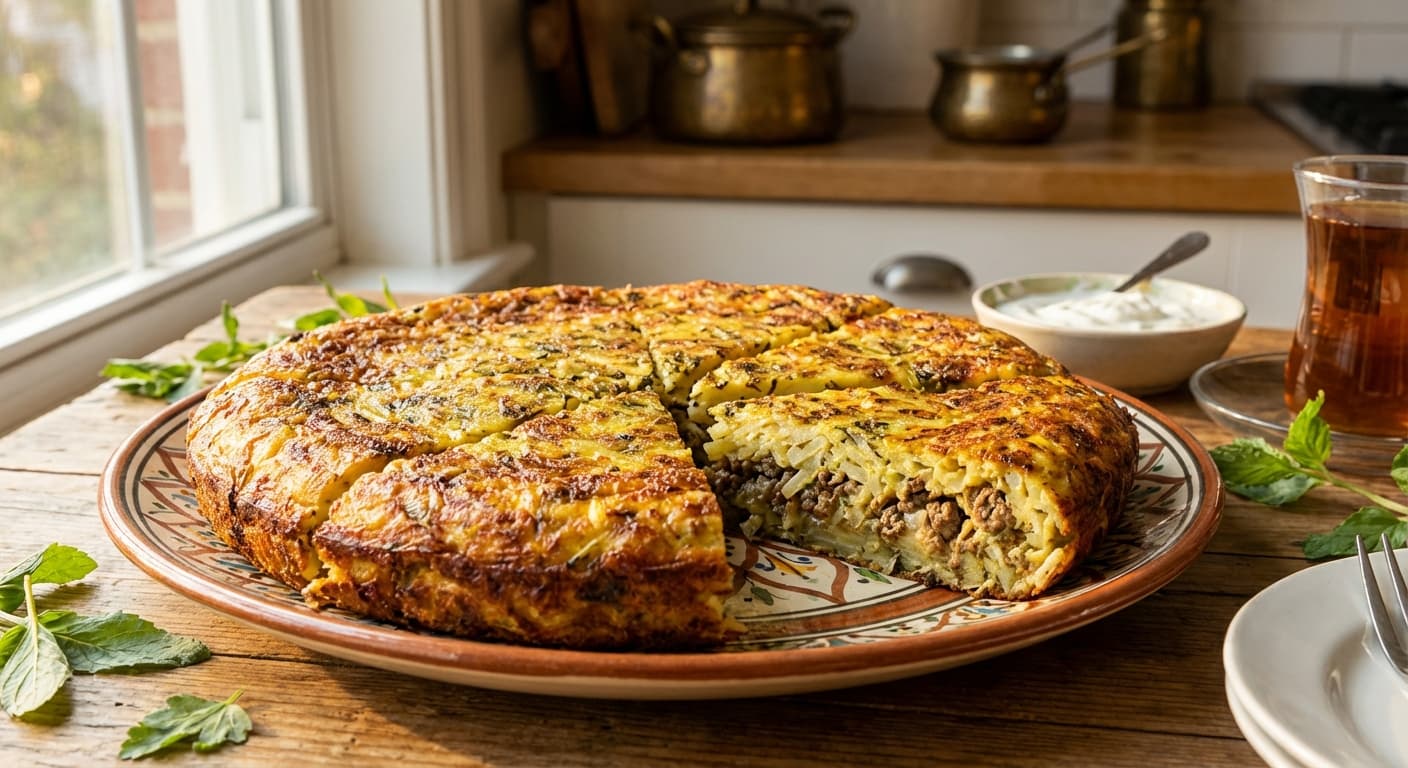
Kuku-ye Khanom Jaan (کوکوی خانم جان) — Persian Herb and Meat Frittata
A family-style Persian herb and meat frittata built on grated potatoes, onion, and a seven-herb bouquet. Crisp-edged outside and tender inside, it’s fragrant, satisfying, and ideal for lunch, dinner, or picnics.
Printable Recipe Card
Servings: 6 · Total: 65 min · Difficulty: medium
Ingredients (quick list)
- 700 g Russet potatoes, peeled (about 3 medium; grate on large holes)
- 200 g Yellow onion (1 large; grate on large holes)
- 9 g Kosher salt (1 1/2 tsp, divided)
- 5 large Eggs (room temperature if possible)
- 250 g Ground beef (85–90% lean) (or ground lamb)
- 45 ml Neutral oil (sunflower or grapeseed) (3 tbsp, divided; plus more if needed)
- 2 g Ground turmeric (1 tsp)
- 1 g Ground black pepper (1/2 tsp)
- 1 g Ground cumin (1/2 tsp)
- 1 g Dried lime powder (1/2 tsp; optional but traditional-leaning tang)
- 12 g Fresh mint leaves, finely chopped (about 1/4 cup packed)
- 8 g Fresh tarragon leaves, finely chopped (about 3 tbsp)
+ 5 more in the full ingredients section below.
Steps (summary)
- Grate the potatoes and onion into a large bowl. Sprinkle with 6 g (1 tsp) of the salt and toss. Let sit 10 minutes, then squeez…
- Heat 15 ml (1 tbsp) oil in a skillet over medium-high heat. Add the ground meat and cook 6–8 minutes, breaking it into small cr…
- Scrape the cooked meat into the potato-onion bowl. Add all seven chopped herbs (mint, tarragon, dill, savory, cilantro, chives,…
- Wipe the skillet clean and heat 30 ml (2 tbsp) oil over medium heat. When the oil shimmers, add the kuku mixture and press into…
- Loosen the edges with a spatula. Slide the kuku onto a plate, invert back into the skillet, and cook uncovered 8–10 minutes mor…
Cultural Background
Herb-based kuku dishes are common in Persian home cooking, often prepared for family meals because they are filling, adaptable, and easy to portion. Versions that combine potatoes, herbs, and meat are frequently taught within families and served warm or at room temperature for gatherings and travel-friendly meals.
Equipment
💡 Tips
- Squeeze the grated potatoes and onion very well; excess moisture is the main cause of a soggy, fragile kuku.
- Chop herbs finely and evenly so they distribute through each slice rather than clumping.
- If the top looks wet after flipping, lower the heat and cook a few minutes longer to set the center without over-browning the crust.
- For clean slices, let the kuku rest at least 5 minutes, then cut with a sharp knife wiped between cuts.
⚠️ Common Mistakes
❌ Skipping the squeeze step for grated potatoes and onion
💡 Why: Excess water steams the mixture, preventing browning and making the kuku fall apart.
✅ Fix: Salt, rest 10 minutes, then squeeze very firmly; if still wet, squeeze again in a towel.
❌ Cooking over high heat to brown faster
💡 Why: The outside burns before the center sets, leaving a raw or wet middle.
✅ Fix: Use medium heat with a lid for the first side, then medium to medium-low after flipping until fully set.
❌ Overmixing after adding eggs
💡 Why: Aggressive mixing can compact the potatoes, leading to a dense, gummy texture.
✅ Fix: Mix just until evenly coated and combined, about 1 minute; press gently into the pan rather than packing hard.
❌ Flipping too early
💡 Why: If the first side hasn’t formed a crust, the kuku can tear and stick.
✅ Fix: Wait until edges are deeply golden and the top looks mostly set; loosen fully before turning.
🧊 How to Store
Cool to room temperature within 2 hours, then refrigerate in an airtight container for up to 3 days. Reheat in a lightly oiled skillet over medium-low heat 4–6 minutes per side, or warm in a 180°C/350°F oven for 10–12 minutes. Freeze wedges up to 2 months; thaw overnight in the fridge before reheating.
📅 Make Ahead
Chop herbs up to 24 hours ahead and refrigerate in a sealed container lined with a paper towel. You can also cook the meat mixture 1 day ahead and chill; assemble with grated potatoes, herbs, and eggs just before frying for best texture.
🍽️ Pairs Well With
- Plain yogurt or strained yogurt with cucumber and dried mint
- Pickled vegetables
- Tomato and cucumber salad with lemon juice
- Flatbread or steamed rice
Regional Variations
- Tehran and central IranOften made with a balanced mix of herbs and potatoes, cut into neat wedges and served with yogurt and pickles; some households add a touch of dried lime for brightness.
- Northern Iran (Caspian region)Herb quantities may be increased for a greener, more aromatic kuku; some cooks incorporate additional leafy herbs when in season and serve with fresh vegetable platters.
- Iranian diasporaSavory is sometimes replaced with marjoram or thyme due to availability, and the kuku may be baked in a casserole dish for convenience and easier portioning.
Ingredients
- 700 gRusset potatoes, peeled (about 3 medium; grate on large holes)
- 200 gYellow onion (1 large; grate on large holes)
- 9 gKosher salt (1 1/2 tsp, divided)
- 5 largeEggs (room temperature if possible)
- 250 gGround beef (85–90% lean) (or ground lamb)
- 45 mlNeutral oil (sunflower or grapeseed) (3 tbsp, divided; plus more if needed)
- 2 gGround turmeric (1 tsp)
- 1 gGround black pepper (1/2 tsp)
- 1 gGround cumin (1/2 tsp)
- 1 gDried lime powder (1/2 tsp; optional but traditional-leaning tang)
- 12 gFresh mint leaves, finely chopped (about 1/4 cup packed)
- 8 gFresh tarragon leaves, finely chopped (about 3 tbsp)
- 20 gFresh dill, finely chopped (about 1/2 cup)
- 6 gFresh savory, finely chopped (about 3 tbsp; see substitutions if unavailable)
- 20 gFresh cilantro, finely chopped (about 1/2 cup)
- 10 gFresh chives, finely chopped (about 1/3 cup)
- 25 gFresh parsley, finely chopped (about 3/4 cup)
🔄 Substitutions
- Fresh savory→ Fresh marjoram or a mix of thyme and oregano (half and half)
- Ground beef→ Ground lamb or ground turkey (93% lean)
- Russet potatoes→ Yukon Gold potatoes
Instructions
- 1
Grate the potatoes and onion into a large bowl. Sprinkle with 6 g (1 tsp) of the salt and toss. Let sit 10 minutes, then squeeze firmly by handfuls over the sink to remove excess liquid. Transfer the squeezed mixture to a clean bowl; drier potatoes help the kuku set and brown evenly.
- 2
Heat 15 ml (1 tbsp) oil in a skillet over medium-high heat. Add the ground meat and cook 6–8 minutes, breaking it into small crumbles, until no pink remains. Stir in turmeric, black pepper, cumin, dried lime powder (if using), and the remaining 3 g (1/2 tsp) salt; cook 30 seconds to bloom spices.
- 3
Scrape the cooked meat into the potato-onion bowl. Add all seven chopped herbs (mint, tarragon, dill, savory, cilantro, chives, parsley). In a separate bowl, whisk the eggs for 20–30 seconds until uniform, then pour over the mixture. Mix thoroughly for 1 minute so the eggs coat everything evenly.
- 4
Wipe the skillet clean and heat 30 ml (2 tbsp) oil over medium heat. When the oil shimmers, add the kuku mixture and press into an even 2–2.5 cm thick layer. Cover and cook 10–12 minutes, adjusting heat so it gently sizzles; the edges should turn deep golden without burning.
- 5
Loosen the edges with a spatula. Slide the kuku onto a plate, invert back into the skillet, and cook uncovered 8–10 minutes more until the second side is browned and the center reaches 71°C/160°F. Rest 5 minutes before slicing into wedges; resting prevents crumbling and improves texture.
🪪 Recipe Passport
Cultural Background
Herb-based kuku dishes are common in Persian home cooking, often prepared for family meals because they are filling, adaptable, and easy to portion. Versions that combine potatoes, herbs, and meat are frequently taught within families and served warm or at room temperature for gatherings and travel-friendly meals.
Regional Variations
Researched from multiple sources and validated by the Zaffaron editorial team. Every recipe is tested for accuracy, measurements, and cultural authenticity.
Nutrition per serving
Pairs well with
If you enjoyed this recipe, here are a few related Zaffaron recipes to try next.
Does your family make this differently?
Every family has their own version. Maybe your grandmother adds a secret ingredient, or your aunt has a completely different technique. Preserve your family's version — with their name on it, forever.
You Might Also Like
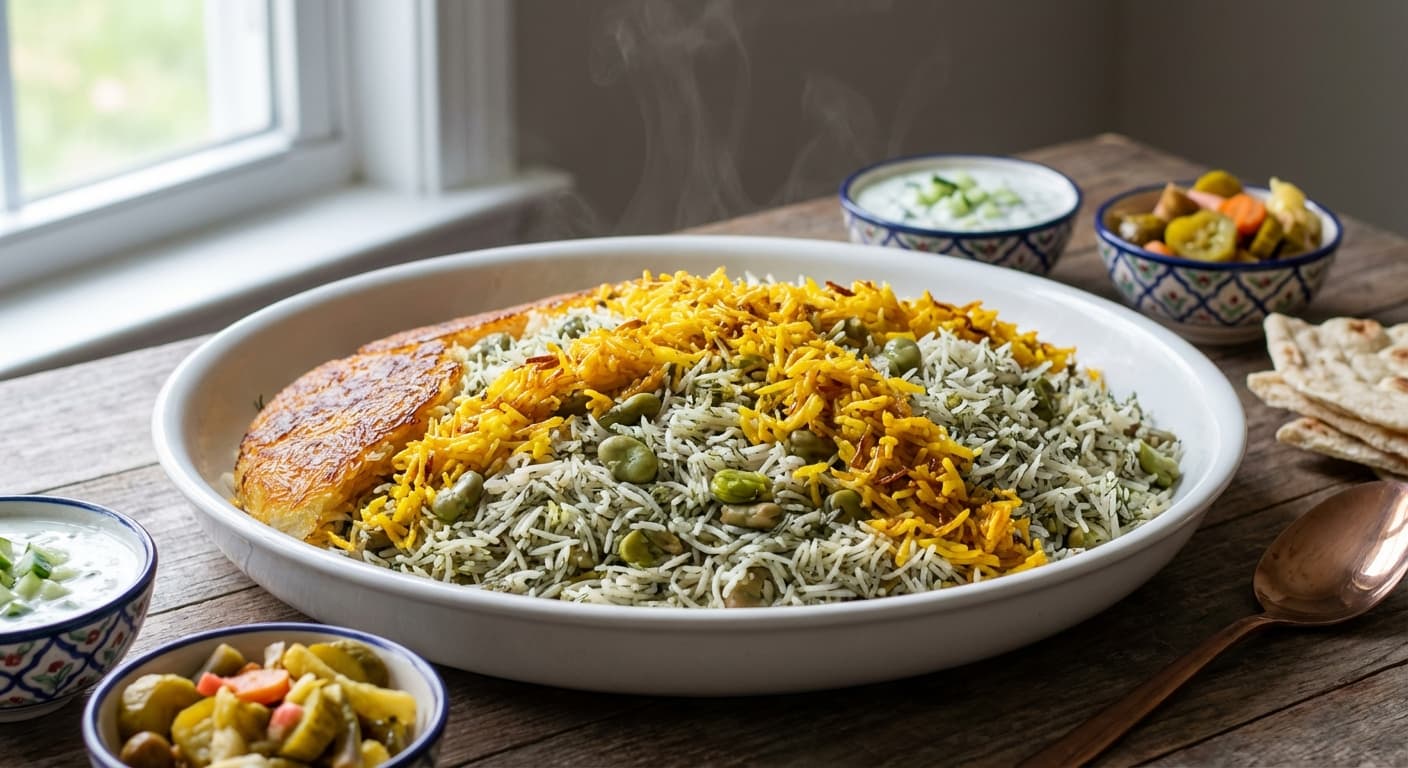
Baghali Polo (باقالی پلو) — Persian Dill and Fava Bean Rice with Saffron
Persian · Rice Dishes · 95 min
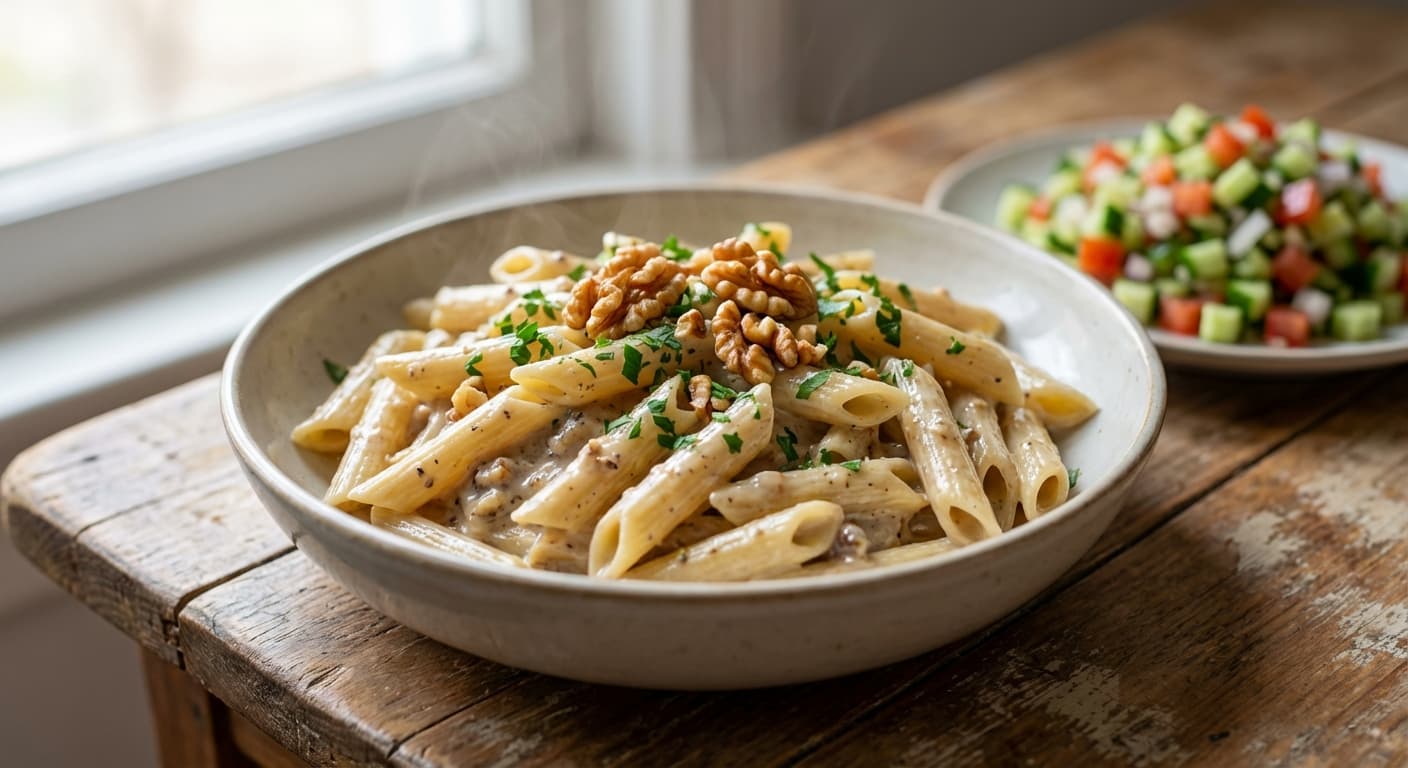
Pasta with Walnut Sauce (پاستا با سس گردو) — Creamy Persian Walnut-Yogurt Pasta
Persian · Main Courses · 35 min
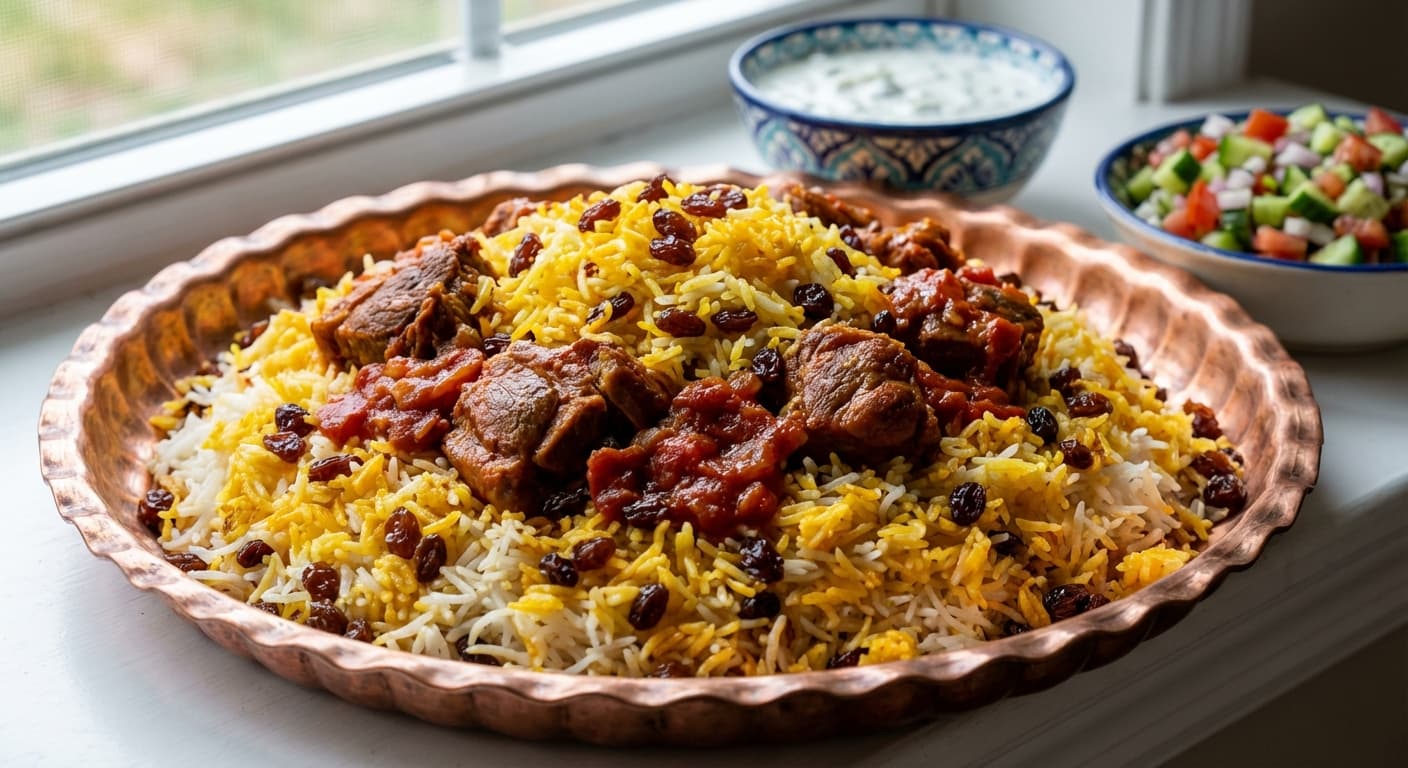
Kashmish Polow (کشمش پلو) — Persian Raisin Rice with Slow-Cooked Lamb
Persian · Rice Dishes · 155 min
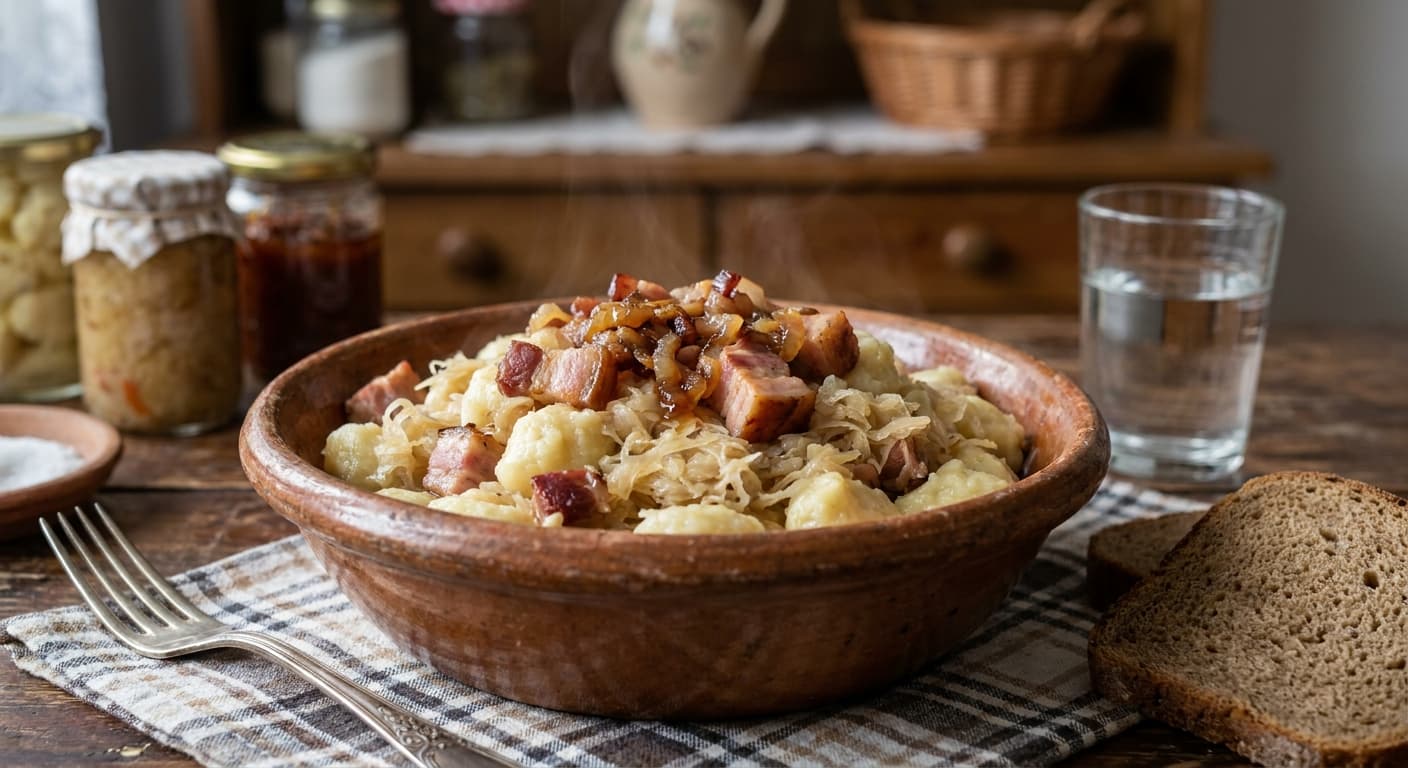
Potato Dumplings with Smoked Meat (Strapačky s údeným mäsom) — Rustic Slovak Halušky with Sauerkraut
Slovak · Main Courses · 70 min
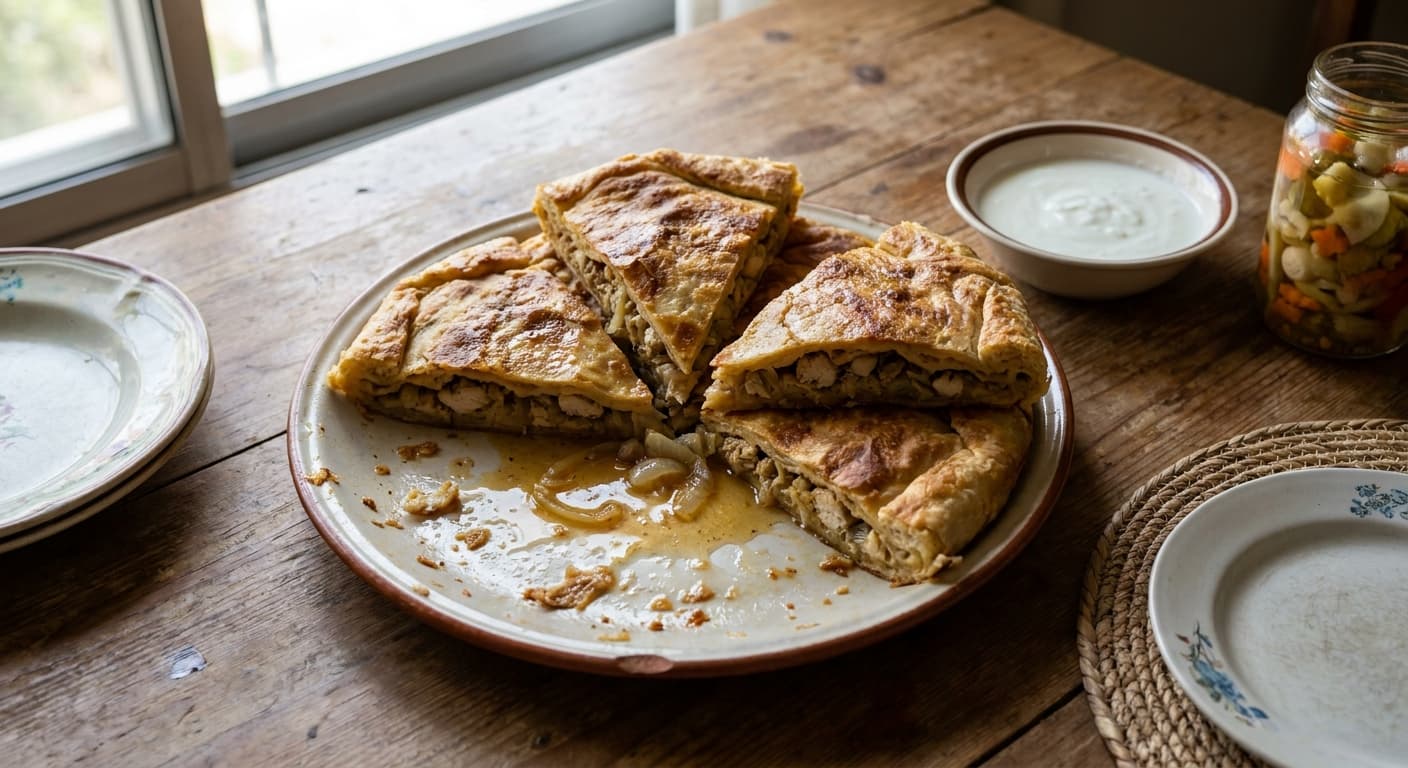
Makmoura (مكمورة) — Jordanian Layered Chicken Bread Pie
Jordanian · Main Courses · 185 min
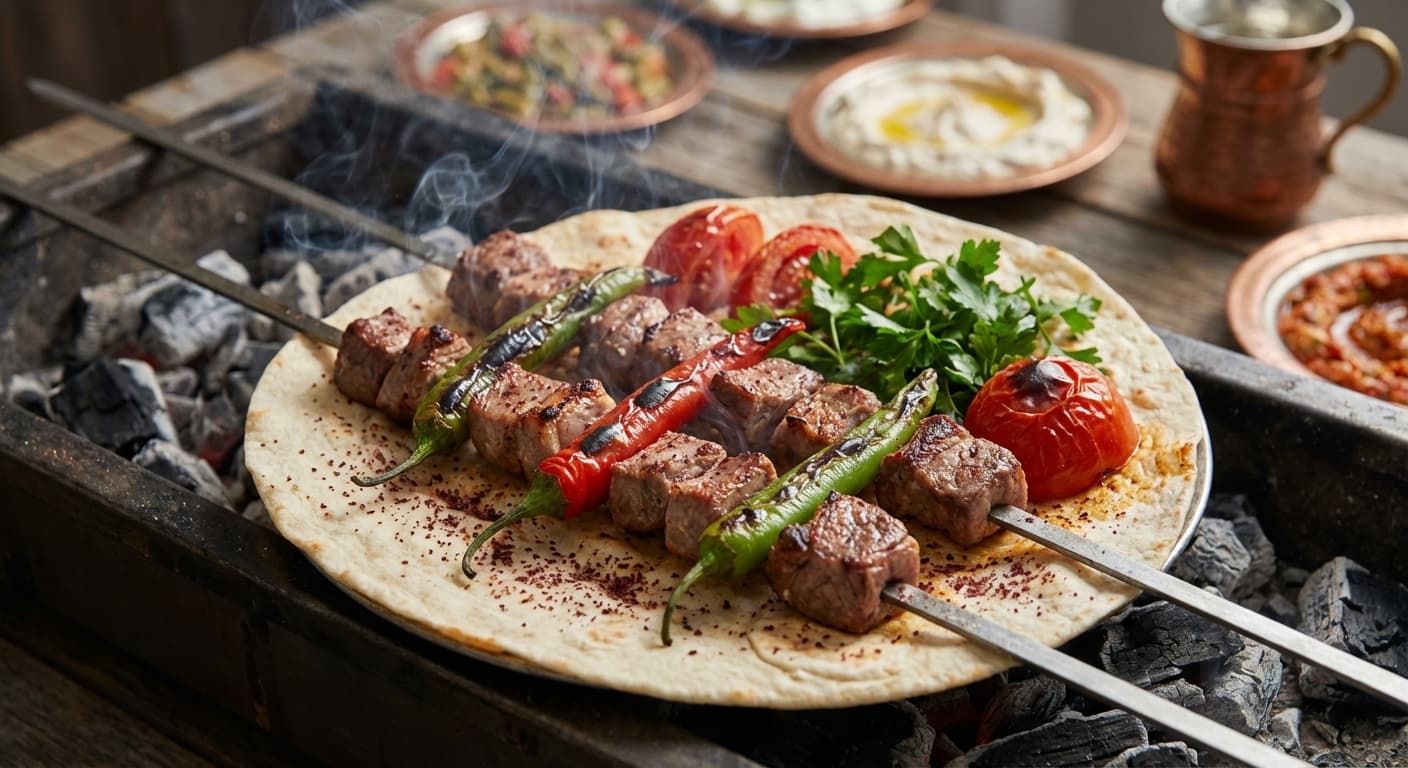
Turkish Shish Kebab (Şiş Kebap) — Charcoal-Grilled Marinated Lamb Skewers
Turkish · Kebabs · 37 min
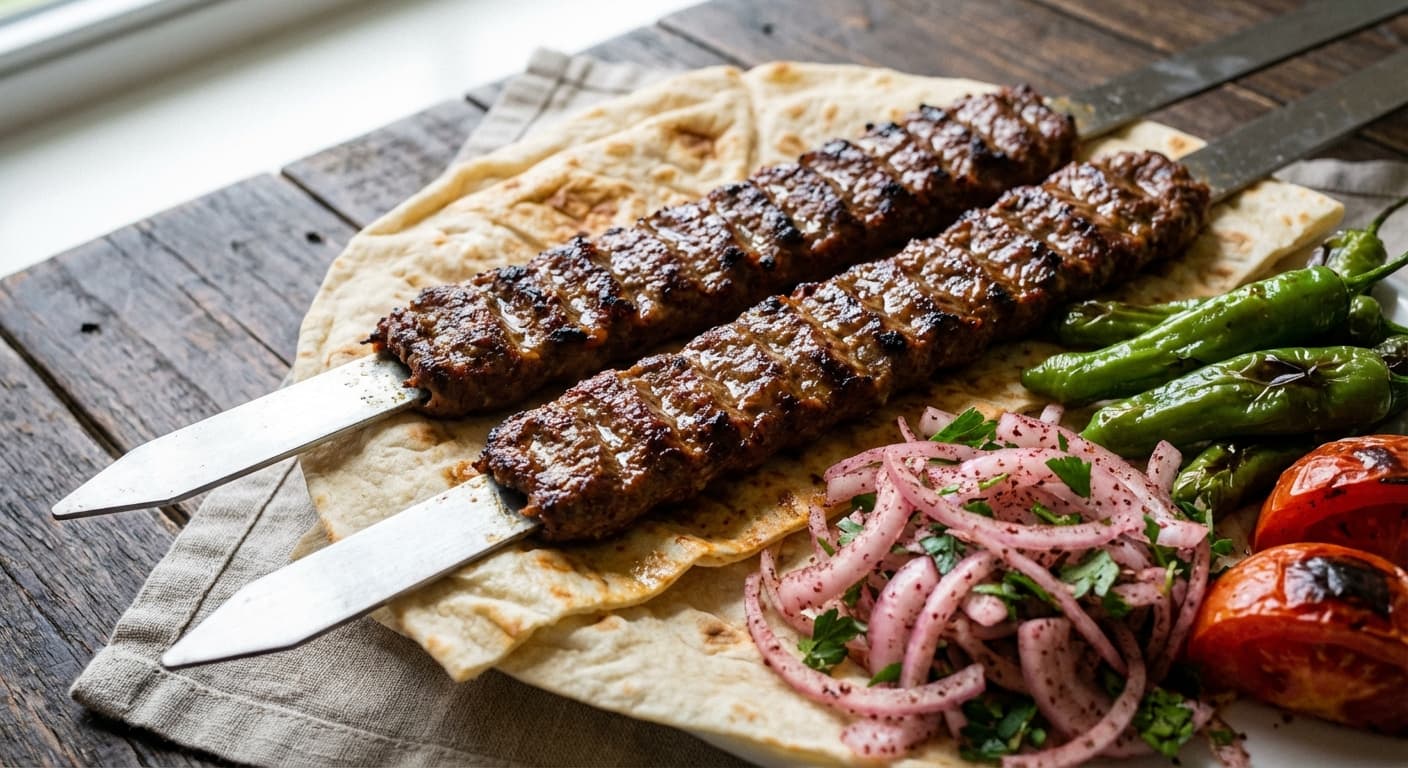
Urfa Kebab (اورفا کباب) — Mild Turkish minced skewer with sumac onions
Turkish · Kebabs · 37 min
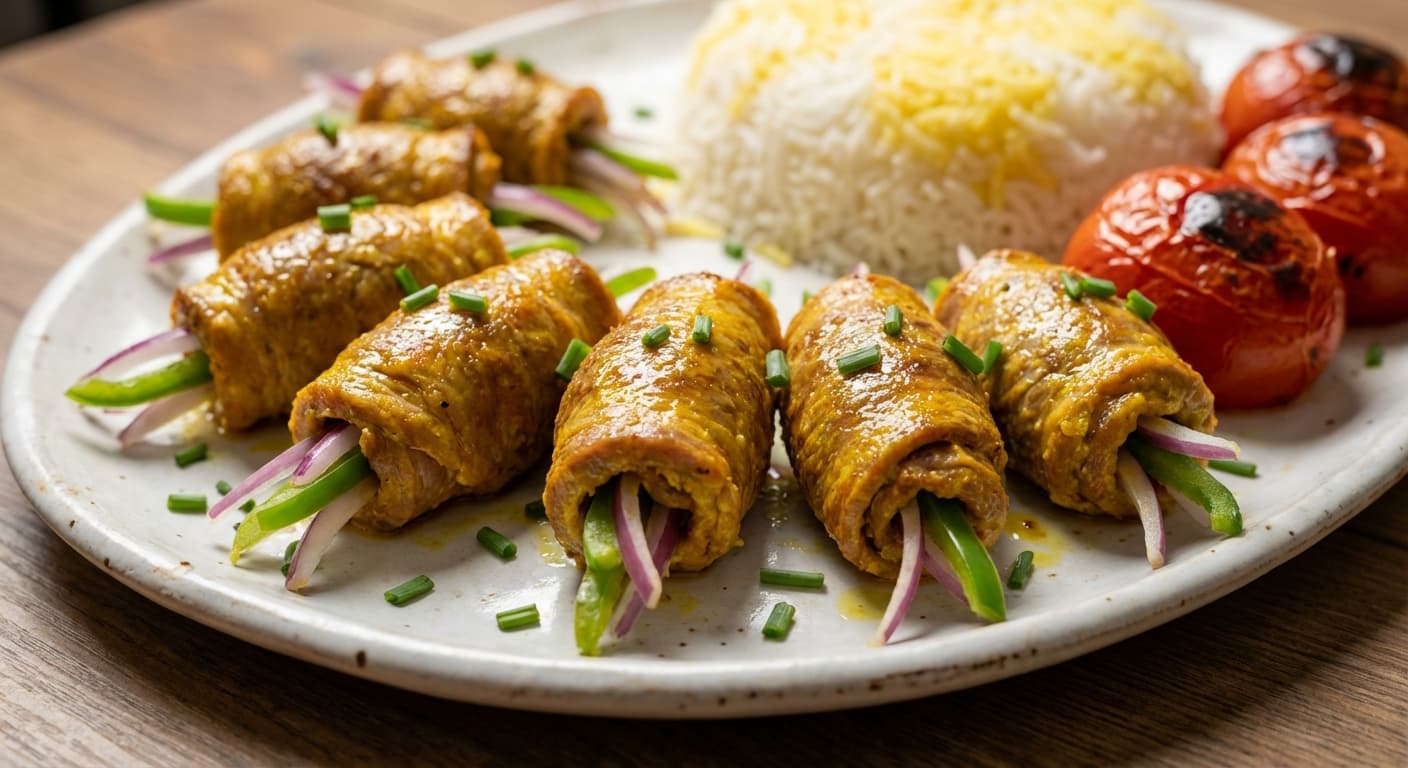
Bulgar Kabab (کباب بلغار) — Persian Rolled Saffron Fillets
Persian · Kebabs · 37 min
Reviews
Cooked this recipe?
Tap the stars to rate it — that's all it takes. A few words are welcome but optional.
No ratings yet. Cooked this one? Be the first to rate it — it takes one tap.