Majadito (Majadito) — Bolivian Rice with Charque and Fried Egg
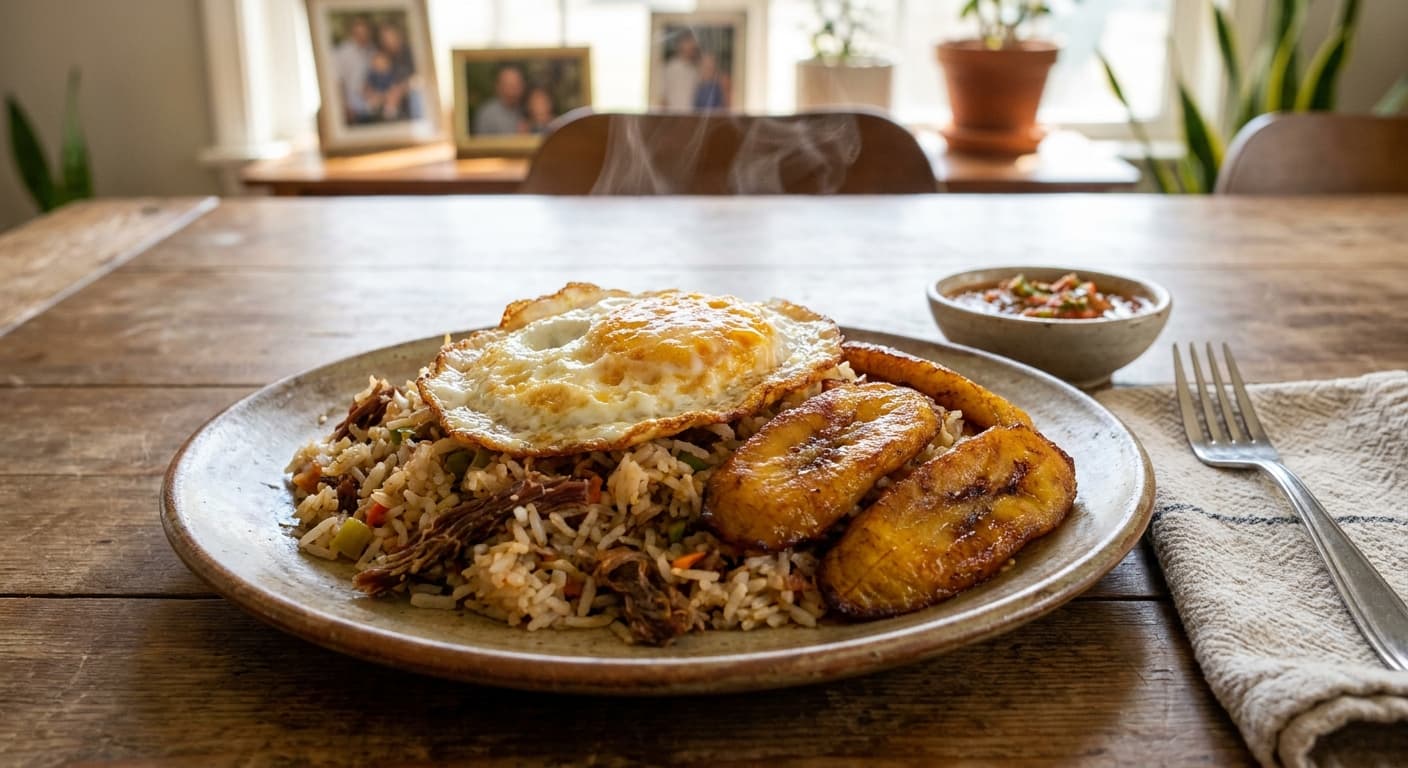
Majadito is a beloved rice dish from Bolivia’s eastern lowlands, especially Santa Cruz. It combines shredded charque, achiote-colored rice, fried egg, plantain, and often llajwa or aji amarillo on the side.
Printable Recipe Card
Servings: 6 · Total: 90 min · Difficulty: medium
Ingredients (quick list)
- 450 g Bolivian charque or salt-dried beef
- 2 l water (for soaking and simmering)
- 2 leaf bay leaves
- 420 g long-grain white rice
- 75 ml vegetable oil
- 2 large yellow onions (finely chopped)
- 1 red bell pepper (finely diced)
- 4 clove garlic (minced)
- 1 tbsp aji amarillo paste (use mild Bolivian-style yellow chile paste if available)
- 2 tsp achiote seeds
- 1 tsp ground cumin
- 1 tsp sweet paprika
+ 7 more in the full ingredients section below.
Steps (summary)
- Rinse the charque under cool running water for 1 minute, then place it in a large bowl with 1.5 l of the water. Soak it for 20…
- Drain the charque and transfer it to a saucepan with the remaining 500 ml water and the bay leaves. Simmer over medium heat for…
- Remove the charque from the pan and reserve 1.25 l of the cooking liquid for the rice. Shred the beef finely with two forks, di…
- Warm 75 ml vegetable oil in a wide heavy pot over medium heat and add the achiote seeds. Cook for 2 minutes, stirring often, un…
- Return the achiote oil to the pot and add the onions, red bell pepper, garlic, aji amarillo paste, cumin, paprika, black pepper…
- Add the shredded charque to the sofrito and fry it for 5 minutes so the edges lightly crisp and absorb the achiote color. This…
+ 5 more steps in the full instructions section below.
Cultural Background
Majadito reflects the cattle country and rice traditions of Bolivia’s eastern lowlands. As Kate Lazarte notes in The Bolivian Kitchen, dishes like this show the hearty, practical cooking of Santa Cruz family tables.
Equipment
💡 Tips
- If the charque is very salty, extend the soaking time to 40 minutes and replace the soaking water once.
- Use a wide pot so the rice cooks evenly and the charque distributes through the grains instead of clumping.
- Majadito should be moist and separate, not soupy; rest the covered pot before fluffing to finish the grain texture.
⚠️ Common Mistakes
❌ Skipping the soak for very salty charque
✅ Fix: Soak for at least 20 minutes and taste the simmering liquid before adding the full measured salt.
❌ Stirring the rice while it cooks
✅ Fix: Cover the pot and leave it undisturbed so the grains steam evenly and do not become sticky.
❌ Adding the fried egg too early
✅ Fix: Fry eggs just before serving so the whites stay tender and the yolk enriches the hot rice.
🧊 How to Store
Store rice, eggs, plantains, and llajwa separately in airtight containers for up to 3 days. Reheat the rice with 2 tbsp water per serving in a covered skillet over low heat, and refry or warm the plantains briefly.
📅 Make Ahead
Simmer and shred the charque up to 2 days ahead, and refrigerate it with its strained cooking liquid. Fry the eggs and plantains only shortly before serving.
🍽️ Pairs Well With
- Llajwa
- fried ripe plantains
- sunny-side-up eggs
- sliced avocado
- aji amarillo sauce.
Regional Variations
- In Santa Cruz, majadito is commonly made with charque, achiote, fried egg, and fried plantain.
- Some home cooks prepare majadito batido, a wetter version stirred more actively as the rice cooks.
- Fresh shredded beef or duck may replace charque in areas where dried beef is less available.
Ingredients
- 450 gBolivian charque or salt-dried beef
- 2 lwater (for soaking and simmering)
- 2 leafbay leaves
- 420 glong-grain white rice
- 75 mlvegetable oil
- 2large yellow onions (finely chopped)
- 1red bell pepper (finely diced)
- 4 clovegarlic (minced)
- 1 tbspaji amarillo paste (use mild Bolivian-style yellow chile paste if available)
- 2 tspachiote seeds
- 1 tspground cumin
- 1 tspsweet paprika
- 1 tspfine sea salt (adjust only after tasting the charque broth)
- 0.5 tspfreshly ground black pepper
- 1.25 lreserved charque cooking liquid
- 6eggs
- 3ripe plantains (peeled and sliced lengthwise)
- 180 mlprepared llajwa (Bolivian tomato and locoto salsa)
- 0.5 bunchfresh cilantro (chopped)
🔄 Substitutions
- Bolivian charque→ salt-cured dried beef or cooked shredded beef with 1 tsp extra sea salt
- aji amarillo paste→ mild yellow chile paste
- achiote seeds→ 1 tbsp achiote oil
Instructions
- 1
Rinse the charque under cool running water for 1 minute, then place it in a large bowl with 1.5 l of the water. Soak it for 20 minutes to soften the fibers and reduce excess salt without stripping away its characteristic Bolivian flavor.
- 2
Drain the charque and transfer it to a saucepan with the remaining 500 ml water and the bay leaves. Simmer over medium heat for 25 minutes, until the beef is tender enough to shred and the cooking liquid has become a savory broth.
- 3
Remove the charque from the pan and reserve 1.25 l of the cooking liquid for the rice. Shred the beef finely with two forks, discarding tough bits, and keep it covered so it does not dry out.
- 4
Warm 75 ml vegetable oil in a wide heavy pot over medium heat and add the achiote seeds. Cook for 2 minutes, stirring often, until the oil turns deep orange, then strain out and discard the seeds.
- 5
Return the achiote oil to the pot and add the onions, red bell pepper, garlic, aji amarillo paste, cumin, paprika, black pepper, and 0.5 tsp of the salt. Cook for 8 minutes, stirring frequently, until the vegetables are soft and the sofrito smells sweet and earthy.
- 6
Add the shredded charque to the sofrito and fry it for 5 minutes so the edges lightly crisp and absorb the achiote color. This step gives majadito its signature roasted-meat aroma rather than a boiled flavor.
- 7
Stir in the rice until every grain is coated with the orange oil and mixed evenly with the charque. Pour in the reserved charque cooking liquid, bring it to a steady boil, then reduce the heat to low and cover the pot tightly.
- 8
Cook the rice for 18 minutes without lifting the lid, then turn off the heat and let it rest covered for 10 minutes. Fluff gently with a fork, taste, and add the remaining 0.5 tsp salt only if the charque has not seasoned the rice enough.
- 9
While the rice rests, heat 30 ml vegetable oil in a skillet over medium heat and fry the plantain slices for 2 to 3 minutes per side. They should be golden at the edges, soft in the center, and sweet enough to balance the salty charque.
- 10
In a second skillet, heat the remaining 30 ml vegetable oil and fry the eggs sunny-side up for 3 to 4 minutes. Keep the yolks slightly runny if you like the traditional richness they bring when broken over the rice.
- 11
Serve each plate with a mound of majadito, 1 fried egg, and several strips of fried plantain. Spoon llajwa alongside, sprinkle with chopped cilantro, and offer extra aji amarillo for diners who want more heat.
🪪 Recipe Passport
Cultural Background
Majadito reflects the cattle country and rice traditions of Bolivia’s eastern lowlands. As Kate Lazarte notes in The Bolivian Kitchen, dishes like this show the hearty, practical cooking of Santa Cruz family tables.
Regional Variations
Researched from multiple sources and validated by the Zaffaron editorial team. Every recipe is tested for accuracy, measurements, and cultural authenticity.
📚 Sources & Cultural References
- Kate Lazarte — The Bolivian Kitchen
- Maricel Presilla — Gran Cocina Latina — (2012)
Sources cited by the Zaffaron editorial team during recipe research. Cultural and culinary references supporting authenticity claims.
Nutrition per serving
Pairs well with
If you enjoyed this recipe, here are a few related Zaffaron recipes to try next.
Does your family make this differently?
Every family has their own version. Maybe your grandmother adds a secret ingredient, or your aunt has a completely different technique. Preserve your family's version — with their name on it, forever.
You Might Also Like
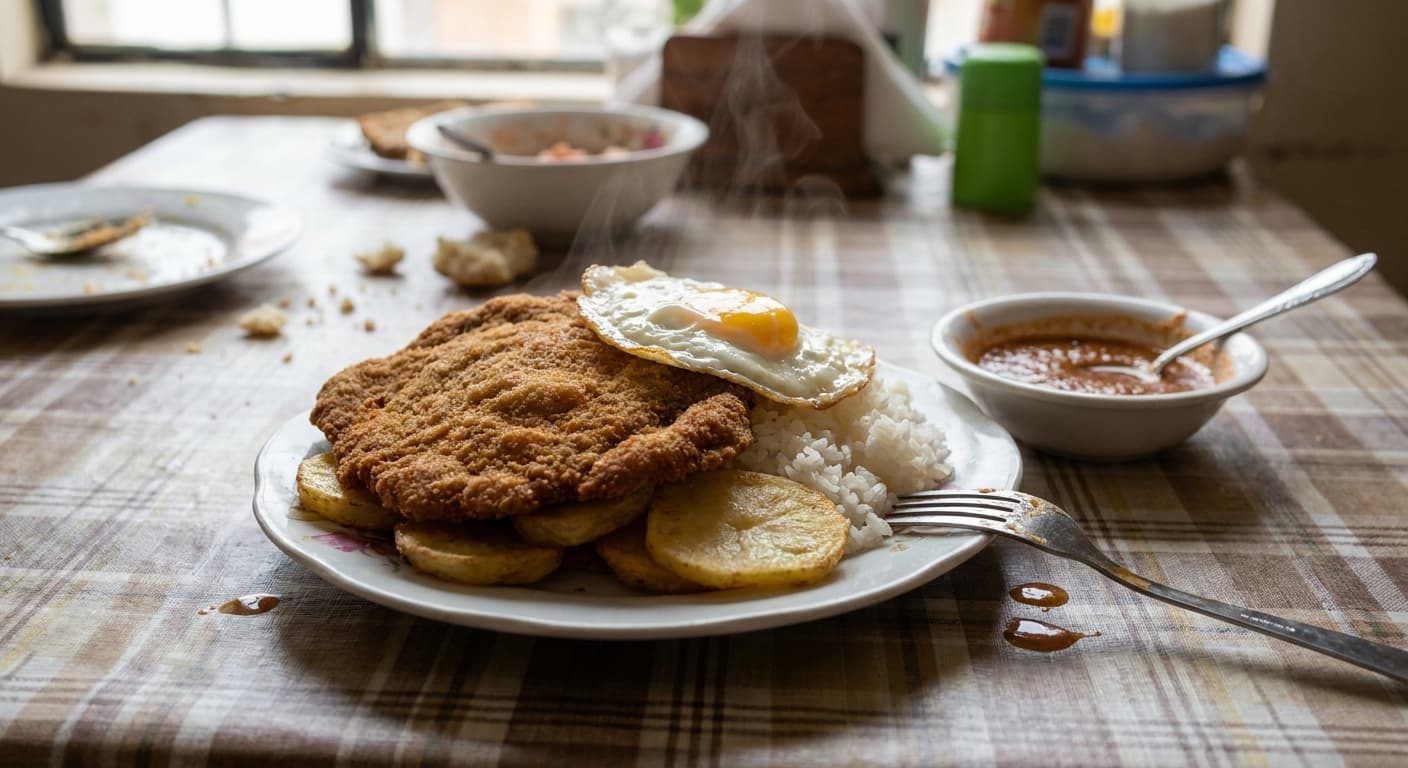
Silpancho (Silpancho cochabambino) — Bolivian Breaded Beef Plate
Bolivian · Main Courses · 70 min
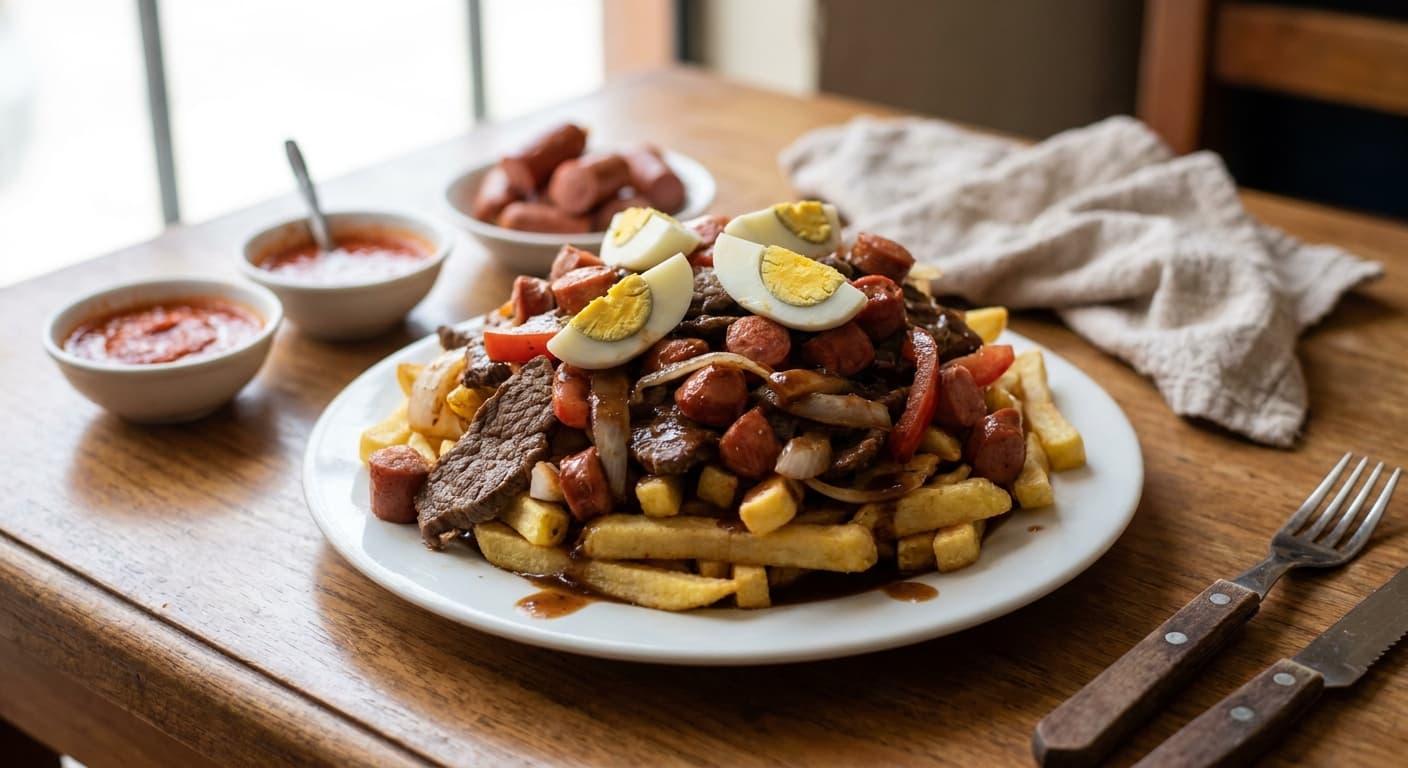
Pique a lo Macho (Pique a lo macho) — Bolivian Beef, Sausage, and Fries
Bolivian · Main Courses · 65 min
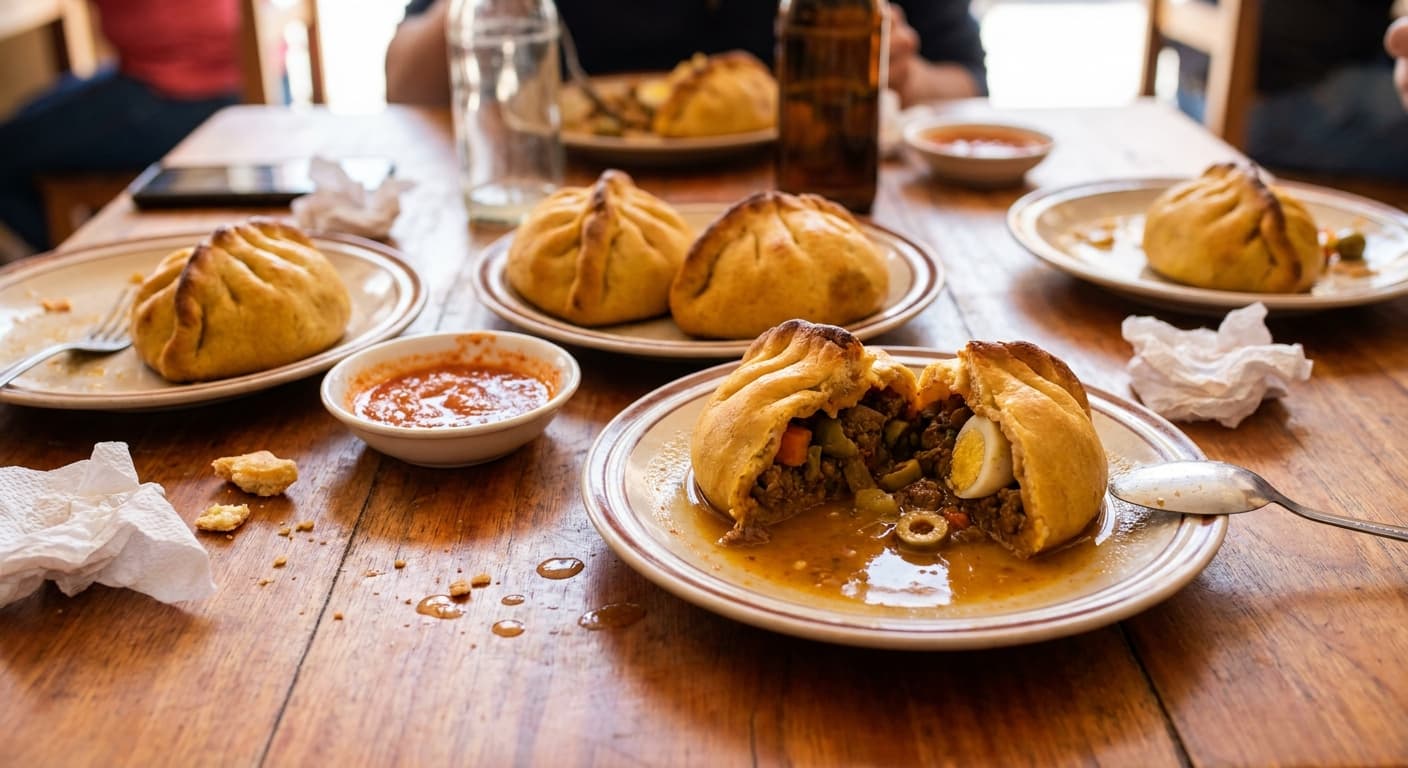
Bolivian Salteñas (Salteñas) — Juicy Baked Meat Empanadas
Bolivian · Appetizers · 120 min
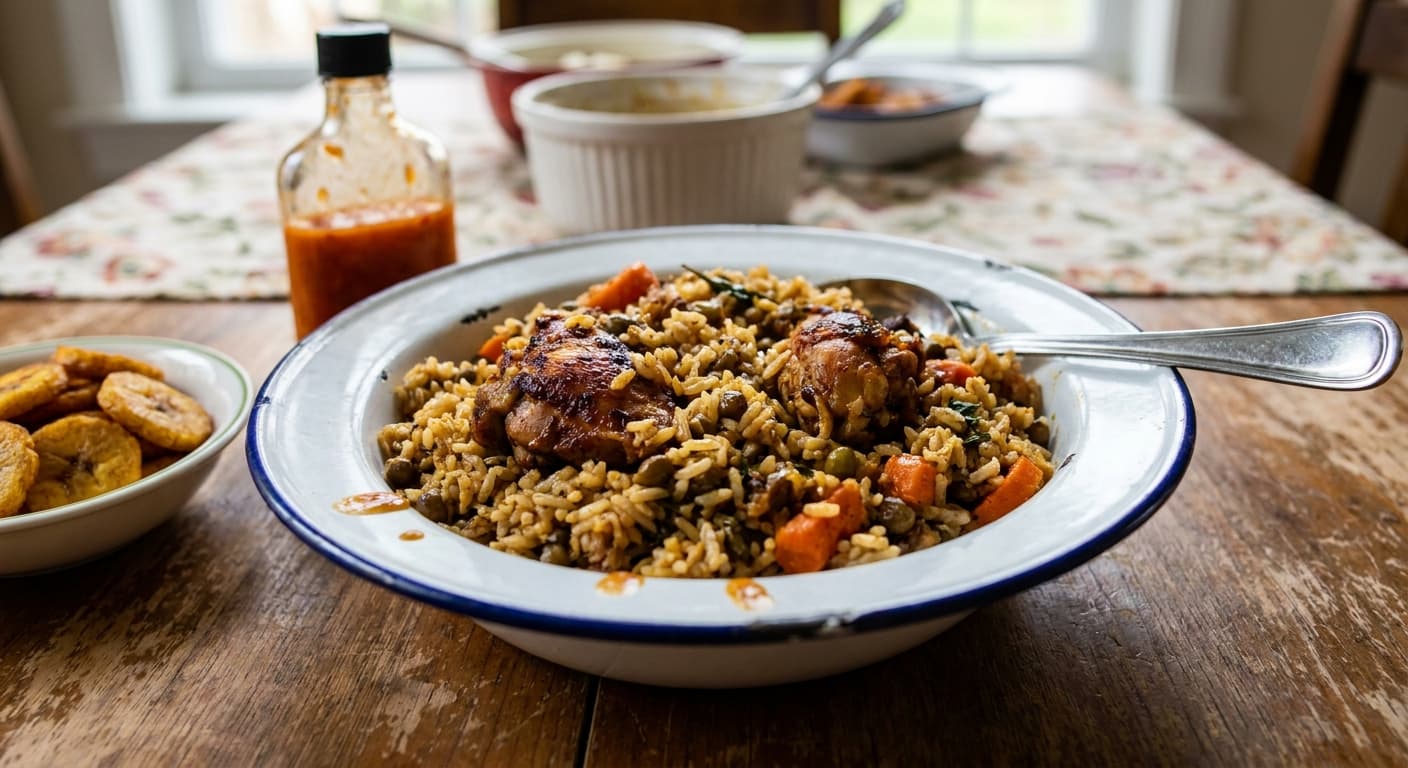
Trinidadian Pelau (Pelau) — Caramel-Browned Chicken, Rice, and Pigeon Peas
Trinidadian · Rice Dishes · 85 min
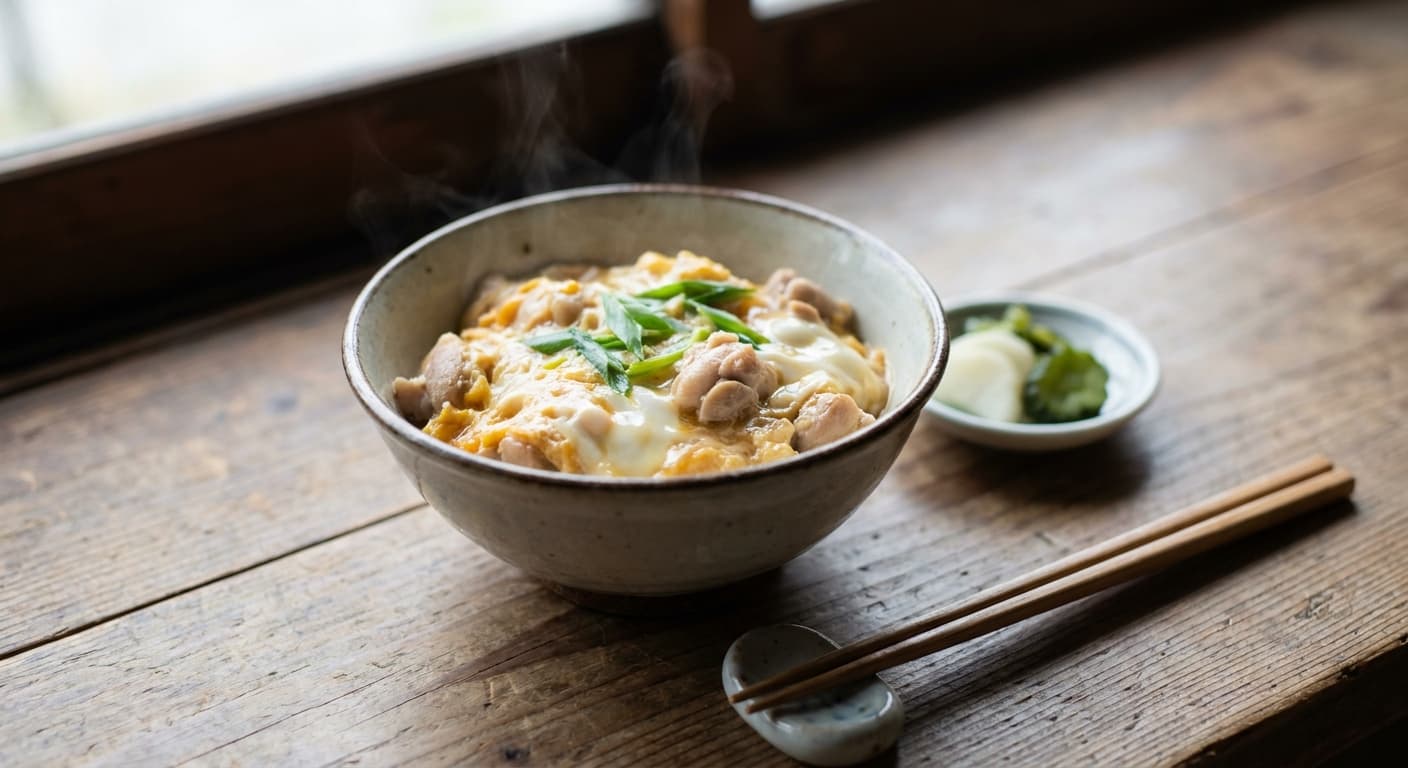
Japanese Oyakodon (親子丼) — Chicken and Egg Rice Bowl
Japanese · Rice Dishes · 29 min
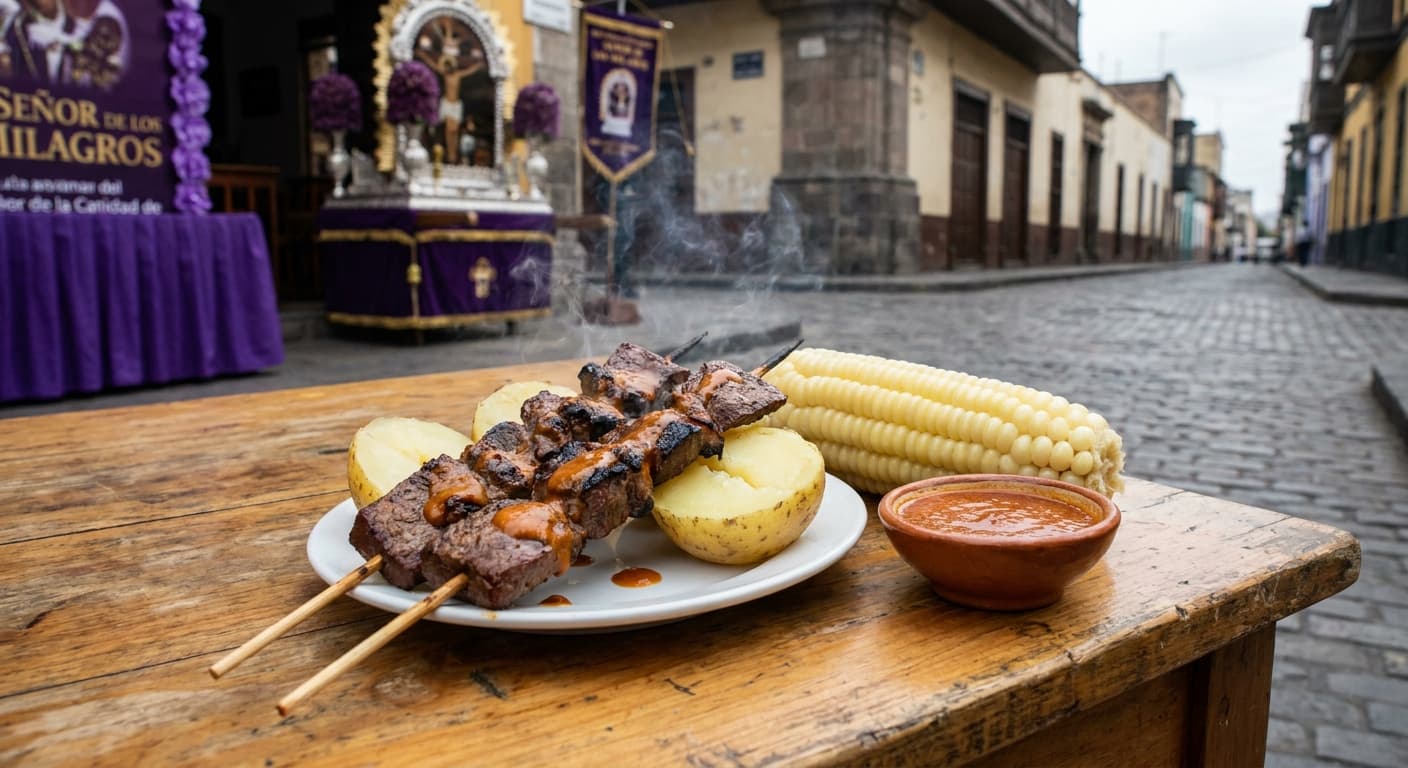
Peruvian Beef Heart Anticuchos (Anticuchos) — Smoky Chile-Marinated Skewers
Peruvian · Kebabs · 60 min
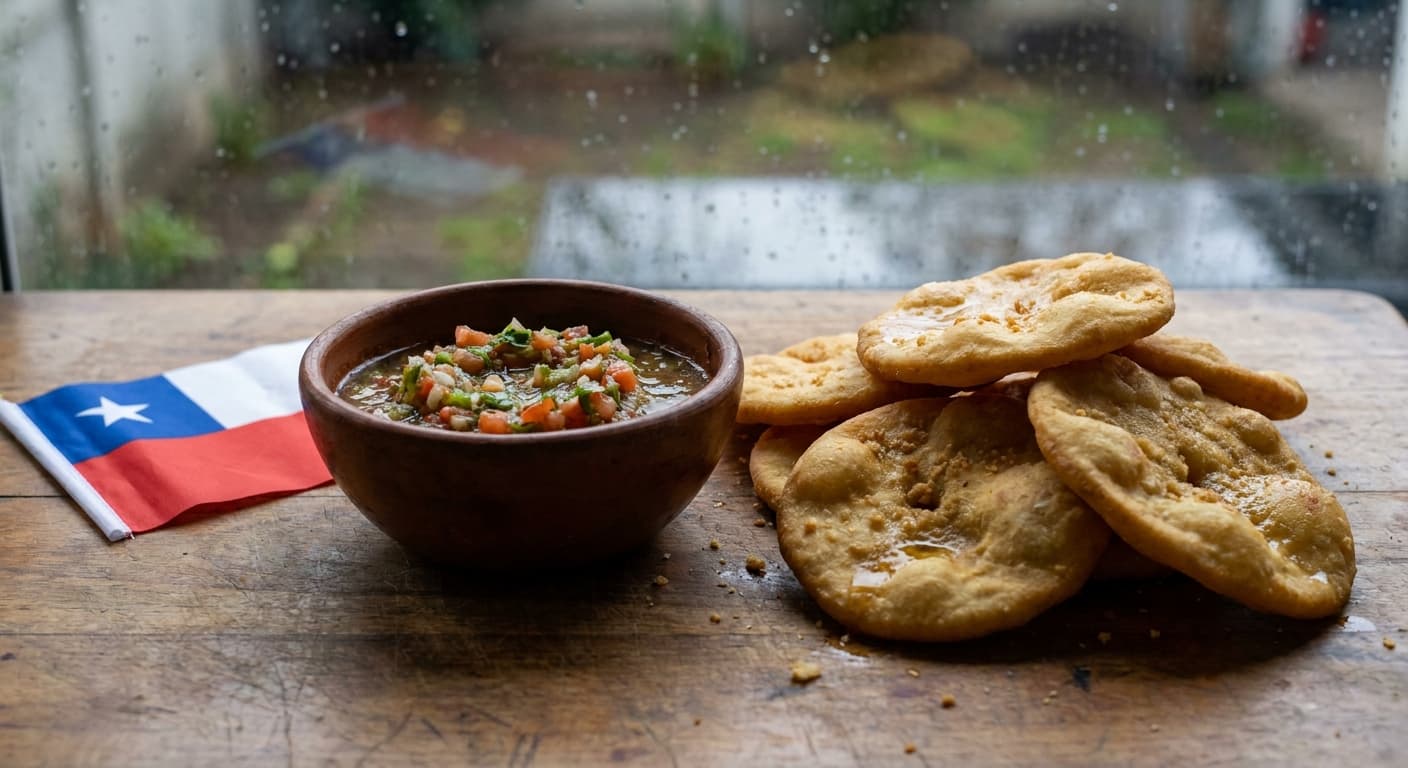
Chilean Pumpkin Sopaipillas (Sopaipillas Chilenas) — Fried Squash Breads with Pebre
Chilean · Breads · 60 min
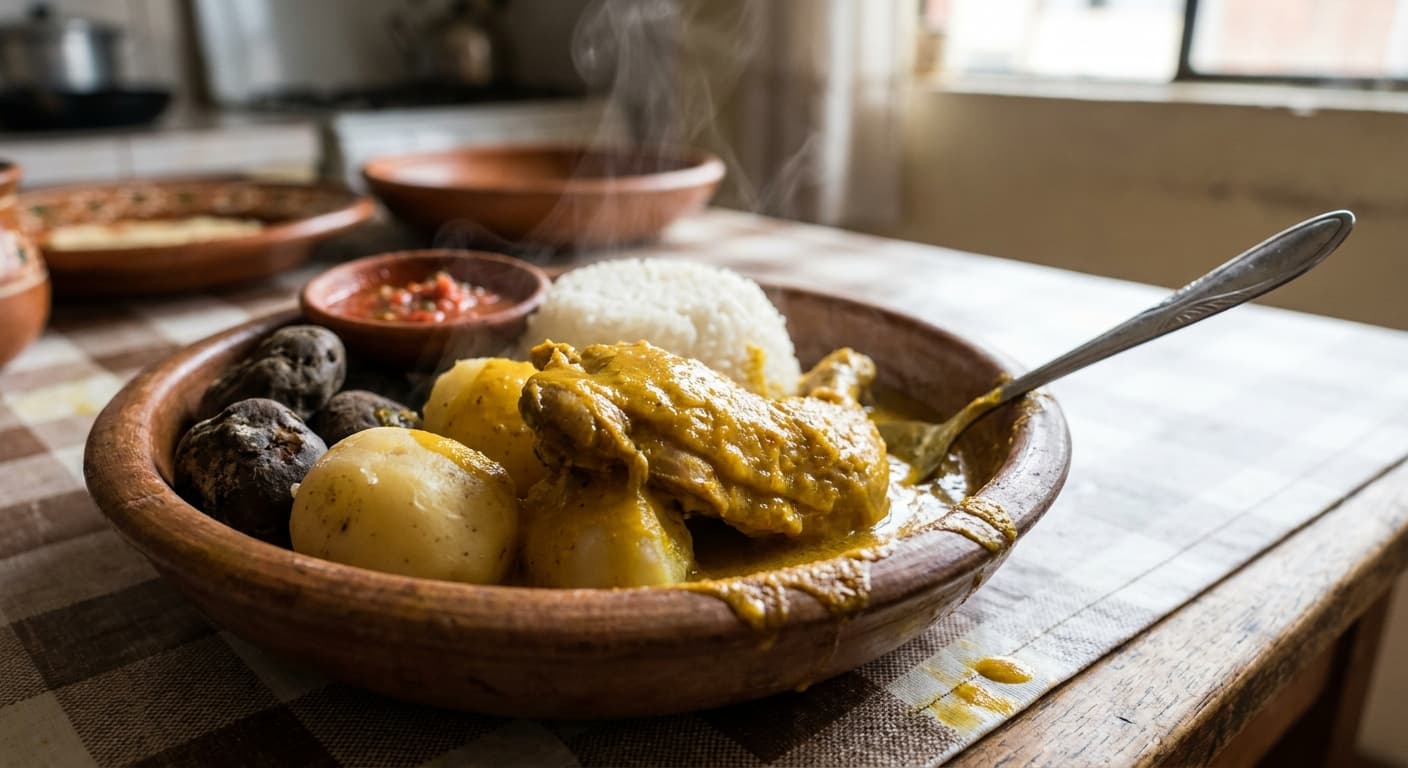
Bolivian Spicy Chicken Stew (Sajta de Pollo) — Aji Amarillo Chicken with Chuño
Bolivian · Main Courses · 95 min
Reviews
Cooked this recipe?
Tap the stars to rate it — that's all it takes. A few words are welcome but optional.
No ratings yet. Cooked this one? Be the first to rate it — it takes one tap.