Pique a lo Macho (Pique a lo macho) — Bolivian Beef, Sausage, and Fries
Pique macho is a hearty Bolivian platter from Cochabamba, built from fried potatoes, seared beef, salchichas, egg, onion, tomato, and spicy locoto. This version uses aji amarillo and is served with llajwa for authentic heat.
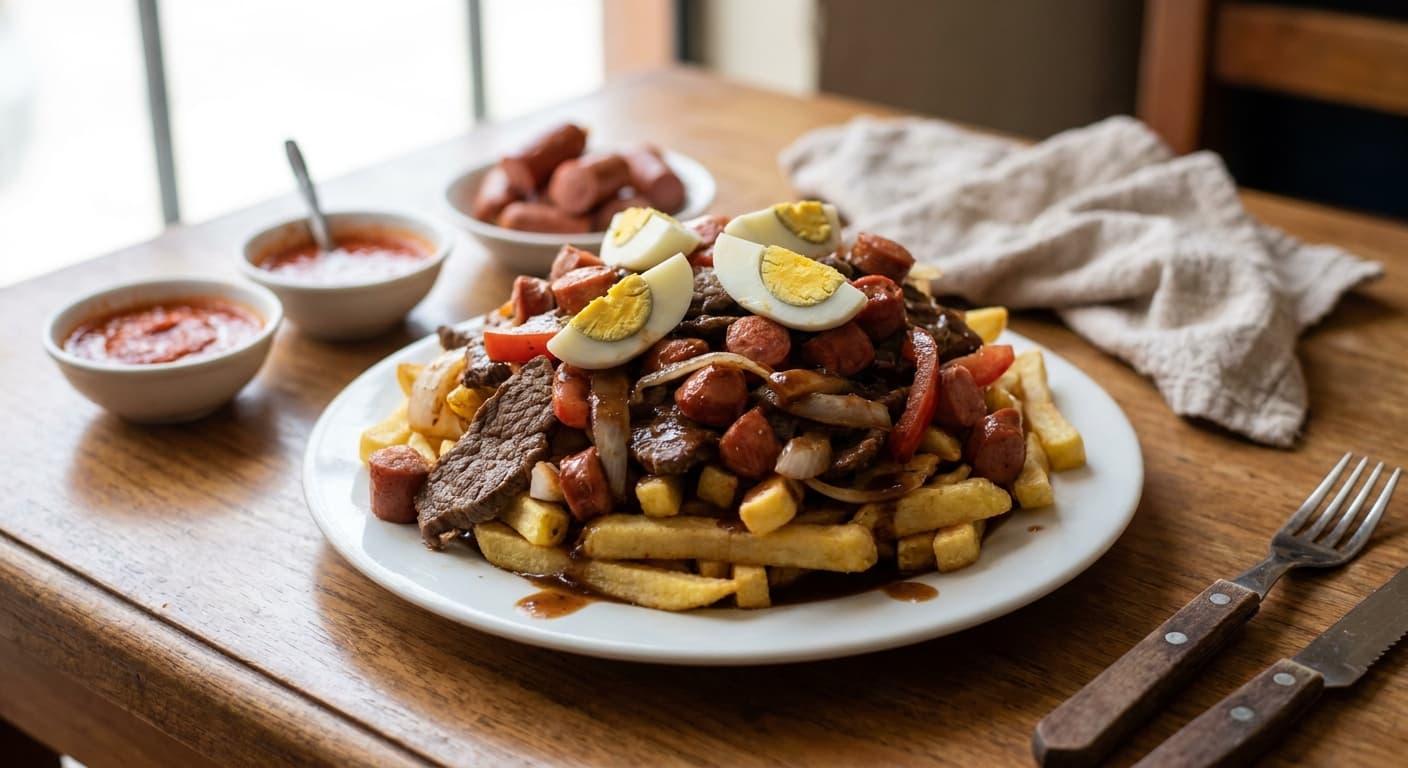
Printable Recipe Card
Servings: 4 · Total: 65 min · Difficulty: medium
Ingredients (quick list)
- 900 g Yukon Gold potatoes (peeled and cut into 1.5 cm batons)
- 1 l vegetable oil (for frying; nutrition assumes 70 ml retained by the dish)
- 1 tsp fine salt
- 600 g beef sirloin (cut into 1 cm strips)
- 4 Bolivian-style salchichas or beef hot dogs (sliced on the diagonal into 1 cm pieces)
- 3 clove garlic (finely minced)
- 1 tbsp aji amarillo paste
- 1 tsp ground cumin
- 0.5 tsp black pepper (freshly ground)
- 120 ml Bolivian lager beer
- 2 tbsp soy sauce
- 1 tbsp red wine vinegar
+ 6 more in the full ingredients section below.
Steps (summary)
- Rinse the cut potatoes in cold water for 2 minutes, then soak them in fresh cold water for 15 minutes to remove excess surface…
- Heat the vegetable oil in a heavy pot to 175°C and fry the potatoes in 2 batches for 6 minutes per batch, until pale golden and…
- Season the hot fries with 1 tsp fine salt and keep them warm on a tray in a 95°C oven. Do not cover them with foil, because tra…
- Heat a large skillet over high heat and add 1 tbsp of the frying oil from the pot. Sear the beef strips for 3 minutes without c…
- Add the garlic, aji amarillo paste, cumin, black pepper, and 0.75 tsp fine salt to the skillet and stir for 45 seconds until ar…
- While the sauce reduces, fry the eggs in a nonstick skillet over medium heat for 3 minutes, keeping the yolks slightly runny. W…
+ 1 more steps in the full instructions section below.
Cultural Background
Pique macho is a Cochabamba bar-and-family platter made for sharing, famous for its generous scale and chile heat. Kate Lazarte’s The Bolivian Kitchen helps frame dishes like this as hearty, communal Bolivian cooking.
Equipment
💡 Tips
- Use a wide skillet for the beef so it sears instead of stewing; crowded meat releases liquid and tastes flat.
- Double-frying the potatoes gives the sturdy crispness needed to hold the beer-and-aji amarillo sauce.
- For a hotter Cochabamba-style platter, leave the seeds in 1 locoto pepper and serve extra llajwa at the table.
⚠️ Common Mistakes
❌ Adding wet potatoes to the oil
✅ Fix: Dry the potato batons completely after soaking so they fry crisp and do not cause dangerous splattering.
❌ Simmering the beef too long
✅ Fix: Sear quickly over high heat and reduce the sauce briefly so the sirloin stays tender.
❌ Assembling too early
✅ Fix: Keep components separate until serving, then pile the platter at the last moment to preserve crisp fries.
🧊 How to Store
Store meat, sauce, and vegetables separately from fries and eggs for up to 3 days in airtight containers. Reheat meat in a skillet with 1 tbsp water; recrisp fries in a 220°C oven for 8 minutes and fry fresh eggs.
📅 Make Ahead
Cut and soak the potatoes up to 8 hours ahead in the refrigerator, then dry before frying. Slice the beef, salchichas, onion, tomato, and locoto up to 1 day ahead and keep them chilled separately.
🍽️ Pairs Well With
- Llajwa
- cold Bolivian lager
- sliced avocado
- simple tomato and onion salad.
Regional Variations
- In Cochabamba restaurants, pique macho is often served in very large platters with extra locoto for groups.
- Some La Paz versions include a slightly sweeter sauce and more sliced hot dog than beef.
- Home cooks may add mayonnaise or ketchup at the table, though llajwa is the more traditional Bolivian accompaniment.
Ingredients
- 900 gYukon Gold potatoes (peeled and cut into 1.5 cm batons)
- 1 lvegetable oil (for frying; nutrition assumes 70 ml retained by the dish)
- 1 tspfine salt
- 600 gbeef sirloin (cut into 1 cm strips)
- 4Bolivian-style salchichas or beef hot dogs (sliced on the diagonal into 1 cm pieces)
- 3 clovegarlic (finely minced)
- 1 tbspaji amarillo paste
- 1 tspground cumin
- 0.5 tspblack pepper (freshly ground)
- 120 mlBolivian lager beer
- 2 tbspsoy sauce
- 1 tbspred wine vinegar
- 1yellow onion (thinly sliced)
- 2ripe tomatoes (cut into wedges)
- 2locoto peppers (seeded for medium heat and sliced into rings)
- 4large eggs
- 0.5 cupprepared llajwa (for serving on the side)
- 6 sprigflat-leaf parsley (leaves chopped)
🔄 Substitutions
- Bolivian lager beer→ 120 ml nonalcoholic lager
- locoto peppers→ 2 red jalapenos
- Bolivian-style salchichas→ 4 good-quality beef hot dogs
Instructions
- 1
Rinse the cut potatoes in cold water for 2 minutes, then soak them in fresh cold water for 15 minutes to remove excess surface starch. Drain thoroughly and dry them with a clean kitchen towel, because dry potatoes fry more evenly and splatter less.
- 2
Heat the vegetable oil in a heavy pot to 175°C and fry the potatoes in 2 batches for 6 minutes per batch, until pale golden and cooked through. Lift them onto a rack, raise the oil to 190°C, and fry again for 2 minutes per batch until crisp and browned.
- 3
Season the hot fries with 1 tsp fine salt and keep them warm on a tray in a 95°C oven. Do not cover them with foil, because trapped steam will soften the fries before the pique macho is assembled.
- 4
Heat a large skillet over high heat and add 1 tbsp of the frying oil from the pot. Sear the beef strips for 3 minutes without crowding the pan, then add the salchichas and cook for 4 minutes until the sausage edges brown.
- 5
Add the garlic, aji amarillo paste, cumin, black pepper, and 0.75 tsp fine salt to the skillet and stir for 45 seconds until aromatic. Pour in the beer, soy sauce, and red wine vinegar, then boil for 3 minutes until the sauce lightly coats the beef and salchichas.
- 6
While the sauce reduces, fry the eggs in a nonstick skillet over medium heat for 3 minutes, keeping the yolks slightly runny. Warm the onion slices, tomato wedges, and locoto rings in the beef skillet for 1 minute so they keep their freshness while picking up the savory juices.
- 7
Pile the fries onto a large warm platter and spoon the beef, salchichas, vegetables, and pan sauce over the top. Crown the platter with the fried eggs, scatter parsley over everything, and serve immediately with llajwa so each diner can control the heat.
🪪 Recipe Passport
Cultural Background
Pique macho is a Cochabamba bar-and-family platter made for sharing, famous for its generous scale and chile heat. Kate Lazarte’s The Bolivian Kitchen helps frame dishes like this as hearty, communal Bolivian cooking.
Regional Variations
Researched from multiple sources and validated by the Zaffaron editorial team. Every recipe is tested for accuracy, measurements, and cultural authenticity.
📚 Sources & Cultural References
- Kate Lazarte — The Bolivian Kitchen
- Maricel E. Presilla — Gran Cocina Latina — (2012)
Sources cited by the Zaffaron editorial team during recipe research. Cultural and culinary references supporting authenticity claims.
Nutrition per serving
Pairs well with
If you enjoyed this recipe, here are a few related Zaffaron recipes to try next.
Does your family make this differently?
Every family has their own version. Maybe your grandmother adds a secret ingredient, or your aunt has a completely different technique. Preserve your family's version — with their name on it, forever.
You Might Also Like
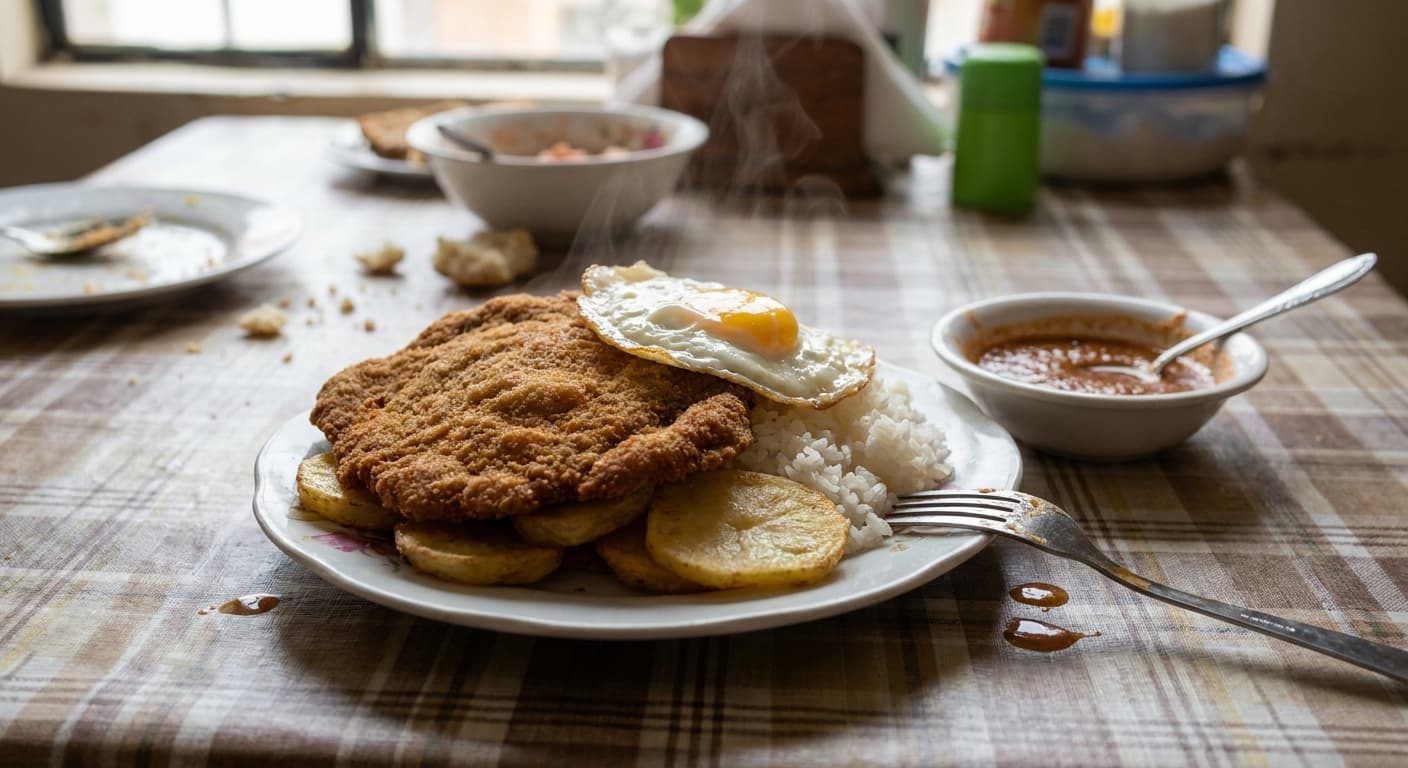
Silpancho (Silpancho cochabambino) — Bolivian Breaded Beef Plate
Bolivian · Main Courses · 70 min
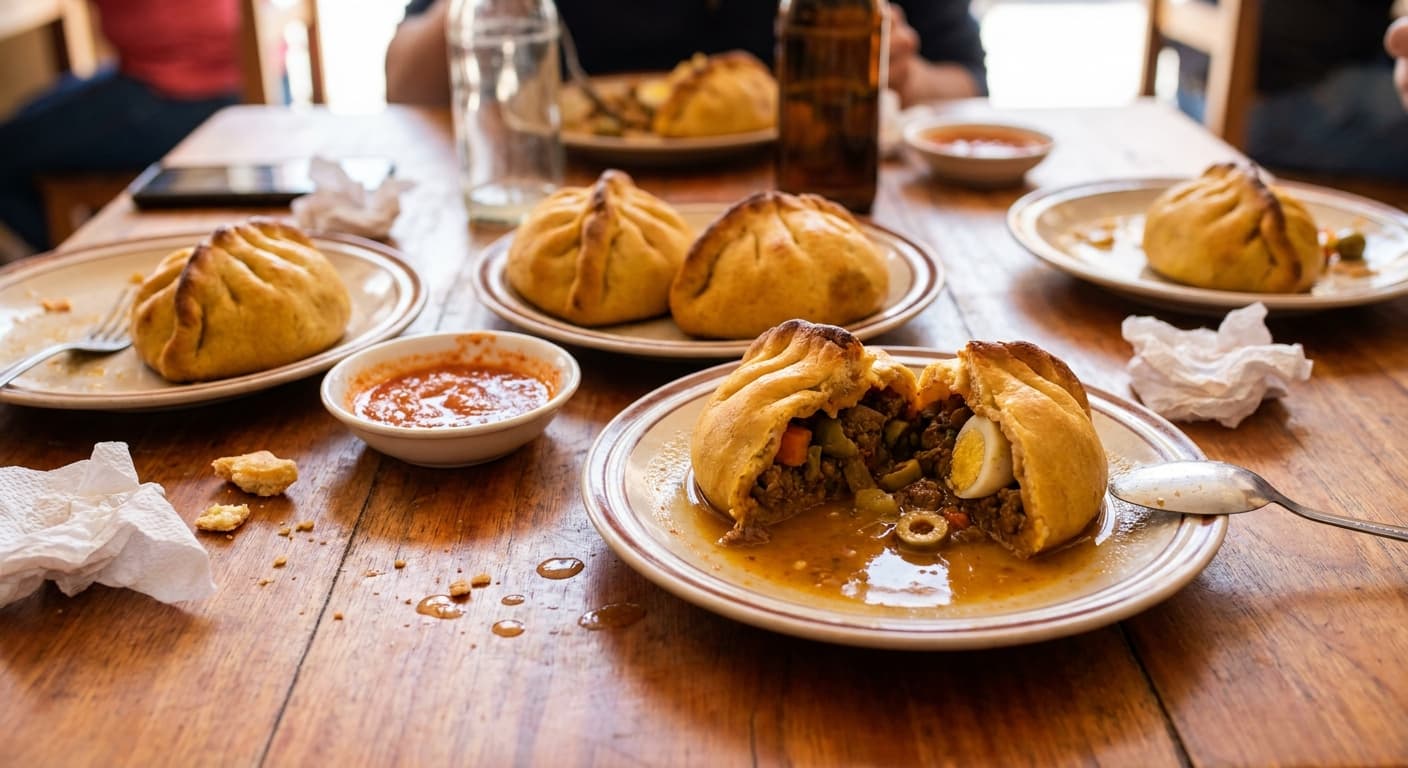
Bolivian Salteñas (Salteñas) — Juicy Baked Meat Empanadas
Bolivian · Appetizers · 120 min
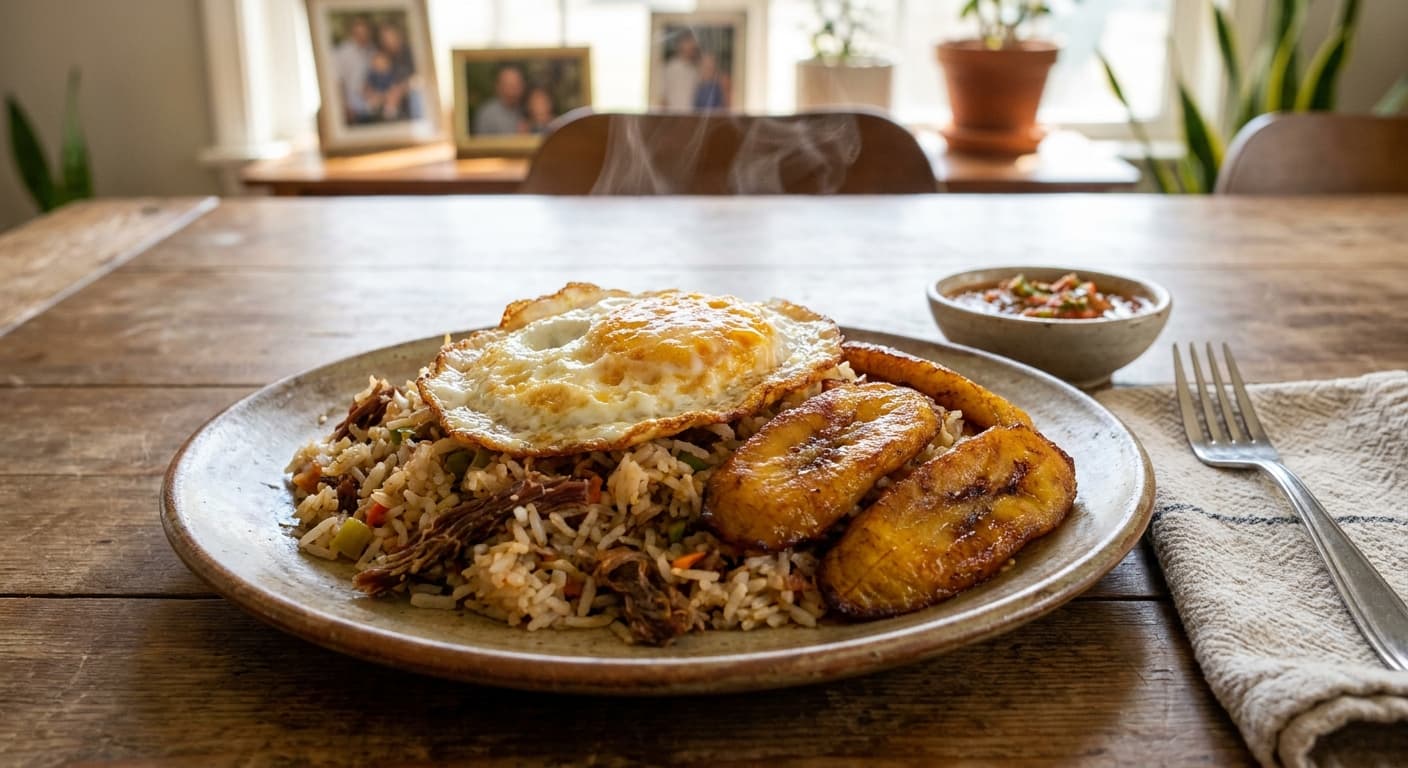
Majadito (Majadito) — Bolivian Rice with Charque and Fried Egg
Bolivian · Rice Dishes · 90 min
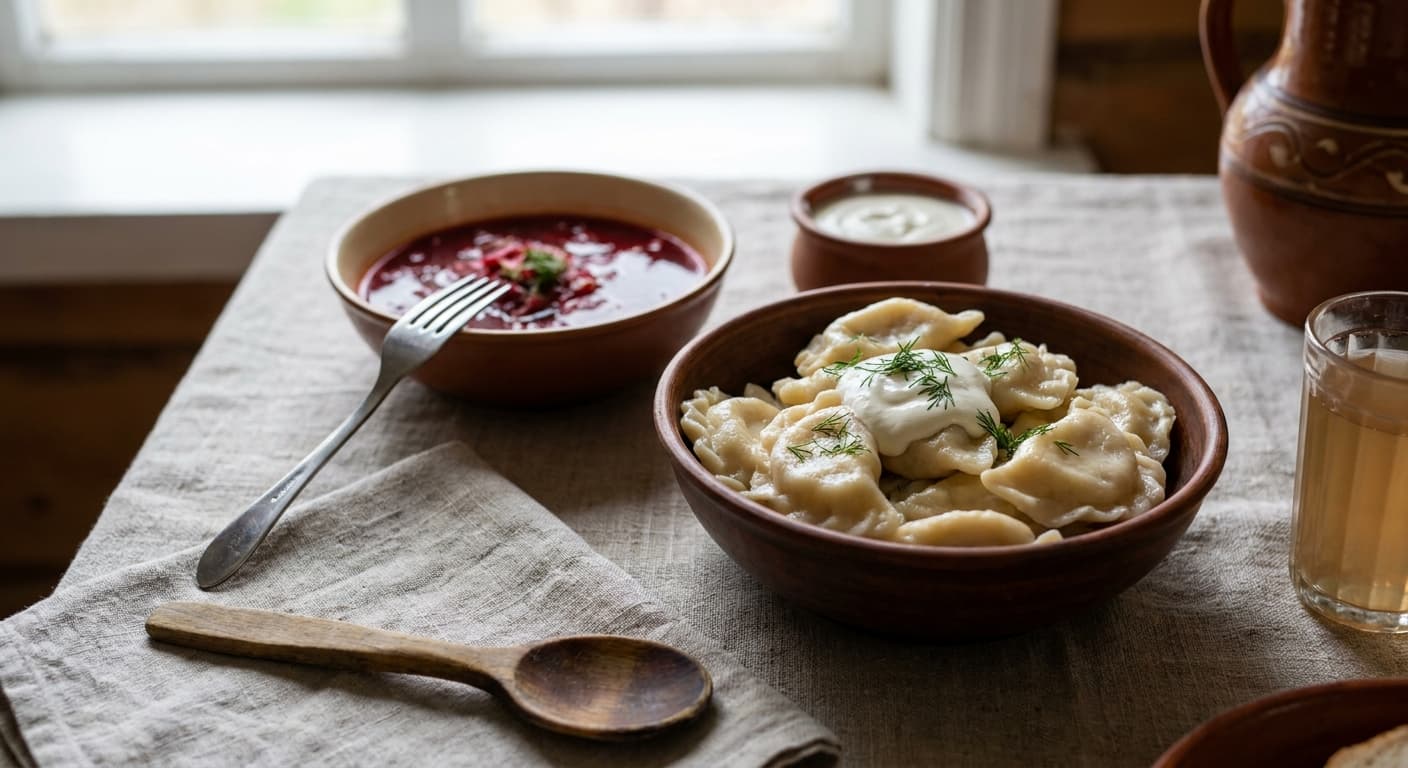
Varenyky (Вареники) — Ukrainian Potato-Cheese Dumplings
Ukrainian · Main Courses · 95 min
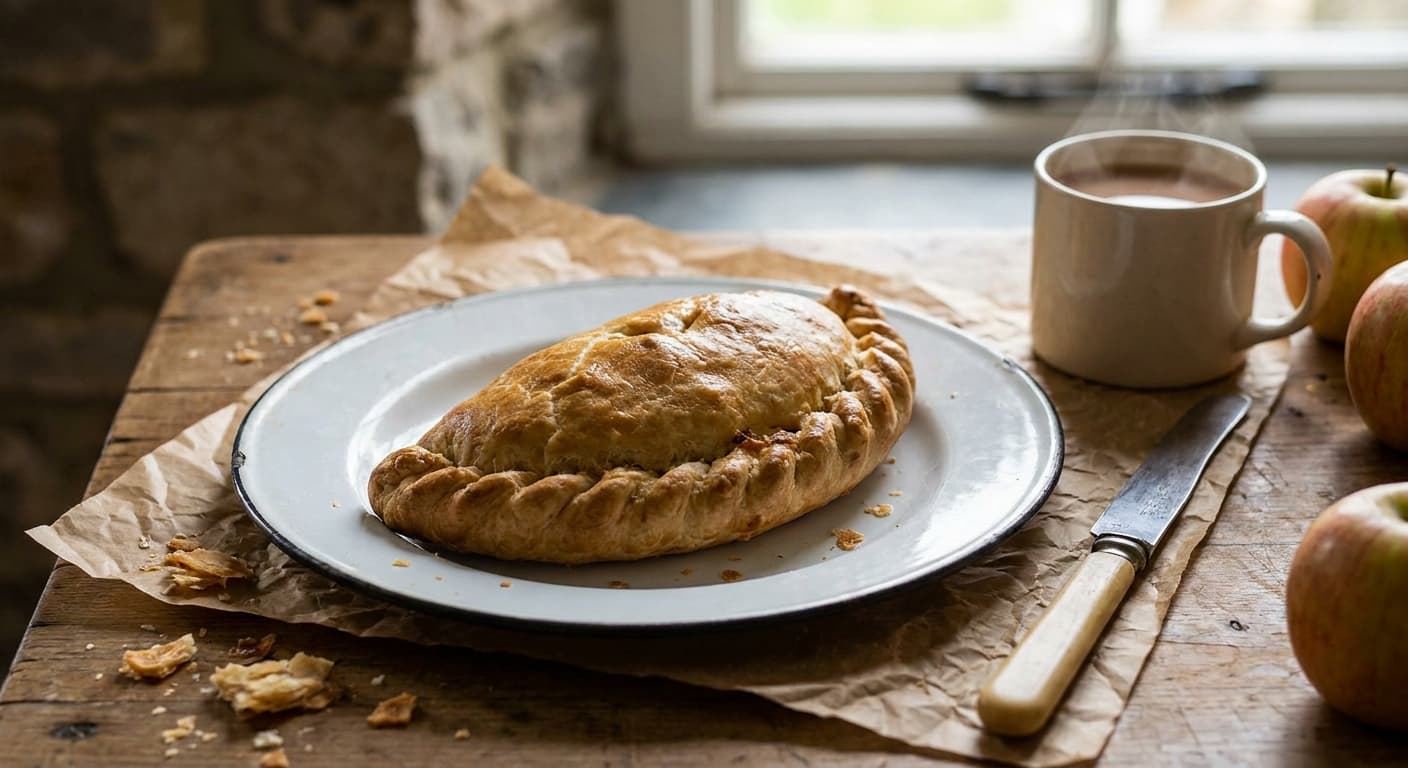
Cornish Pasty (Cornish Pasty) — Traditional Beef and Swede Hand Pie
British · Main Courses · 100 min
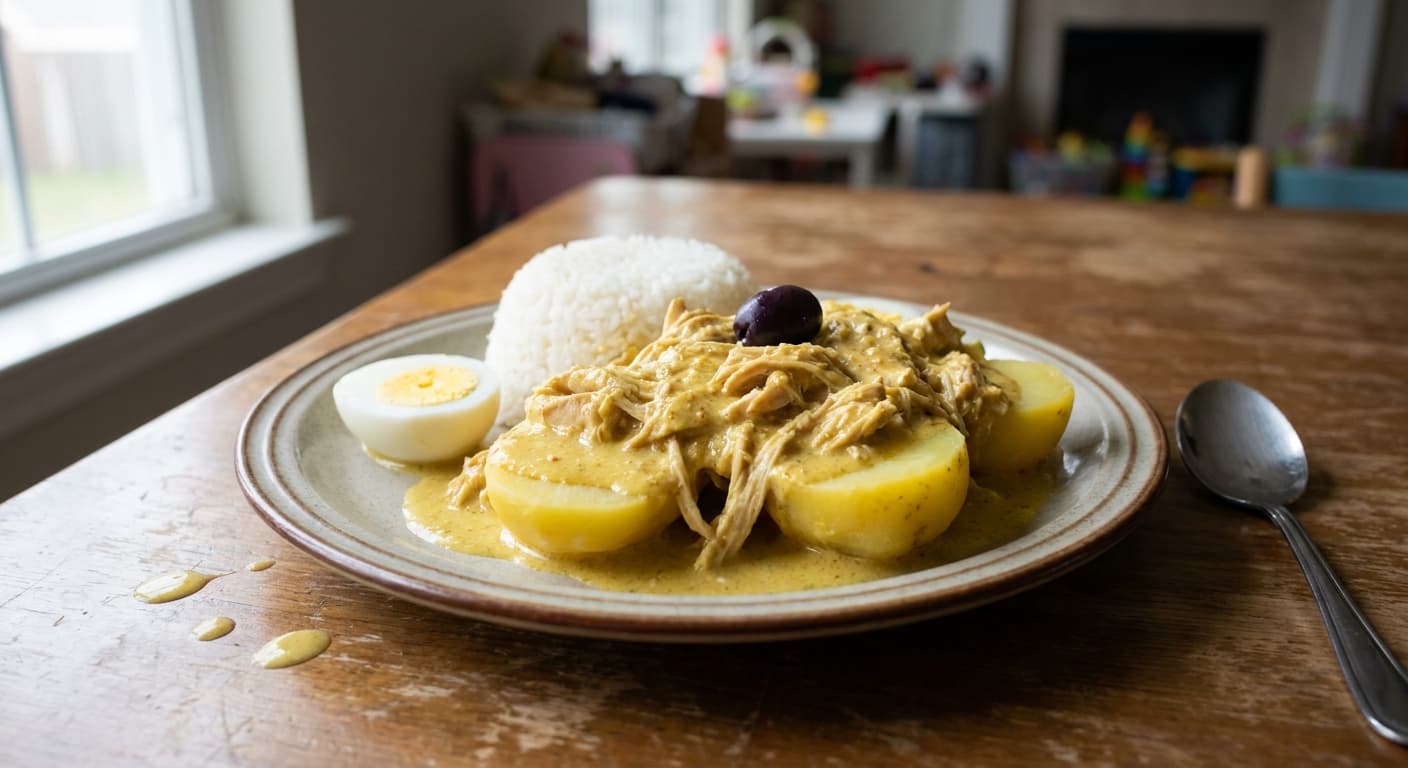
Peruvian Creamed Chili Chicken (Ají de Gallina) — Silky Ají Amarillo Chicken Stew
Peruvian · Main Courses · 80 min
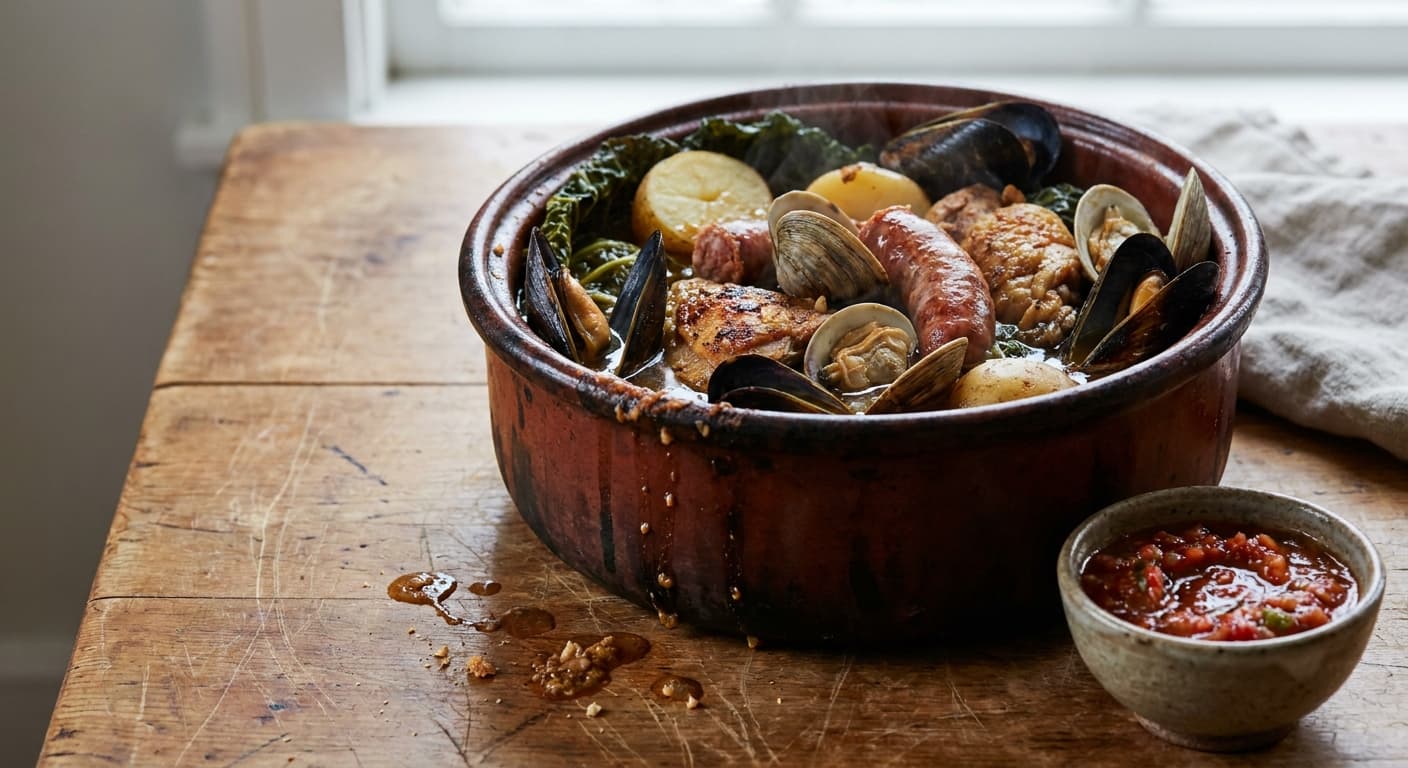
Chilean Curanto (Curanto) — Chiloé Seafood and Meat Feast
Chilean · Main Courses · 110 min
Feseekh (فسيخ) — Egyptian Salt-Cured Mullet for Sham el-Nessim
Egyptian · Main Courses · 30 min
Reviews
Cooked this recipe?
Tap the stars to rate it — that's all it takes. A few words are welcome but optional.
No ratings yet. Cooked this one? Be the first to rate it — it takes one tap.