Silpancho (Silpancho cochabambino) — Bolivian Breaded Beef Plate
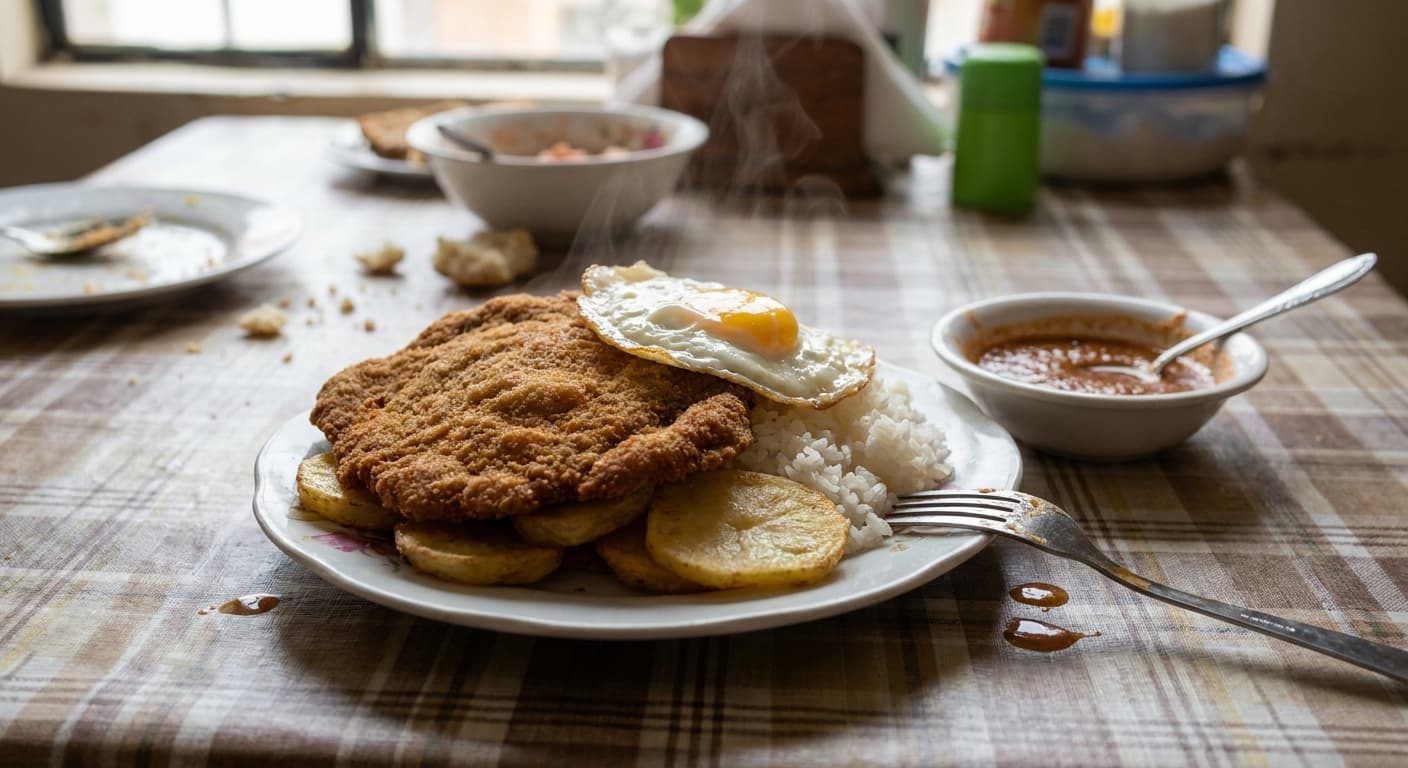
Silpancho is a generous Cochabamba plate of thin breaded beef set over rice and fried potatoes, then crowned with egg and fresh llajwa-style salsa. This Bolivian classic uses locoto and aji amarillo warmth for a lively family-table meal.
Printable Recipe Card
Servings: 4 · Total: 70 min · Difficulty: medium
Ingredients (quick list)
- 240 g long-grain white rice
- 480 ml water
- 1 tbsp vegetable oil
- 1 clove garlic (minced)
- 0.25 tsp fine salt
- 800 g Yukon Gold potatoes (peeled and sliced 6 mm thick)
- 560 g beef top round steaks (4 thin steaks, about 140 g each)
- 0.5 tsp ground black pepper
- 0.5 tsp ground cumin
- 60 g all-purpose flour
- 2 large eggs (beaten for breading)
- 120 g dry breadcrumbs
+ 6 more in the full ingredients section below.
Steps (summary)
- Start the rice by heating 1 tbsp oil in a small saucepan over medium heat, then cook the minced garlic for 30 seconds without b…
- Put the sliced potatoes in a saucepan, cover with cold water by 2 cm, and boil for 6 minutes until just tender at the edges but…
- Make the llajwa-style salsa while the potatoes steam dry. Mix the tomatoes, red onion, minced locoto, cilantro, aji amarillo pa…
- Place each beef steak between 2 sheets of parchment paper and pound it with the flat side of a meat mallet until it is very thi…
- Set up three shallow dishes with flour, beaten eggs, and breadcrumbs. Dredge each pounded steak in flour, dip it fully in egg,…
- Heat 60 ml oil in a wide skillet over medium-high heat and fry the parboiled potato slices in batches for 3 to 4 minutes per si…
+ 3 more steps in the full instructions section below.
Cultural Background
Silpancho is closely associated with Cochabamba, a Bolivian city famous for abundant plates and market cooking. Food historian Maricel E. Presilla places Andean staples, chiles, and fresh salsas within the broader Latin American table that shapes dishes like this.
Equipment
💡 Tips
- Pound the beef very thin and evenly; the hallmark of silpancho is a broad cutlet that cooks quickly and covers much of the plate.
- Rest the breaded cutlets before frying so the coating hydrates and clings instead of sliding off in the oil.
- Keep the salsa fresh and uncooked, because the contrast of cool tomato, locoto heat, and crisp beef is central to the dish.
⚠️ Common Mistakes
❌ Leaving the beef thick before breading.
✅ Fix: Pound it to about 3 mm thick so it fries quickly, stays tender, and gives the broad cutlet expected in silpancho.
❌ Stacking fried cutlets on paper towels for too long.
✅ Fix: Drain them on a wire rack so steam escapes and the breadcrumb crust remains crisp.
❌ Adding watery salsa directly before the plate is ready.
✅ Fix: Spoon the llajwa-style salsa on at the last moment or serve it partly on the side to protect the crust.
🧊 How to Store
Store rice, potatoes, beef, eggs, and salsa in separate airtight containers for up to 3 days. Reheat beef and potatoes on a rack in a 190°C oven for 8 to 10 minutes, microwave the rice with 1 tbsp water, and add the cold salsa after reheating.
📅 Make Ahead
The salsa can be chopped 4 hours ahead, the rice can be cooked 1 day ahead, and the potatoes can be parboiled earlier the same day. Bread the beef no more than 2 hours before frying and keep it chilled on a rack.
🍽️ Pairs Well With
- Extra llajwa
- sliced avocado
- cold beer
- peach mocochinchi
- simple lettuce salad.
Regional Variations
- In Cochabamba, the cutlet is often very wide and served as a heaping market-style plate with rice, potatoes, egg, and chopped tomato-onion salsa.
- Trancapecho, a beloved Cochabamba sandwich, tucks many silpancho elements into bread for a portable street-food version.
- Some highland homes add boiled chuño as an extra side, though it is not the core Cochabamba presentation.
Ingredients
- 240 glong-grain white rice
- 480 mlwater
- 1 tbspvegetable oil
- 1 clovegarlic (minced)
- 0.25 tspfine salt
- 800 gYukon Gold potatoes (peeled and sliced 6 mm thick)
- 560 gbeef top round steaks (4 thin steaks, about 140 g each)
- 0.5 tspground black pepper
- 0.5 tspground cumin
- 60 gall-purpose flour
- 2large eggs (beaten for breading)
- 120 gdry breadcrumbs
- 300 gripe tomatoes (seeded and diced small)
- 120 gred onion (diced small)
- 1red locoto chile (seeded for medium heat and minced)
- 8 sprigcilantro (leaves and tender stems chopped)
- 1 tspaji amarillo paste (Bolivian or Peruvian yellow chile paste)
- 2 tbsplime juice
🔄 Substitutions
- red locoto chile→ 1 serrano chile plus 0.25 red bell pepper
- beef top round steaks→ thin sirloin steaks
- dry breadcrumbs→ finely crushed plain crackers
Instructions
- 1
Start the rice by heating 1 tbsp oil in a small saucepan over medium heat, then cook the minced garlic for 30 seconds without browning it. Add the rice and stir for 1 minute, then add 480 ml water and 0.25 tsp salt, cover, and simmer over low heat for 16 minutes before resting covered for 10 minutes.
- 2
Put the sliced potatoes in a saucepan, cover with cold water by 2 cm, and boil for 6 minutes until just tender at the edges but not falling apart. Drain them very well and spread them on a tray for 5 minutes, because dry potatoes brown better and make the silpancho plate less oily.
- 3
Make the llajwa-style salsa while the potatoes steam dry. Mix the tomatoes, red onion, minced locoto, cilantro, aji amarillo paste, lime juice, and 0.25 tsp salt in a bowl, then let it stand for at least 15 minutes so the chile and tomato juices mingle.
- 4
Place each beef steak between 2 sheets of parchment paper and pound it with the flat side of a meat mallet until it is very thin, about 3 mm thick and wider than your palm. Season both sides with 0.5 tsp salt, black pepper, and cumin, pressing the seasoning into the meat so the breading is flavorful.
- 5
Set up three shallow dishes with flour, beaten eggs, and breadcrumbs. Dredge each pounded steak in flour, dip it fully in egg, and press it into breadcrumbs on both sides, then rest the coated steaks on a rack for 10 minutes so the crust adheres during frying.
- 6
Heat 60 ml oil in a wide skillet over medium-high heat and fry the parboiled potato slices in batches for 3 to 4 minutes per side until golden. Transfer them to a rack or paper-lined tray and season with 0.25 tsp salt while hot.
- 7
Wipe out the skillet if there are dark potato bits, then add 90 ml oil and heat it over medium-high heat until a breadcrumb sizzles on contact. Fry the breaded beef cutlets one or two at a time for 2 to 3 minutes per side until deeply golden, then drain them on a rack to keep the crust crisp.
- 8
In a separate nonstick skillet, heat 1 tbsp oil over medium heat and fry the 4 eggs sunny-side up until the whites are set and the yolks remain soft, about 3 minutes. If you prefer firmer yolks, cover the pan for 1 additional minute rather than increasing the heat, which can toughen the whites.
- 9
Assemble each silpancho immediately on a wide plate with a bed of rice, a ring or layer of fried potatoes, and one crisp breaded beef cutlet on top. Crown each portion with a fried egg and spoon the fresh llajwa-style salsa over or beside the egg so the hot, crisp, and juicy elements stay distinct.
🪪 Recipe Passport
Cultural Background
Silpancho is closely associated with Cochabamba, a Bolivian city famous for abundant plates and market cooking. Food historian Maricel E. Presilla places Andean staples, chiles, and fresh salsas within the broader Latin American table that shapes dishes like this.
Regional Variations
Researched from multiple sources and validated by the Zaffaron editorial team. Every recipe is tested for accuracy, measurements, and cultural authenticity.
📚 Sources & Cultural References
- Maricel E. Presilla — Gran Cocina Latina: The Food of Latin America — (2012)
Sources cited by the Zaffaron editorial team during recipe research. Cultural and culinary references supporting authenticity claims.
Nutrition per serving
Pairs well with
If you enjoyed this recipe, here are a few related Zaffaron recipes to try next.
Does your family make this differently?
Every family has their own version. Maybe your grandmother adds a secret ingredient, or your aunt has a completely different technique. Preserve your family's version — with their name on it, forever.
You Might Also Like
Bolivian Salteñas (Salteñas) — Juicy Baked Meat Empanadas
Bolivian · Appetizers · 120 min
Majadito (Majadito) — Bolivian Rice with Charque and Fried Egg
Bolivian · Rice Dishes · 90 min
Bolivian Spicy Chicken Stew (Sajta de Pollo) — Aji Amarillo Chicken with Chuño
Bolivian · Main Courses · 95 min
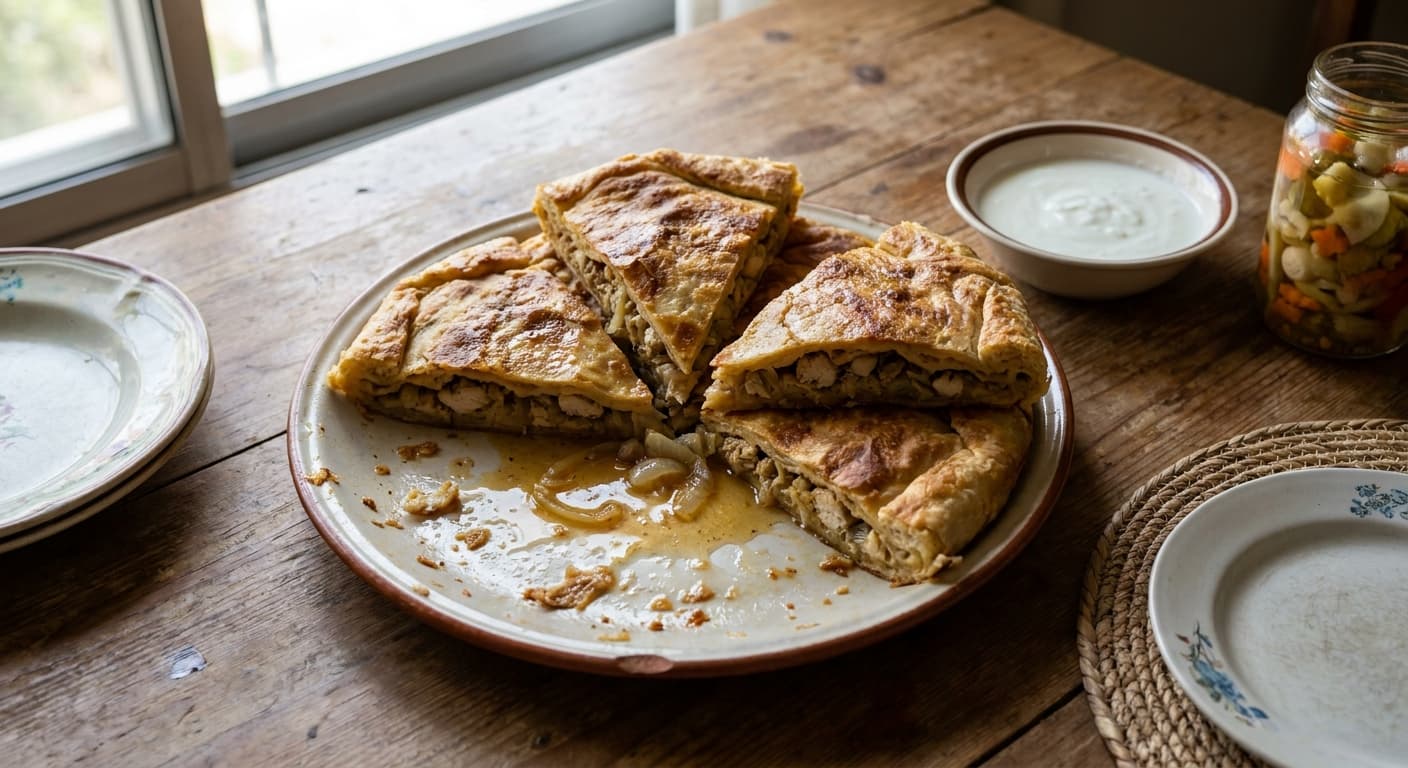
Makmoura (مكمورة) — Jordanian Layered Chicken Bread Pie
Jordanian · Main Courses · 185 min
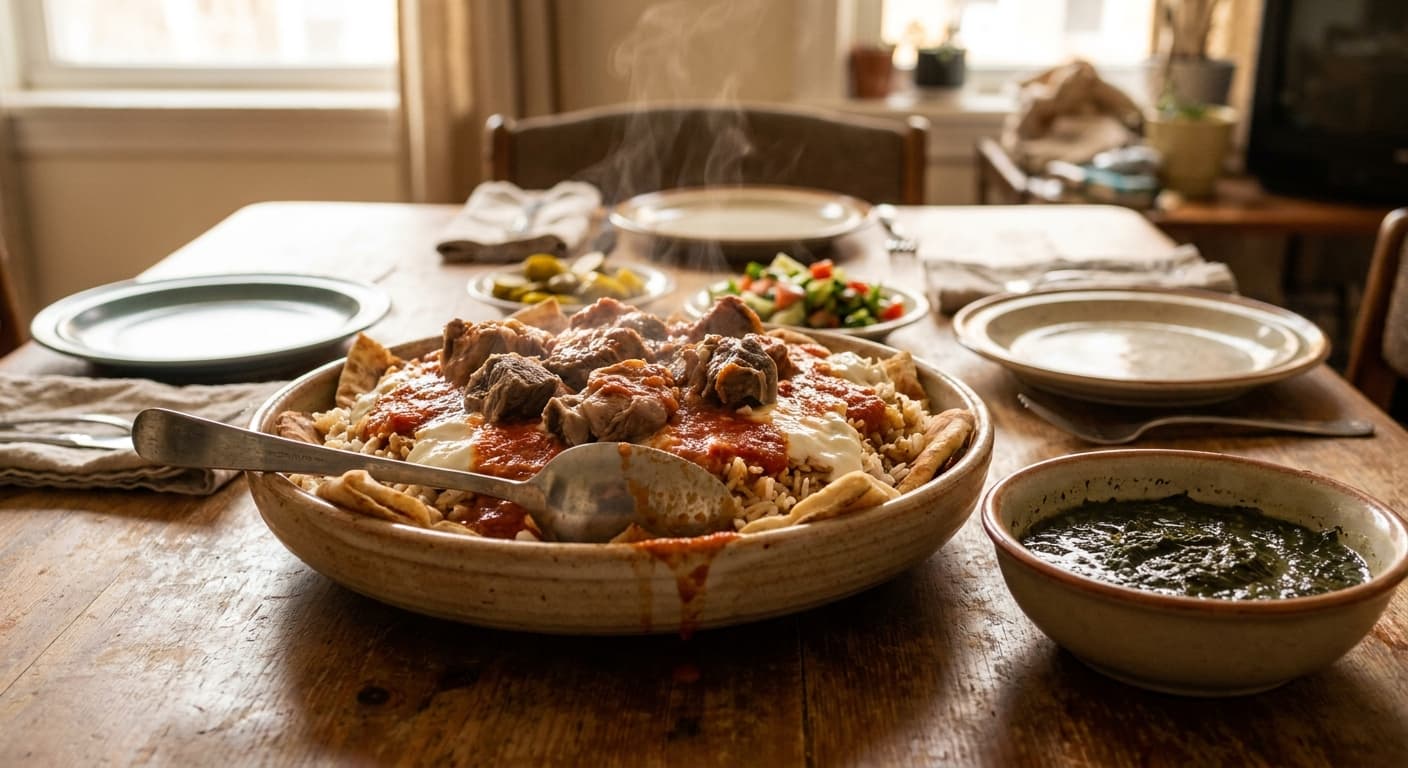
Egyptian Fatta (فتة) — Layered Meat, Rice, and Crisp Bread
Egyptian · Main Courses · 145 min
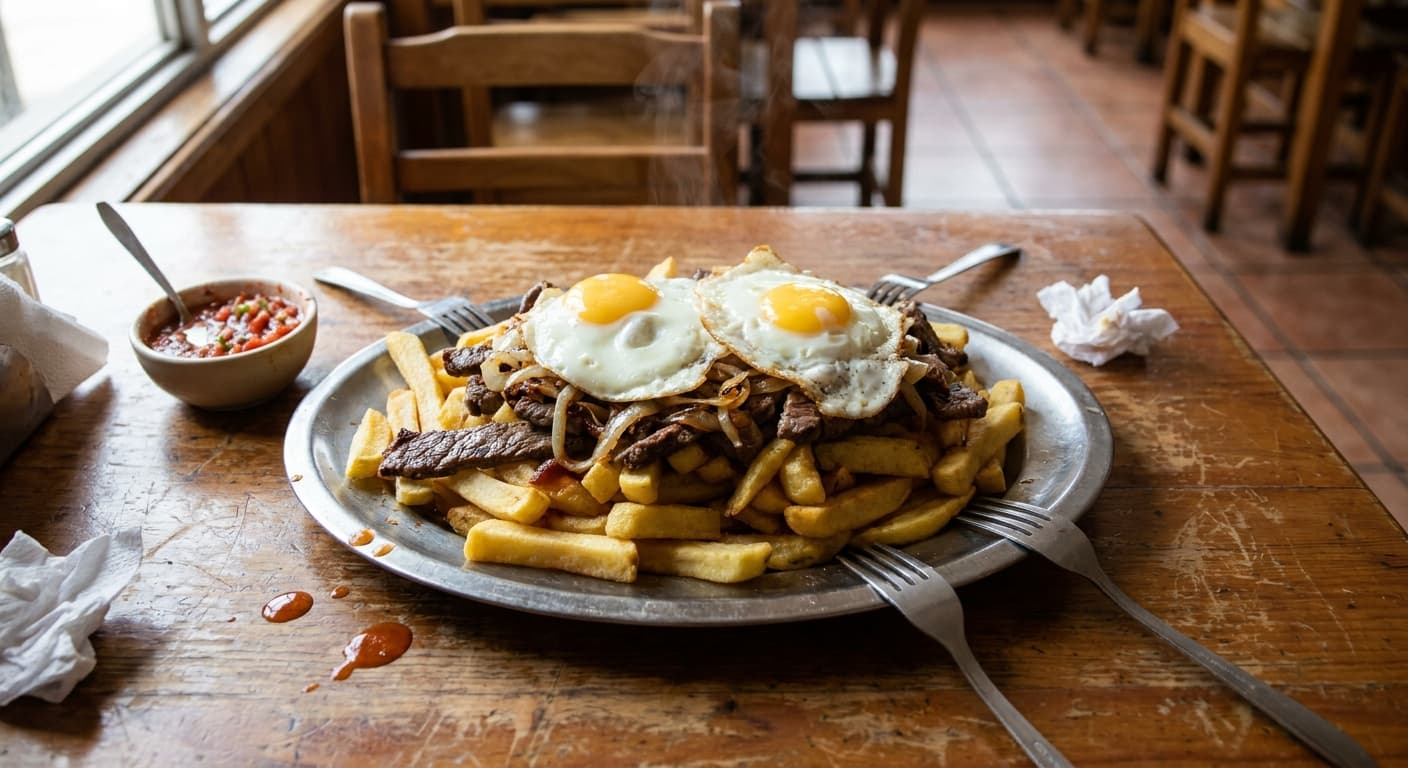
Chorrillana (Chorrillana) — Chilean Loaded Fries with Beef and Eggs
Chilean · Main Courses · 60 min
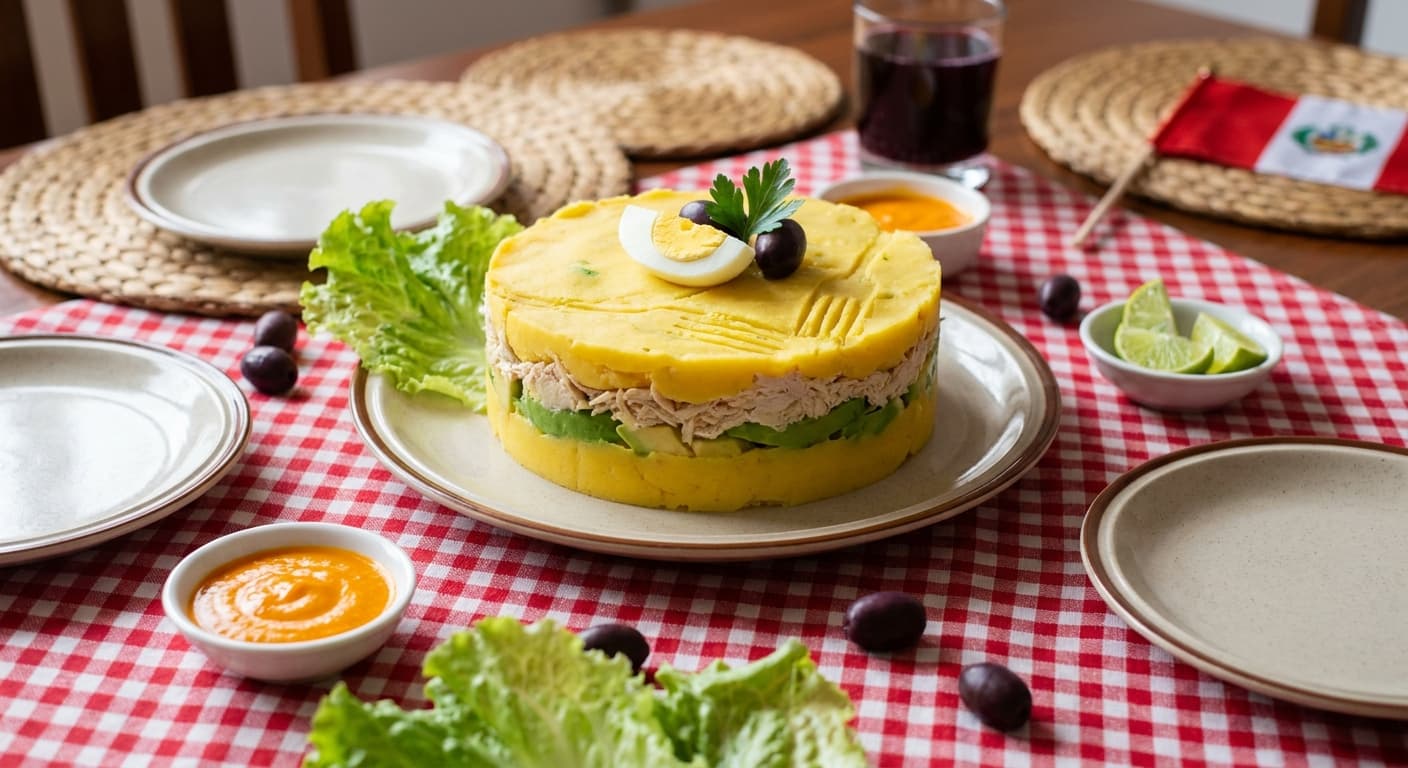
Lima-Style Causa (Causa Limeña) — Chilled Potato Terrine with Chicken and Avocado
Peruvian · Appetizers · 70 min
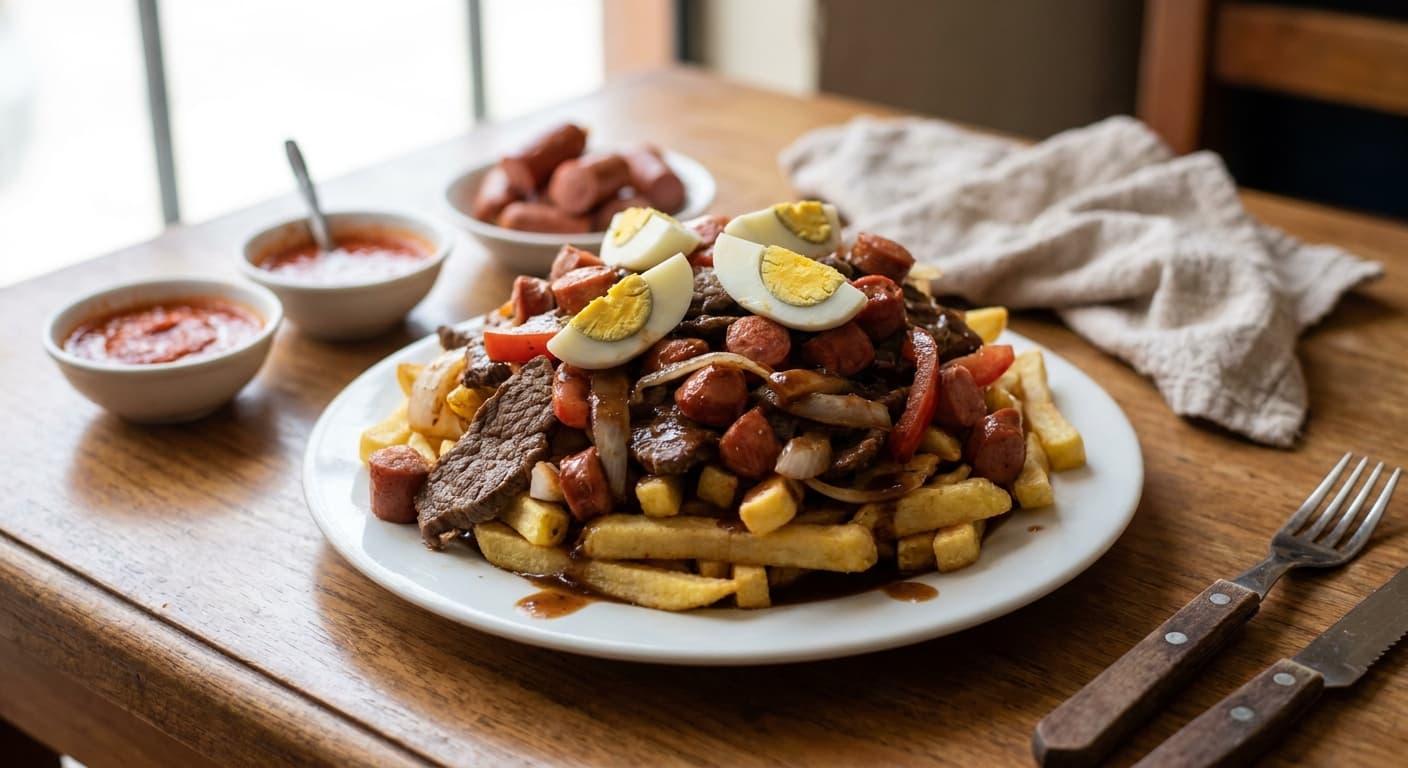
Pique a lo Macho (Pique a lo macho) — Bolivian Beef, Sausage, and Fries
Bolivian · Main Courses · 65 min
Reviews
Cooked this recipe?
Tap the stars to rate it — that's all it takes. A few words are welcome but optional.
No ratings yet. Cooked this one? Be the first to rate it — it takes one tap.