Msemen (مسمن) — Moroccan Square-Shaped Flaky Flatbread
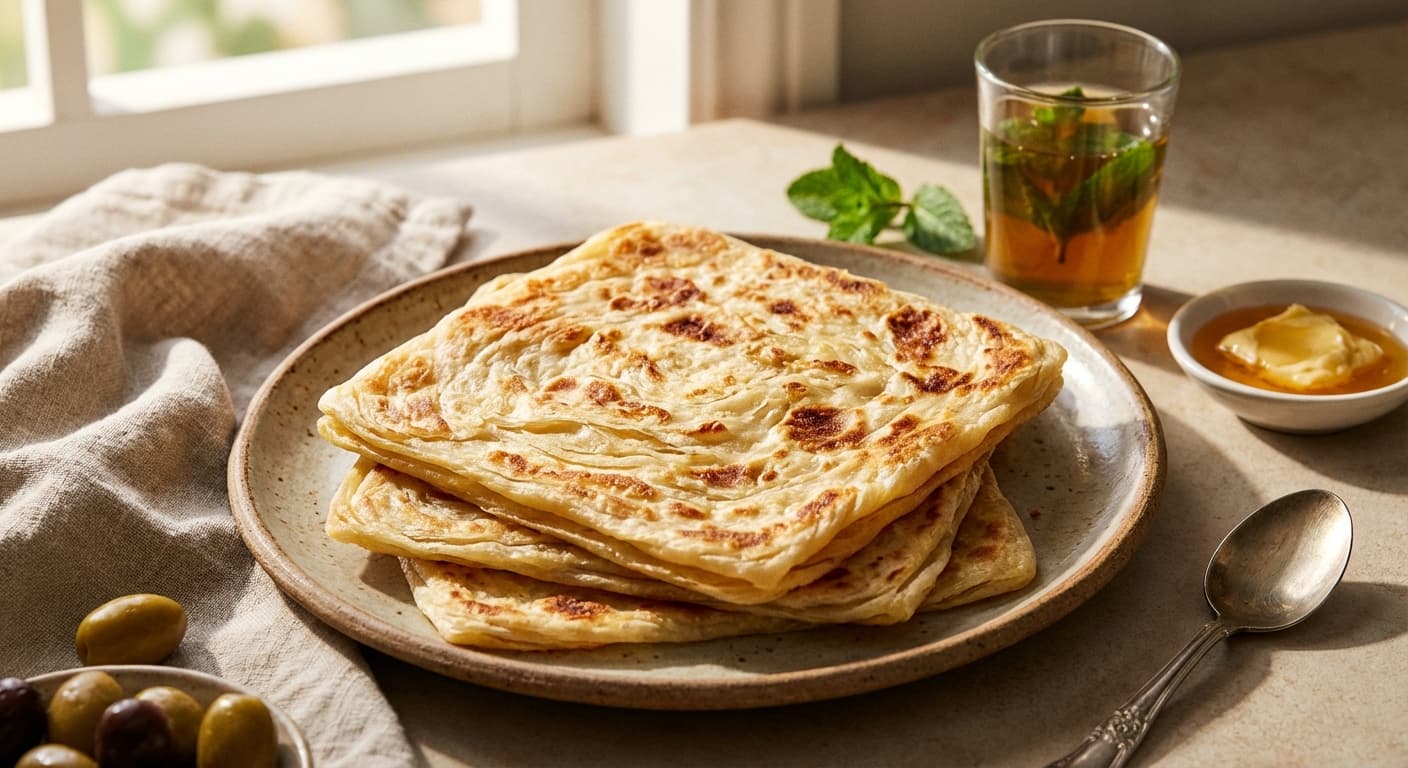
Msemen is a beloved Moroccan laminated flatbread, folded into squares and cooked on a griddle until crisp and flaky. Often served at breakfast or tea time, it’s traditionally enjoyed with honey and butter or alongside savory dishes.
Printable Recipe Card
Servings: 8 · Total: 60 min · Difficulty: medium
Ingredients (quick list)
- 200 g fine semolina
- 300 g all-purpose flour
- 8 g granulated sugar (about 2 tsp)
- 8 g fine sea salt (about 1 1/4 tsp)
- 4 g instant yeast (about 1 tsp)
- 320 ml warm water (about 38–40°C)
- 60 ml neutral oil (sunflower or canola)
- 60 g unsalted butter (melted and cooled slightly)
Steps (summary)
- In a large bowl, combine the fine semolina, flour, sugar, salt, and instant yeast and whisk until evenly mixed. Add the warm wa…
- Knead the dough for 8 minutes until it becomes smooth and elastic, adding no extra flour so the dough stays supple. If it feels…
- Divide the dough into 8 equal pieces, about 105 g each, and shape each into a smooth ball by tucking the edges underneath. Coat…
- Prepare the lamination mixture by combining the neutral oil and melted butter in a small bowl. Set a shallow dish of fine semol…
- Working with one dough ball at a time, flatten it and stretch it with oiled hands into a very thin sheet, about 35–40 cm wide,…
- Fold the sheet into thirds like a letter, brushing a small amount of oil-butter mixture between folds to encourage flaky layers…
+ 4 more steps in the full instructions section below.
Cultural Background
A staple across Morocco, msemen is a symbol of home hospitality, commonly made for breakfast, tea gatherings, and family visits. Its layered technique reflects Maghrebi bread traditions where skillful folding turns simple dough into something celebratory.
Equipment
💡 Tips
- Stretch the dough with well-oiled hands instead of adding flour; extra flour reduces flakiness and makes the layers tough.
- Resting after folding is not optional—10 minutes helps the squares flatten evenly without springing back.
- Cook with steady medium heat and flip often; this builds color while keeping the interior tender and layered.
⚠️ Common Mistakes
❌ Tearing the dough while stretching, leading to uneven layers and leaks.
✅ Fix: Rest the dough longer (an extra 10 minutes) and use more oil on hands and surface; stretch gradually from the center outward.
❌ Browning too fast while the inside stays doughy.
✅ Fix: Lower heat to medium-low and flip more frequently; cook a little longer to set the interior without burning the exterior.
❌ Dense, bready texture with little flake.
✅ Fix: Use the full oil-butter and semolina during folding and avoid dusting with flour; thin stretching and proper resting are key.
🧊 How to Store
Cool completely, then store in an airtight container at room temperature for up to 24 hours or refrigerate for up to 3 days. Reheat on a dry skillet over medium-low for 1–2 minutes per side, or wrap in foil and warm at 160°C for 8–10 minutes.
📅 Make Ahead
You can mix and knead the dough up to 12 hours ahead and refrigerate it lightly oiled, covered. Bring to room temperature for 45 minutes before dividing, folding, and cooking for the best stretch and layering.
🍽️ Pairs Well With
- Moroccan mint tea
- honey and butter
- amlou
- soft cheese
- olive tapenade
- harira.
Regional Variations
- Rghaif-style msemen: folded similarly but sometimes made thinner and served with honey-butter more often at breakfast.
- Herbed msemen: finely chopped parsley and scallion are added during folding for a savory version served with soups.
- Stuffed msemen (msemen maammer): filled with spiced onions, peppers, and minced meat, then folded and pan-cooked.
Ingredients
- 200 gfine semolina
- 300 gall-purpose flour
- 8 ggranulated sugar (about 2 tsp)
- 8 gfine sea salt (about 1 1/4 tsp)
- 4 ginstant yeast (about 1 tsp)
- 320 mlwarm water (about 38–40°C)
- 60 mlneutral oil (sunflower or canola)
- 60 gunsalted butter (melted and cooled slightly)
🔄 Substitutions
- fine semolina→ extra all-purpose flour
- unsalted butter→ clarified butter (ghee)
- instant yeast→ active dry yeast
Instructions
- 1
In a large bowl, combine the fine semolina, flour, sugar, salt, and instant yeast and whisk until evenly mixed. Add the warm water and stir with your hand or a sturdy spoon until a shaggy dough forms and no dry flour remains.
- 2
Knead the dough for 8 minutes until it becomes smooth and elastic, adding no extra flour so the dough stays supple. If it feels sticky at first, keep kneading; the semolina will hydrate and the dough will tighten as gluten develops.
- 3
Divide the dough into 8 equal pieces, about 105 g each, and shape each into a smooth ball by tucking the edges underneath. Coat the balls lightly with a thin film of neutral oil so they do not dry out, then cover and rest for 15 minutes.
- 4
Prepare the lamination mixture by combining the neutral oil and melted butter in a small bowl. Set a shallow dish of fine semolina nearby and lightly oil your work surface so the dough can stretch without tearing.
- 5
Working with one dough ball at a time, flatten it and stretch it with oiled hands into a very thin sheet, about 35–40 cm wide, aiming for near-transparency without ripping. Brush the surface with about 1 1/2 tsp (7 ml) of the oil-butter mixture, then sprinkle about 1 1/2 tsp (7 g) of fine semolina evenly over the sheet.
- 6
Fold the sheet into thirds like a letter, brushing a small amount of oil-butter mixture between folds to encourage flaky layers. Fold again into a square, then gently pat it to even thickness; it should be about 12–14 cm wide and 1–1.5 cm thick.
- 7
Place the folded square on a lightly oiled tray and repeat with the remaining dough balls, keeping them covered so they do not crust over. Let the folded msemen rest for 10 minutes so the gluten relaxes and the layers set.
- 8
Heat a heavy skillet or griddle over medium heat for 4 minutes, then lightly grease it with 1 tsp (5 ml) neutral oil. Gently flatten one square to about 16–18 cm wide, keeping the corners intact, and place it on the hot surface.
- 9
Cook for 2 to 3 minutes per side, flipping several times, until the msemen is deeply golden with darker toasted spots and the layers puff slightly. Adjust the heat as needed; if it browns too fast, lower to medium-low so the inside cooks through without burning.
- 10
Transfer the cooked msemen to a rack or clean towel so steam can escape and the bread stays flaky. Repeat with the remaining squares, greasing the pan lightly between breads, and serve warm for the best texture.
🪪 Recipe Passport
Cultural Background
A staple across Morocco, msemen is a symbol of home hospitality, commonly made for breakfast, tea gatherings, and family visits. Its layered technique reflects Maghrebi bread traditions where skillful folding turns simple dough into something celebratory.
Regional Variations
Researched from multiple sources and validated by the Zaffaron editorial team. Every recipe is tested for accuracy, measurements, and cultural authenticity.
Nutrition per serving
Pairs well with
If you enjoyed this recipe, here are a few related Zaffaron recipes to try next.
- Tajine Djaj b Zitoun (طاجين دجاج بالزيتون) — Moroccan chicken tagine with green olives and preserved lemon
- Bakoula (باقولة) — Moroccan Stewed Mallow Greens with Garlic and Preserved Lemon
- Briwat bil Louz (بريوات باللوز) — Moroccan Almond-filled Briouats Dipped in Honey
- Rziza (رزيزة) — Moroccan Honeyed Braided Pastry Threads, Richly Buttery
Does your family make this differently?
Every family has their own version. Maybe your grandmother adds a secret ingredient, or your aunt has a completely different technique. Preserve your family's version — with their name on it, forever.
You Might Also Like
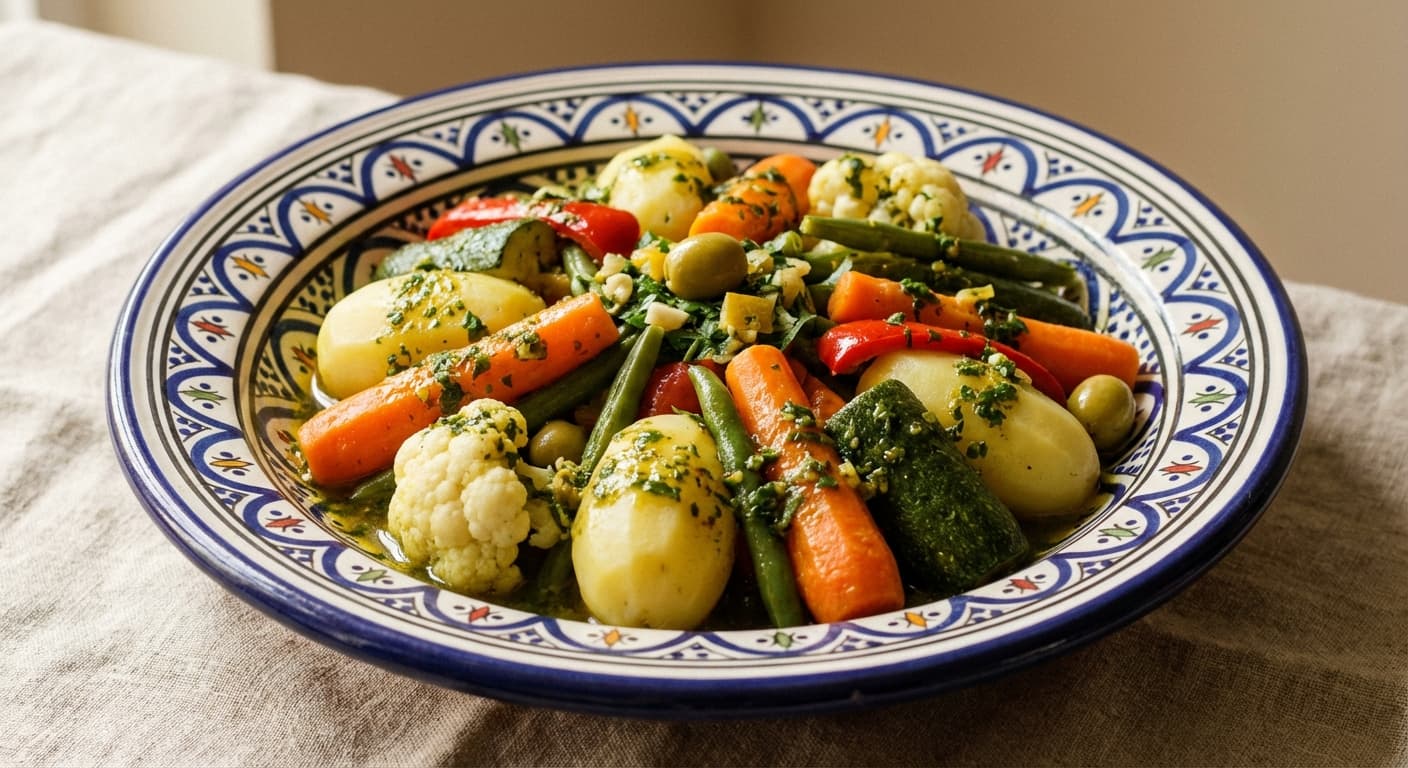
Khoudra Mchermla (خضرة مشرملة) — Moroccan Mixed Vegetables in Lemony Chermoula
Moroccan · Salads · 45 min
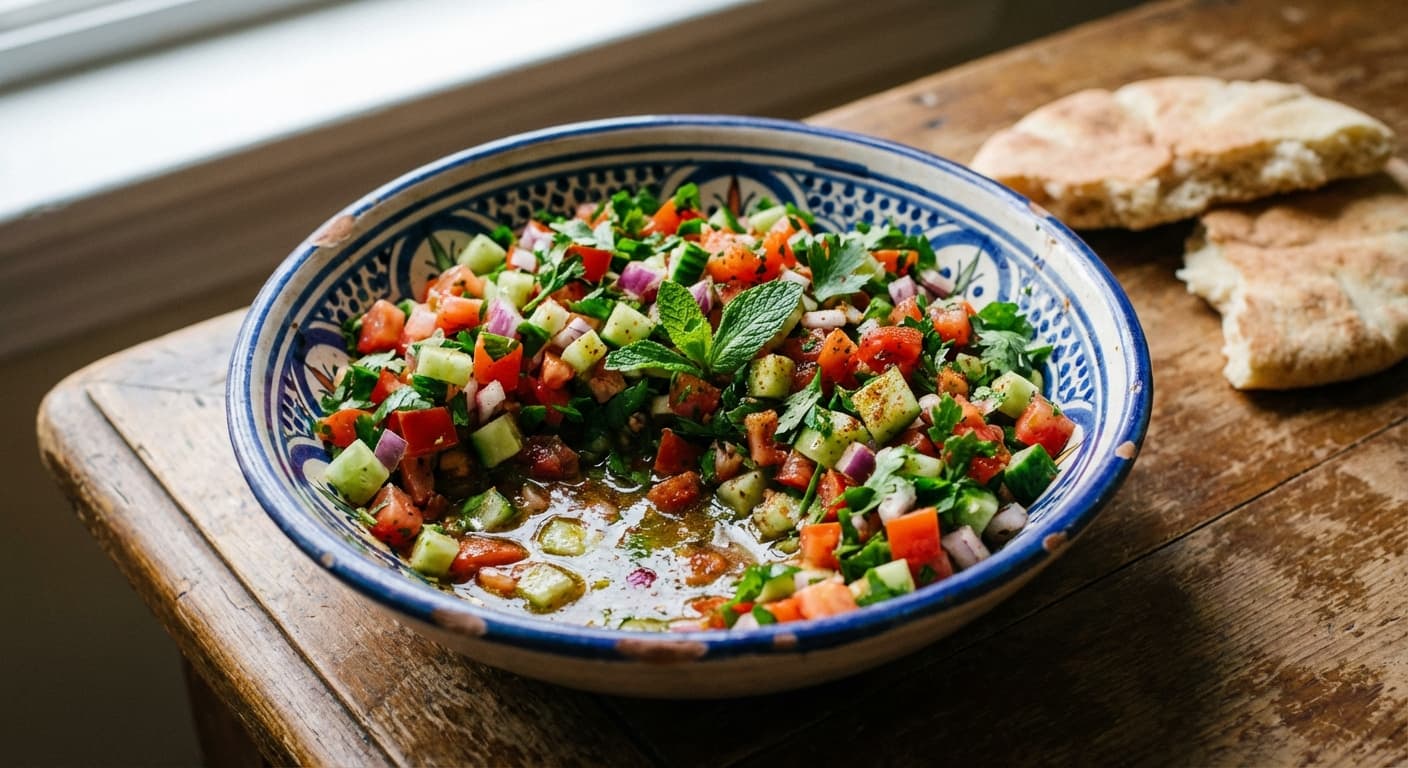
Chlada Maghribia (شلادة مغربية) — Moroccan Tomato-Cucumber Salad with Herbs
Moroccan · Salads · 15 min
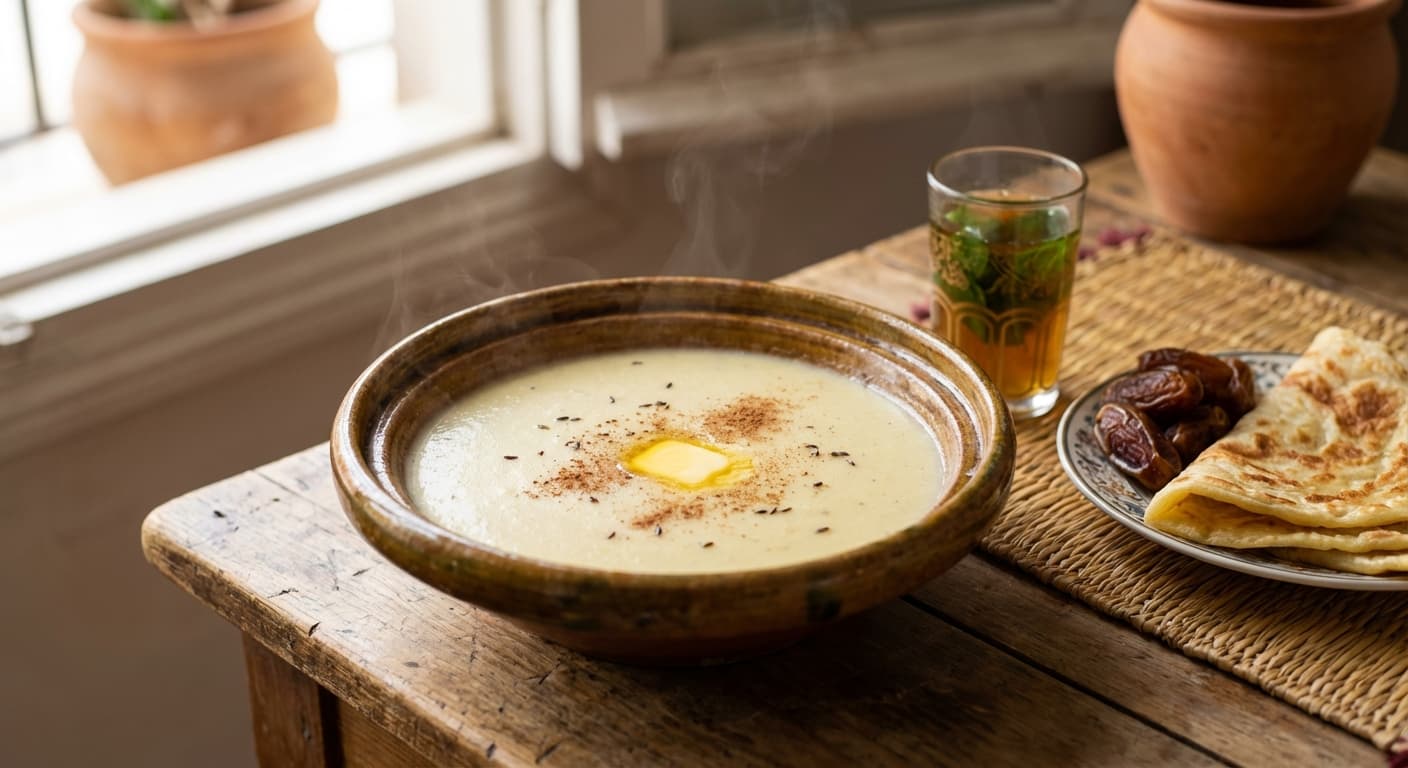
Hssoua d Smida (حسوة د سميدة) — Moroccan Semolina Soup Scented with Anise and Butter
Moroccan · Soups · 20 min
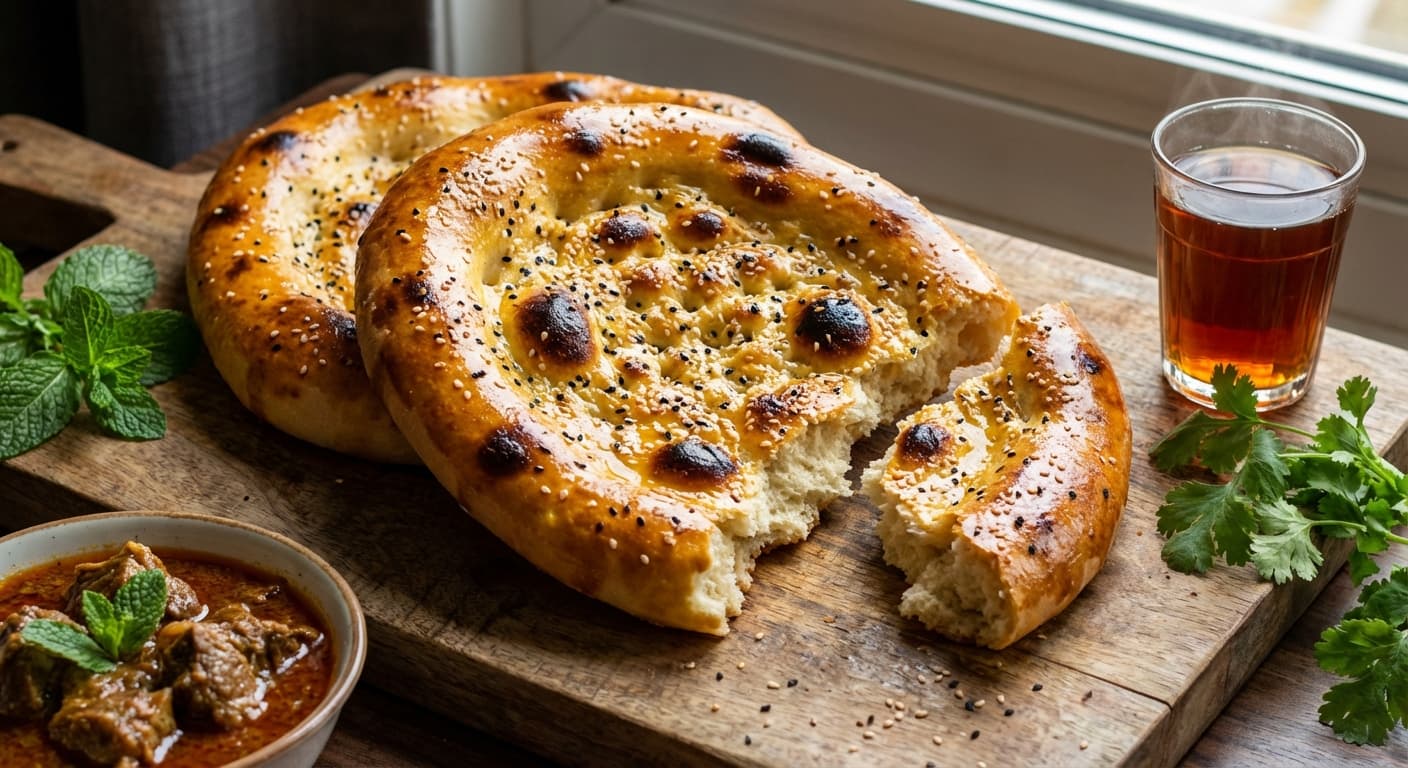
Kulcha-e Kandahari (کلچهٔ کندهاری) — Afghan Thick naan, Kandahar-style bakery bread
Afghan · Breads · 43 min
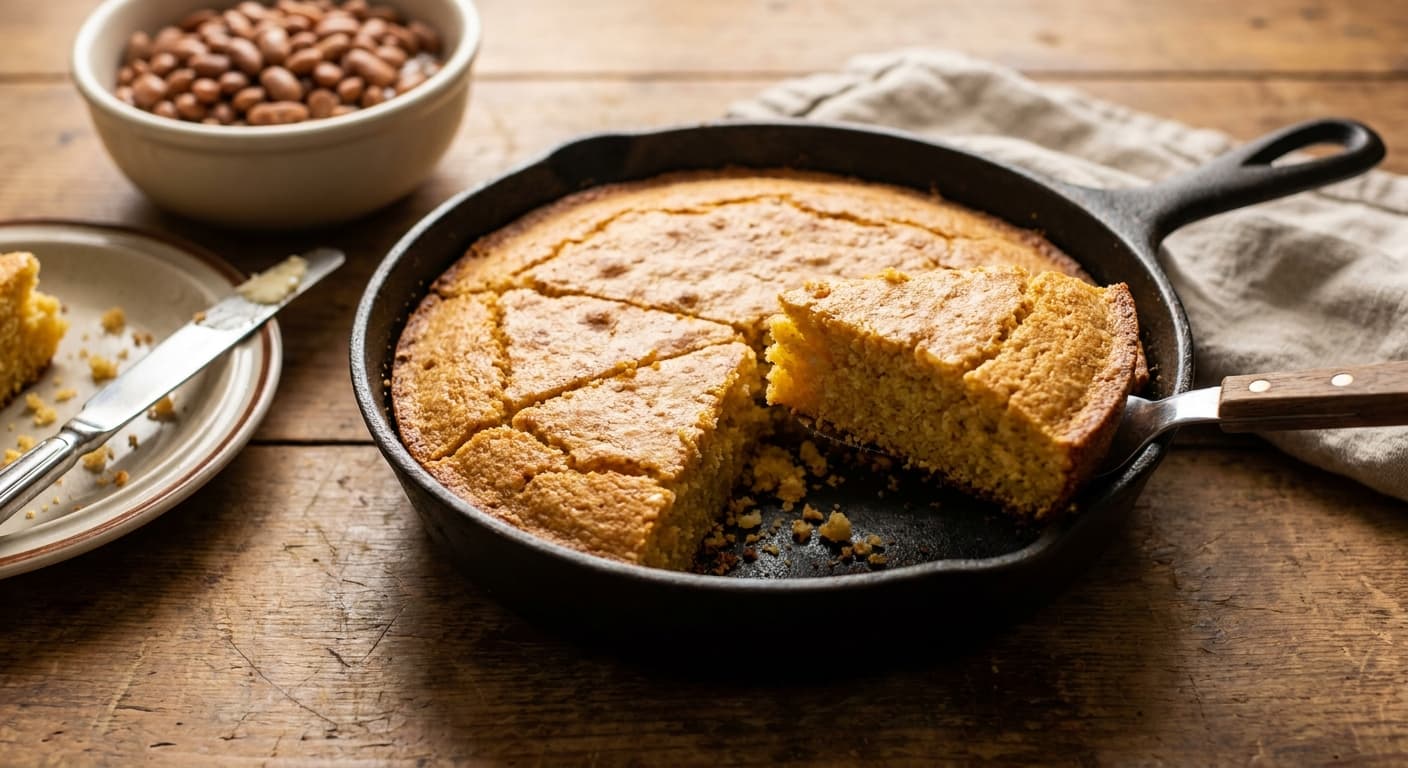
Cornbread (Cornbread) — Classic Cast-Iron American Quick Bread
American · Breads · 40 min
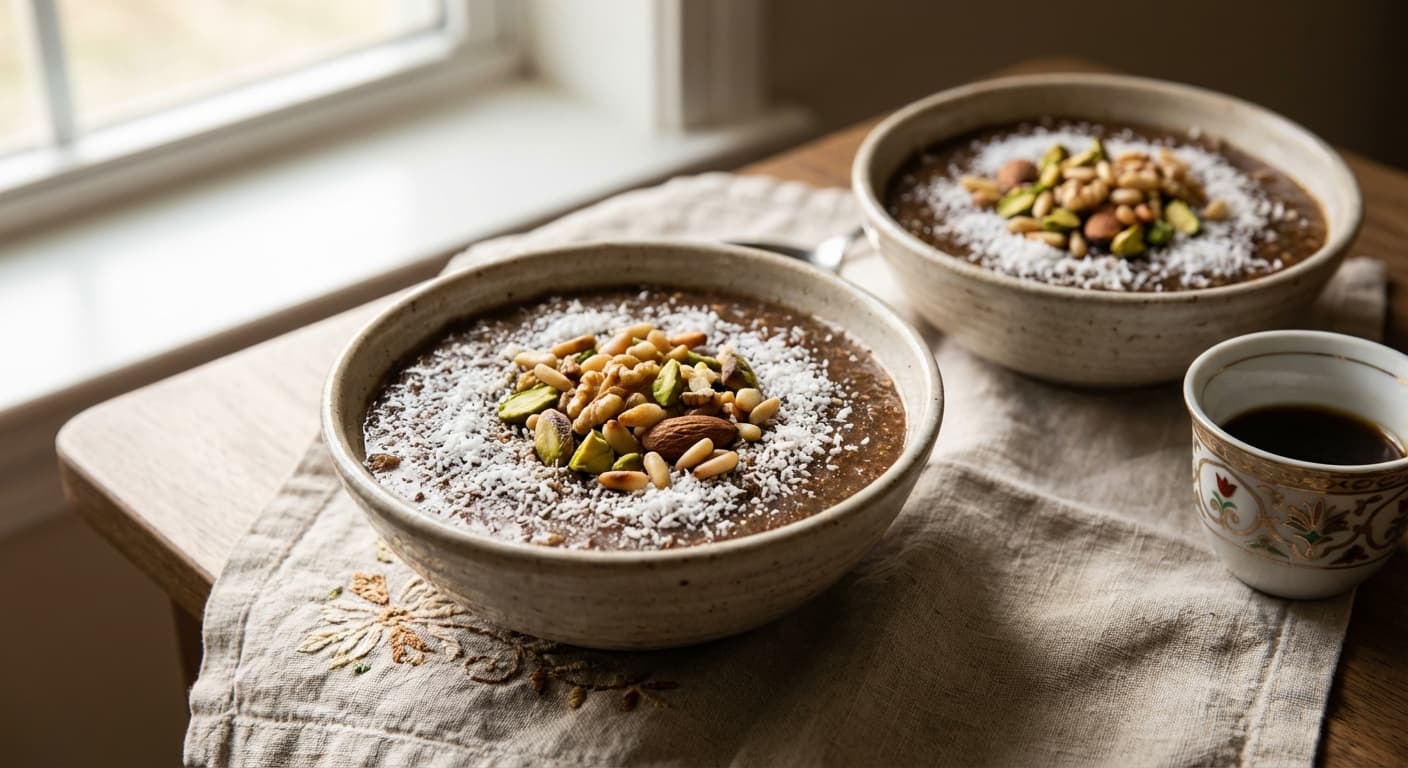
Meghli (مغلي) — Lebanese Spiced Rice Pudding with Nuts
Lebanese · Desserts · 40 min
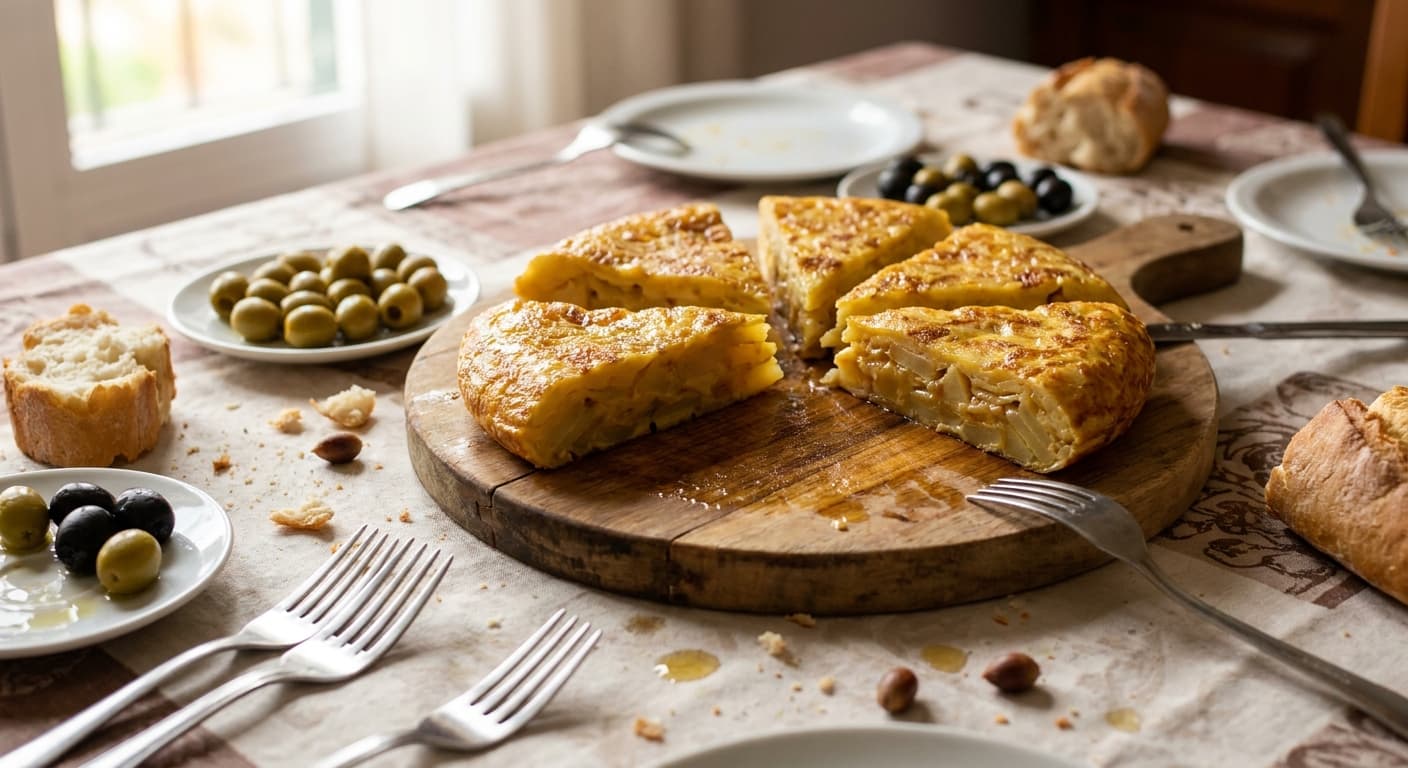
Spanish Potato Omelette (Tortilla Española) — Classic Potato and Egg Tortilla
Spanish · Main Courses · 55 min
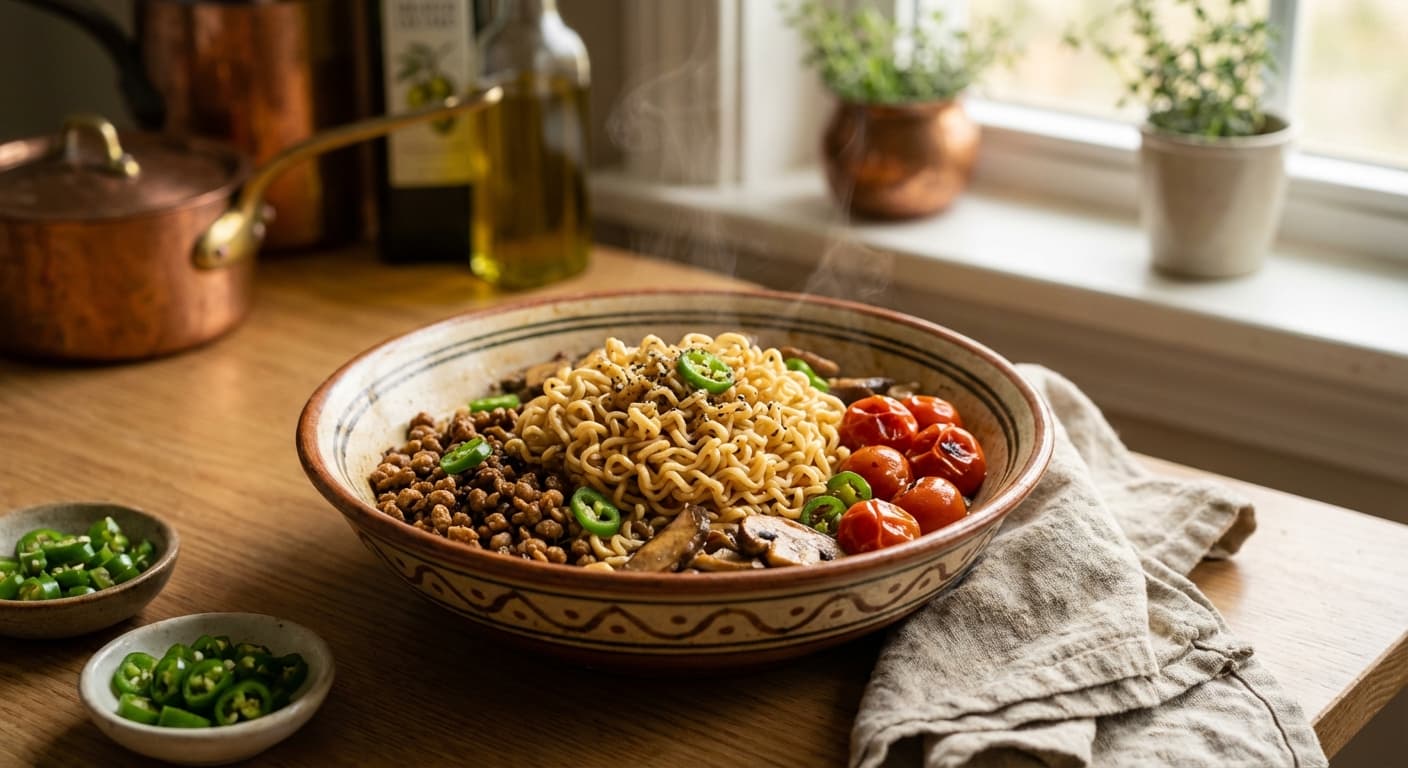
Noodl Ba Sooya Va Felfel (نودل با سویا و فلفل) — Persian Soy and Pepper Noodles
Persian · Main Courses · 40 min
Reviews
Cooked this recipe?
Tap the stars to rate it — that's all it takes. A few words are welcome but optional.
No ratings yet. Cooked this one? Be the first to rate it — it takes one tap.