Andalusian Gazpacho (Gazpacho Andaluz) — Chilled Tomato and Pepper Soup
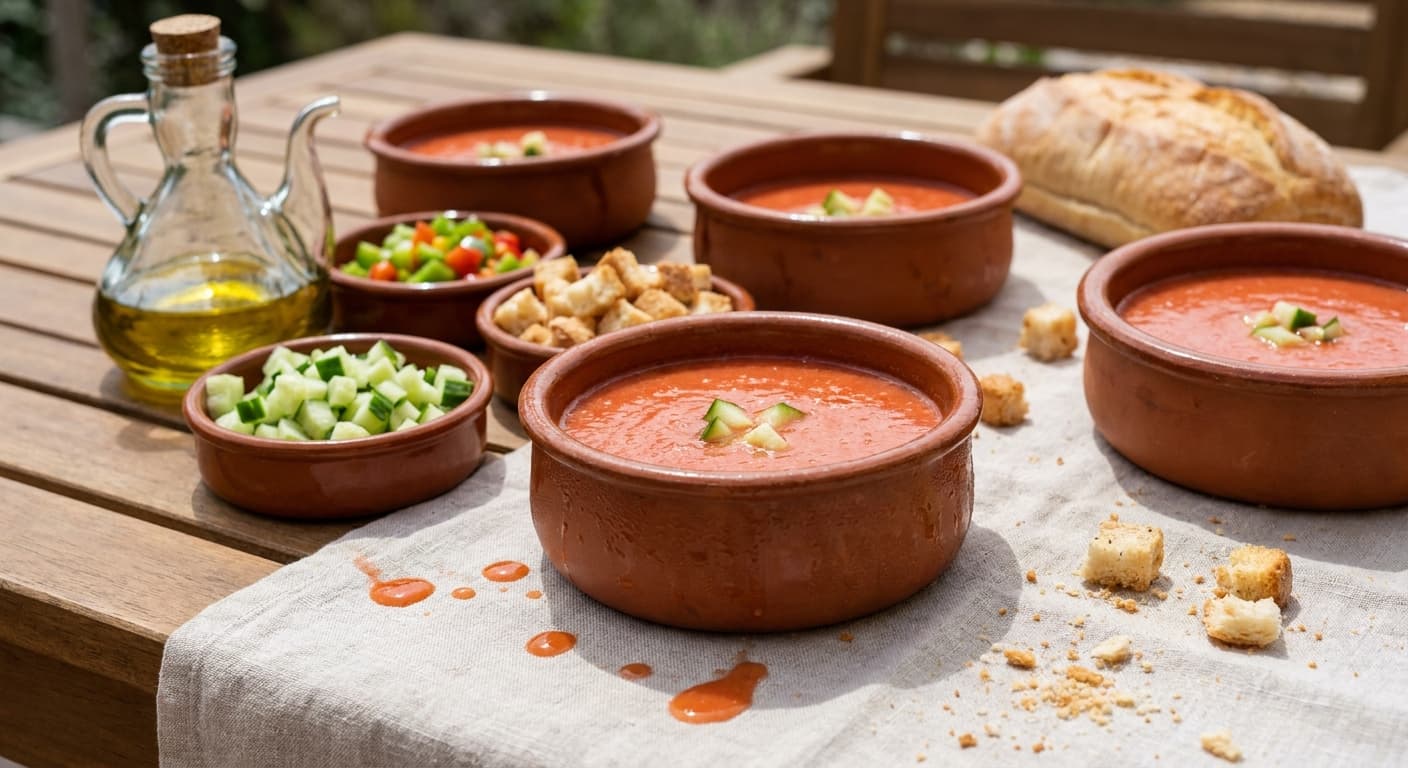
Gazpacho Andaluz is the iconic cold soup of southern Spain, built from ripe tomatoes, green pepper, cucumber, garlic, bread, olive oil, and sherry vinegar. It is served icy-cold in Andalusian homes during hot weather.
Printable Recipe Card
Servings: 4 · Total: 25 min · Difficulty: easy
Ingredients (quick list)
- 1000 g ripe tomatoes (cored and roughly chopped)
- 180 g cucumber (peeled and roughly chopped)
- 120 g green bell pepper (seeded and roughly chopped)
- 60 g white onion (roughly chopped)
- 1 clove garlic (germ removed for a gentler flavor)
- 60 g stale white country bread (crust removed)
- 120 ml cold water
- 80 ml extra-virgin olive oil
- 30 ml sherry vinegar
- 8 g fine sea salt
- 120 g tomato (finely diced)
Steps (summary)
- Place the stale bread in a bowl and pour over 120 ml cold water. Let it soften for 5 minutes, then squeeze it lightly so it is…
- Add the chopped tomatoes, cucumber, green pepper, onion, garlic, softened bread, salt, and sherry vinegar to a blender. Blend o…
- With the blender running on medium speed, pour in 80 ml extra-virgin olive oil in a thin steady stream. Continue blending for 1…
- Pass the soup through a fine-mesh sieve into a clean bowl, pressing firmly with a ladle to extract as much liquid as possible.…
- Cover the bowl and refrigerate the gazpacho for at least 2 hours, or until very cold. The resting time is important because the…
- Stir the chilled soup well before serving and check its thickness. If it is thicker than a drinkable soup, whisk in 30 ml cold…
+ 1 more steps in the full instructions section below.
Cultural Background
Born from Andalusia’s hot climate and olive-oil culture, gazpacho evolved from bread, garlic, vinegar, and oil soups into the tomato-rich version now emblematic of southern Spanish summer cooking.
Equipment
💡 Tips
- Use fully ripe summer tomatoes; pale or refrigerated tomatoes will make the soup flat and watery.
- Add the olive oil slowly while blending so the soup emulsifies into a smooth, orange-red gazpacho.
- Serve the gazpacho very cold, but do not add ice directly to the bowl because it weakens the seasoning.
⚠️ Common Mistakes
❌ Using underripe tomatoes
✅ Fix: Choose heavy, fragrant, fully ripe tomatoes and avoid hard winter tomatoes unless they are supplemented with high-quality canned tomatoes.
❌ Blending the olive oil all at once
✅ Fix: Stream it in gradually while the blender runs so the soup emulsifies and tastes creamy without dairy.
❌ Serving immediately after blending
✅ Fix: Chill for at least 2 hours so the garlic softens and the flavors settle into a balanced soup.
🧊 How to Store
Store gazpacho covered in the refrigerator for up to 3 days. Stir well before serving, as natural separation is normal, and serve cold without reheating.
📅 Make Ahead
Prepare the soup base up to 24 hours ahead and keep it refrigerated. Dice the garnish on the day of serving so it stays crisp and fresh.
🍽️ Pairs Well With
- Tortilla española
- pan con tomate
- marinated olives
- grilled sardines
- jamón serrano.
Regional Variations
- In Seville, gazpacho is often served very smooth and drinkable in glasses as a cooling midday refreshment.
- In Córdoba and parts of Andalusia, thicker tomato-and-bread preparations such as salmorejo are related but richer and usually served with egg and ham.
- Some home versions include a small amount of red bell pepper, but the green pepper flavor is especially traditional in Gazpacho Andaluz.
Ingredients
- 1000 gripe tomatoes (cored and roughly chopped)
- 180 gcucumber (peeled and roughly chopped)
- 120 ggreen bell pepper (seeded and roughly chopped)
- 60 gwhite onion (roughly chopped)
- 1 clovegarlic (germ removed for a gentler flavor)
- 60 gstale white country bread (crust removed)
- 120 mlcold water
- 80 mlextra-virgin olive oil
- 30 mlsherry vinegar
- 8 gfine sea salt
- 120 gtomato (finely diced)
🔄 Substitutions
- sherry vinegar→ red wine vinegar
- stale white country bread→ stale baguette
- green bell pepper→ Italian frying pepper
Instructions
- 1
Place the stale bread in a bowl and pour over 120 ml cold water. Let it soften for 5 minutes, then squeeze it lightly so it is damp but not dripping.
- 2
Add the chopped tomatoes, cucumber, green pepper, onion, garlic, softened bread, salt, and sherry vinegar to a blender. Blend on high speed for 1 minute, stopping once to scrape down the sides so the vegetables puree evenly.
- 3
With the blender running on medium speed, pour in 80 ml extra-virgin olive oil in a thin steady stream. Continue blending for 1 to 2 minutes until the gazpacho looks creamy and lightly emulsified rather than watery.
- 4
Pass the soup through a fine-mesh sieve into a clean bowl, pressing firmly with a ladle to extract as much liquid as possible. This step gives the classic smooth Andalusian texture, though you may leave it unstrained if you prefer a rustic finish.
- 5
Cover the bowl and refrigerate the gazpacho for at least 2 hours, or until very cold. The resting time is important because the vinegar, garlic, tomato, and olive oil become rounder and more balanced.
- 6
Stir the chilled soup well before serving and check its thickness. If it is thicker than a drinkable soup, whisk in 30 ml cold water from the refrigerator, but do not exceed 60 ml or the flavor will become diluted.
- 7
Ladle the gazpacho into chilled bowls or glasses. Garnish each serving with diced tomato, cucumber, green pepper, and 5 ml extra-virgin olive oil.
🪪 Recipe Passport
Cultural Background
Born from Andalusia’s hot climate and olive-oil culture, gazpacho evolved from bread, garlic, vinegar, and oil soups into the tomato-rich version now emblematic of southern Spanish summer cooking.
Regional Variations
Researched from multiple sources and validated by the Zaffaron editorial team. Every recipe is tested for accuracy, measurements, and cultural authenticity.
📚 Sources & Cultural References
- Claudia Roden — The Food of Spain — (2011)
- Simone Ortega — 1080 Recipes — (2007)
Sources cited by the Zaffaron editorial team during recipe research. Cultural and culinary references supporting authenticity claims.
Nutrition per serving
Pairs well with
If you enjoyed this recipe, here are a few related Zaffaron recipes to try next.
- Spanish Ham Croquettes (Croquetas de Jamón) — Crisp Tapas with Creamy Ham Béchamel
- Asturian Bean Stew (Fabada Asturiana) — Smoky Spanish Bean and Pork Stew
- Valencian Paella (Paella Valenciana) — Saffron Rice with Rabbit, Chicken, and Beans
- Patatas Bravas (Patatas bravas) — Crisp Spanish Tapas Potatoes with Spicy Brava Sauce
Does your family make this differently?
Every family has their own version. Maybe your grandmother adds a secret ingredient, or your aunt has a completely different technique. Preserve your family's version — with their name on it, forever.
You Might Also Like
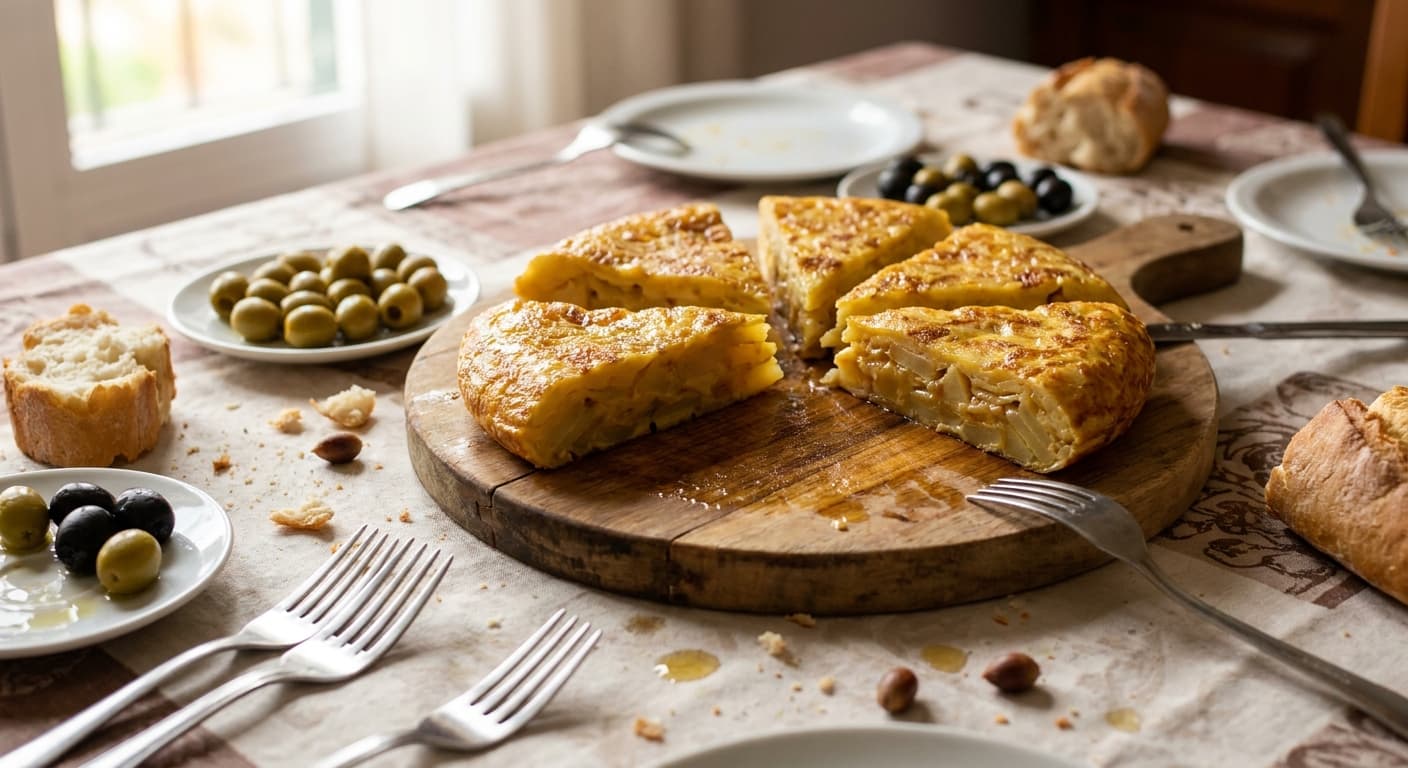
Spanish Potato Omelette (Tortilla Española) — Classic Potato and Egg Tortilla
Spanish · Main Courses · 55 min

Spanish Ham Croquettes (Croquetas de Jamón) — Crisp Tapas with Creamy Ham Béchamel
Spanish · Appetizers · 70 min
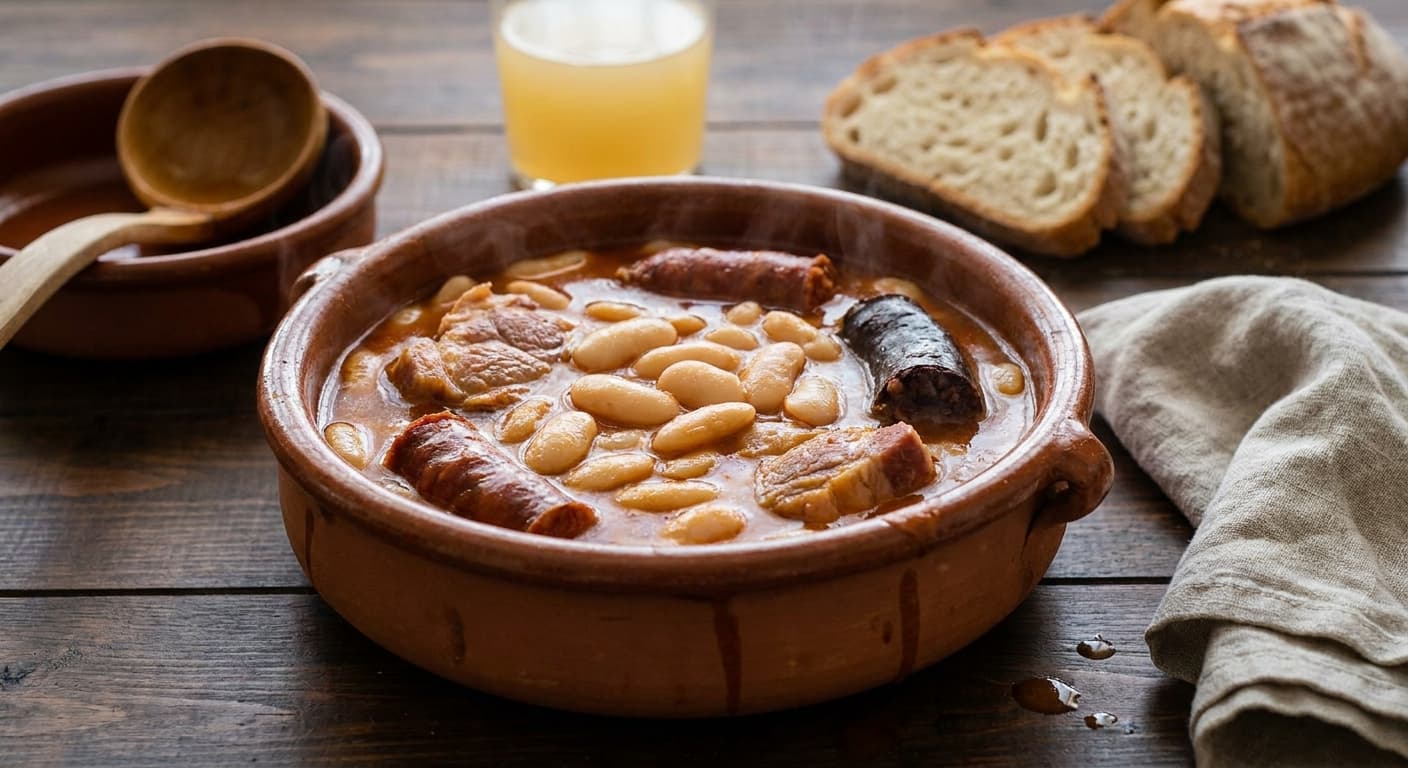
Asturian Bean Stew (Fabada Asturiana) — Smoky Spanish Bean and Pork Stew
Spanish · Stews · 210 min
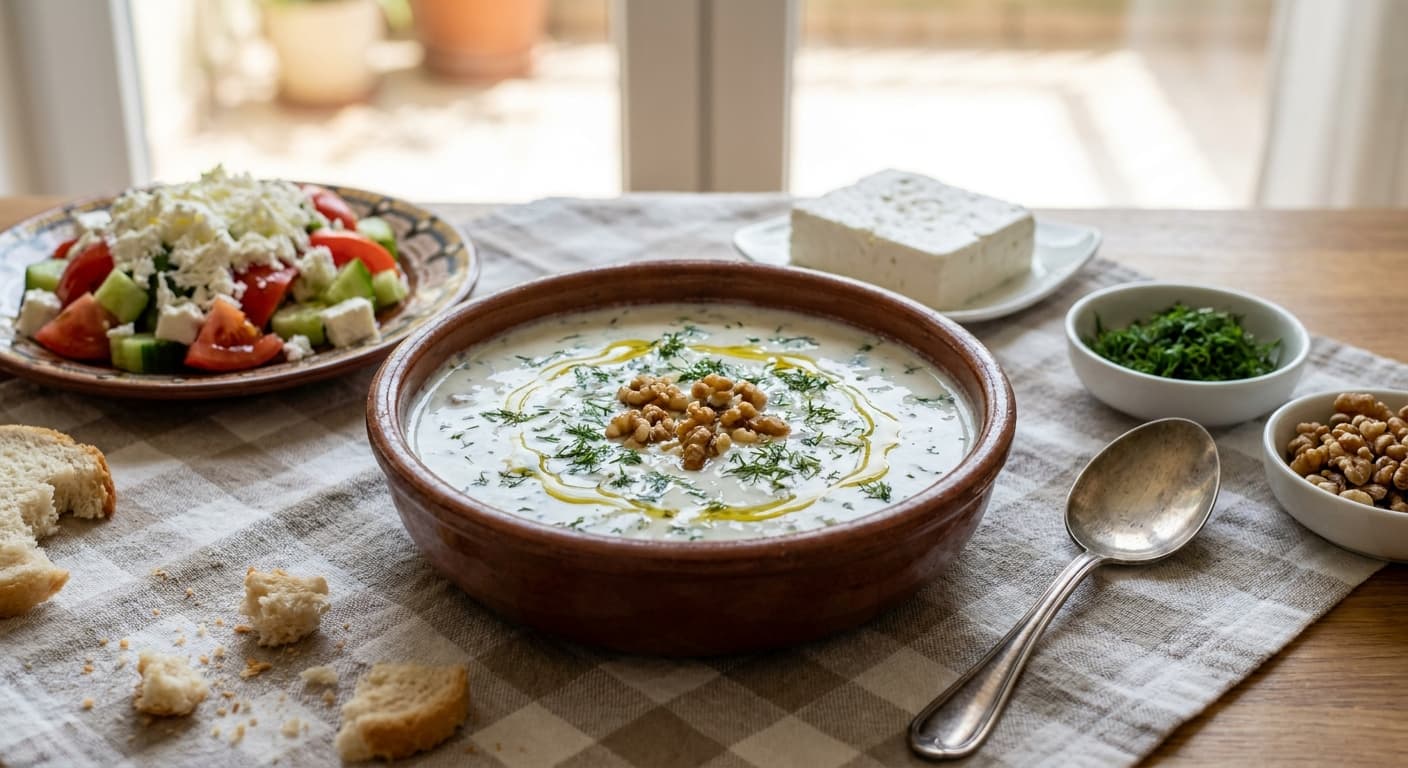
Bulgarian Tarator (Таратор) — Cold Yogurt Cucumber Soup
Bulgarian · Soups · 15 min
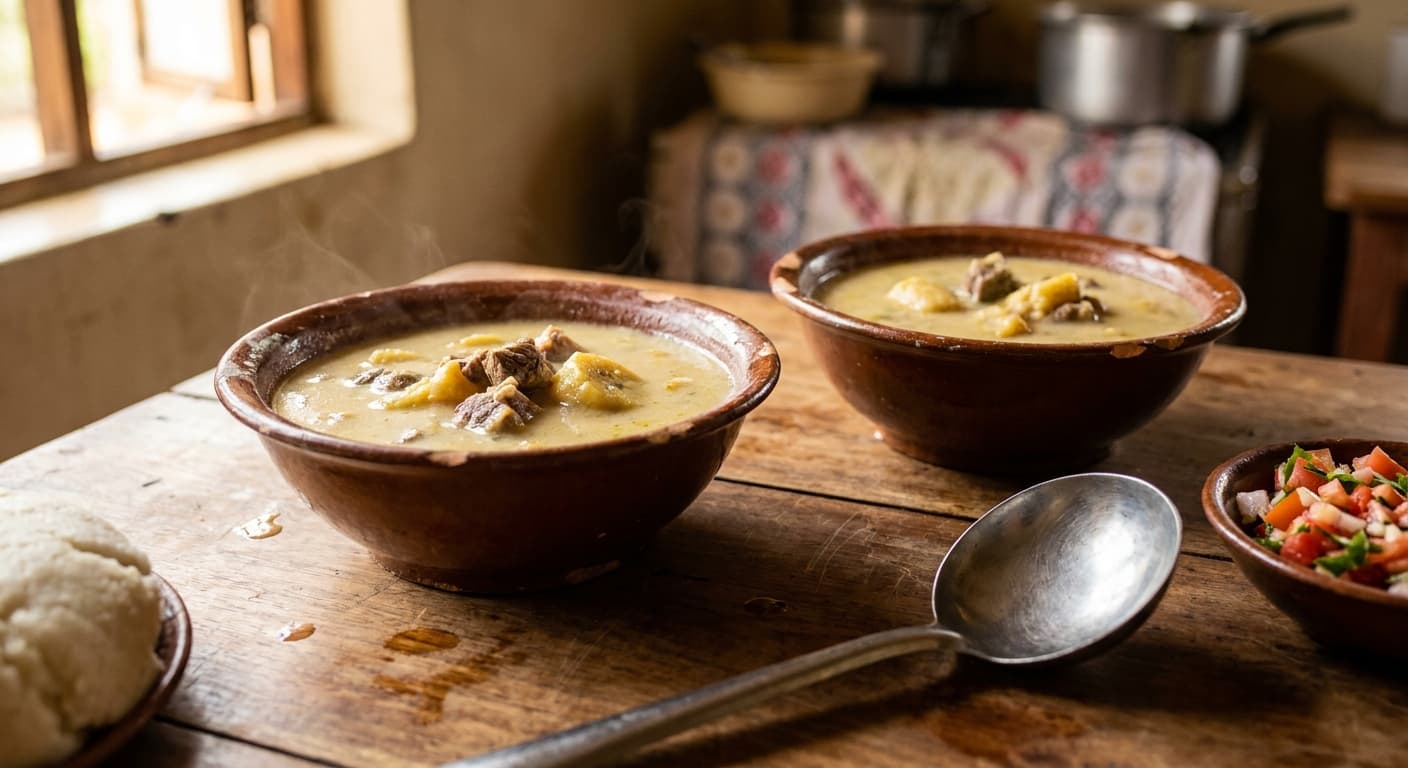
Mtori (Mtori) — Tanzanian Banana-Beef Soup
Tanzanian · Soups · 175 min
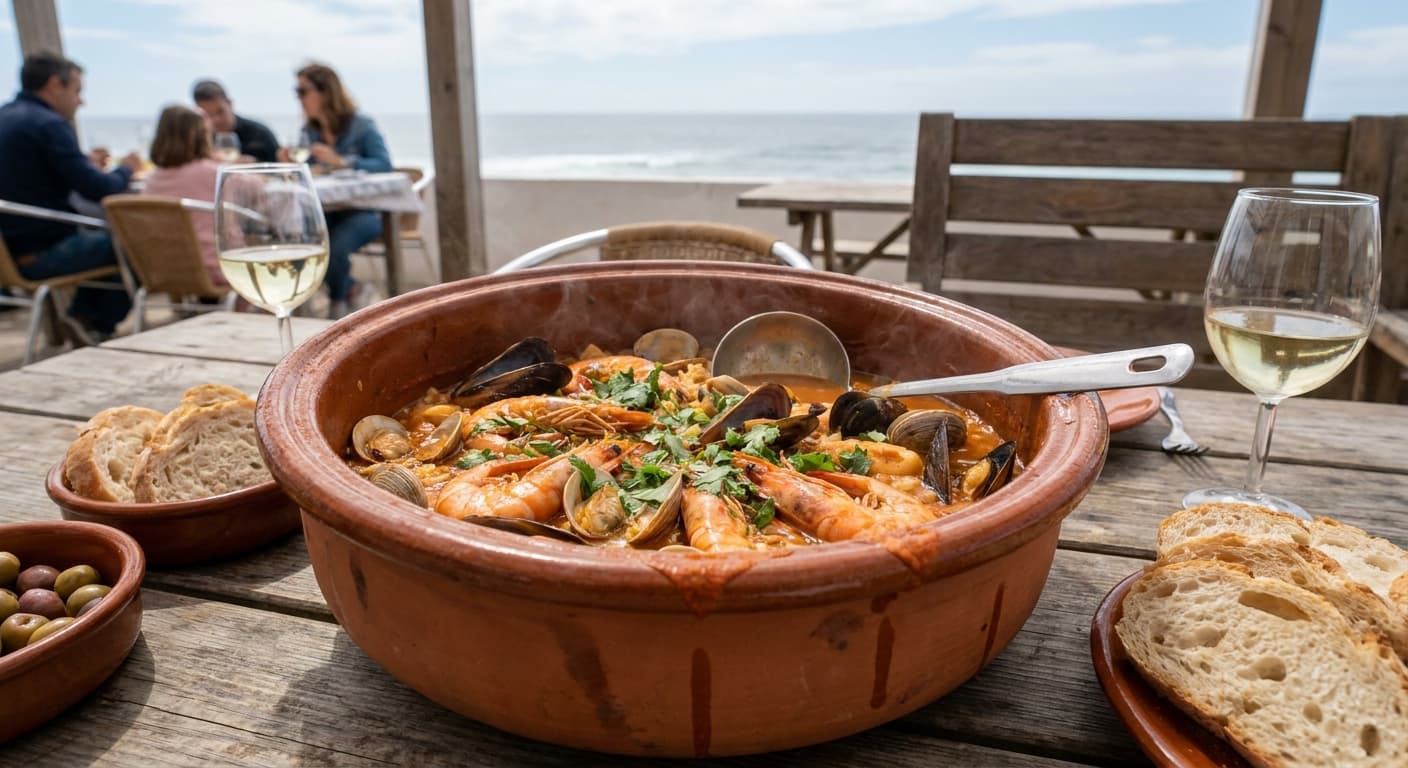
Seafood Rice (Arroz de Marisco) — Saucy Portuguese Shellfish Rice
Portuguese · Rice Dishes · 65 min
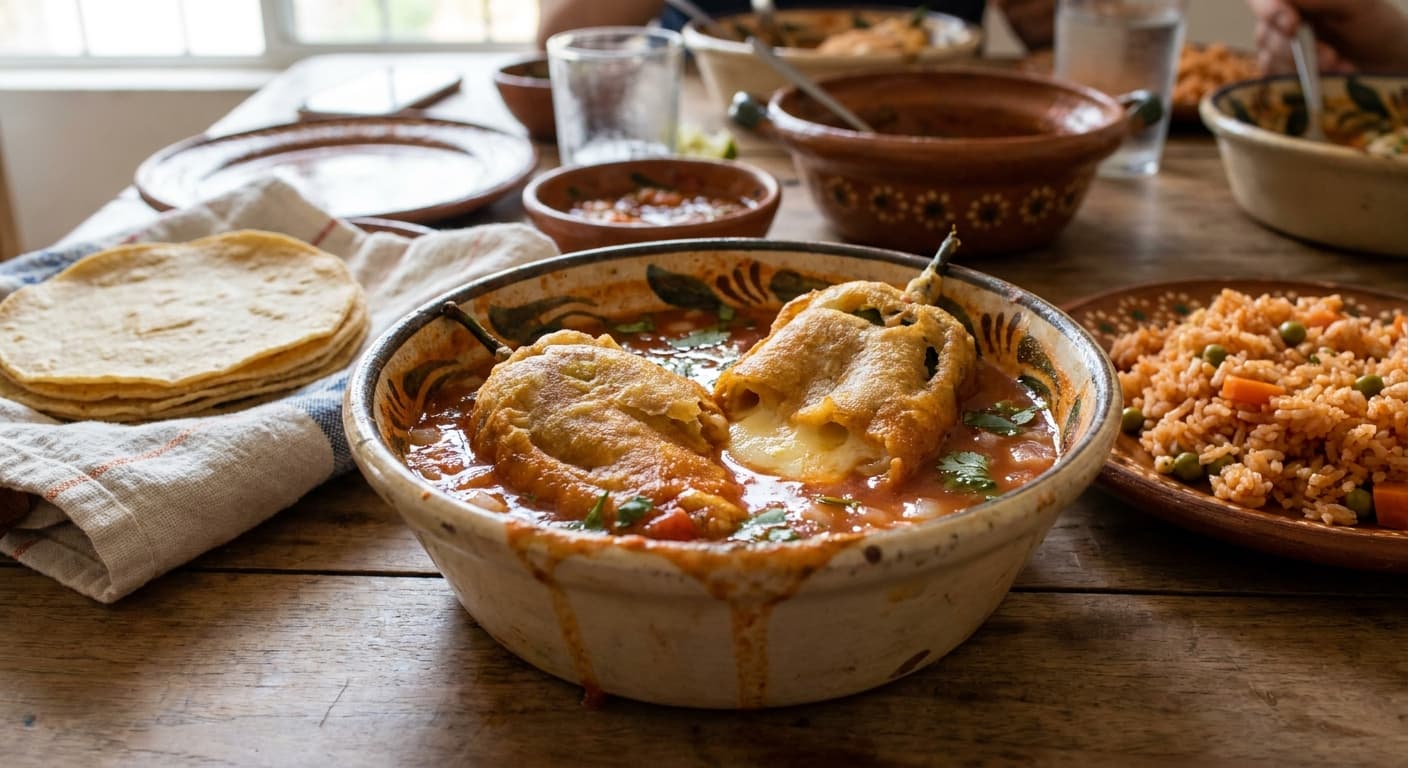
Stuffed Poblano Chiles (Chiles Rellenos) — Cheese-Filled Chiles in Tomato Broth
Mexican · Main Courses · 75 min
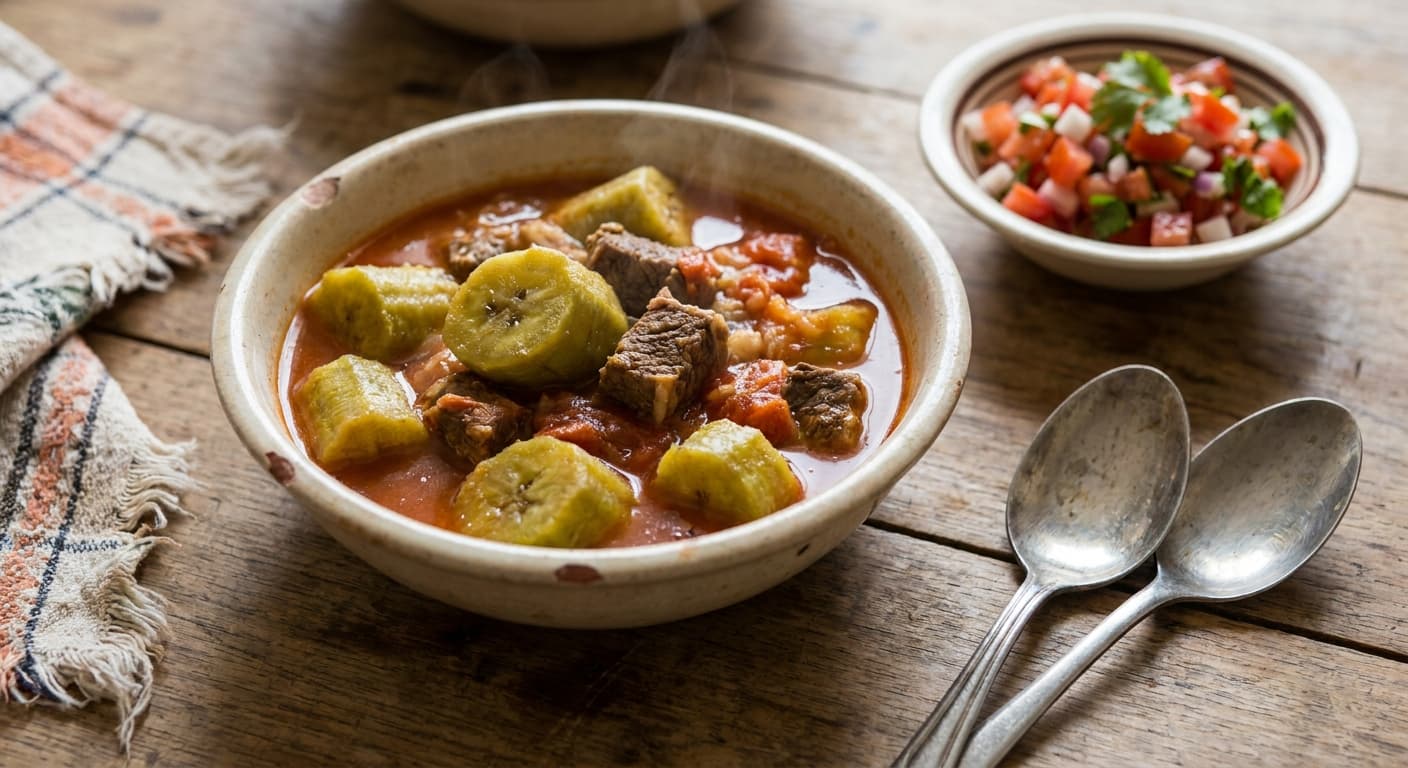
Matoke (Matoke) — Tanzanian Green Banana and Beef Stew
Tanzanian · Stews · 135 min
Reviews
Cooked this recipe?
Tap the stars to rate it — that's all it takes. A few words are welcome but optional.
No ratings yet. Cooked this one? Be the first to rate it — it takes one tap.