Kotlet-e Sooya (کتلت سویا) — | Persian Soy & Potato Cutlets
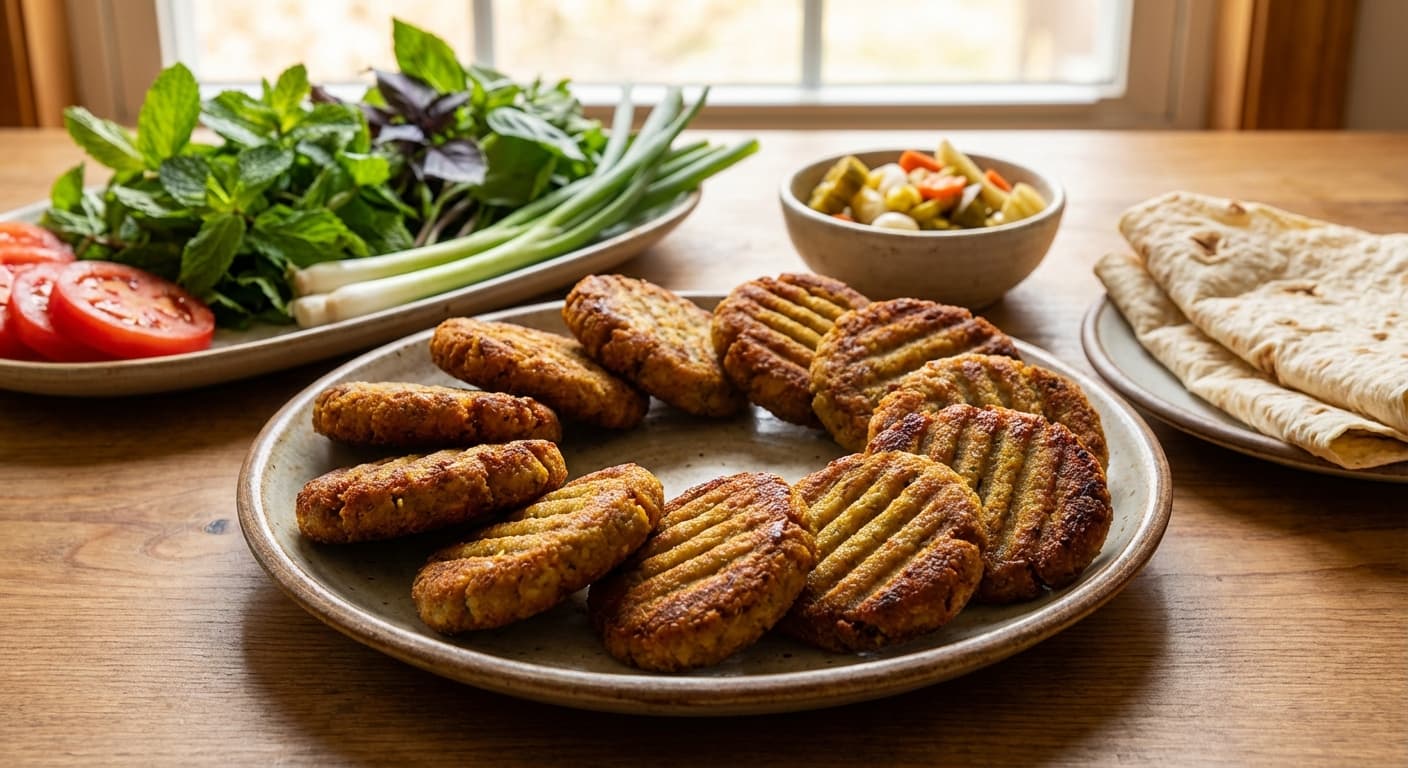
Soy cutlets are a hearty, plant-based take on the classic Iranian kotlet: fine soy granules (soaked and drained) mixed with potatoes, onion, and turmeric, then shaped into ovals and fried until golden. They have a crisp crust with a soft, fragrant center.
Printable Recipe Card
Servings: 4 · Total: 75 min · Difficulty: medium
Ingredients (quick list)
- 120 g Soy granules (TVP), dry (fine granules preferred)
- 480 g Boiling water (to rehydrate soy (about 2 cups))
- 6 g Sea salt (divided (about 1 tsp))
- 600 g Potatoes, peeled (Yukon Gold or similar, cut into 4 cm chunks)
- 1200 g Water (for boiling potatoes)
- 180 g Yellow onion (1 large, grated on fine side)
- 120 g Carrot (1 medium, finely grated)
- 20 g Fresh parsley (finely chopped)
- 2 each Large eggs (room temperature)
- 2 g Ground turmeric (about 1 tsp)
- 1 g Black pepper, ground (about 1/2 tsp)
- 90 g Vegetable oil (for shallow-frying; add as needed (about 1/3 cup))
Steps (summary)
- Rehydrate the soy granules: place dry soy in a heatproof bowl, add 480 g boiling water and 3 g of the salt, then stir. Let stan…
- Cook the potatoes: add 600 g peeled potato chunks to a pot with 1200 g water. Bring to a boil, then simmer uncovered 18–22 minu…
- Prepare aromatics: grate the onion on the fine side of a box grater, then squeeze it in a clean towel for 30–45 seconds to remo…
- Mix and rest: add squeezed onion, grated carrot, chopped parsley, drained soy, 2 eggs, turmeric, black pepper, and the remainin…
- Shape the kotlets: lightly wet your hands and divide the mixture into 10–12 portions (about 70–85 g each). Shape into oval patt…
- Fry: heat a wide skillet over medium heat for 2 minutes, then add 45 g oil (about 3 tbsp). When the oil shimmers (around 175°C/…
+ 1 more steps in the full instructions section below.
Cultural Background
Kotlet is a beloved Iranian home-style dish, often made for quick dinners, picnics, and simple everyday spreads. Soy kotlet is an economical, high-protein version of this classic that has become a well-established meat substitute in many households.
Equipment
💡 Tips
- Squeeze the grated onion thoroughly; its juice is the #1 cause of kotlets breaking and turning soft.
- Press the rehydrated soy very dry; if it feels wet, squeeze again for 30–60 seconds.
- Keep patties 1.5 cm thick for a crisp exterior and fully heated center without over-browning.
- Fry at steady medium heat; too hot browns before the inside sets, too low makes them oily.
⚠️ Common Mistakes
❌ Not squeezing the onion or soy dry enough
💡 Why: Excess moisture prevents binding and creates steam, leading to cracking and a soft crust
✅ Fix: Squeeze onion in a towel and press soy firmly in a sieve; if mixture still feels wet, rest 10 more minutes before shaping.
❌ Overcrowding the pan
💡 Why: Temperature drops, kotlets absorb oil and brown unevenly
✅ Fix: Fry in batches with at least 2 cm space between patties and allow oil to reheat 60–90 seconds between batches.
❌ Heat too high or too low
💡 Why: Too high burns the crust before the inside sets; too low makes them greasy
✅ Fix: Aim for medium heat and shimmering oil (~175°C/350°F); adjust as needed so each side takes about 4–5 minutes to brown.
❌ Skipping the resting/chilling step
💡 Why: The mixture stays loose and patties deform when flipped
✅ Fix: Rest 15 minutes after mixing and chill shaped patties 10 minutes for cleaner edges and better cohesion.
🧊 How to Store
Refrigerate cooled kotlets in an airtight container up to 3 days. Re-crisp in a skillet with 5 g oil per batch over medium heat 2–3 minutes per side, or bake at 200°C/400°F for 8–10 minutes on a rack. Freeze cooked kotlets up to 2 months; thaw overnight in the fridge before reheating.
📅 Make Ahead
Mix the kotlet base up to 24 hours ahead and refrigerate tightly covered. Shape and fry the next day; if the mixture firms too much, knead 30 seconds to loosen. Cooked kotlets can be made 2 days ahead and re-crisped in a skillet or oven before serving.
🍽️ Pairs Well With
- Persian bread (lavash or sangak) and fresh herbs (sabzi khordan)
- Pickles (torshi) and sliced tomatoes
- Rice (kateh) with a squeeze of lemon
- Yogurt with cucumber (mast-o-khiar)
Regional Variations
- Tehran (modern home kitchens)Often includes grated carrot and plenty of parsley for sweetness and color; served with bread, pickles, and tomatoes as a quick weekday meal.
- Gilan & Mazandaran (Caspian influence)Herbs may lean toward dill and cilantro, and kotlets are commonly paired with torshi-ye haft-bijar or other tangy pickles for contrast.
Ingredients
- 120 gSoy granules (TVP), dry (fine granules preferred)
- 480 gBoiling water (to rehydrate soy (about 2 cups))
- 6 gSea salt (divided (about 1 tsp))
- 600 gPotatoes, peeled (Yukon Gold or similar, cut into 4 cm chunks)
- 1200 gWater (for boiling potatoes)
- 180 gYellow onion (1 large, grated on fine side)
- 120 gCarrot (1 medium, finely grated)
- 20 gFresh parsley (finely chopped)
- 2 eachLarge eggs (room temperature)
- 2 gGround turmeric (about 1 tsp)
- 1 gBlack pepper, ground (about 1/2 tsp)
- 90 gVegetable oil (for shallow-frying; add as needed (about 1/3 cup))
🔄 Substitutions
- Soy granules (TVP)→ Cooked brown lentils, well-drained and lightly mashed (240 g)
- Large eggs→ Ground flaxseed 14 g + water 90 g (2 flax 'eggs')
- Fresh parsley→ Fresh cilantro 20 g or dill 15 g
Instructions
- 1
Rehydrate the soy granules: place dry soy in a heatproof bowl, add 480 g boiling water and 3 g of the salt, then stir. Let stand 15 minutes until fully plumped. Drain in a fine sieve and press firmly with a spoon for 2 minutes to remove excess water; drier soy makes crispier kotlets.
- 2
Cook the potatoes: add 600 g peeled potato chunks to a pot with 1200 g water. Bring to a boil, then simmer uncovered 18–22 minutes until a knife slides in easily. Drain well and return potatoes to the hot pot for 2 minutes over low heat, shaking to evaporate moisture for a firmer mixture.
- 3
Prepare aromatics: grate the onion on the fine side of a box grater, then squeeze it in a clean towel for 30–45 seconds to remove juice (this prevents soggy patties). Finely grate the carrot and chop parsley. In a large bowl, mash the hot potatoes until smooth with no large lumps.
- 4
Mix and rest: add squeezed onion, grated carrot, chopped parsley, drained soy, 2 eggs, turmeric, black pepper, and the remaining 3 g salt to the mashed potatoes. Mix by hand for 2–3 minutes until cohesive and slightly tacky. Cover and rest 15 minutes at room temperature to hydrate and bind.
- 5
Shape the kotlets: lightly wet your hands and divide the mixture into 10–12 portions (about 70–85 g each). Shape into oval patties about 1.5 cm thick. For the classic look, press shallow ridges on top with your fingertips. Place on a tray and chill 10 minutes for cleaner frying.
- 6
Fry: heat a wide skillet over medium heat for 2 minutes, then add 45 g oil (about 3 tbsp). When the oil shimmers (around 175°C/350°F), add kotlets without crowding. Fry 4–5 minutes per side until deep golden and crisp; add remaining oil as needed between batches and adjust heat to prevent burning.
- 7
Drain and serve: transfer kotlets to a rack or paper-lined tray and rest 3 minutes so the crust sets. Serve warm with fresh herbs and your preferred sides. If serving later, keep in a 95°C/200°F oven for up to 20 minutes on a rack to maintain crispness without drying out.
🪪 Recipe Passport
Cultural Background
Kotlet is a beloved Iranian home-style dish, often made for quick dinners, picnics, and simple everyday spreads. Soy kotlet is an economical, high-protein version of this classic that has become a well-established meat substitute in many households.
Regional Variations
Researched from multiple sources and validated by the Zaffaron editorial team. Every recipe is tested for accuracy, measurements, and cultural authenticity.
Nutrition per serving
Pairs well with
If you enjoyed this recipe, here are a few related Zaffaron recipes to try next.
Does your family make this differently?
Every family has their own version. Maybe your grandmother adds a secret ingredient, or your aunt has a completely different technique. Preserve your family's version — with their name on it, forever.
You Might Also Like
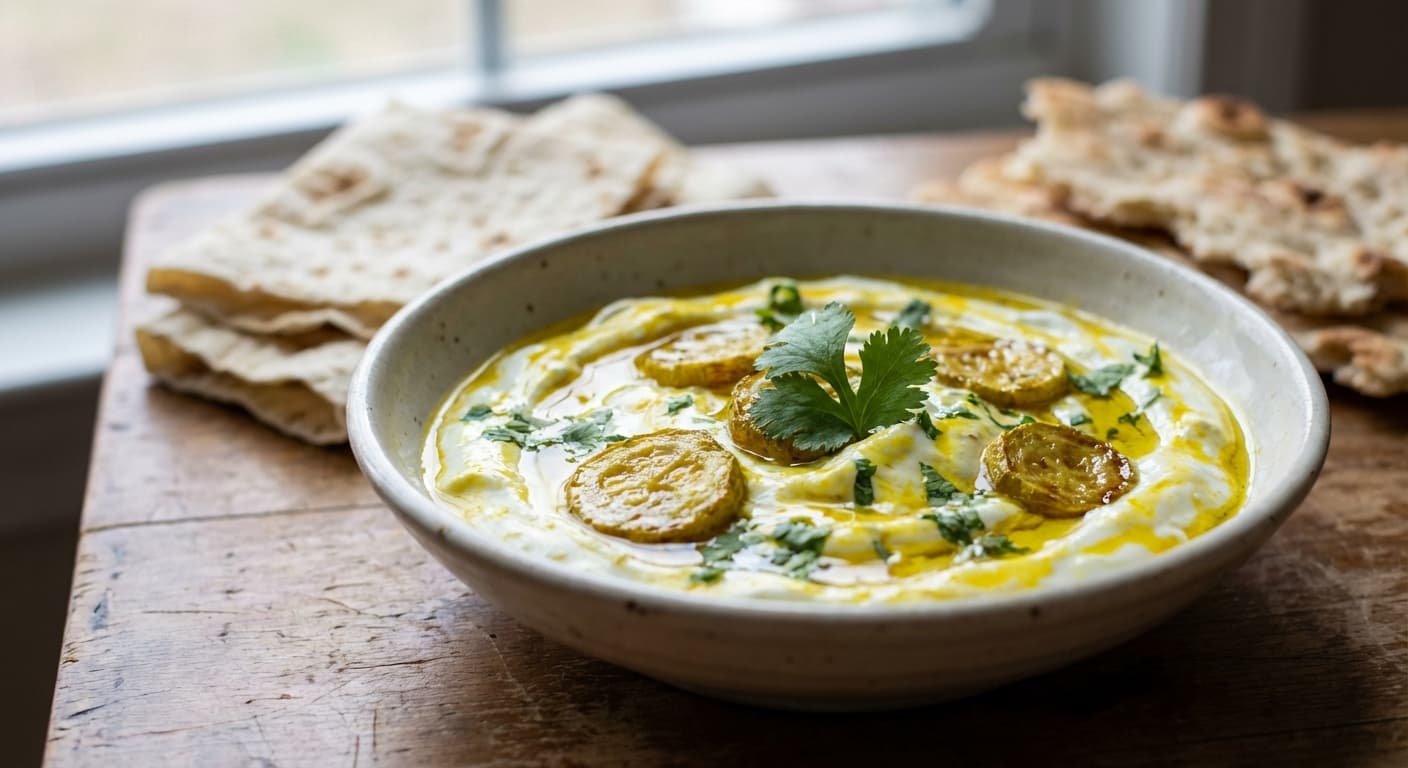
Borani Kadu (بورانی کدو) — Saffron-Infused Zucchini and Yogurt Dip
Persian · Appetizers · 40 min
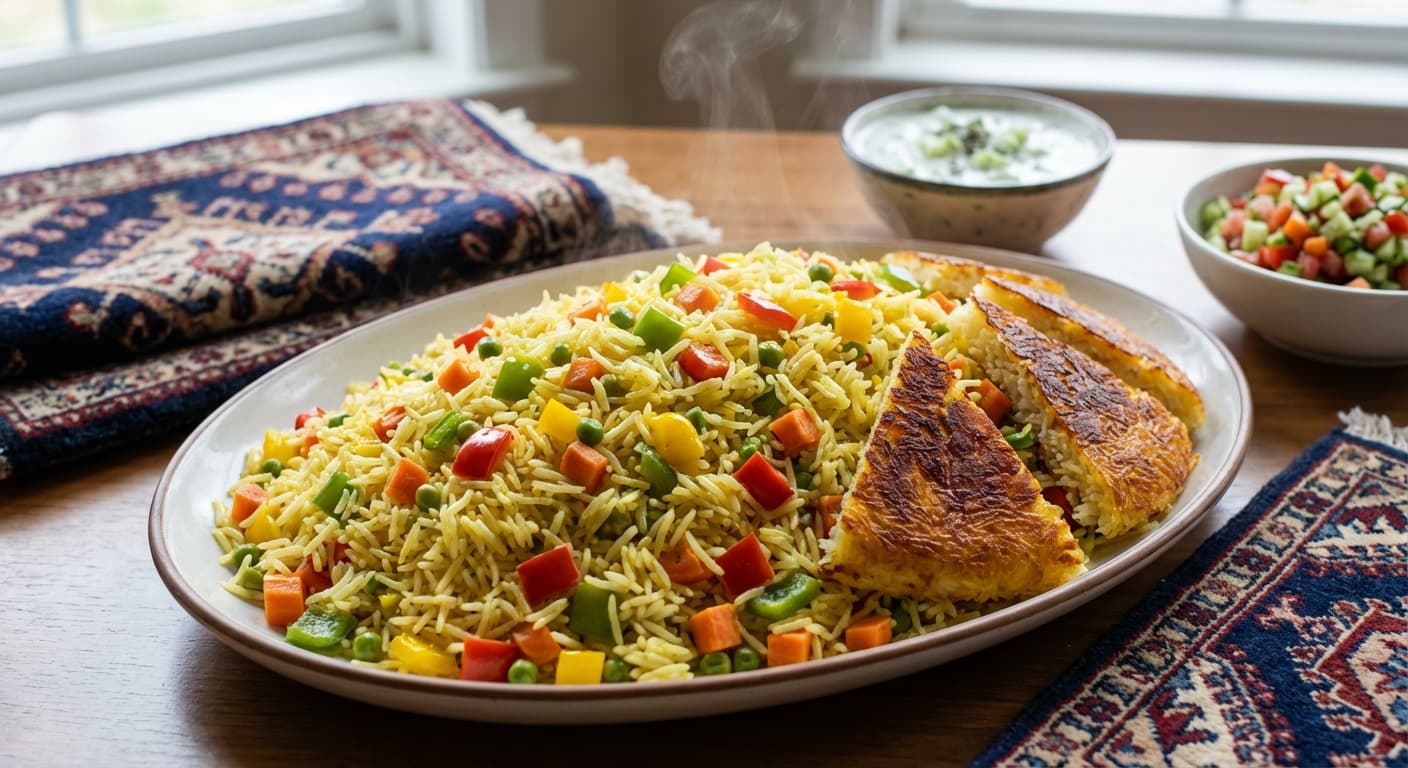
Mixed Vegetable Rice (برنج با مخلوط سبزیجات) — Persian-Style Aromatic Pilaf
Persian · Rice Dishes · 75 min
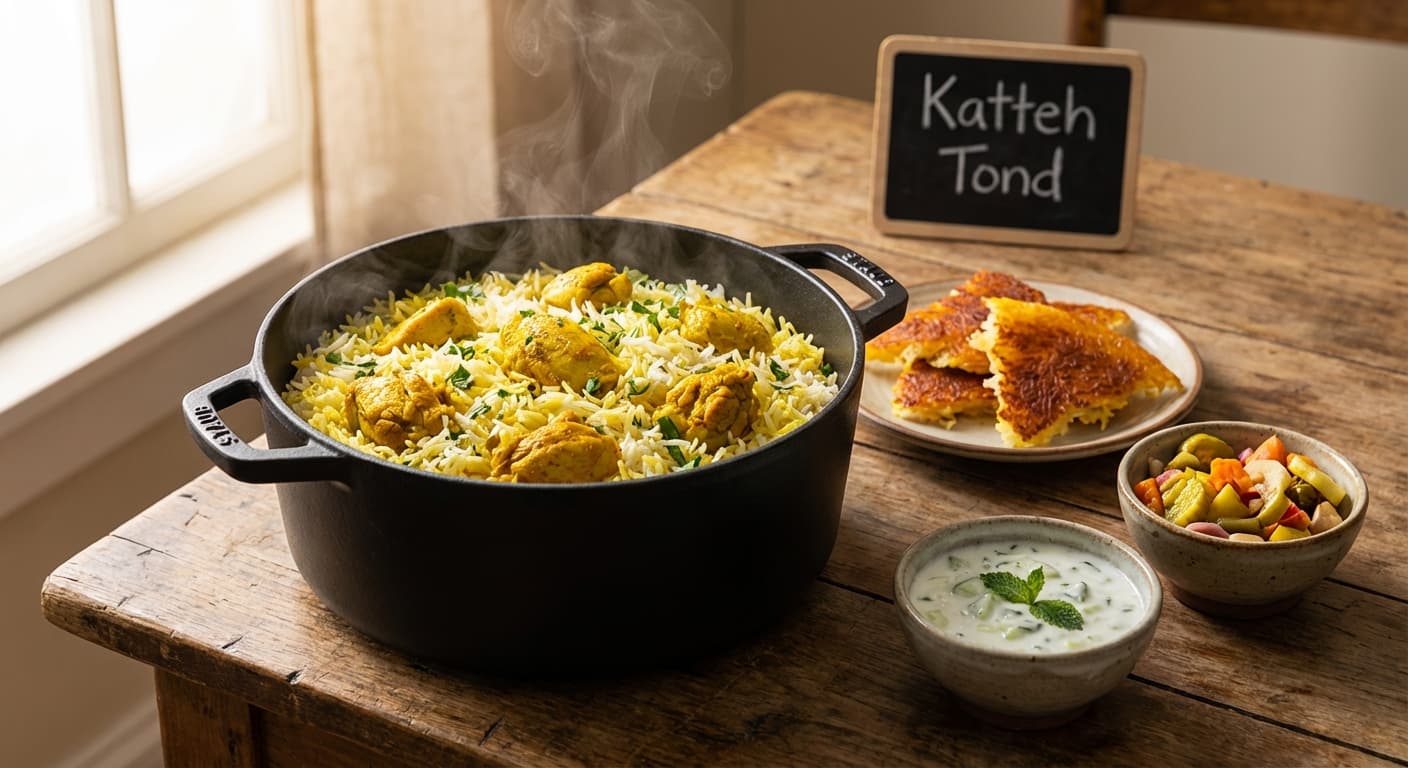
Katteh Tond (کته تند) — Spicy Caspian-Style One-Pot Chicken Rice
Persian · Rice Dishes · 85 min
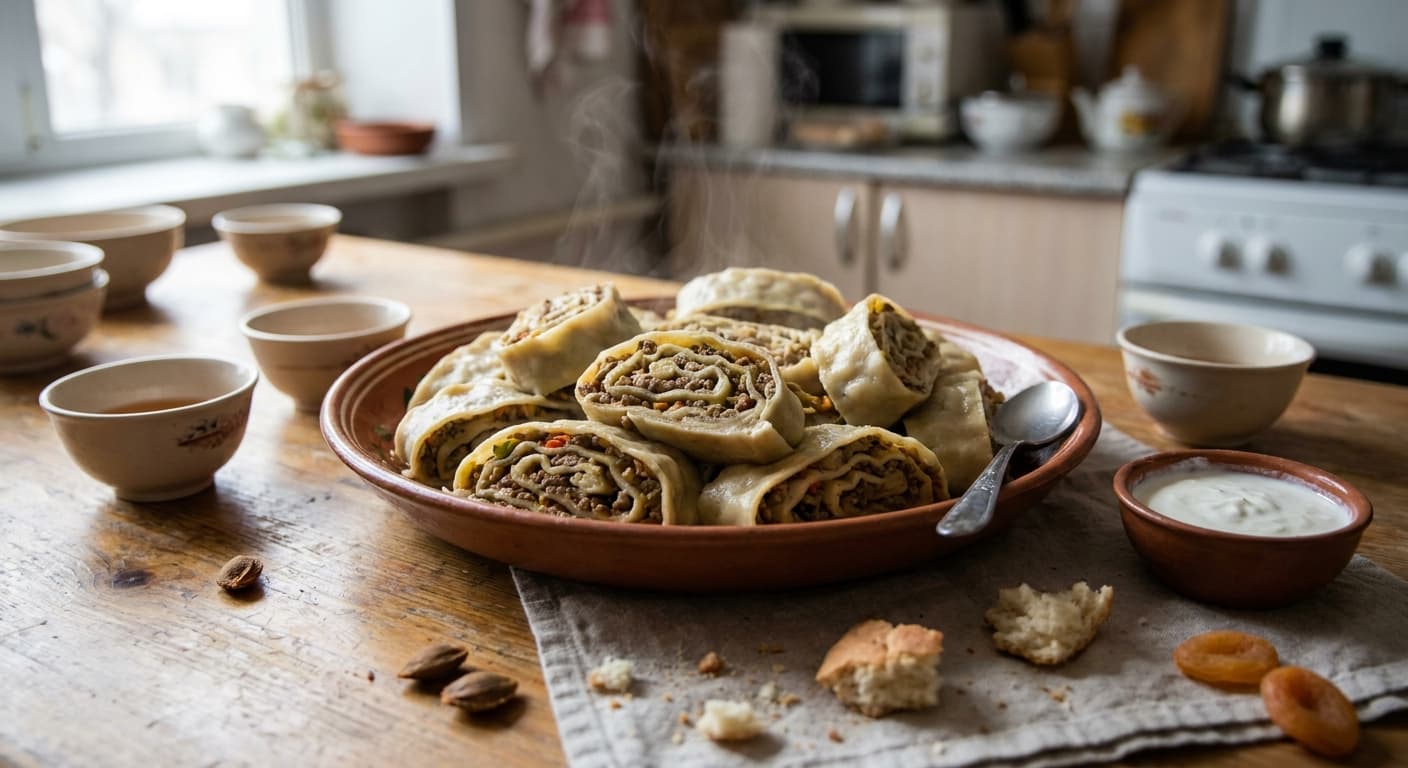
Orromo (Оромо) — Kyrgyz Steamed Rolled Dumpling with Lamb and Pumpkin
Kyrgyz · Main Courses · 105 min
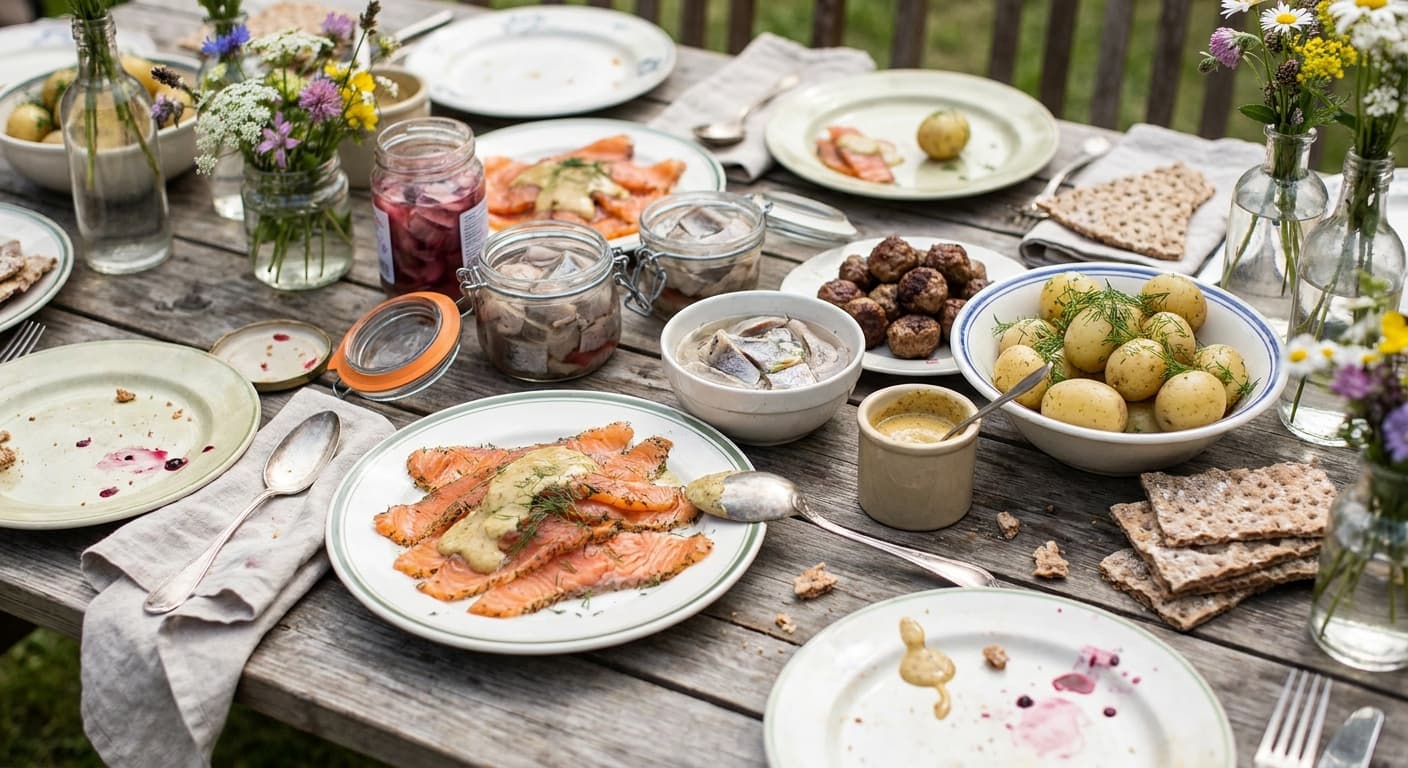
Swedish Smörgåsbord (Smörgåsbord) — Classic Buffet with Gravlax, Sill, and Köttbullar
Swedish · Main Courses · 115 min
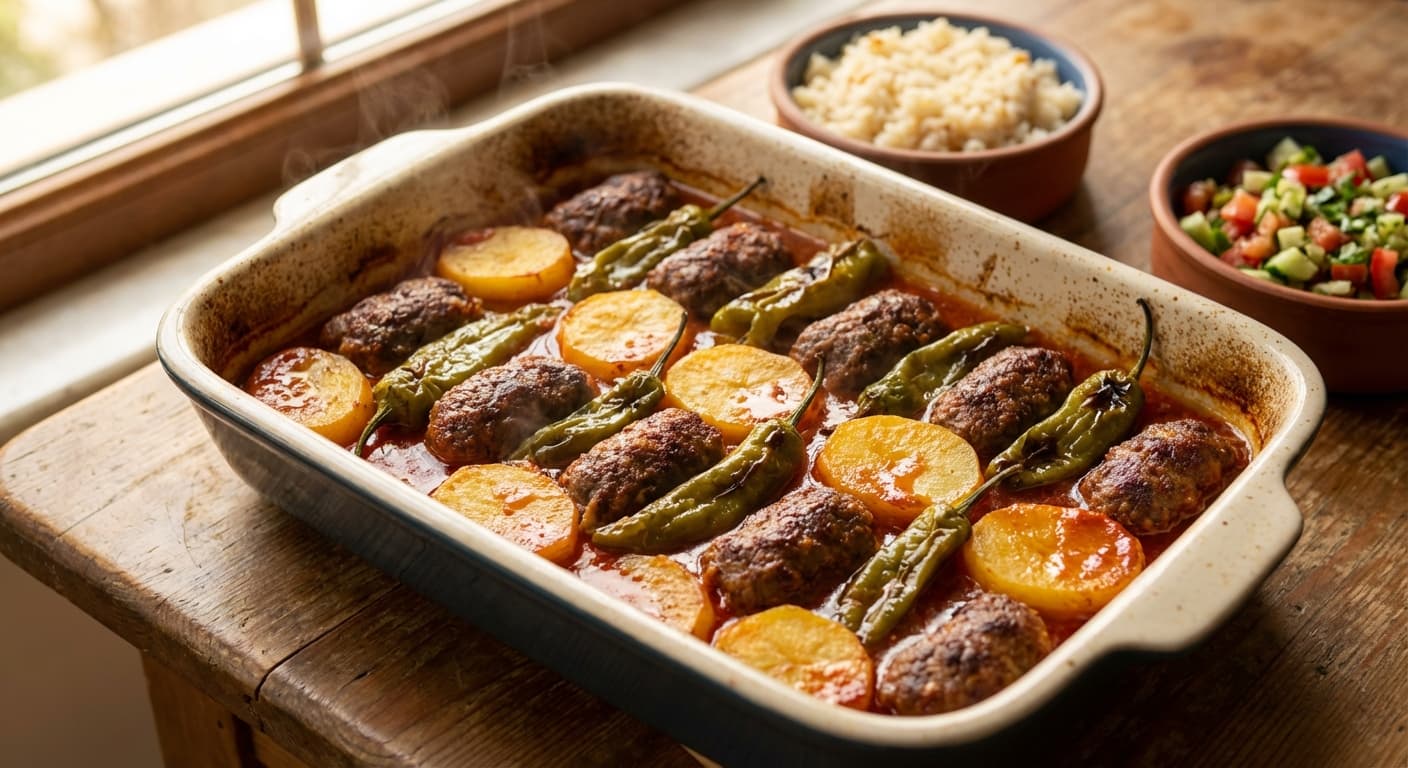
Izmir Kofte (İzmir Köfte) — Oven-Baked Meatballs with Tomato Sauce and Potatoes
Turkish · Main Courses · 70 min
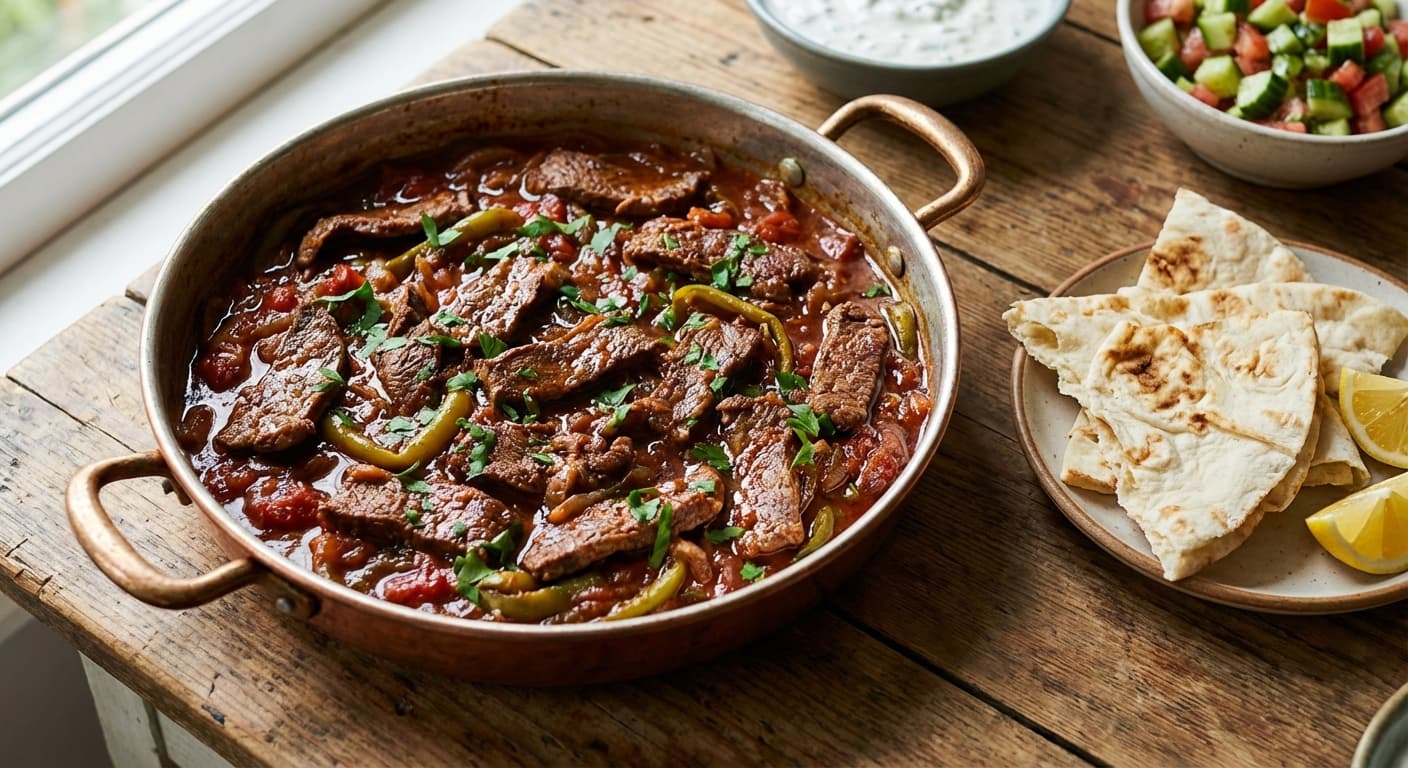
Sac Kavurma (Saç Kavurma) — Thin-Sliced Turkish Meat Sautéed with Onions
Turkish · Main Courses · 38 min
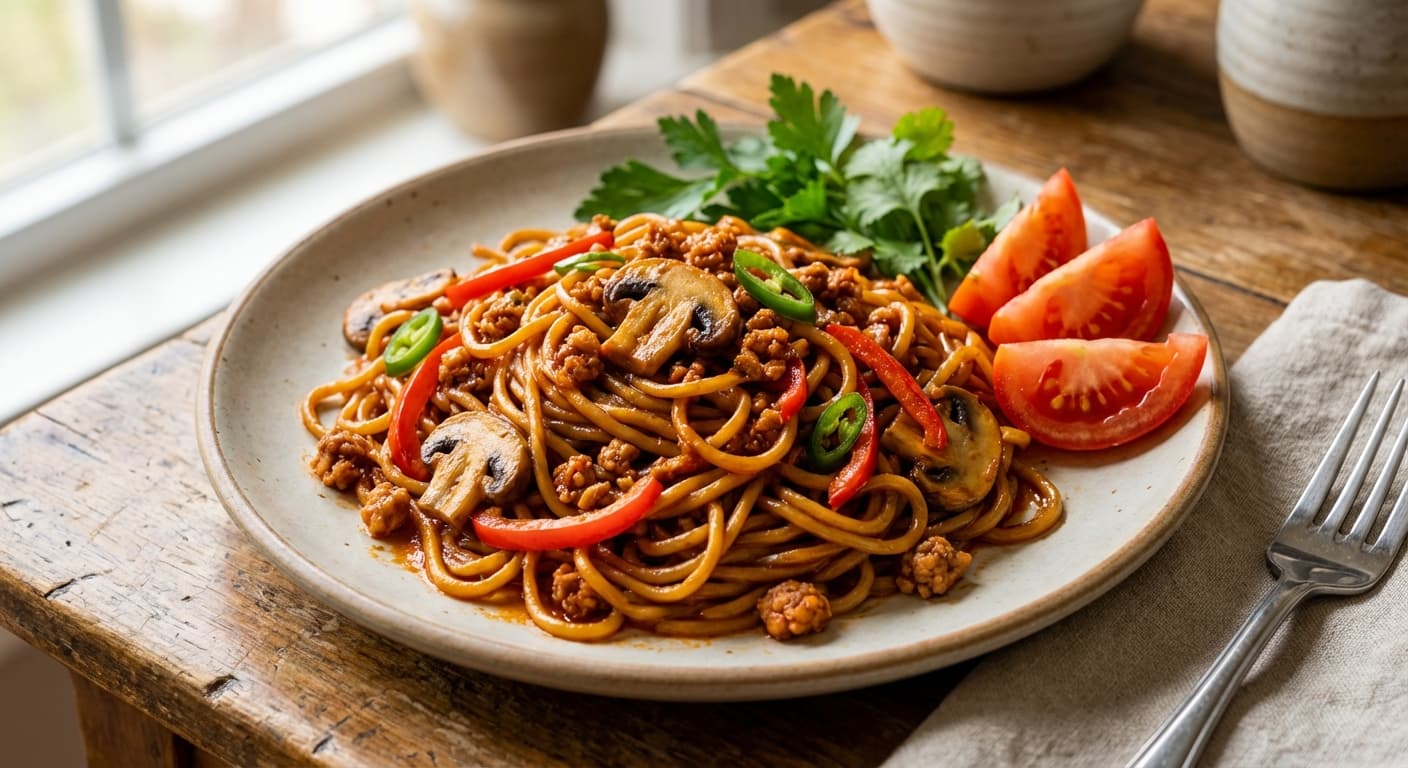
Noodles with Soy and Peppers (نودل با سویا و فلفل) — Persian-Style Spicy Tomato Soy Noodle Stir-Fry
Persian · Main Courses · 40 min
Reviews
Cooked this recipe?
Tap the stars to rate it — that's all it takes. A few words are welcome but optional.
No ratings yet. Cooked this one? Be the first to rate it — it takes one tap.