Malooga (ملوجة) — Yemeni Skillet Flatbread
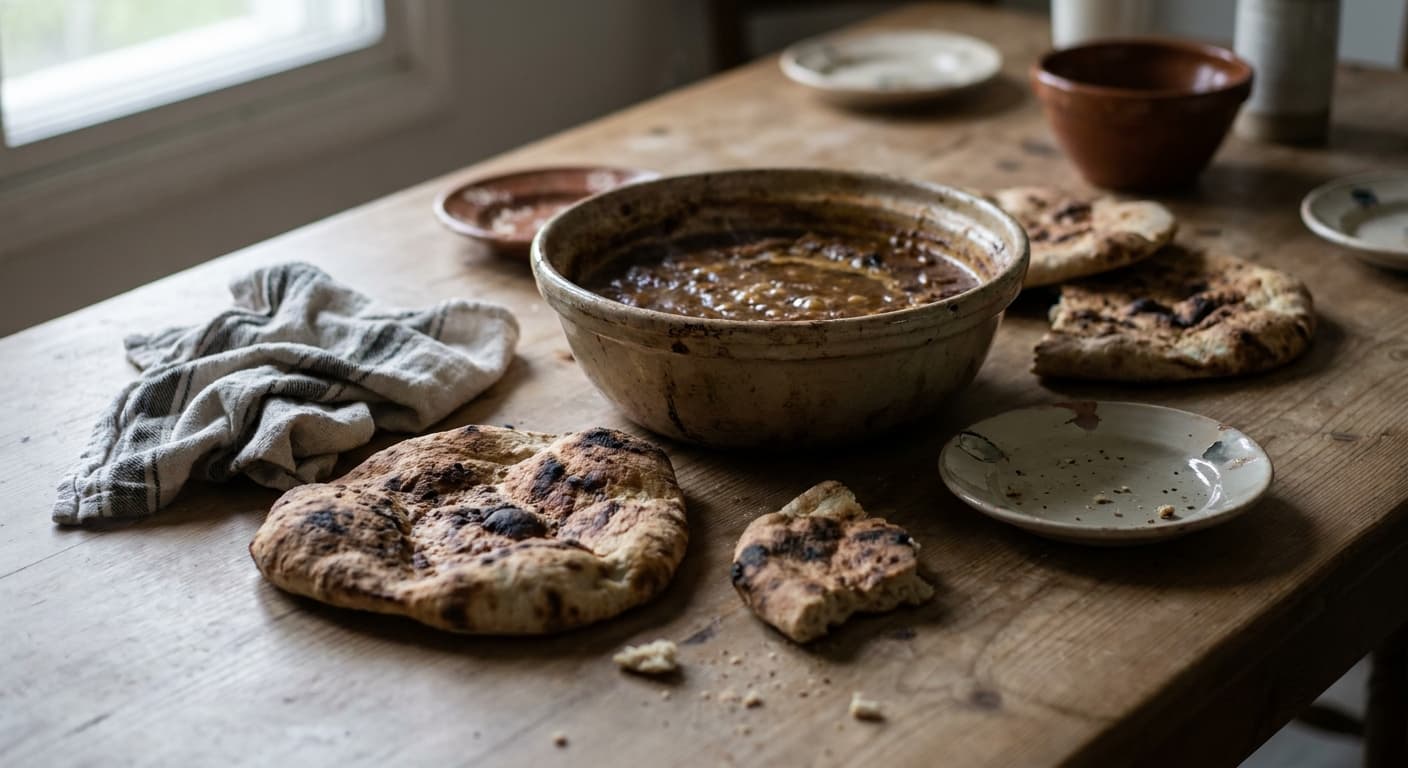
Malooga is a substantial Yemeni wheat bread traditionally baked against the hot walls of a tannur. This home-skillet adaptation makes soft, chewy rounds with browned patches, ready for scooping saltah or fahsa.
Printable Recipe Card
Servings: 8 · Total: 156 min · Difficulty: medium
Ingredients (quick list)
- 500 g all-purpose flour (Plus the separately measured flour for shaping.)
- 300 ml water (Lukewarm, approximately 35°C.)
- 7 g instant yeast
- 10 g granulated sugar
- 9 g fine salt
- 40 g ghee (Melted and cooled until warm; divide into four 10 g portions.)
- 15 g sunflower oil (Use 5 g for the rising bowl and 10 g for the skillet.)
Steps (summary)
- Combine the 500 g flour, instant yeast, sugar, and salt in a large bowl. Add the 300 ml lukewarm water and mix until no dry flo…
- Knead the dough on an unfloured work surface for 8–10 minutes, until smooth, elastic, and slightly tacky. Use a dough scraper t…
- Coat the bowl with 5 g sunflower oil and place the dough inside, turning it once to coat the surface. Cover and let rise at app…
- Gently deflate the dough and divide it into four equal portions using a scale. Shape each portion into a loose ball, cover, and…
- Use the measured 10 g dusting flour sparingly across the work surface, and stretch one dough ball into a rectangle approximatel…
- Cover the parcels and rest them for 15 minutes. Gently press and stretch each parcel into a round approximately 20–22 cm across…
+ 3 more steps in the full instructions section below.
Cultural Background
Malooga belongs to Yemen's tradition of substantial breads served with communal stews. Anissa Helou's Feast explores the wider regional bread culture; this skillet version adapts tannur cooking for a home kitchen rather than reproducing its intense heat.
Equipment
💡 Tips
- The dough should remain slightly tacky after kneading; avoid adding flour beyond the measured 10 g reserved for shaping.
- If a dough parcel springs back while shaping, cover it and give it an additional 10-minute rest before stretching again.
- For a reliable doneness check on the first bread, insert an instant-read thermometer through the edge into the center; aim for approximately 93–96°C.
⚠️ Common Mistakes
❌ The outside burns while the center remains doughy.
✅ Fix: Keep the shaped bread no thicker than 6 mm and cook over medium-low heat. Cover during the first side so heat reaches the center.
❌ The bread is dense and tough.
✅ Fix: Allow the first rise to reach approximately double its original volume, and avoid working extra flour into the dough.
❌ The dough tears or refuses to stretch.
✅ Fix: Cover it and rest for an additional 10 minutes. Stretch gradually with your fingertips rather than pulling sharply at the edges.
🧊 How to Store
Cool completely before sealing in an airtight bag. Keep at room temperature for up to 2 days or freeze with separators for up to 2 months. Thaw frozen bread, then reheat in a covered skillet over low heat for 2–3 minutes per side.
📅 Make Ahead
After kneading, cover and refrigerate the dough for up to 12 hours instead of giving it the warm first rise. Let it stand at room temperature for 60–90 minutes, until puffy, before dividing and shaping.
🍽️ Pairs Well With
- Saltah
- fahsa
- sahawiq
- Yemeni bean stew
Regional Variations
- Traditional tannur-baked malooga develops a more pronounced blistered crust from contact with the hot oven wall; the skillet method is a home-equipment adaptation.
- Household versions differ in thickness, folding, and the amount of fat used, producing breads that range from softly chewy to more distinctly layered.
Ingredients
- 500 gall-purpose flour (Plus the separately measured flour for shaping.)
- 300 mlwater (Lukewarm, approximately 35°C.)
- 7 ginstant yeast
- 10 ggranulated sugar
- 9 gfine salt
- 40 gghee (Melted and cooled until warm; divide into four 10 g portions.)
- 15 gsunflower oil (Use 5 g for the rising bowl and 10 g for the skillet.)
🔄 Substitutions
- 40 g ghee→ 40 g sunflower oil
- 7 g instant yeast→ 7 g active dry yeast
Instructions
- 1
Combine the 500 g flour, instant yeast, sugar, and salt in a large bowl. Add the 300 ml lukewarm water and mix until no dry flour remains, then cover and leave for 10 minutes.
- 2
Knead the dough on an unfloured work surface for 8–10 minutes, until smooth, elastic, and slightly tacky. Use a dough scraper to gather any sticking dough rather than adding extra flour, which would make the finished bread heavy.
- 3
Coat the bowl with 5 g sunflower oil and place the dough inside, turning it once to coat the surface. Cover and let rise at approximately 24–26°C for 60–75 minutes, until roughly doubled in volume.
- 4
Gently deflate the dough and divide it into four equal portions using a scale. Shape each portion into a loose ball, cover, and rest for 10 minutes so the dough stretches without tearing.
- 5
Use the measured 10 g dusting flour sparingly across the work surface, and stretch one dough ball into a rectangle approximately 25 by 20 cm. Spread 8 g of its allotted ghee over the surface, fold the rectangle into thirds like a letter, and spread the remaining 2 g over the folded strip. Fold the strip into thirds again to make a compact parcel, then repeat with the other three portions.
- 6
Cover the parcels and rest them for 15 minutes. Gently press and stretch each parcel into a round approximately 20–22 cm across and 5–6 mm thick, preserving the folded structure rather than kneading it back together.
- 7
Heat a heavy 26–28 cm skillet over medium heat for 4 minutes, then reduce the heat to medium-low. Brush the pan with 2.5 g of the reserved cooking oil and place one bread in it, keeping the remaining rounds covered.
- 8
Cover the skillet and cook for 4–5 minutes, until the underside has deep golden patches and the upper surface begins to lose its raw appearance. Flip and cook uncovered for another 3–4 minutes, until both sides are browned and the center is cooked through; reduce the heat if the surface darkens before the middle firms.
- 9
Transfer the cooked malooga to a clean kitchen towel and wrap it loosely to keep it soft. Cook the remaining breads in the same way, using 2.5 g oil for each, then serve warm with saltah or fahsa; each bread provides two servings.
🪪 Recipe Passport
Cultural Background
Malooga belongs to Yemen's tradition of substantial breads served with communal stews. Anissa Helou's Feast explores the wider regional bread culture; this skillet version adapts tannur cooking for a home kitchen rather than reproducing its intense heat.
Regional Variations
Researched with AI assistance from culinary references and checked by Zaffaron's automated quality pipeline. Recipes are not individually kitchen-tested; see our editorial policy.
📚 Sources & Cultural References
- Anissa Helou — Feast: Food of the Islamic World — (2018)
Sources cited during AI-assisted recipe research. Cultural and culinary references supporting authenticity claims.
Nutrition per serving
Pairs well with
If you enjoyed this recipe, here are a few related Zaffaron recipes to try next.
Does your family make this differently?
Every family has their own version. Maybe your grandmother adds a secret ingredient, or your aunt has a completely different technique. Preserve your family's version — with their name on it, forever.
You Might Also Like
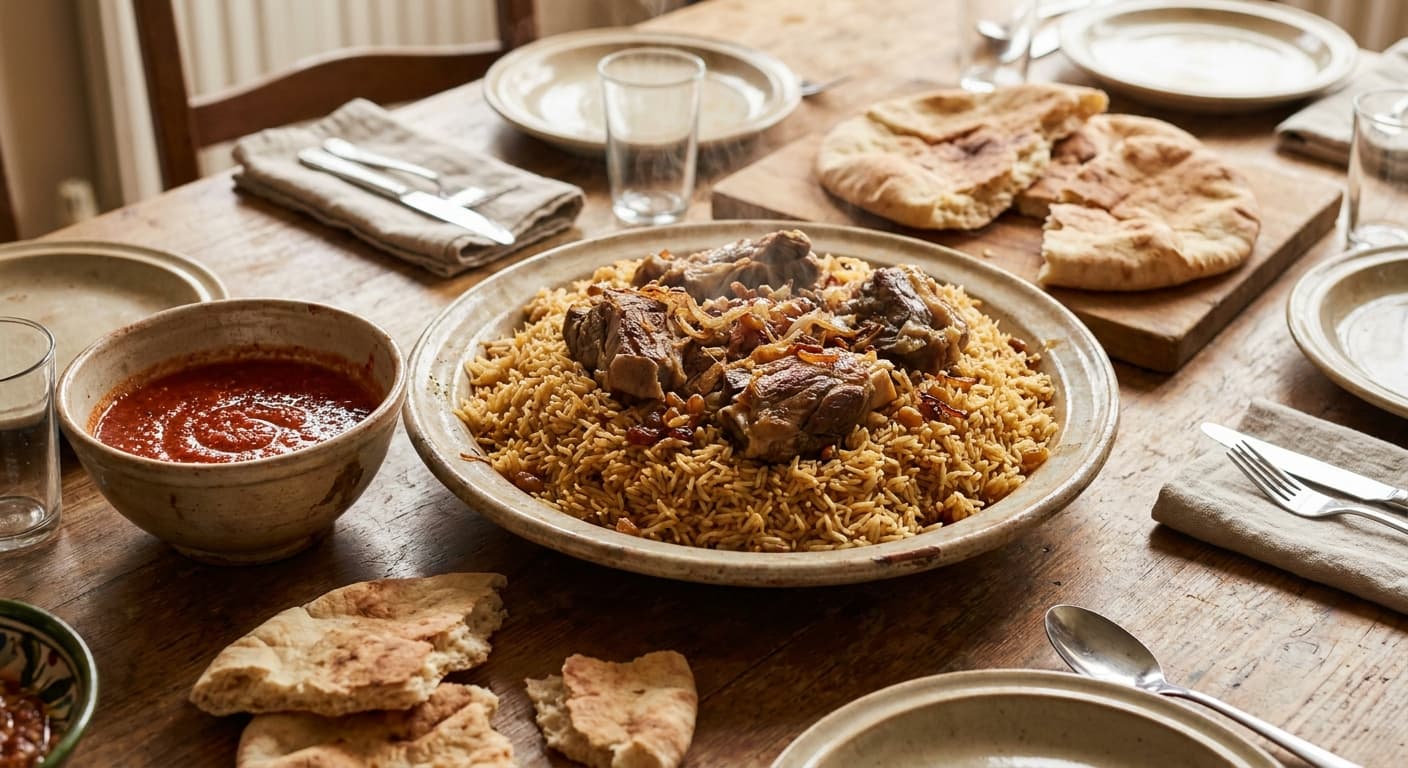
Yemeni Mandi (مندي) — Smoke-Scented Spiced Rice and Lamb
Yemeni · Main Courses · 170 min
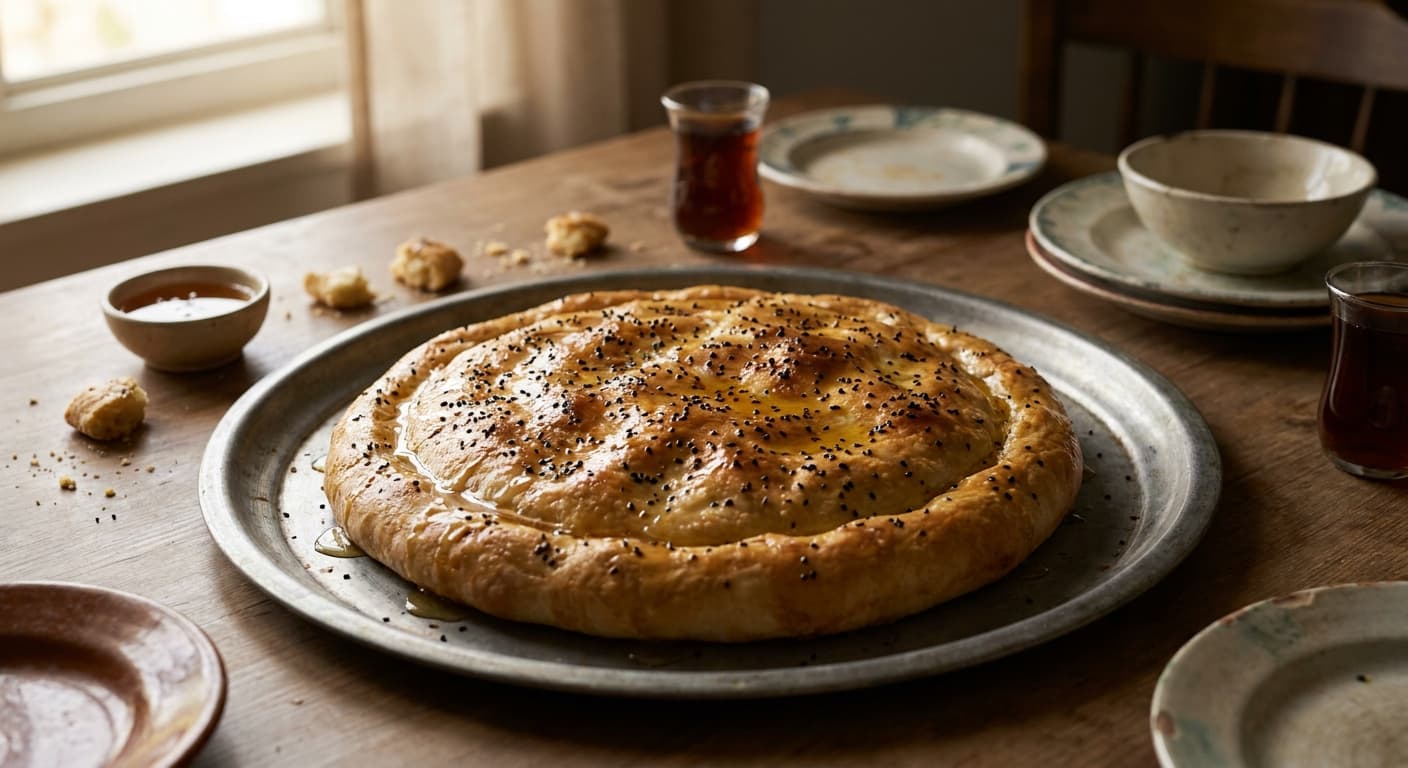
Bint al-Sahn (بنت الصحن) — Yemeni Honey Layer Bread
Yemeni · Desserts · 70 min
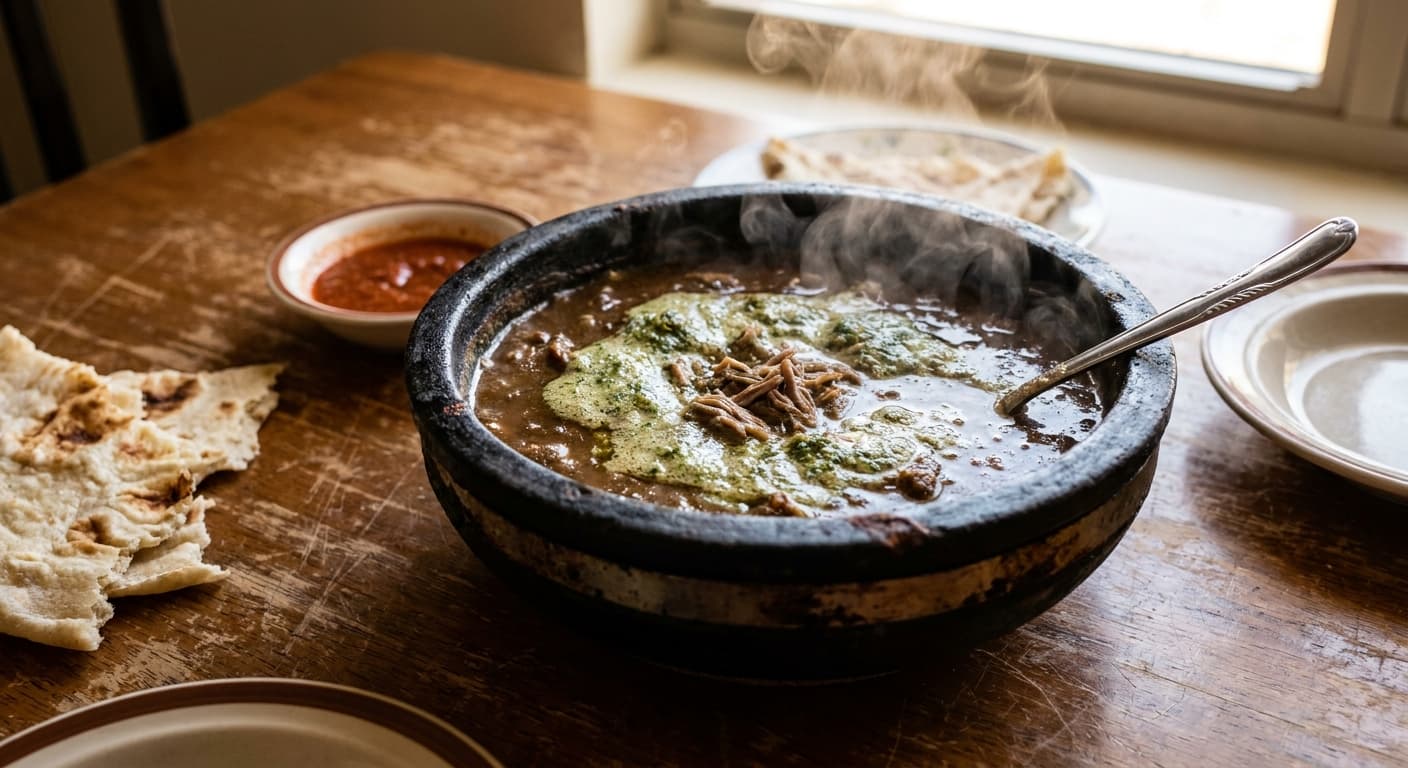
Fahsa (فحسة) — Bubbling Yemeni Shredded Lamb Stew
Yemeni · Stews · 140 min
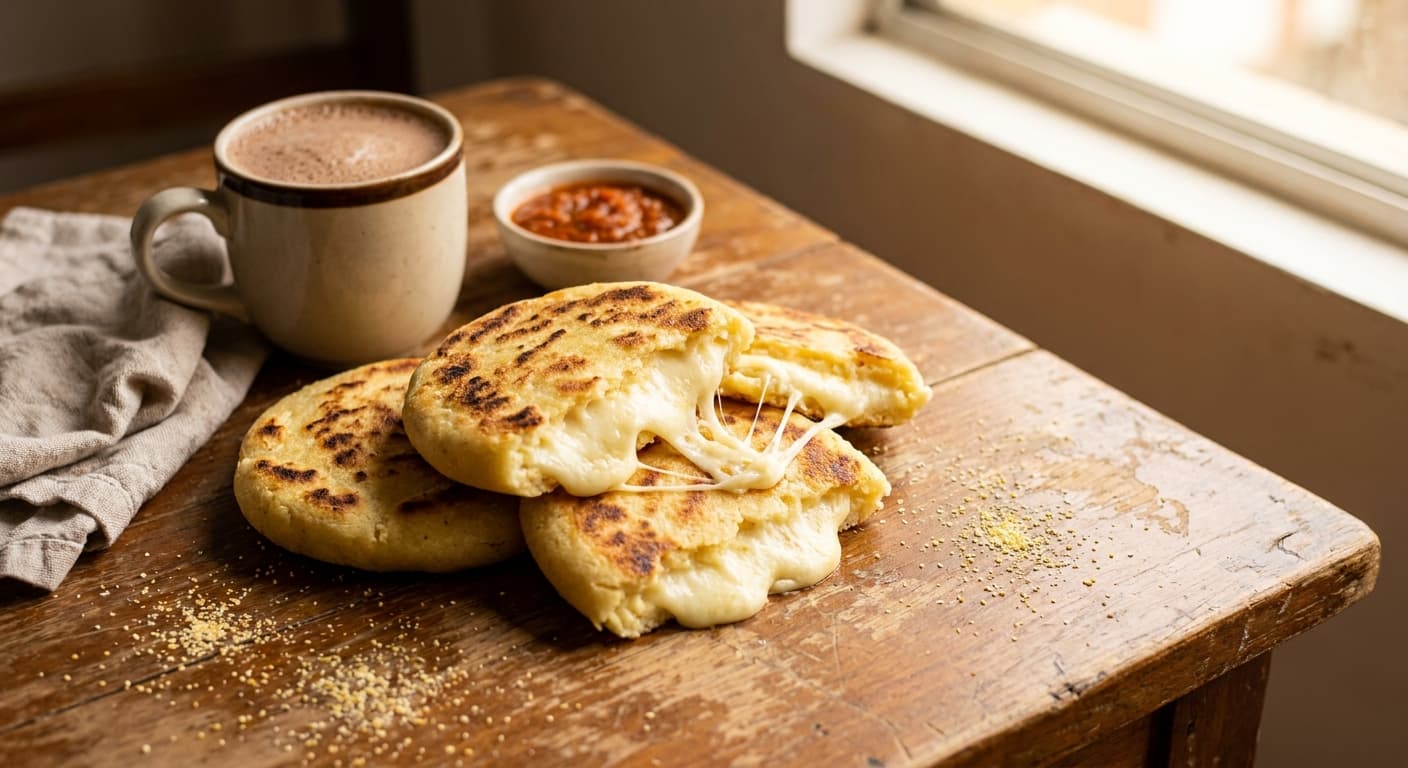
Colombian Cheese Arepas (Arepas de Queso) — Golden Corn Cakes Filled with Melted Cheese
Colombian · Breads · 38 min
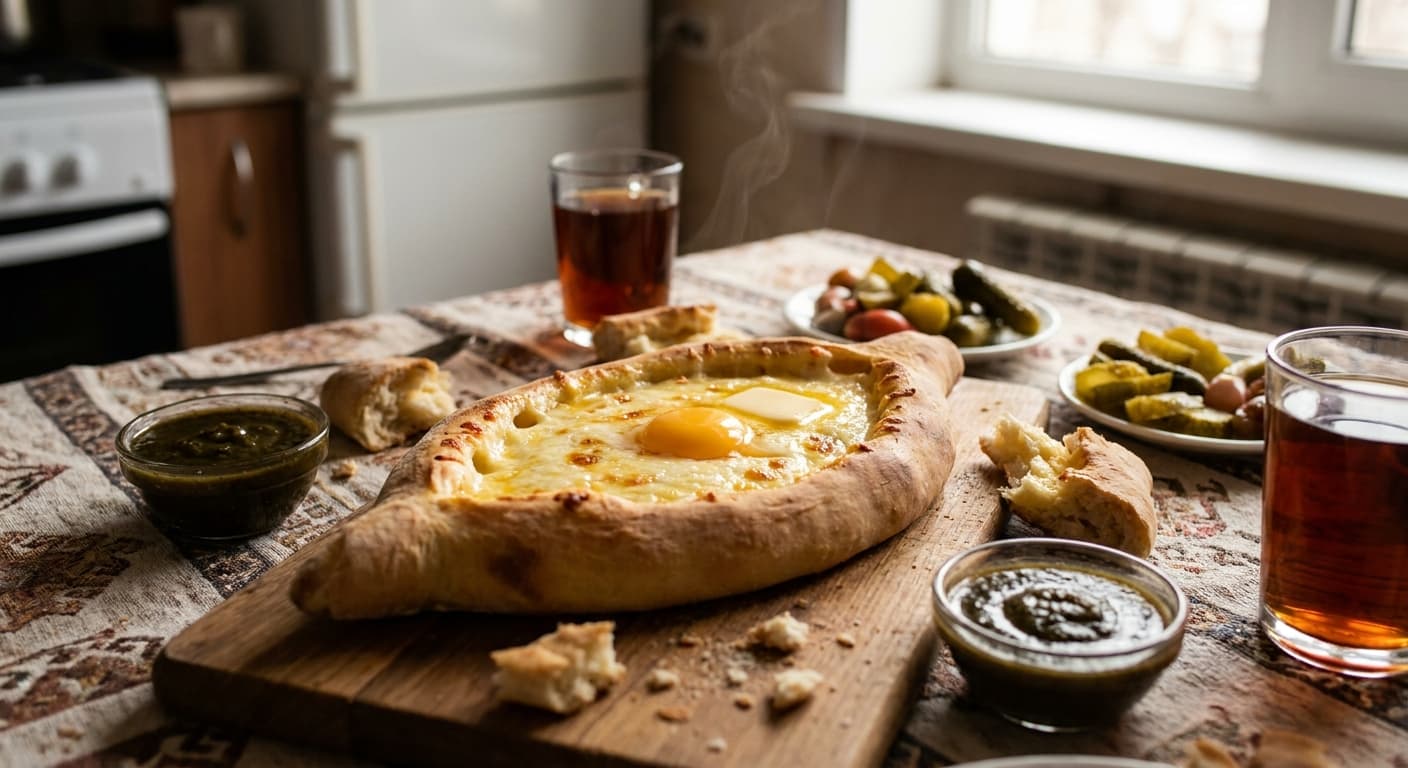
Georgian Khachapuri Adjaruli (აჭარული ხაჭაპური) — Boat-Shaped Cheese Bread
Georgian · Breads · 53 min
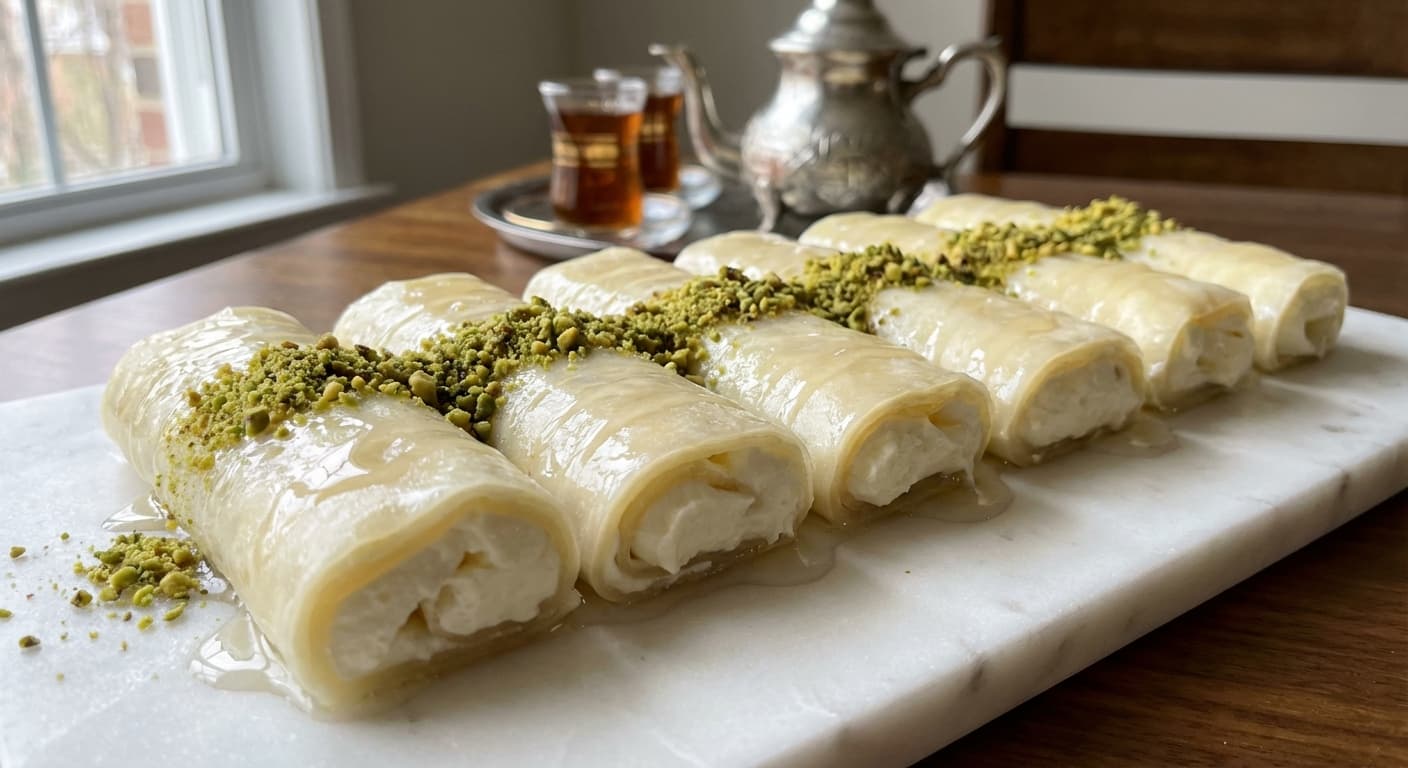
Halawet el Jibn (حلاوة الجبن) — Lebanese Sweet Cheese Rolls with Ashta
Lebanese · Desserts · 70 min
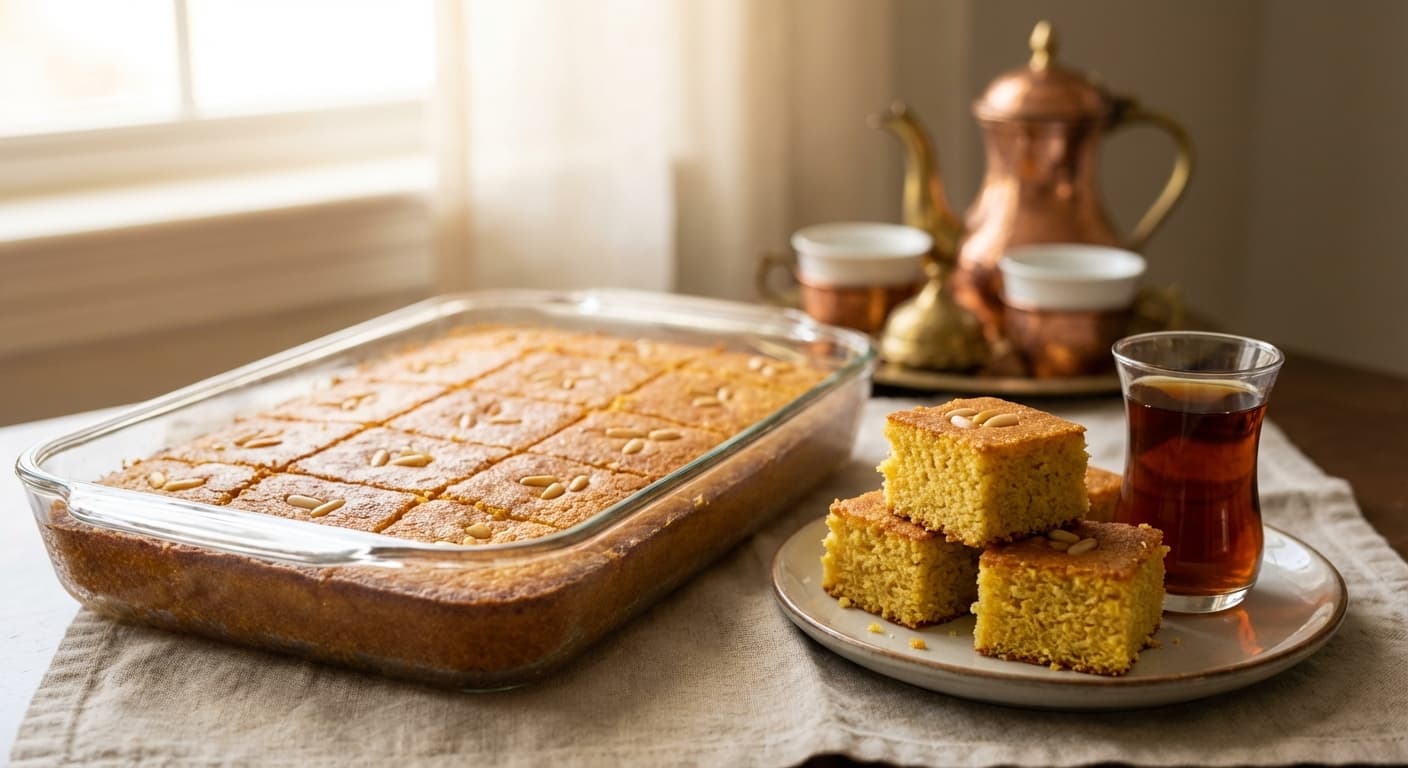
Sfouf (سفوف) — Lebanese Turmeric Semolina Tea Cake
Lebanese · Desserts · 45 min
Yemeni Saltah (سلتة) — Bubbling Fenugreek Lamb Stew
Yemeni · Stews · 130 min
Reviews
Cooked this recipe?
Tap the stars to rate it — that's all it takes. A few words are welcome but optional.
No ratings yet. Cooked this one? Be the first to rate it — it takes one tap.