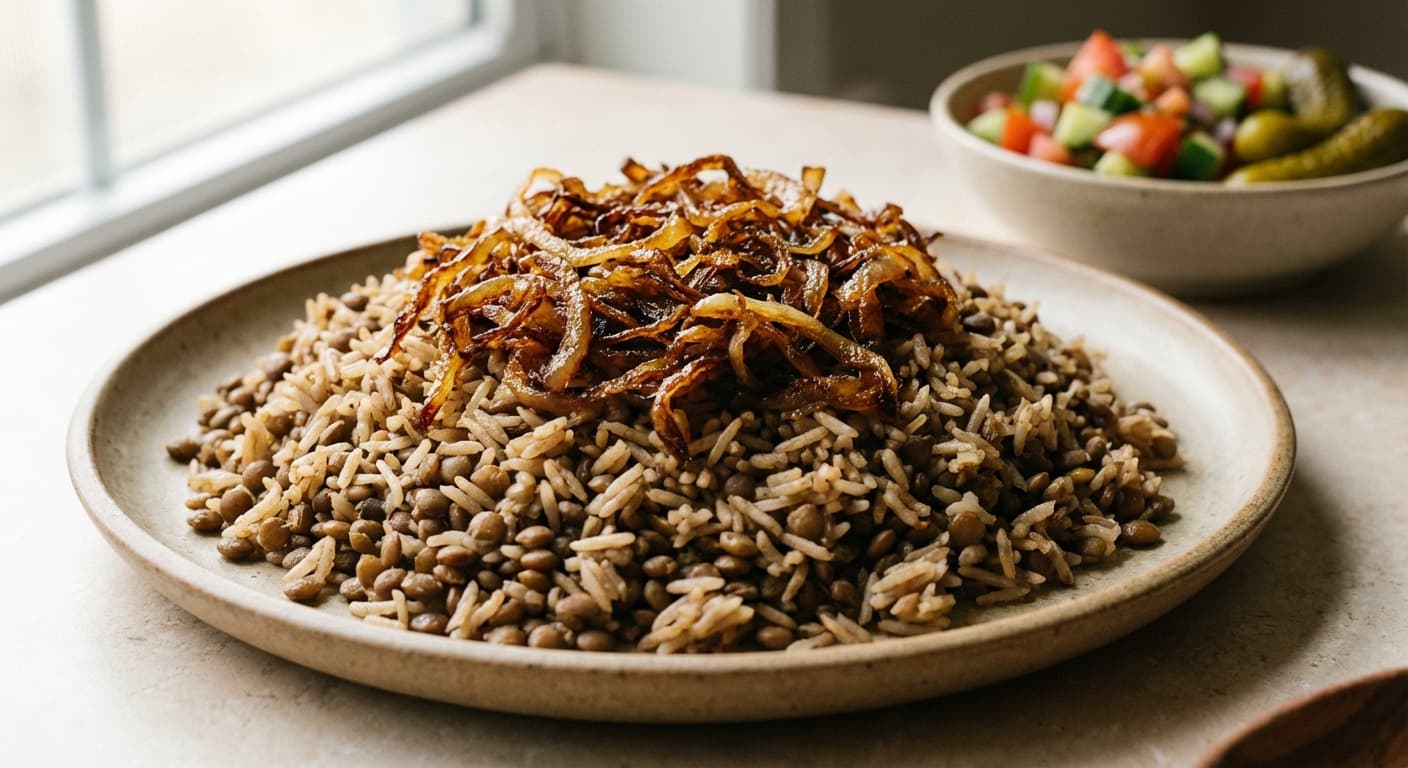
Mujadara (مجدرة) — Lebanese Lentils and Rice with Crispy Fried Onions
Mujadara is a beloved Lebanese comfort dish of lentils and rice crowned with deeply caramelized, crispy onions. Traditionally served with tangy salad or yogurt, it’s a humble pantry meal with centuries of Levantine roots.
Printable Recipe Card
Servings: 6 · Total: 75 min · Difficulty: medium
Ingredients (quick list)
- 300 g Brown lentils, rinsed
- 250 g Basmati rice, rinsed and drained (Rinse until water runs mostly clear.)
- 700 g Yellow onions, thinly sliced (Slice into 3–4 mm half-moons for even frying.)
- 25 g All-purpose flour (Light coating helps onions crisp.)
- 180 ml Neutral oil (sunflower or canola) (For shallow-frying; add 30 ml more if pan looks dry.)
- 2 tsp Ground cumin
- 1 tsp Ground coriander
- 2 tsp Fine sea salt (10 g total, divided.)
- 1 tsp Black pepper, freshly ground
- 1300 ml Water (Includes cooking liquid; adjust by 50–100 ml if needed.)
- 30 ml Lemon juice (Optional but traditional for brightness.)
Steps (summary)
- Rinse the lentils under cold water until the water runs mostly clear, then drain well. Rinse the rice separately and drain, kee…
- Add the lentils and 1300 ml water to a medium pot and bring to a strong boil over high heat. Reduce to a steady simmer and cook…
- While the lentils simmer, toss the sliced onions with 25 g flour and 1 tsp of the salt until lightly coated. Heat 180 ml neutra…
- Fry the onions for 10–14 minutes per batch, stirring often, until deeply golden-brown with crisp edges. Transfer to a paper-tow…
- When the lentils have simmered 18 minutes, stir in the drained rice, cumin, coriander, black pepper, and the remaining 1/2 tsp…
- Cook covered for 18 minutes on low heat, then turn off the heat and rest the pot for 10 minutes without lifting the lid. This r…
+ 1 more steps in the full instructions section below.
Cultural Background
Across Lebanon and the wider Levant, mujadara is a staple of home cooking and meatless days, valued for its affordability and nourishment. The signature fried-onion topping reflects the region’s love of slow caramelization and deep, layered flavor from simple ingredients.
Equipment
💡 Tips
- For darker, more traditional color, cook the onions until deep mahogany but pull them the moment they smell nutty to avoid bitterness.
- If the pot looks dry before the rice is tender, add 50 ml hot water, cover again, and continue cooking for 3–5 minutes.
- Let the rice rest covered for the full 10 minutes; skipping this step is the most common reason the texture turns sticky.
⚠️ Common Mistakes
❌ Cooking lentils until fully soft before adding rice.
✅ Fix: Simmer lentils only until partially tender (about 18 minutes), so they finish cooking alongside the rice without turning mushy.
❌ Overcrowding the onions in the pan so they steam.
✅ Fix: Fry onions in two batches and keep oil shimmering; this drives off moisture and creates crisp, evenly browned strands.
❌ Lifting the lid repeatedly while the rice cooks.
✅ Fix: Keep the lid closed to maintain steam; if you must check, do it once near the end and add 50 ml hot water only if needed.
🧊 How to Store
Cool mujadara to room temperature within 2 hours, then refrigerate airtight for up to 4 days. Reheat covered with 30 ml water in a saucepan over low heat for 6–8 minutes, or microwave covered for 2–3 minutes; add onions only after reheating to keep them crisp.
📅 Make Ahead
Cook the lentils and rice up to 2 days ahead and refrigerate airtight. Fry the onions up to 6 hours ahead and keep at room temperature uncovered; re-crisp in a 160°C oven for 6 minutes before serving.
🍽️ Pairs Well With
- Tomato-cucumber salad
- Lebanese pickles
- plain yogurt or labneh
- sliced radishes
- pita bread.
Regional Variations
- Some Lebanese households use bulgur instead of rice for a nuttier, more rustic mujadara texture.
- In parts of the Levant, extra cumin and a pinch of cinnamon are added for a warmer spice profile.
- A darker version is made by cooking a portion of onions longer and stirring their browned oil into the pot for deeper color.
Ingredients
- 300 gBrown lentils, rinsed
- 250 gBasmati rice, rinsed and drained (Rinse until water runs mostly clear.)
- 700 gYellow onions, thinly sliced (Slice into 3–4 mm half-moons for even frying.)
- 25 gAll-purpose flour (Light coating helps onions crisp.)
- 180 mlNeutral oil (sunflower or canola) (For shallow-frying; add 30 ml more if pan looks dry.)
- 2 tspGround cumin
- 1 tspGround coriander
- 2 tspFine sea salt (10 g total, divided.)
- 1 tspBlack pepper, freshly ground
- 1300 mlWater (Includes cooking liquid; adjust by 50–100 ml if needed.)
- 30 mlLemon juice (Optional but traditional for brightness.)
🔄 Substitutions
- Basmati rice→ Long-grain white rice
- Brown lentils→ Green lentils
- Neutral oil (sunflower or canola)→ Light olive oil
Instructions
- 1
Rinse the lentils under cold water until the water runs mostly clear, then drain well. Rinse the rice separately and drain, keeping it aside so it doesn’t clump later.
- 2
Add the lentils and 1300 ml water to a medium pot and bring to a strong boil over high heat. Reduce to a steady simmer and cook for 18 minutes, because the lentils should be partially tender but not falling apart.
- 3
While the lentils simmer, toss the sliced onions with 25 g flour and 1 tsp of the salt until lightly coated. Heat 180 ml neutral oil in a wide skillet over medium-high heat until it shimmers, then add the onions in two batches so they fry rather than steam.
- 4
Fry the onions for 10–14 minutes per batch, stirring often, until deeply golden-brown with crisp edges. Transfer to a paper-towel-lined plate and immediately sprinkle with 1/2 tsp salt, because seasoning adheres best while they are hot.
- 5
When the lentils have simmered 18 minutes, stir in the drained rice, cumin, coriander, black pepper, and the remaining 1/2 tsp salt. Bring back to a gentle boil for 1 minute, then reduce to low and cover tightly so the rice can steam properly.
- 6
Cook covered for 18 minutes on low heat, then turn off the heat and rest the pot for 10 minutes without lifting the lid. This resting time finishes the rice and keeps the grains separate instead of gummy.
- 7
Fluff the mujadara gently with a fork, folding in half of the fried onions for sweetness throughout. Drizzle in 30 ml lemon juice if using, then mound onto a platter and crown with the remaining crispy onions for maximum crunch.
🪪 Recipe Passport
Cultural Background
Across Lebanon and the wider Levant, mujadara is a staple of home cooking and meatless days, valued for its affordability and nourishment. The signature fried-onion topping reflects the region’s love of slow caramelization and deep, layered flavor from simple ingredients.
Regional Variations
Researched from multiple sources and validated by the Zaffaron editorial team. Every recipe is tested for accuracy, measurements, and cultural authenticity.
Nutrition per serving
Pairs well with
If you enjoyed this recipe, here are a few related Zaffaron recipes to try next.
Does your family make this differently?
Every family has their own version. Maybe your grandmother adds a secret ingredient, or your aunt has a completely different technique. Preserve your family's version — with their name on it, forever.
You Might Also Like
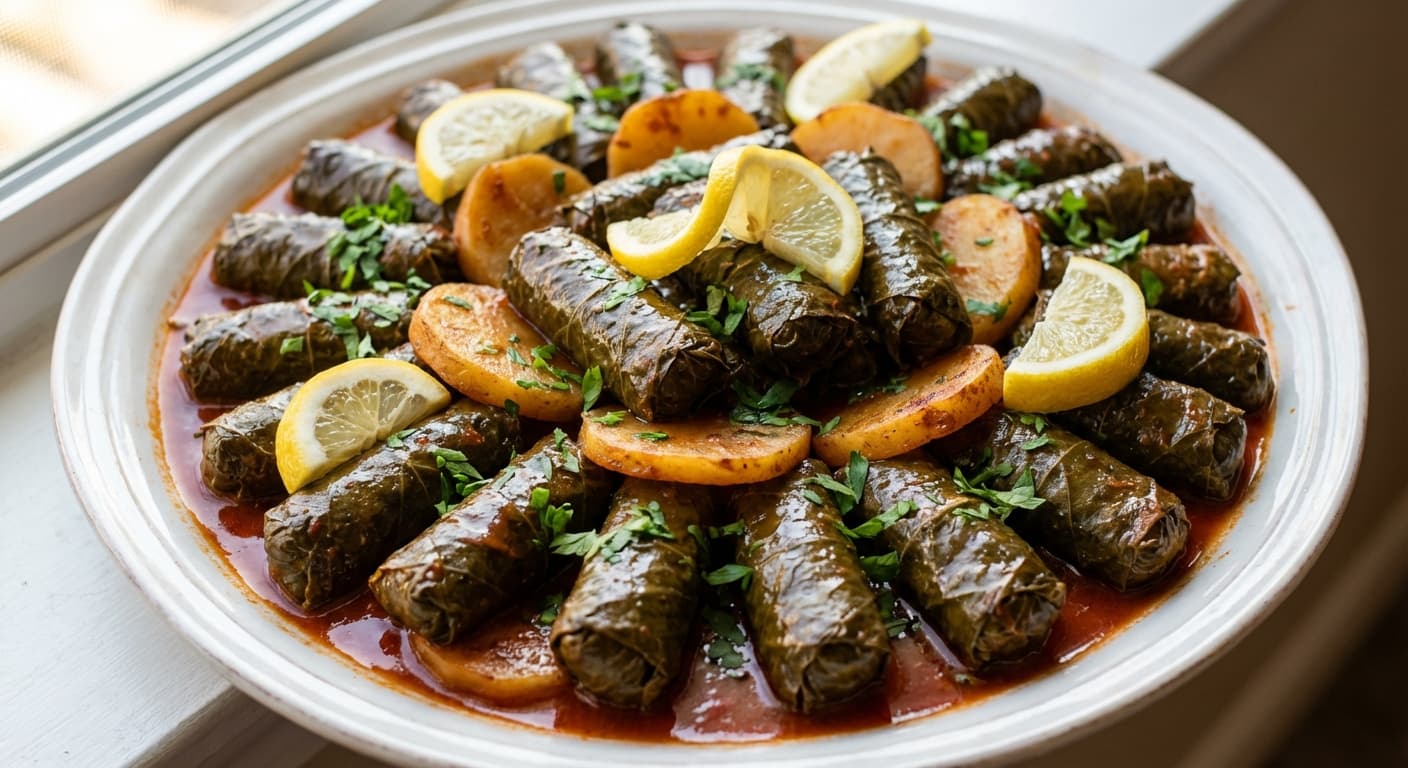
Dolma Mahshi with Macaroni (ورق عنب محشي) — Savory Stuffed Vine Leaves with Pasta
Lebanese · Main Courses · 120 min
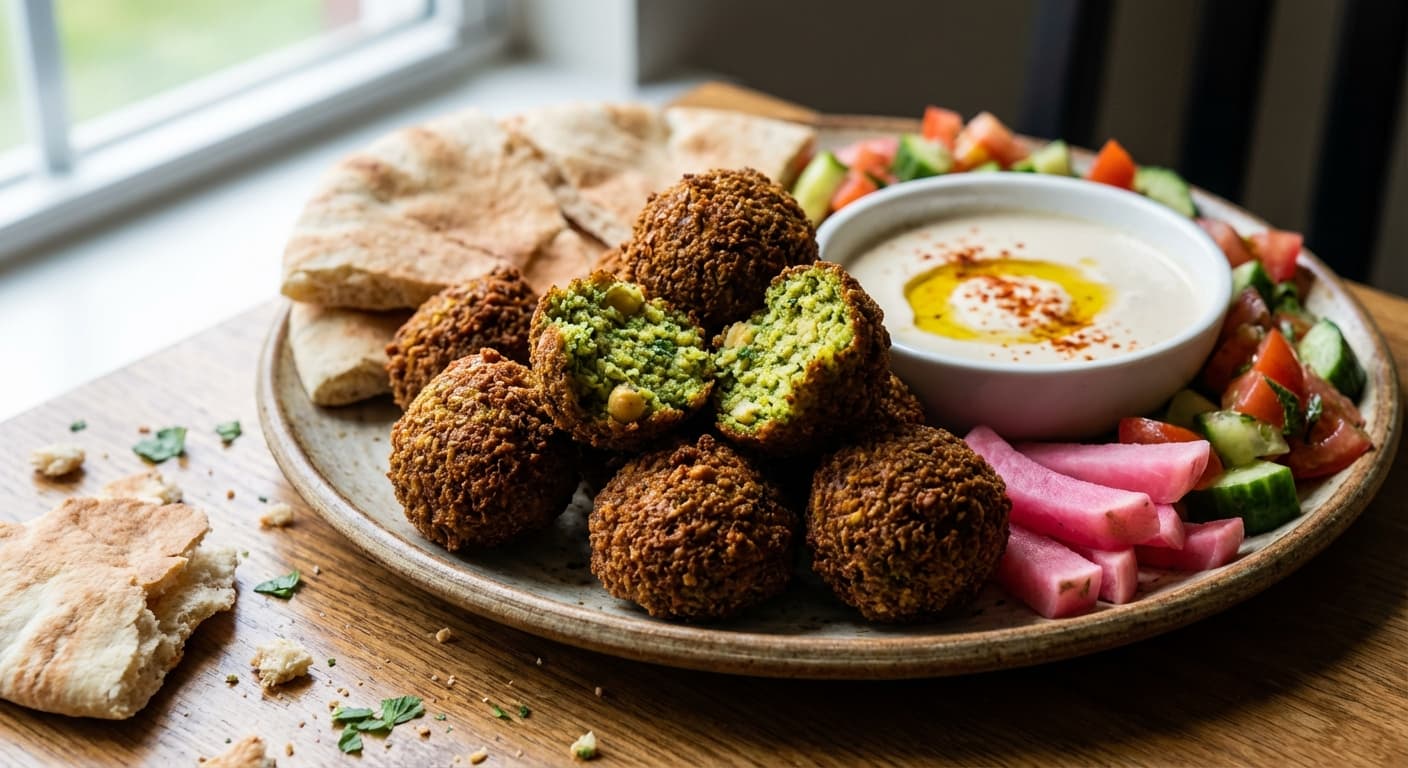
Authentic Falafel Khaneghi (فلافل خانگی) — Crispy Herb-Flecked Chickpea Fritters
Lebanese · Appetizers · 40 min
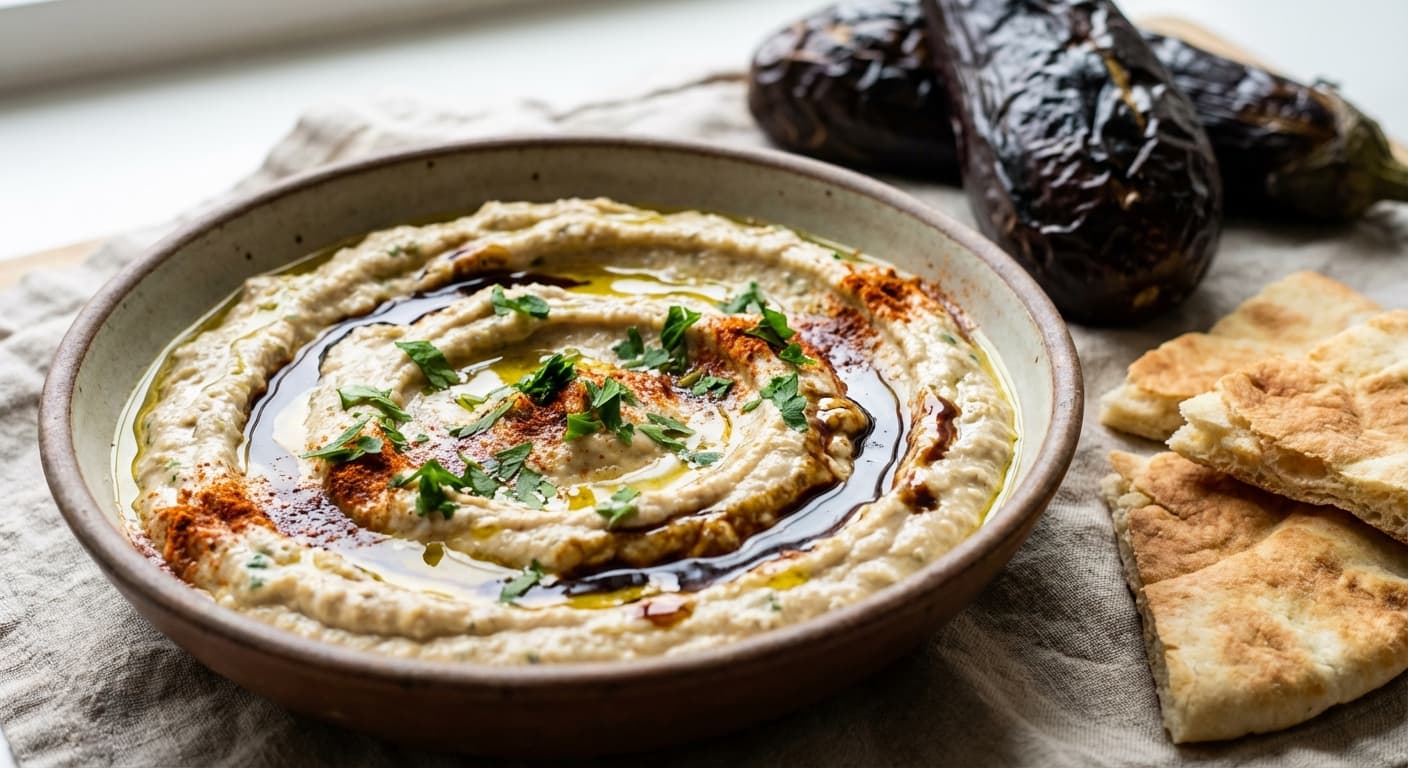
Smoky Muttabal Ba Badenjan with Kashk (متبل باذنجان) — Charred Eggplant Dip with Tangy Fermented Depth
Lebanese · Appetizers · 70 min
Pone Yay Gyi Curry (ပုန်းရည်ကြီးဟင်း) — Burmese Pork and Fermented Bean Paste
Burmese · Main Courses · 115 min
Dongpo Pork (东坡肉) — Hangzhou Red-Braised Pork Belly
Chinese · Main Courses · 205 min
Turkish Cağ Kebab (Cağ Kebabı) — Erzurum Slow-Roasted Charcoal Lamb Skewer
Turkish · Kebabs · 160 min
Persian Kachi (کاچی) — Saffron Rosewater Pudding
Persian · Desserts · 45 min
Soba (蕎麦) — Cold Buckwheat Noodles with Dipping Sauce
Japanese · Main Courses · 50 min
Reviews
Cooked this recipe?
Tap the stars to rate it — that's all it takes. A few words are welcome but optional.
No ratings yet. Cooked this one? Be the first to rate it — it takes one tap.