Soba (蕎麦) — Cold Buckwheat Noodles with Dipping Sauce
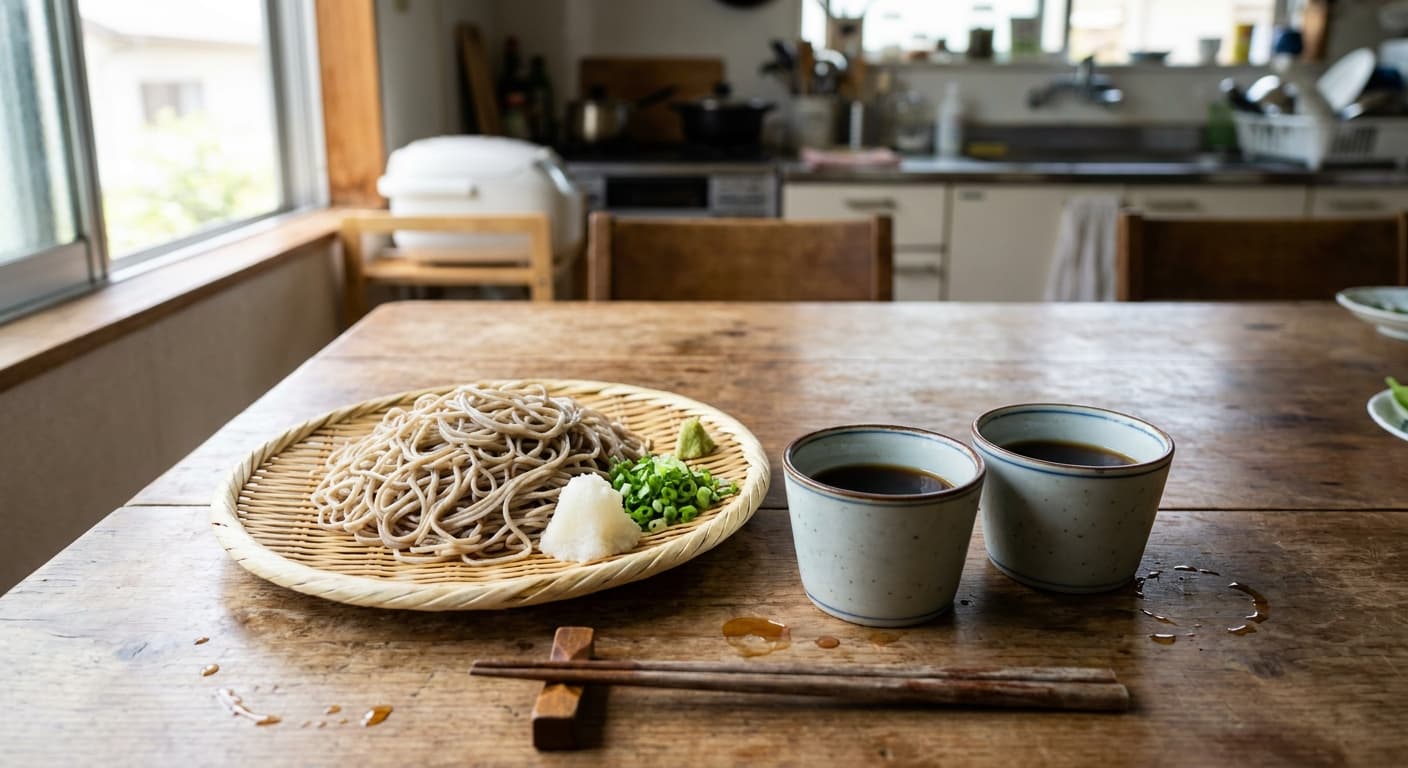
Cold soba is a classic Japanese noodle dish served on a draining tray with concentrated dipping sauce, scallions, wasabi, and nori. Its appeal lies in the nutty aroma of buckwheat, clean texture, and careful rinsing.
Printable Recipe Card
Servings: 4 · Total: 50 min · Difficulty: medium
Ingredients (quick list)
- 600 ml cold water
- 10 g kombu
- 20 g katsuobushi flakes (dried bonito flakes)
- 120 ml soy sauce
- 120 ml mirin
- 60 ml sake
- 12 g granulated sugar
- 360 g dried soba noodles
- 3 l water for boiling noodles
- 300 g ice cubes
- 2 sheet nori (cut into very thin strips)
- 4 scallions (thinly sliced)
+ 2 more in the full ingredients section below.
Steps (summary)
- Make the awase dashi by placing the cold water and kombu in a saucepan and letting them stand for 20 minutes. Heat gently over…
- Bring the kombu infusion just to a boil, turn off the heat, and add the katsuobushi flakes. Let the flakes steep for 5 minutes,…
- In a small saucepan, combine the mirin and sake and boil for 90 seconds to soften the alcohol edge. Add the soy sauce and sugar…
- Measure 360 ml of the prepared awase dashi and stir it into the soy, mirin, and sake mixture to make the dipping sauce. Chill t…
- Bring 3 l of water to a rolling boil in a large pot and add the dried soba noodles, stirring immediately with chopsticks or ton…
- Drain the noodles in a colander and rinse them under cold running water while rubbing them gently between your hands. Continue…
+ 2 more steps in the full instructions section below.
Cultural Background
Soba has long been valued in Japan for its buckwheat fragrance, quick cooking, and association with everyday noodle shops. Cold zaru soba highlights restraint: excellent noodles, clear stock, and precise seasoning.
Equipment
💡 Tips
- Do not salt the boiling water; traditional soba relies on the dipping sauce for seasoning.
- Rinsing is essential because it removes sticky starch and gives the noodles a clean, firm texture.
- If using fresh soba, reduce the cooking time to 90 seconds to 2 minutes and rinse even more gently.
⚠️ Common Mistakes
❌ Skipping the cold rinse after boiling.
✅ Fix: Rinse the noodles under running water for 2 minutes and rub them gently to remove starch.
❌ Boiling kombu in the dashi.
✅ Fix: Remove kombu just before boiling so the stock stays clear and avoids a harsh seaweed taste.
❌ Serving the noodles sitting in water.
✅ Fix: Drain the soba thoroughly and serve on a tray or plate that allows excess moisture to escape.
🧊 How to Store
Store noodles and dipping sauce separately in airtight containers for up to 2 days. Rinse chilled noodles briefly under cold water to loosen them; do not microwave, as soba becomes brittle and gummy.
📅 Make Ahead
Prepare the dipping sauce up to 3 days ahead and keep it refrigerated. Cook and rinse the noodles shortly before serving for the best texture and fragrance.
🍽️ Pairs Well With
- Spinach goma-ae
- cucumber sunomono
- chilled tofu
- tempura vegetables
- green tea.
Regional Variations
- Mori soba is similar but usually served without the nori topping.
- Kake soba serves the same noodles in a hot broth, especially in colder months.
- Juwari soba uses only buckwheat flour and has a more fragile texture and stronger aroma.
Ingredients
- 600 mlcold water
- 10 gkombu
- 20 gkatsuobushi flakes (dried bonito flakes)
- 120 mlsoy sauce
- 120 mlmirin
- 60 mlsake
- 12 ggranulated sugar
- 360 gdried soba noodles
- 3 lwater for boiling noodles
- 300 gice cubes
- 2 sheetnori (cut into very thin strips)
- 4scallions (thinly sliced)
- 20 gwasabi paste
- 200 gdaikon (peeled and finely grated)
🔄 Substitutions
- awase dashi→ kombu-shiitake dashi
- mirin→ 60 ml water mixed with 18 g sugar
- dried soba noodles→ juwari soba noodles
Instructions
- 1
Make the awase dashi by placing the cold water and kombu in a saucepan and letting them stand for 20 minutes. Heat gently over medium-low heat until small bubbles form around the kombu, then remove the kombu before the liquid boils.
- 2
Bring the kombu infusion just to a boil, turn off the heat, and add the katsuobushi flakes. Let the flakes steep for 5 minutes, then strain through a fine sieve without pressing hard, which keeps the awase dashi clear and clean-tasting.
- 3
In a small saucepan, combine the mirin and sake and boil for 90 seconds to soften the alcohol edge. Add the soy sauce and sugar, stir until the sugar dissolves, then remove the pan from the heat.
- 4
Measure 360 ml of the prepared awase dashi and stir it into the soy, mirin, and sake mixture to make the dipping sauce. Chill the sauce for at least 20 minutes, because cold sauce gives soba its proper refreshing finish.
- 5
Bring 3 l of water to a rolling boil in a large pot and add the dried soba noodles, stirring immediately with chopsticks or tongs. Cook according to the package timing, usually 4 to 6 minutes, until the noodles are tender but still resilient.
- 6
Drain the noodles in a colander and rinse them under cold running water while rubbing them gently between your hands. Continue rinsing for 2 minutes to remove surface starch, then plunge the noodles into a bowl with the ice cubes and cold water for 1 minute.
- 7
Drain the chilled soba very well and divide it among bamboo trays, colanders, or shallow plates so excess water can run off. Sprinkle the nori strips over the noodles and place scallions, wasabi, and grated daikon in small side dishes.
- 8
Serve each person a small cup of cold dipping sauce alongside the soba. Diners should mix measured amounts of scallion, wasabi, and daikon into the sauce, then dip only the lower half of each bite of noodles so the buckwheat aroma remains distinct.
🪪 Recipe Passport
Cultural Background
Soba has long been valued in Japan for its buckwheat fragrance, quick cooking, and association with everyday noodle shops. Cold zaru soba highlights restraint: excellent noodles, clear stock, and precise seasoning.
Regional Variations
Researched from multiple sources and validated by the Zaffaron editorial team. Every recipe is tested for accuracy, measurements, and cultural authenticity.
📚 Sources & Cultural References
- Shizuo Tsuji — Japanese Cooking: A Simple Art — (1980)
- Elizabeth Andoh — Washoku: Recipes from the Japanese Home Kitchen — (2005)
Sources cited by the Zaffaron editorial team during recipe research. Cultural and culinary references supporting authenticity claims.
Nutrition per serving
Pairs well with
If you enjoyed this recipe, here are a few related Zaffaron recipes to try next.
Does your family make this differently?
Every family has their own version. Maybe your grandmother adds a secret ingredient, or your aunt has a completely different technique. Preserve your family's version — with their name on it, forever.
You Might Also Like
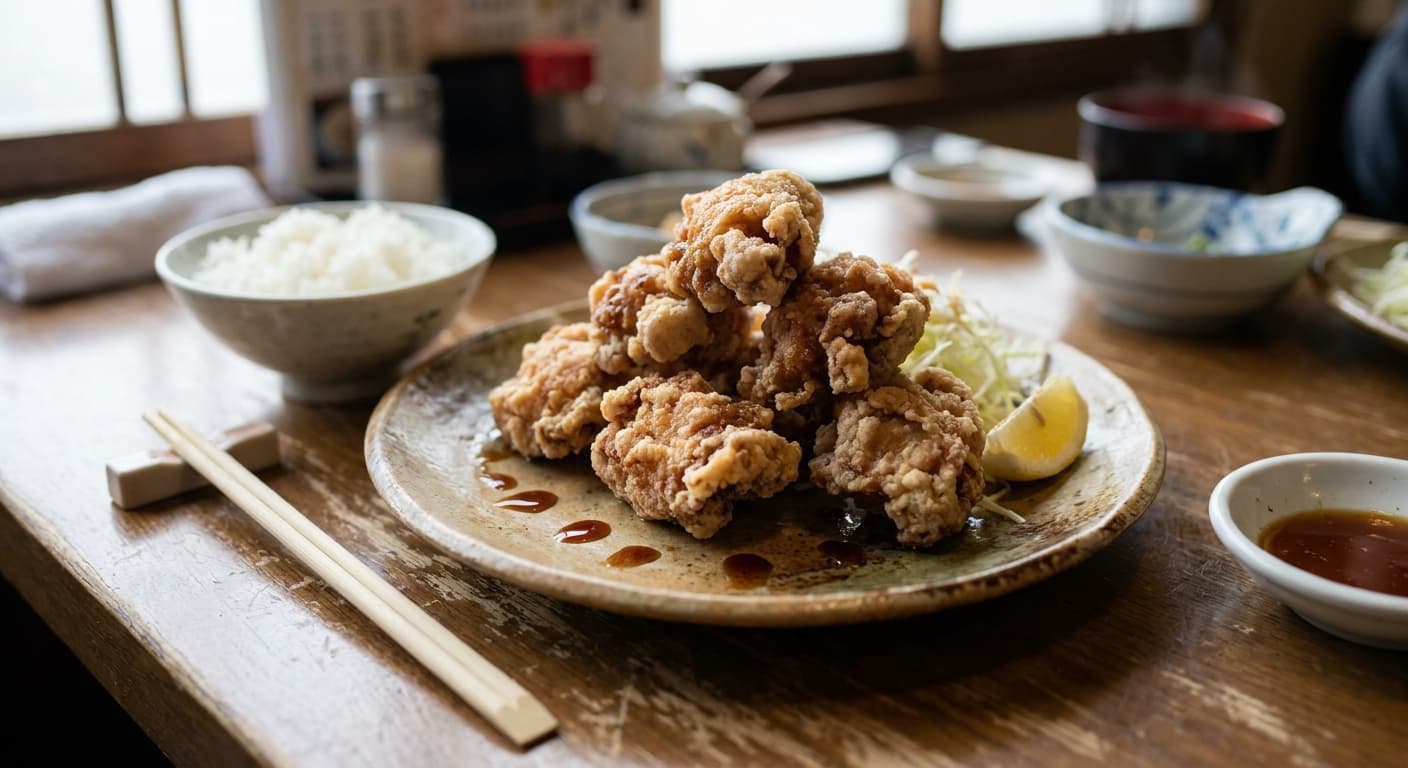
Japanese Karaage (唐揚げ) — Crisp Ginger-Soy Fried Chicken
Japanese · Main Courses · 38 min
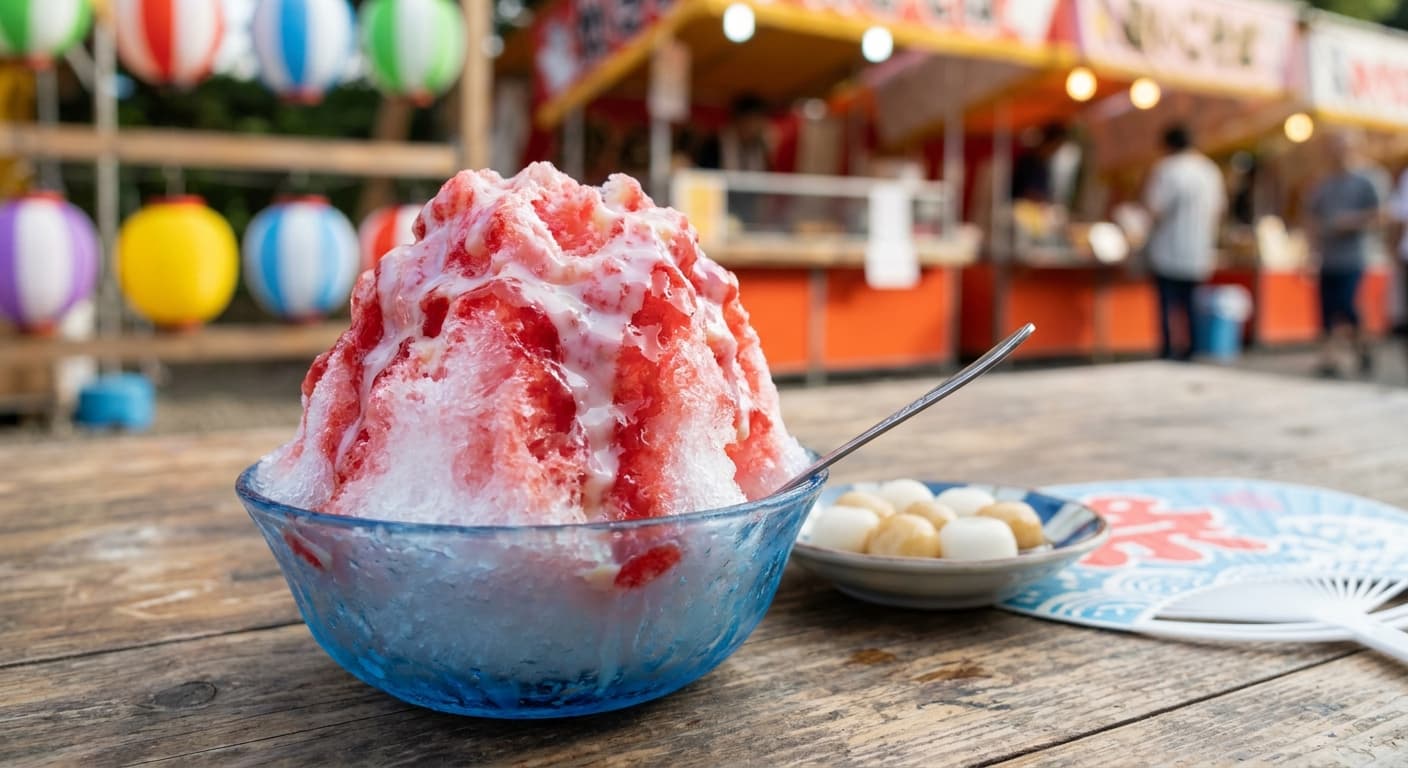
Kakigori (かき氷) — Japanese Shaved Ice with Strawberry Syrup
Japanese · Desserts · 50 min
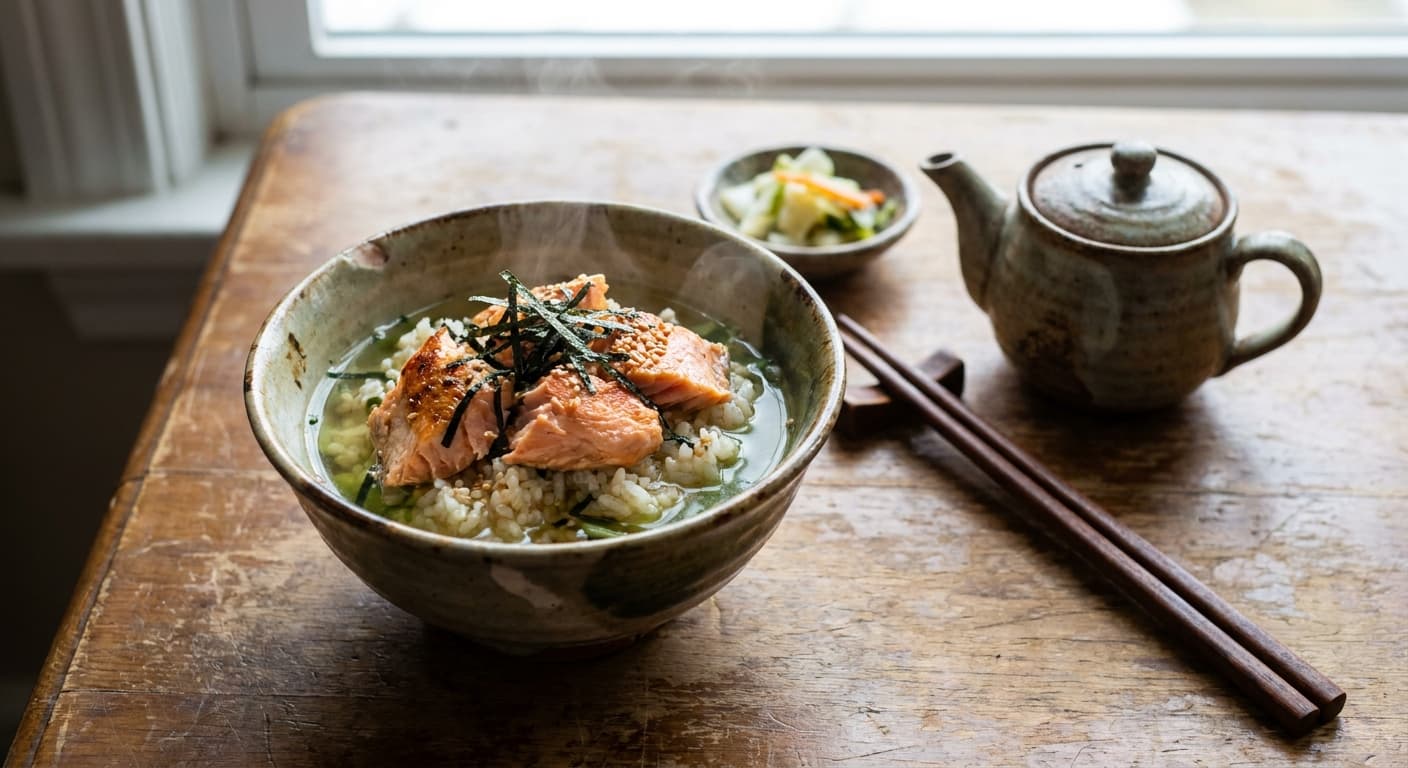
Chazuke (茶漬け) — Japanese Tea-Poured Rice with Grilled Salmon
Japanese · Rice Dishes · 35 min
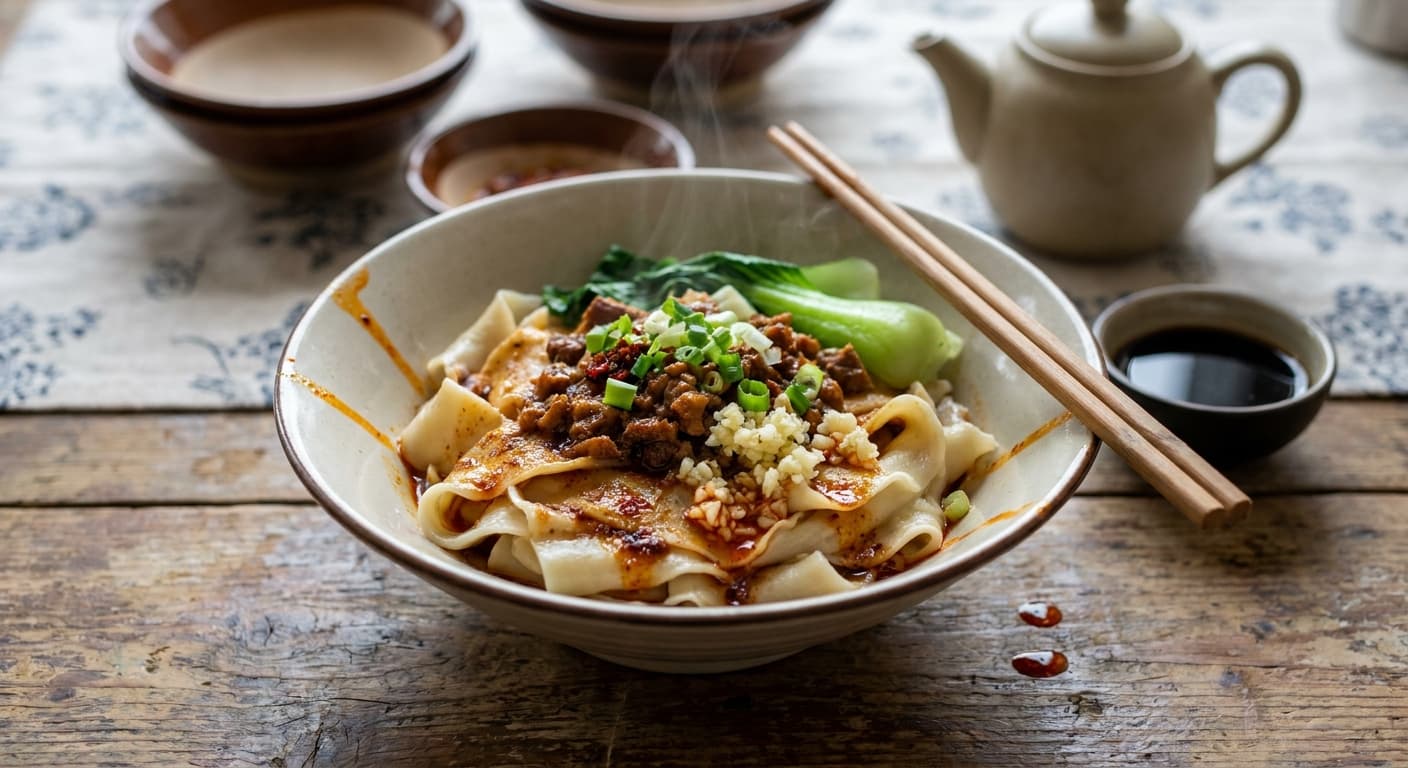
Biangbiang Noodles (油泼扯面) — Xi'an Hand-Pulled Belt Noodles
Chinese · Main Courses · 65 min
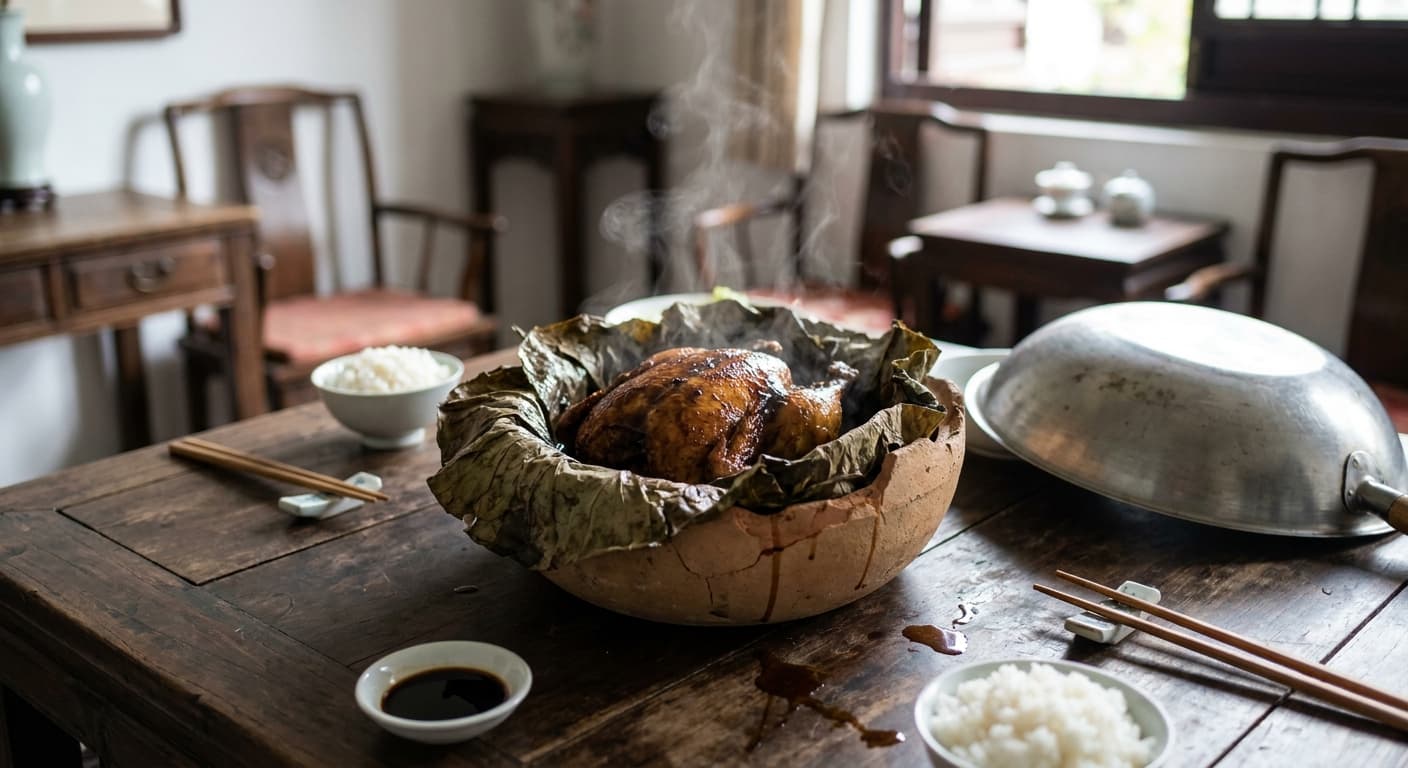
Beggar's Chicken (叫化鸡) — Lotus-Wrapped Clay-Baked Jiangnan Chicken
Chinese · Main Courses · 240 min
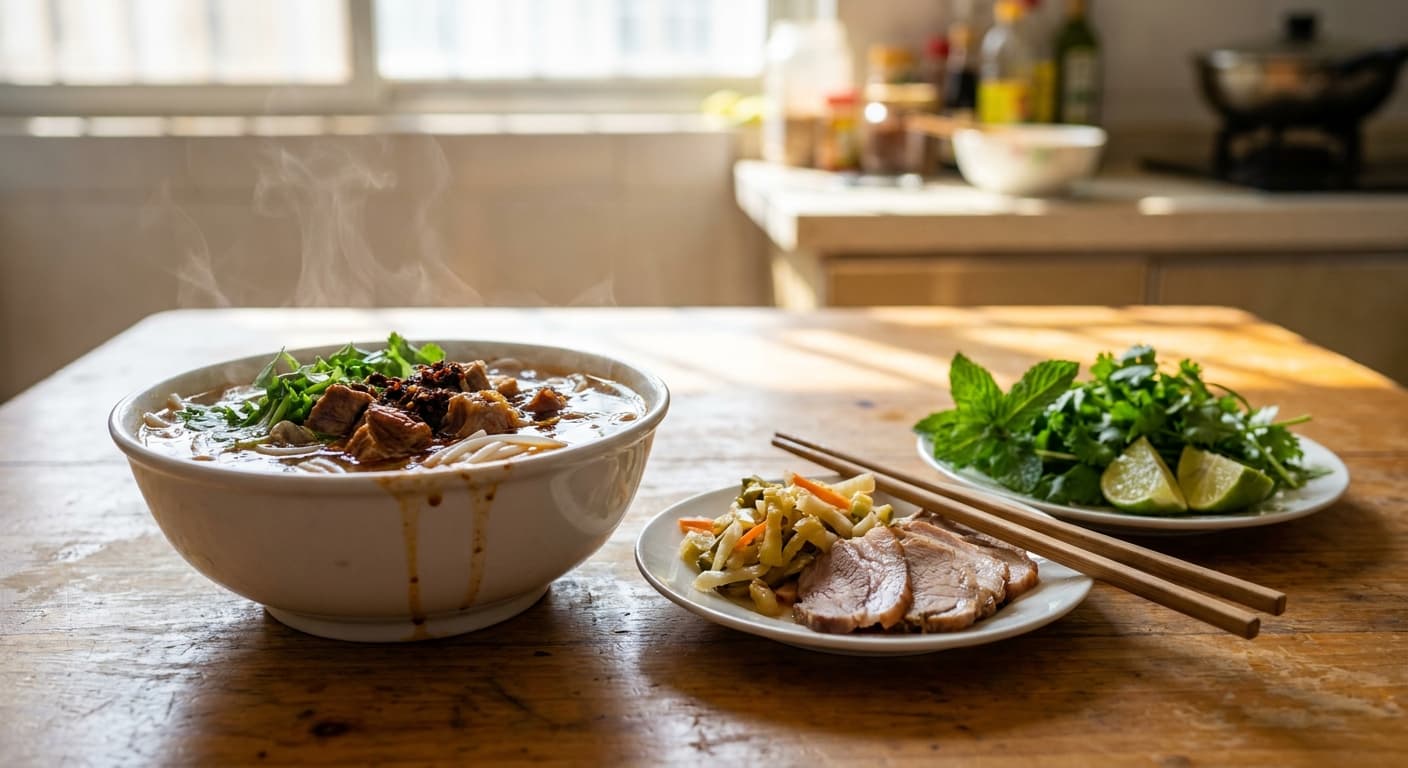
Crossing-the-Bridge Rice Noodles (过桥米线) — Yunnan Hot Broth Noodle Soup
Chinese · Soups · 195 min
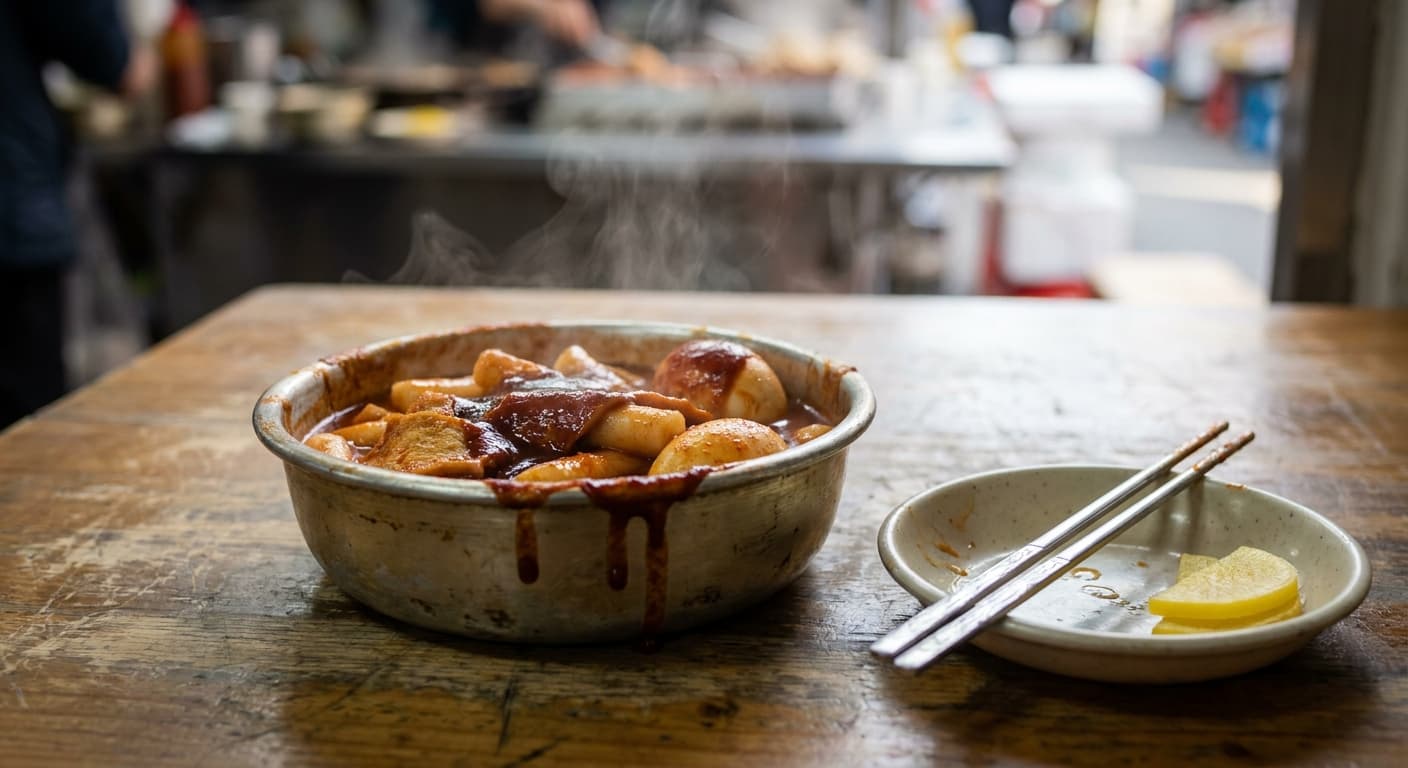
Tteokbokki (떡볶이) — Spicy Korean Rice Cakes
Korean · Main Courses · 45 min
Changua (Changua) — Colombian Milk-and-Egg Breakfast Soup
Colombian · Soups · 25 min
Reviews
Cooked this recipe?
Tap the stars to rate it — that's all it takes. A few words are welcome but optional.
No ratings yet. Cooked this one? Be the first to rate it — it takes one tap.