Thai Pad See Ew (ผัดซีอิ๊ว) — Charred Wide Rice Noodles with Pork and Chinese Broccoli
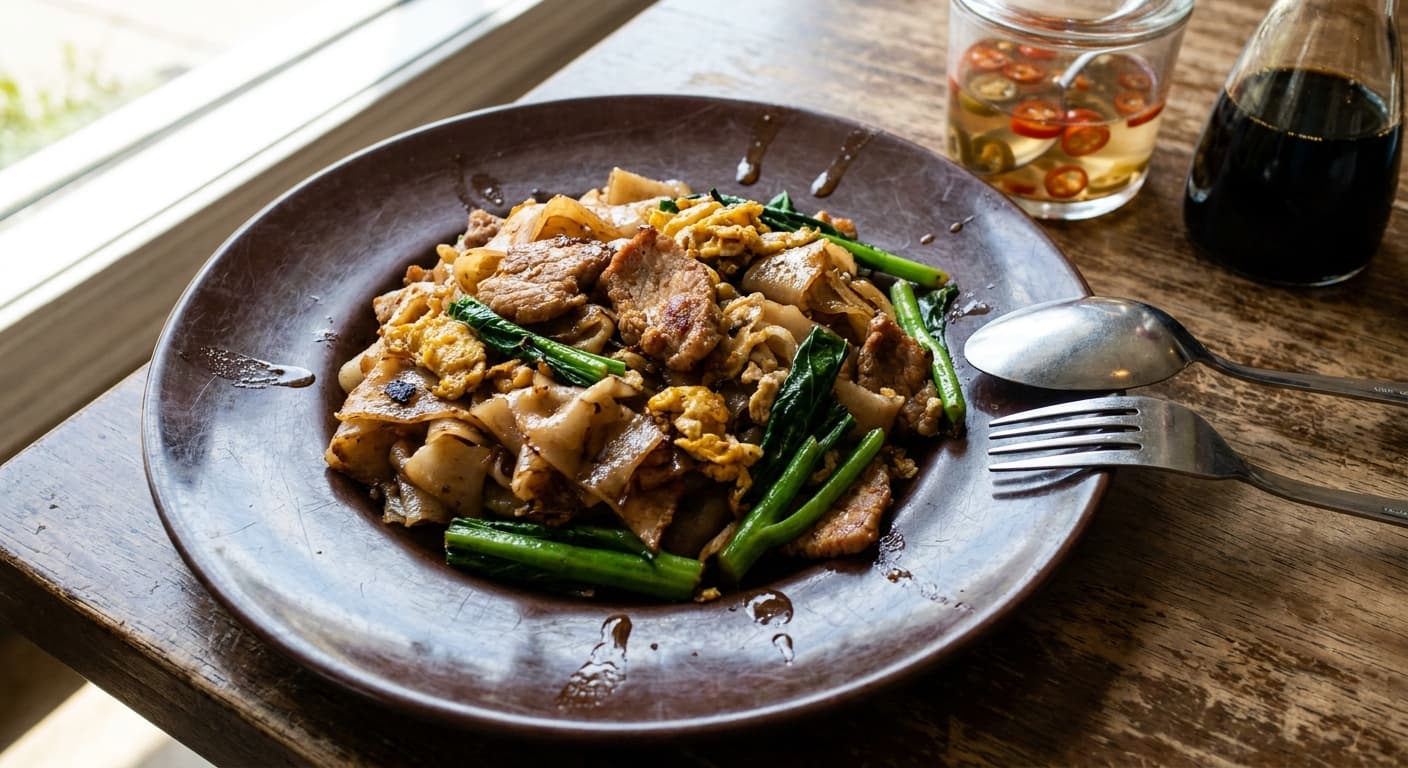
Pad See Ew is a Thai-Chinese street-food favorite built on fresh wide rice noodles, dark soy, egg, meat, and Chinese broccoli. The signature flavor comes from high-heat wok charring, not heavy sauce.
Printable Recipe Card
Servings: 2 · Total: 30 min · Difficulty: medium
Ingredients (quick list)
- 450 g fresh wide rice noodles (sen yai; sheets separated into wide ribbons)
- 180 g pork shoulder (thinly sliced across the grain)
- 2 eggs
- 180 g Chinese broccoli (stems sliced thinly and leaves cut into 5 cm pieces)
- 4 clove garlic (finely chopped)
- 3 tbsp neutral oil
- 1.5 tbsp Thai light soy sauce
- 1 tbsp Thai dark sweet soy sauce
- 1 tbsp oyster sauce
- 1 tsp fish sauce
- 2 tsp granulated sugar
- 0.25 tsp ground white pepper
+ 2 more in the full ingredients section below.
Steps (summary)
- Separate the fresh wide rice noodles gently with your fingers so they do not clump in the wok. If they are stiff from refrigera…
- Mix the Thai light soy sauce, Thai dark sweet soy sauce, oyster sauce, fish sauce, sugar, and white pepper in a small bowl unti…
- Prepare the optional chili vinegar by combining the white vinegar and sliced red Thai chiles in a small bowl. Let it stand whil…
- Heat a wok over high heat until a drop of water evaporates almost instantly. Add 1 tbsp of the oil, then stir-fry the pork for…
- Add the chopped garlic and the sliced Chinese broccoli stems, then stir-fry for 45 seconds. Add the Chinese broccoli leaves and…
- Push the pork and greens to one side of the wok and add 1 tbsp of oil to the empty side. Crack in the eggs, let them set for 10…
+ 4 more steps in the full instructions section below.
Cultural Background
Pad See Ew reflects Thailand’s Chinese-influenced noodle cookery, adapted to Thai seasonings and street-stall speed. It is an everyday lunch or dinner dish prized for wok heat, dark soy aroma, and fresh rice noodle chew.
Equipment
💡 Tips
- Use fresh wide rice noodles rather than dried noodles whenever possible; their soft chew and ability to blister are central to authentic Pad See Ew.
- Cook in 2 small batches if your wok or burner is weak, because overcrowding prevents char and makes the noodles sticky.
- Do not oversauce the dish; Pad See Ew should taste savory, lightly sweet, smoky, and glossy rather than wet.
⚠️ Common Mistakes
❌ Using cold, clumped rice noodles straight from the refrigerator.
✅ Fix: Warm them briefly and separate every ribbon before cooking so they fry evenly and do not tear.
❌ Adding all ingredients at once.
✅ Fix: Cook the pork, greens, eggs, and noodles in stages so the wok stays hot enough to create char.
❌ Stirring the noodles constantly.
✅ Fix: Let the noodles sit against the hot wok for short bursts, then fold them gently to build smoky browned edges.
🧊 How to Store
Refrigerate leftovers in an airtight container for up to 2 days. Reheat in a hot skillet with 1 tbsp water per serving, tossing just until the noodles soften; microwaving works but reduces the charred texture.
📅 Make Ahead
Slice the pork, wash and cut the Chinese broccoli, chop the garlic, and mix the sauce up to 12 hours ahead. Separate the noodles only shortly before cooking so they do not dry out.
🍽️ Pairs Well With
- Chili vinegar
- ground white pepper
- sliced cucumber
- clear Thai soup.
Regional Variations
- Bangkok street stalls often offer pork, chicken, beef, or seafood versions cooked to order with the same noodle base.
- Some Thai home cooks omit oyster sauce and rely more heavily on light soy sauce, fish sauce, and dark sweet soy sauce.
- A drier shop-style version emphasizes charred noodles and minimal sauce, while softer home versions may be slightly glossier.
Ingredients
- 450 gfresh wide rice noodles (sen yai; sheets separated into wide ribbons)
- 180 gpork shoulder (thinly sliced across the grain)
- 2eggs
- 180 gChinese broccoli (stems sliced thinly and leaves cut into 5 cm pieces)
- 4 clovegarlic (finely chopped)
- 3 tbspneutral oil
- 1.5 tbspThai light soy sauce
- 1 tbspThai dark sweet soy sauce
- 1 tbspoyster sauce
- 1 tspfish sauce
- 2 tspgranulated sugar
- 0.25 tspground white pepper
- 2 tbspwhite vinegar
- 2red Thai chiles (thinly sliced for chili vinegar)
🔄 Substitutions
- pork shoulder→ chicken thigh
- Chinese broccoli→ broccolini
- fresh wide rice noodles→ dried wide rice noodles
- Thai dark sweet soy sauce→ dark soy sauce mixed with molasses
Instructions
- 1
Separate the fresh wide rice noodles gently with your fingers so they do not clump in the wok. If they are stiff from refrigeration, microwave them for 45 seconds or steam them for 2 minutes, then separate them while warm.
- 2
Mix the Thai light soy sauce, Thai dark sweet soy sauce, oyster sauce, fish sauce, sugar, and white pepper in a small bowl until the sugar dissolves. Keeping the sauce ready is essential because Pad See Ew cooks very quickly over high heat.
- 3
Prepare the optional chili vinegar by combining the white vinegar and sliced red Thai chiles in a small bowl. Let it stand while you cook the noodles so the vinegar picks up a clean, sharp chile heat.
- 4
Heat a wok over high heat until a drop of water evaporates almost instantly. Add 1 tbsp of the oil, then stir-fry the pork for 60 to 90 seconds until the edges lose their raw color and begin to brown.
- 5
Add the chopped garlic and the sliced Chinese broccoli stems, then stir-fry for 45 seconds. Add the Chinese broccoli leaves and cook for another 30 seconds, just until the leaves brighten and begin to wilt.
- 6
Push the pork and greens to one side of the wok and add 1 tbsp of oil to the empty side. Crack in the eggs, let them set for 10 seconds, then scramble them into large soft curds before folding them through the pork and greens.
- 7
Transfer the pork, egg, and greens to a plate so the wok can regain maximum heat. Wipe out any wet bits with a paper towel, because excess moisture will steam the noodles instead of giving them the smoky char Pad See Ew needs.
- 8
Return the wok to high heat and add the remaining 1 tbsp oil. Add the separated noodles in an even layer and let them sit undisturbed for 30 seconds so the underside blisters and chars slightly.
- 9
Pour the prepared sauce around the sides of the wok, then toss the noodles with a wide spatula for 60 to 90 seconds. Use a folding motion rather than aggressive stirring so the noodles stay broad and glossy instead of breaking apart.
- 10
Return the pork, egg, and Chinese broccoli to the wok and toss everything together for 30 to 45 seconds. Serve immediately with the chili vinegar on the side, because the noodles are at their best when hot, smoky, and still lightly chewy.
🪪 Recipe Passport
Cultural Background
Pad See Ew reflects Thailand’s Chinese-influenced noodle cookery, adapted to Thai seasonings and street-stall speed. It is an everyday lunch or dinner dish prized for wok heat, dark soy aroma, and fresh rice noodle chew.
Regional Variations
Researched from multiple sources and validated by the Zaffaron editorial team. Every recipe is tested for accuracy, measurements, and cultural authenticity.
📚 Sources & Cultural References
- David Thompson — Thai Food — (2002)
- Leela Punyaratabandhu — Simple Thai Food: Classic Recipes from the Thai Home Kitchen — (2014)
Sources cited by the Zaffaron editorial team during recipe research. Cultural and culinary references supporting authenticity claims.
Nutrition per serving
Pairs well with
If you enjoyed this recipe, here are a few related Zaffaron recipes to try next.
Does your family make this differently?
Every family has their own version. Maybe your grandmother adds a secret ingredient, or your aunt has a completely different technique. Preserve your family's version — with their name on it, forever.
You Might Also Like
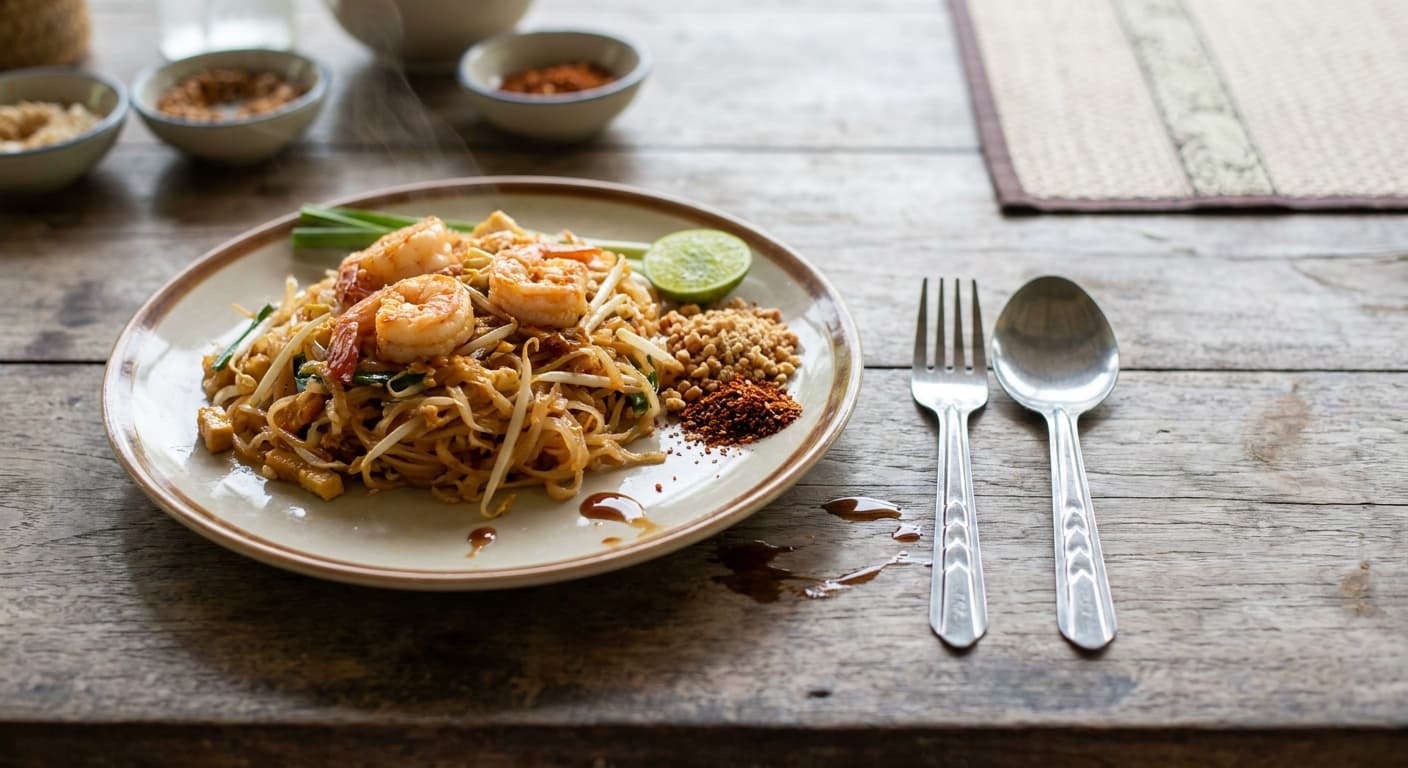
Pad Thai (ผัดไทย) — Tamarind Rice Noodles with Shrimp
Thai · Main Courses · 40 min
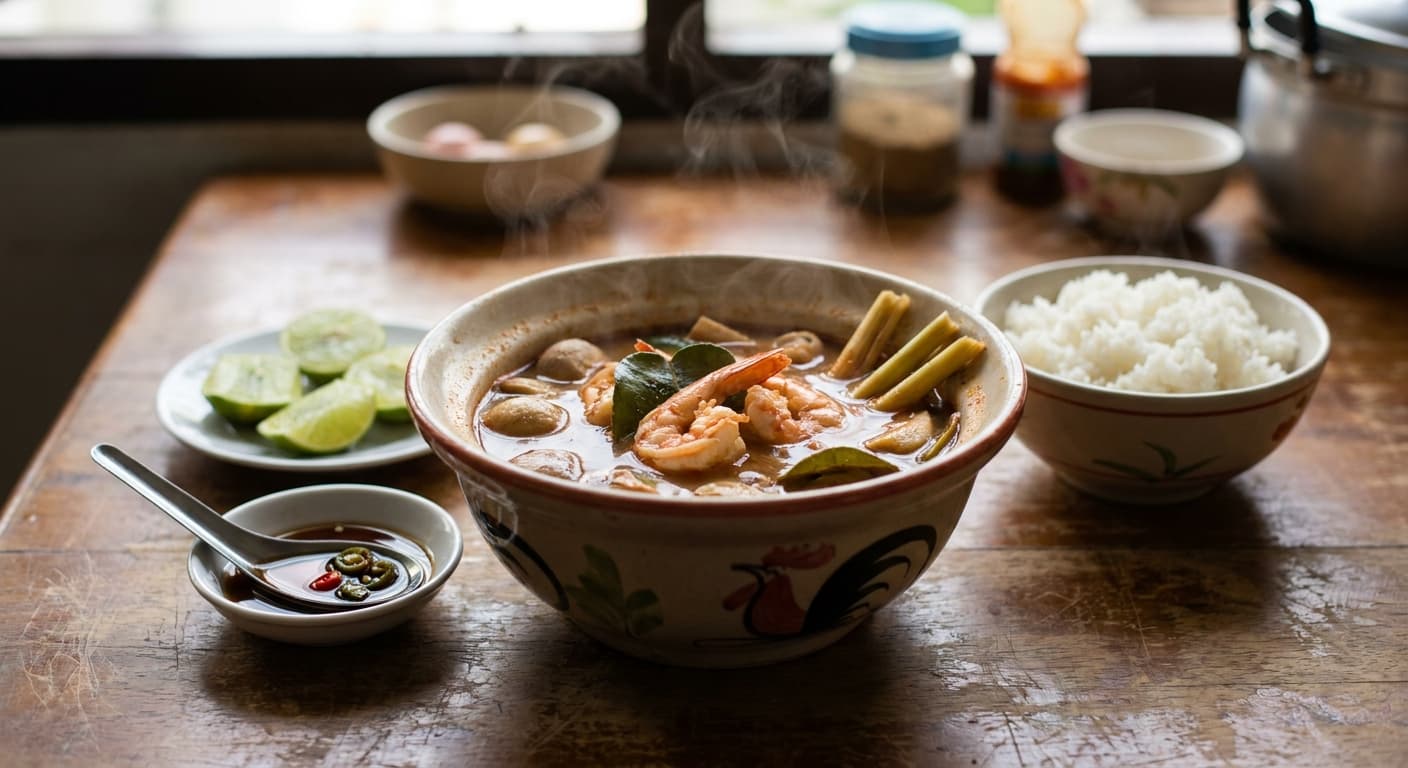
Tom Yum Goong (ต้มยำกุ้ง) — Hot-and-Sour Thai Shrimp Soup
Thai · Soups · 45 min
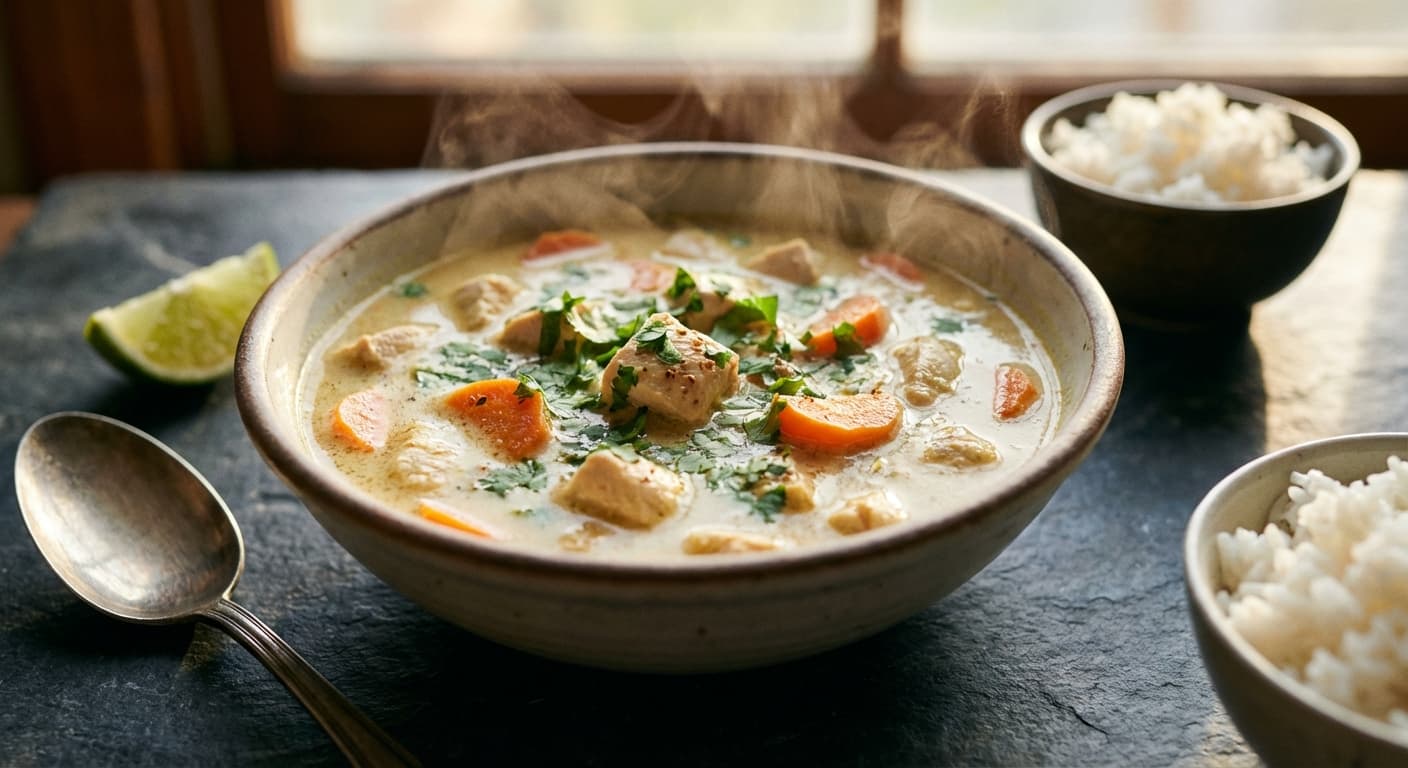
Aromatic Coconut Chicken Curry Soup (سوپ کاری مرغ با نارگیل) — Velvety coastal-style coconut curry broth
Thai · Soups · 45 min
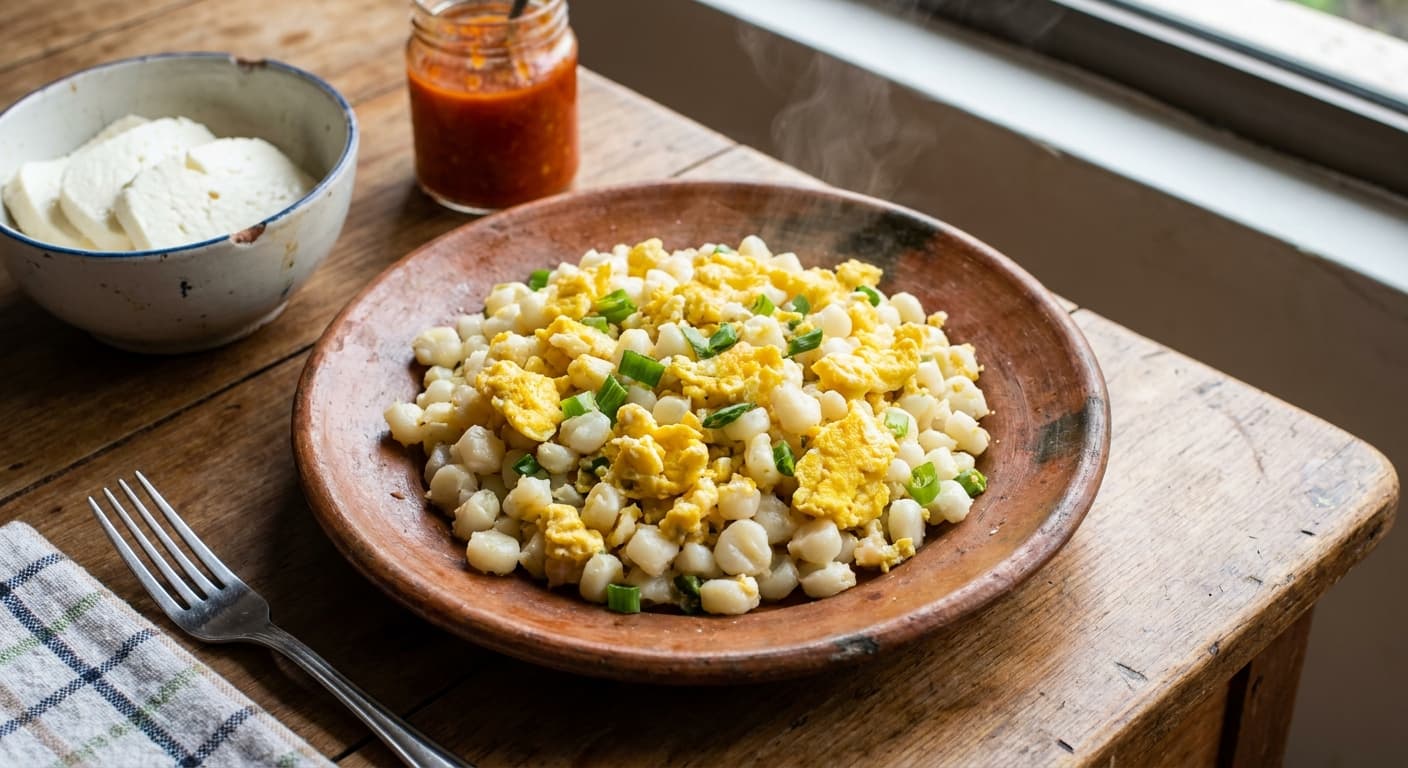
Scrambled Hominy and Eggs (Mote pillo) — Ecuadorian Highland Breakfast
Ecuadorian · Main Courses · 25 min
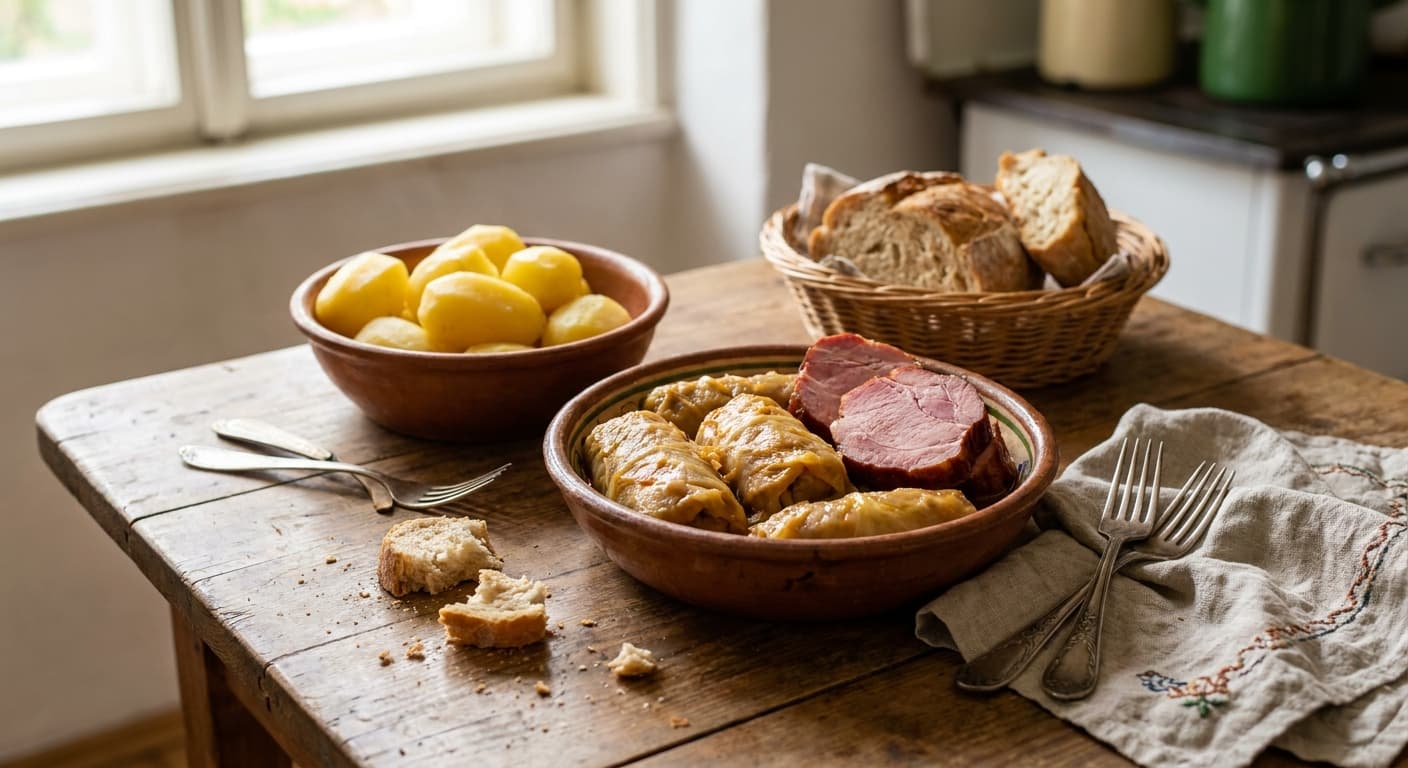
Sinj Stuffed Cabbage Rolls (Sinjski arambaši) — Hand-Chopped Meat in Sour Cabbage
Croatian · Main Courses · 245 min
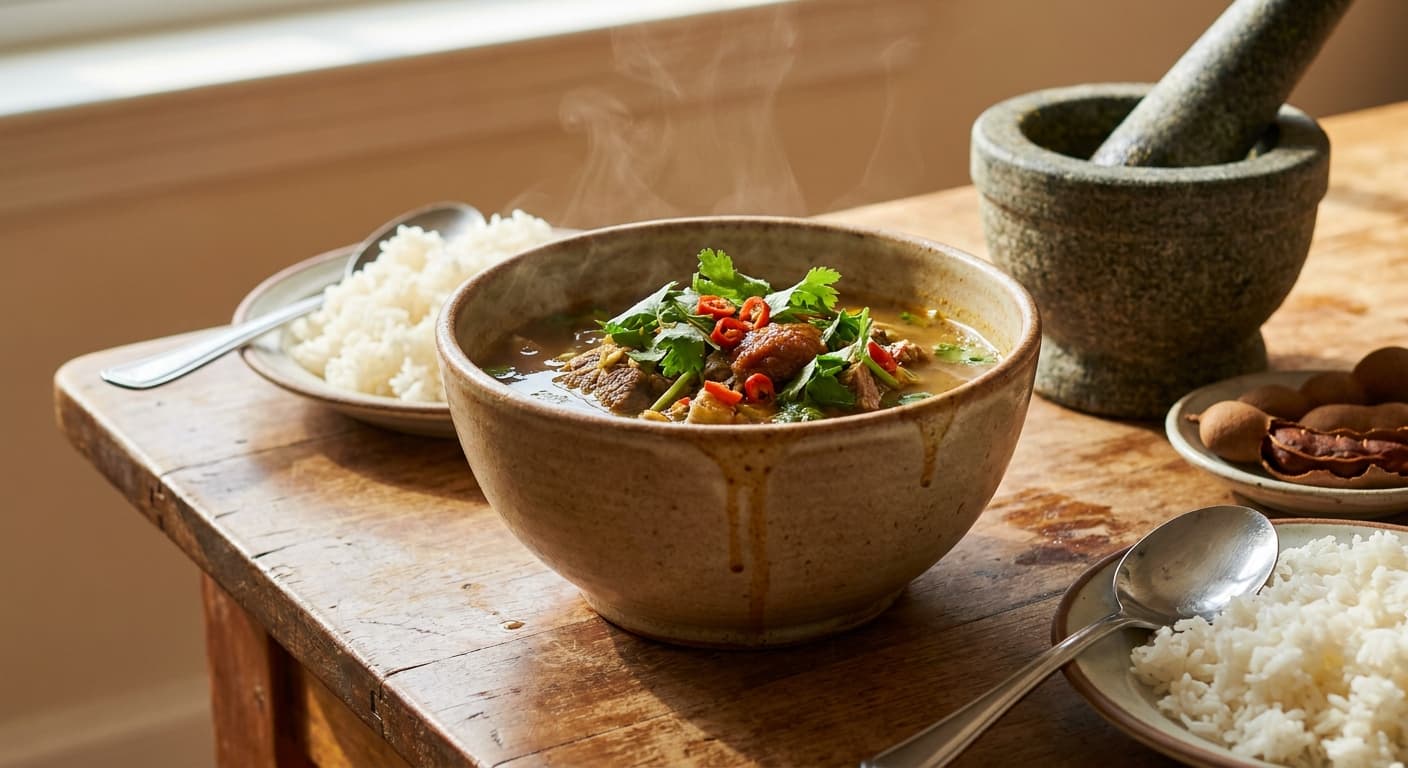
Samlor Machu Kroeung (សម្លម្ជូរគ្រឿង) — Cambodian Sour Kroeung Beef Soup
Cambodian · Soups · 130 min
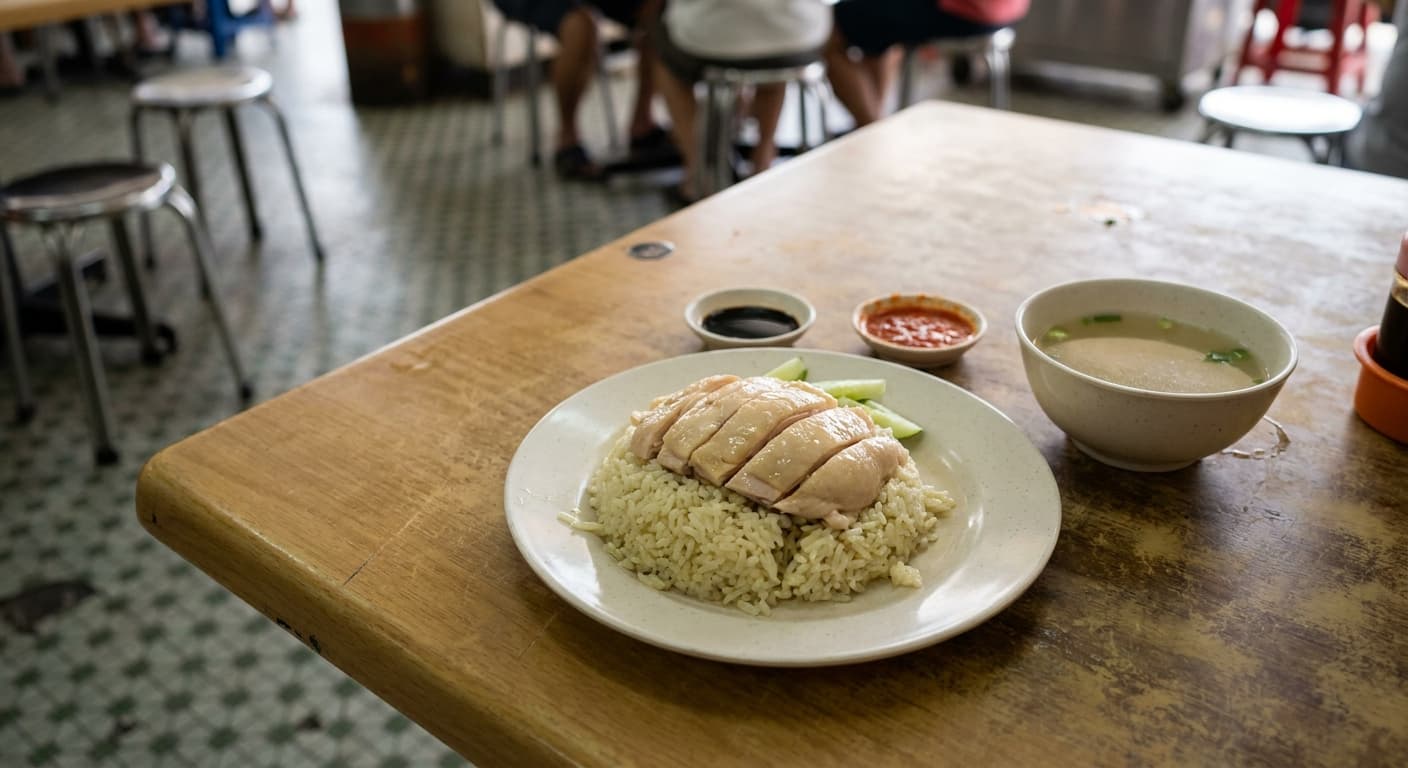
Hainanese Chicken Rice (Nasi Ayam Hainan) — Malaysian Kopitiam Classic
Malaysian · Main Courses · 110 min
Shelpek (Шелпек) — Kazakh Fried Flatbread
Kazakh · Breads · 63 min
Reviews
Cooked this recipe?
Tap the stars to rate it — that's all it takes. A few words are welcome but optional.
No ratings yet. Cooked this one? Be the first to rate it — it takes one tap.