Sambal Udang (Sambal Udang) — Malaysian Chili Prawns
Sambal Udang is a Malaysian prawn dish cooked in a glossy sambal tumis of dried chiles, shallots, tamarind, and belacan. It is loved with nasi lemak, plain rice, or as part of a family meal.
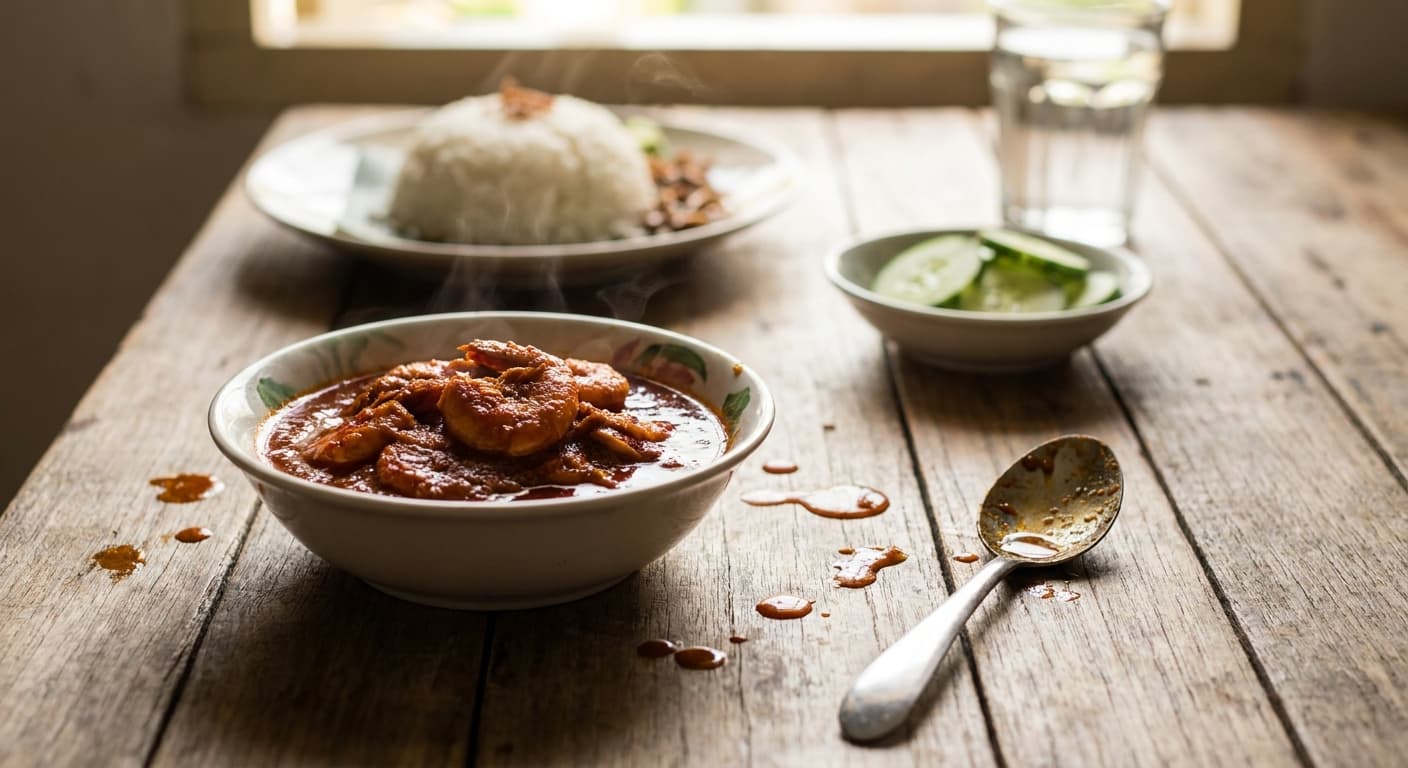
Printable Recipe Card
Servings: 4 · Total: 47 min · Difficulty: medium
Ingredients (quick list)
- 600 g large raw prawns (peeled and deveined, tails left on)
- 3 g fine sea salt
- 0.5 tsp ground turmeric
- 14 dried red chiles (stems removed and seeds shaken out for medium heat)
- 250 ml hot water (for soaking chiles)
- 120 g red shallots (peeled and roughly chopped)
- 4 clove garlic
- 3 fresh red chiles (roughly chopped)
- 12 g belacan (toasted until aromatic)
- 60 ml neutral cooking oil
- 1 large yellow onion (thinly sliced)
- 2 tbsp tamarind paste
+ 3 more in the full ingredients section below.
Steps (summary)
- Pat the prawns very dry with kitchen paper, then toss them with 3 g fine sea salt and 0.5 tsp ground turmeric. Refrigerate them…
- Place the dried red chiles in a heatproof bowl and cover them with 250 ml hot water for 15 minutes. Drain them well, then blend…
- Heat the oil in a wok or wide frying pan over medium heat until it shimmers. Add the sliced onion and cook for 3 minutes, stirr…
- Add the blended rempah to the wok and lower the heat to medium-low. Cook for 10 to 12 minutes, stirring frequently, until the s…
- Stir the tamarind paste with 120 ml water, then add it to the sambal with the palm sugar and 2 g fine sea salt. Simmer for 3 mi…
- Increase the heat to medium and add the marinated prawns in a single layer as much as possible. Cook for 3 to 4 minutes, turnin…
+ 1 more steps in the full instructions section below.
Cultural Background
Sambal Udang reflects Malaysia’s love of sambal tumis, where chile rempah is fried until fragrant before seafood is added. Writers such as Ping Coombes present this style as central to Malaysian family cooking.
Equipment
💡 Tips
- Toast belacan in a dry pan or wrapped in foil over low heat until fragrant; this removes harshness and gives the sambal its authentic Malaysian depth.
- Cook the rempah patiently until the oil separates, because undercooked sambal tastes raw and flat.
- Use shell-on prawns if you prefer deeper seafood flavor, but increase the cooking time by only 1 minute to avoid toughness.
⚠️ Common Mistakes
❌ Adding prawns before the sambal is fully cooked.
✅ Fix: Fry the rempah until the oil separates and the paste darkens before adding seafood.
❌ Boiling the prawns in a watery sauce.
✅ Fix: Simmer the tamarind liquid down until glossy, then cook the prawns briefly in the concentrated sambal.
❌ Using untoasted belacan directly from the block.
✅ Fix: Toast it first to mellow the smell and deepen its roasted shrimp flavor.
🧊 How to Store
Refrigerate leftovers in an airtight container for up to 2 days. Reheat gently in a covered pan over low heat with 1 tbsp water for 3 to 4 minutes; avoid boiling, which makes prawns rubbery.
📅 Make Ahead
Blend the rempah up to 2 days ahead and refrigerate it in a sealed container. You can also fry the sambal base 1 day ahead, then reheat it and add prawns just before serving.
🍽️ Pairs Well With
- Nasi lemak
- steamed jasmine rice
- cucumber slices
- fried ikan bilis
- hard-boiled eggs
- acar.
Regional Variations
- Nyonya versions may add bruised lemongrass or kaffir lime leaves for a brighter perfume.
- Some Malay home cooks leave the prawn shells on for a richer seafood taste and messier, more festive eating.
- A richer version uses petai beans, making Sambal Udang Petai with a distinct bitter-green aroma.
Ingredients
- 600 glarge raw prawns (peeled and deveined, tails left on)
- 3 gfine sea salt
- 0.5 tspground turmeric
- 14dried red chiles (stems removed and seeds shaken out for medium heat)
- 250 mlhot water (for soaking chiles)
- 120 gred shallots (peeled and roughly chopped)
- 4 clovegarlic
- 3fresh red chiles (roughly chopped)
- 12 gbelacan (toasted until aromatic)
- 60 mlneutral cooking oil
- 1large yellow onion (thinly sliced)
- 2 tbsptamarind paste
- 120 mlwater
- 18 gpalm sugar (or Malaysian gula melaka if available)
- 1lime (cut into wedges)
🔄 Substitutions
- belacan→ Thai shrimp paste
- palm sugar→ light brown sugar
- dried red chiles→ 35 g dried chile paste
Instructions
- 1
Pat the prawns very dry with kitchen paper, then toss them with 3 g fine sea salt and 0.5 tsp ground turmeric. Refrigerate them while you make the sambal paste, but do not marinate for longer than 30 minutes because the salt will firm the prawns too much.
- 2
Place the dried red chiles in a heatproof bowl and cover them with 250 ml hot water for 15 minutes. Drain them well, then blend the softened chiles with shallots, garlic, fresh red chiles, toasted belacan, and 60 ml of fresh water until you have a fairly smooth rempah paste.
- 3
Heat the oil in a wok or wide frying pan over medium heat until it shimmers. Add the sliced onion and cook for 3 minutes, stirring often, until the onion softens and begins to sweeten without browning hard.
- 4
Add the blended rempah to the wok and lower the heat to medium-low. Cook for 10 to 12 minutes, stirring frequently, until the sambal darkens, the raw chile smell disappears, and the oil begins to separate at the edges.
- 5
Stir the tamarind paste with 120 ml water, then add it to the sambal with the palm sugar and 2 g fine sea salt. Simmer for 3 minutes so the sambal becomes glossy and balanced between hot, salty, sweet, and tangy.
- 6
Increase the heat to medium and add the marinated prawns in a single layer as much as possible. Cook for 3 to 4 minutes, turning once, until the prawns curl, turn opaque, and are coated in the thick sambal.
- 7
Turn off the heat as soon as the prawns are just cooked, because residual heat will finish them. Rest for 2 minutes, then serve with lime wedges and spoon any remaining sambal over the prawns.
🪪 Recipe Passport
Cultural Background
Sambal Udang reflects Malaysia’s love of sambal tumis, where chile rempah is fried until fragrant before seafood is added. Writers such as Ping Coombes present this style as central to Malaysian family cooking.
Regional Variations
Researched from multiple sources and validated by the Zaffaron editorial team. Every recipe is tested for accuracy, measurements, and cultural authenticity.
📚 Sources & Cultural References
- Ping Coombes — Malaysia: Recipes from a Family Kitchen — (2017)
- Christina Arokiasamy — The Spice Merchant's Daughter — (2008)
Sources cited by the Zaffaron editorial team during recipe research. Cultural and culinary references supporting authenticity claims.
Nutrition per serving
Pairs well with
If you enjoyed this recipe, here are a few related Zaffaron recipes to try next.
Does your family make this differently?
Every family has their own version. Maybe your grandmother adds a secret ingredient, or your aunt has a completely different technique. Preserve your family's version — with their name on it, forever.
You Might Also Like
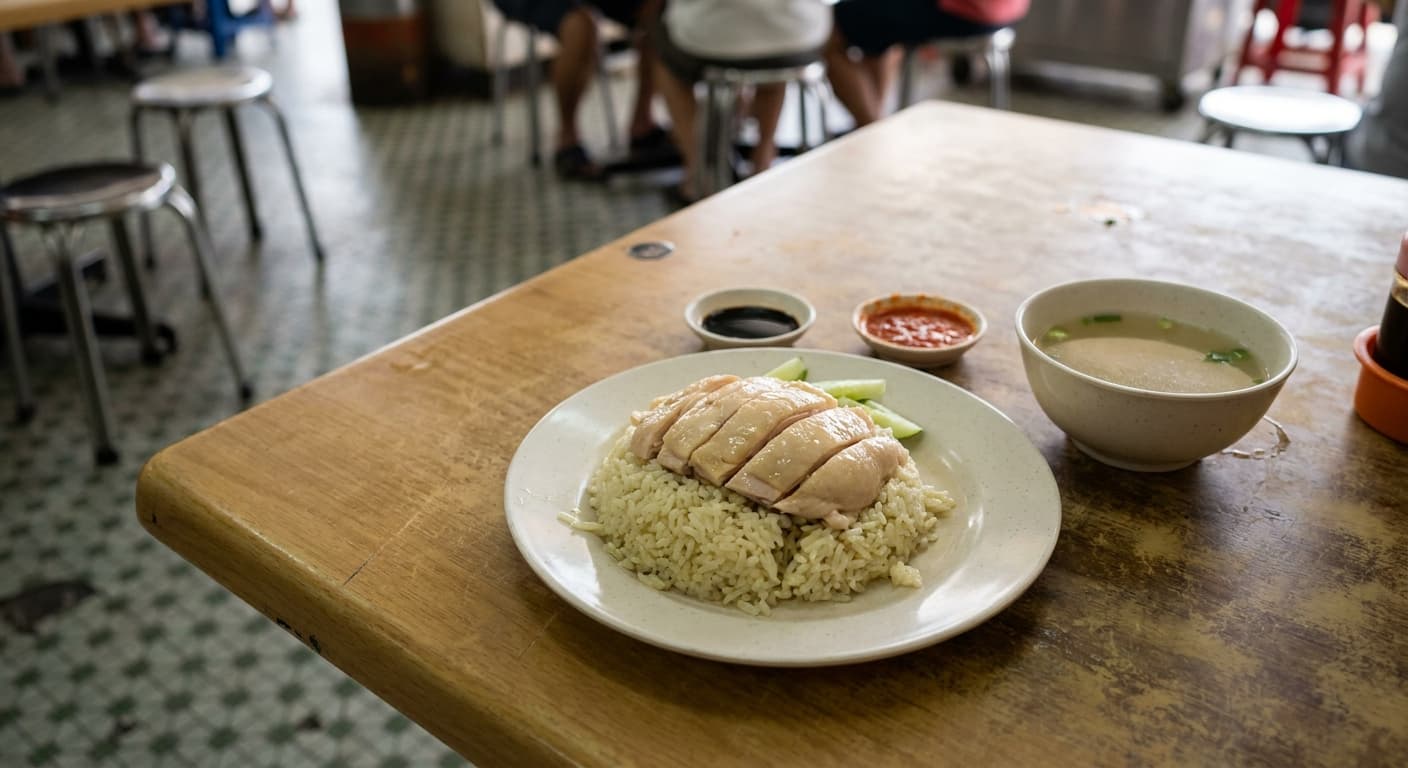
Hainanese Chicken Rice (Nasi Ayam Hainan) — Malaysian Kopitiam Classic
Malaysian · Main Courses · 110 min
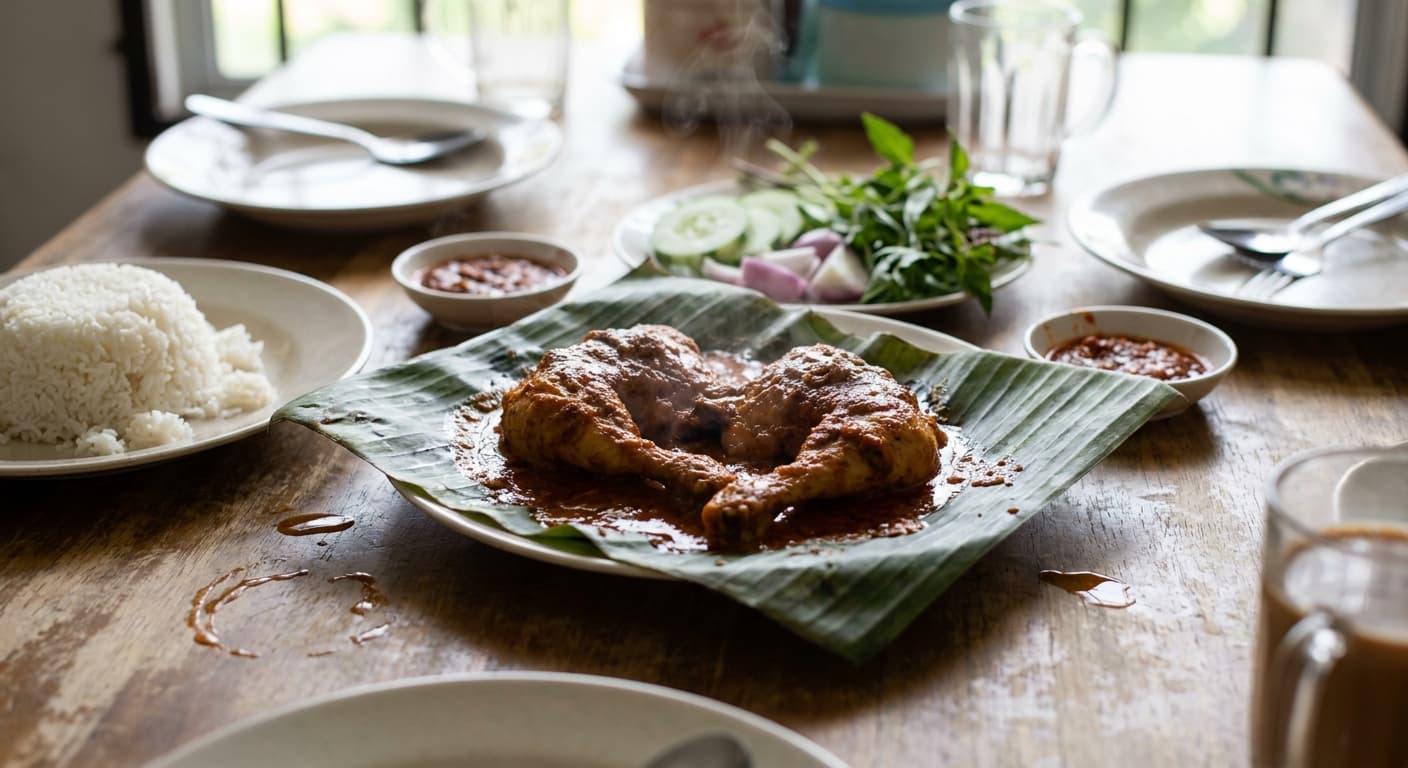
Ayam Percik (Ayam Percik) — Malaysian Coconut-Glazed Grilled Chicken
Malaysian · Main Courses · 80 min
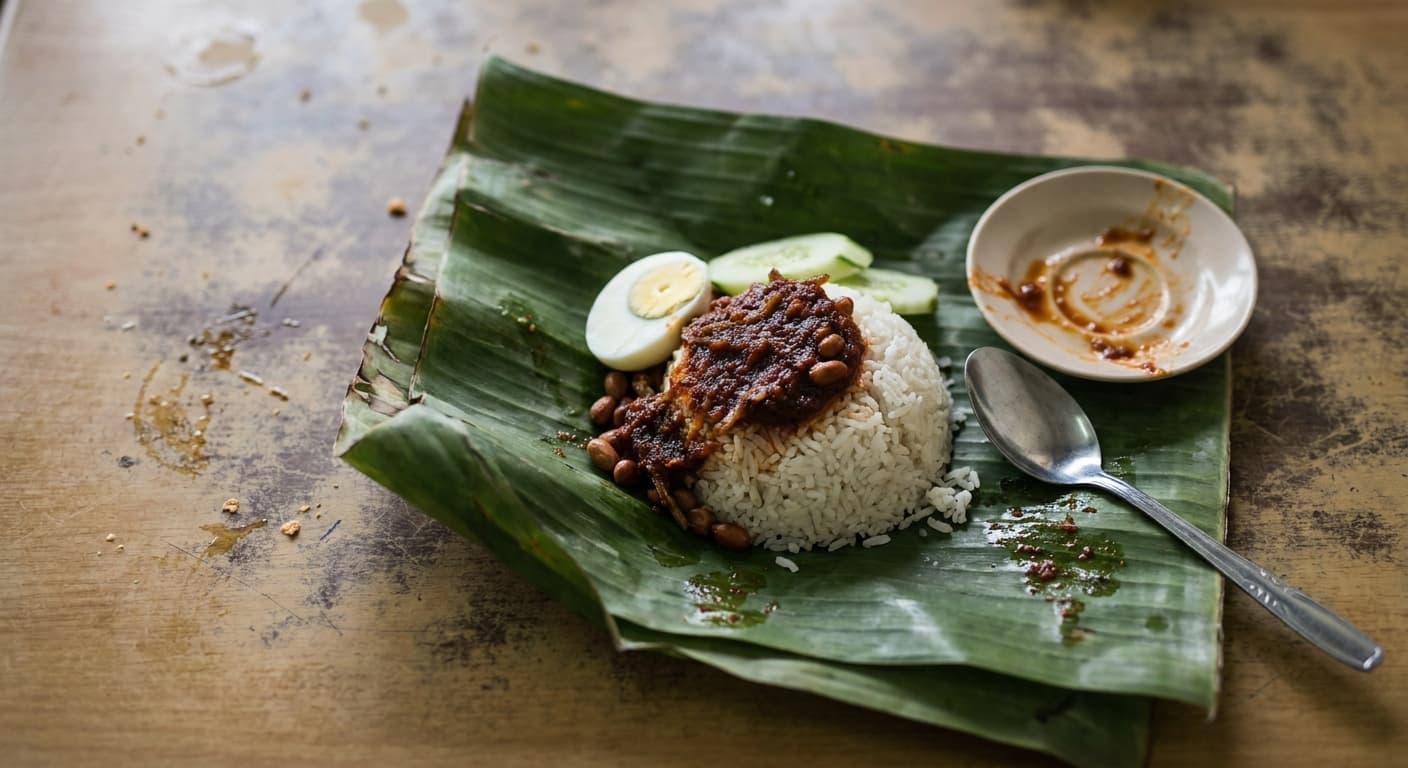
Malaysian Coconut Rice (Nasi Lemak) — Banana-Leaf Breakfast with Sambal Ikan Bilis
Malaysian · Rice Dishes · 95 min
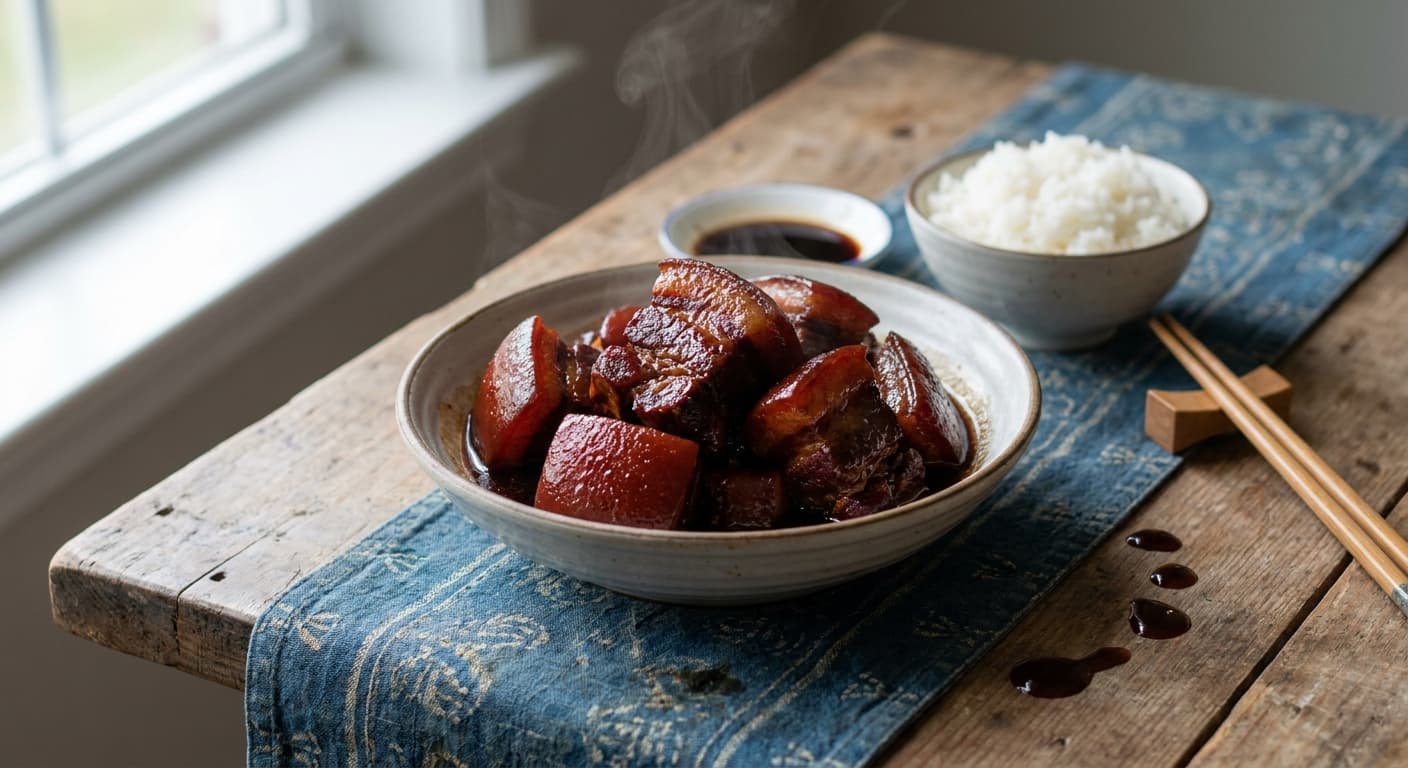
Dongpo Pork (东坡肉) — Hangzhou Red-Braised Pork Belly
Chinese · Main Courses · 205 min
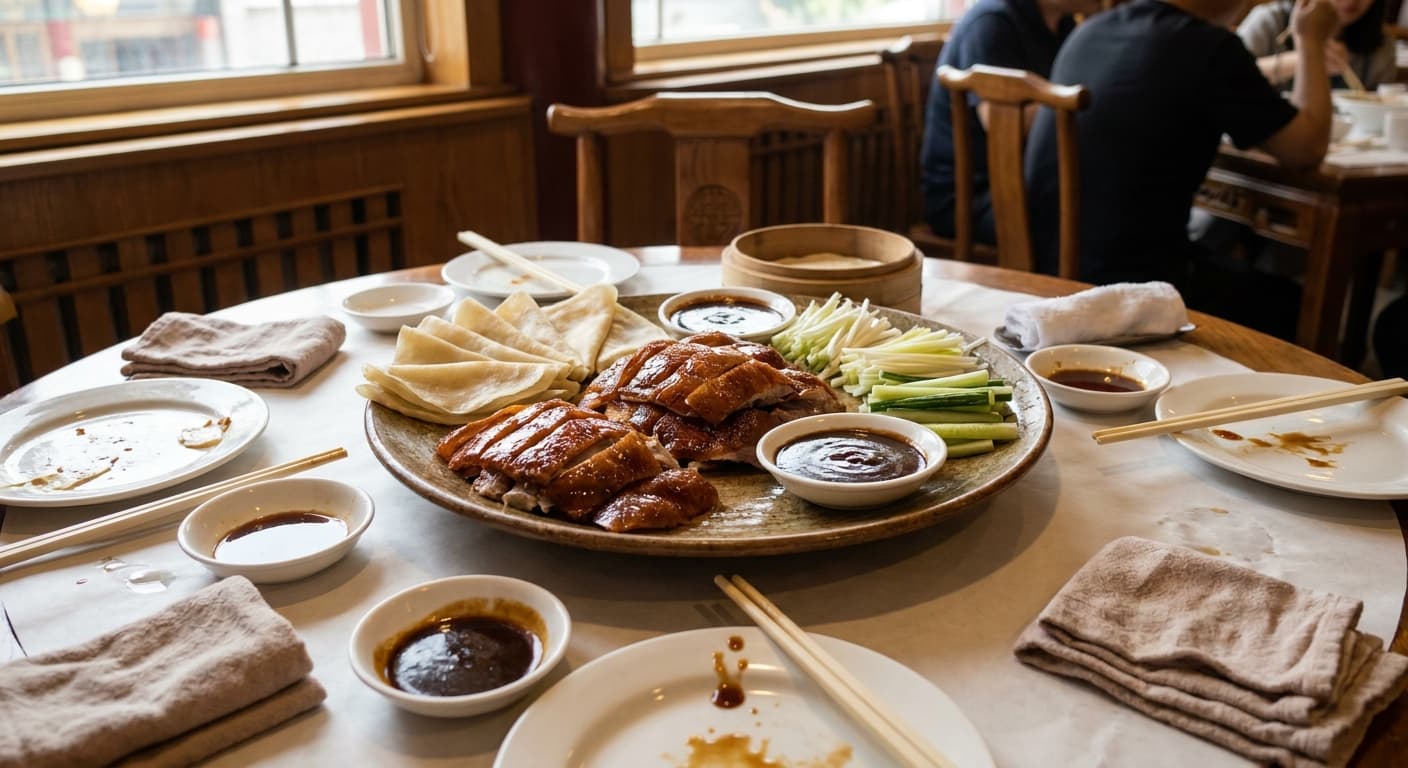
Peking Duck (北京烤鸭) — Crisp-Skinned Beijing Roast Duck
Chinese · Main Courses · 180 min
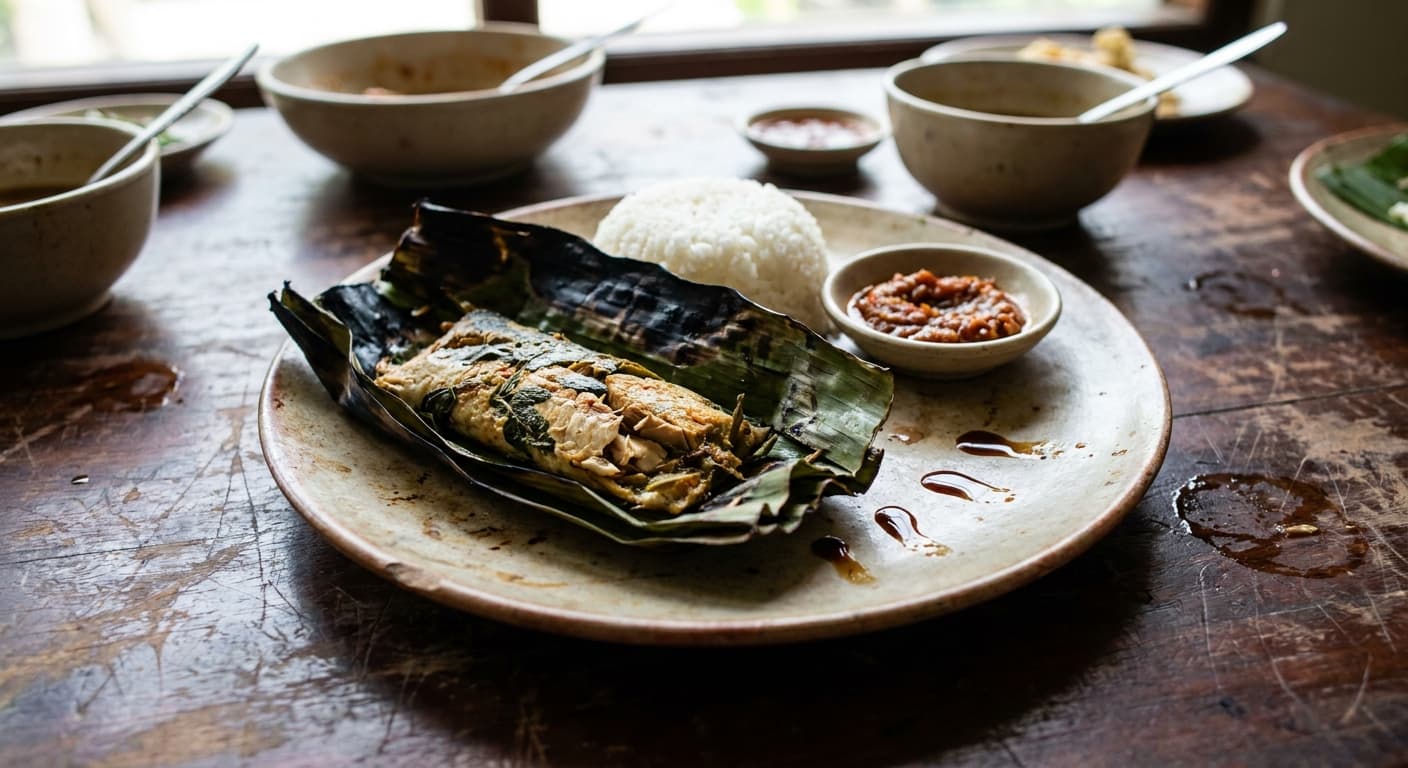
Pepes Ikan (Pepes Ikan) — Indonesian Banana-Leaf Steamed Fish
Indonesian · Main Courses · 65 min
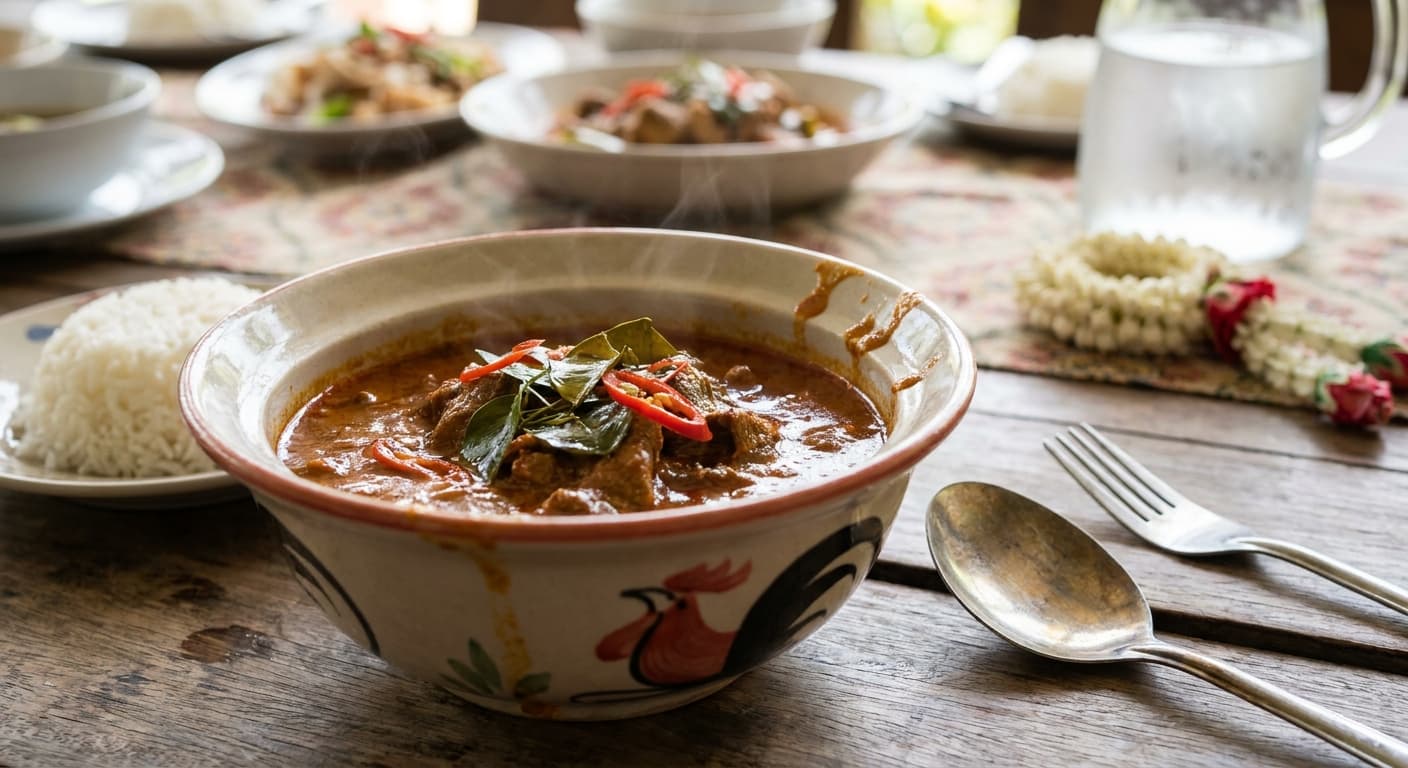
Panang Curry (แกงแพนง) — Rich Thai Coconut Beef Curry
Thai · Main Courses · 75 min
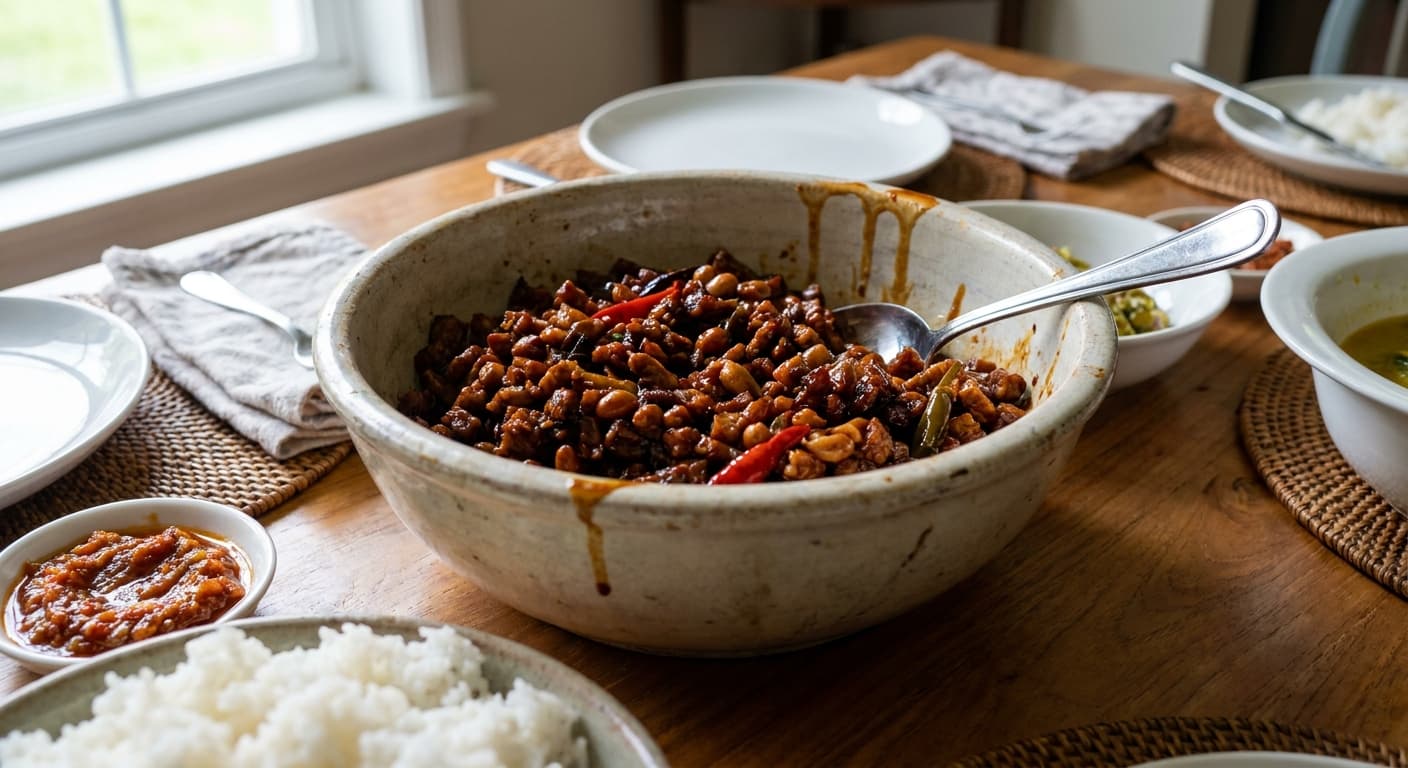
Sweet-Spiced Tempeh Stir-Fry (Tempe Orek) — Crisp Indonesian Soy-Glazed Tempeh
Indonesian · Side Dishes · 45 min
Reviews
Cooked this recipe?
Tap the stars to rate it — that's all it takes. A few words are welcome but optional.
No ratings yet. Cooked this one? Be the first to rate it — it takes one tap.