Chazuke (茶漬け) — Japanese Tea-Poured Rice with Grilled Salmon
Chazuke is a comforting Japanese bowl of cooked rice covered with hot green tea and simple savory toppings. This salmon version is a classic home preparation, often eaten as a light meal, breakfast, or gentle late-night dish.
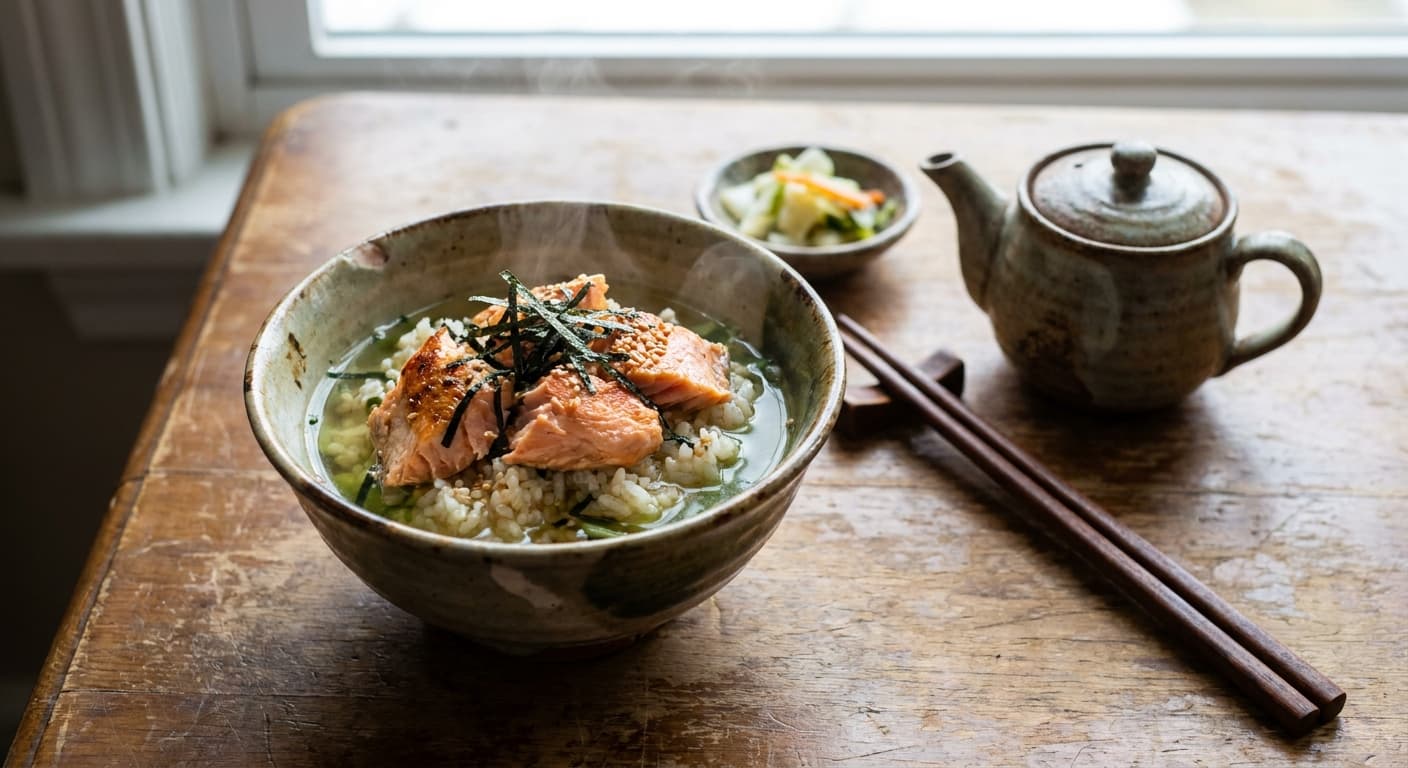
Printable Recipe Card
Servings: 2 · Total: 35 min · Difficulty: easy
Ingredients (quick list)
- 360 g Japanese short-grain rice, cooked
- 160 g skin-on salmon fillet
- 0.5 tsp fine sea salt
- 6 g sencha green tea leaves
- 480 ml filtered water (heated to 80°C for brewing)
- 1 sheet toasted nori (cut into thin strips)
- 2 tsp toasted white sesame seeds
- 20 g arare rice crackers
- 4 sprig mitsuba (roughly chopped)
- 1 tsp wasabi paste
- 2 tsp soy sauce
Steps (summary)
- Pat the salmon dry and sprinkle the fine sea salt evenly over both sides. Let it stand on a plate for 15 minutes so the salt li…
- Blot the salmon again with a paper towel, then cook it skin-side down in a dry skillet over medium heat for 4 minutes. Turn it…
- Remove the salmon from the pan and let it rest for 2 minutes. Discard the skin if preferred, then break the flesh into large fl…
- Brew the sencha by pouring 480 ml of 80°C water over the tea leaves and steeping for 60 seconds. Strain immediately so the tea…
- Divide the hot cooked rice between 2 deep bowls, using 180 g rice per serving. If the rice is cold, reheat it first until steam…
- Top each bowl with flaked salmon, nori strips, sesame seeds, arare, and chopped mitsuba. Add 0.5 tsp wasabi paste to each bowl…
+ 1 more steps in the full instructions section below.
Cultural Background
Chazuke reflects the Japanese home-cooking value of turning plain rice and modest leftovers into a complete, soothing meal. It is associated with simplicity, thrift, and the quiet satisfaction of ending a day with something warm.
Equipment
💡 Tips
- Use freshly cooked Japanese short-grain rice for the best body; long-grain rice will not give the same soft, cohesive texture.
- Do not over-steep the sencha, because bitter tea can dominate the delicate salmon and rice.
- Keep the toppings dry until the moment of serving so the nori stays fragrant and the arare keeps its crunch.
⚠️ Common Mistakes
❌ Using boiling water for sencha
✅ Fix: Cool the water to about 80°C before brewing so the tea tastes rounded rather than harsh.
❌ Pouring tea directly over nori and arare too early
✅ Fix: Add the hot tea at the table and eat immediately to preserve aroma and crunch.
❌ Underseasoning the salmon
✅ Fix: Salt the fish for the full 15 minutes, then blot it dry before cooking for a clean savory flavor.
🧊 How to Store
Store cooked rice, salmon, and toppings separately in airtight containers for up to 2 days in the refrigerator. Reheat rice and salmon until steaming, brew fresh tea, and add nori and arare only at serving.
📅 Make Ahead
Cook the rice and grill the salmon up to 1 day ahead, then refrigerate them separately. Prepare nori, sesame, arare, and herbs just before serving, and always brew the tea fresh.
🍽️ Pairs Well With
- Japanese pickles
- tamagoyaki
- miso soup
- cucumber sunomono.
Regional Variations
- In Kyoto-style preparations, lighter tea or a delicate broth may be used with pickles and seaweed.
- Genmaicha chazuke is popular for its roasted aroma and deeper nuttiness.
- Ume chazuke replaces salmon with pickled plum for a sharper, saltier bowl.
Ingredients
- 360 gJapanese short-grain rice, cooked
- 160 gskin-on salmon fillet
- 0.5 tspfine sea salt
- 6 gsencha green tea leaves
- 480 mlfiltered water (heated to 80°C for brewing)
- 1 sheettoasted nori (cut into thin strips)
- 2 tsptoasted white sesame seeds
- 20 garare rice crackers
- 4 sprigmitsuba (roughly chopped)
- 1 tspwasabi paste
- 2 tspsoy sauce
🔄 Substitutions
- sencha green tea leaves→ genmaicha tea leaves
- skin-on salmon fillet→ salted salmon flakes
- soy sauce→ gluten-free tamari
Instructions
- 1
Pat the salmon dry and sprinkle the fine sea salt evenly over both sides. Let it stand on a plate for 15 minutes so the salt lightly cures the surface and draws out excess moisture.
- 2
Blot the salmon again with a paper towel, then cook it skin-side down in a dry skillet over medium heat for 4 minutes. Turn it over and cook for 3 to 4 minutes more, until the fish flakes easily and the skin is crisp.
- 3
Remove the salmon from the pan and let it rest for 2 minutes. Discard the skin if preferred, then break the flesh into large flakes with chopsticks or a fork, keeping the pieces rustic rather than finely shredded.
- 4
Brew the sencha by pouring 480 ml of 80°C water over the tea leaves and steeping for 60 seconds. Strain immediately so the tea stays clear, fragrant, and pleasantly grassy rather than bitter.
- 5
Divide the hot cooked rice between 2 deep bowls, using 180 g rice per serving. If the rice is cold, reheat it first until steaming because chazuke depends on the contrast of hot rice and hot tea.
- 6
Top each bowl with flaked salmon, nori strips, sesame seeds, arare, and chopped mitsuba. Add 0.5 tsp wasabi paste to each bowl or place it at the rim so each diner can dissolve it gradually.
- 7
Pour about 240 ml hot sencha around the edge of each bowl, not directly onto the toppings, so the salmon and nori remain visible. Finish each serving with 1 tsp soy sauce and eat immediately while the rice is still hot and the arare is crisp.
🪪 Recipe Passport
Cultural Background
Chazuke reflects the Japanese home-cooking value of turning plain rice and modest leftovers into a complete, soothing meal. It is associated with simplicity, thrift, and the quiet satisfaction of ending a day with something warm.
Regional Variations
Researched from multiple sources and validated by the Zaffaron editorial team. Every recipe is tested for accuracy, measurements, and cultural authenticity.
📚 Sources & Cultural References
- Shizuo Tsuji — Japanese Cooking: A Simple Art — (1980)
- Elizabeth Andoh — Washoku: Recipes from the Japanese Home Kitchen — (2005)
Sources cited by the Zaffaron editorial team during recipe research. Cultural and culinary references supporting authenticity claims.
Nutrition per serving
Pairs well with
If you enjoyed this recipe, here are a few related Zaffaron recipes to try next.
Does your family make this differently?
Every family has their own version. Maybe your grandmother adds a secret ingredient, or your aunt has a completely different technique. Preserve your family's version — with their name on it, forever.
You Might Also Like
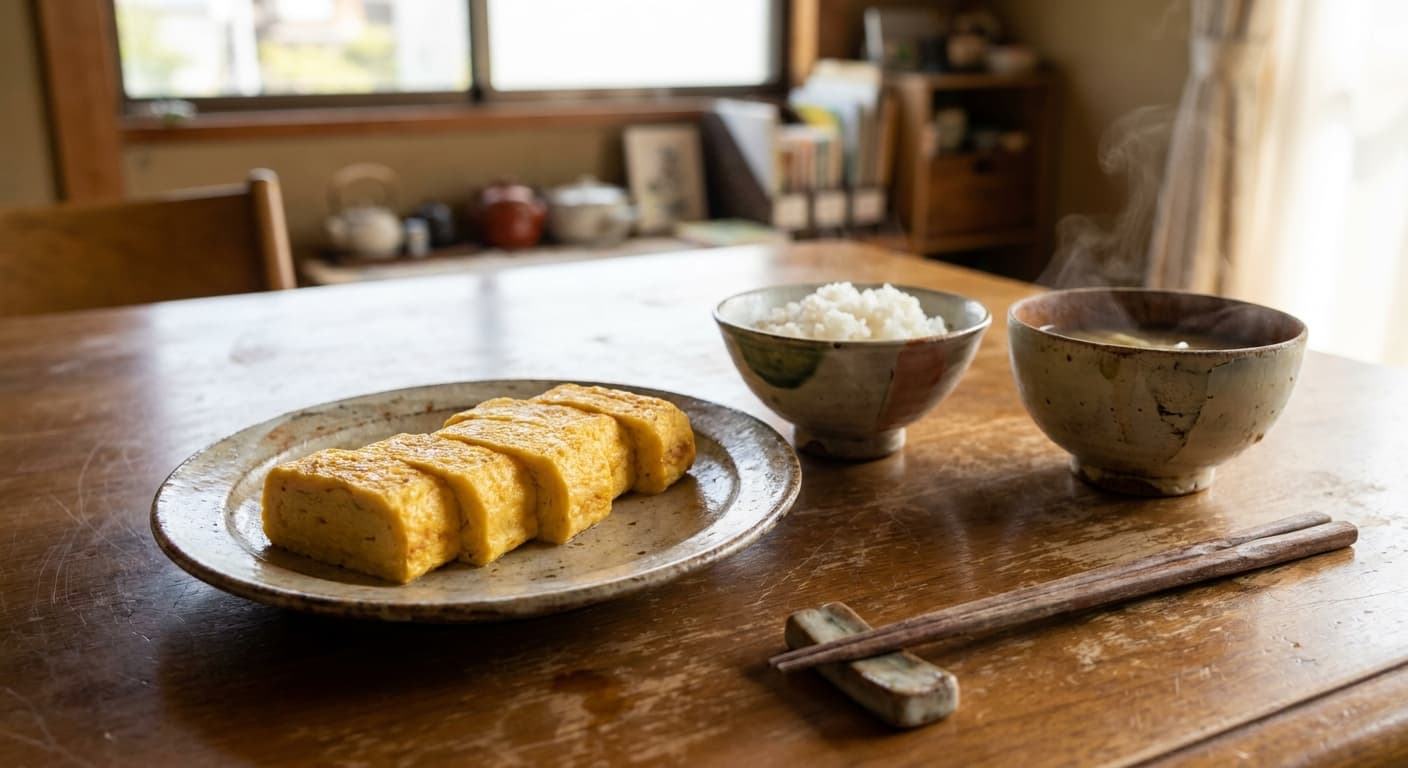
Tamagoyaki (卵焼き) — Japanese Rolled Omelette
Japanese · Side Dishes · 22 min
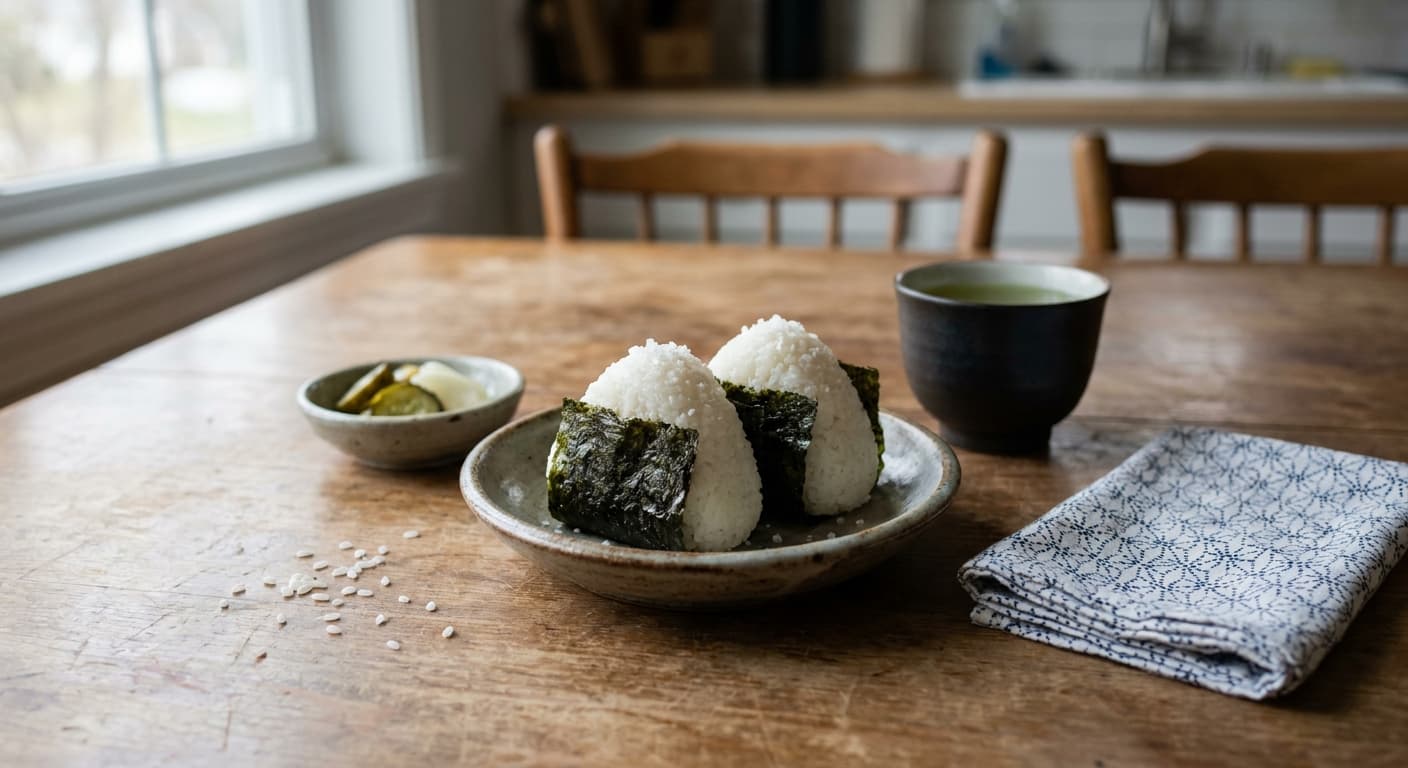
Salted Rice Balls (塩おにぎり) — Simple Japanese Hand-Pressed Rice
Japanese · Rice Dishes · 65 min
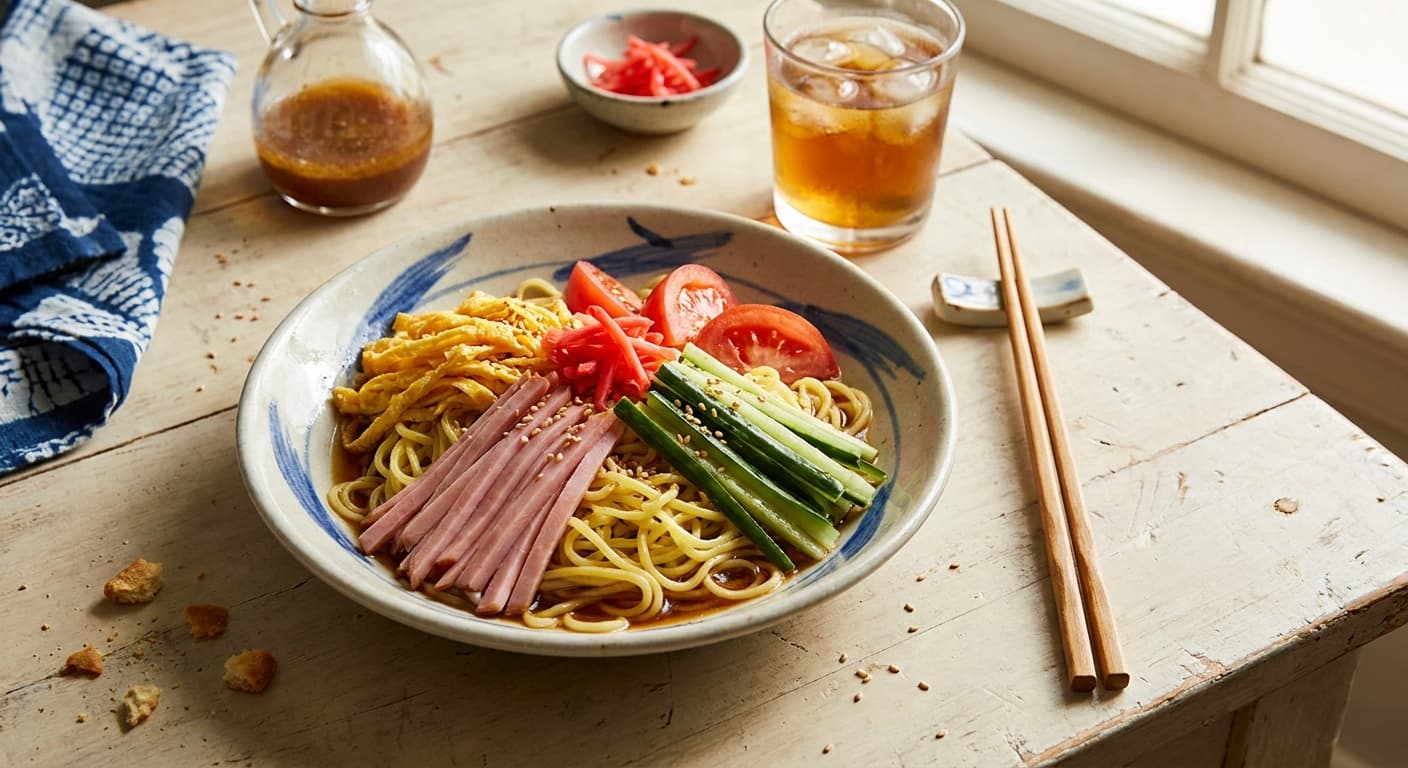
Hiyashi Chuka (冷やし中華) — Chilled Ramen Salad with Soy-Vinegar Dressing
Japanese · Main Courses · 40 min
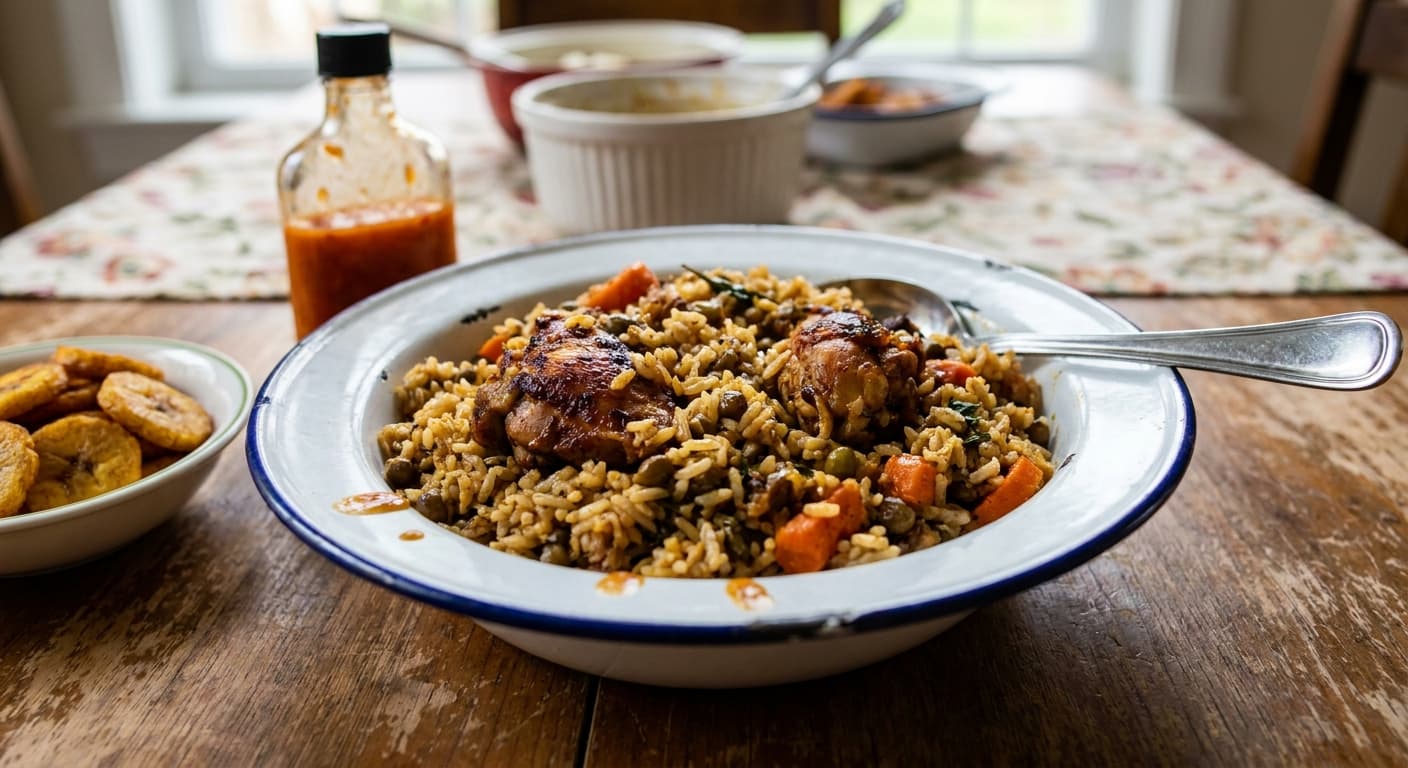
Trinidadian Pelau (Pelau) — Caramel-Browned Chicken, Rice, and Pigeon Peas
Trinidadian · Rice Dishes · 85 min
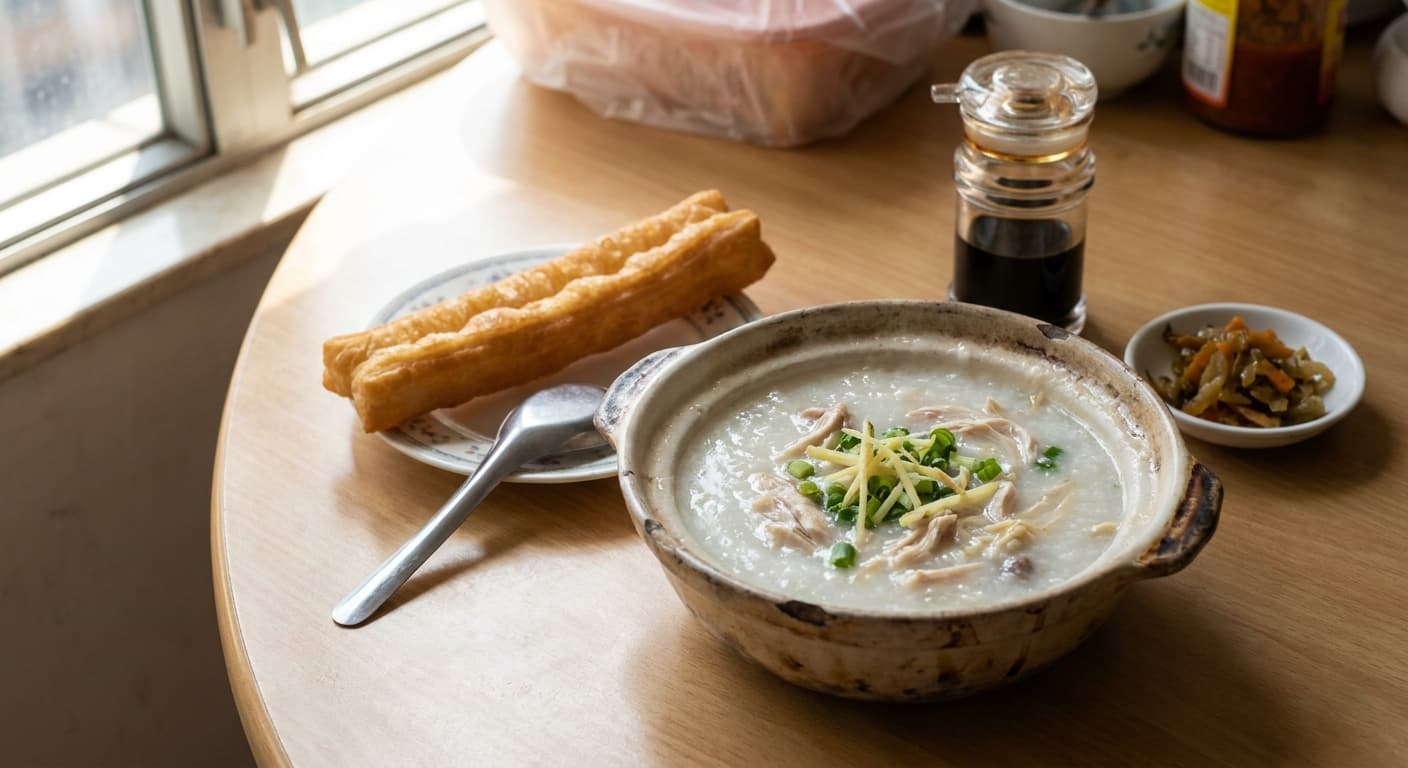
Cantonese Chicken Congee (粵式雞粥) — Silky Rice Porridge with Ginger
Chinese · Rice Dishes · 95 min
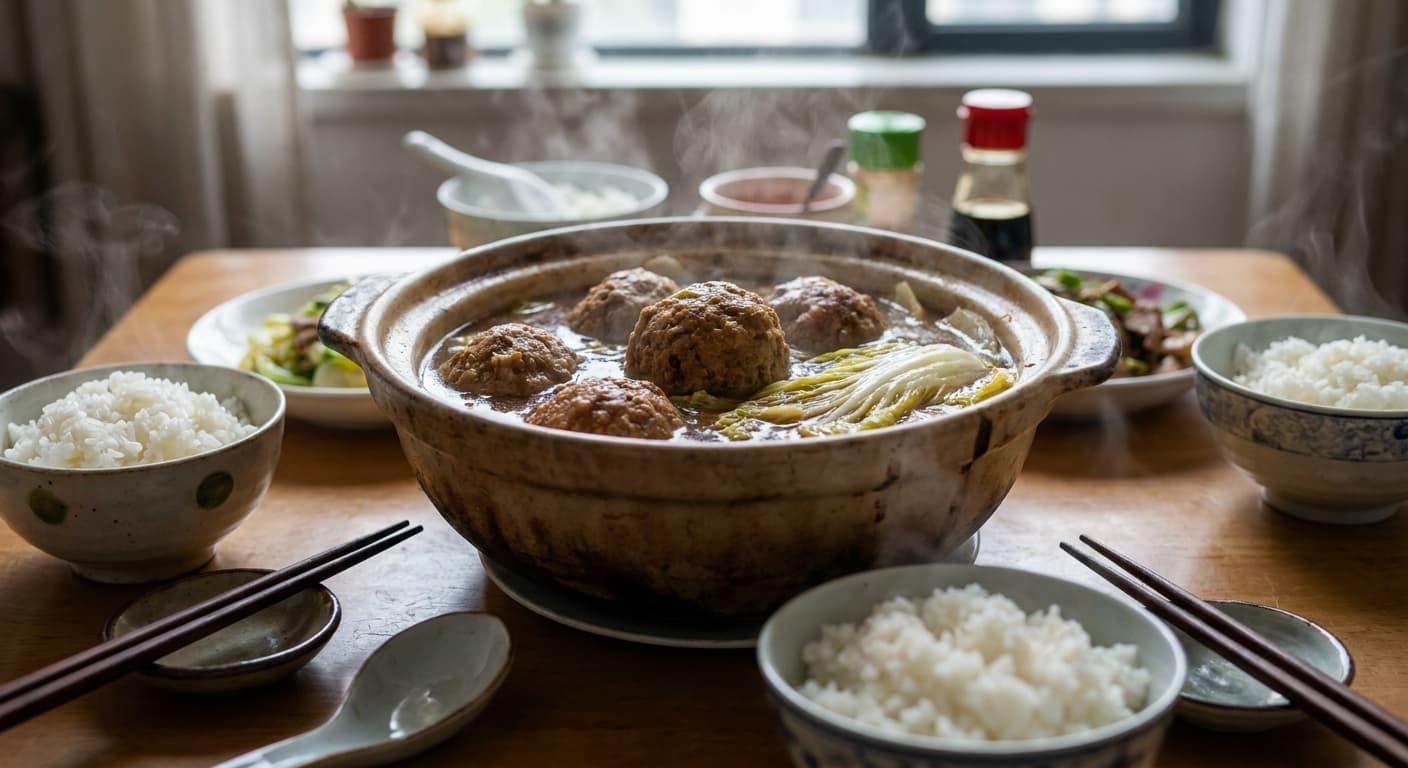
Lion's Head Meatballs (狮子头) — Braised Huaiyang Pork Meatballs
Chinese · Main Courses · 110 min
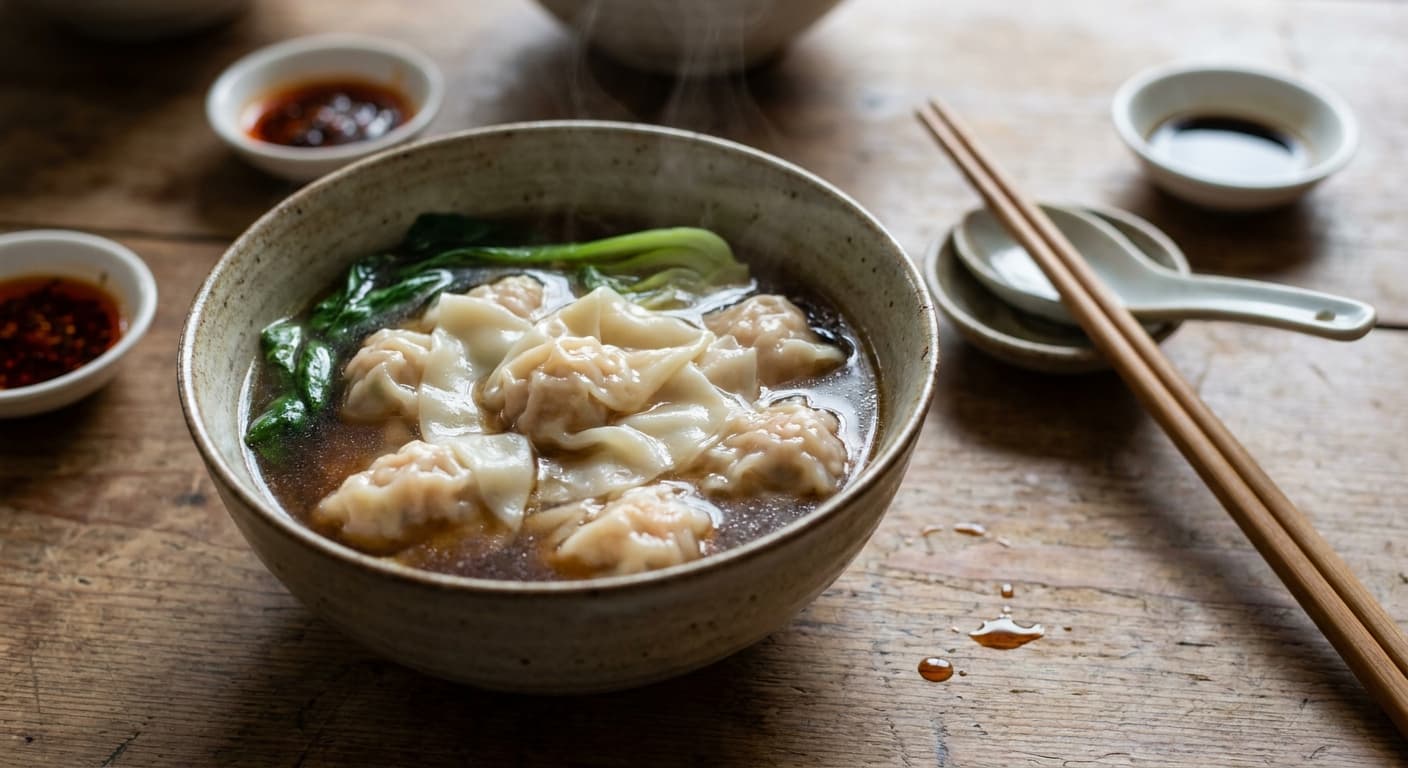
Wonton Soup (雲吞湯) — Cantonese Pork and Shrimp Dumpling Broth
Chinese · Soups · 70 min
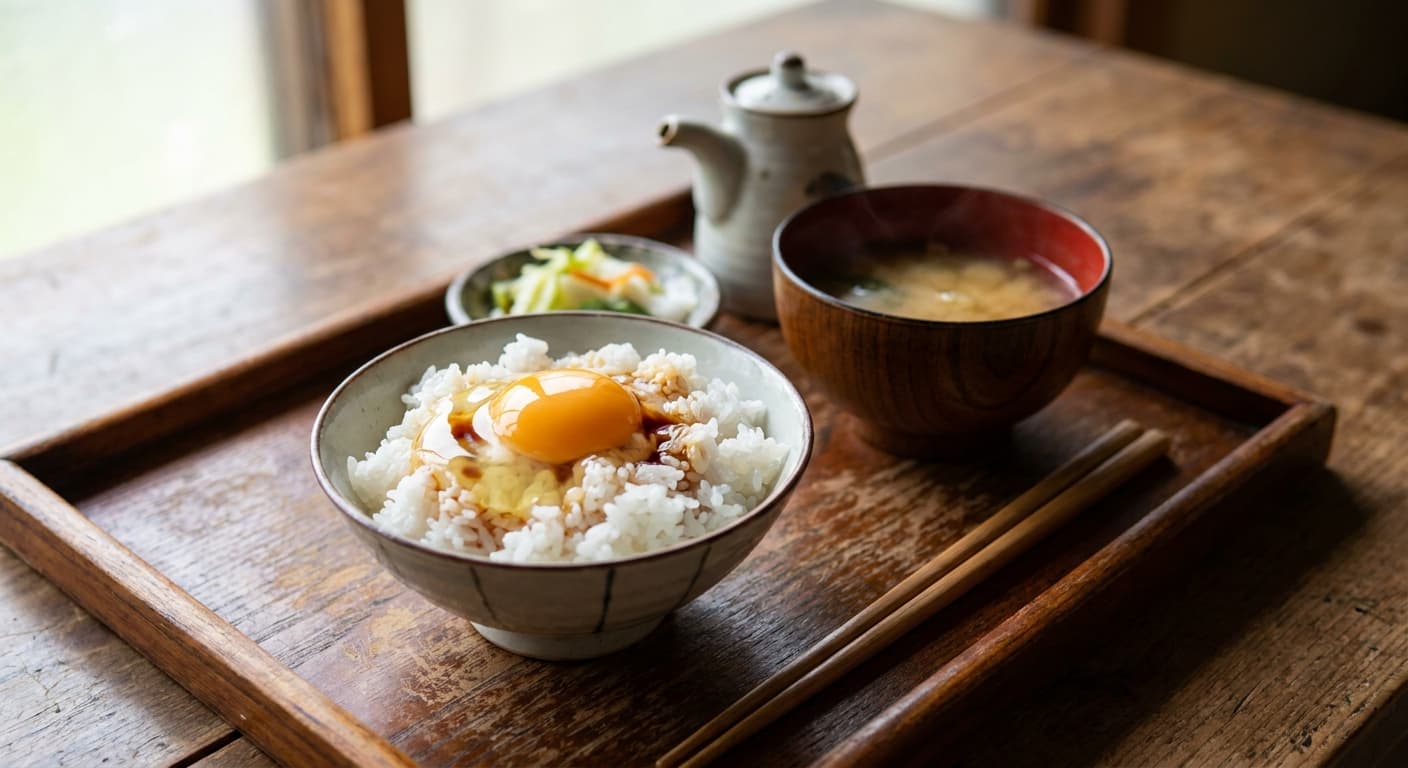
Tamago Kake Gohan (卵かけご飯) — Japanese Raw Egg Rice Breakfast
Japanese · Rice Dishes · 40 min
Reviews
Cooked this recipe?
Tap the stars to rate it — that's all it takes. A few words are welcome but optional.
No ratings yet. Cooked this one? Be the first to rate it — it takes one tap.