Or Lam (ເອາະຫຼາມ) — Luang Prabang Herb Stew
Or lam is a thick, herb-heavy stew from Luang Prabang, prized for sa khan vine, yanang, padaek, and tender meat. It is earthy, gently spicy, and traditionally eaten with khao niaw.
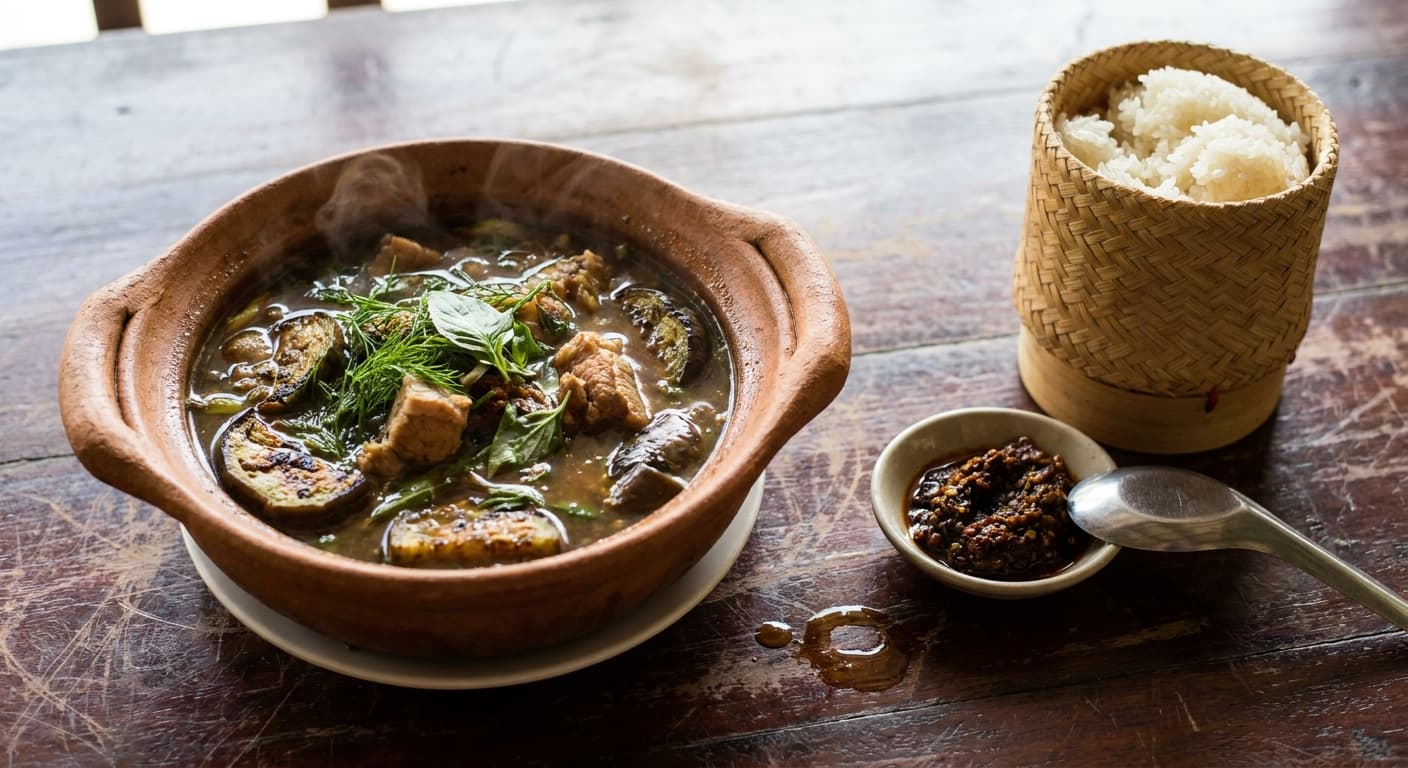
Printable Recipe Card
Servings: 6 · Total: 155 min · Difficulty: medium
Ingredients (quick list)
- 700 g beef chuck (cut into 4 cm chunks)
- 250 g cooked beef tendon (cut into 2 cm pieces)
- 1.2 l water
- 1 can yanang leaf extract (400 ml can)
- 45 ml padaek fermented fish sauce (strained if very coarse)
- 15 ml fish sauce
- 8 g fine sea salt
- 90 g raw sticky rice (toasted and ground into khao khua-style powder)
- 3 stalk lemongrass (tender lower 12 cm only, finely sliced)
- 6 clove garlic
- 4 shallots (peeled and halved)
- 30 g fresh galangal (thinly sliced)
+ 11 more in the full ingredients section below.
Steps (summary)
- Toast the raw sticky rice in a dry skillet over medium heat for 8 to 10 minutes, stirring constantly, until the grains are deep…
- Put the beef chuck, water, and 4 g of the salt in a heavy pot and bring to a gentle boil over medium-high heat. Skim the foam c…
- While the beef cooks, make the aromatic base for the or lam. Pound the lemongrass, garlic, shallots, galangal, chiles, sa khan,…
- Stir the pounded aromatic mixture, yanang leaf extract, padaek, and fish sauce into the simmering beef. Add the cooked beef ten…
- Add the Thai eggplants, pea eggplants, yardlong beans, oyster mushrooms, wood ear mushrooms, and kaffir lime leaves. Simmer unc…
- Sprinkle in the ground toasted sticky rice gradually while stirring, then simmer for 8 minutes to thicken the stew. The finishe…
+ 1 more steps in the full instructions section below.
Cultural Background
Or lam is closely tied to Luang Prabang and its courtly cooking, where forest aromatics, river fish ferments, herbs, and game or beef met in one pot. Phia Sing's Traditional Recipes of Laos preserves this royal-household context.
Equipment
💡 Tips
- Use sa khan if you can find it; its peppery, numbing woodiness is one of the signatures of Luang Prabang or lam.
- Keep the simmer gentle after adding padaek, because a hard boil can make the fermented fish aroma harsh.
- Serve the stew hot with khao niaw so diners can press sticky rice into the thick broth.
⚠️ Common Mistakes
❌ Grinding the toasted sticky rice too finely.
✅ Fix: Keep it coarse like sand so the stew thickens naturally without turning pasty or gluey.
❌ Adding delicate herbs while the stew is boiling hard.
✅ Fix: Turn off the heat first, then fold in dill, basil, and scallions to keep their fragrance fresh.
❌ Replacing padaek with only salt.
✅ Fix: Use measured fish sauce if padaek is unavailable, because the stew needs fermented depth as well as salinity.
🧊 How to Store
Cool leftovers within 2 hours and refrigerate in a covered container for up to 3 days. Reheat gently in a saucepan with 60 ml water per 2 servings, stirring often so the rice-thickened broth does not catch.
📅 Make Ahead
Toast and grind the sticky rice, pound the aromatics, and cut the vegetables 1 day ahead. The beef may be simmered until tender, chilled in its broth, and finished with vegetables and herbs the next day.
🍽️ Pairs Well With
- Khao niaw
- jeow bong
- sliced cucumber
- steamed greens.
Regional Variations
- Luang Prabang versions emphasize sa khan, yanang, dill, and a rustic, thick broth.
- Home versions may use chicken, quail, freshwater fish, or whatever seasonal vegetables are available.
- Some cooks pound soaked sticky rice instead of using toasted rice powder for a softer, cloudier body.
Ingredients
- 700 gbeef chuck (cut into 4 cm chunks)
- 250 gcooked beef tendon (cut into 2 cm pieces)
- 1.2 lwater
- 1 canyanang leaf extract (400 ml can)
- 45 mlpadaek fermented fish sauce (strained if very coarse)
- 15 mlfish sauce
- 8 gfine sea salt
- 90 graw sticky rice (toasted and ground into khao khua-style powder)
- 3 stalklemongrass (tender lower 12 cm only, finely sliced)
- 6 clovegarlic
- 4shallots (peeled and halved)
- 30 gfresh galangal (thinly sliced)
- 4fresh bird's eye chiles (stems removed)
- 25 gsa khan vine (scraped and cut into short batons)
- 8Thai eggplants (quartered)
- 100 gpea eggplants
- 180 gyardlong beans (cut into 4 cm lengths)
- 150 goyster mushrooms (torn into large strips)
- 80 gwood ear mushrooms (rehydrated if dried, sliced)
- 4 leafkaffir lime leaves (torn)
- 0.5 bunchfresh dill (roughly chopped)
- 1 bunchLao basil (leaves picked)
- 40 gscallions (cut into 2 cm lengths)
🔄 Substitutions
- sa khan vine→ 2 g cracked black pepper plus 10 g sliced lemongrass core
- yanang leaf extract→ 300 ml spinach puree mixed with 100 ml water
- beef chuck→ bone-in chicken thighs
Instructions
- 1
Toast the raw sticky rice in a dry skillet over medium heat for 8 to 10 minutes, stirring constantly, until the grains are deep golden and smell nutty. Cool for 5 minutes, then pound or grind it to a coarse powder; this khao khua-style thickener should feel sandy, not floury.
- 2
Put the beef chuck, water, and 4 g of the salt in a heavy pot and bring to a gentle boil over medium-high heat. Skim the foam carefully for 5 minutes, then reduce the heat, cover partly, and simmer for 70 minutes until the beef is beginning to yield.
- 3
While the beef cooks, make the aromatic base for the or lam. Pound the lemongrass, garlic, shallots, galangal, chiles, sa khan, and the remaining 4 g salt in a mortar until bruised and juicy, leaving some fibrous texture rather than making a smooth paste.
- 4
Stir the pounded aromatic mixture, yanang leaf extract, padaek, and fish sauce into the simmering beef. Add the cooked beef tendon, cover partly again, and simmer for 25 minutes so the broth becomes dark, herbal, and lightly thickened by the aromatics.
- 5
Add the Thai eggplants, pea eggplants, yardlong beans, oyster mushrooms, wood ear mushrooms, and kaffir lime leaves. Simmer uncovered for 15 to 18 minutes, stirring every 5 minutes, until the eggplants soften but still hold their shape.
- 6
Sprinkle in the ground toasted sticky rice gradually while stirring, then simmer for 8 minutes to thicken the stew. The finished texture should be spoonable and rustic, with a broth that clings lightly to the meat and vegetables rather than becoming a smooth puree.
- 7
Turn off the heat and fold in the dill, Lao basil, and scallions. Rest the or lam for 10 minutes before serving, because the herbs perfume the stew more fully as the bubbling stops and the broth settles.
🪪 Recipe Passport
Cultural Background
Or lam is closely tied to Luang Prabang and its courtly cooking, where forest aromatics, river fish ferments, herbs, and game or beef met in one pot. Phia Sing's Traditional Recipes of Laos preserves this royal-household context.
Regional Variations
Researched from multiple sources and validated by the Zaffaron editorial team. Every recipe is tested for accuracy, measurements, and cultural authenticity.
📚 Sources & Cultural References
- Phia Sing — Traditional Recipes of Laos — (1981)
Sources cited by the Zaffaron editorial team during recipe research. Cultural and culinary references supporting authenticity claims.
Nutrition per serving
Pairs well with
If you enjoyed this recipe, here are a few related Zaffaron recipes to try next.
Does your family make this differently?
Every family has their own version. Maybe your grandmother adds a secret ingredient, or your aunt has a completely different technique. Preserve your family's version — with their name on it, forever.
You Might Also Like
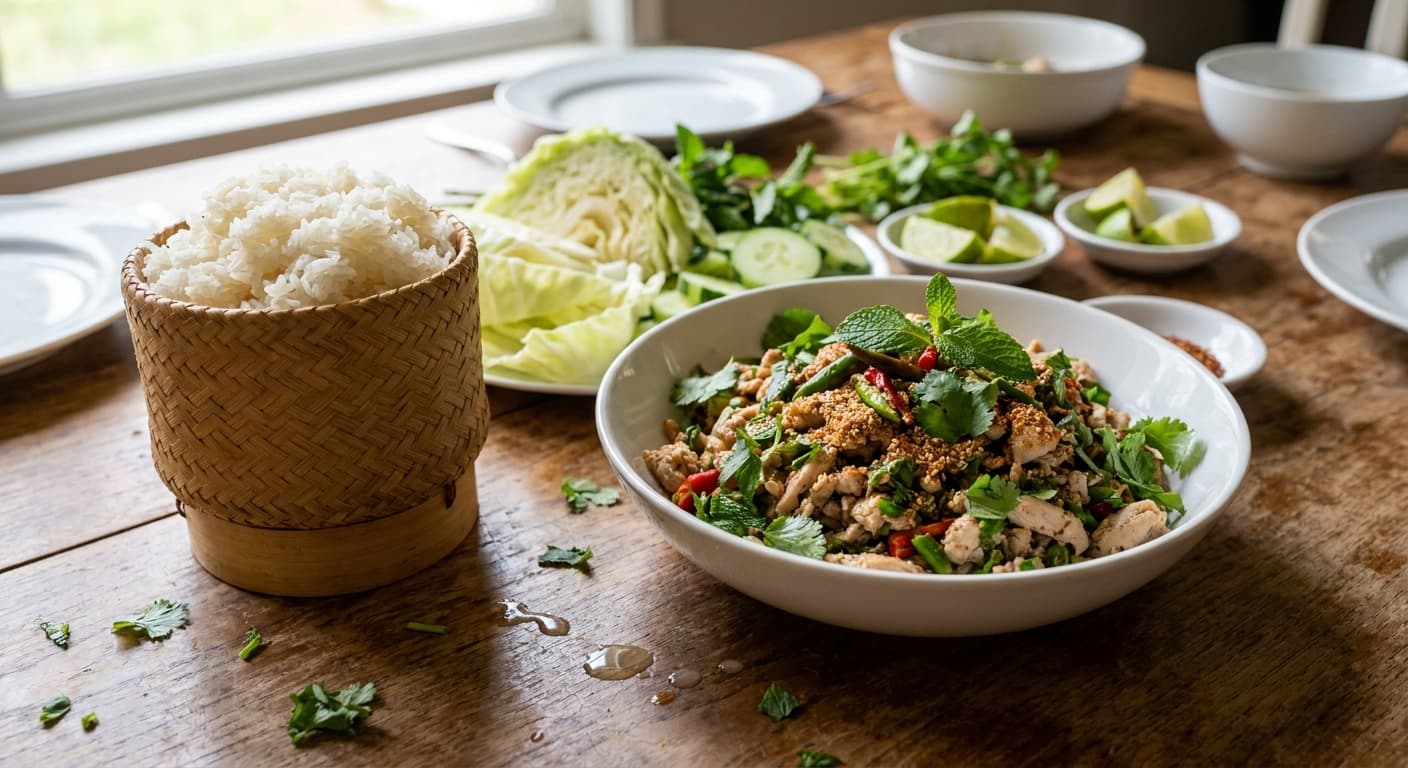
Laotian Larb (ລາບ) — Bright Minced Chicken Herb Salad
Laotian · Salads · 33 min
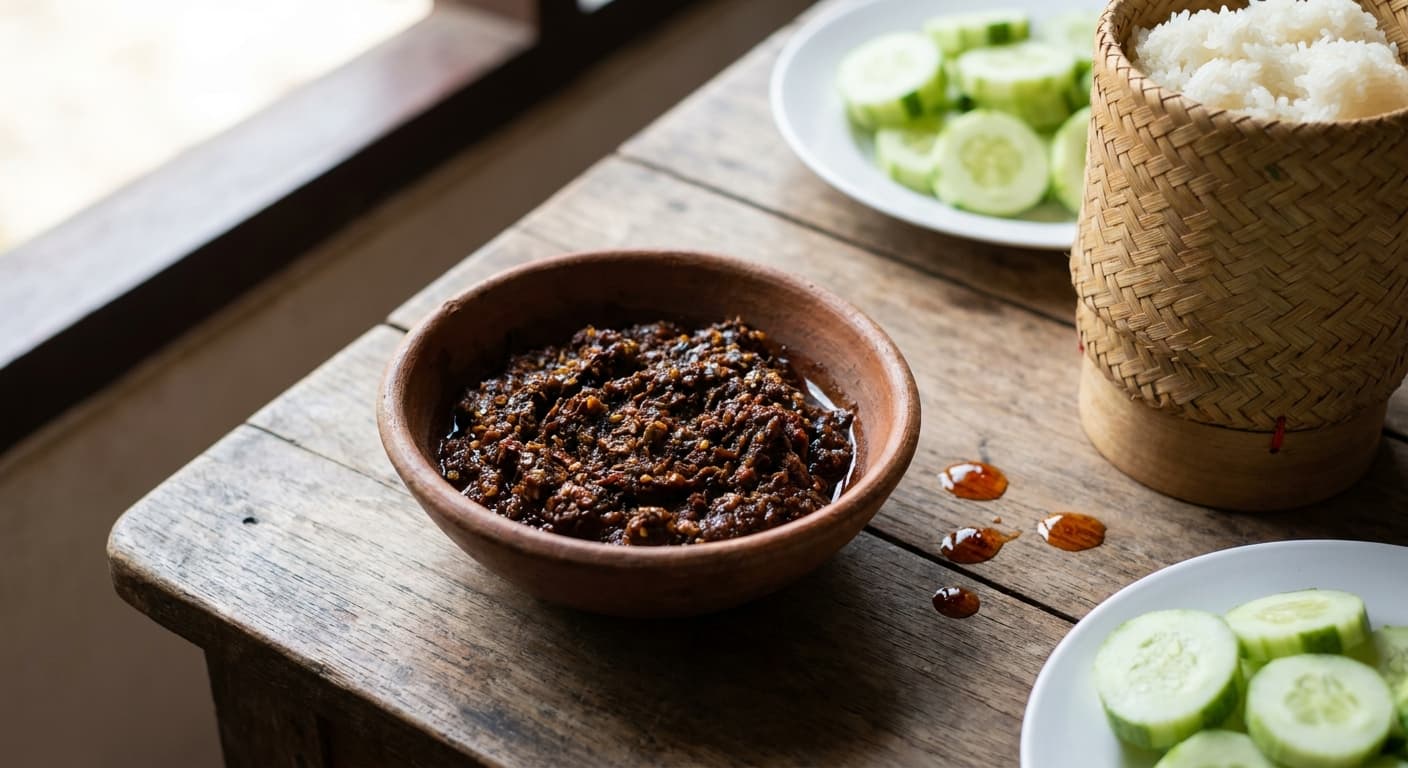
Jeow Bong (ແຈ່ວບອງ) — Lao Chili Paste Relish
Laotian · Side Dishes · 60 min
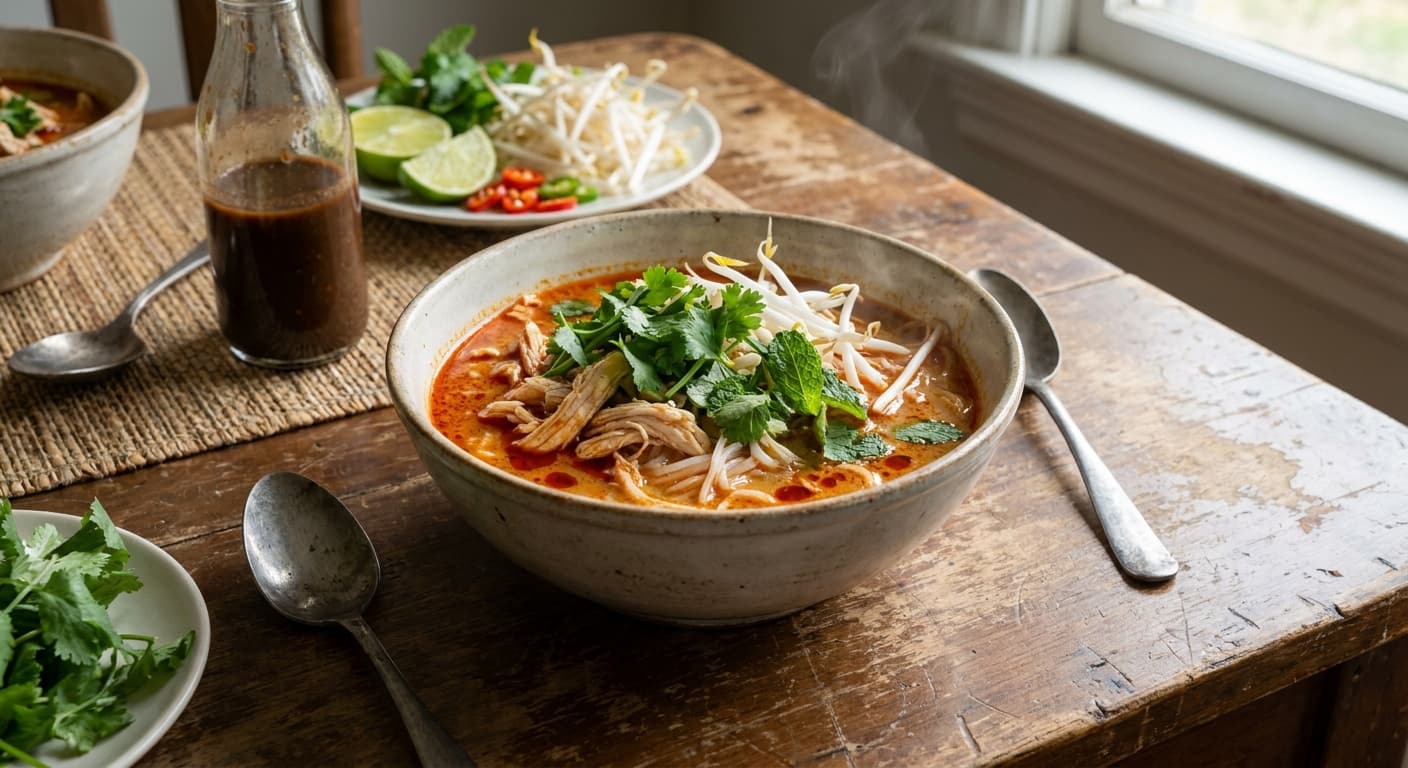
Khao Poon (ເຂົ້າປຸ້ນ) — Lao Coconut Curry Rice Vermicelli Soup
Laotian · Soups · 90 min
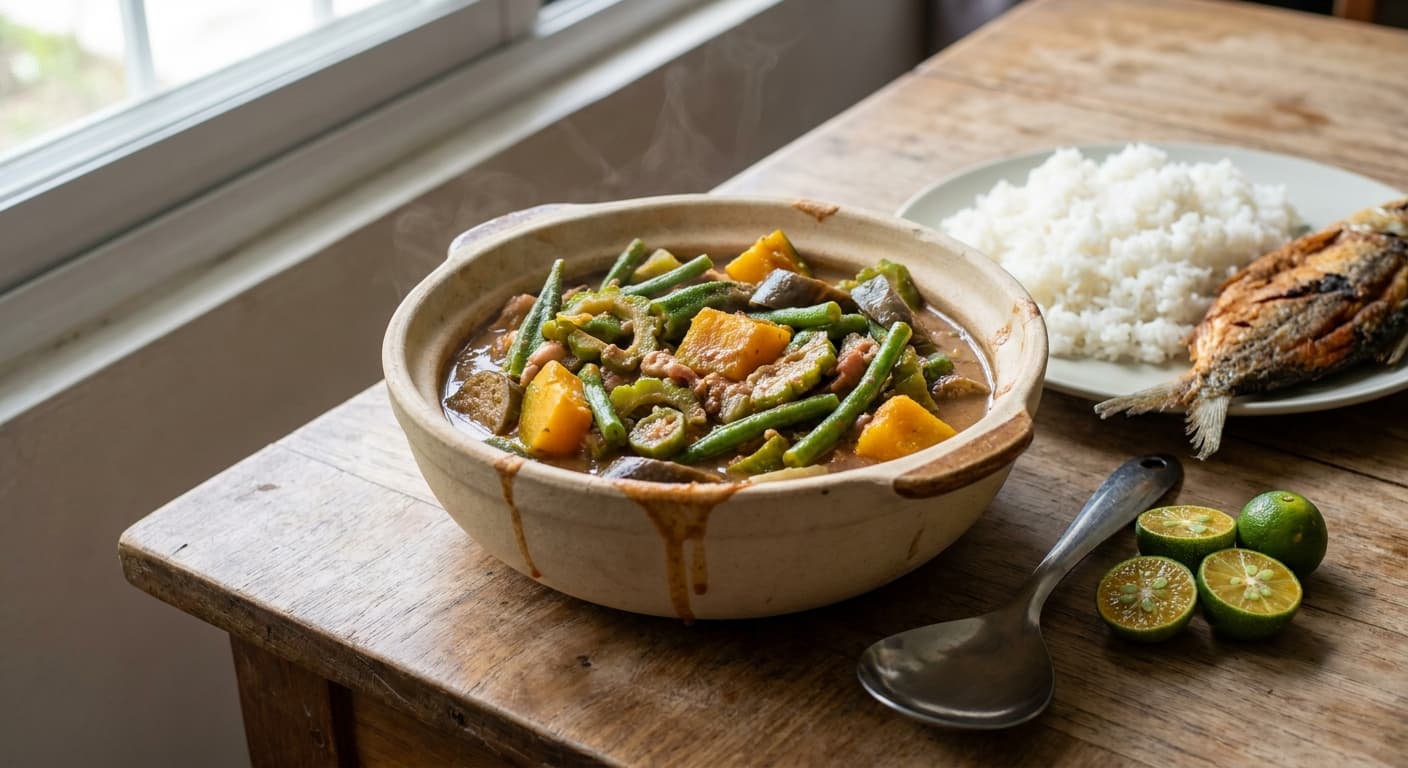
Pinakbet (Pinakbet) — Ilocano Vegetable Stew with Bagoong
Filipino · Stews · 60 min
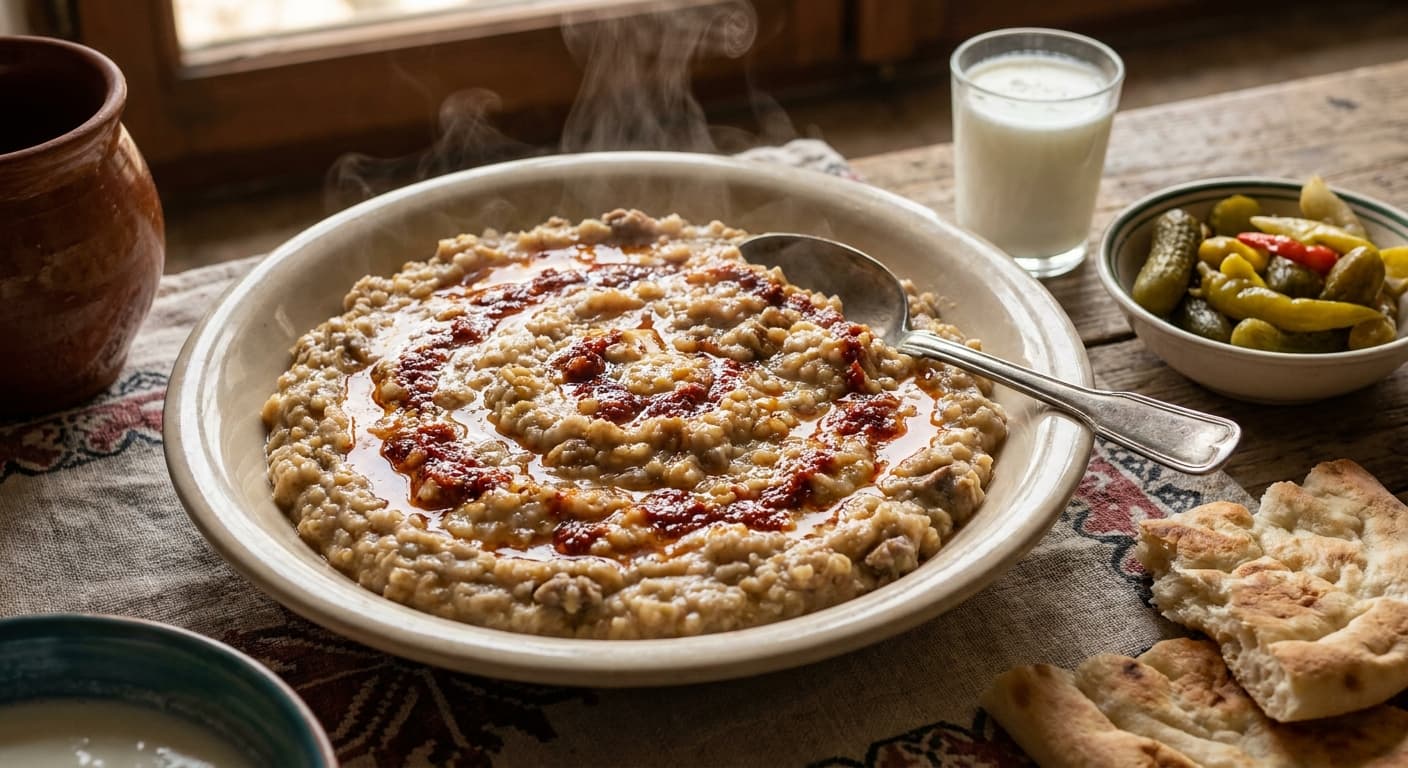
Keshkek (Keşkek) — Creamy Ceremonial Wheat and Lamb Stew
Turkish · Stews · 240 min
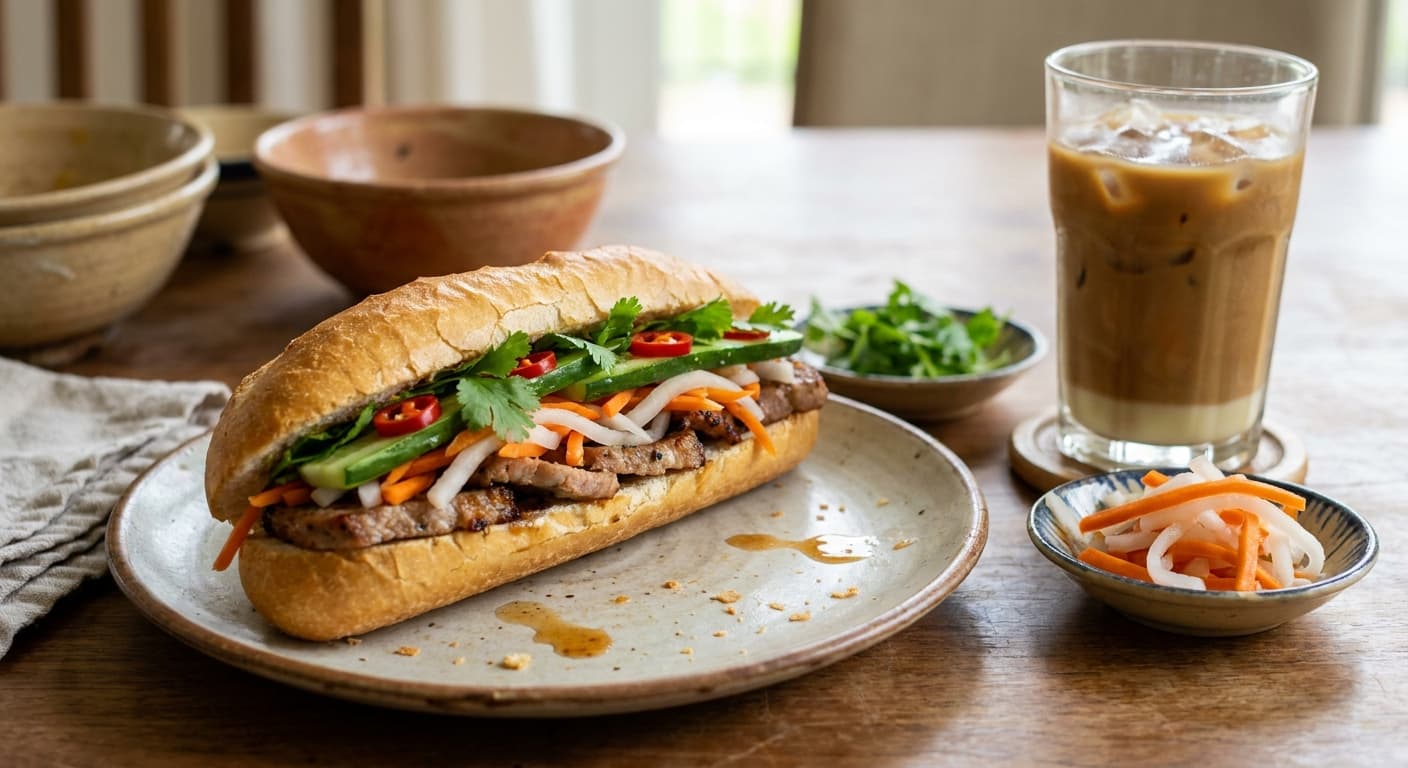
Vietnamese Pork Banh Mi (Bánh Mì Thịt) — Crisp Baguette Sandwich with Pickles, Pâté, and Herbs
Vietnamese · Main Courses · 60 min
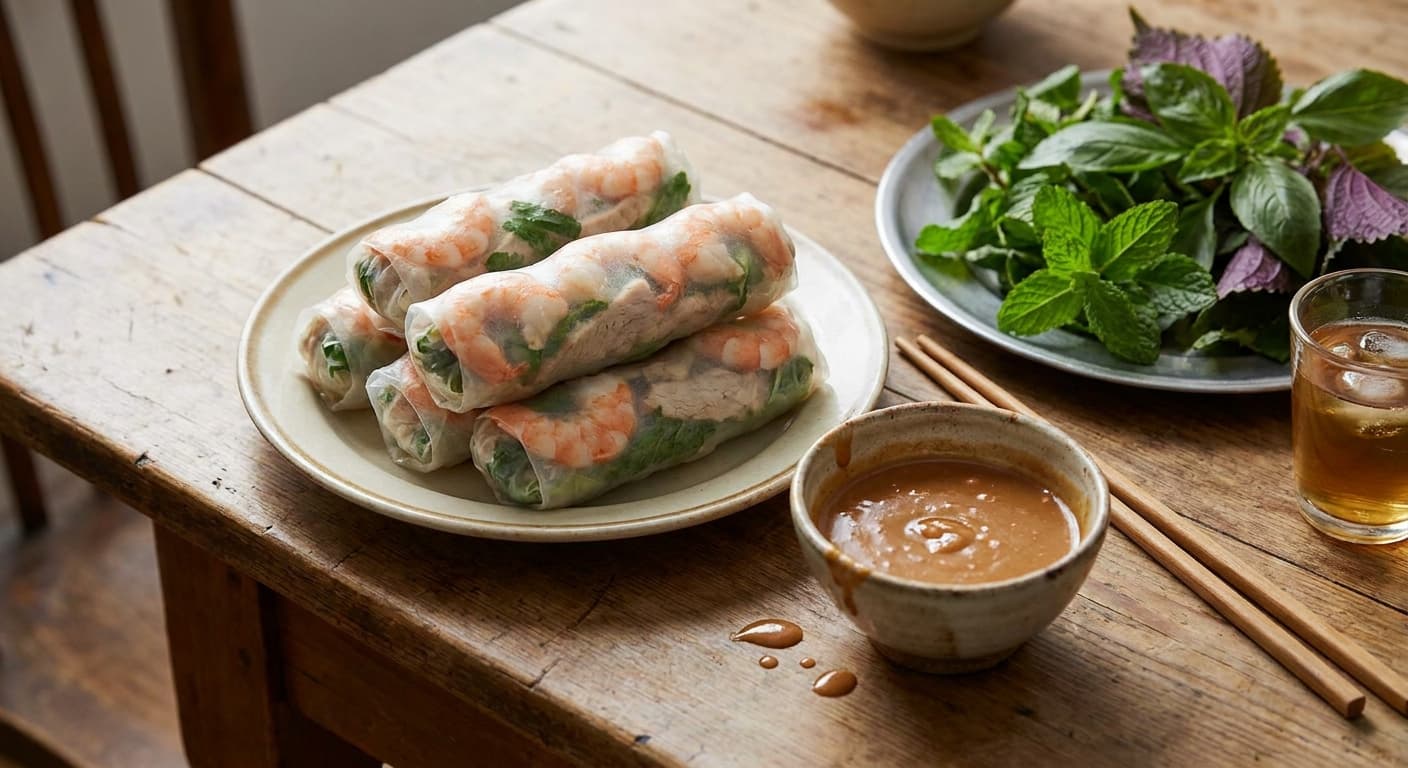
Vietnamese Fresh Spring Rolls (Gỏi Cuốn) — Shrimp, Pork, Herbs, and Peanut Sauce
Vietnamese · Appetizers · 60 min
Sai Oua (ໄສ້ອົ່ວ) — Lao Herb Sausage with Lemongrass and Padaek
Laotian · Main Courses · 75 min
Reviews
Cooked this recipe?
Tap the stars to rate it — that's all it takes. A few words are welcome but optional.
No ratings yet. Cooked this one? Be the first to rate it — it takes one tap.