Jeow Bong (ແຈ່ວບອງ) — Lao Chili Paste Relish
Jeow bong is a sticky, smoky-sweet Lao chili relish from Luang Prabang, traditionally pounded and cooked until glossy. It is eaten in small dabs with khao niaw, grilled foods, vegetables, and other jeow-style table relishes.
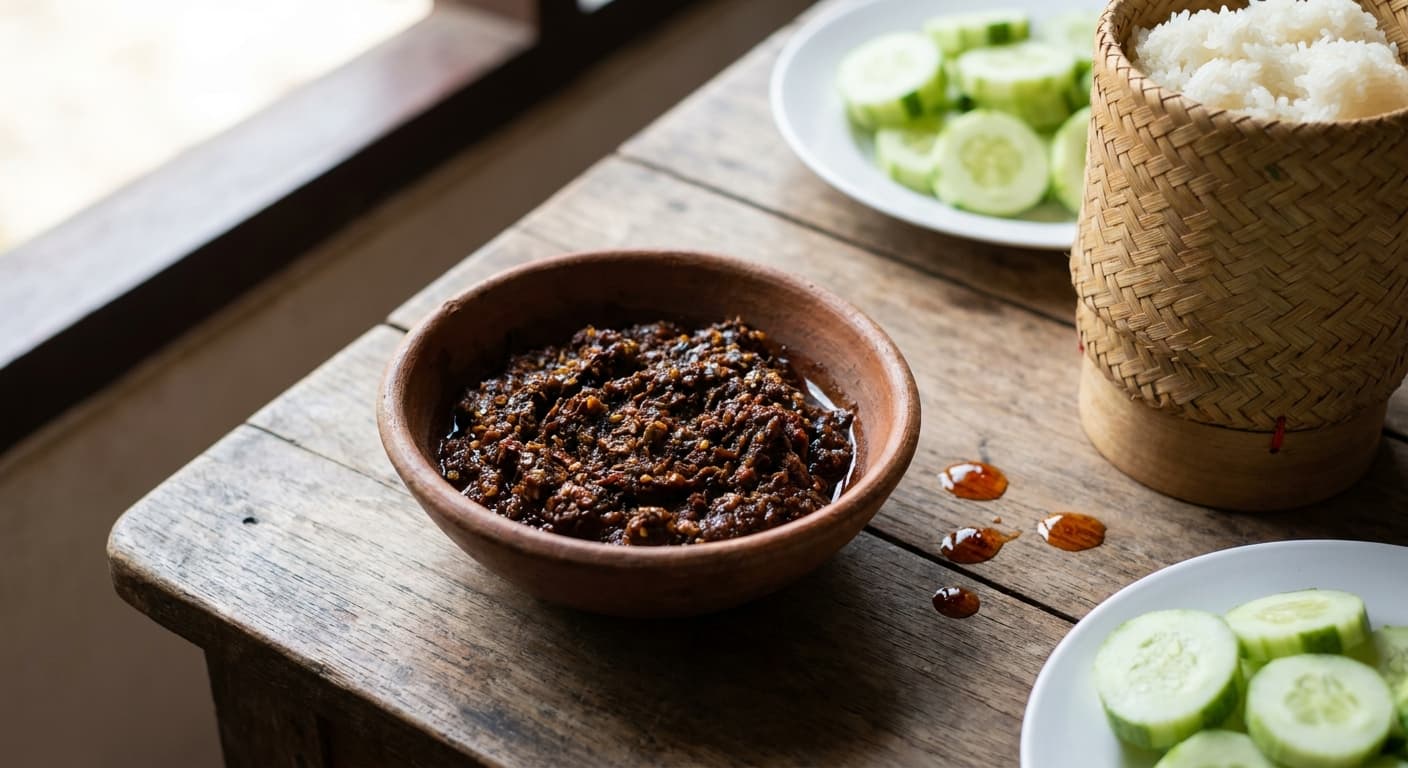
Printable Recipe Card
Servings: 16 · Total: 60 min · Difficulty: medium
Ingredients (quick list)
- 40 g dried large red chilies (stems removed; shake out most seeds for moderate heat)
- 8 g dried bird's eye chilies (stems removed)
- 10 clove garlic
- 6 shallots (peeled)
- 25 g fresh galangal (thinly sliced)
- 2 lemongrass stalks (tender inner 10 cm only, thinly sliced)
- 4 leaf makrut lime leaves (center ribs removed, finely shredded)
- 60 ml neutral oil
- 45 ml padaek (Lao fermented fish sauce, simmered and strained if very chunky)
- 30 ml fish sauce
- 45 g palm sugar (finely chopped or grated)
- 20 g tamarind paste
+ 2 more in the full ingredients section below.
Steps (summary)
- Warm a dry heavy skillet over medium-low heat and toast the large dried chilies and bird's eye chilies for 2 to 3 minutes, turn…
- Transfer the toasted chilies to a bowl, cover them with 300 ml hot water, and soak for 12 minutes to soften. Drain them thoroug…
- In the same dry skillet, roast the garlic, shallots, galangal, lemongrass, and makrut lime leaves over medium heat for 8 to 10…
- Pound the drained chilies in a large mortar until they form a coarse paste, then add the roasted garlic, shallots, galangal, le…
- Heat the neutral oil in a small saucepan over medium-low heat, then add the pounded chili paste. Fry the paste for 8 minutes, s…
- Stir in the padaek, fish sauce, palm sugar, tamarind paste, and 60 ml water. Reduce the heat to low and cook for 12 to 15 minut…
+ 2 more steps in the full instructions section below.
Cultural Background
Jeow bong is closely associated with Luang Prabang and the Lao habit of building meals around khao niaw and shared relishes. Phia Sing records this royal and household condiment tradition in Traditional Recipes of Laos.
Equipment
💡 Tips
- Keep the heat low after adding padaek and sugar, because high heat can scorch the paste and make the fermented fish flavor harsh.
- For a smoother relish, pound in stages rather than filling the mortar at once; jeow bong should be cohesive but not machine-pureed.
- Use the smallest serving spoon on the table, since jeow bong is a concentrated relish meant to season bites of sticky rice, vegetables, and grilled food.
⚠️ Common Mistakes
❌ Burning the dried chilies during toasting.
✅ Fix: Toast over medium-low heat and remove the chilies as soon as they become fragrant and slightly darker.
❌ Making the paste too watery.
✅ Fix: Drain soaked chilies thoroughly and simmer the seasoned paste until it holds soft ridges in the pan.
❌ Using only fish sauce and omitting padaek.
✅ Fix: Use real Lao padaek whenever possible, because it supplies the fermented backbone that defines jeow bong.
🧊 How to Store
Store jeow bong in a sterilized jar in the refrigerator for up to 3 weeks, keeping the surface covered with a thin film of oil. Bring to room temperature before serving, or warm gently for 20 seconds in a microwave-safe bowl.
📅 Make Ahead
Jeow bong is ideal made 1 to 2 days ahead because the roasted chilies, padaek, sugar, and aromatics settle into a rounder flavor. Store chilled and stir before serving.
🍽️ Pairs Well With
- Khao niaw
- grilled fish
- ping gai
- steamed greens
- cucumber wedges
- raw cabbage
- boiled eggs.
Regional Variations
- Luang Prabang versions often include shredded dried buffalo skin for chew and richness.
- Household versions may vary the sugar level, producing a darker, sweeter relish for long keeping.
- Some cooks make a sharper version with extra tamarind or more small dried chilies.
Ingredients
- 40 gdried large red chilies (stems removed; shake out most seeds for moderate heat)
- 8 gdried bird's eye chilies (stems removed)
- 10 clovegarlic
- 6shallots (peeled)
- 25 gfresh galangal (thinly sliced)
- 2lemongrass stalks (tender inner 10 cm only, thinly sliced)
- 4 leafmakrut lime leaves (center ribs removed, finely shredded)
- 60 mlneutral oil
- 45 mlpadaek (Lao fermented fish sauce, simmered and strained if very chunky)
- 30 mlfish sauce
- 45 gpalm sugar (finely chopped or grated)
- 20 gtamarind paste
- 60 mlwater
- 35 gdried buffalo skin (nang khwai, toasted or fried crisp, then very finely shredded)
🔄 Substitutions
- dried buffalo skin→ crisply fried pork rinds
- padaek→ additional fish sauce plus 10 g finely minced fermented anchovy
- palm sugar→ light brown sugar
Instructions
- 1
Warm a dry heavy skillet over medium-low heat and toast the large dried chilies and bird's eye chilies for 2 to 3 minutes, turning often, until they darken slightly and smell smoky. Do not let them blacken, because burnt chilies will make the jeow bong bitter rather than deep and roasted.
- 2
Transfer the toasted chilies to a bowl, cover them with 300 ml hot water, and soak for 12 minutes to soften. Drain them thoroughly, reserving none of the soaking liquid, so the finished relish stays concentrated and glossy.
- 3
In the same dry skillet, roast the garlic, shallots, galangal, lemongrass, and makrut lime leaves over medium heat for 8 to 10 minutes. Turn the aromatics frequently until the garlic and shallots are softened with browned spots and the lemongrass smells citrusy and toasted.
- 4
Pound the drained chilies in a large mortar until they form a coarse paste, then add the roasted garlic, shallots, galangal, lemongrass, and lime leaves. Continue pounding for 6 to 8 minutes, scraping the mortar as needed, until the mixture is mostly smooth but still has the rustic texture expected of a Lao jeow.
- 5
Heat the neutral oil in a small saucepan over medium-low heat, then add the pounded chili paste. Fry the paste for 8 minutes, stirring constantly with a wooden spoon, until the oil stains deep red and the raw sharpness of the aromatics fades.
- 6
Stir in the padaek, fish sauce, palm sugar, tamarind paste, and 60 ml water. Reduce the heat to low and cook for 12 to 15 minutes, stirring often, until the relish thickens to a sticky jam that holds soft ridges when pushed with the spoon.
- 7
Fold in the finely shredded dried buffalo skin and cook for 2 minutes so it absorbs the chili oil and fermented seasoning. The texture should be thick, chewy, oily, and spoonable, not dry or crumbly.
- 8
Remove the saucepan from the heat and let the jeow bong cool for 20 minutes before serving. Spoon it into a clean jar or small serving bowl, and serve in modest portions with khao niaw because the relish is intensely salty, sweet, smoky, and spicy.
🪪 Recipe Passport
Cultural Background
Jeow bong is closely associated with Luang Prabang and the Lao habit of building meals around khao niaw and shared relishes. Phia Sing records this royal and household condiment tradition in Traditional Recipes of Laos.
Regional Variations
Researched from multiple sources and validated by the Zaffaron editorial team. Every recipe is tested for accuracy, measurements, and cultural authenticity.
📚 Sources & Cultural References
- Phia Sing — Traditional Recipes of Laos — (1981)
- James Syhabout — Hawker Fare — (2018)
Sources cited by the Zaffaron editorial team during recipe research. Cultural and culinary references supporting authenticity claims.
Nutrition per serving
Pairs well with
If you enjoyed this recipe, here are a few related Zaffaron recipes to try next.
Does your family make this differently?
Every family has their own version. Maybe your grandmother adds a secret ingredient, or your aunt has a completely different technique. Preserve your family's version — with their name on it, forever.
You Might Also Like
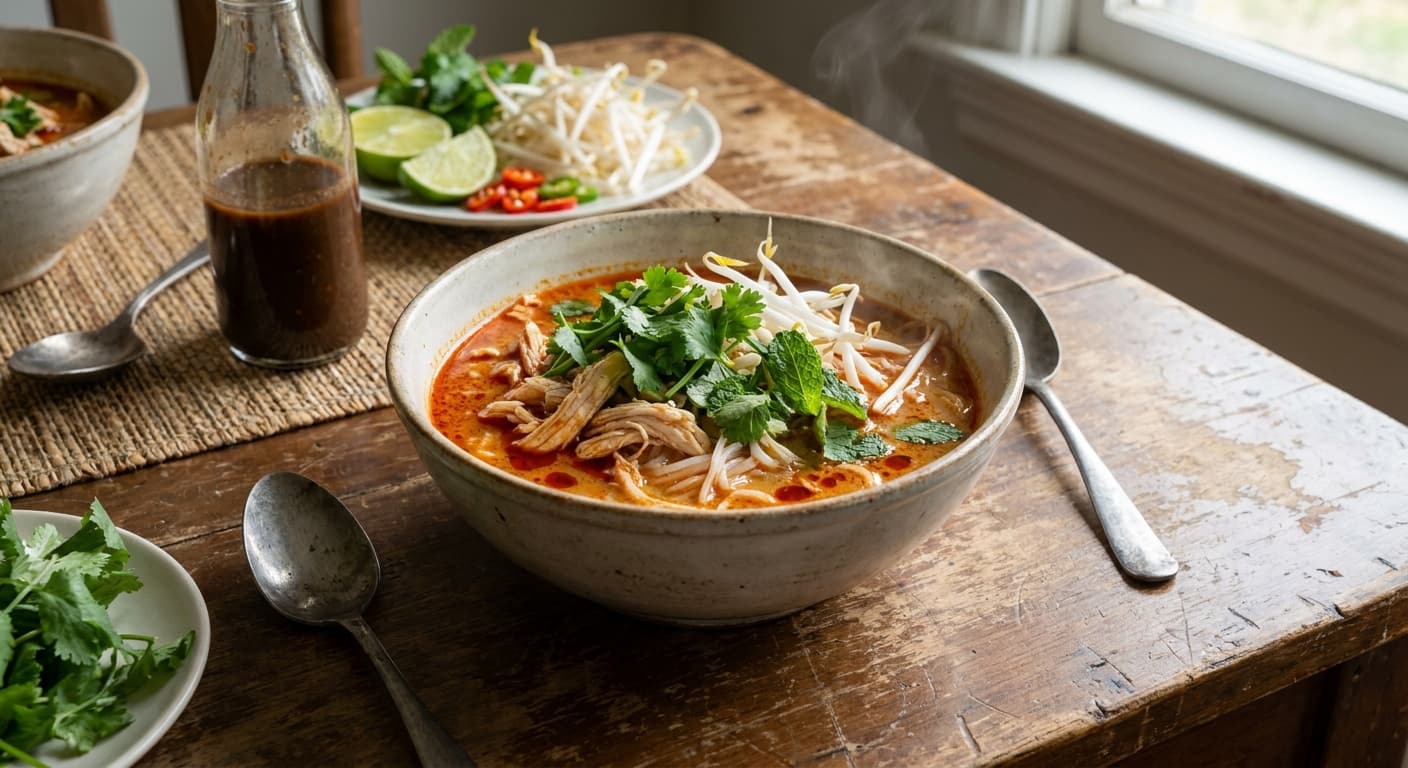
Khao Poon (ເຂົ້າປຸ້ນ) — Lao Coconut Curry Rice Vermicelli Soup
Laotian · Soups · 90 min
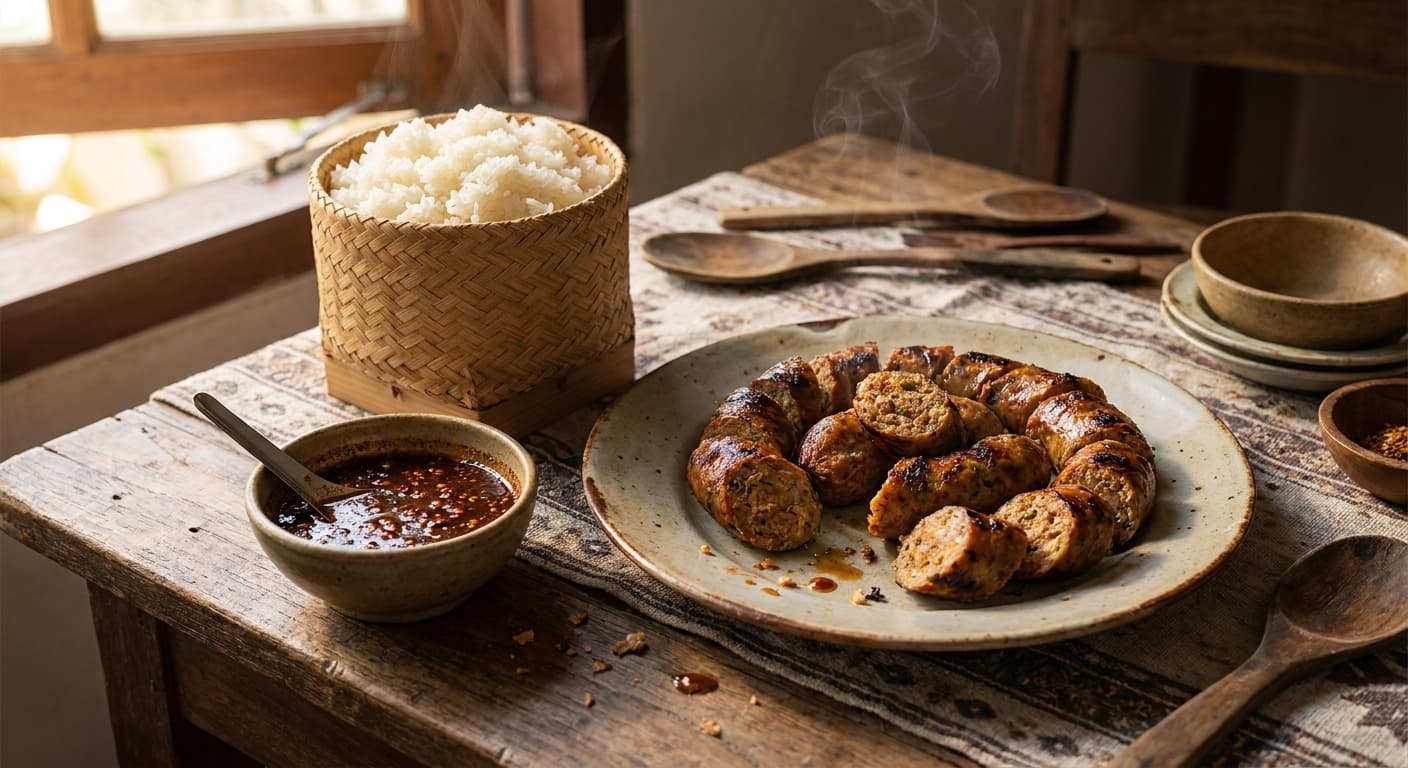
Sai Oua (ໄສ້ອົ່ວ) — Lao Herb Sausage with Lemongrass and Padaek
Laotian · Main Courses · 75 min
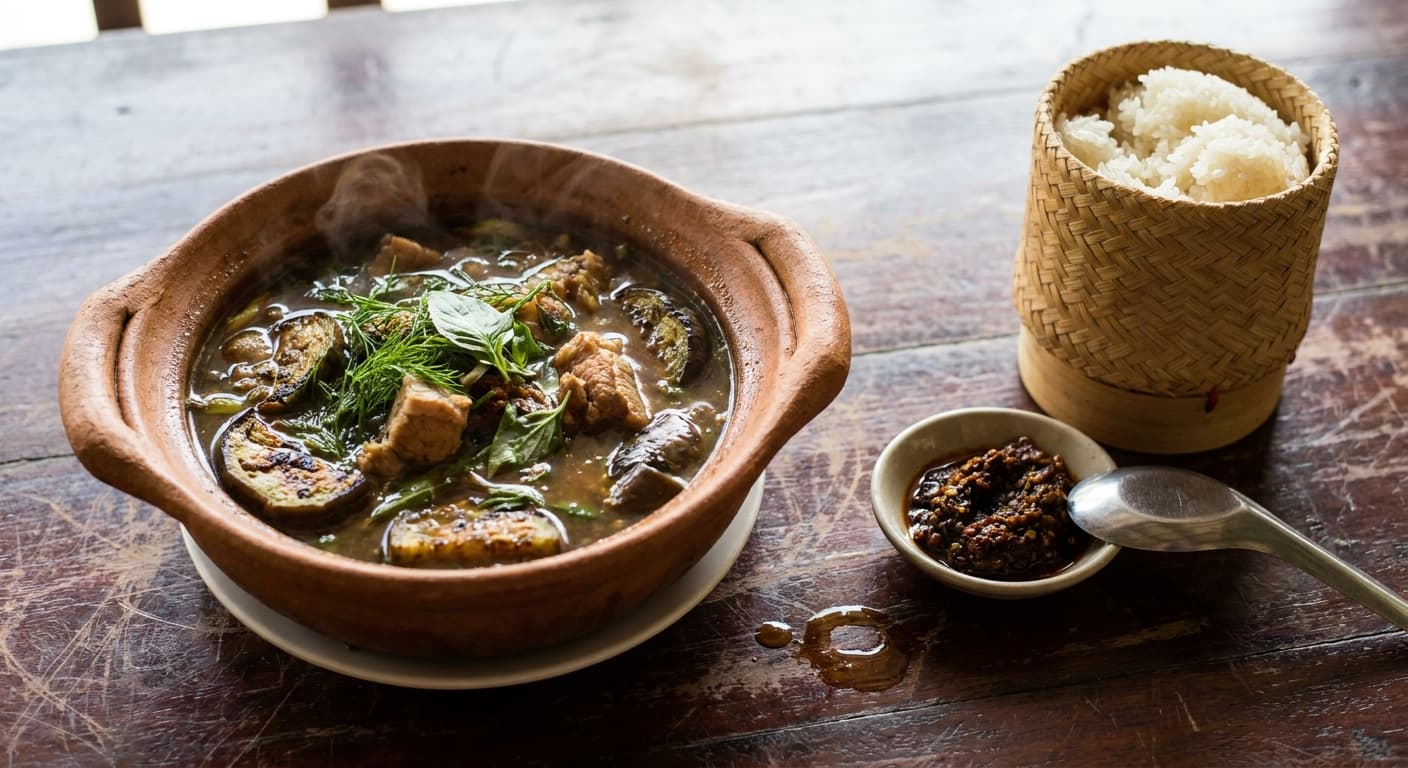
Or Lam (ເອາະຫຼາມ) — Luang Prabang Herb Stew
Laotian · Stews · 155 min
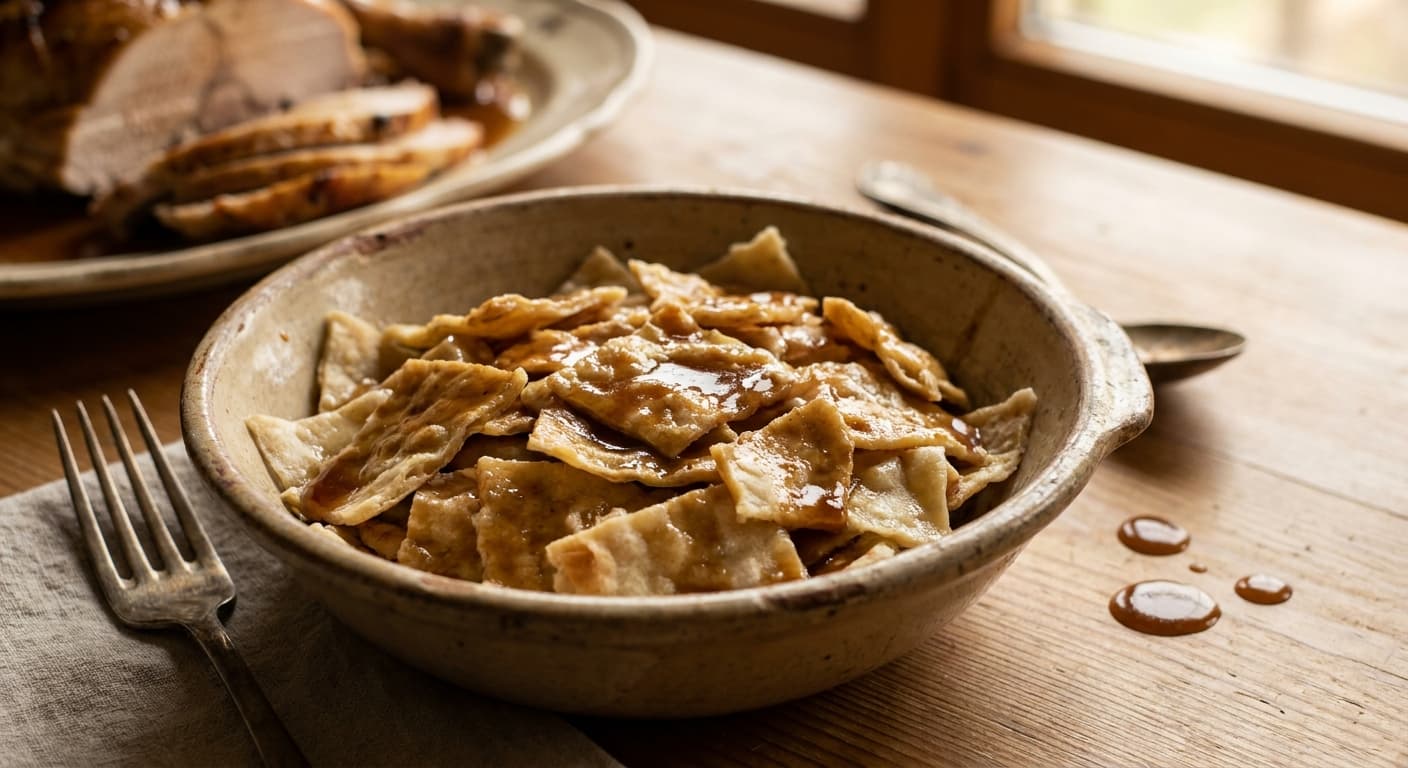
Zagorje Mlinci (Zagorski mlinci) — Thin Baked Flatbread for Roast Juices
Croatian · Side Dishes · 73 min
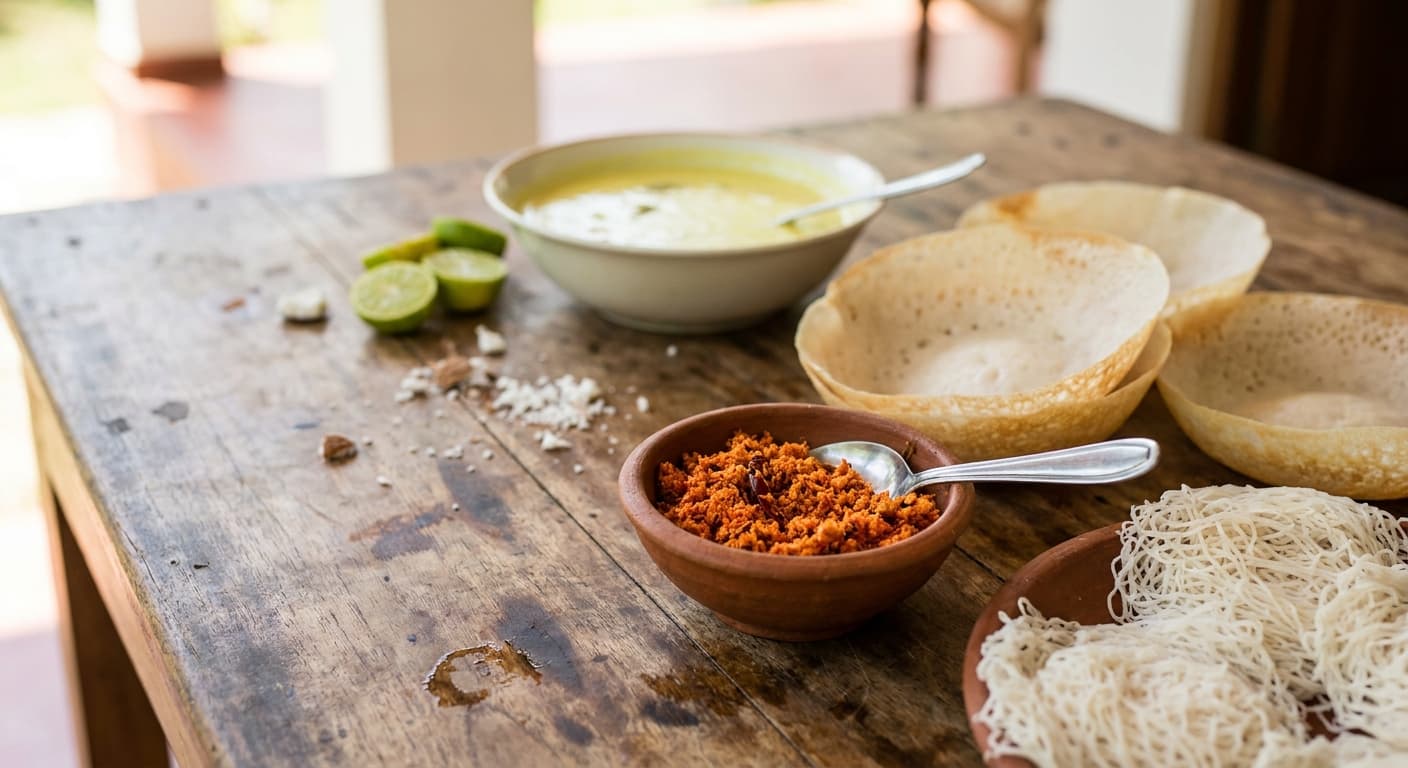
Pol Sambol (පොල් සම්බෝල) — Sri Lankan Coconut Chili Relish
Sri lankan · Side Dishes · 15 min
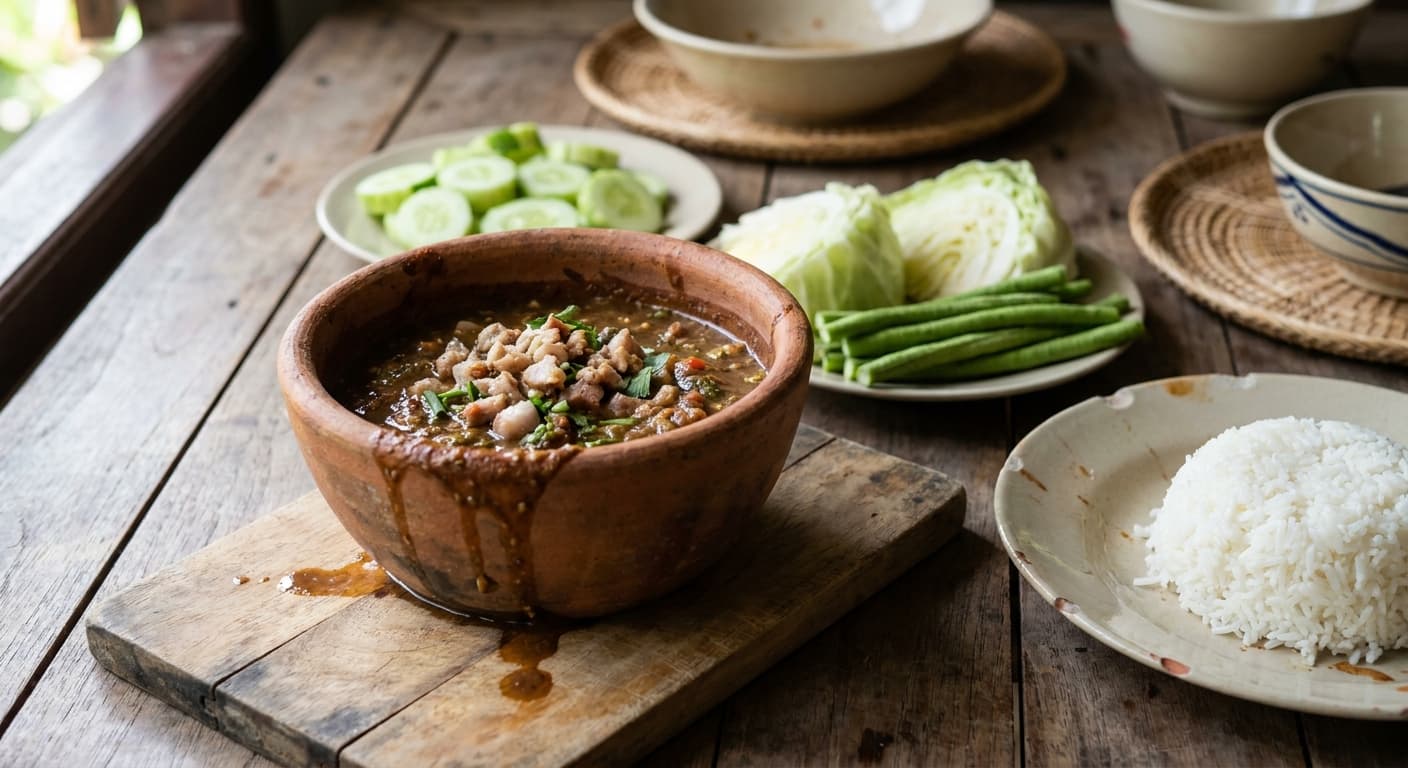
Prahok Ktis (ប្រហុកខ្ទិះ) — Cambodian Coconut Pork Dip
Cambodian · Appetizers · 55 min
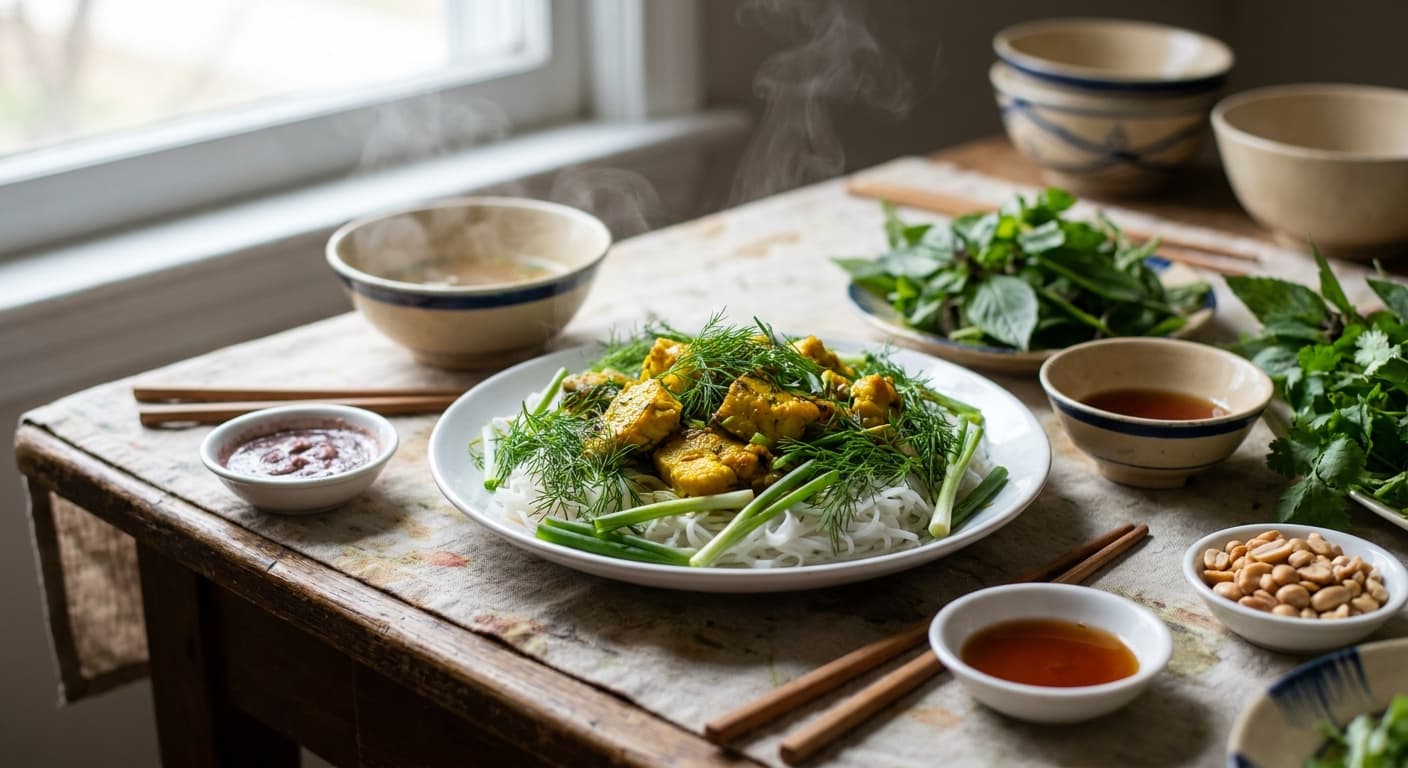
Hanoi Turmeric Fish with Dill (Chả Cá Lã Vọng) — Sizzling Fish with Rice Noodles
Vietnamese · Main Courses · 47 min
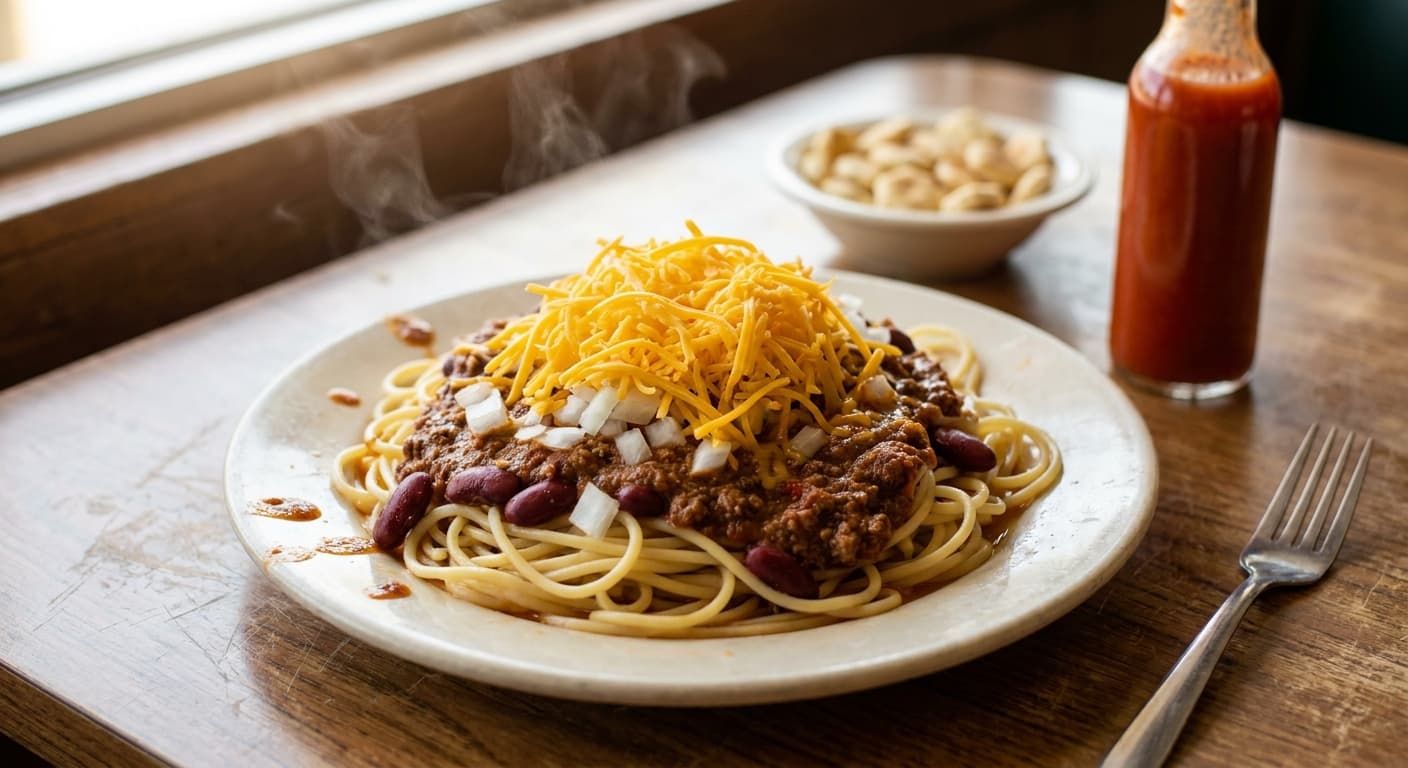
Cincinnati Chili (Cincinnati Chili) — Skyline-Style Spiced Chili over Spaghetti
American · Main Courses · 140 min
Reviews
Cooked this recipe?
Tap the stars to rate it — that's all it takes. A few words are welcome but optional.
No ratings yet. Cooked this one? Be the first to rate it — it takes one tap.