Patageh Beranj (پتاژه برنج) — Persian Velvet Rice Potage
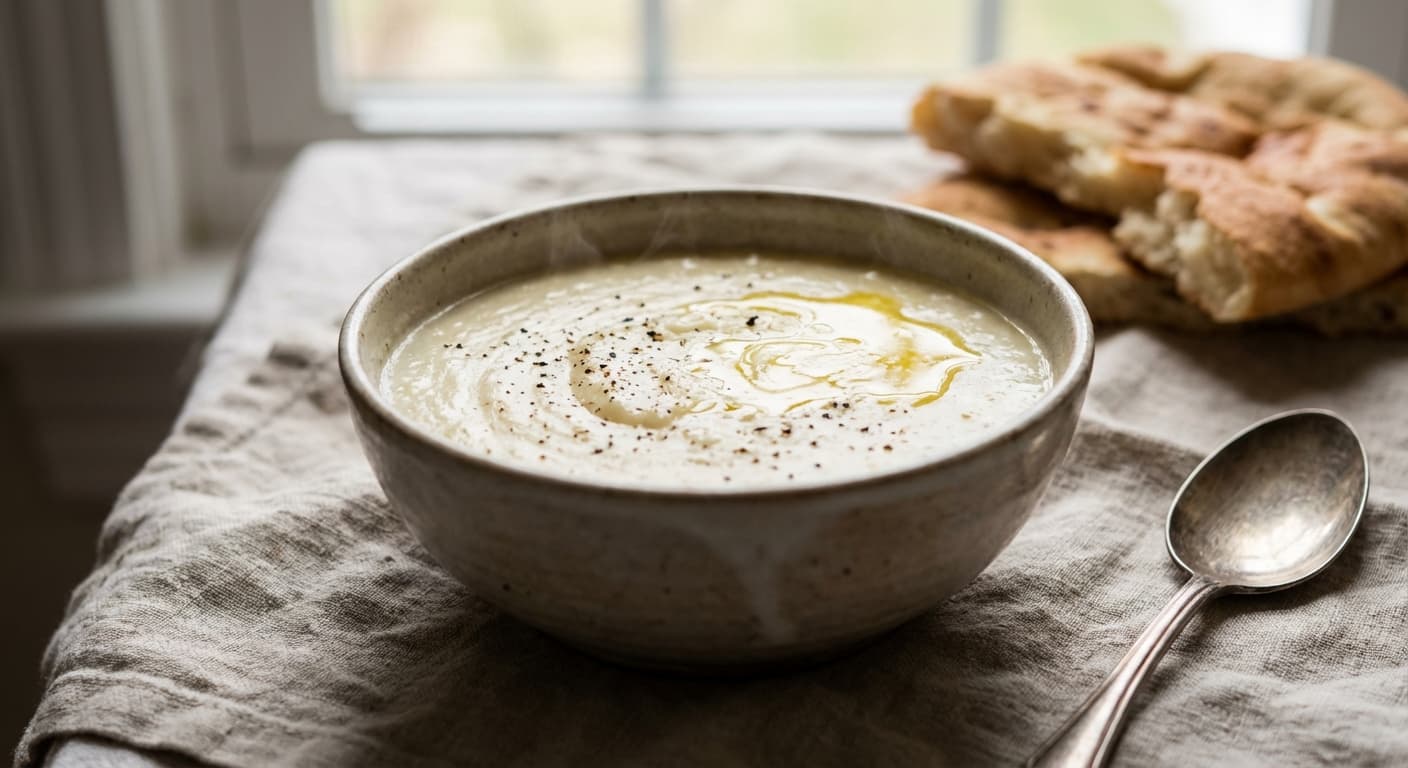
Patageh Beranj is a silky Persian rice potage thickened with toasted rice flour and finished with egg yolks, milk, and cream. Gentle seasoning and butter create a comforting, elegant bowl ideal for cool days or light meals.
Printable Recipe Card
Servings: 4 · Total: 75 min · Difficulty: medium
Ingredients (quick list)
- 70 g White rice (rinsed until water runs mostly clear)
- 480 ml Water (for simmering the rice)
- 720 ml Chicken broth (low-sodium; use hot broth)
- 35 g Rice flour (toasted to a pale golden color)
- 360 ml Homogenized milk (whole milk (about 3.25% fat), warmed)
- 120 ml Heavy cream (warmed)
- 30 g Unsalted butter (cut into cubes)
- 3 large Egg yolks (about 54 g total yolk; room temperature)
- 6 g Fine sea salt (about 1 teaspoon; adjust to taste, depending on broth saltiness)
- 0.5 tsp Black pepper (freshly ground)
Steps (summary)
- Rinse the white rice in several changes of cool water until mostly clear. Add rice and 480 ml water to a medium pot, bring to a…
- While the rice cooks, toast the rice flour in a dry skillet over medium-low heat for 4–6 minutes, stirring constantly with a sp…
- Add the hot chicken broth to the cooked rice. Increase heat to medium and simmer 10 minutes, uncovered, stirring every 2 minute…
- Whisk the toasted rice flour with 120 ml of the warmed milk in a bowl until perfectly smooth. Pour this slurry into the pot whi…
- Lower the heat to low. Stir in the remaining 240 ml warmed milk and the warmed cream. Add salt and black pepper. Keep the potag…
- Temper the egg yolks: in a bowl, whisk yolks until smooth. Slowly whisk in 180 ml of hot potage, a little at a time, for 1 minu…
+ 1 more steps in the full instructions section below.
Cultural Background
This style of egg-tempered, silky potage is associated with Persian home cooking and is often prepared as a gentle, nourishing dish during colder seasons or when someone needs an easy-to-digest meal. Its smooth texture and careful tempering reflect a tradition of attentive, hospitality-centered cooking.
Equipment
💡 Tips
- Warm the milk and cream before adding; cold dairy can cool the pot and increase the risk of curdling when reheated.
- Toast rice flour only to pale gold; darker toasting can make the potage taste bitter and look beige rather than ivory.
- For extra smoothness, pass the finished potage through a fine-mesh sieve, then rewarm gently without boiling.
- Use low-sodium broth so you can control seasoning; potage reduces slightly and can become overly salty.
- If you prefer a lighter bowl, replace 60 ml cream with 60 ml additional milk and finish with 10 g extra butter for aroma.
⚠️ Common Mistakes
❌ Boiling after adding milk, cream, or egg yolks
💡 Why: High heat can curdle dairy and scramble the yolks, creating grainy texture and a cooked-egg aroma.
✅ Fix: Keep the potage at a bare simmer; temper yolks, add them off heat, then rewarm on very low heat while stirring constantly.
❌ Adding rice flour directly to the pot without making a slurry
💡 Why: Dry rice flour clumps instantly in hot liquid, leaving lumps that are hard to smooth out.
✅ Fix: Whisk rice flour with warmed milk until completely smooth, then stream into the pot while whisking.
❌ Over-toasting the rice flour
💡 Why: Dark toasting can introduce bitterness and dull the bright, creamy color typical of this potage.
✅ Fix: Toast over medium-low heat only until pale golden and fragrant, then remove immediately to a cool bowl.
❌ Not softening the rice enough before blending or whisking
💡 Why: Undercooked rice can leave a gritty mouthfeel and prevents the potage from becoming truly velvety.
✅ Fix: Simmer the rice until very soft; if needed, add 60–120 ml extra water and cook 5–8 minutes longer before adding broth.
🧊 How to Store
Cool to room temperature within 1 hour, then refrigerate in an airtight container for up to 3 days. Reheat over low heat, stirring constantly, adding 60–120 ml hot broth or milk to loosen; do not boil after the egg yolks are added. Not recommended for freezing due to dairy and egg separation.
📅 Make Ahead
You can cook the rice in water up to 24 hours ahead and refrigerate it. Reheat the rice with broth, then proceed with the rice-flour thickening and egg tempering just before serving for the smoothest texture.
🍽️ Pairs Well With
- Warm flatbread or crusty bread
- A simple cucumber and herb salad
- Pickled vegetables
- Lemon wedges for brightness (optional)
Regional Variations
- Tehran and central IranOften kept very pale and delicate, focusing on toasted rice aroma and a smooth finish; pepper is used lightly to avoid overpowering the dairy.
- Northern Iran (Caspian-influenced home cooking)Sometimes made slightly thicker and richer, with a more pronounced butter finish; it may be served alongside fresh herbs and simple pickles for contrast.
Ingredients
- 70 gWhite rice (rinsed until water runs mostly clear)
- 480 mlWater (for simmering the rice)
- 720 mlChicken broth (low-sodium; use hot broth)
- 35 gRice flour (toasted to a pale golden color)
- 360 mlHomogenized milk (whole milk (about 3.25% fat), warmed)
- 120 mlHeavy cream (warmed)
- 30 gUnsalted butter (cut into cubes)
- 3 largeEgg yolks (about 54 g total yolk; room temperature)
- 6 gFine sea salt (about 1 teaspoon; adjust to taste, depending on broth saltiness)
- 0.5 tspBlack pepper (freshly ground)
🔄 Substitutions
- Chicken broth→ Vegetable broth
- Heavy cream→ Half-and-half
- Unsalted butter→ Ghee
Instructions
- 1
Rinse the white rice in several changes of cool water until mostly clear. Add rice and 480 ml water to a medium pot, bring to a boil over medium-high heat, then reduce to low. Cover and simmer 18–22 minutes, stirring once or twice, until the grains are very soft and the water is mostly absorbed.
- 2
While the rice cooks, toast the rice flour in a dry skillet over medium-low heat for 4–6 minutes, stirring constantly with a spatula. Stop when it turns pale golden and smells nutty (do not let it brown). Immediately transfer to a bowl to prevent carryover darkening.
- 3
Add the hot chicken broth to the cooked rice. Increase heat to medium and simmer 10 minutes, uncovered, stirring every 2 minutes to prevent sticking. For a velvety texture, blend directly in the pot with an immersion blender for 30–45 seconds, or whisk vigorously to break down the rice.
- 4
Whisk the toasted rice flour with 120 ml of the warmed milk in a bowl until perfectly smooth. Pour this slurry into the pot while whisking continuously. Simmer gently over medium-low heat for 8–10 minutes, whisking often, until the potage thickens to a light custard consistency that coats a spoon.
- 5
Lower the heat to low. Stir in the remaining 240 ml warmed milk and the warmed cream. Add salt and black pepper. Keep the potage at a bare simmer (small bubbles at the edges) for 3 minutes; do not allow a rolling boil, which can make dairy taste cooked and risk curdling.
- 6
Temper the egg yolks: in a bowl, whisk yolks until smooth. Slowly whisk in 180 ml of hot potage, a little at a time, for 1 minute to warm the yolks. Remove the pot from heat, then whisk the tempered yolk mixture back into the pot. Return to very low heat and cook 2–3 minutes, stirring constantly, until glossy and slightly thicker (do not boil).
- 7
Turn off the heat and stir in the butter cubes until fully melted and emulsified. Taste and adjust salt and pepper. If too thick, thin with 30–90 ml hot broth; if too thin, simmer 2–4 minutes on low while stirring. Rest 5 minutes before serving for the texture to settle.
🪪 Recipe Passport
Cultural Background
This style of egg-tempered, silky potage is associated with Persian home cooking and is often prepared as a gentle, nourishing dish during colder seasons or when someone needs an easy-to-digest meal. Its smooth texture and careful tempering reflect a tradition of attentive, hospitality-centered cooking.
Regional Variations
Researched from multiple sources and validated by the Zaffaron editorial team. Every recipe is tested for accuracy, measurements, and cultural authenticity.
Nutrition per serving
Pairs well with
If you enjoyed this recipe, here are a few related Zaffaron recipes to try next.
Does your family make this differently?
Every family has their own version. Maybe your grandmother adds a secret ingredient, or your aunt has a completely different technique. Preserve your family's version — with their name on it, forever.
You Might Also Like
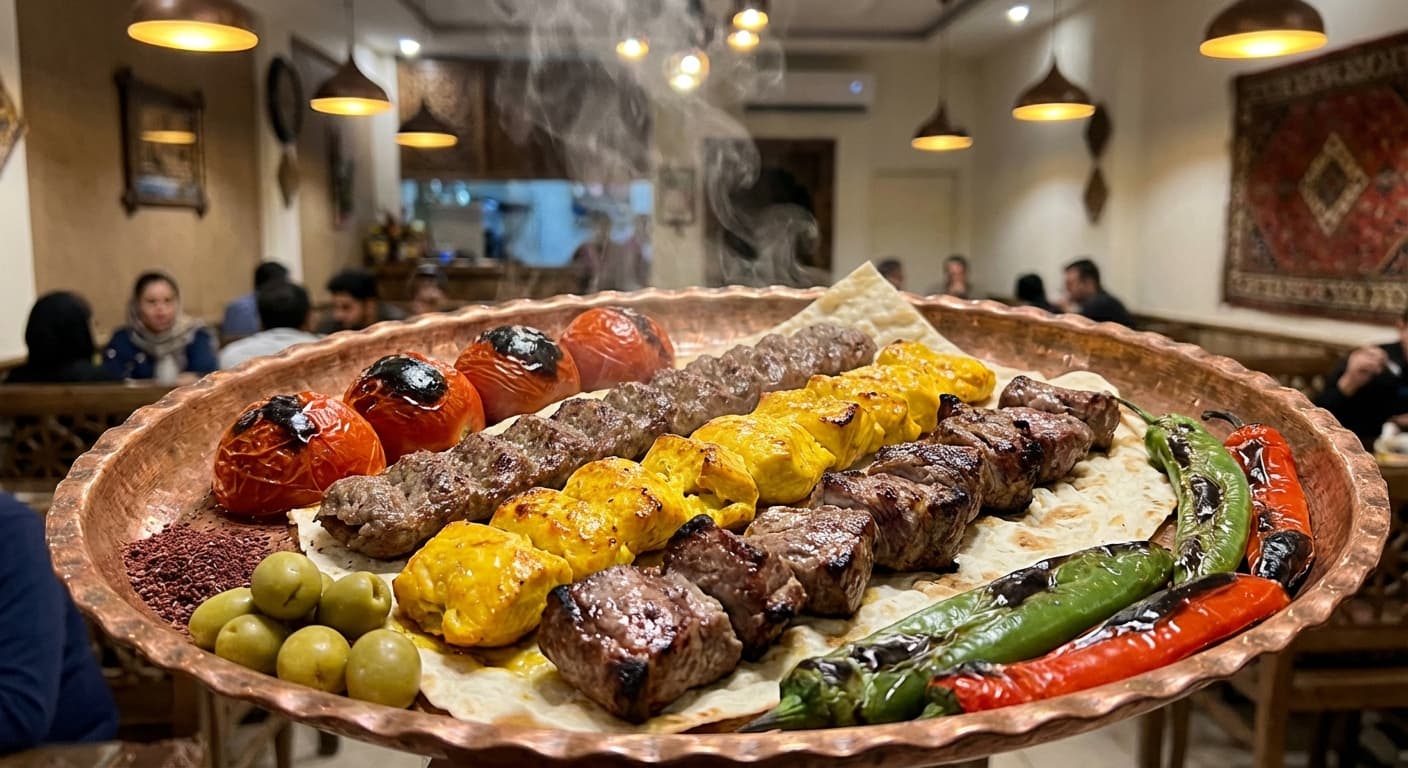
Kabab Vijeh (کباب ویژه) — Royal Persian Mixed Grill Platter
Persian · Kebabs · 70 min
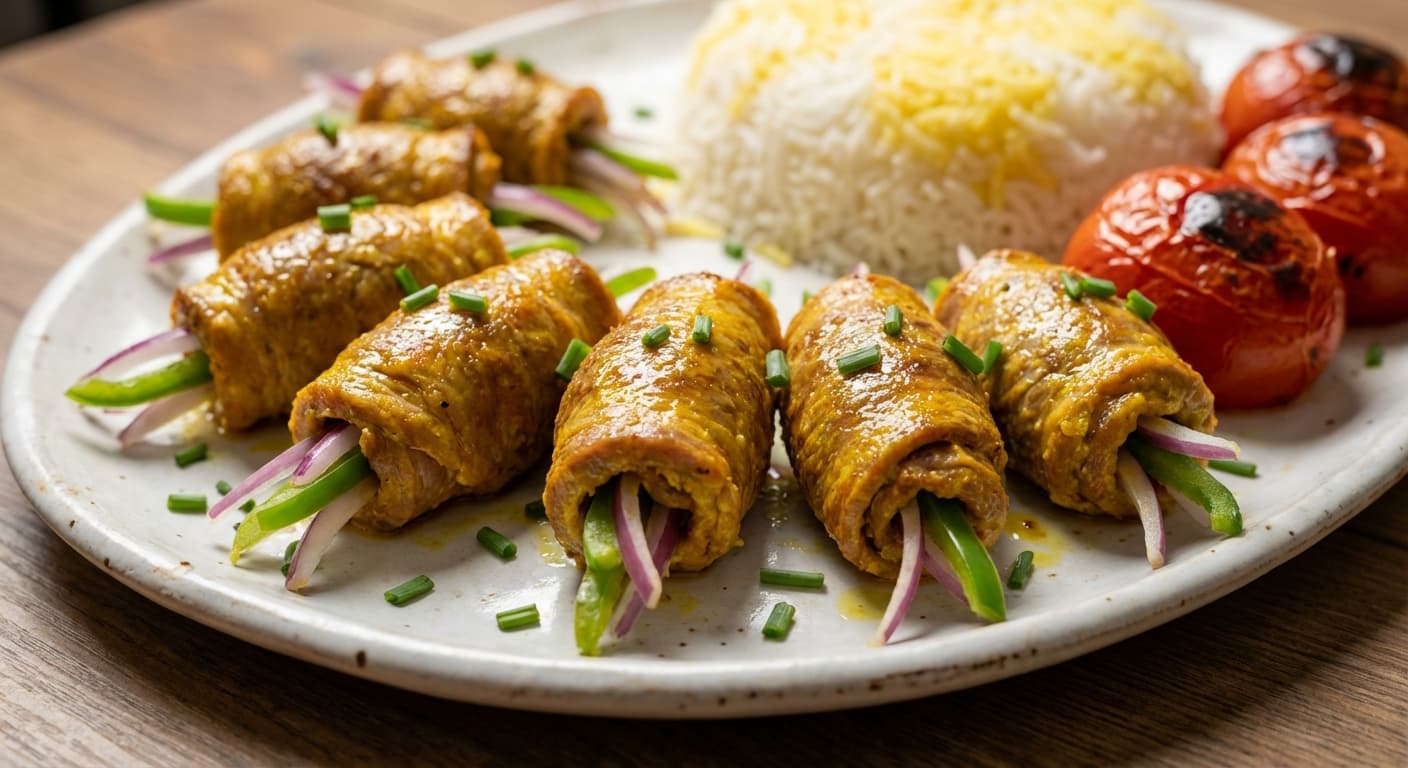
Bulgar Kabab (کباب بلغار) — Persian Rolled Saffron Fillets
Persian · Kebabs · 37 min
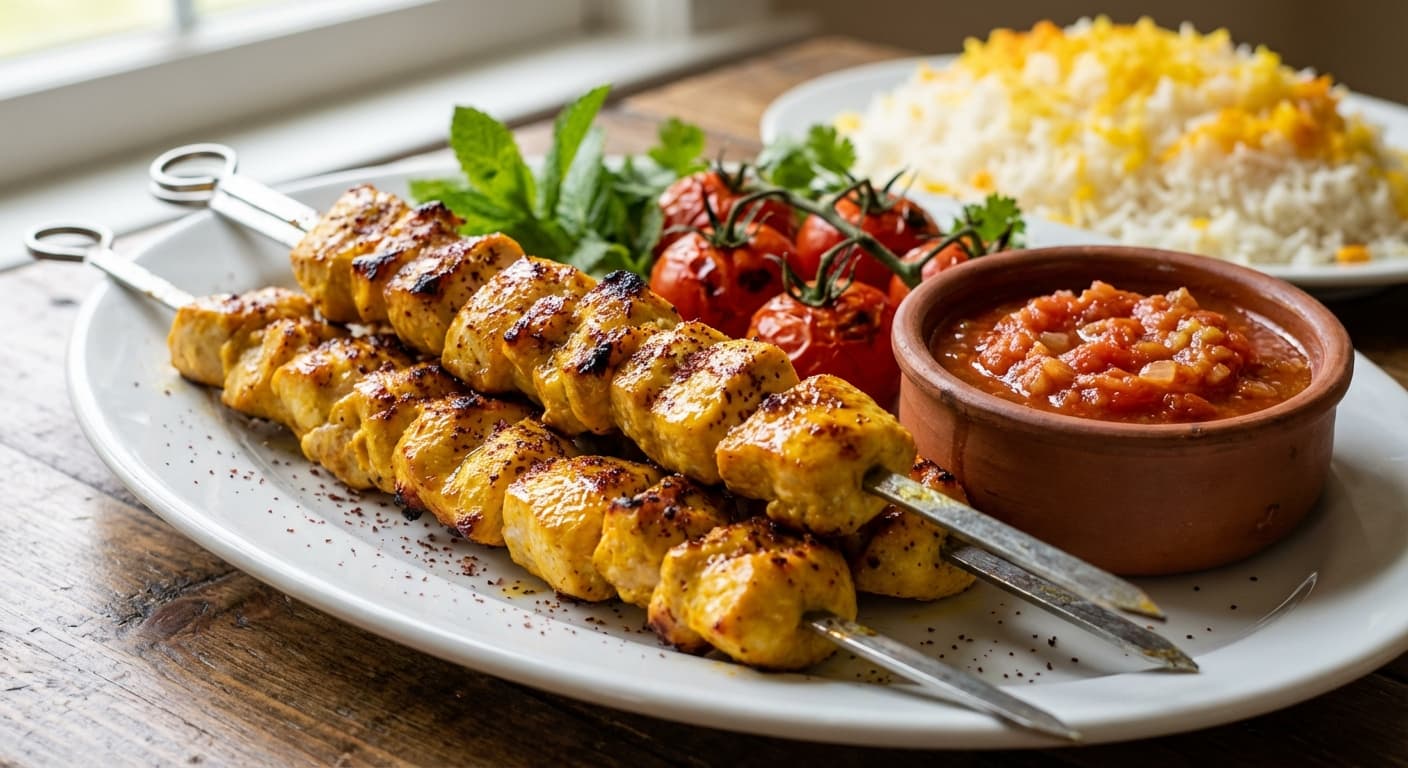
Jujeh Kabab (جوجه کباب) — Saffron-Turmeric Chicken with Rustic Tomato Sauce
Persian · Kebabs · 45 min
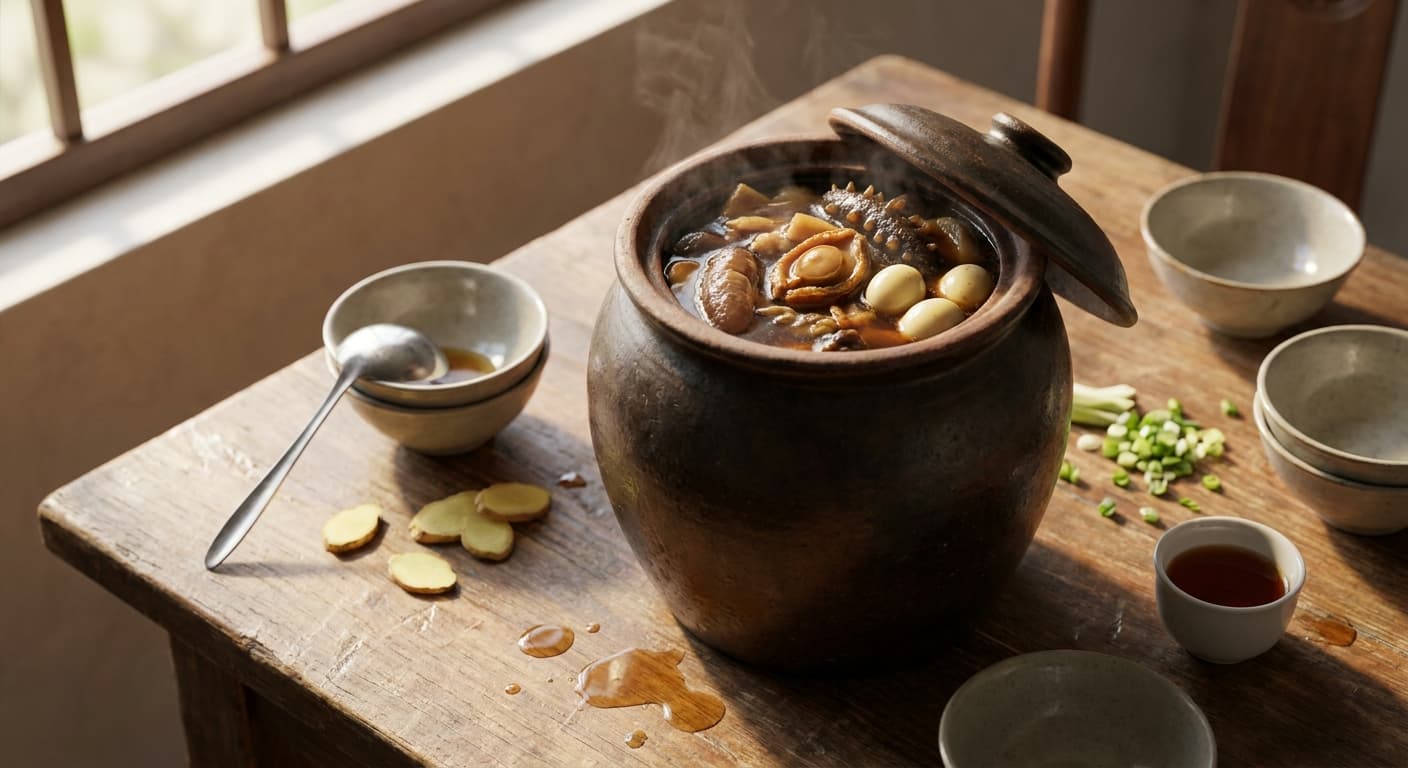
Buddha Jumps Over the Wall (佛跳墙) — Fujian Banquet Treasure Soup
Chinese · Soups · 540 min
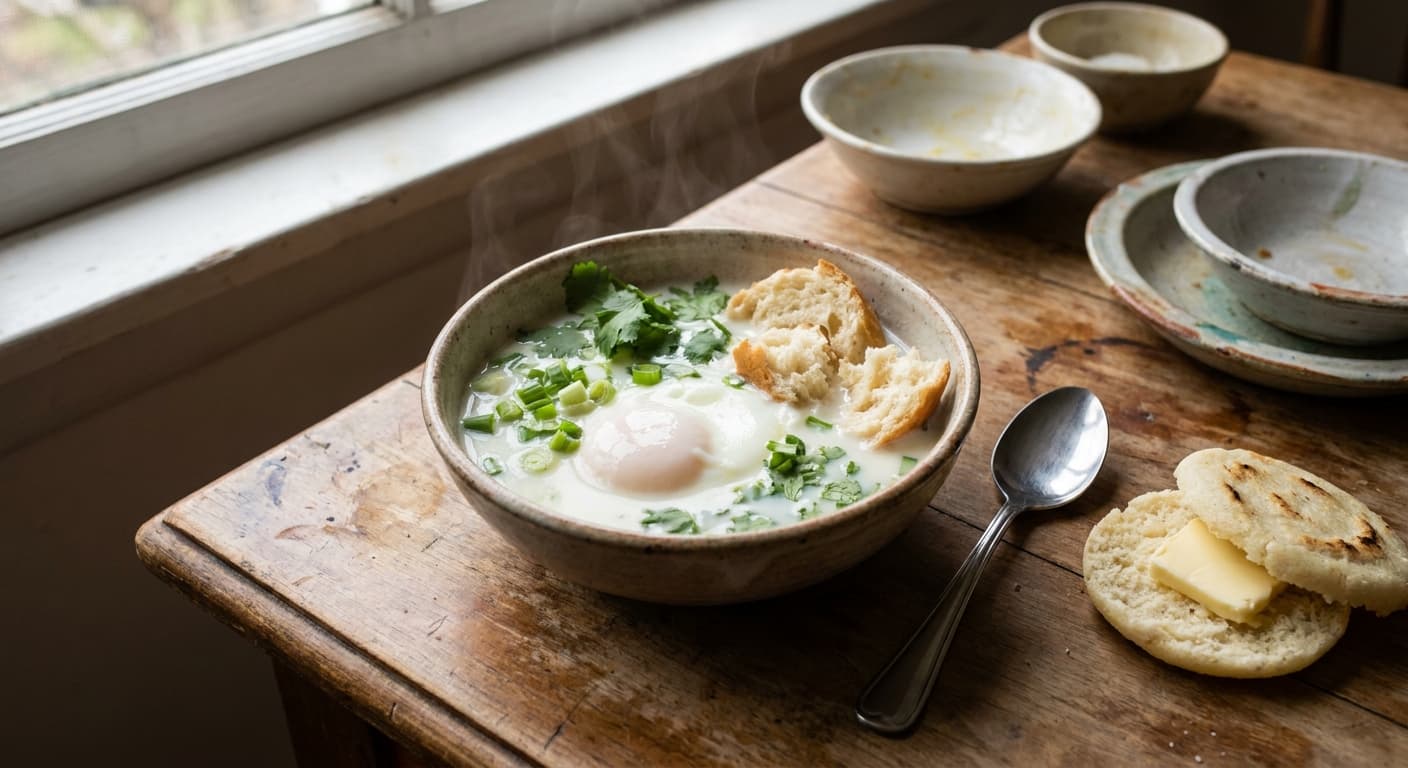
Changua (Changua) — Colombian Milk-and-Egg Breakfast Soup
Colombian · Soups · 25 min
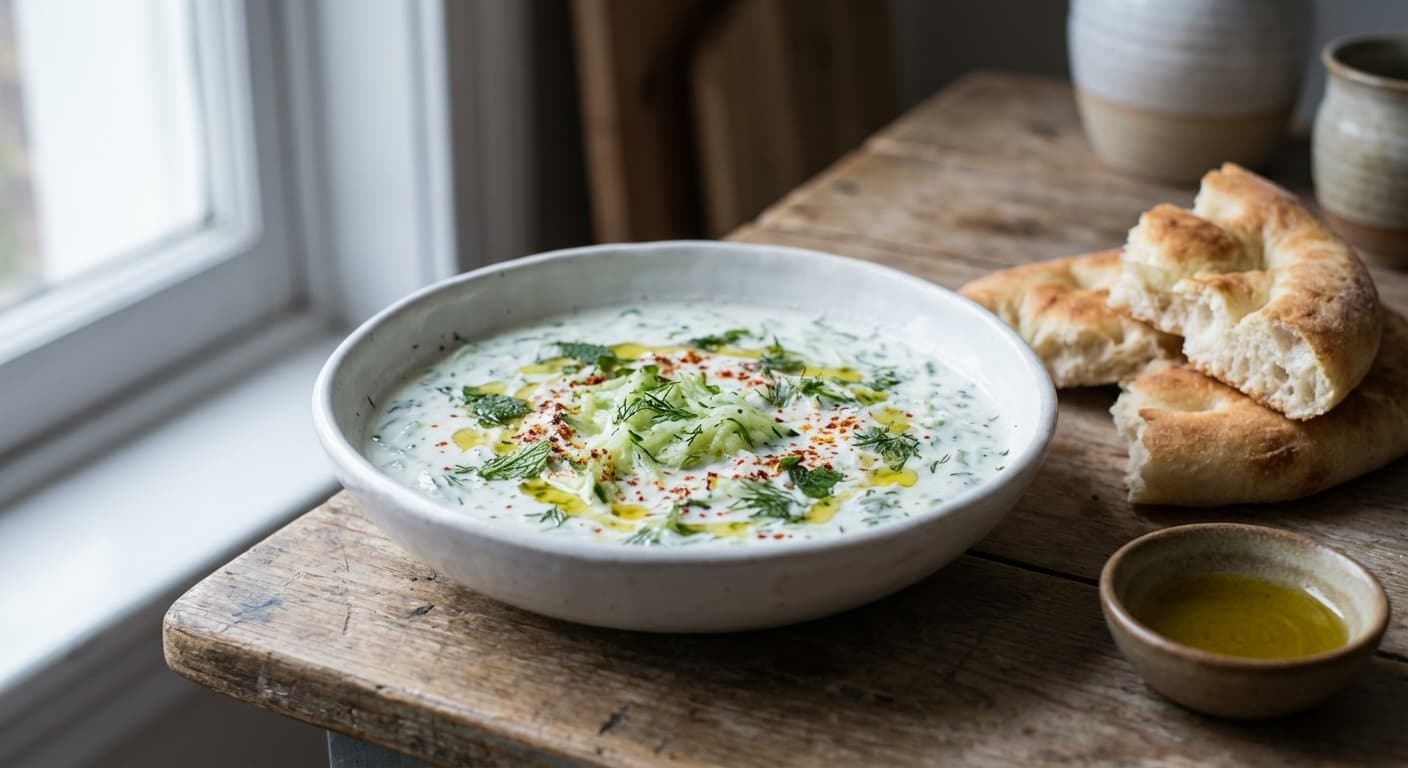
Cacık (Yoğurtlu Salatalık Mezesi) — Chilled Turkish Yogurt, Cucumber & Mint Dip
Turkish · Appetizers · 15 min
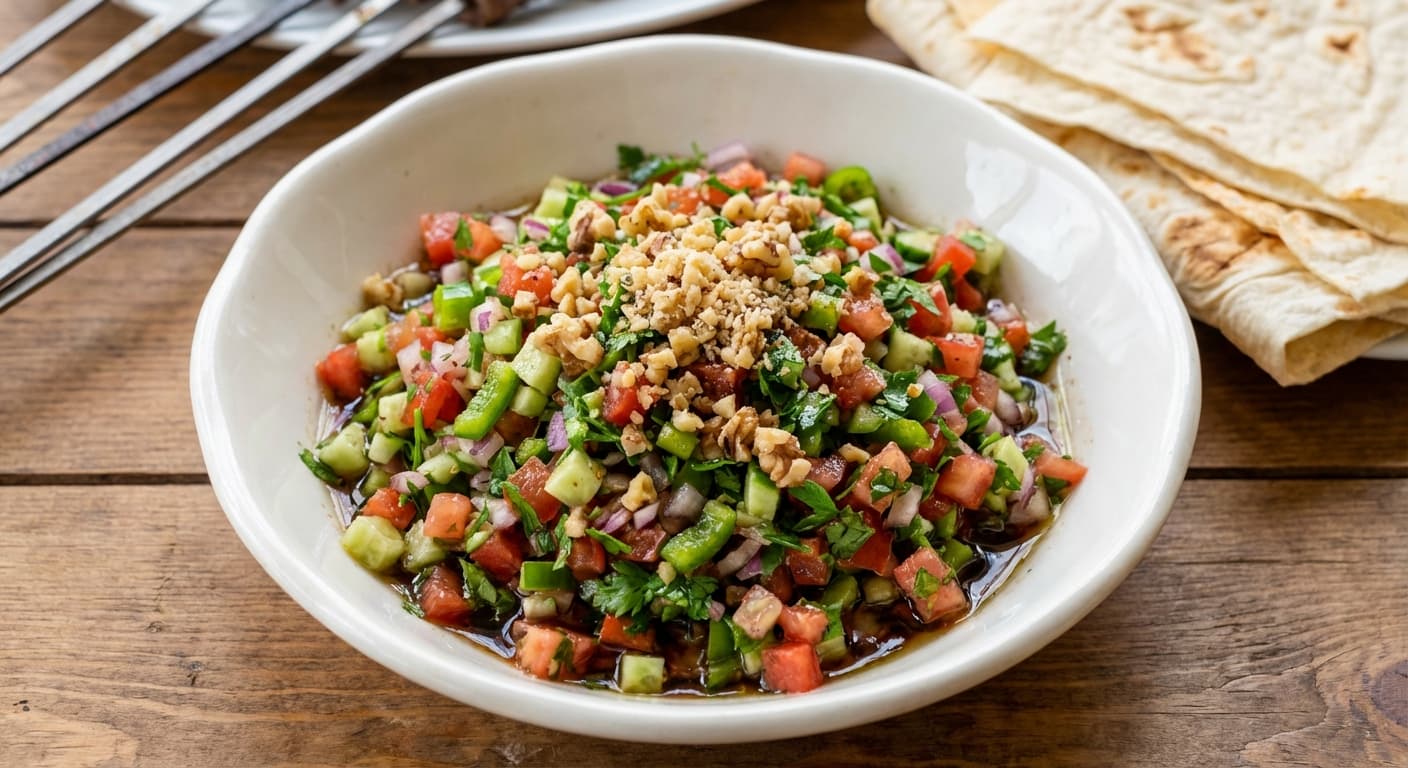
Gavurdağı Salad (Gavurdağı Salatası) — Finely Chopped Walnut & Pomegranate Salad
Turkish · Salads · 20 min
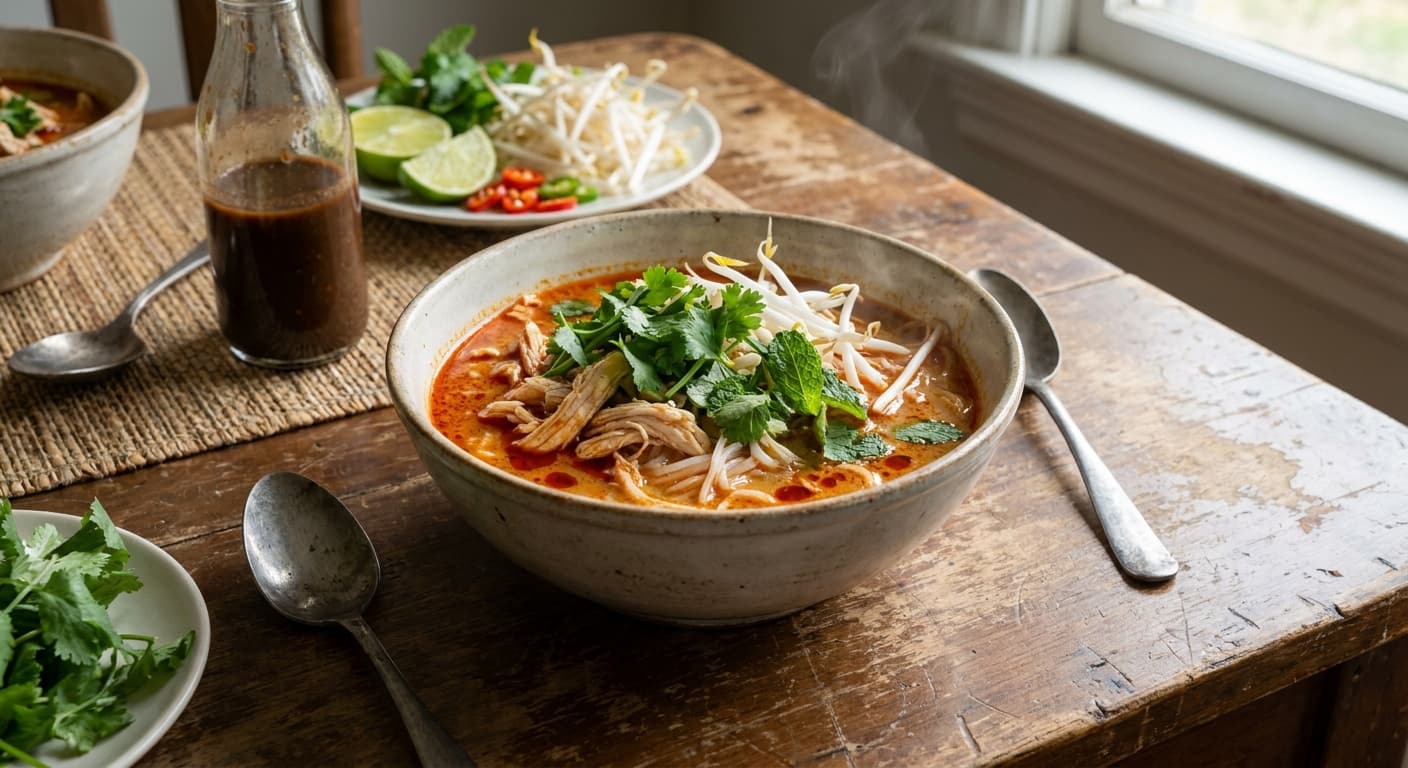
Khao Poon (ເຂົ້າປຸ້ນ) — Lao Coconut Curry Rice Vermicelli Soup
Laotian · Soups · 90 min
Reviews
Cooked this recipe?
Tap the stars to rate it — that's all it takes. A few words are welcome but optional.
No ratings yet. Cooked this one? Be the first to rate it — it takes one tap.