Pirashki Paniri (پیراشکی پنیری) — Persian Golden Cheese and Parsley Hand Pies
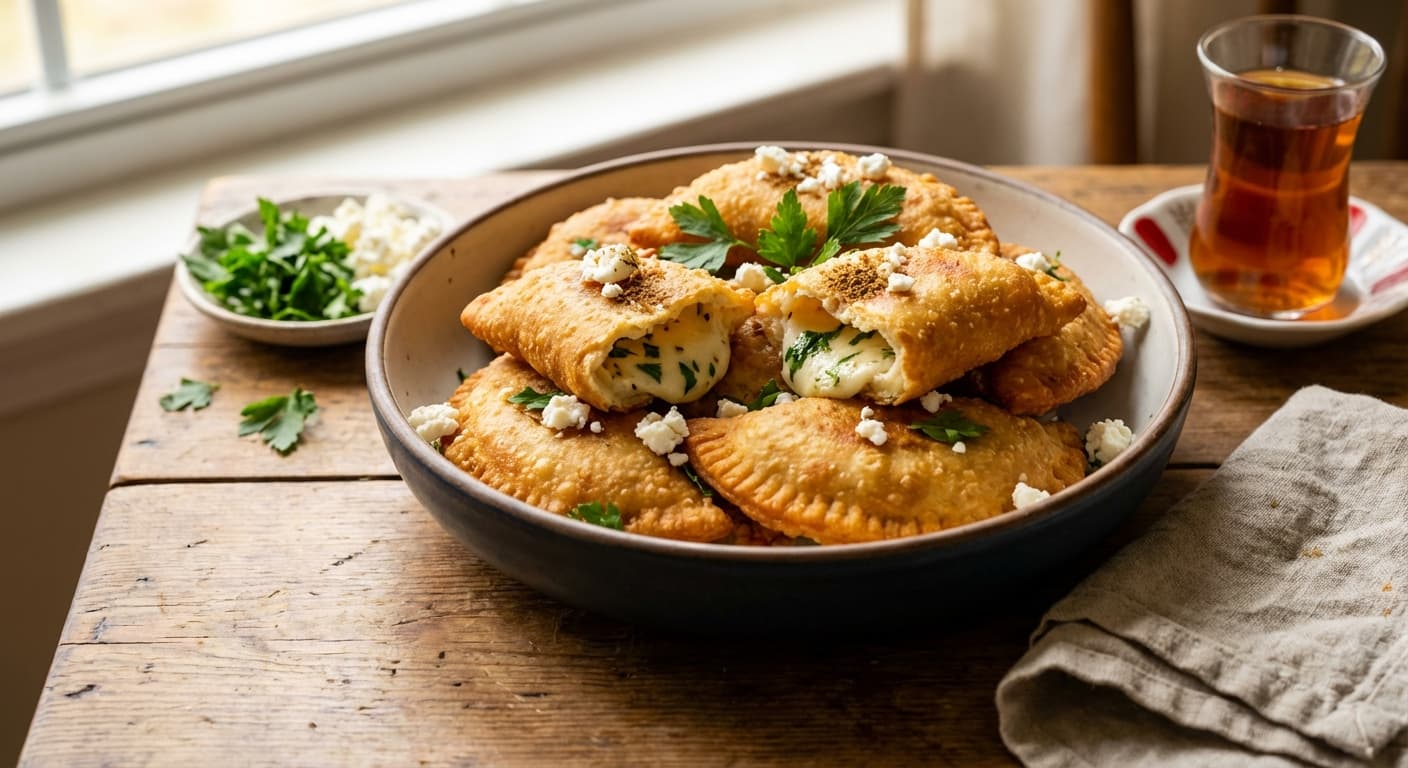
Crisp, golden Persian-style fried pirashki filled with tangy white cheese, fresh parsley, and warm cumin. Made with pizza dough for an accessible shortcut, these hand pies are a favorite for tea-time and street-style snacking.
Printable Recipe Card
Servings: 10 · Total: 100 min · Difficulty: medium
Ingredients (quick list)
- 680 g Store-bought pizza dough (fresh, refrigerated) (Two 340 g balls; keep cold until shaping)
- 40 g All-purpose flour (For dusting the work surface)
- 35 g Egg white (From 1 large egg; for sealing)
- 5 g Water (Mix with egg white to thin for brushing)
- 300 g White brined cheese (feta-style), crumbled (If very salty, rinse and drain well)
- 60 g Fresh parsley leaves, finely chopped (Stems removed)
- 2 tsp Ground cumin (Or use fennel seeds as listed below)
- 2 tsp Fennel seeds (Use instead of cumin, or use 1 tsp cumin + 1 tsp fennel for a balanced flavor)
- 0.5 tsp Black pepper (Freshly ground)
- 900 ml Neutral frying oil (sunflower, canola, or grapeseed) (For shallow frying in a 26–28 cm pan; use more if needed to maintain depth)
Steps (summary)
- Make the filling: In a bowl, mash the crumbled white cheese with a fork until mostly smooth. Stir in chopped parsley, black pep…
- Rest and portion the dough: Keep pizza dough cold until ready, then let it sit at room temperature 20 minutes so it stretches w…
- Shape the wrappers: Lightly flour the surface (use the measured flour). Roll each dough piece into a 12–13 cm round, keeping th…
- Fill and seal: Mix egg white with water. Place about 35–40 g filling in the center of each round, leaving a 1.5 cm border. Brus…
- Fry to golden: Heat oil in a wide pan to 175°C (350°F), maintaining 2–3 cm depth. Fry 2–3 pirashki at a time for 2.5–3.5 minute…
Cultural Background
Pirashki are a popular snack in Iran, commonly sold at bakeries and street stalls and served at casual gatherings with tea. The filling varies widely, but cheese-and-herb versions are especially common for quick, satisfying bites. Many families adapt the dough and fillings based on local availability and personal taste.
Equipment
💡 Tips
- If the cheese is very wet after rinsing, press it in a towel for 10 minutes; excess moisture can cause bursting during frying.
- Chill the filled pirashki before frying; cold filling and relaxed dough reduce leaking and help create a crisp shell.
- Keep oil temperature steady at 170–180°C (340–355°F); too cool makes them greasy, too hot browns before the dough cooks through.
- For extra crunch, roll the edges slightly thinner than the center and crimp firmly to create a tight seal.
- If using fennel seeds, lightly crush them in a mortar for a more even aroma without sharp bites.
⚠️ Common Mistakes
❌ Overfilling the pirashki
💡 Why: Too much filling pushes against the seam and expands during frying, causing leaks and oil splatter.
✅ Fix: Use 35–40 g filling per piece and leave a clear border; press out air before crimping and chill 15 minutes.
❌ Frying at low temperature
💡 Why: The dough absorbs oil before setting, leading to greasy, heavy pirashki and pale color.
✅ Fix: Preheat oil to 175°C (350°F) and fry in small batches; allow oil to return to temperature between batches.
❌ Weak sealing or dry edges
💡 Why: Unsealed seams open in hot oil, letting cheese escape and preventing a crisp, intact crust.
✅ Fix: Brush edges with egg white wash, press firmly, then crimp with a fork; keep dough rounds covered to prevent drying.
❌ Using very wet cheese
💡 Why: Moisture turns to steam quickly, which can rupture the dough and create blowouts.
✅ Fix: Drain and press the cheese; refrigerate the filling so it is firm and not watery before shaping.
🧊 How to Store
Best eaten hot and crisp. Store cooled leftovers airtight in the refrigerator up to 3 days. Reheat on a rack in a 200°C (400°F) oven for 8–10 minutes, flipping once. Avoid microwaving, which softens the crust. Freeze cooked pirashki up to 2 months; reheat from frozen at 200°C (400°F) for 14–16 minutes.
📅 Make Ahead
Prepare filling up to 24 hours ahead and refrigerate. Shape pirashki up to 6 hours ahead; keep covered in the refrigerator on a tray. Fry just before serving for best crispness, or fry ahead and re-crisp in a 200°C (400°F) oven for 6–8 minutes.
🍽️ Pairs Well With
- Strong black tea
- Pickled vegetables
- Cucumber and tomato salad with lemon
- Plain yogurt with dried mint
Regional Variations
- Tehran-style bakery pirashkiOften made smaller for snacking and may include a mix of herbs such as dill and scallion alongside parsley, with a stronger cumin note.
- Northern Iran (Caspian-influenced)Herb mixtures can be heavier and more aromatic, sometimes leaning toward dill and local greens; fillings may be slightly less salty with more fresh herbs.
Ingredients
- 680 gStore-bought pizza dough (fresh, refrigerated) (Two 340 g balls; keep cold until shaping)
- 40 gAll-purpose flour (For dusting the work surface)
- 35 gEgg white (From 1 large egg; for sealing)
- 5 gWater (Mix with egg white to thin for brushing)
- 300 gWhite brined cheese (feta-style), crumbled (If very salty, rinse and drain well)
- 60 gFresh parsley leaves, finely chopped (Stems removed)
- 2 tspGround cumin (Or use fennel seeds as listed below)
- 2 tspFennel seeds (Use instead of cumin, or use 1 tsp cumin + 1 tsp fennel for a balanced flavor)
- 0.5 tspBlack pepper (Freshly ground)
- 900 mlNeutral frying oil (sunflower, canola, or grapeseed) (For shallow frying in a 26–28 cm pan; use more if needed to maintain depth)
🔄 Substitutions
- White brined cheese (feta-style)→ Farmer cheese mixed with 30 g grated Parmesan
- Fresh parsley→ Fresh dill (40 g) plus scallions (20 g), finely chopped
- Pizza dough→ Homemade enriched dough (bread flour 360 g, water 210 g, yeast 7 g, sugar 12 g, salt 7 g, oil 20 g)
Instructions
- 1
Make the filling: In a bowl, mash the crumbled white cheese with a fork until mostly smooth. Stir in chopped parsley, black pepper, and either cumin or fennel seeds (or a mix). Taste; add no salt unless needed. Cover and refrigerate 20 minutes to firm so it is easier to portion.
- 2
Rest and portion the dough: Keep pizza dough cold until ready, then let it sit at room temperature 20 minutes so it stretches without tearing. Divide into 10 equal pieces (about 68 g each). Cover pieces with a towel and rest 10 minutes to relax gluten for easier rolling.
- 3
Shape the wrappers: Lightly flour the surface (use the measured flour). Roll each dough piece into a 12–13 cm round, keeping the center slightly thicker than the edges. Aim for about 2–3 mm thickness at the rim. Keep finished rounds covered so they do not dry out while you work.
- 4
Fill and seal: Mix egg white with water. Place about 35–40 g filling in the center of each round, leaving a 1.5 cm border. Brush the border with egg white wash, fold into a half-moon, and press out air. Crimp firmly with a fork; refrigerate shaped pirashki 15 minutes to help prevent leaks.
- 5
Fry to golden: Heat oil in a wide pan to 175°C (350°F), maintaining 2–3 cm depth. Fry 2–3 pirashki at a time for 2.5–3.5 minutes per side, turning once, until deep golden and blistered. Transfer to a rack or paper towels; rest 5 minutes before serving so the filling sets.
🪪 Recipe Passport
Cultural Background
Pirashki are a popular snack in Iran, commonly sold at bakeries and street stalls and served at casual gatherings with tea. The filling varies widely, but cheese-and-herb versions are especially common for quick, satisfying bites. Many families adapt the dough and fillings based on local availability and personal taste.
Regional Variations
Researched from multiple sources and validated by the Zaffaron editorial team. Every recipe is tested for accuracy, measurements, and cultural authenticity.
Nutrition per serving
Pairs well with
If you enjoyed this recipe, here are a few related Zaffaron recipes to try next.
- Makaroni ba Sosis va Zeytoon (ماکارونی با سوسیس و زیتون) — Persian-Style Macaroni with Sausage and Olives
- Persian Moutabal with Kashk (متبل با کشک) — Smoky Roasted Eggplant Dip
- Persian Herb-Roasted Whole Chicken (خوراک مرغ بریان) — Citrus-garlic roast with rosemary and thyme
- Persian Kotlet (کتلت) — Saffron-Infused Meat & Potato Patties
Does your family make this differently?
Every family has their own version. Maybe your grandmother adds a secret ingredient, or your aunt has a completely different technique. Preserve your family's version — with their name on it, forever.
You Might Also Like
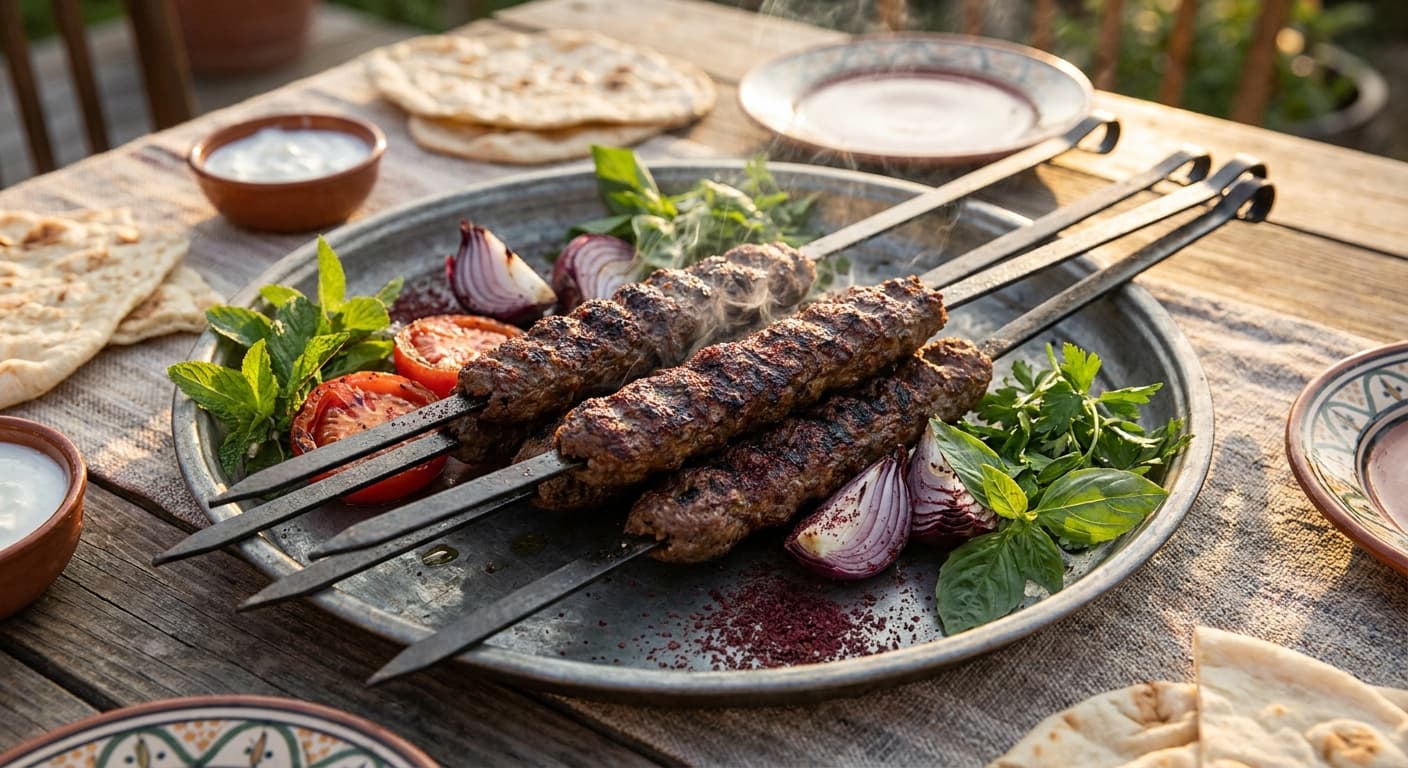
Authentic Kabab Koobideh (کباب کوبیده) — Persian Minced Lamb Skewers
Persian · Kebabs · 40 min
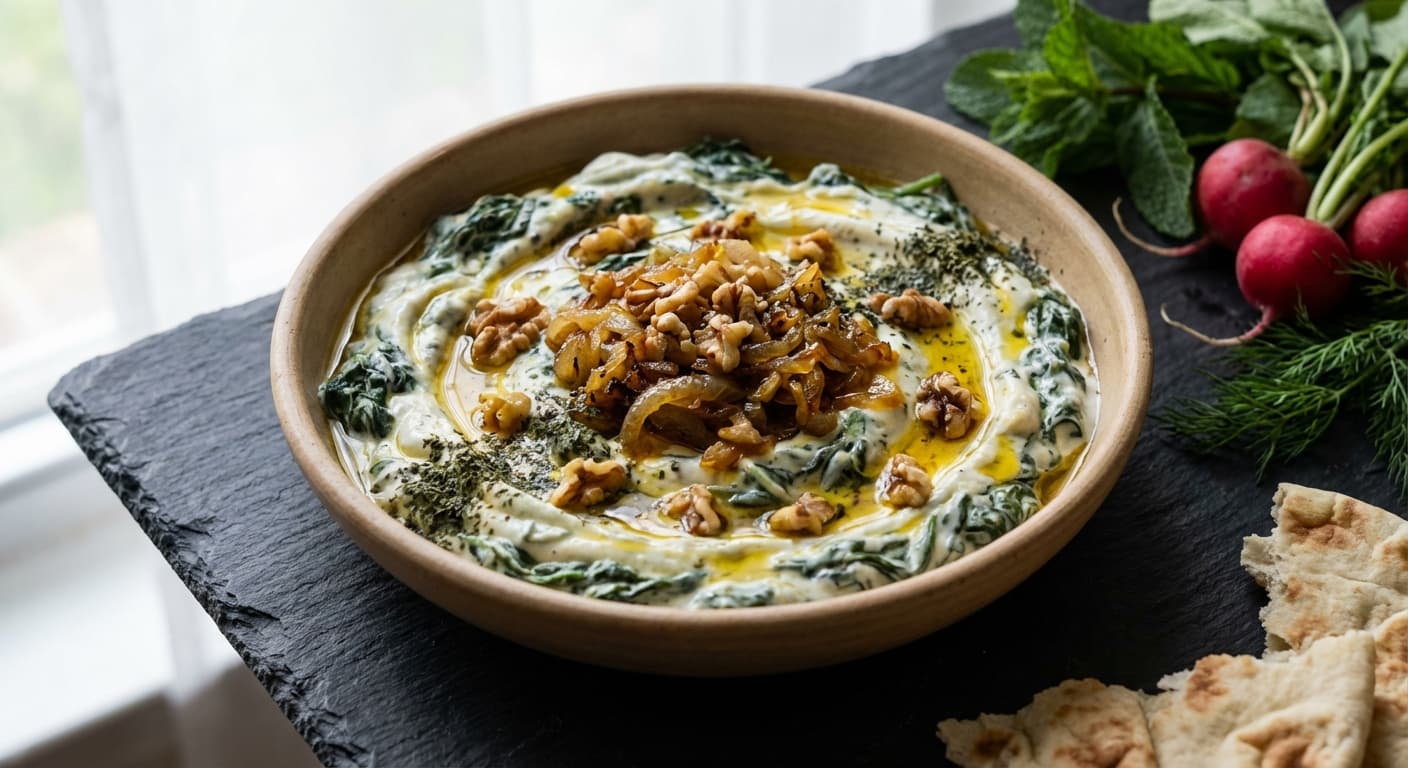
Borani Esfenaj (بورانی اسفناج) — Persian Spinach and Yogurt Dip with Saffron and Walnuts
Persian · Appetizers · 40 min
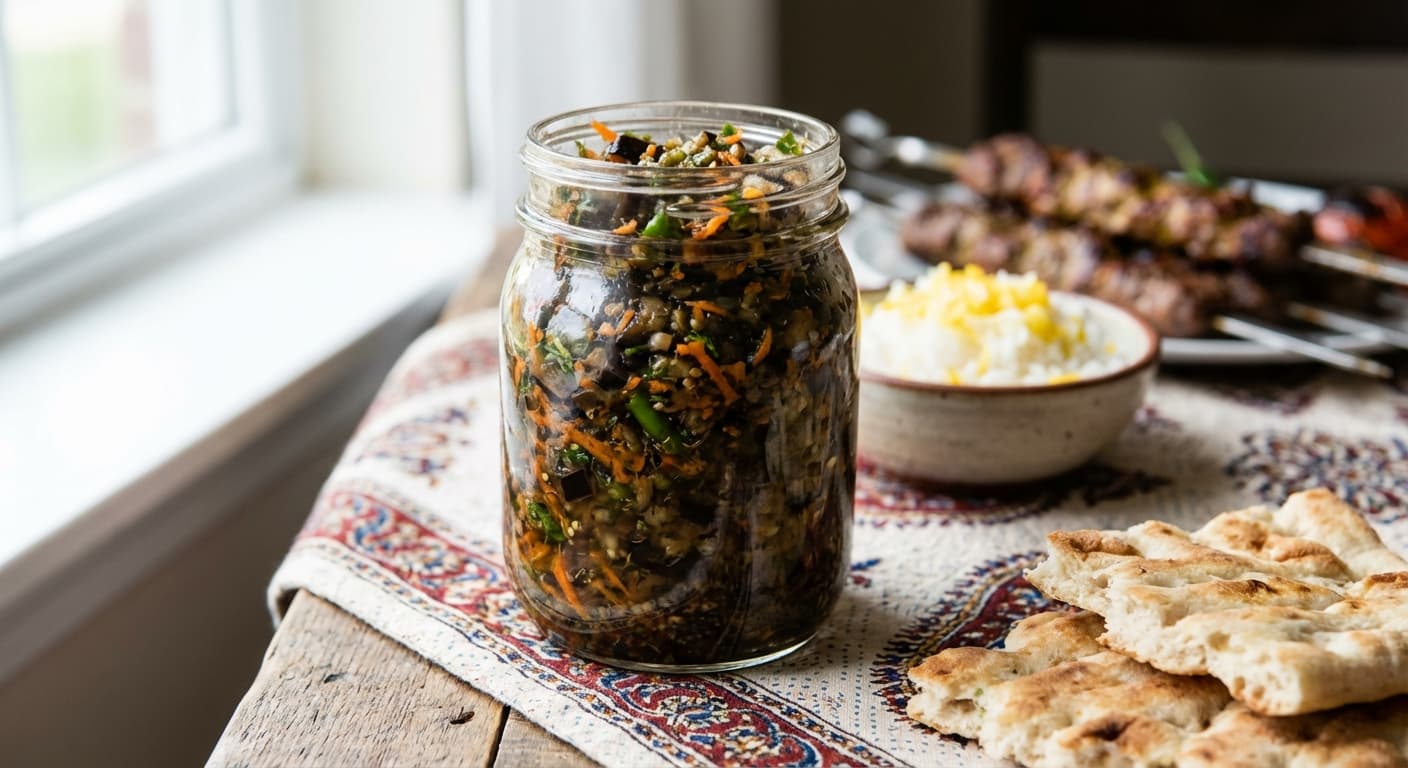
Persian Smoked Torshi Liteh (ترشی لیته) — Caspian-style smoky mixed vegetable pickle
Persian · Side Dishes · 60 min
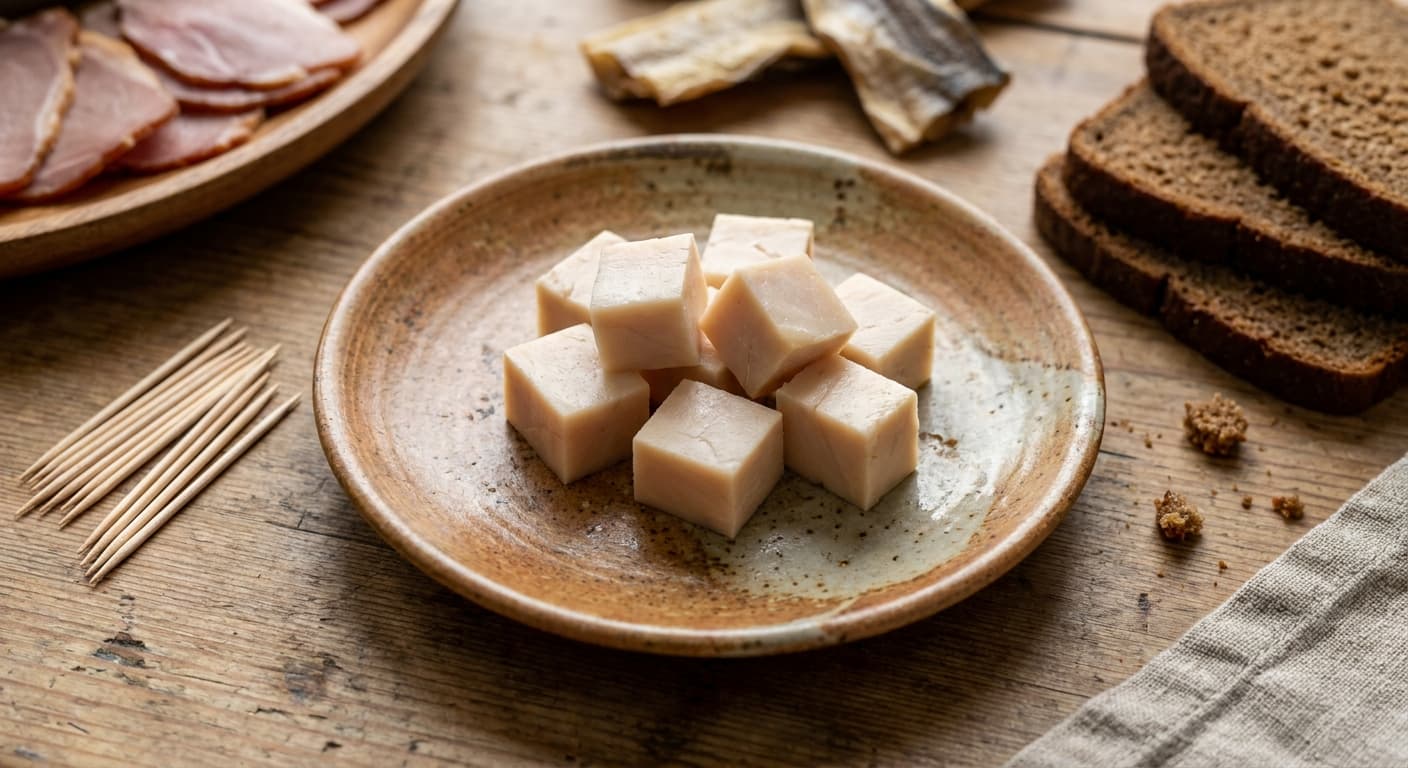
Hákarl (Hákarl) — Icelandic Fermented Shark Bites
Icelandic · Appetizers · 15 min
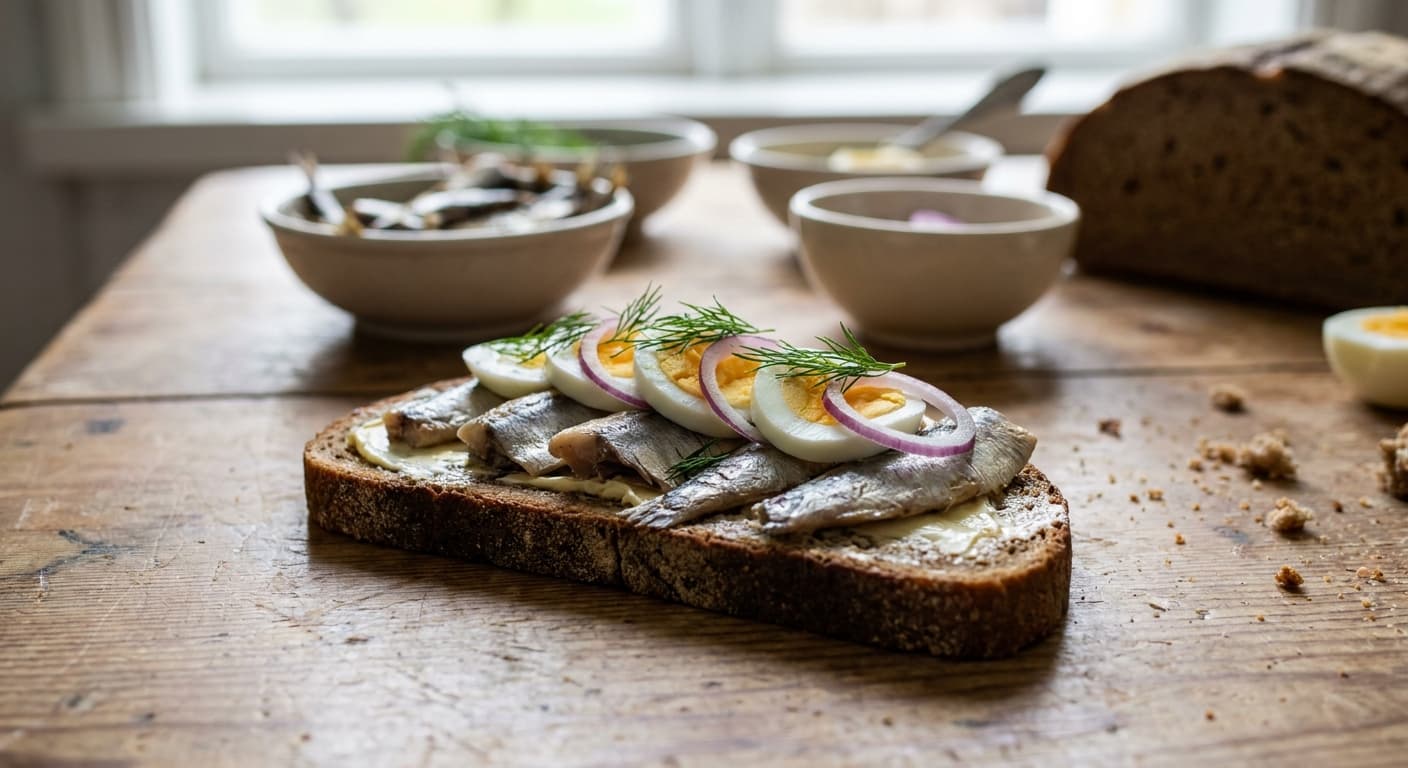
Sprat Sandwich (Kiluvõileib) — Estonian Rye and Baltic Sprat Open-Face
Estonian · Appetizers · 25 min
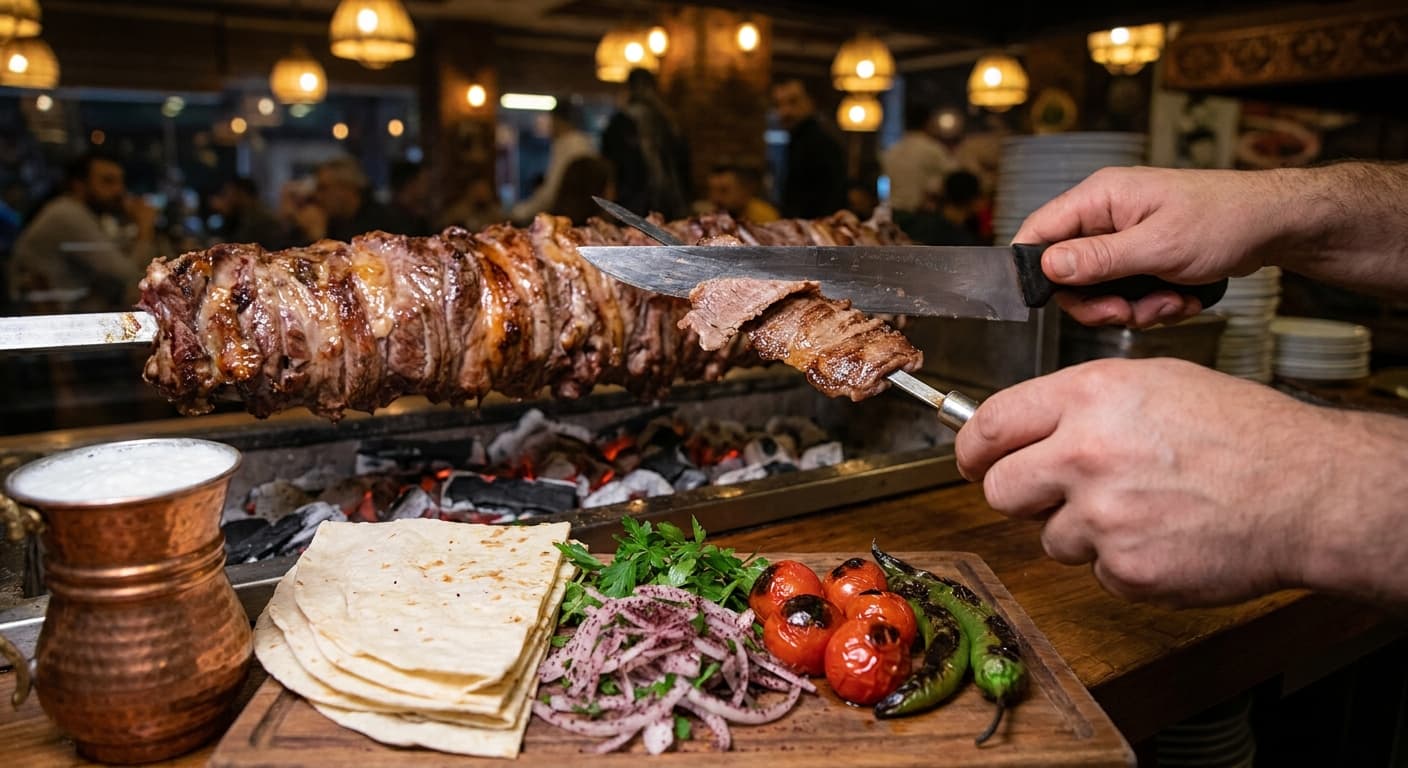
Turkish Cağ Kebab (Cağ Kebabı) — Erzurum Slow-Roasted Charcoal Lamb Skewer
Turkish · Kebabs · 160 min
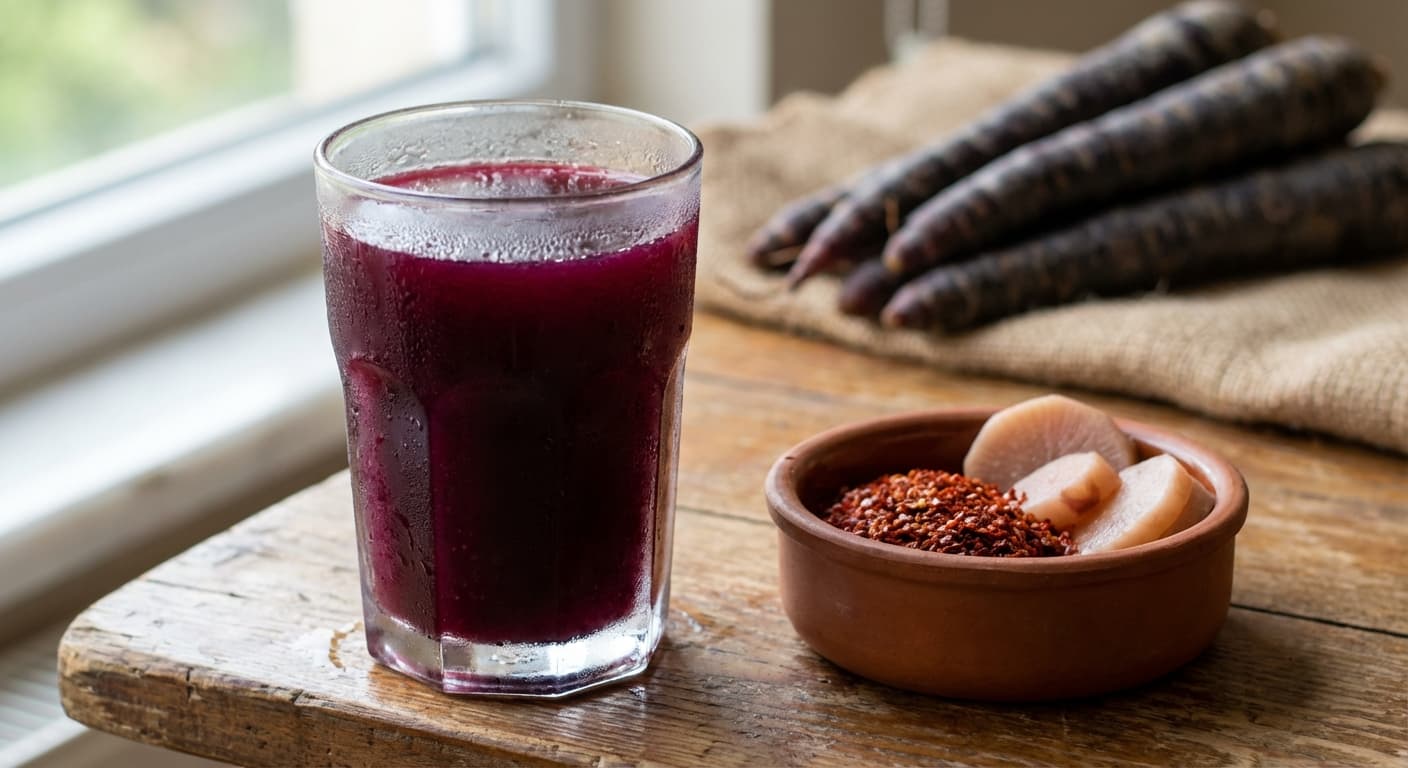
Salgam Juice (Şalgam) — Spicy, tangy fermented black-carrot drink
Turkish · Drinks · 25 min
Potica (Potica) — Slovenian Walnut Holiday Roll
Slovenian · Desserts · 100 min
Reviews
Cooked this recipe?
Tap the stars to rate it — that's all it takes. A few words are welcome but optional.
No ratings yet. Cooked this one? Be the first to rate it — it takes one tap.