Hákarl (Hákarl) — Icelandic Fermented Shark Bites
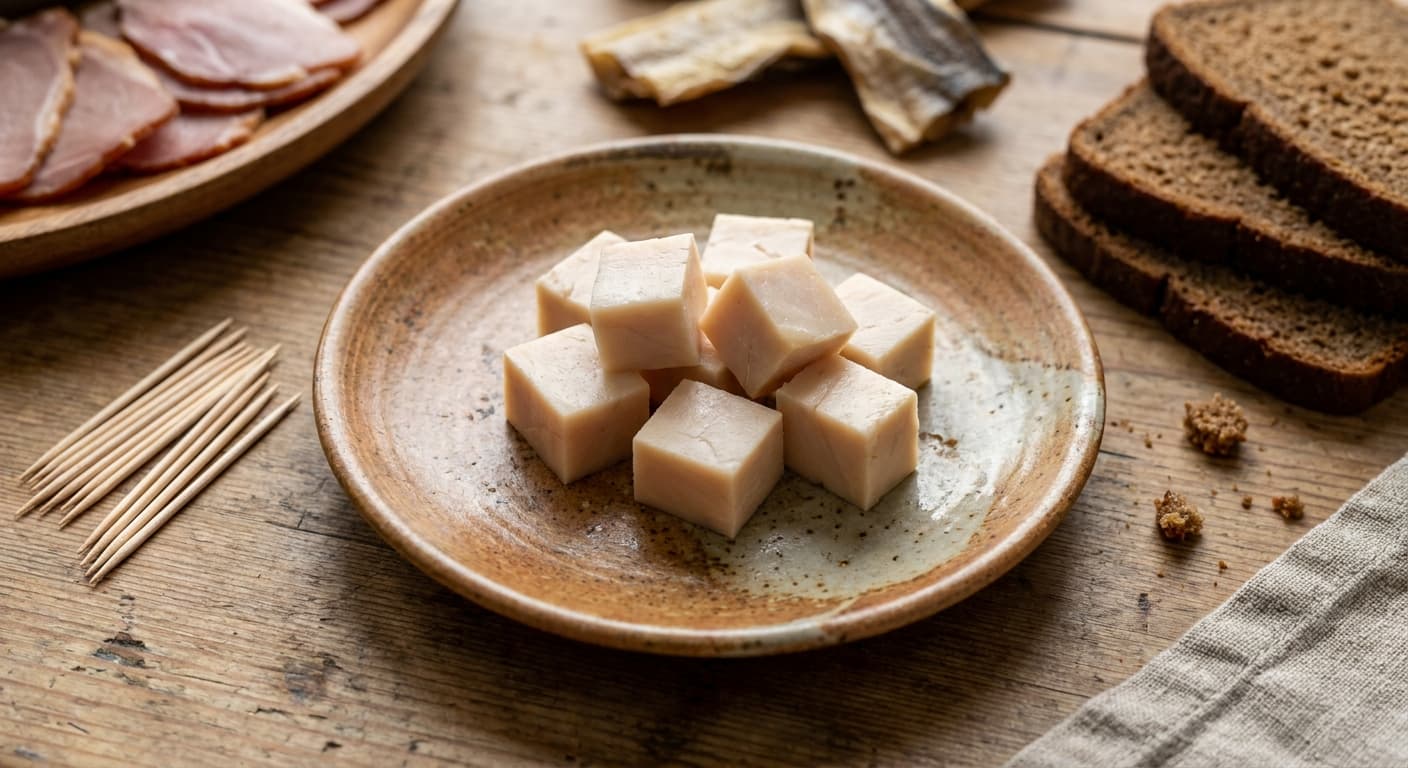
Hákarl is Iceland’s famous fermented Greenland shark, cured and air-dried until firm, pungent, and ammonia-scented. It is traditionally served in small cubes at Þorrablót, often beside rúgbrauð, hardfiskur, and hangikjöt.
Printable Recipe Card
Servings: 6 · Total: 15 min · Difficulty: easy
Ingredients (quick list)
- 300 g professionally prepared Icelandic hákarl (certified fermented Greenland shark; do not use raw shark)
- 6 slice rúgbrauð (dense Icelandic rye bread, about 30 g per slice)
- 30 g Icelandic butter (softened for spreading on the rye bread)
Steps (summary)
- Buy only professionally prepared hákarl from a trusted Icelandic producer or fishmonger. Raw Greenland shark contains high leve…
- Keep the hákarl refrigerated until 10 minutes before serving, then open the package in a well-ventilated kitchen. The aroma sho…
- Pat the surface dry with clean paper towels if excess moisture is present. Using a sharp knife, cut the hákarl into neat 1.5 cm…
- Arrange the cubes on a chilled ceramic plate or a small wooden serving board. Leave a small amount of space between the pieces…
- Spread each slice of rúgbrauð with 5 g of softened Icelandic butter and place the bread beside the hákarl. The sweet, dense rye…
- Serve immediately as part of a Þorrablót-style table, where hákarl may appear near hardfiskur, hangikjöt, and other preserved I…
Cultural Background
As Gunnar Karl Gíslason describes Icelandic food culture in North, preservation shaped the island table. Hákarl remains a bold Þorrablót symbol, linking winter feasting with older methods of fermenting and drying scarce foods.
Equipment
💡 Tips
- Serve hákarl very cold but not frozen; chilling tightens the texture and makes the aroma easier to appreciate.
- Cut small cubes rather than large chunks, because hákarl is intense and is traditionally eaten in modest bites.
- Use a separate cutting board and wash the knife promptly, since the ammoniac aroma can linger on kitchen tools.
⚠️ Common Mistakes
❌ Trying to ferment raw Greenland shark at home
✅ Fix: Use only professionally prepared hákarl, because traditional detoxification requires controlled fermentation, pressing, and long drying.
❌ Serving pieces that are too large
✅ Fix: Cut 1.5 cm cubes so the aroma and saltiness remain balanced for each bite.
❌ Letting the hákarl sit warm for a long time
✅ Fix: Plate it shortly before serving and keep leftovers chilled, because warmth makes the ammonia aroma harsher.
🧊 How to Store
Keep unopened hákarl refrigerated according to the producer’s date. Once opened, wrap tightly or seal in glass and refrigerate for up to 3 days; serve cold and do not heat, as warming intensifies the ammonia aroma.
📅 Make Ahead
Cut the hákarl up to 4 hours ahead, cover tightly in a glass container, and refrigerate. Butter the rúgbrauð no more than 30 minutes before serving so the bread stays moist but not greasy.
🍽️ Pairs Well With
- Chilled brennivín
- rúgbrauð with butter
- hardfiskur
- hangikjöt
- boiled potatoes.
Regional Variations
- Glerhákarl is usually darker, more translucent, and chewier, often considered the stronger style.
- Skyrhákarl is paler and softer, with a texture some Icelanders compare to firm cheese.
- Modern Icelandic tastings often serve small cubes with toothpicks and brennivín, while older farm-style service may be plainer.
Ingredients
- 300 gprofessionally prepared Icelandic hákarl (certified fermented Greenland shark; do not use raw shark)
- 6 slicerúgbrauð (dense Icelandic rye bread, about 30 g per slice)
- 30 gIcelandic butter (softened for spreading on the rye bread)
🔄 Substitutions
- professionally prepared Icelandic hákarl→ hardfiskur
- rúgbrauð→ dense unsweetened rye bread
- Icelandic butter→ cultured unsalted butter
Instructions
- 1
Buy only professionally prepared hákarl from a trusted Icelandic producer or fishmonger. Raw Greenland shark contains high levels of urea and trimethylamine oxide, so home fermentation is not recommended unless performed under regulated traditional conditions.
- 2
Keep the hákarl refrigerated until 10 minutes before serving, then open the package in a well-ventilated kitchen. The aroma should be sharply ammoniac and marine, not rotten, sour, or putrid.
- 3
Pat the surface dry with clean paper towels if excess moisture is present. Using a sharp knife, cut the hákarl into neat 1.5 cm cubes, aiming for about 50 g of fermented shark per person.
- 4
Arrange the cubes on a chilled ceramic plate or a small wooden serving board. Leave a small amount of space between the pieces so guests can pick them up cleanly with toothpicks or a small fork.
- 5
Spread each slice of rúgbrauð with 5 g of softened Icelandic butter and place the bread beside the hákarl. The sweet, dense rye and butter soften the shark’s aggressive aroma without hiding its traditional character.
- 6
Serve immediately as part of a Þorrablót-style table, where hákarl may appear near hardfiskur, hangikjöt, and other preserved Icelandic foods. Invite guests to try one cube at a time, chewing briefly and following with rye bread or a chilled drink.
🪪 Recipe Passport
Cultural Background
As Gunnar Karl Gíslason describes Icelandic food culture in North, preservation shaped the island table. Hákarl remains a bold Þorrablót symbol, linking winter feasting with older methods of fermenting and drying scarce foods.
Regional Variations
Researched from multiple sources and validated by the Zaffaron editorial team. Every recipe is tested for accuracy, measurements, and cultural authenticity.
📚 Sources & Cultural References
- Gunnar Karl Gíslason and Jody Eddy — North: The New Nordic Cuisine of Iceland — (2014)
- Alan Davidson — The Oxford Companion to Food — (2014)
Sources cited by the Zaffaron editorial team during recipe research. Cultural and culinary references supporting authenticity claims.
Nutrition per serving
Pairs well with
If you enjoyed this recipe, here are a few related Zaffaron recipes to try next.
Does your family make this differently?
Every family has their own version. Maybe your grandmother adds a secret ingredient, or your aunt has a completely different technique. Preserve your family's version — with their name on it, forever.
You Might Also Like
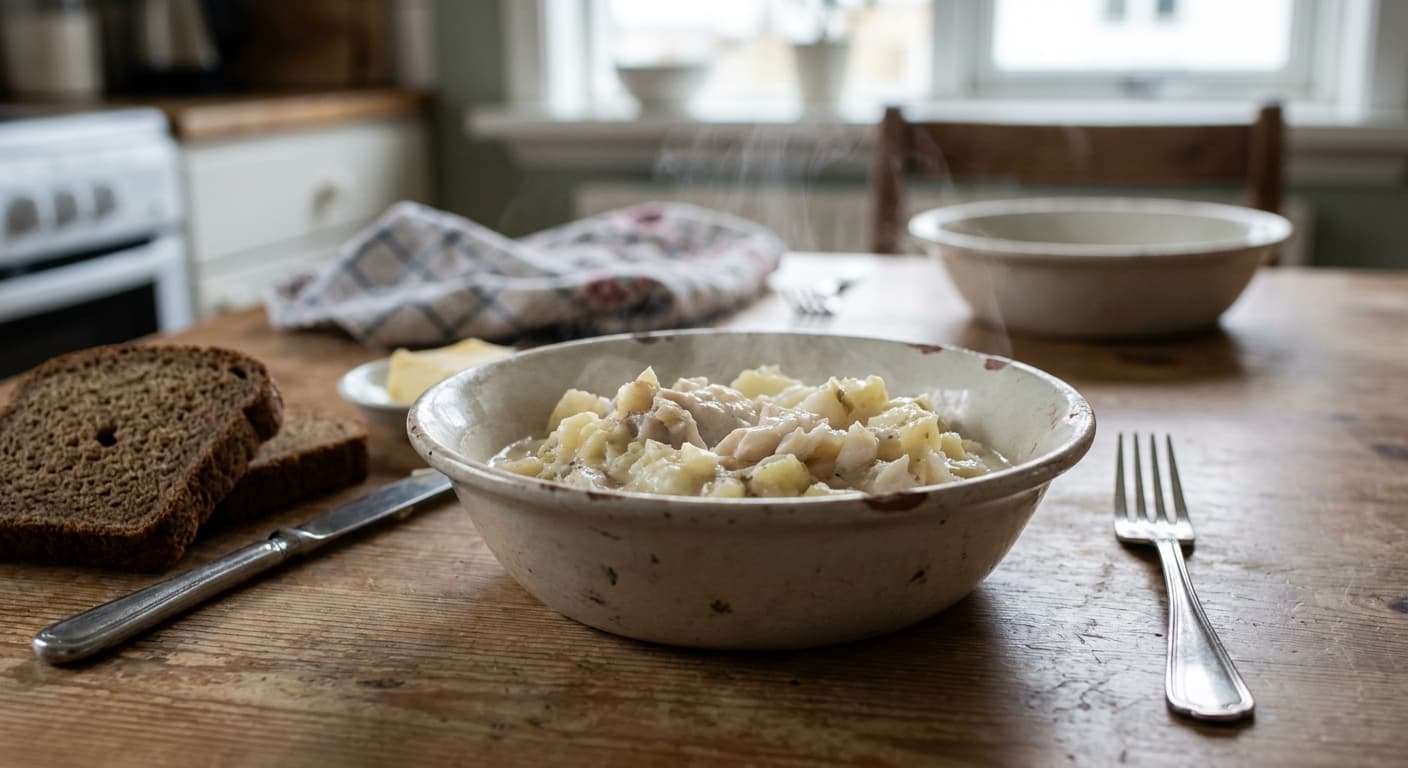
Icelandic Fish Stew (Plokkfiskur) — Creamy Cod and Potato Mash
Icelandic · Stews · 55 min
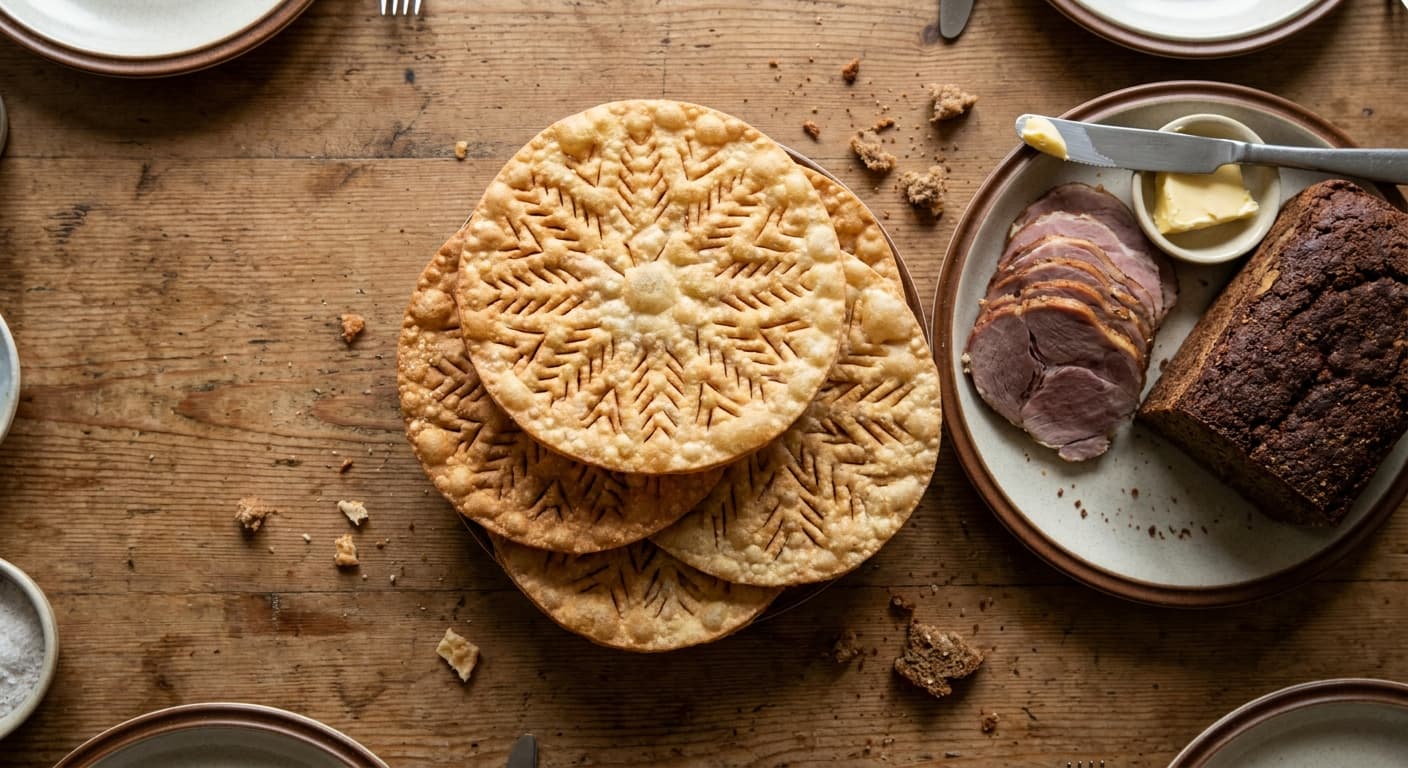
Leaf Bread (Laufabrauð) — Crisp Icelandic Christmas Flatbread
Icelandic · Breads · 100 min
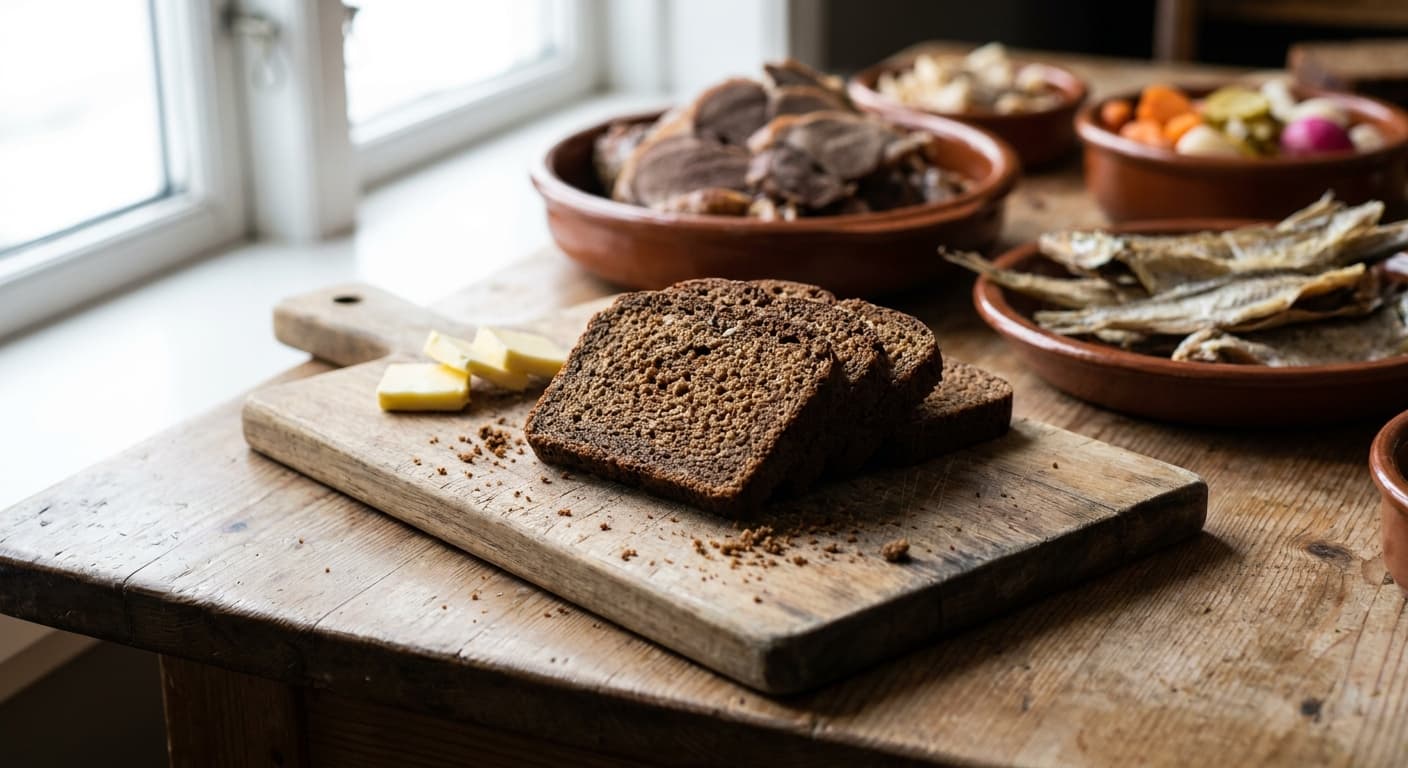
Icelandic Rye Bread (Rúgbrauð) — Dense Geothermal-Style Rye Loaf
Icelandic · Breads · 440 min
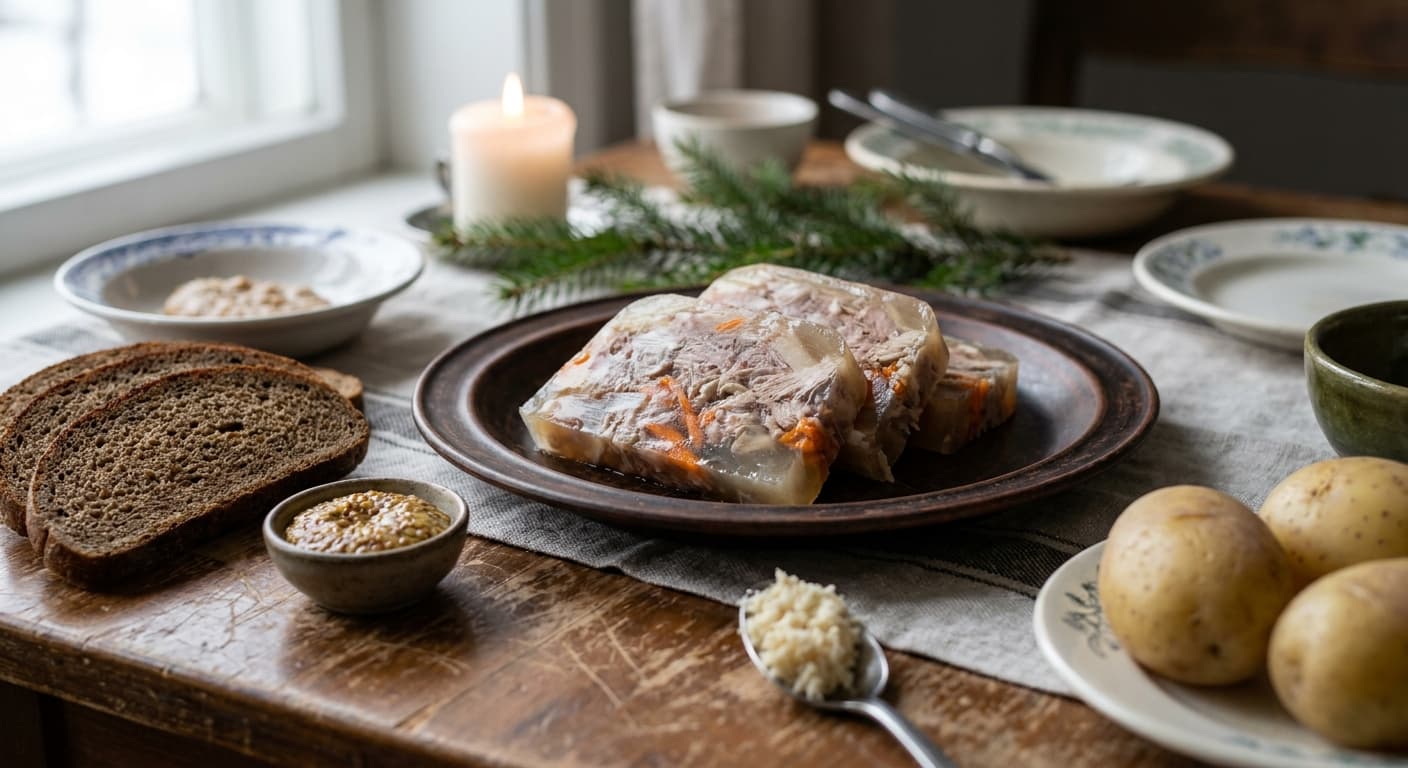
Estonian Jellied Pork (Sült) — Clear Pork Aspic with Garlic and Bay
Estonian · Appetizers · 245 min
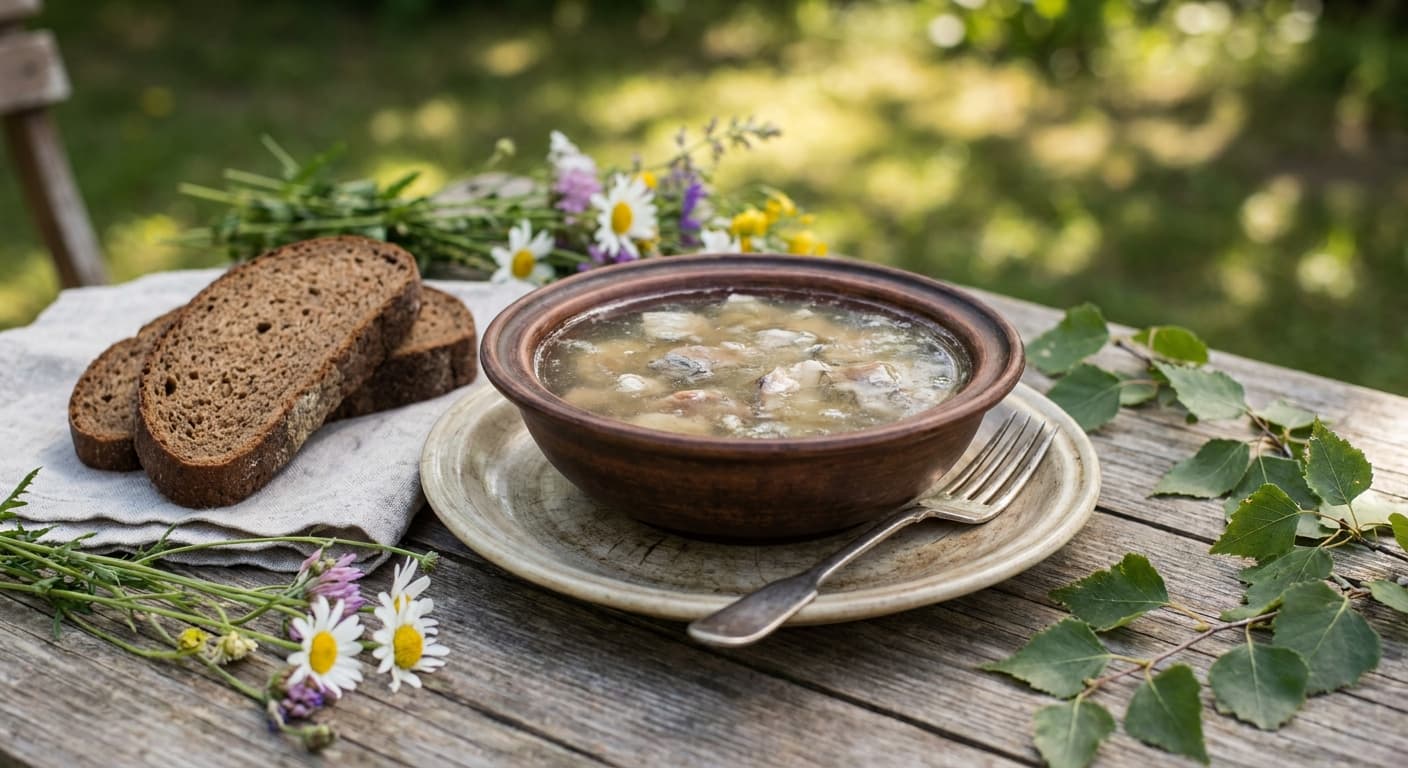
Latvian Fish Aspic (Zivju galerts) — Clear Dill-Scented Baltic Fish Jelly
Latvian · Appetizers · 90 min
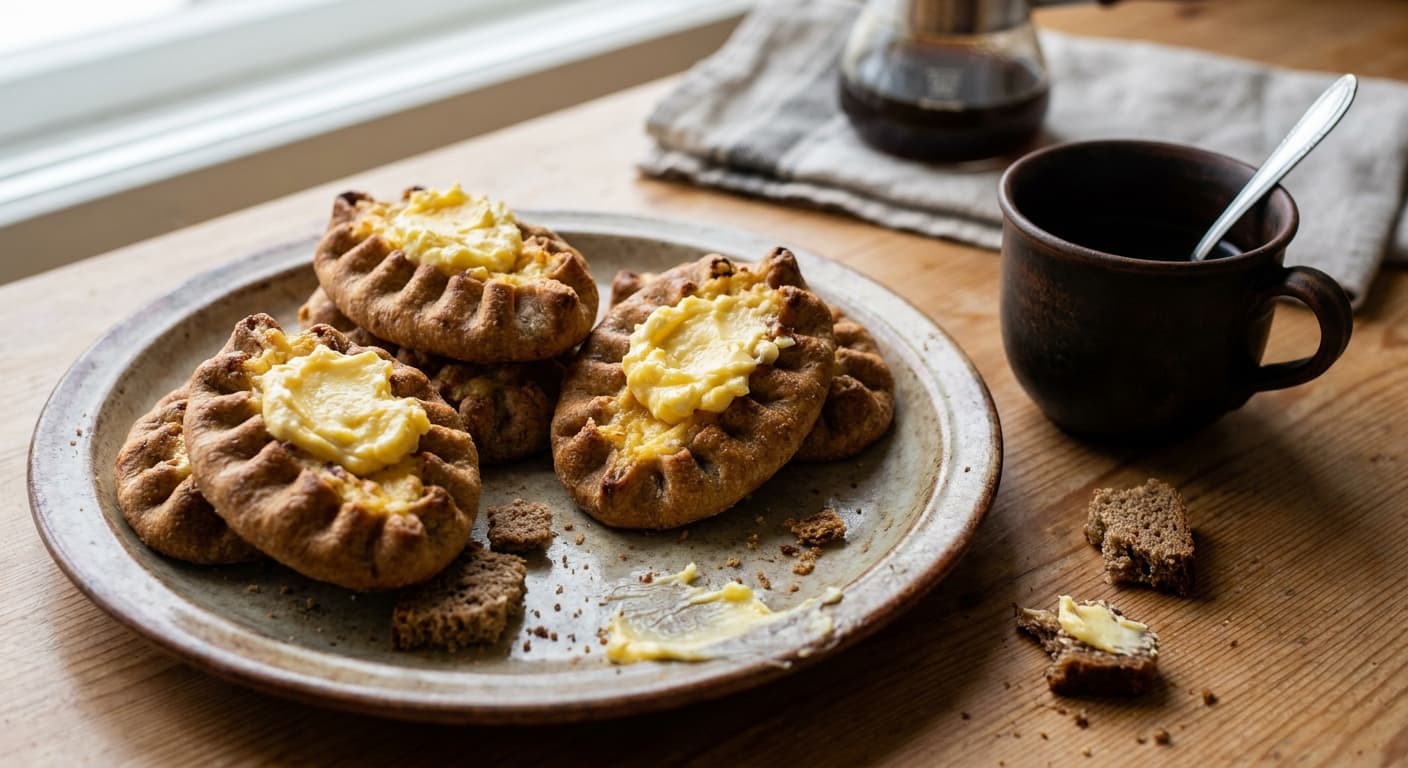
Karelian Pasties (Karjalanpiirakka) — Rye Crusts Filled with Rice Porridge
Finnish · Breads · 115 min
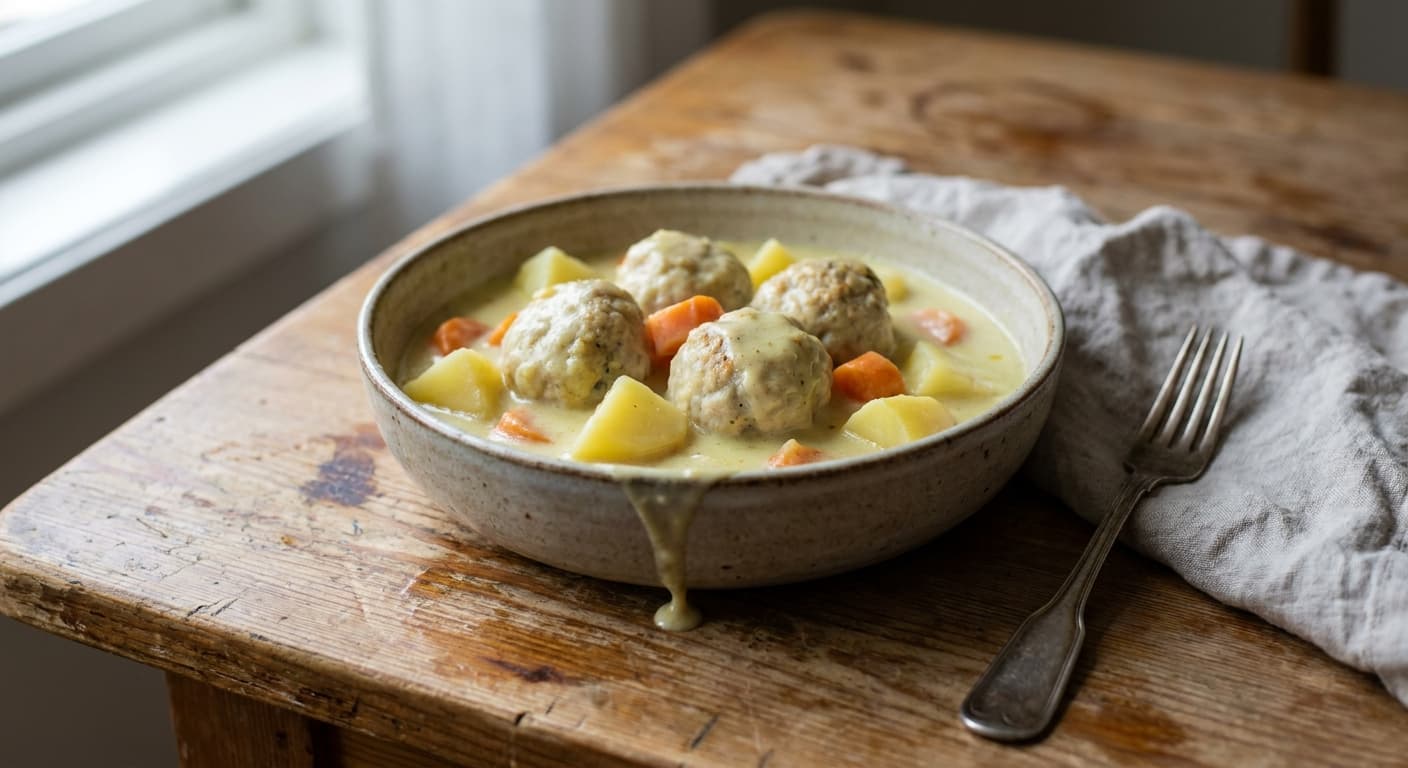
Norwegian Fish Balls (Fiskeboller) — Tender whitefish dumplings in curry cream sauce
Norwegian · Main Courses · 70 min
Vietnamese Fresh Spring Rolls (Gỏi Cuốn) — Shrimp, Pork, Herbs, and Peanut Sauce
Vietnamese · Appetizers · 60 min
Reviews
Cooked this recipe?
Tap the stars to rate it — that's all it takes. A few words are welcome but optional.
No ratings yet. Cooked this one? Be the first to rate it — it takes one tap.