Makaroni (ماکارونی) — Persian-Style Pasta with Tahdig
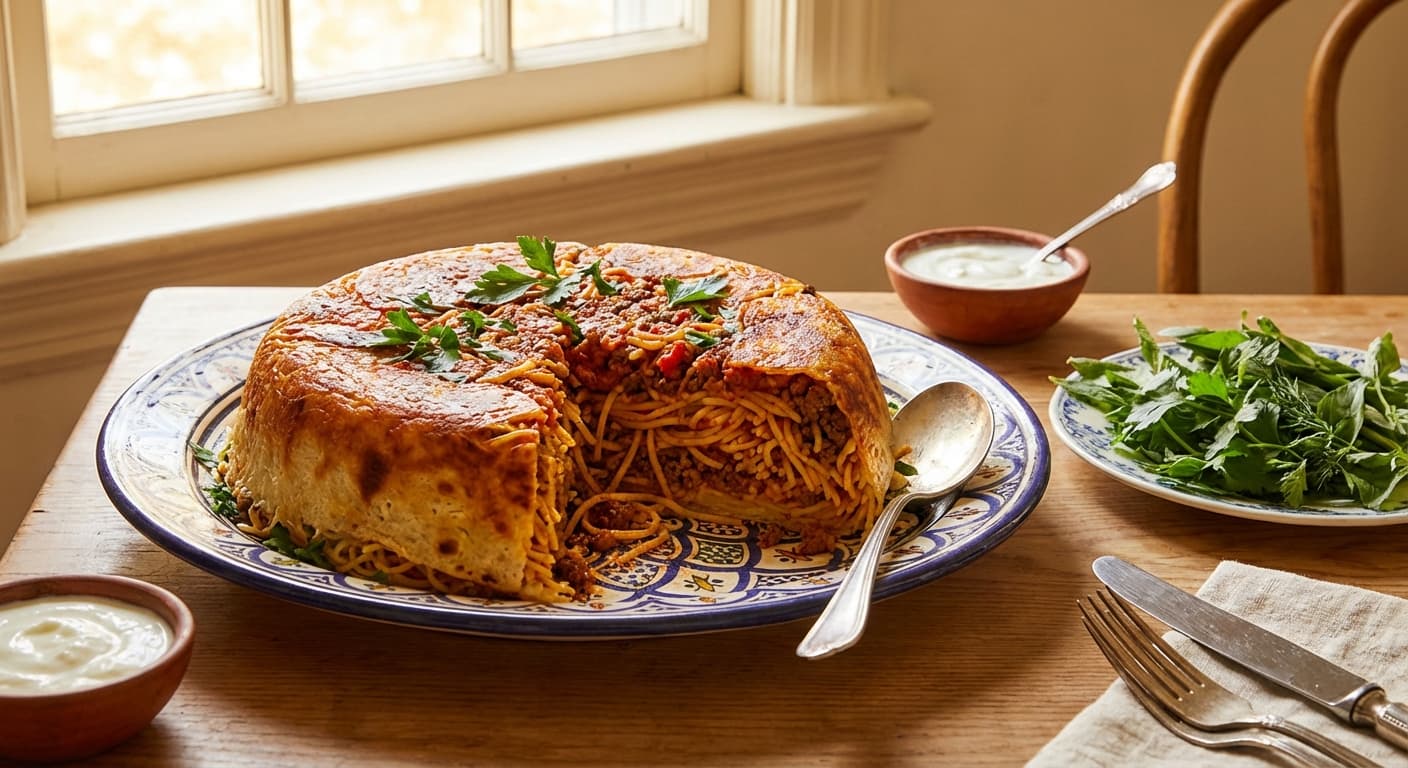
Persian makaroni is layered pasta steamed with a fragrant meat-and-tomato sauce, then finished with a crisp tahdig crust. This comforting home-style dish balances savory aromatics, herbs, and golden crunch in every slice.
Printable Recipe Card
Servings: 6 · Total: 80 min · Difficulty: medium
Ingredients (quick list)
- 400 g Spaghetti (or short macaroni; break spaghetti in half if desired)
- 4 L Water (for boiling pasta)
- 24 g Salt (about 4 tsp, divided (pasta water and sauce))
- 90 ml Vegetable oil (divided)
- 80 g Lavash bread (torn into large pieces to line the pot for bread tahdig)
- 250 g Ground beef (15–20% fat preferred)
- 60 g Textured soy protein (TVP), dry (fine or medium granules; for a beef-soy blend)
- 180 ml Boiling water (to hydrate the soy protein)
- 250 g Onion (finely diced (about 1 large))
- 150 g Bell pepper (diced (about 1 medium))
- 200 g Fresh mushrooms (sliced)
- 400 g Tomatoes (grated or finely crushed (about 3 medium))
+ 7 more in the full ingredients section below.
Steps (summary)
- Hydrate the soy protein: place the dry soy granules in a heatproof bowl, pour over 180 ml boiling water, and stir. Let stand 10…
- Make the sauce base: heat 2 tbsp (30 ml) vegetable oil in a large skillet over medium heat. Add diced onion and cook 8–10 minut…
- Build flavor and reduce: add the squeezed soy protein, bell pepper, and mushrooms. Cook 7–9 minutes until the mushrooms release…
- Boil the pasta: bring 4 L water to a rolling boil in a large pot. Add 2 tsp (12 g) salt, then the spaghetti. Boil 1–2 minutes l…
- Combine and herb-finish: return drained pasta to a large bowl. Add the thick meat sauce and the chopped parsley, cilantro, and…
- Set up bread tahdig: in a nonstick or well-seasoned 24–26 cm pot, heat 3 tbsp (45 ml) vegetable oil over medium heat for 1 minu…
+ 3 more steps in the full instructions section below.
Cultural Background
Persian makaroni is a widely loved home-cooked dish often associated with family meals and school-day nostalgia. The steaming step and prized tahdig reflect a broader Iranian cooking tradition of creating contrast between soft interiors and crisp, golden crusts.
Equipment
💡 Tips
- For extra-crisp tahdig, use a heavy-bottom pot and keep the heat low after the first 8 minutes; steady heat crisps without burning.
- A thick sauce is essential: simmer until you can drag a spoon through and it leaves a clear path for 1–2 seconds.
- If your mushrooms are very wet, cook them first in a dry pan for 3–4 minutes, then add oil and continue with the recipe.
- Covering the lid with a towel prevents condensation from dripping back and softening the tahdig.
⚠️ Common Mistakes
❌ Using a watery sauce
💡 Why: Excess liquid makes the pasta mushy during steaming and prevents the tahdig from crisping.
✅ Fix: Simmer the sauce until thick and glossy; squeeze hydrated soy protein well and cook mushrooms until their moisture evaporates.
❌ Overboiling the pasta
💡 Why: Pasta continues cooking during steaming, so fully cooked pasta turns soft and breaks.
✅ Fix: Boil 1–2 minutes less than package directions, drain well, and avoid letting it sit in hot water.
❌ Burning the tahdig
💡 Why: High heat for too long scorches the bottom before the pasta steams through.
✅ Fix: Start on medium for 8 minutes, then switch to low for the remainder; use a heavy-bottom pot and listen for gentle sizzling, not aggressive crackling.
❌ Condensation dripping onto the pasta
💡 Why: Steam collects on the lid and falls back, softening the crust and making the top wet.
✅ Fix: Wrap the lid with a clean towel and close tightly to absorb moisture throughout steaming.
🧊 How to Store
Cool leftovers within 2 hours. Refrigerate airtight for up to 3 days. Reheat slices in a covered skillet over low heat with 1–2 tbsp water for 6–8 minutes; uncover for 2 minutes to re-crisp. Freeze up to 2 months; thaw overnight in the fridge.
📅 Make Ahead
Prepare the meat sauce up to 2 days ahead and refrigerate airtight. Rewarm until bubbling and thick before tossing with pasta. You can also chop herbs 1 day ahead and keep them wrapped in a paper towel inside a sealed container.
🍽️ Pairs Well With
- Shirazi salad (cucumber
- tomato
- onion with lemon)
- Plain yogurt or yogurt-cucumber dip
- Pickled vegetables
- Fresh herbs and radishes
Regional Variations
- Tehran-style home cookingOften includes bell pepper and mushrooms, with a thicker tomato sauce and a bread tahdig for a fast, evenly crisp crust.
- Northern Iran (Caspian influence)May lean more herb-forward, sometimes adding extra chopped herbs and using potato tahdig for a heartier, thicker crust.
- Southern IranSome households add more black pepper and a touch more turmeric, creating a bolder aroma while keeping the dish mild in heat.
Ingredients
- 400 gSpaghetti (or short macaroni; break spaghetti in half if desired)
- 4 lWater (for boiling pasta)
- 24 gSalt (about 4 tsp, divided (pasta water and sauce))
- 90 mlVegetable oil (divided)
- 80 gLavash bread (torn into large pieces to line the pot for bread tahdig)
- 250 gGround beef (15–20% fat preferred)
- 60 gTextured soy protein (TVP), dry (fine or medium granules; for a beef-soy blend)
- 180 mlBoiling water (to hydrate the soy protein)
- 250 gOnion (finely diced (about 1 large))
- 150 gBell pepper (diced (about 1 medium))
- 200 gFresh mushrooms (sliced)
- 400 gTomatoes (grated or finely crushed (about 3 medium))
- 30 gTomato paste (about 2 tbsp)
- 3 gTurmeric (about 1 tsp)
- 1 gBlack pepper (about 1/2 tsp)
- 2 gDried oregano (about 1 tsp)
- 30 gFresh parsley (finely chopped)
- 20 gFresh cilantro (finely chopped)
- 10 gFresh dill (finely chopped)
🔄 Substitutions
- Lavash bread for tahdig→ Thinly sliced potatoes (250 g) lined on the bottom
- Ground beef→ Ground lamb or ground turkey
- Textured soy protein (TVP)→ Cooked brown lentils (180 g, drained)
Instructions
- 1
Hydrate the soy protein: place the dry soy granules in a heatproof bowl, pour over 180 ml boiling water, and stir. Let stand 10 minutes, then press firmly in a sieve to remove excess liquid. This prevents a watery sauce and helps the soy brown like meat.
- 2
Make the sauce base: heat 2 tbsp (30 ml) vegetable oil in a large skillet over medium heat. Add diced onion and cook 8–10 minutes until golden. Stir in turmeric and black pepper for 30 seconds, then add ground beef and cook 6–8 minutes, breaking it up, until no pink remains.
- 3
Build flavor and reduce: add the squeezed soy protein, bell pepper, and mushrooms. Cook 7–9 minutes until the mushrooms release moisture and it mostly evaporates. Stir in tomato paste and fry 1 minute. Add grated tomatoes, oregano, and 2 tsp (12 g) salt; simmer 12–15 minutes until thick and glossy.
- 4
Boil the pasta: bring 4 L water to a rolling boil in a large pot. Add 2 tsp (12 g) salt, then the spaghetti. Boil 1–2 minutes less than package directions (usually 7–8 minutes total) so it stays firm. Drain well and rinse briefly with warm water to stop cooking.
- 5
Combine and herb-finish: return drained pasta to a large bowl. Add the thick meat sauce and the chopped parsley, cilantro, and dill. Toss thoroughly so the pasta is evenly coated, but avoid crushing it. Taste and adjust salt if needed; the mixture should be boldly seasoned before steaming.
- 6
Set up bread tahdig: in a nonstick or well-seasoned 24–26 cm pot, heat 3 tbsp (45 ml) vegetable oil over medium heat for 1 minute. Arrange lavash pieces to cover the bottom completely, overlapping slightly. Let the bread sizzle 30–45 seconds so it adheres and starts to toast.
- 7
Layer and steam: mound the pasta mixture into the pot without packing tightly. Using the handle of a wooden spoon, poke 5–6 holes down to the bottom to vent steam. Drizzle the remaining 1 tbsp (15 ml) oil over the top. Cover the lid with a clean towel and close tightly.
- 8
Cook to set and crisp: steam on medium heat for 8 minutes to build initial crust, then reduce to low and steam 35–40 minutes. You should hear gentle sizzling. For a deeper crust, increase to medium for the last 3 minutes, watching carefully to avoid burning.
- 9
Unmold and serve: turn off heat and rest, covered, for 5 minutes. Run a thin spatula around the edge. Place a platter over the pot and invert in one confident motion. If any tahdig sticks, lift it out and arrange on top. Slice into wedges and serve hot.
🪪 Recipe Passport
Cultural Background
Persian makaroni is a widely loved home-cooked dish often associated with family meals and school-day nostalgia. The steaming step and prized tahdig reflect a broader Iranian cooking tradition of creating contrast between soft interiors and crisp, golden crusts.
Regional Variations
Researched from multiple sources and validated by the Zaffaron editorial team. Every recipe is tested for accuracy, measurements, and cultural authenticity.
Nutrition per serving
Pairs well with
If you enjoyed this recipe, here are a few related Zaffaron recipes to try next.
- Persian Spiced Chicken Makaroni (ماکارونی با مرغ) — Tomato-Saffron Style Chicken Pasta
- Esphageti Ba Gharch (اسپاگتی با قارچ) — Persian-Style Mushroom Spaghetti
- Persian Potato Omelet (املت سیب زمینی) — Rustic skillet omelet with golden potatoes
- Sandwich Kiki (کیکی ساندویچ) — Persian Savory Layered Sandwich Cake
Does your family make this differently?
Every family has their own version. Maybe your grandmother adds a secret ingredient, or your aunt has a completely different technique. Preserve your family's version — with their name on it, forever.
You Might Also Like
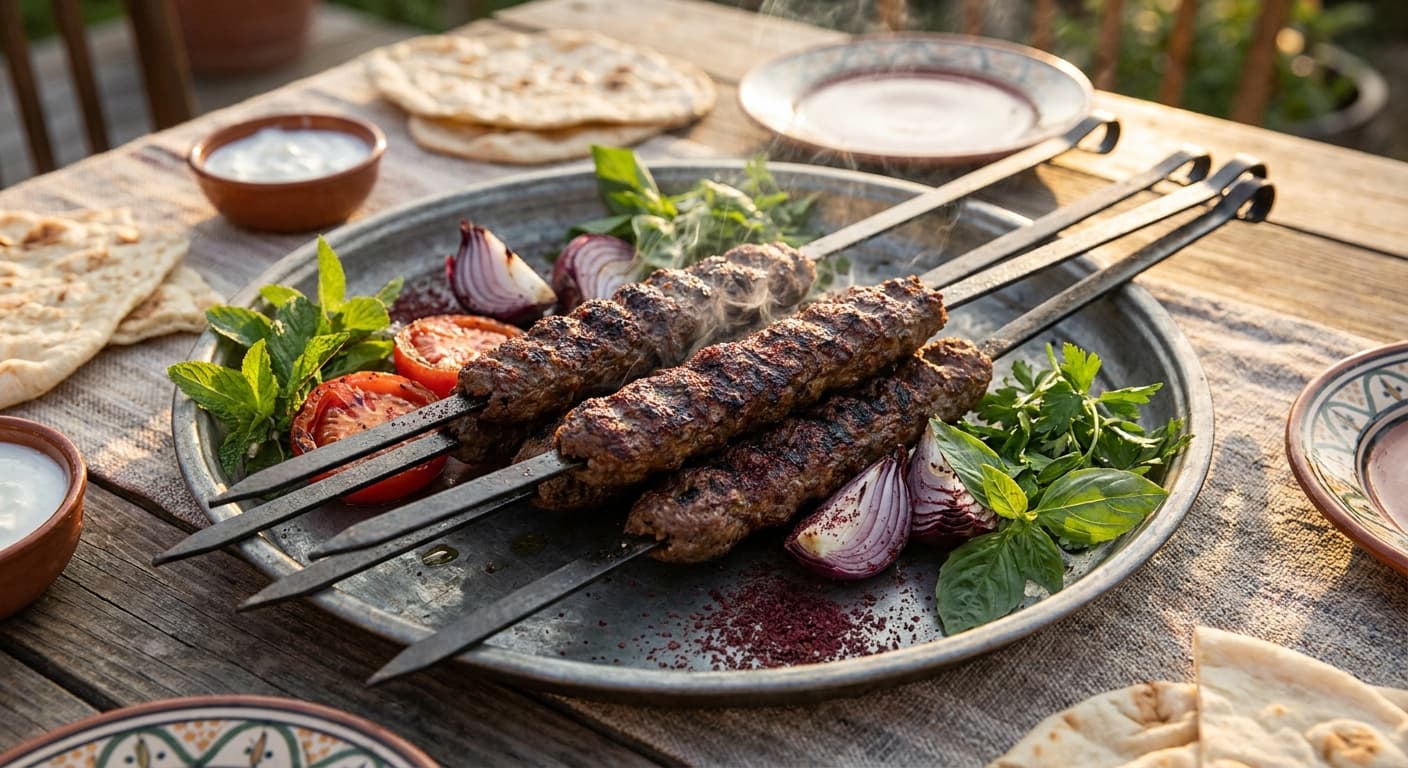
Authentic Kabab Koobideh (کباب کوبیده) — Persian Minced Lamb Skewers
Persian · Kebabs · 40 min
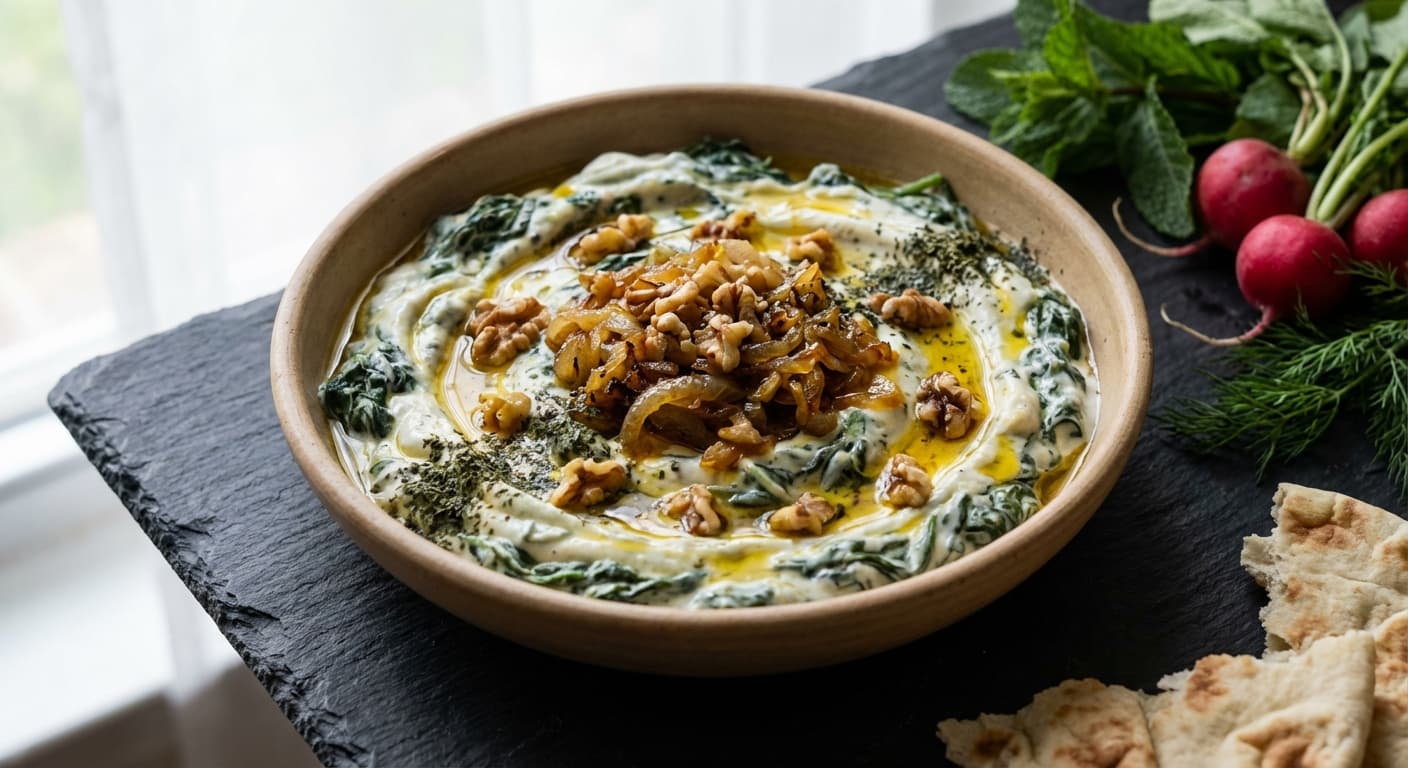
Borani Esfenaj (بورانی اسفناج) — Persian Spinach and Yogurt Dip with Saffron and Walnuts
Persian · Appetizers · 40 min
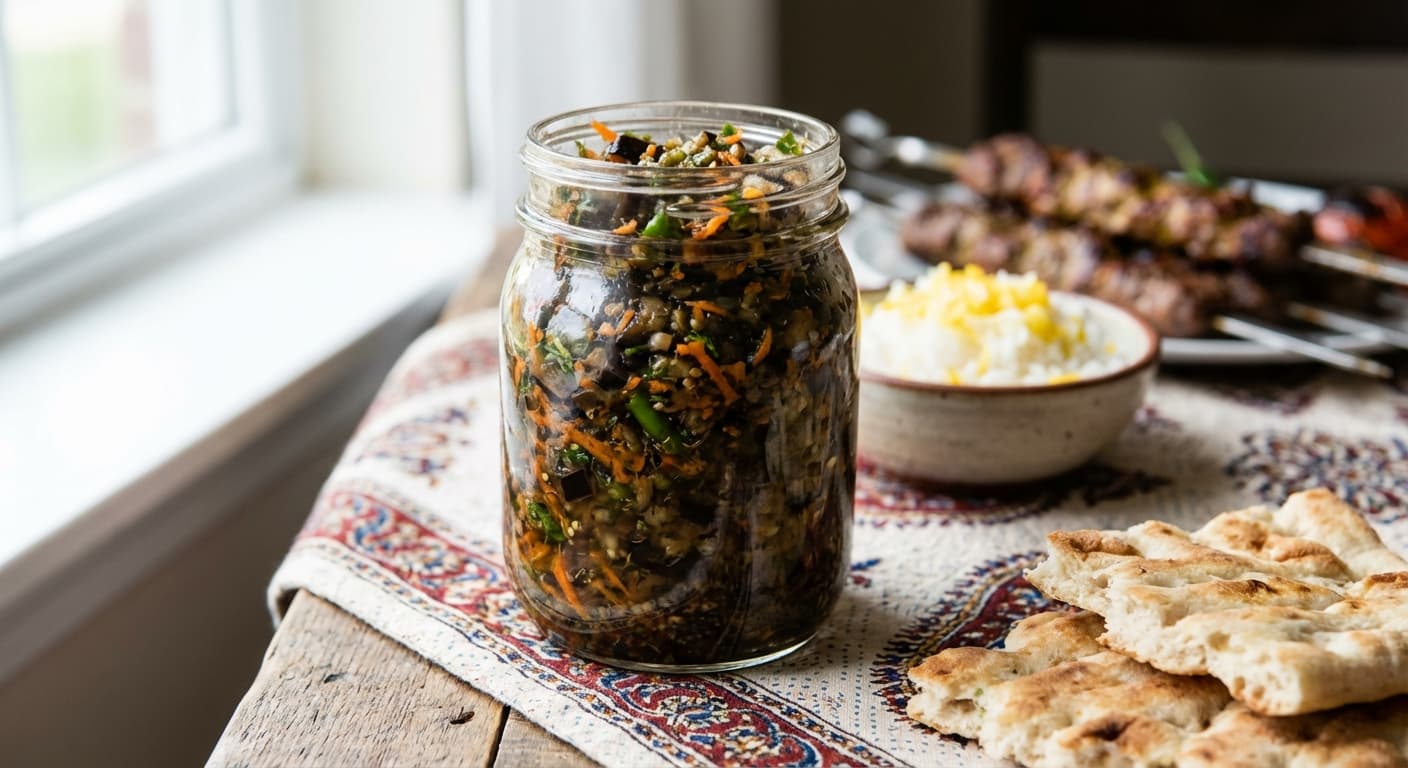
Persian Smoked Torshi Liteh (ترشی لیته) — Caspian-style smoky mixed vegetable pickle
Persian · Side Dishes · 60 min
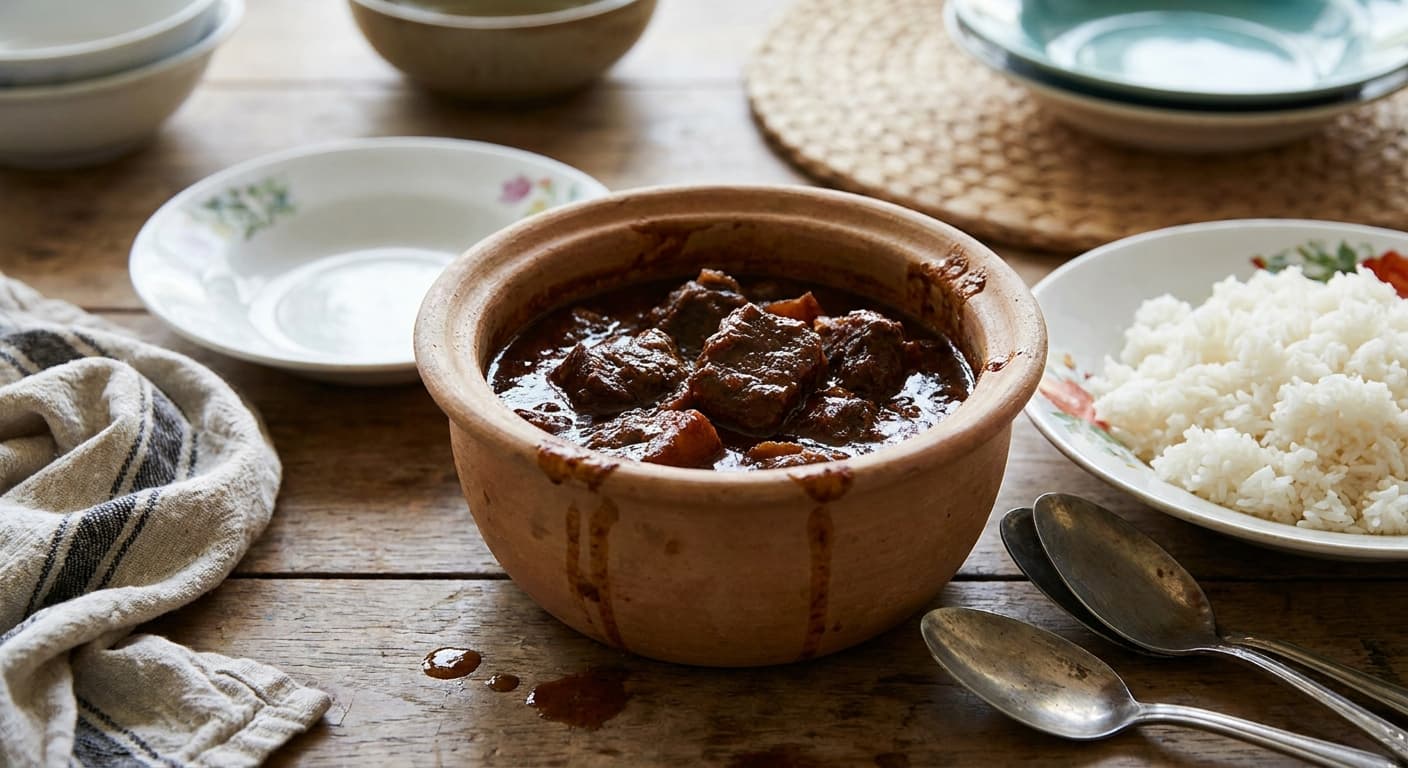
Pone Yay Gyi Curry (ပုန်းရည်ကြီးဟင်း) — Burmese Pork and Fermented Bean Paste
Burmese · Main Courses · 115 min
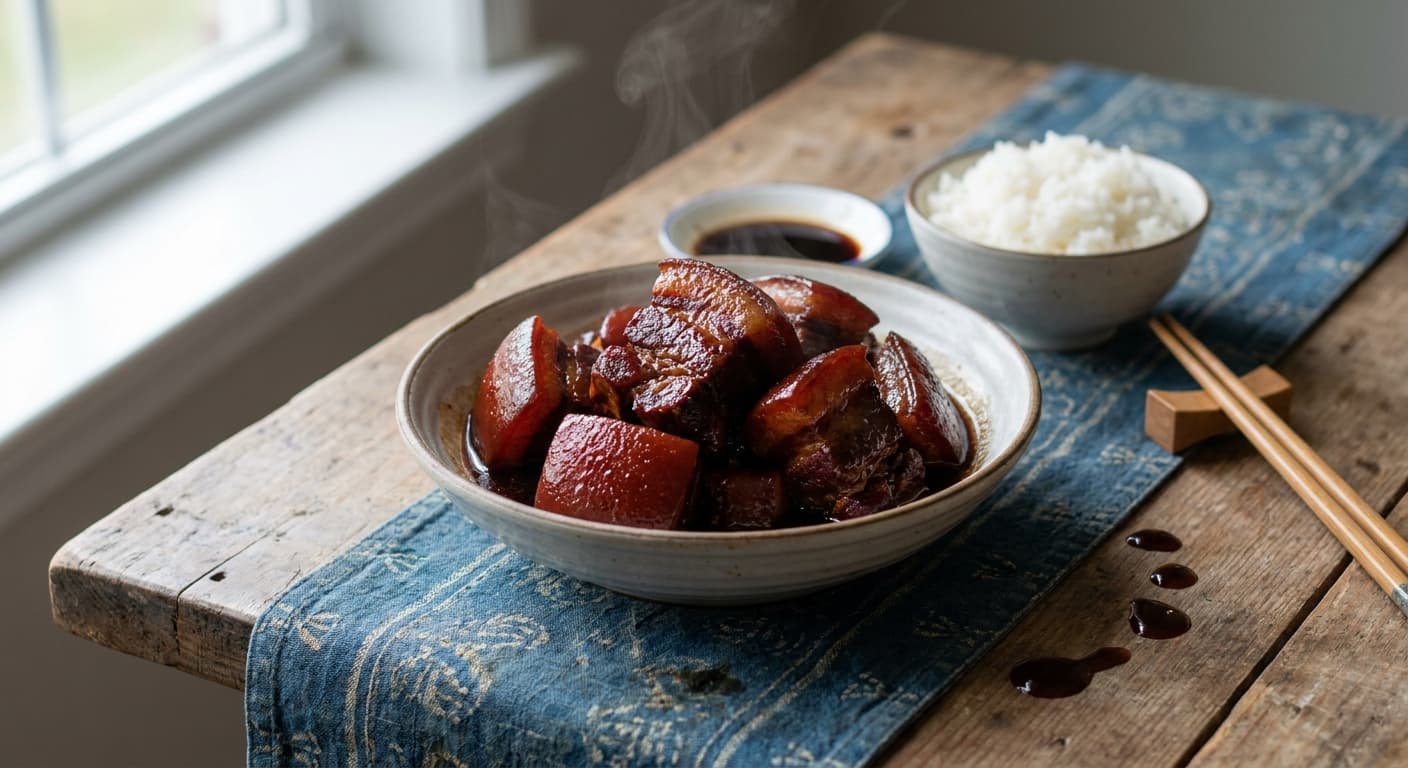
Dongpo Pork (东坡肉) — Hangzhou Red-Braised Pork Belly
Chinese · Main Courses · 205 min
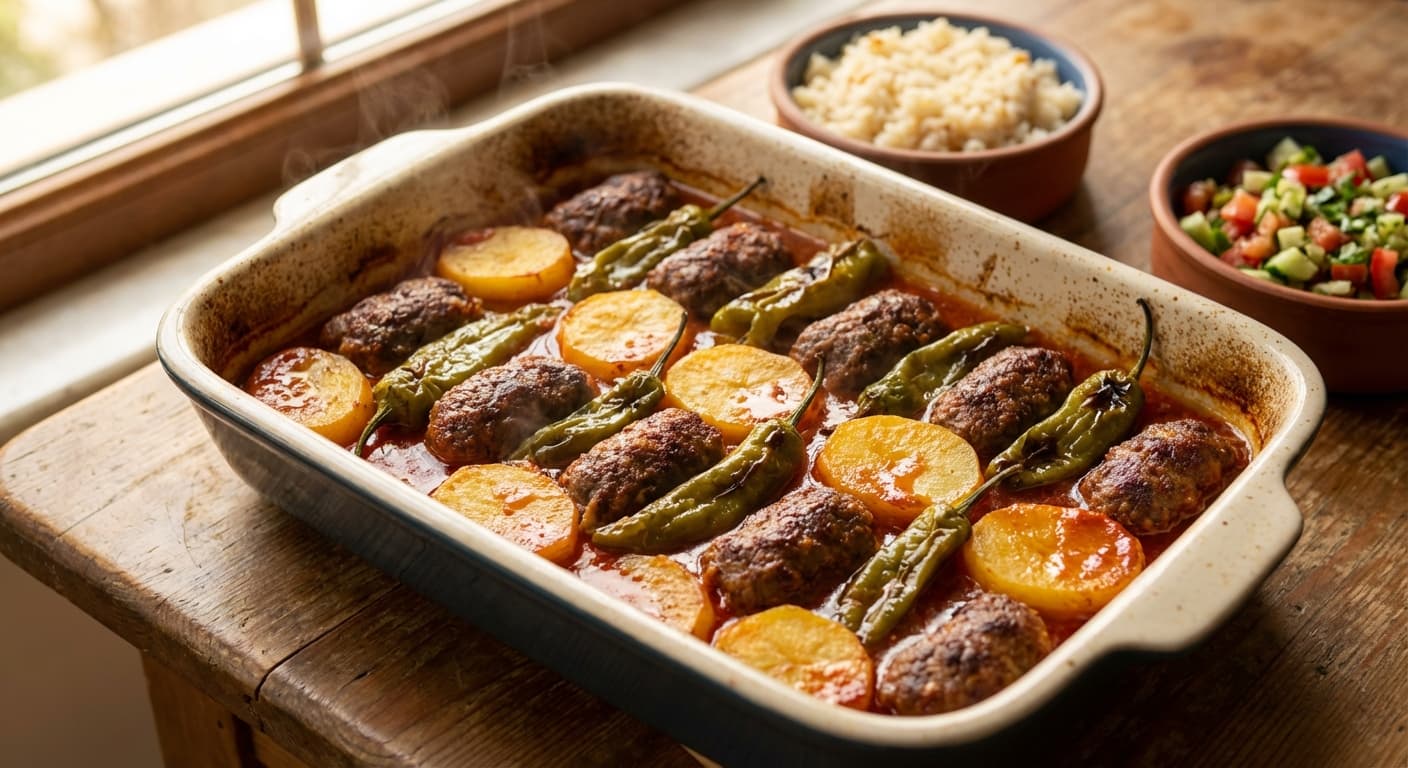
Izmir Kofte (İzmir Köfte) — Oven-Baked Meatballs with Tomato Sauce and Potatoes
Turkish · Main Courses · 70 min
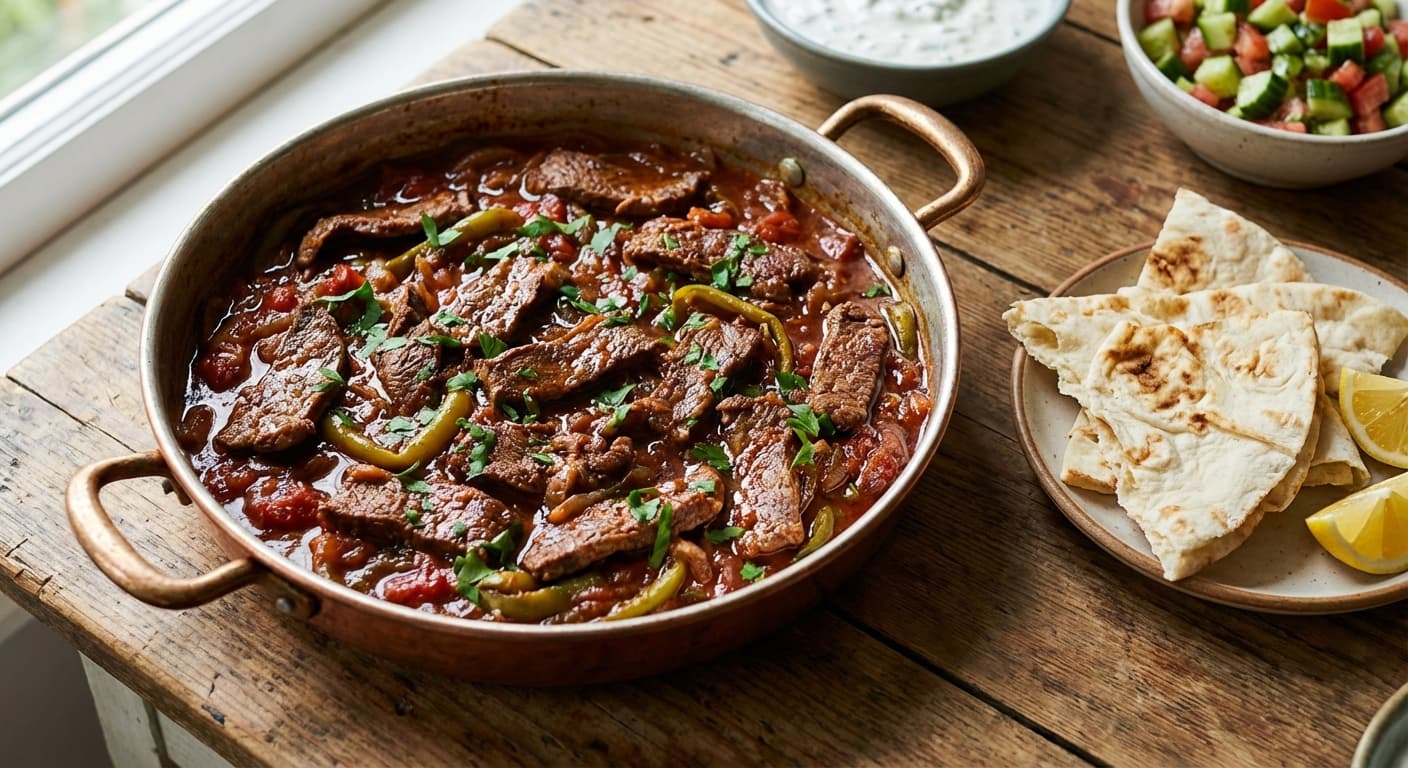
Sac Kavurma (Saç Kavurma) — Thin-Sliced Turkish Meat Sautéed with Onions
Turkish · Main Courses · 38 min
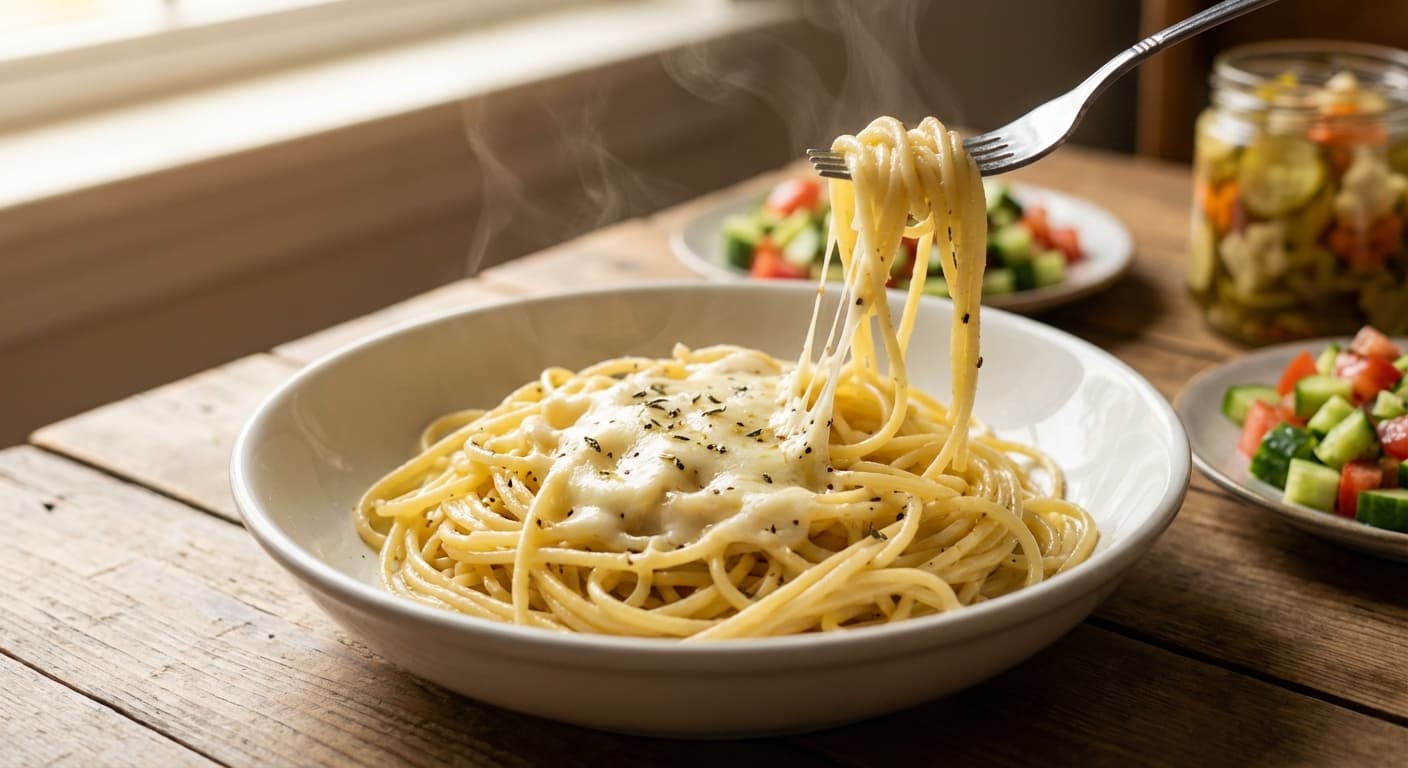
Persian-Style Spaghetti with Cheese (اسپاگتی با پنیر) — Buttery thyme-scented comfort pasta
Persian · Main Courses · 20 min
Reviews
Cooked this recipe?
Tap the stars to rate it — that's all it takes. A few words are welcome but optional.
No ratings yet. Cooked this one? Be the first to rate it — it takes one tap.