Kuku-ye Sibzamini va Esfenaj (کوکو سیبزمینی و اسفناج) — Persian Potato and Spinach Kuku
A Persian-style frittata layered with tender potatoes, sautéed spinach, fresh herbs, and creamy cheese. Mustard seeds and turmeric add warmth and aroma, making it ideal for brunch, picnics, or a light dinner.
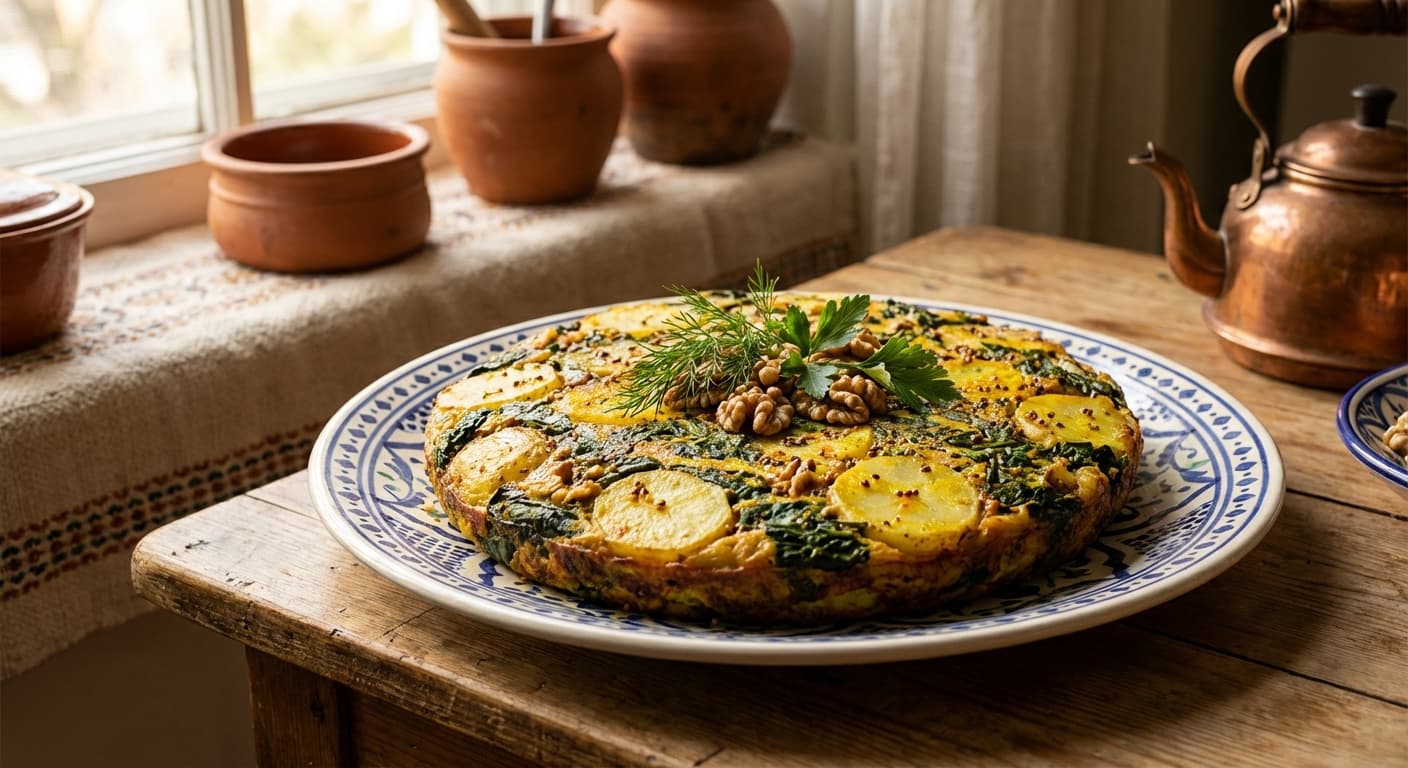
Printable Recipe Card
Servings: 6 · Total: 60 min · Difficulty: medium
Ingredients (quick list)
- 600 g Yukon Gold potatoes (peeled, cut into 2 cm cubes)
- 10 g Fine sea salt (divided)
- 250 g Baby spinach (washed, thick stems removed)
- 45 ml Olive oil (divided)
- 2 tsp Mustard seeds (yellow or brown)
- 1.5 tsp Ground turmeric
- 1 tsp Ground black pepper (freshly ground)
- 8 Large eggs (room temperature)
- 120 g Cream cheese (softened, cut into small cubes)
- 30 g Fresh parsley leaves (finely chopped)
- 20 g Fresh cilantro leaves (finely chopped)
- 15 g Fresh dill (finely chopped)
+ 1 more in the full ingredients section below.
Steps (summary)
- Boil the potatoes: add potato cubes to a pot and cover with cold water by 3 cm. Add 5 g salt. Bring to a boil, then simmer 10–1…
- Cook the spinach: heat 15 ml olive oil in a wide skillet over medium heat. Add spinach and toss 2–3 minutes until wilted. Trans…
- Bloom the mustard seeds: wipe the skillet dry, then add 15 ml olive oil over medium heat. Add mustard seeds and cook 45–60 seco…
- Mix the batter: in a large bowl whisk eggs for 30–45 seconds until uniform. Whisk in remaining 5 g salt, black pepper, and the…
- Pan-cook and set the kuku: heat 15 ml olive oil in a 24 cm nonstick or well-seasoned cast-iron skillet over medium-low. Pour in…
- Flip and finish: slide the kuku onto a plate. Add the final 0–15 ml olive oil to the skillet if dry, then invert the kuku back…
Cultural Background
Kuku is a family of Persian egg-based dishes commonly prepared for everyday meals, picnics, and gatherings because it is filling, portable, and good warm or at room temperature. Herb-heavy versions are especially popular in home cooking, where cooks adjust greens and herbs by season and preference.
Equipment
💡 Tips
- Press the spinach very dry; excess water is the most common reason kuku turns soft or weepy.
- For cleaner slices, let the kuku rest at least 10 minutes so the eggs reabsorb steam and set fully.
- If your skillet is not reliably nonstick, line the bottom with a round of parchment to prevent sticking during the flip.
- Keep the heat medium-low; high heat browns the outside before the center sets, especially with potatoes.
⚠️ Common Mistakes
❌ Not drying the spinach after wilting
💡 Why: Extra water dilutes the eggs and prevents the center from setting, creating a wet or crumbly texture.
✅ Fix: Press spinach firmly in a sieve or wring in a clean towel until very dry before mixing.
❌ Overcooking the potatoes until they fall apart
💡 Why: Mushy potatoes release starch and moisture, making the kuku dense and prone to sticking.
✅ Fix: Simmer only until just tender; drain and steam-dry 5 minutes so surfaces firm up.
❌ Cooking on high heat to speed it up
💡 Why: The bottom browns before the middle sets, leading to a scorched crust and undercooked center.
✅ Fix: Use medium-low heat with a lid for the first stage; finish uncovered to dry and brown.
❌ Flipping too early
💡 Why: If the top is still liquid, the kuku breaks and sticks during the turn.
✅ Fix: Wait until edges are set and the center is mostly firm; loosen edges, then flip confidently using a plate.
🧊 How to Store
Cool to room temperature within 2 hours. Refrigerate airtight for up to 4 days. Reheat in a covered skillet over low heat 5–7 minutes or in a 160°C/325°F oven 8–10 minutes. Freeze wedges wrapped well for up to 2 months; thaw overnight in the refrigerator.
📅 Make Ahead
Boil the potatoes and cook/squeeze the spinach up to 24 hours ahead; refrigerate separately. Chop herbs and store wrapped in a paper towel in an airtight container. Mix and cook the kuku just before serving, or cook fully and reheat gently in a covered skillet or low oven.
🍽️ Pairs Well With
- Plain yogurt or strained yogurt
- Pickled vegetables
- Fresh herbs and radishes
- Flatbread or lavash-style bread
- Tomato and cucumber salad with lemon
Regional Variations
- Tehran-style home cookingOften includes a generous mix of soft herbs and is served in wedges with yogurt and pickles; some cooks add a little baking powder for a lighter lift.
- Caspian (northern Iran) influenceLeans greener and more aromatic, sometimes increasing dill and adding additional leafy greens available locally; it may be cooked slightly thicker and served with fresh herbs and citrus.
Ingredients
- 600 gYukon Gold potatoes (peeled, cut into 2 cm cubes)
- 10 gFine sea salt (divided)
- 250 gBaby spinach (washed, thick stems removed)
- 45 mlOlive oil (divided)
- 2 tspMustard seeds (yellow or brown)
- 1.5 tspGround turmeric
- 1 tspGround black pepper (freshly ground)
- 8Large eggs (room temperature)
- 120 gCream cheese (softened, cut into small cubes)
- 30 gFresh parsley leaves (finely chopped)
- 20 gFresh cilantro leaves (finely chopped)
- 15 gFresh dill (finely chopped)
- 10 gFresh chives (finely sliced)
🔄 Substitutions
- Cream cheese→ Ricotta (120 g), well-drained
- Baby spinach→ Frozen chopped spinach (250 g), thawed and squeezed very dry
- Mustard seeds→ Ground mustard (1 tsp)
Instructions
- 1
Boil the potatoes: add potato cubes to a pot and cover with cold water by 3 cm. Add 5 g salt. Bring to a boil, then simmer 10–12 minutes until just tender (a knife meets slight resistance). Drain well and steam-dry in the colander for 5 minutes to prevent a watery kuku.
- 2
Cook the spinach: heat 15 ml olive oil in a wide skillet over medium heat. Add spinach and toss 2–3 minutes until wilted. Transfer to a sieve and press firmly to remove excess moisture; then chop finely. Dry spinach is essential so the egg mixture sets cleanly and slices neatly.
- 3
Bloom the mustard seeds: wipe the skillet dry, then add 15 ml olive oil over medium heat. Add mustard seeds and cook 45–60 seconds until they begin to pop and smell nutty. Immediately stir in turmeric for 10 seconds, then remove from heat to avoid scorching. Let cool 2 minutes.
- 4
Mix the batter: in a large bowl whisk eggs for 30–45 seconds until uniform. Whisk in remaining 5 g salt, black pepper, and the cooled mustard-seed oil. Fold in potatoes, chopped spinach, parsley, cilantro, dill, and chives. Gently fold in cream cheese cubes so some remain intact for creamy pockets.
- 5
Pan-cook and set the kuku: heat 15 ml olive oil in a 24 cm nonstick or well-seasoned cast-iron skillet over medium-low. Pour in the mixture and level the top. Cover and cook 10–12 minutes until edges are set and the center is mostly firm; rotate the pan once for even heat.
- 6
Flip and finish: slide the kuku onto a plate. Add the final 0–15 ml olive oil to the skillet if dry, then invert the kuku back into the pan. Cook uncovered 6–8 minutes until deeply golden and the internal temperature reaches 72°C/160°F. Rest 10 minutes before slicing into wedges.
🪪 Recipe Passport
Cultural Background
Kuku is a family of Persian egg-based dishes commonly prepared for everyday meals, picnics, and gatherings because it is filling, portable, and good warm or at room temperature. Herb-heavy versions are especially popular in home cooking, where cooks adjust greens and herbs by season and preference.
Regional Variations
Researched from multiple sources and validated by the Zaffaron editorial team. Every recipe is tested for accuracy, measurements, and cultural authenticity.
Nutrition per serving
Pairs well with
If you enjoyed this recipe, here are a few related Zaffaron recipes to try next.
Does your family make this differently?
Every family has their own version. Maybe your grandmother adds a secret ingredient, or your aunt has a completely different technique. Preserve your family's version — with their name on it, forever.
You Might Also Like
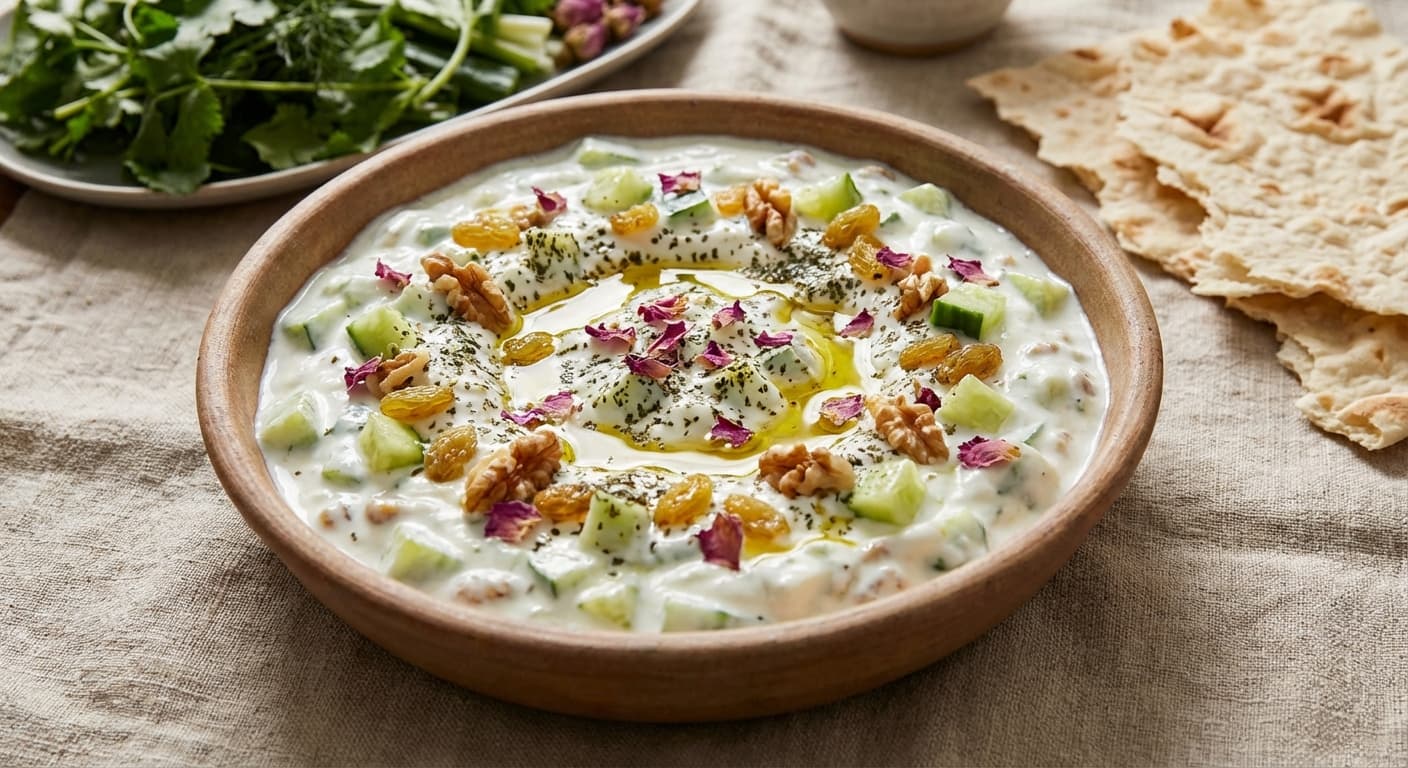
Mast-o-Khiar (ماست و خیار) — Persian Cucumber and Herb Yogurt Dip
Persian · Side Dishes · 25 min
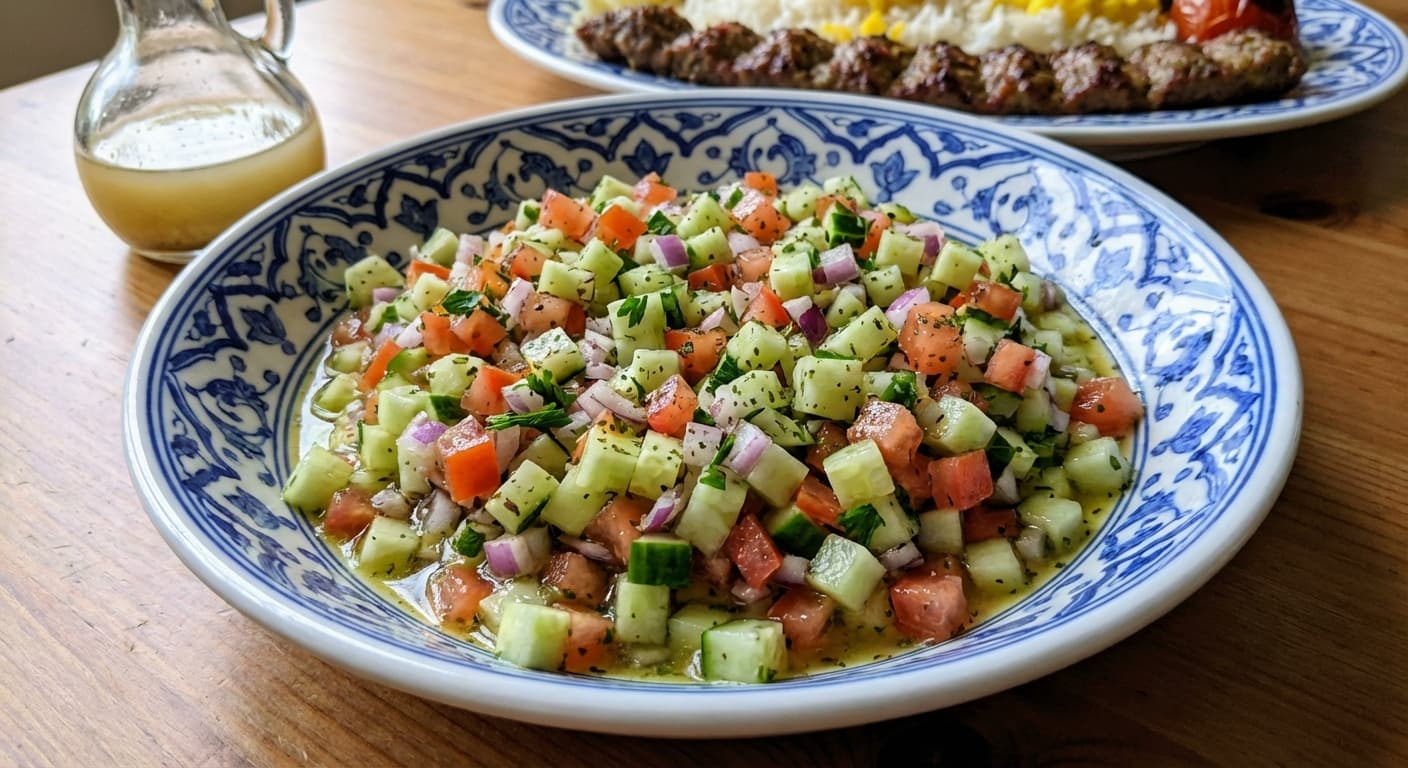
Shirazi Salad (سالاد شیرازی) — Brunoised cucumber-tomato herb salad with ab-ghooreh
Persian · Salads · 20 min
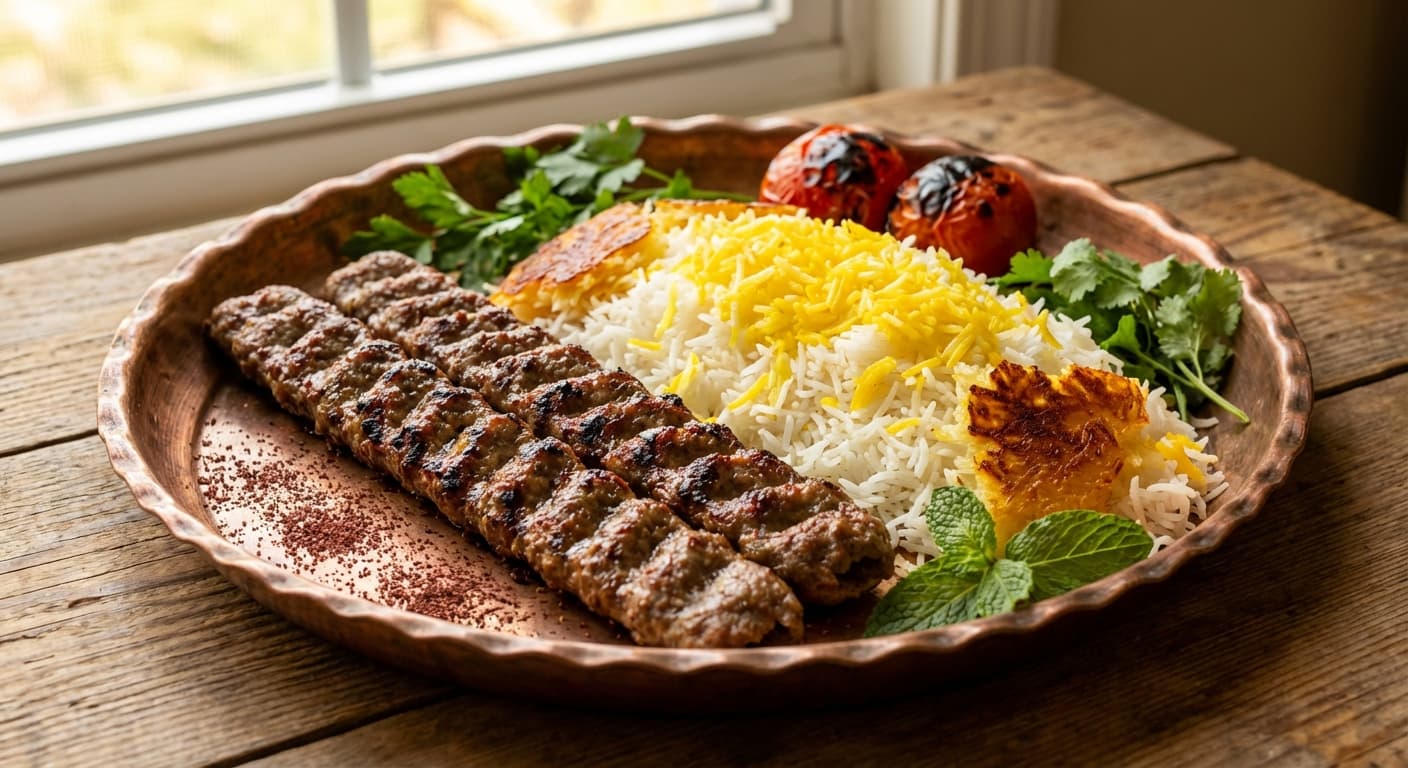
Chelo Kebab Koobideh (چلو کباب کوبیده) — Persian Minced Meat Skewers with Saffron Rice
Persian · Kebabs · 75 min
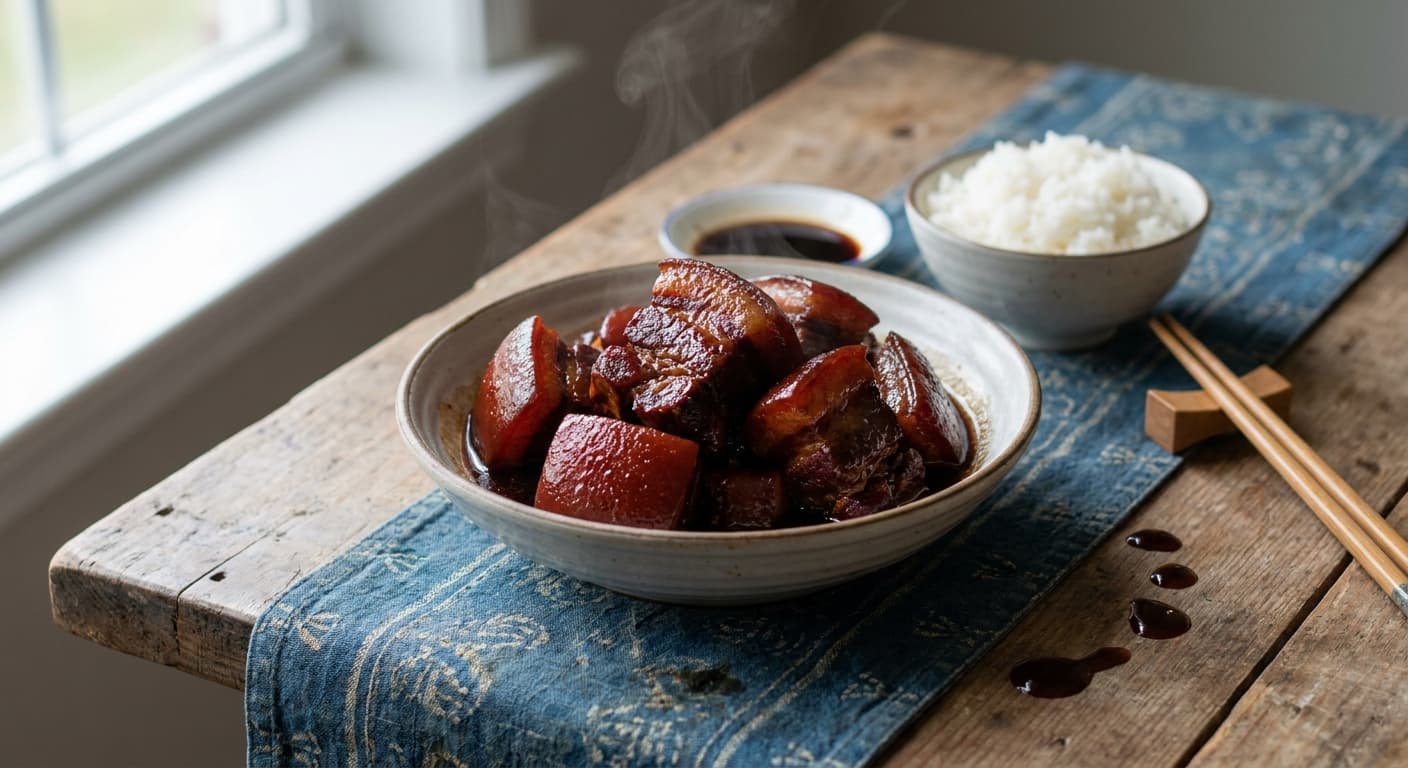
Dongpo Pork (东坡肉) — Hangzhou Red-Braised Pork Belly
Chinese · Main Courses · 205 min
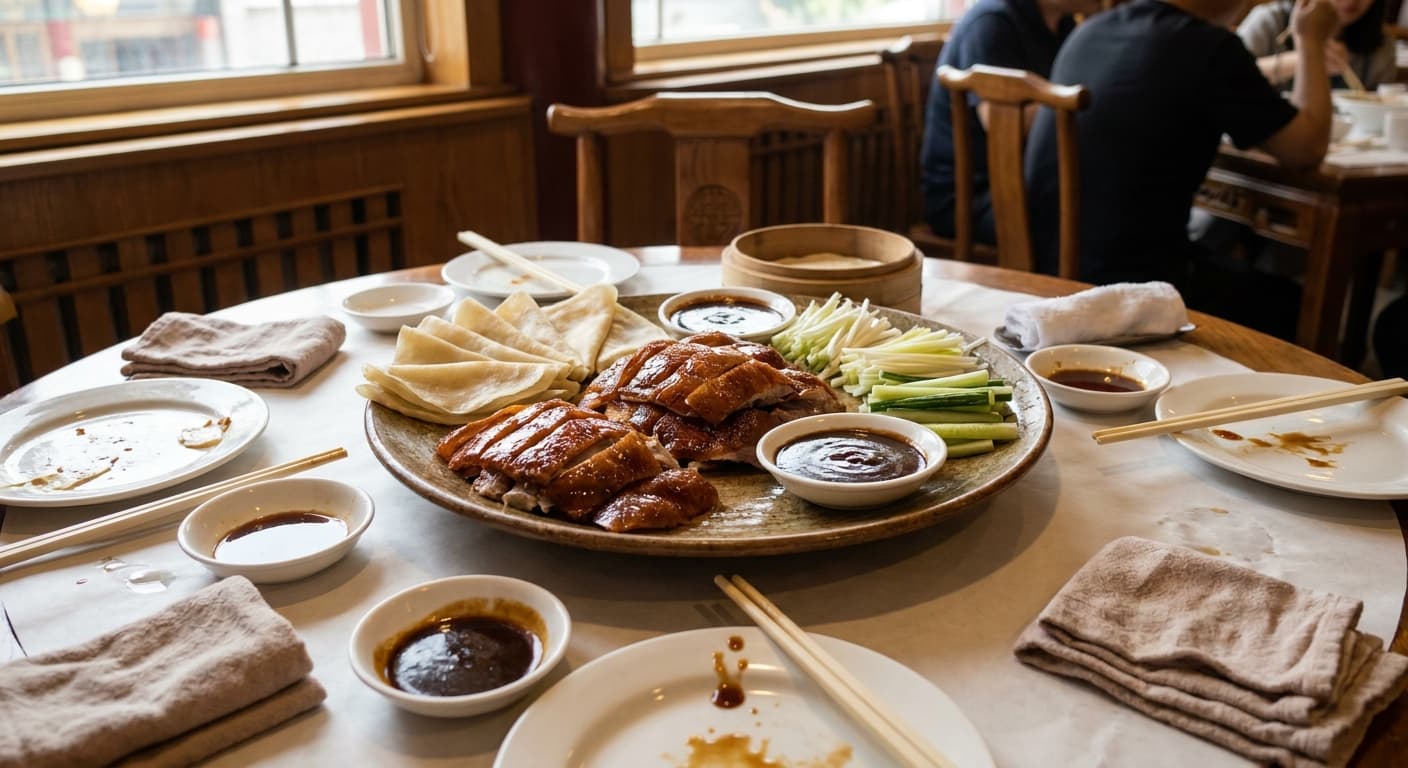
Peking Duck (北京烤鸭) — Crisp-Skinned Beijing Roast Duck
Chinese · Main Courses · 180 min
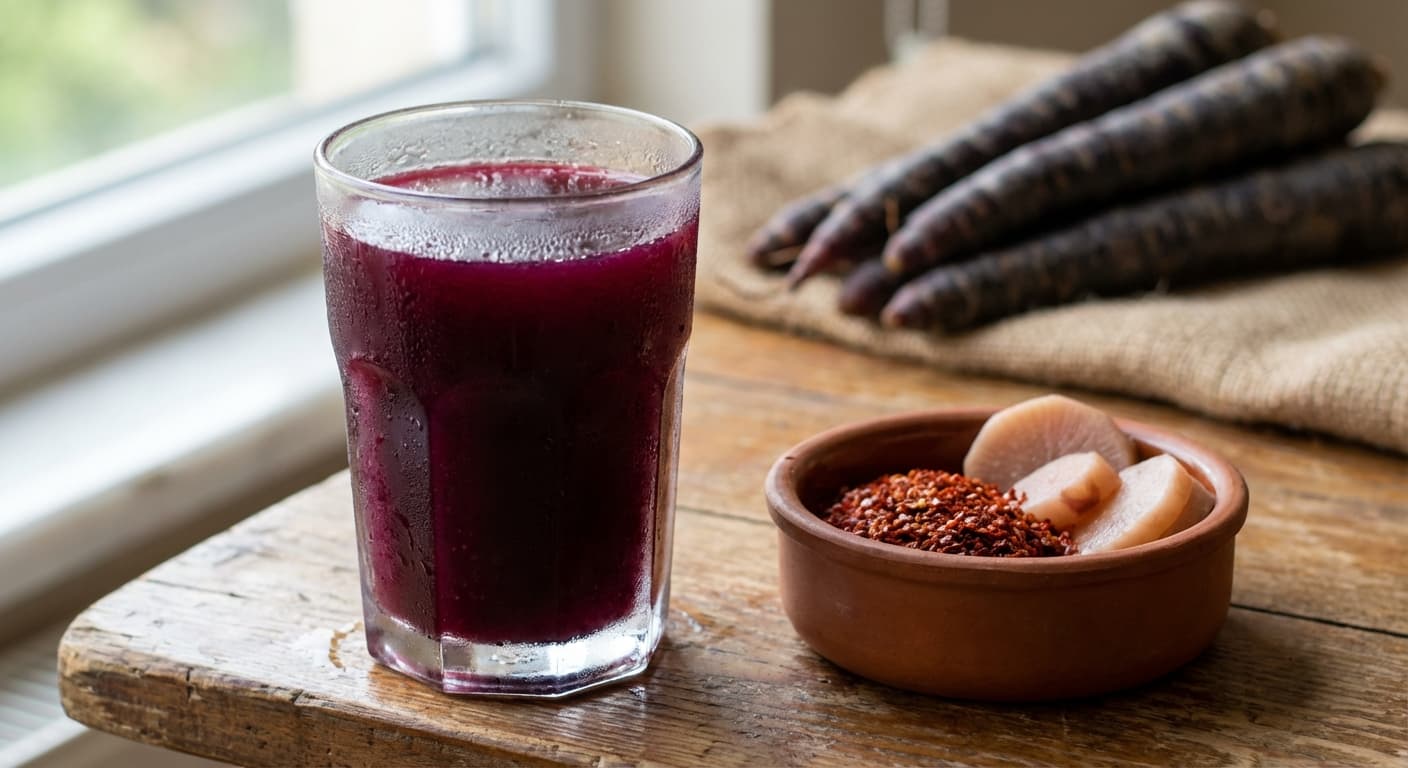
Salgam Juice (Şalgam) — Spicy, tangy fermented black-carrot drink
Turkish · Drinks · 25 min
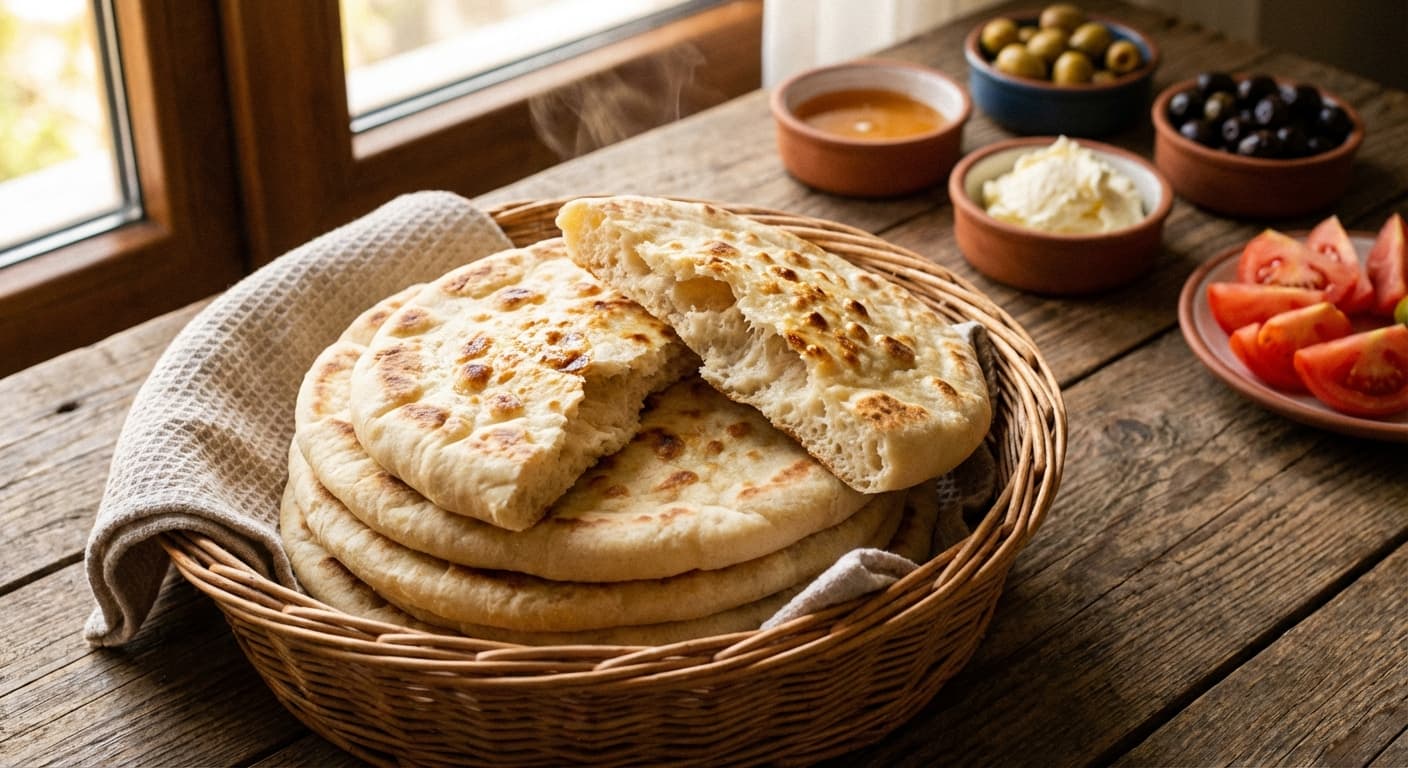
Bazlama (بازلاما) — Puffy Turkish Village Flatbread Cooked on a Saj
Turkish · Breads · 38 min
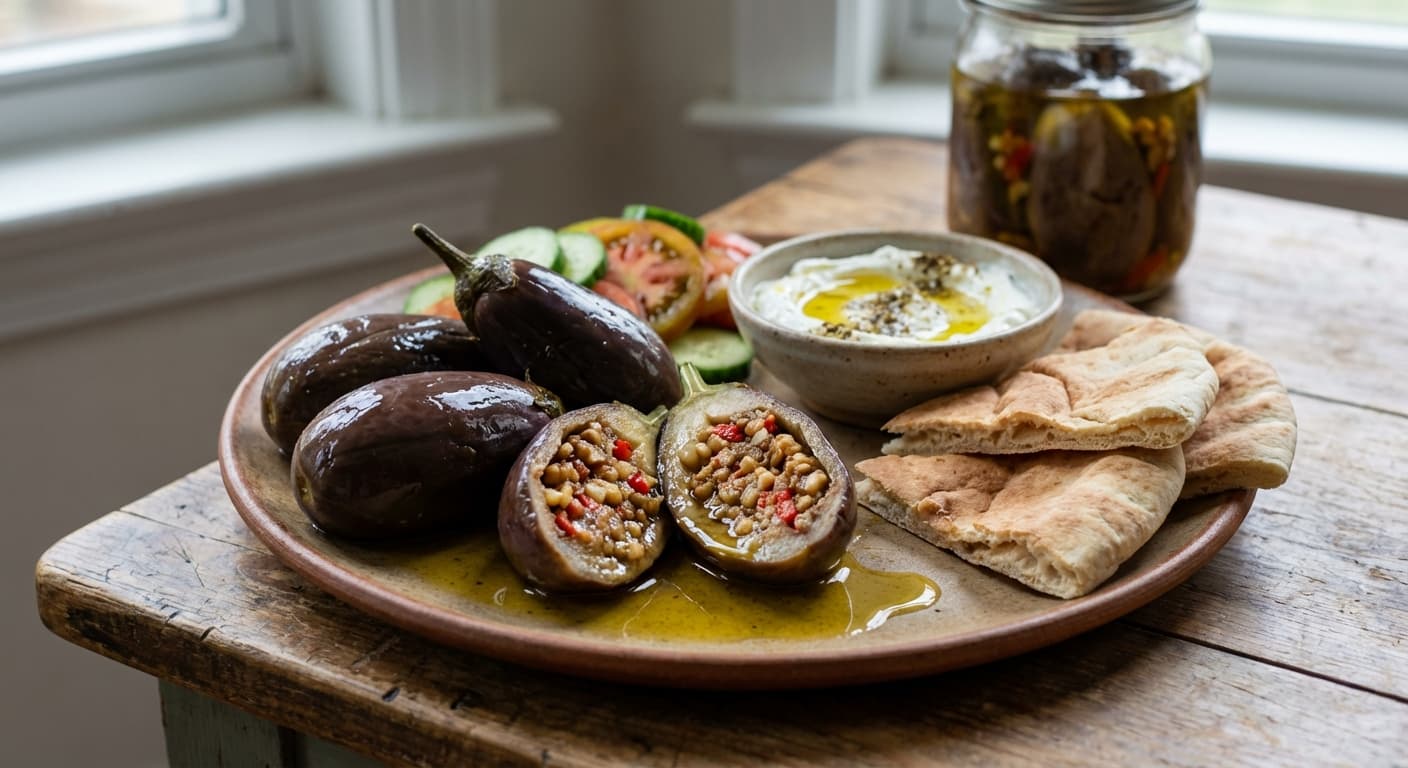
Makdous (مكدوس) — Lebanese Stuffed Baby Eggplants Preserved in Olive Oil
Lebanese · Appetizers · 115 min
Reviews
Cooked this recipe?
Tap the stars to rate it — that's all it takes. A few words are welcome but optional.
No ratings yet. Cooked this one? Be the first to rate it — it takes one tap.