Espageti Italyaei (اسپاگتی ایتالیایی) — Persian-Style Baked Spaghetti
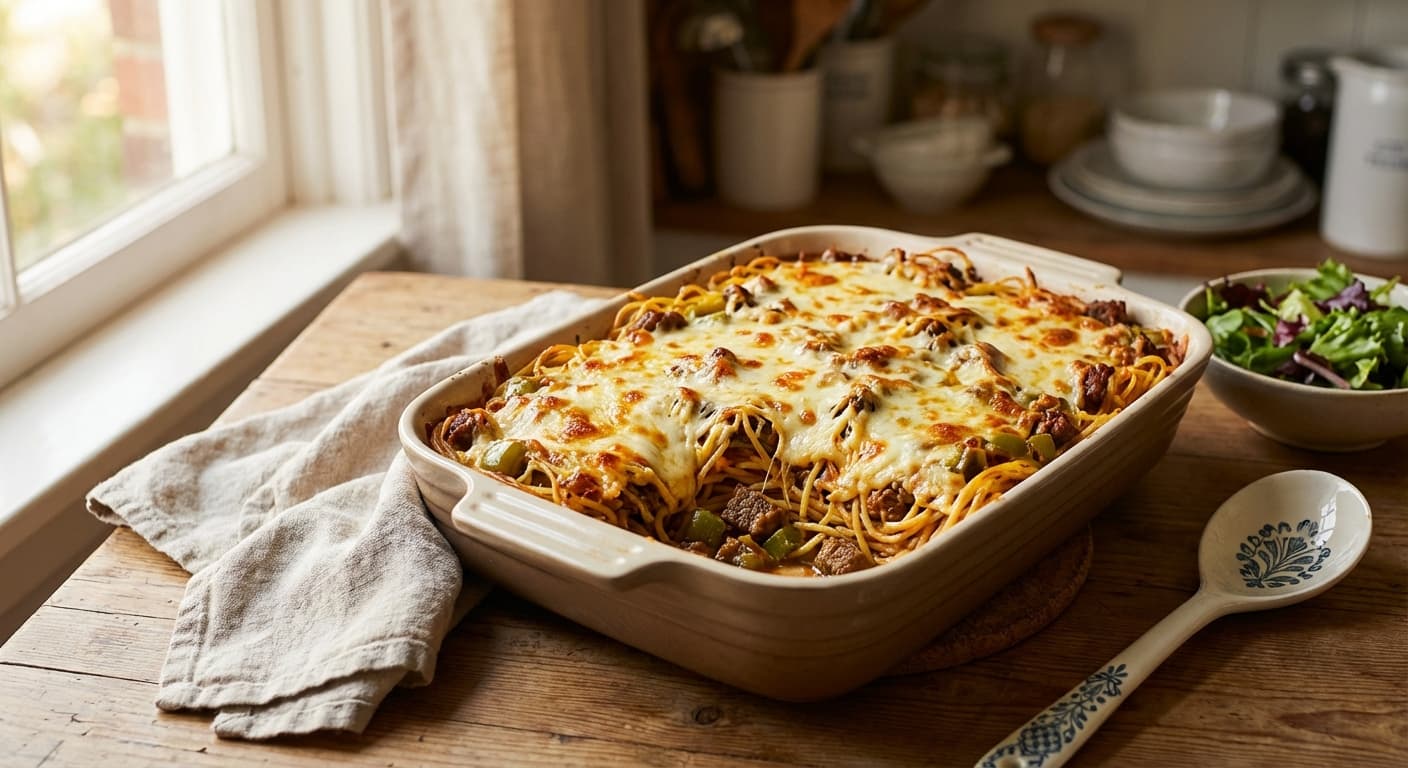
Iranian home-style baked spaghetti layered with a fragrant beef and pepper tomato ragu, then finished with stretchy mozzarella. Comforting, family-friendly, and designed for easy slicing and serving.
Printable Recipe Card
Servings: 6 · Total: 80 min · Difficulty: medium
Ingredients (quick list)
- 400 g Spaghetti (regular or thin spaghetti)
- 4 L Water (for boiling pasta)
- 24 g Fine sea salt (for pasta water (about 4 tsp))
- 45 mL Vegetable oil (divided)
- 250 g Onion (finely diced (about 1 large))
- 150 g Green bell pepper (diced (about 1 medium))
- 500 g Ground beef (80–85% lean)
- 480 mL Tomato sauce (plain tomato sauce (2 cups))
- 30 g Tomato paste (for deeper color and body (2 tbsp))
- 2 g Ground black pepper (about 1 tsp, or to taste)
- 2 g Dried oregano (optional but common in many households (1 tsp))
- 250 g Mozzarella cheese (low-moisture, shredded)
Steps (summary)
- Heat the oven to 190°C (375°F). Lightly oil a 23×33 cm (9×13 in) baking dish with 10 mL oil. Bring 4 L water to a rolling boil…
- Cook 400 g spaghetti until just shy of al dente, 1–2 minutes less than the package time (typically 7–9 minutes total). Stir dur…
- Meanwhile, make the ragu: warm 20 mL oil in a wide skillet over medium heat. Add 250 g diced onion and cook 8–10 minutes, stirr…
- Add 500 g ground beef to the skillet. Increase heat to medium-high and cook 6–8 minutes, breaking it into small crumbles, until…
- Stir in 30 g tomato paste and cook 1 minute to remove its raw edge. Add 480 mL tomato sauce, bring to a gentle simmer, then red…
- Assemble: spread one-third of the spaghetti in the prepared dish. Spoon on half of the ragu and spread evenly. Add another thir…
+ 2 more steps in the full instructions section below.
Cultural Background
Persian-style baked spaghetti is a common home-cooking dish in Iran, often prepared for weeknight dinners and family gatherings. It reflects a local adaptation of Mediterranean pasta traditions, shaped by Iranian preferences for layered casseroles, bold tomato flavor, and generous melted cheese.
Equipment
💡 Tips
- Undercook the spaghetti slightly; it will finish cooking in the oven and stay pleasantly firm.
- Simmer the sauce until thick—excess liquid is the main cause of a watery bake.
- Use low-moisture mozzarella for better melt and less pooling than fresh mozzarella.
- For clean slices, let the dish rest the full 15 minutes and use a sharp knife wiped between cuts.
⚠️ Common Mistakes
❌ Cooking the spaghetti fully before baking
💡 Why: Fully cooked pasta absorbs sauce and heat in the oven and can turn mushy.
✅ Fix: Boil 1–2 minutes less than al dente, drain well, and finish cooking during baking.
❌ Using a thin, watery tomato sauce without reducing
💡 Why: Excess moisture prevents the bake from setting and makes the bottom soggy.
✅ Fix: Simmer the ragu uncovered until thick and spoonable; it should not run like soup.
❌ Skipping the resting time after baking
💡 Why: The layers are still loose and the cheese is fluid, so portions collapse.
✅ Fix: Rest 10–15 minutes before slicing; for cleaner cuts, rest closer to 15 minutes.
❌ Using fresh mozzarella as the only topping
💡 Why: Fresh mozzarella releases water and can create puddles on top.
✅ Fix: Use low-moisture mozzarella, or mix fresh mozzarella with a low-moisture cheese.
🧊 How to Store
Cool to room temperature within 2 hours. Refrigerate covered for up to 4 days. Reheat covered at 175°C (350°F) for 15–20 minutes or microwave portions until steaming hot. Freeze tightly wrapped portions up to 2 months; thaw overnight in the refrigerator before reheating.
📅 Make Ahead
Prepare the ragu up to 2 days ahead and refrigerate. Cook the spaghetti and assemble the dish up to 12 hours ahead; cover and refrigerate. Bake straight from the fridge at 190°C (375°F), adding 8–12 minutes to the baking time, until bubbling and hot throughout.
🍽️ Pairs Well With
- Shirazi salad (cucumber
- tomato
- onion with lemon juice)
- Pickled vegetables
- A simple yogurt and cucumber side
- Fresh herbs and radishes
Regional Variations
- Tehran-style home kitchensOften kept simple with onion, green bell pepper, and a tomato-heavy meat sauce; some families add a small amount of oregano or mixed dried herbs for a familiar pizzeria-like aroma.
- Northern Iran (Caspian-influenced households)Sometimes includes extra vegetables such as mushrooms or grated carrot in the ragu, creating a slightly sweeter, more abundant sauce while keeping the overall profile mild and family-friendly.
Ingredients
- 400 gSpaghetti (regular or thin spaghetti)
- 4 lWater (for boiling pasta)
- 24 gFine sea salt (for pasta water (about 4 tsp))
- 45 mlVegetable oil (divided)
- 250 gOnion (finely diced (about 1 large))
- 150 gGreen bell pepper (diced (about 1 medium))
- 500 gGround beef (80–85% lean)
- 480 mlTomato sauce (plain tomato sauce (2 cups))
- 30 gTomato paste (for deeper color and body (2 tbsp))
- 2 gGround black pepper (about 1 tsp, or to taste)
- 2 gDried oregano (optional but common in many households (1 tsp))
- 250 gMozzarella cheese (low-moisture, shredded)
🔄 Substitutions
- Ground beef→ Ground lamb or ground turkey
- Mozzarella cheese→ Mild provolone or a mozzarella-cheddar blend
- Green bell pepper→ Red bell pepper
Instructions
- 1
Heat the oven to 190°C (375°F). Lightly oil a 23×33 cm (9×13 in) baking dish with 10 mL oil. Bring 4 L water to a rolling boil in a large pot, then dissolve 24 g salt. This seasoning is key because the pasta itself carries much of the final flavor.
- 2
Cook 400 g spaghetti until just shy of al dente, 1–2 minutes less than the package time (typically 7–9 minutes total). Stir during the first minute to prevent sticking. Drain well; do not rinse. Toss the drained pasta with 15 mL oil so strands stay separate and bake evenly.
- 3
Meanwhile, make the ragu: warm 20 mL oil in a wide skillet over medium heat. Add 250 g diced onion and cook 8–10 minutes, stirring, until soft and lightly golden. Add 150 g diced green bell pepper and cook 4–5 minutes until the pepper softens and smells sweet, not raw.
- 4
Add 500 g ground beef to the skillet. Increase heat to medium-high and cook 6–8 minutes, breaking it into small crumbles, until no pink remains and some browned bits form. Stir in 7 g salt, 2 g black pepper, and 2 g oregano (if using) and cook 30 seconds to bloom the spices.
- 5
Stir in 30 g tomato paste and cook 1 minute to remove its raw edge. Add 480 mL tomato sauce, bring to a gentle simmer, then reduce heat to medium-low. Simmer uncovered 12–15 minutes, stirring occasionally, until thick enough to coat the meat; it should not be watery or it will make the bake soggy.
- 6
Assemble: spread one-third of the spaghetti in the prepared dish. Spoon on half of the ragu and spread evenly. Add another third of spaghetti, then the remaining ragu. Finish with the last third of spaghetti. Press gently with a spatula to compact the layers so the slices hold together after baking.
- 7
Top evenly with 250 g shredded mozzarella. Bake at 190°C (375°F) for 20–25 minutes until the cheese is fully melted and bubbling at the edges. For deeper browning, broil on high for 1–2 minutes, watching constantly to prevent scorching.
- 8
Rest 10–15 minutes before cutting; this sets the layers and keeps the cheese from sliding. Slice into squares and serve hot. If you prefer a softer, more casserole-like texture, rest only 5 minutes and spoon portions instead of slicing.
🪪 Recipe Passport
Cultural Background
Persian-style baked spaghetti is a common home-cooking dish in Iran, often prepared for weeknight dinners and family gatherings. It reflects a local adaptation of Mediterranean pasta traditions, shaped by Iranian preferences for layered casseroles, bold tomato flavor, and generous melted cheese.
Regional Variations
Researched from multiple sources and validated by the Zaffaron editorial team. Every recipe is tested for accuracy, measurements, and cultural authenticity.
Nutrition per serving
Pairs well with
If you enjoyed this recipe, here are a few related Zaffaron recipes to try next.
- Kuku-ye Khaviar-e Mahi Sefid (کوکو خاویار ماهی سفید) — Persian Whitefish Caviar Frittata
- Piyaz Shekam Por (پیاز شکمپر) — Persian Stuffed Onions in Tomato-Lemon Sauce
- Persian-Style Pineapple Macaroni Salad (ماکارونی با آناناس) — Creamy Sweet-Savory Chilled Pasta Salad
- Kuku-ye Gojeh Farangi (کوکو گوجه فرنگی) — Persian Tomato Frittata
Does your family make this differently?
Every family has their own version. Maybe your grandmother adds a secret ingredient, or your aunt has a completely different technique. Preserve your family's version — with their name on it, forever.
You Might Also Like
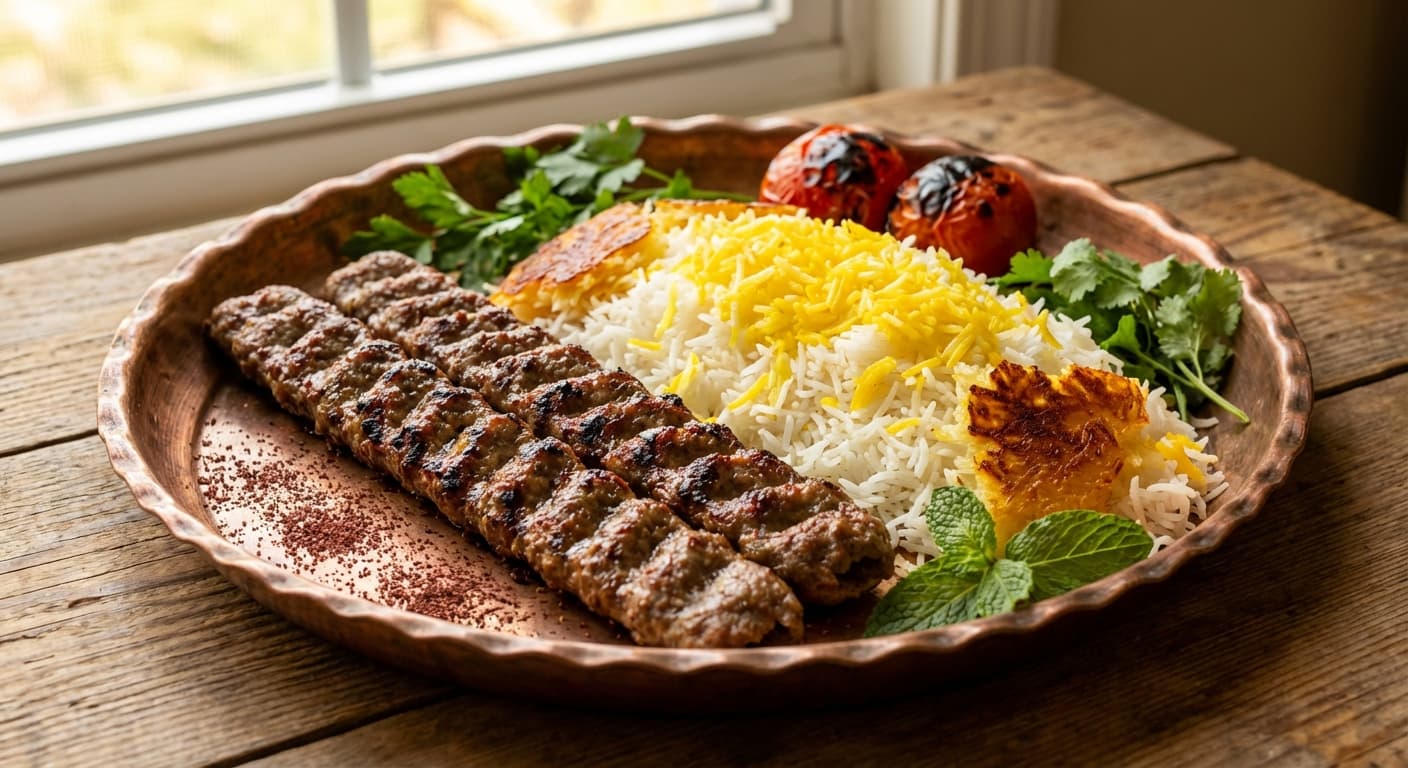
Chelo Kebab Koobideh (چلو کباب کوبیده) — Persian Minced Meat Skewers with Saffron Rice
Persian · Kebabs · 75 min
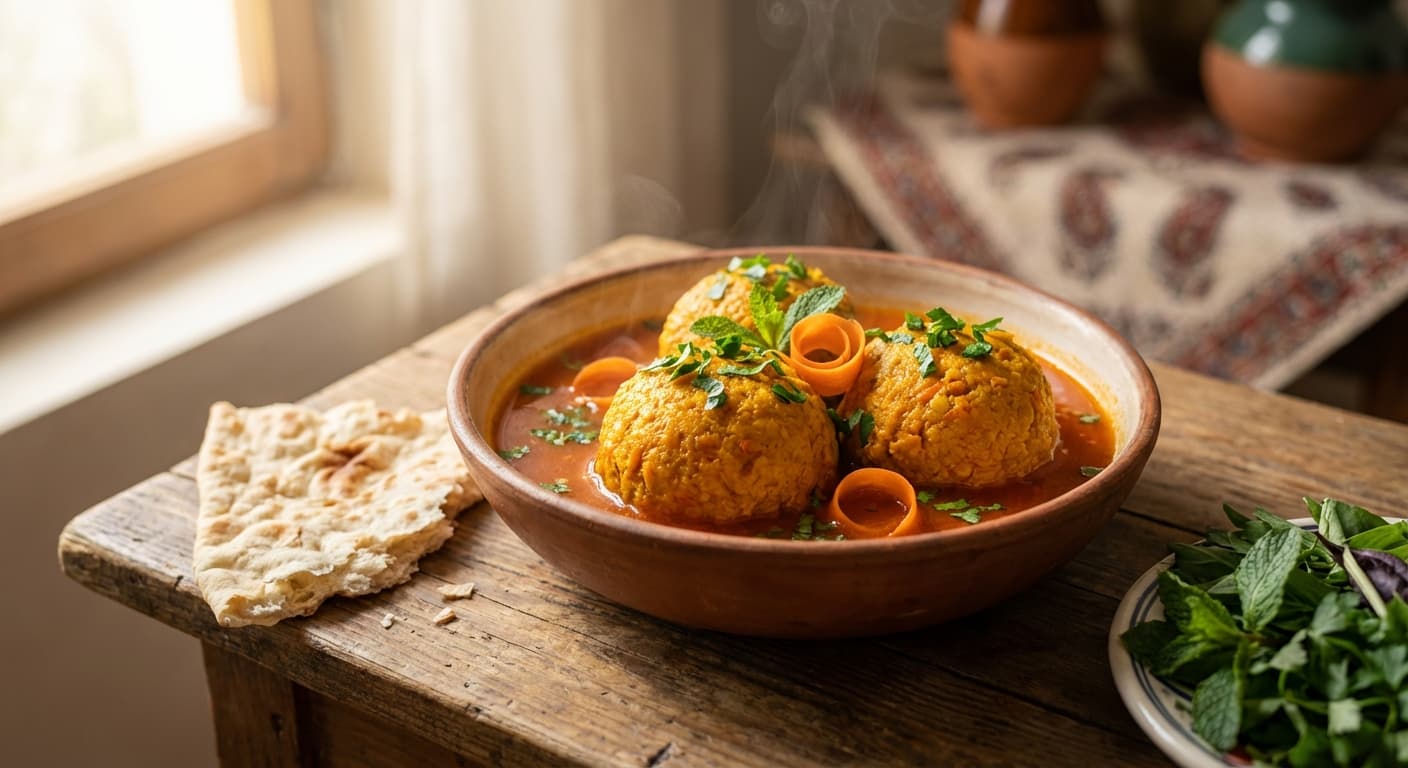
Koofteh Havij (کوفته هویج) — Persian Carrot Meatballs in Saffron-Tomato Broth
Persian · Main Courses · 120 min
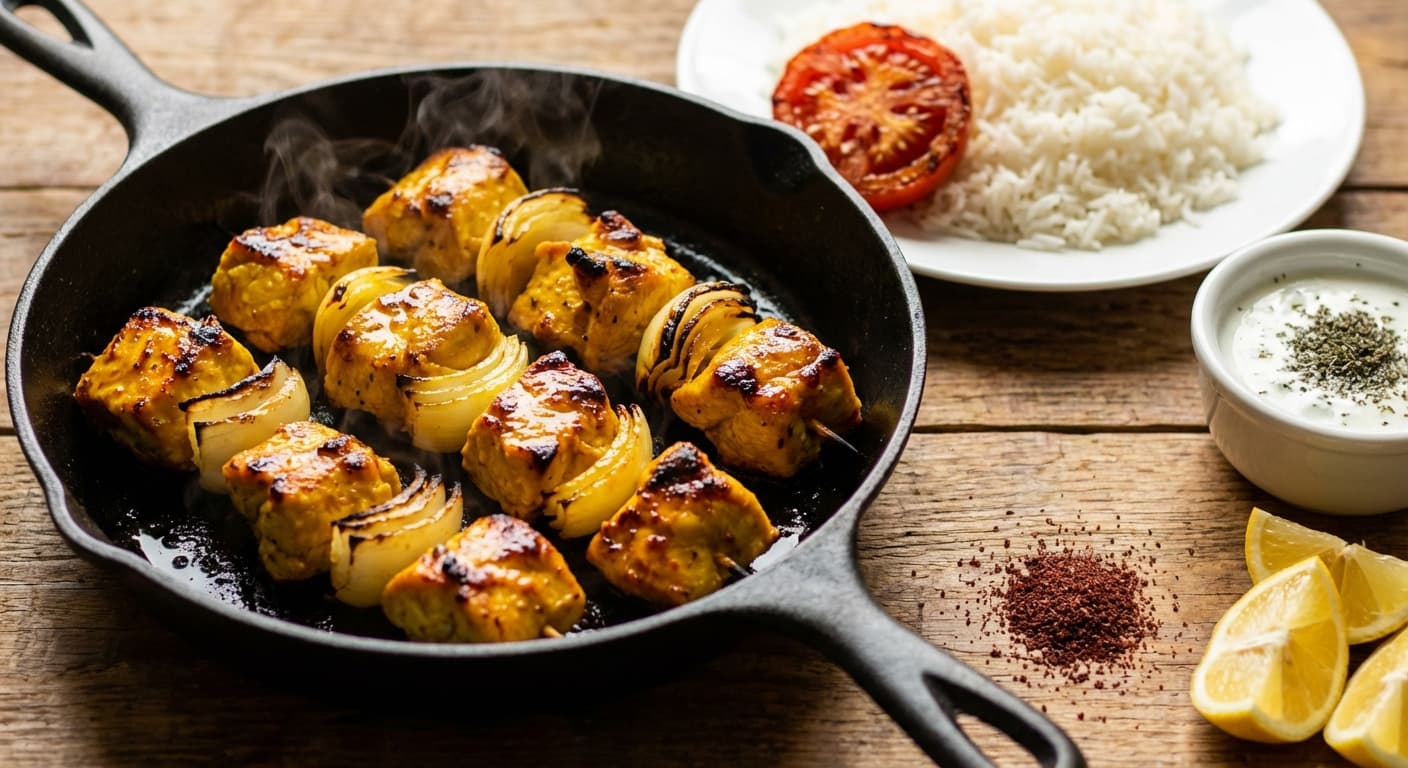
Pan-Seared Joojeh Kebab (جوجه کباب تابهای) — Persian Saffron Skillet Chicken
Persian · Kebabs · 34 min
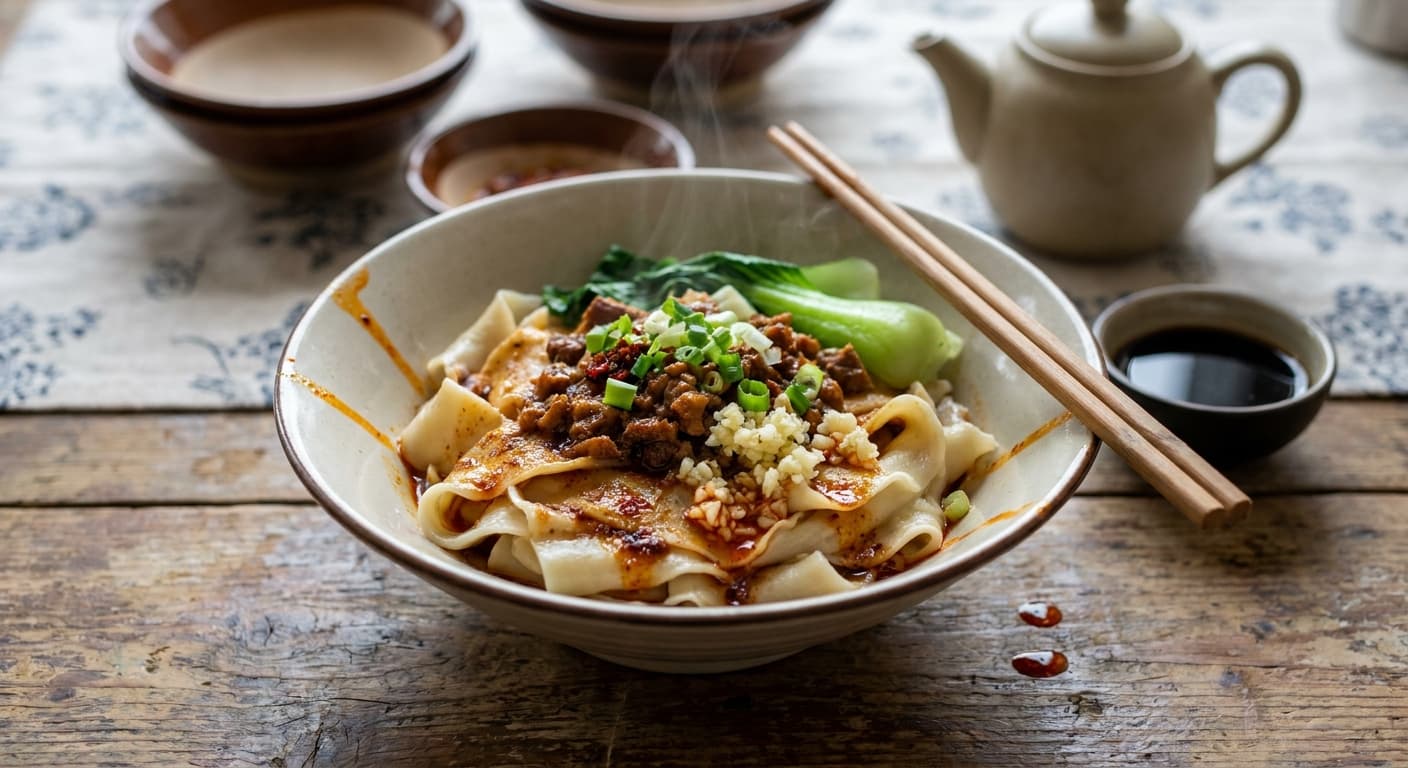
Biangbiang Noodles (油泼扯面) — Xi'an Hand-Pulled Belt Noodles
Chinese · Main Courses · 65 min
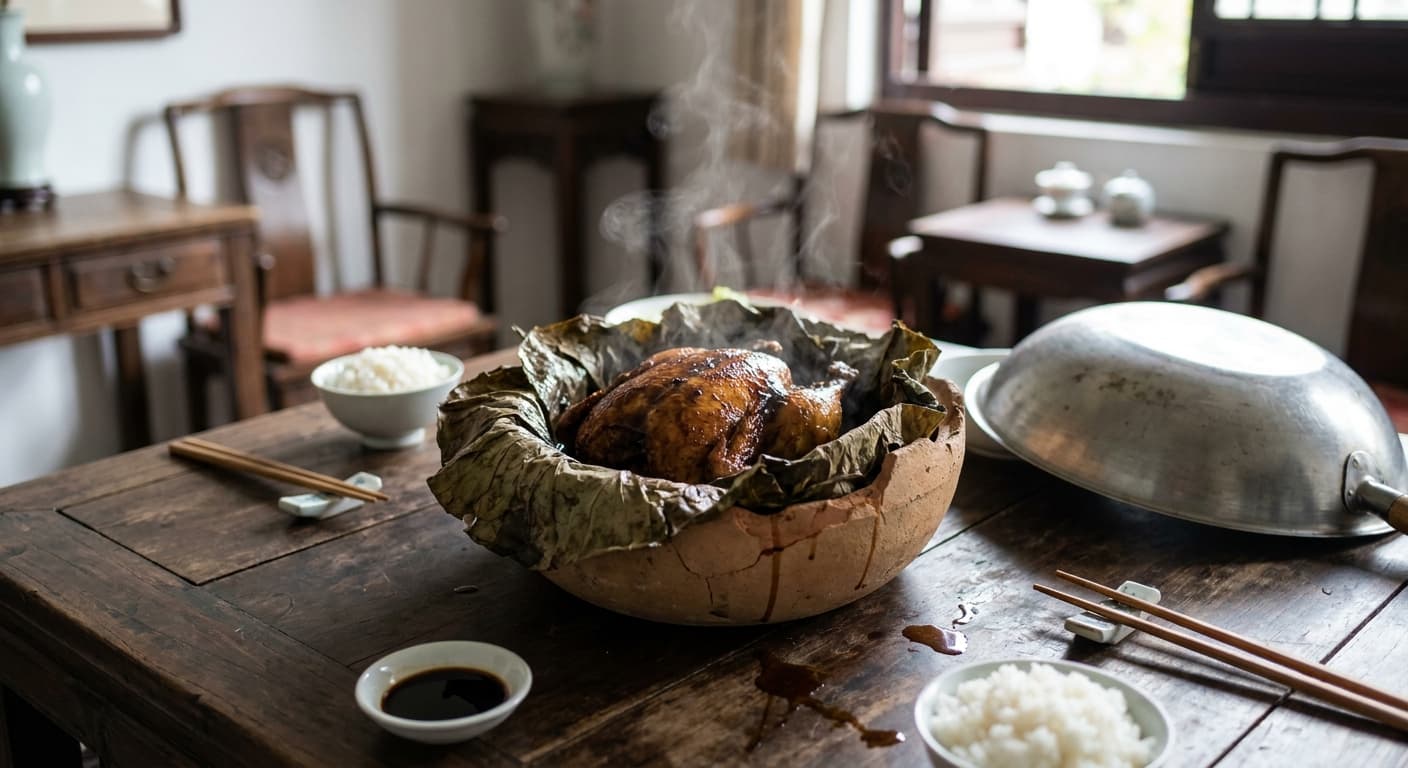
Beggar's Chicken (叫化鸡) — Lotus-Wrapped Clay-Baked Jiangnan Chicken
Chinese · Main Courses · 240 min
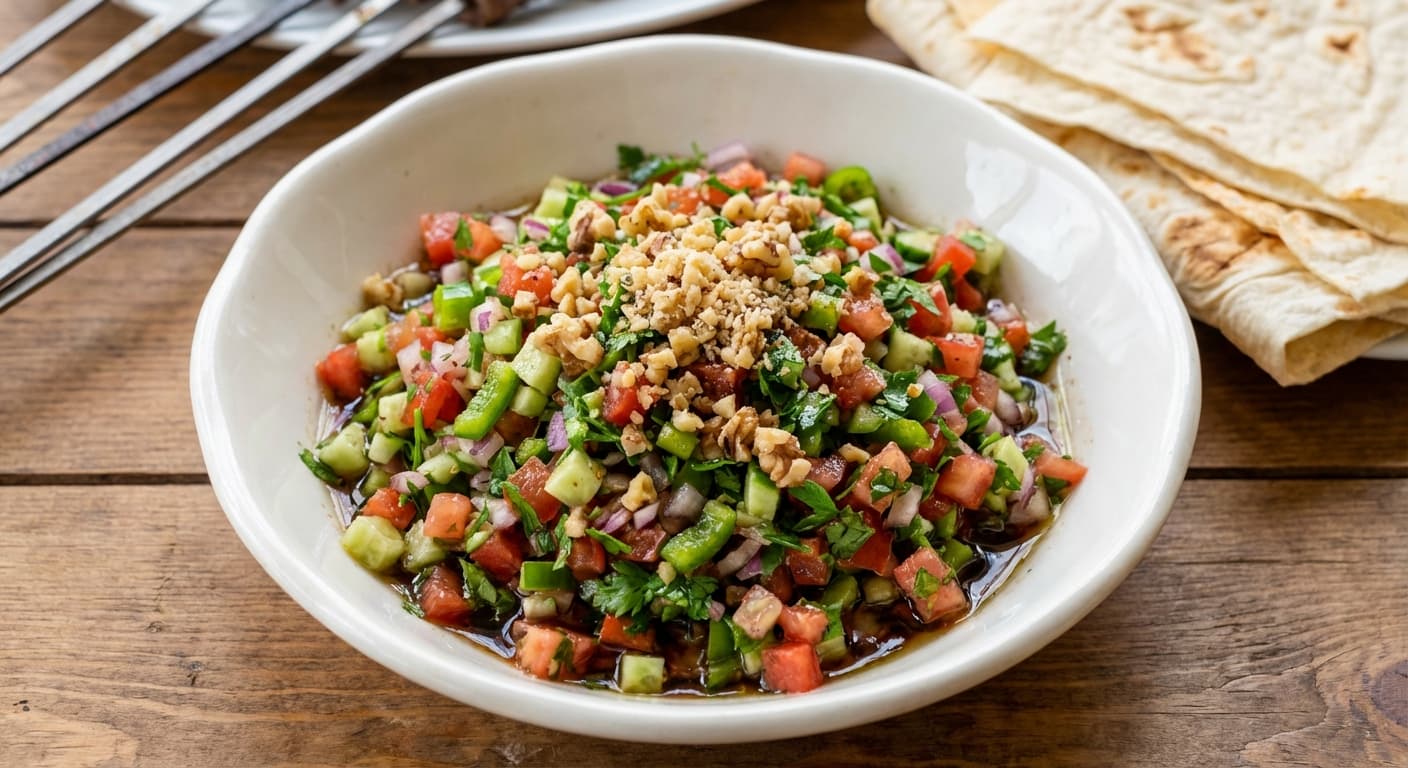
Gavurdağı Salad (Gavurdağı Salatası) — Finely Chopped Walnut & Pomegranate Salad
Turkish · Salads · 20 min
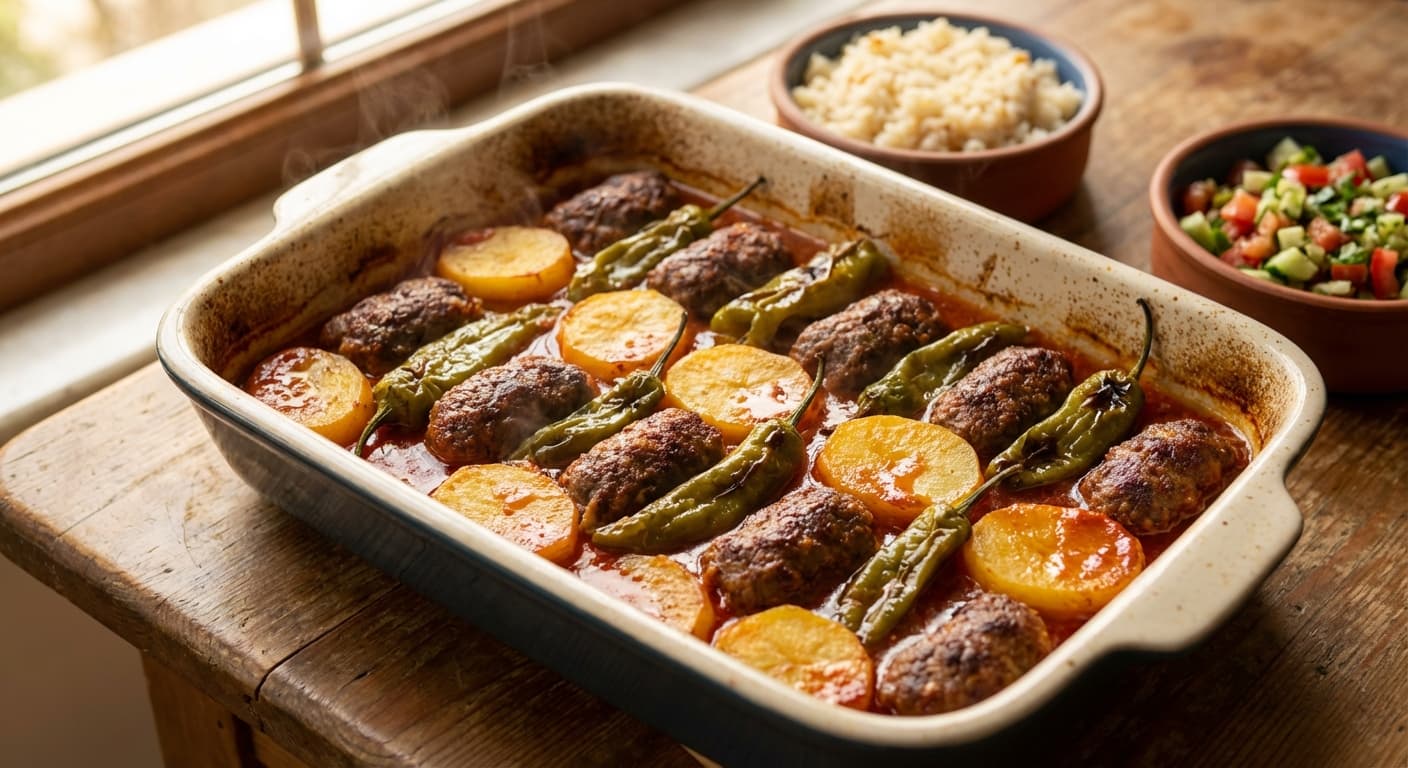
Izmir Kofte (İzmir Köfte) — Oven-Baked Meatballs with Tomato Sauce and Potatoes
Turkish · Main Courses · 70 min
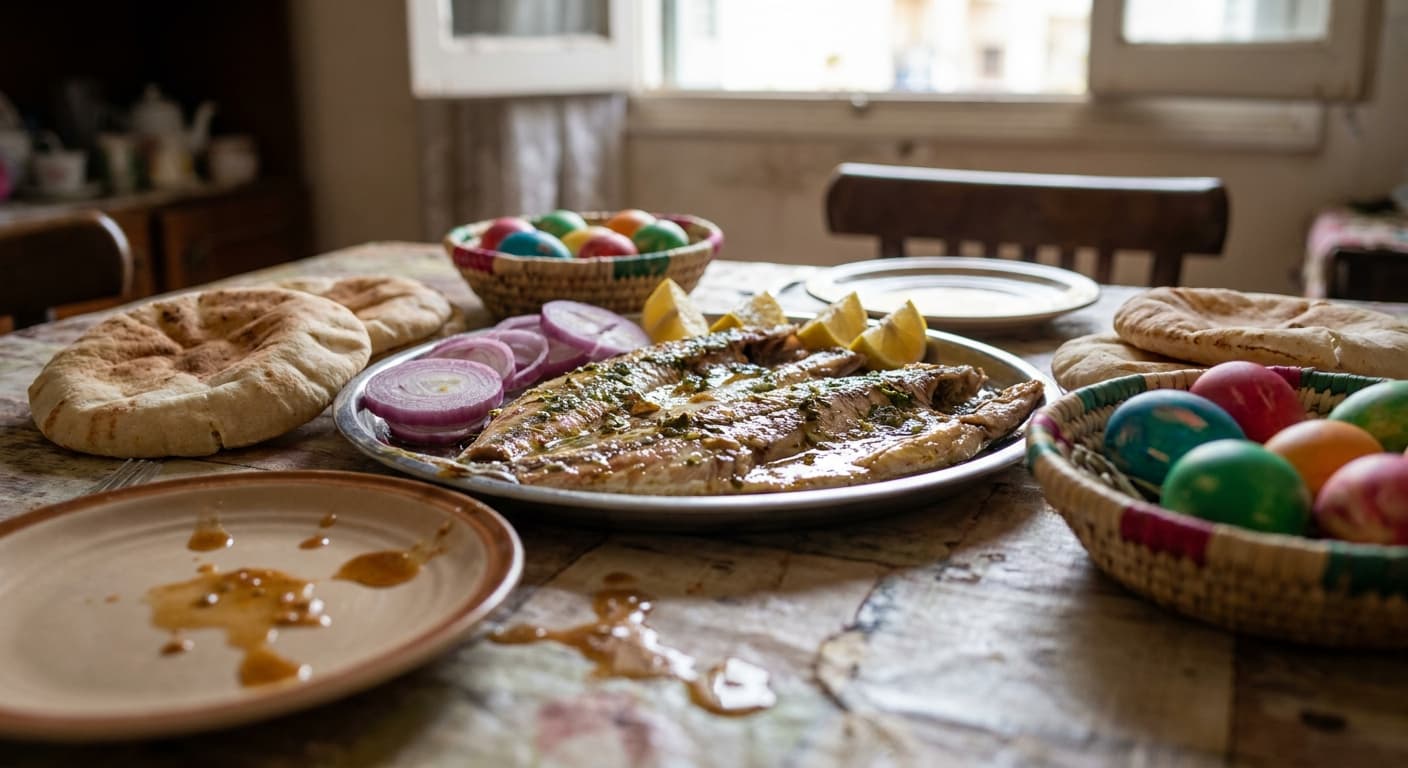
Feseekh (فسيخ) — Egyptian Salt-Cured Mullet for Sham el-Nessim
Egyptian · Main Courses · 30 min
Reviews
Cooked this recipe?
Tap the stars to rate it — that's all it takes. A few words are welcome but optional.
No ratings yet. Cooked this one? Be the first to rate it — it takes one tap.